
Reviewed · MT FUJI DAY TRIPS
Sightseeing Day Trip to Mount Fuji and Hakone Green Number
Fuji in one day feels almost unreal. The trick is how this tour strings together the big sights efficiently, with a personal guide who helps you hit the best viewpoints and stops without wasting time. You’ll see classic fuel-for-the-phone locations like Mt. Fuji 5th Station and the Hakone views around Lake Ashi.
What I like most is the small-group setup: it’s private, and your guide is also your driver. That pairing matters on a day like this, because the route can flex when conditions shift, and you still get a smooth, no-stress flow between lakes, ropeways, and shrines.
One consideration: your Mount Fuji moment is weather dependent, and traffic can be brutal. There’s a real chance you’ll spend time on the road, and in at least one case that meant fewer Fuji stops than expected.
In This Review
- Key Highlights Worth Your Attention
- Two Day-Trip Flavors: Fuji and Hakone Together vs Fuji Only
- Starting in Tokyo: Pickup That Keeps the Day from Falling Apart
- Mt. Fuji 5th Station: The Weather-Driven Core of the Day
- Lake Kawaguchi and Fujikawaguchiko: Fuji Views with Breathing Room
- Oshino Hakkai: The Village Stop That Makes the Day Feel Real
- Ropeways That Change Your Perspective: Kachi Kachi and Hakone
- Hakone Highlights: Lake Ashi, Wakudani, and the Geothermal Feeling
- Oishi Park and Sengen Areas: Finishing Strong with Viewpoints
- Your Private Guide and Driver: Why the Human Factor Matters
- Green Number Plates and Insurance: Small Detail, Big Peace of Mind
- Timing and Traffic: The Real-World Risk You Should Plan For
- Price and Value: $419 Per Group Up to 5, Plus One Common Extra Cost
- Who This Tour Fits Best (and Who Might Prefer Another Style)
- So, Should You Book This Mount Fuji and Hakone Private Day Trip?
- FAQ
- How long is the tour?
- How much does it cost?
- Is this a private tour?
- Which languages are available?
- What itineraries can I choose?
- Are entry tickets included for Mt. Fuji 5th Station?
- Is there free cancellation?
Key Highlights Worth Your Attention
- Licensed-style transport with Green Number plates for a smooth, private Tokyo-to-Fuji-and-Hakone rhythm
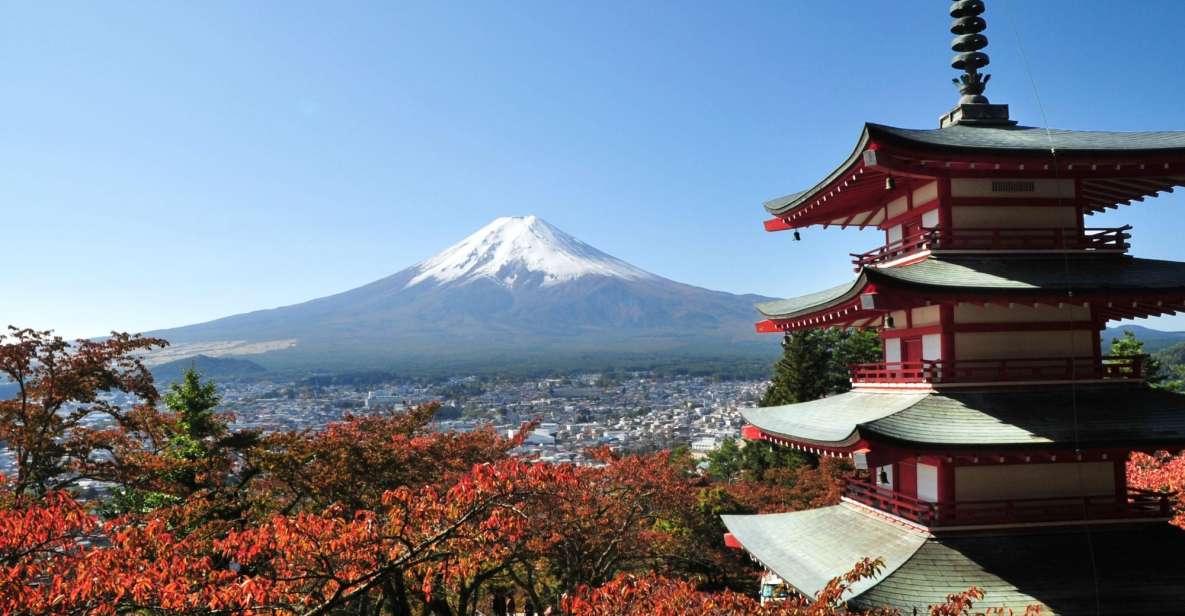
- Mt. Fuji 5th Station when conditions allow, plus an early-morning push to improve your odds
- Oshino Hakkai + Lake Kawaguchi for the calm, scenic contrast to Hakone’s geothermal energy
- Ropeways that actually change your viewpoint, including Kachi Kachi Ropeway and Hakone Ropeway
- Lake Ashi and the Hakone area for that misty, volcanic-funnel atmosphere people come for
- Personal guiding focused on photo spots, local food, and pacing for your group
Other routes to the mountain, compared
- Mt Fuji & Hakone Cruise, Drum Show Bullet Train 1 Day from Tokyo★ 4.0 · 7,413 reviews
- Tokyo Mt Fuji 5th St & Hakone Cruise Bus Tour w/Bullet Train★ 4.4 · 5,024 reviews
- From Tokyo: Mount Fuji Full-Day Sightseeing Trip★ 4.5 · 4,970 reviews
Two Day-Trip Flavors: Fuji and Hakone Together vs Fuji Only
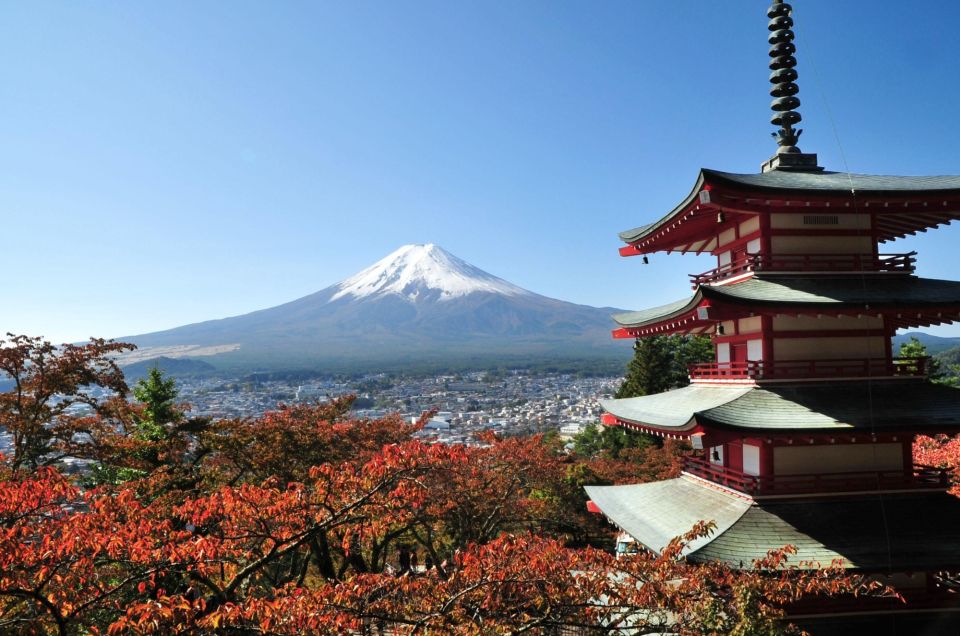
This tour works in two modes. You can pair Mount Fuji and Hakone in one long day, or you can focus the whole thing around the Fuji area if you’d rather not gamble on weather and road time for Hakone too.
The combined route keeps moving through the Fuji lakes, Mt. Fuji 5th Station (weather dependent), and then into Hakone for ropeways and views around Lake Ashi. The schedule is tight, but the payoff is that you get both looks: Fuji’s iconic shape from multiple angles, then Hakone’s volcanic, lake-and-steam atmosphere.
The Fuji-only route is calmer in feel. You still get the signature elements—Mt. Fuji 5th Station, Lake Kawaguchi, Oshino Hakkai, Oishi Park, and a shrine/park stop—without the extra transit time that can come with reaching Hakone.
If you’re the type who hates rushing, I’d lean Fuji-only. If you want the full sampler platter—Fuji views plus Hakone scenery—go for the combo and let your guide steer the timing.
Starting in Tokyo: Pickup That Keeps the Day from Falling Apart
You get hotel pickup and drop-off in Tokyo, with private roundtrip transportation. That alone is a big value lever. Instead of figuring out trains, transfers, and time windows, you’re handed a plan that starts on your doorstep.
Because this is private, your guide can also manage pacing in a way group tours often can’t. Stops are scheduled for sightseeing time (not just a quick curbside glance), which helps when you’re trying to line up viewpoints with the right light and weather.
If you’re staying outside central Tokyo, tell your guide up front. Getting the “where do you pick us exactly” part right prevents awkward delays before you even leave the city.
Mt. Fuji 5th Station: The Weather-Driven Core of the Day
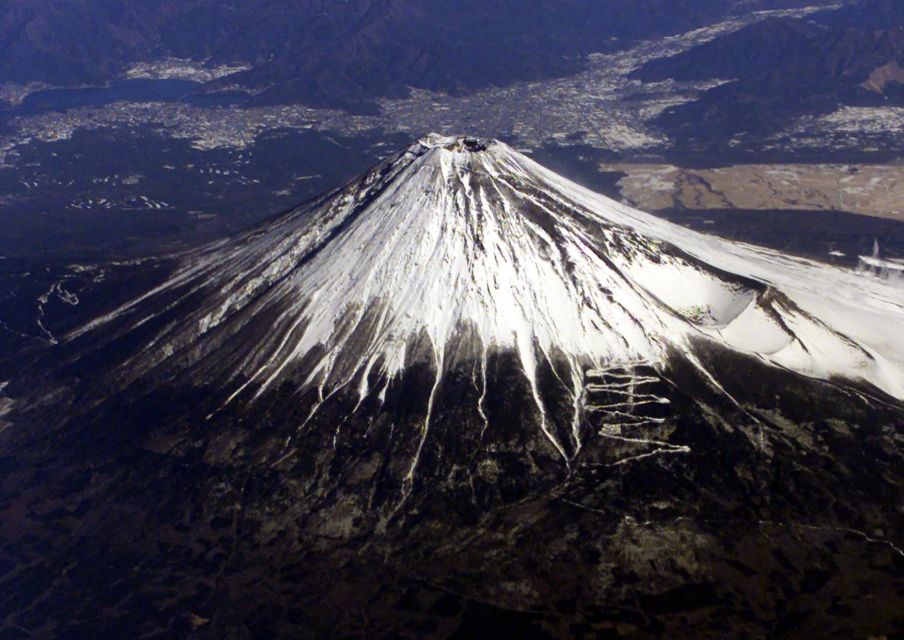
Mt. Fuji 5th Station is the star of the show—when it’s visible. Expect about an hour for sightseeing there, and then you’ll move on while the rest of the day still works even if skies don’t cooperate.
Here’s the practical side: the tour is built around the assumption that you’ll get at least some kind of Fuji moment. But if clouds roll in, you may need to treat the station as the experience of being up in the area rather than guaranteeing a perfect mountain view.
In the best-case scenario, an early start helps. Some past groups got lucky with clear conditions and then used the rest of the day to build on that first strong view—Lake Kawaguchi and later Hakone water views feel much more rewarding when you actually see Fuji cleanly.
Lake Kawaguchi and Fujikawaguchiko: Fuji Views with Breathing Room
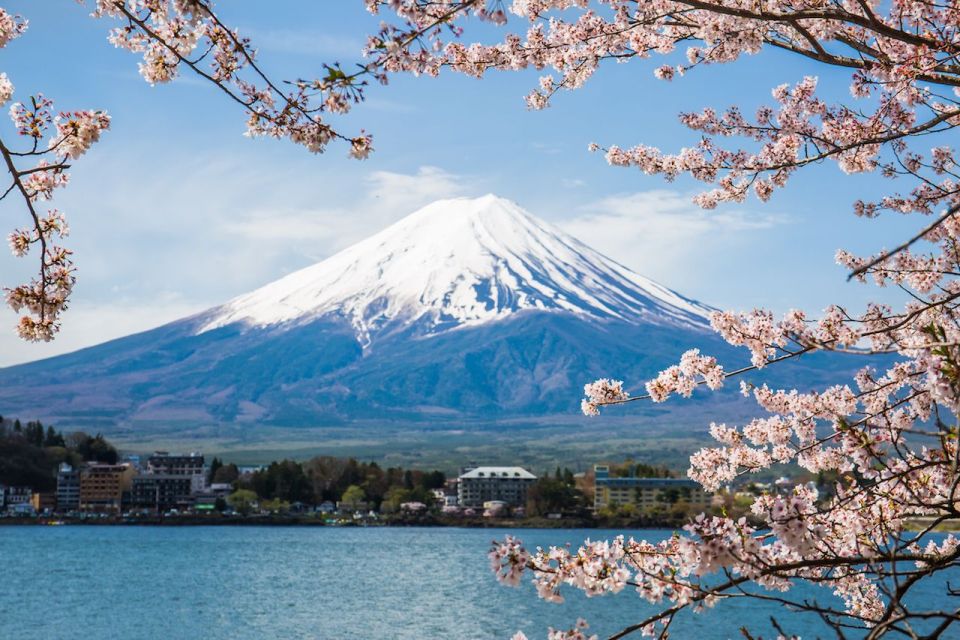
After Mt. Fuji, you’ll head to the Fuji lakes area (Fujikawaguchiko / Lake Kawaguchi zone), with about an hour set for sightseeing. This is where the experience shifts from “big landmark” to “wide scenery you can enjoy slowly.”
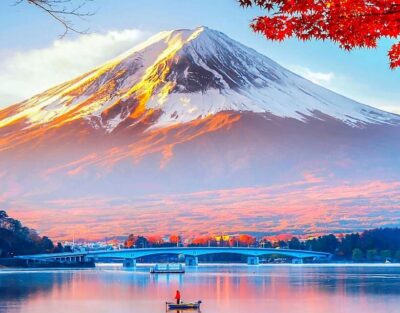
Why this stop matters: Fuji looks different depending on where you stand and how far you are from the shoreline. The lake area gives you a flatter, calmer foreground that makes the mountain shape feel even more dramatic.
If the weather improves after the station, Lake Kawaguchi is often where you’ll feel it most. If the weather stays cloudy, you’ll at least get a sense of the region’s rhythm—tourist paths, viewpoints, and that Fuji-lake atmosphere that’s hard to replicate anywhere else.
More Hakone loops, ropeways and lake crossings
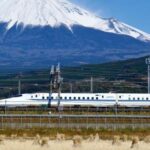
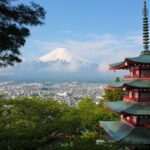
Oshino Hakkai: The Village Stop That Makes the Day Feel Real
Oshino Hakkai is a very specific kind of stop: it’s iconic, but it also feels human-scale. You’ll have about an hour there for sightseeing.
This is the moment where Fuji stops being only a photo target. You get a chance to slow down and look at how the area lives alongside the mountain—water, small streets, and scenery that feels like it belongs in a storybook, but still on the ground.
Oshino Hakkai is also a nice pacing tool. If you’ve hit ropeways and sweeping lakes later, Oshino gives you variety and a little structure to the day.
Ropeways That Change Your Perspective: Kachi Kachi and Hakone
This tour includes ropeways—one in the Hakone/Fuji mix and another that’s part of the Hakone side of the route.
- Kachi Kachi Ropeway is part of the Fuji-area itinerary.
- Hakone Ropeway shows up in the combined route through Hakone.
Even if you’re not a big ropeway person, think of these as “view upgrades.” You’re not just moving between stops—you’re getting angles you’d never see from road level.
A practical note: ropeways can be timing-sensitive with weather. If fog or mist is thick, the ride still tends to be worth it, but expect more atmosphere than sharp visibility. Your guide’s job here is to read conditions and adjust the order when possible.
Hakone Highlights: Lake Ashi, Wakudani, and the Geothermal Feeling
When you go into Hakone on the combined route, you’ll spend time around the geothermal and lake sights—about two hours in Hakone, plus a focused stop at Lake Ashi for about an hour.
You’ll also visit Wakudani as part of this overall Hakone segment. That’s the type of place where the scenery isn’t just pretty—it feels active. Hot zones, steam-y air, and the whole volcanic vibe make Hakone feel like its own world compared to the Fuji-lake calm.
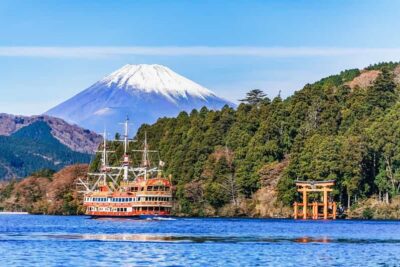
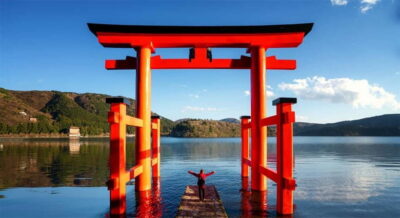
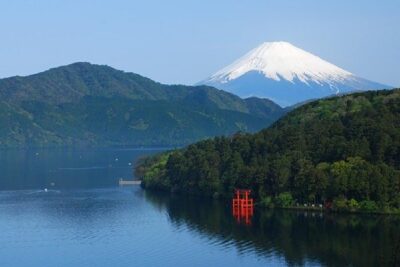
Lake Ashi is where the day gets softer again. It’s the spot to look outward: the water gives you that classic Hakone framing. One of the standout moments in the feedback I’m working from was a great view of Mt. Fuji from the lake area after getting out on the water in a speed-boat style ride. Not every day will match that exact moment, but the important point is that Lake Ashi is built for big views when visibility cooperates.
Oishi Park and Sengen Areas: Finishing Strong with Viewpoints
On the Fuji-only flavor, the later part of the day often includes Oishi Park and then a shrine/park stop such as Arakurayama Sengen Park (and you may also see Arashiyam Sengen Shrine mentioned in the route options).
Why end with these? Because viewpoints around the Fuji region often hit differently in the afternoon. Light can shift fast, and crowds can thin out depending on the season. Your guide can also steer you toward the best option based on where the weather is behaving.
I like these finishing stops because they feel less like checkboxes and more like you’re soaking in the region’s mood.
If you’re choosing the combined route (Fuji + Hakone), you may have less time for these specific late Fuji viewpoint styles. That’s not bad—it’s just a trade. You’re trading Fuji-only pacing for the added Hakone experience.
Your Private Guide and Driver: Why the Human Factor Matters
The guide part is not a throwaway detail here. This is a private tour where your guide also drives, and that combination changes how the day feels.
Across the guides named in the provided experience details, a consistent theme shows up: they focus on the best photo spots, use local knowledge to manage the flow, and push you toward food stops when the schedule allows. People also singled out safety and comfort—especially when traveling with kids—plus solid on-time habits.
If you get assigned someone like Petteri, Zia, Israr, or Ghazi Ali, expect a more hands-on approach than you’d get with a standard hop-on hop-off plan. One guide was also praised specifically for photo skills, including taking well-timed pictures at key viewpoints. That’s the difference between seeing Fuji and actually leaving with photos that look like they were planned.
Green Number Plates and Insurance: Small Detail, Big Peace of Mind
Included with this tour is the vehicle credential listed as Green Number plates, plus full insurance coverage. On a long day with multiple transfers and a lot of moving parts, that’s exactly the kind of practical detail you’re glad you didn’t have to think about.
Think of it this way: when something goes wrong (and traffic happens everywhere), you want the transport to be legitimate and handled. This setup is meant to keep you moving with proper, professional logistics.
Timing and Traffic: The Real-World Risk You Should Plan For
Even with a well-built schedule, this day can be affected by two things you can’t control: weather and traffic.
Weather affects Mt. Fuji visibility at the station. Traffic can affect how much you can realistically do by the time you reach the next region.
One caution from the experience details: heavy traffic delayed reaching Lake Hakone, took a long time, and as a result the plan didn’t include Mt. Fuji the same way. That doesn’t mean the tour is unreliable—it means you should treat this as a day trip where flexibility is part of the deal.
What you can do: be ready for a “best effort” plan. If you want the clearest Fuji chances, prioritize early departure in your group’s mindset, and don’t schedule other tight commitments that day.
Price and Value: $419 Per Group Up to 5, Plus One Common Extra Cost
At $419 per group (up to 5 people) for a 10-hour day, the pricing can be good value—especially if you’re comparing it to the cost of separate taxis plus entrance fees plus the time cost of public transport.
The catch: Mt. Fuji 5th Station entry tickets are not included, listed at ¥2,800. Plan on that extra if your day includes the station.
Here’s the value logic I’d use to decide: if you have a group of 3–5, private transport and a private guide spread nicely. If you’re traveling solo or as a couple, it can still be worth it if you strongly prefer convenience, smoother timing, and photo guidance—but you should weigh that against the extra expense of privacy.
Either way, you’re buying time-saving and decision-making help. On a route this packed, that’s often what you feel most after the day ends.
Who This Tour Fits Best (and Who Might Prefer Another Style)
This is a strong fit if you:
- Want a single day that covers the big Fuji and Hakone sights
- Prefer a private pace over group schedules
- Care about photo viewpoints and local food moments
- Are traveling with family (the comfort and patience angle comes up in the experience notes)
It may be less ideal if you:
- Get very stressed by schedule changes due to traffic
- Have extremely strict expectations about seeing Mt. Fuji from every stop
- Prefer a slower, multi-day immersion rather than a 10-hour sprint
If your top goal is Fuji views only, the Fuji-only route will likely feel more satisfying. If your goal is the full Fuji + Hakone combo, keep your expectations flexible and trust the guide to manage the order.
So, Should You Book This Mount Fuji and Hakone Private Day Trip?
I’d book it if you want a smooth, private day that hits the must-see points—Mt. Fuji 5th Station when possible, Oshino Hakkai, ropeway viewpoints, and the Lake Ashi/Hakone feel—without you doing the planning math.
I wouldn’t book it if you’re the kind of traveler who needs zero uncertainty. Weather and traffic are real variables here, and the day is long enough that delays can change the balance of stops.
If you do book, choose the itinerary based on what you’d hate losing:
- If losing Fuji time would bother you most, consider the Fuji-only plan.
- If you’d regret missing Hakone’s lake-and-geothermal mood, pick the combined plan and bring a flexible spirit.
FAQ
How long is the tour?
It runs for 10 hours.
How much does it cost?
The price is $419 per group for up to 5 people.
Is this a private tour?
Yes. It’s a private group tour with a live English guide, and your guide also acts as your driver.
Which languages are available?
The live guide is listed as English.
What itineraries can I choose?
You can combine Mount Fuji and Hakone in one day, or do a Mount Fuji area only day trip. You can also customize if you have extra requests and time allows.
Are entry tickets included for Mt. Fuji 5th Station?
No. Mt. Fuji 5th Station entry tickets are not included and are listed as ¥2,800.
Is there free cancellation?
Yes. You can cancel up to 24 hours in advance for a full refund.
More Tour Reviews in Tokyo






Hakone, Three More Ways
The Fuji Shortlist: Other Days Out to the Mountain

Fresh reviews from around Tokyo






Mt Fuji Day Trips, compared.
 ★ 4.0Mt Fuji & Hakone Cruise, Drum Show Bullet Train 1 Day from TokyoFrom $1497,413 reviews
 ★ 4.4Tokyo Mt Fuji 5th St & Hakone Cruise Bus Tour w/Bullet TrainFrom $1545,024 reviews
 ★ 4.5From Tokyo: Mount Fuji Full-Day Sightseeing TripFrom $684,970 reviews
 ★ 4.7Mt. Fuji Tour, Hakone Ropeway, Owakudani, Lake AshiFrom $544,002 reviews
 ★ 5.0Private Tour to Mt. Fuji and Hakone (Fully Licenced Operator)From $4971,910 reviews
 ★ 4.9Mount Fuji Full-Day Private Tour from Tokyo (Customizable)From $3931,470 reviews
 ★ 4.0Mt Fuji & Hakone Cruise, Drum Show Bus 1 Day from TokyoFrom $1221,287 reviews
 ★ 4.2From Tokyo: Mt. Fuji & Hakone Tour w/ Return by Bullet TrainFrom $1171,278 reviews
Browse the lists this tour appears in