
Reviewed · FULL-DAY
Private Tokyo Custom Full-Day Tour by Chartered Vehicle
Private Tokyo days feel like magic. This chartered day is built for your pace, with a custom itinerary and a dedicated guide inside a comfortable private vehicle. You also get hotel pickup and drop-off from central Tokyo, which saves you the stress of transit hopping when you want to actually enjoy the day.
Two things I really like: the plan can be adjusted to your interests, and the group stays small—up to 4—so you’re not stuck listening to a guide over the sound of other people’s tour chatter. The one catch is timing: on major dates like New Year, temple areas can be packed and traffic can slow everything down.
Expect friendly, practical help from the guide and driver. In past outings, guides including Yutaka and Toshio stood out for being patient and accommodating, while drivers such as Tetsuo were described as cheerful and polite—exactly the kind of calm you want when you’re coordinating multiple neighborhoods.
In This Review
- Key highlights to know before you go
- Why this chartered full-day tour works in Tokyo
- Pickup, timing, and how the day flows (8 hours, 9:00 am start)
- Tsukiji Fish Market: a market stop that’s short, focused, and useful
- Meiji Jingu: the calm pocket after busy streets
- Asakusa and Senso-ji: walking the Thunder Gate to the main temple
- Harajuku Station and Takeshita Street: playful, loud, and easy to sample
- Omotesando: where street style meets calmer browsing
- Shibuya Crossing: iconic, but plan your moments
- Customization that can add Imperial Palace, Edo Castle, or Tokyo Tower
- Price and value for a group of up to four
- Who this private Tokyo day suits best
- Should you book this tour?
- FAQ
- FAQ
- What group size is this tour for?
- How long is the tour?
- What time does the tour start?
- Is hotel pickup and drop-off included?
- What stops are included in the itinerary?
- Are admission tickets included?
- Is food included?
- Is transport by private vehicle included?
- Are parking fees included?
- What is the cancellation cutoff for a full refund?
Key highlights to know before you go
- Chartered vehicle for up to 4 means fewer delays and more control over where you stop.
- Hotel pickup and drop-off in central Tokyo removes the hardest part of day-tripping: getting to the start point.
- A guided, free-admission sightseeing mix across classic Tokyo areas, with about one hour per stop.
- Flexible routing so your guide can shift the day based on your interests and energy level.
- Real neighborhood texture, from Tsukiji’s market atmosphere to Harajuku street life and Shibuya’s crossing scene.
More private options with your own guide
- Tokyo 6hr Private Tour with Government-Licensed Guide★ 5.0 · 3,902 reviews
- Private Tour to Mt. Fuji and Hakone (Fully Licenced Operator)★ 5.0 · 1,910 reviews
- Tokyo Customized Private Tour (Must See Places in 1 Day)★ 5.0 · 1,499 reviews
Why this chartered full-day tour works in Tokyo
Tokyo is big. It’s also layered—old shrine paths next to neon shopping streets, and quiet residential turns that disappear the moment you stop paying attention. A private full-day tour helps because you’re not spending your best hours figuring out trains, entrances, and meeting points.
With a dedicated guide and a private vehicle, you get two wins at once: you can see a lot of iconic places without feeling rushed, and you can ask questions as you go. That matters in Tokyo, where even basic things like the proper vibe at a shrine or how streets connect can make the experience smoother.
And since it’s tailored to your interests, you’re not forced into a one-size-fits-all list. If your group cares more about traditional Tokyo than shopping, or the other way around, you can steer the day. I like that the tour is built around the idea that your day should match your group.
Pickup, timing, and how the day flows (8 hours, 9:00 am start)
The day starts around 9:00 am and runs for about 8 hours. That’s a sweet spot in Tokyo: early enough to catch popular areas before they fully peak, but long enough to do multiple neighborhoods without feeling like you’re on a sprint.
Hotel pickup and drop-off are included from central Tokyo. That’s important because Tokyo’s transit can be efficient, but it’s also easy to lose time—wrong exit, long walking transfers, and sudden crowding. When the car picks you up and drops you off, your “navigation energy” goes into enjoying the sights instead.
A few practical notes you’ll appreciate:
- Food and drinks aren’t included, so you’ll want a snack plan.
- Parking fees aren’t included, which usually doesn’t matter much for how you spend your day, but it can matter for the operator’s cost structure.
- You’ll receive a mobile ticket, so you’re not hunting for paperwork.
Also, this is a private group experience, so you’re not mixing with strangers. That helps with comfort and pacing, especially when you want extra time to look around or take photos.
Tsukiji Fish Market: a market stop that’s short, focused, and useful
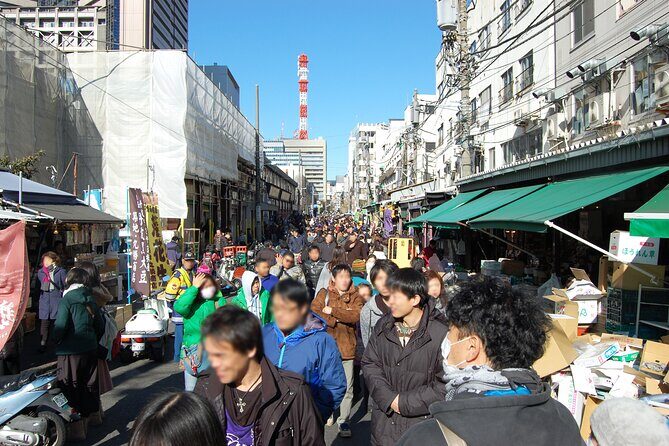
Your first stop is Tsukiji area for about 1 hour. The admission ticket for this stop is listed as free, which is nice, but the bigger value is what that hour gives you: a quick, high-energy introduction to one of Tokyo’s most famous food neighborhoods.
Tsukiji is best when you treat it like orientation. Don’t try to “do it all” in 60 minutes. Instead, look for:
- What kind of food stalls and stands are calling to you
- How the market lanes feel when locals are moving through
- What you want to come back for later—if you’re planning the rest of your Tokyo days around seafood
Because your day is private, you can also ask your guide what’s most worth your time that day. Even without a long market crawl, you’ll leave knowing how the area works.
One drawback: a one-hour market stop can feel tight if your group gets snack-happy. If food is a big priority, plan that you might need a longer break later, or you might have to prioritize bites over wandering.
Meiji Jingu: the calm pocket after busy streets
Next up is Meiji Jingu Shrine for about 1 hour, also with free admission. This is a smart pairing with Tsukiji because it changes the whole tempo of the day. You go from intense market activity to a shrine setting that feels designed for slower walking.
You’ll walk through two large gates that frame the entrance. That’s a small detail, but it’s exactly the kind of thing that makes Meiji Jingu feel ceremonial rather than just scenic. It also helps you “arrive” mentally, which makes the rest of the visit easier to enjoy.
What I like about this stop in a private tour is that the guide can explain what you’re seeing without turning it into a long lecture. You get the basics, you notice the atmosphere, and you can still spend most of your hour standing quietly where it feels right.
If you’re the kind of traveler who wants one cultural anchor in the day, this is it. And if you’re shopping-focused, this stop still gives you a reset—trees, space, and a break from crowds.
Worth weighing up alongside this Tokyo pick:


Asakusa and Senso-ji: walking the Thunder Gate to the main temple
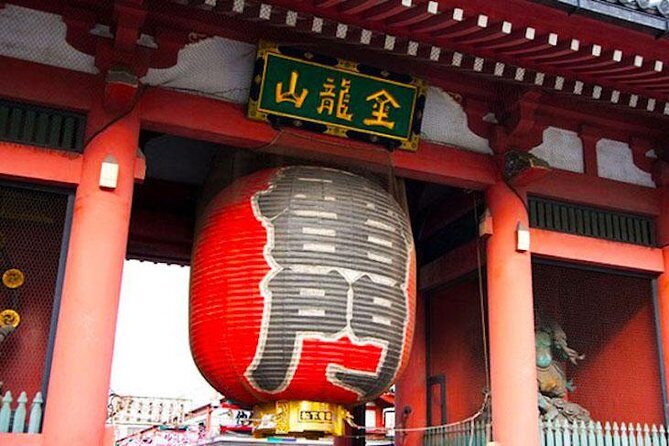
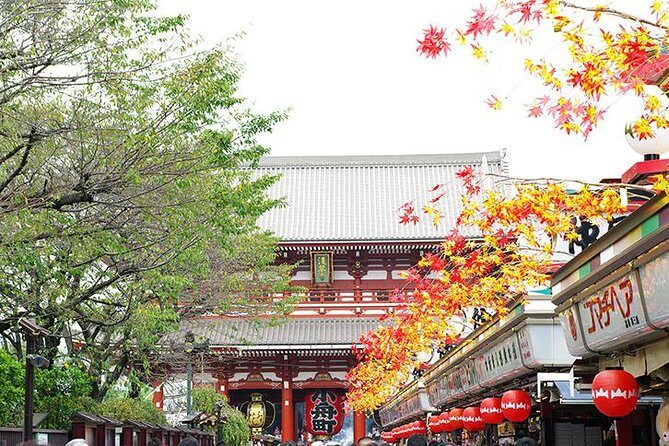
Asakusa is where Tokyo starts to feel classic-fast. Your stop here is about 1 hour, with free admission, and the highlight is the approach to Senso-ji, one of the most famous temples in Tokyo.
You’ll head in through Kaminarimon (Thunder Gate), the outer gate of Senso-ji. Even if you’ve seen photos, walking through that gateway changes the experience. You’re no longer looking at an image—you’re part of the flow, hearing the street sounds and seeing the scale.
A useful way to handle Asakusa on a tour day: think of it as two layers.
1) The entry and main approach, where you’re soaking in the feel
2) The moment where you pause and slow down enough to absorb what’s around you
In a guided setting, you don’t lose time hunting for the right path. You also get help staying respectful in the temple setting, which matters here.
Possible downside: Asakusa can be crowded, especially on big holidays. If your group is sensitive to crowds, build in a little flexibility. The private setup helps because your guide can adjust the pacing if you hit a peak moment.
Harajuku Station and Takeshita Street: playful, loud, and easy to sample
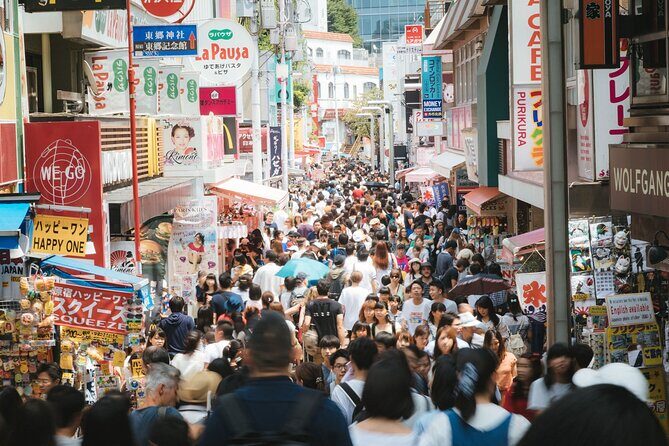
Then you shift into Harajuku. The itinerary includes Harajuku Station and Takeshita street for about 1 hour, admission listed as free. This is the part of Tokyo where youth fashion, quick trends, and bold storefronts all mix in one pedestrian flow.
In this kind of stop, you don’t want to over-plan. Use the hour to:
- Walk the main lanes
- Pop into one or two stores if something catches your eye
- Get a few photos that feel like Tokyo’s fashion snapshot
The value of doing Harajuku by private car is that you arrive with less friction. Getting in and out of Tokyo fashion districts can be a time sink if you’re using public transit. Here, you trade some cost for time and comfort—and that time is exactly what you need when you still have shopping streets and Shibuya left later.
One caution: Harajuku can be physically busy—people, cameras, sidewalks narrowing at peak moments. Wear comfortable shoes and expect slower movement near the most popular stretches.
Omotesando: where street style meets calmer browsing
After Harajuku, you move to Omotesando, a shopping area for about 1 hour with free admission. Omotesando tends to feel more “design-forward” than the small-street chaos of takeshape shopping zones. If Harajuku is the loud trend scene, Omotesando often reads like a more spacious runway.
This is where I’d suggest you slow down. If your group enjoys browsing, Omotesando gives you breathing room to compare styles, look at architecture, and treat shopping as strolling instead of sprinting.
Since the tour is customized, you can steer what you do here:
- If your group wants souvenirs, you’ll focus on practical buys.
- If you’re more into fashion and design, you can treat it like a walking gallery.
- If you’d rather take a break, you can spend some of that hour just watching street life.
Even if you don’t shop, Omotesando is worth it for perspective. It shows you Tokyo’s side that’s not only about crowds and costumes, but also about clean-lined streets and high-fashion branding.
Shibuya Crossing: iconic, but plan your moments
Your final major neighborhood stop is Shibuya, specifically Shibuya crossing, for about 1 hour with free admission. This is Tokyo’s famous intersection, where people flood out in every direction like clockwork.
You’ll get the classic experience, but the private-tour advantage is timing and pacing. Instead of arriving on your own with no clue where to stand or how long to wait for the right photo moment, you can ask your guide for the best approach based on how the crowd looks at that time.
I recommend using the hour for two things:
- A few wide, recognizable crossing shots
- Then stepping back to watch how the crowd moves when the light changes
If your group is tired, this is also the easiest place to “do less” while still feeling like you experienced something big. You can stand, people-watch, and enjoy the sense of Tokyo energy without needing to hunt for hidden spots.
Customization that can add Imperial Palace, Edo Castle, or Tokyo Tower
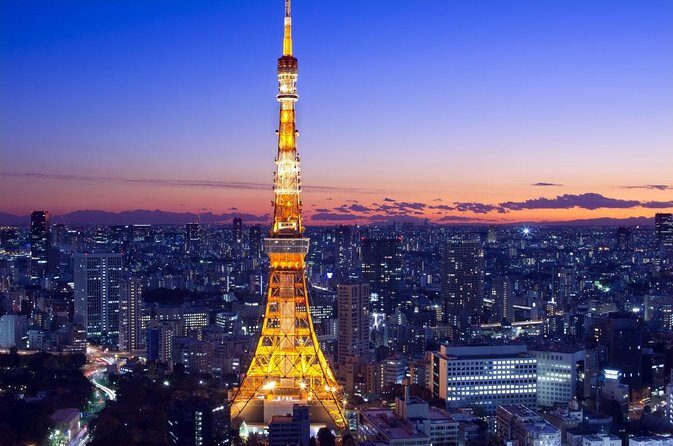
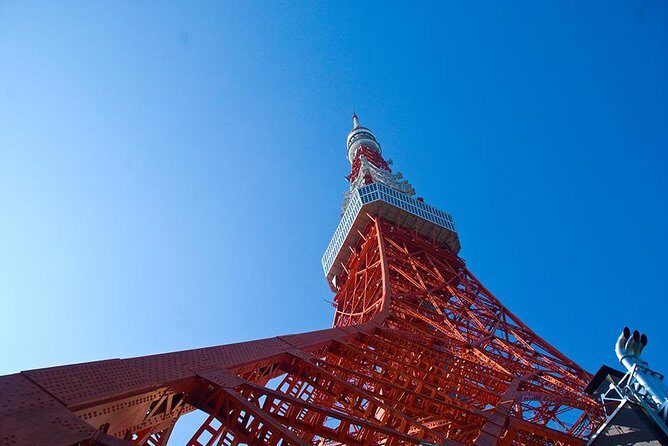
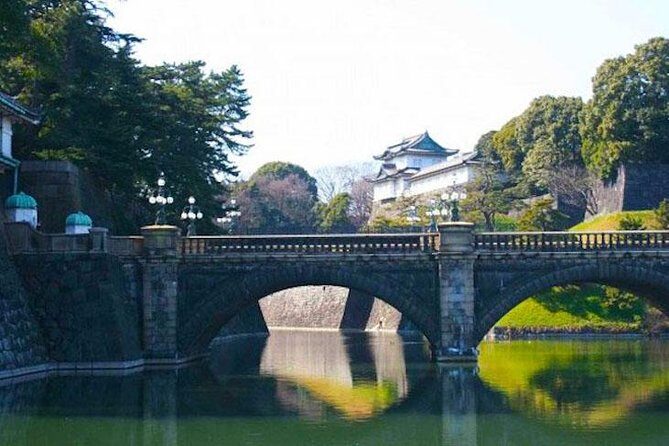
The core itinerary includes Tsukiji, Meiji Jingu, Asakusa, Harajuku, Omotesando, and Shibuya. But the experience is described as customizable, with options that can include historic sites such as the Imperial Palace, Edo Castle, and even Tokyo Tower, depending on what fits your interests.
This customization is where the tour can become more than a checklist. If your group loves history, you can swap some shopping-heavy time for palace or castle-related sights. If your group is more photo-obsessed, you can adjust so you’re not spending your most energetic hours in places you’re only half-interested in.
One smart way to plan: decide your must-haves before you book. Then decide your “nice-to-haves.” Your guide can work with that, and the private vehicle makes it easier to adjust without wrecking your day.
Also keep in mind that historic sites and big viewpoints can be more sensitive to crowds and traffic. The private structure helps, but it can’t erase the reality of Tokyo crowds on popular dates.
Price and value for a group of up to four
The price is $1,273.75 per group, up to 4 people. On paper, that’s not cheap. But value in Tokyo is often about trade-offs: paying to save time, reduce stress, and get someone local guiding your movement.
Here’s how I think about it:
- If you’re traveling as a couple or small family, the per-person cost becomes much more reasonable.
- The day includes a driver, guide, and private vehicle, plus hotel pickup and drop-off from central Tokyo.
- Several stops list free admission, which helps you avoid extra entry costs that can stack up in a normal DIY day.
You do still pay for your own food and you may handle parking fees if applicable. But you’re buying comfort and control: you’re not spending your time figuring out transportation between neighborhoods, and you’re not constantly negotiating where everyone wants to go next.
Also, the flexible tone from guides and drivers matters. When you’re tired, or something is packed beyond what you expected, being able to adjust without losing half your schedule is a real cost saver.
Who this private Tokyo day suits best
This tour fits best if you want a guided hit list without the pressure of big-group pacing. I’d especially recommend it if:
- You’re in Tokyo for a short stay and want classic neighborhoods in one day
- Your group includes mixed interests, like one person who wants shopping and another who wants shrines
- You’d rather pay for convenience than spend energy on planning transit routes
- You prefer a calm, private flow over crowded group bus tours
It may be less ideal if your group hates spending money on guided services and you’d rather build your own route using transit. Also, if you’re visiting during peak holiday periods, expect crowds to affect sight time and traffic.
But if you show up with a “we want to see a lot, but we want it comfortable” mindset, this is a strong way to experience Tokyo in a single day.
Should you book this tour?
Book it if you want a smooth, well-paced day that hits Tokyo’s biggest highlights with a small group and a private vehicle. The combination of hotel pickup, customizable routing, and a dedicated guide is what makes the day feel worth it, especially if you’re short on time.
Skip it if your budget is tight and you’re comfortable building the route yourself, or if you’re set on spending lots of time in one place and won’t benefit from a multi-neighborhood flow.
If you do book, I’d plan around comfort: bring walking shoes, decide what matters most to your group (market, shrines, fashion, or city icons), and be realistic about crowding on major holidays.
FAQ
FAQ
What group size is this tour for?
It’s a private tour for only your group, with pricing set for up to 4 people.
How long is the tour?
The duration is about 8 hours.
What time does the tour start?
The start time is 9:00 am.
Is hotel pickup and drop-off included?
Yes. Pickup and drop-off from central Tokyo is included for ease.
What stops are included in the itinerary?
The tour includes Tsukiji Fish Market (Tsukiji area), Meiji Jingu Shrine, Asakusa (Senso-ji area), Harajuku Station (Takeshita street), Omotesando (shopping area), and Shibuya (Shibuya crossing).
Are admission tickets included?
Admission tickets for the listed stops are shown as free.
Is food included?
No. Food and drinks are not included.
Is transport by private vehicle included?
Yes. You get transport by private vehicle, plus a driver.
Are parking fees included?
Parking fees are not included.
What is the cancellation cutoff for a full refund?
You can cancel up to 6 days in advance of the experience for a full refund (you must cancel at least 6 full days before the start time).
Just Your Group: Private Options

More Tours in Tokyo




More Tour Reviews in Tokyo




Fresh reviews from around Tokyo






Full-Day, compared.
 ★ 4.5From Tokyo: Mount Fuji Full-Day Sightseeing TripFrom $684,970 reviews
 ★ 4.9Mount Fuji Full-Day Private Tour from Tokyo (Customizable)From $3931,470 reviews
 ★ 5.0Tokyo Private Full-Day Tour by Car or VanFrom $321684 reviews
 ★ 4.7From Tokyo: Must-Visit Mount Fuji Highlight Full-Day TourFrom $69532 reviews
 ★ 4.5Mt. Fuji, Hakone Full-Day Private Tour with English Driver GuideFrom $495458 reviews
 ★ 4.8From Tokyo: Mount Fuji Full-Day Customizable Private TourFrom $483451 reviews
 ★ 5.0Nikko Full-Day Private Tour with Government-Licensed GuideFrom $155259 reviews
Mount Fuji Full Day Sightseeing Tour from TokyoFrom $67243 reviews
★ 5.0Nikko Full-Day Private Tour with Government-Licensed GuideFrom $155259 reviews
Mount Fuji Full Day Sightseeing Tour from TokyoFrom $67243 reviews