
Reviewed · NIKKO DAY TRIPS
Nikko Toshogu, Kegon waterfall, Lake Chuzenji One Day Pvt. Tour
Nikko feels far away, but not today. This private day trip strings together the UNESCO sites of Nikko and the big nature hit at Kegon Falls, with a plan that saves you from the usual public-transport puzzle. I love that you ride in an air-conditioned vehicle and spend your energy sightseeing, not timing buses. I also love the way the stops cluster Tokugawa Ieyasu landmarks, gardens, and lake-and-water views into a smooth flow. The only real drawback: lunch and the main entrances cost extra, so you’ll want to budget for that upfront.
This is set up for small groups, up to 5 in your party, with pickup from Tokyo Station and a driver-host who can keep things moving with practical support like a Wi‑Fi hotspot in the vehicle. Based on what people highlight, the host touches matter: comfort, small snacks/water, and smart help figuring out where to spend your time.
In This Review
- Key points worth caring about
- Why a private Nikko day trip beats bus hopping
- Tokyo Station pickup and the long ride that actually feels manageable
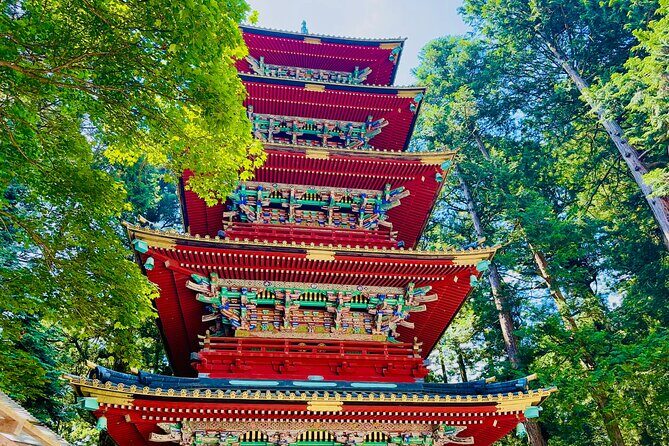
- Nikko Toshogu: Tokugawa Ieyasu, Shinto-and-Buddhist, and a 36m pagoda
- Rinnō-ji Temple: 766 AD roots and the three major statues
- Nikko Toshogu Museum: armor, swords, and the Sleeping Cat detail
- Botanical garden time: a calmer Tokugawa-era pause
- Shinkyo Bridge: the red bridge at the shrine entrance area
- Kegon Falls and Lake Chuzenji: the 100m drop with a classic viewing lift
- Price and real value: $500 per group plus entrance fees
- What the schedule feels like on the ground
- Who should book this Nikko one-day private tour
- Should you book this Nikko Toshogu and Kegon Falls day trip
- FAQ
- What is the price for this Nikko one-day private tour?
- How long does the tour take?
- What does the tour include?
- What is not included in the tour price?
- Which entrance fees should I expect to pay?
- Where does the tour start and end?
- Is this tour private?
- Are there any tickets provided on the day?
- Can I cancel for a full refund?
Key points worth caring about
- Private vehicle from Tokyo Station saves time and stress compared with bus transfers
- UNESCO Toshogu + Rinnō-ji in one day means you see more of Nikko without juggling routes
- Nature time at Kegon Falls includes the dramatic 100m drop and the classic viewing setup
- Short, well-paced visits (roughly 2 hours at Toshogu, 1 hour at Rinnō-ji, plus bridge and falls time)
- Clear extra costs for major entrances (so you can budget without surprises)
- On-the-go convenience with a mobile ticket and a Wi‑Fi hotspot on board
The shrine road north: other Nikko trips
- Nikko: Kegon Falls, Lake Chuzenji & Toshogu Temple★ 4.6 · 1,577 reviews
- Tokyo: Nikko Toshogu Shrine and Kegon Waterfall Tour★ 4.5 · 1,266 reviews
- From Tokyo: Nikko World Heritage Site Private Full-Day Trip★ 4.9 · 243 reviews
Why a private Nikko day trip beats bus hopping
Nikko is one of those places that’s easy to romanticize and annoying to navigate if you’re on your own. The famous shrines and waterfalls are popular, and public transport can turn a simple day into a schedule puzzle. This tour keeps you in control by doing the heavy lifting: you’re taken by private car, then dropped into a sequence of top sights.
I like that the day is built around the core Nikko must-dos instead of spreading you thin. You get a structured sweep of Toshogu Shrine sites connected to Tokugawa Ieyasu, then you shift from temple-gold-and-carving to calmer garden time, then finish with Kegon Falls and Lake Chuzenji vibes. If you care about seeing a lot with less friction, the private format is the point.
One caution I’d flag: Nikko is not a place where you want to feel rushed. A private day trip helps, but you’ll still be on your feet for temples and walking around viewpoints.
Tokyo Station pickup and the long ride that actually feels manageable
This tour starts and ends back at Tokyo Station. That matters because Nikko day trips often begin with a time-consuming trek across Tokyo before you even leave the city. Here, you start from a hub that’s easy to reach on your first morning, and you don’t have to coordinate a complicated return.
The ride is in an air-conditioned vehicle, and you also get a Wi‑Fi hotspot on board (plus fuel surcharge and parking fees are covered). That combination is underrated in Japan: it helps you keep your maps, translations, and tickets organized without burning battery power or hunting for signal.
You’re looking at about 12 hours total, so dress like you’re doing a full day out, not a quick sightseeing jaunt. Comfortable shoes beat cute shoes here, especially around shrine precincts and any uneven paths near the falls.
Nikko Toshogu: Tokugawa Ieyasu, Shinto-and-Buddhist, and a 36m pagoda
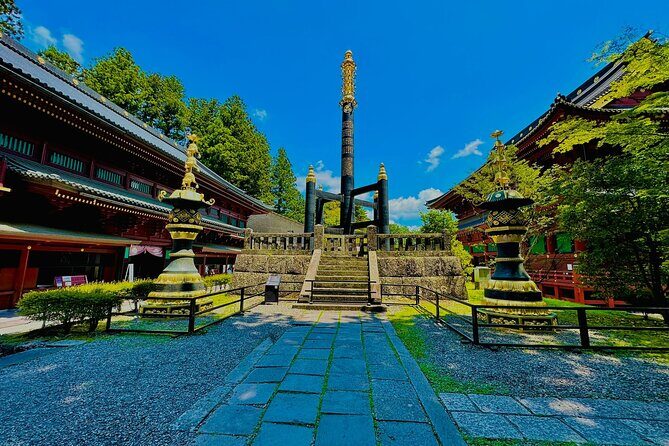
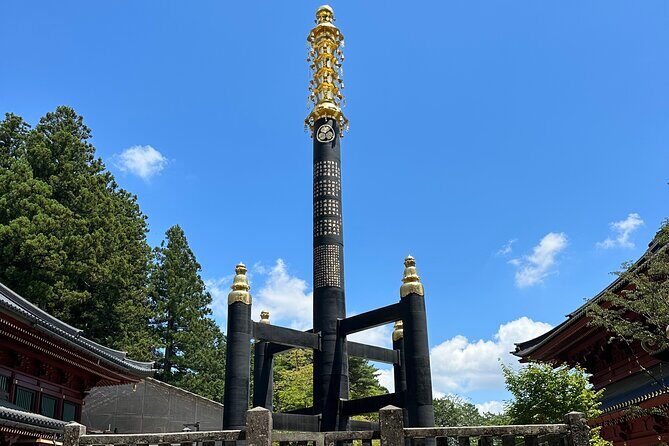
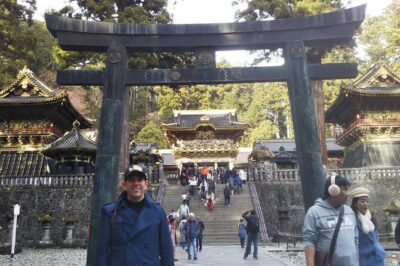
Nikko Tosho-gu is the star of the show for a reason. This complex honors Tokugawa Ieyasu, the powerful samurai leader whose rise set up the Edo period (1603–1867). You’re not just looking at buildings; you’re seeing a carefully staged mix of politics, religion, and art designed to impress.
A key detail I love is that you’re dealing with a set of nearby elements rather than random far-apart structures. You’ll see both the Shinto shrine and the Buddhist shrine grouped together, plus a pagoda listed at 36 meters tall. That makes it feel efficient on the ground because you can keep walking and still cover the major highlights.
Plan on about 2 hours here. That’s enough time to take in the ornate carvings and take photos without feeling like you’re speed-walking. And if you’re into symbolism, this place rewards attention: Ieyasu’s importance is built into the storytelling in the architecture and the way the grounds are arranged.
A practical tip: temples and shrine areas can have rules about behavior and quiet zones. Keep your voice low indoors, take photos only where allowed, and treat it like you’re walking through a living religious site, not a theme park.
Rinnō-ji Temple: 766 AD roots and the three major statues
Rinnō-ji Temple brings a different mood to the day. Founded in 766 AD by Buddhist monk Shōdō Shōnin, it’s tied into the same UNESCO Nikko World Heritage cluster as Toshogu. If Toshogu hits you with ornate showmanship, Rinnō-ji feels more grounded in long-standing Buddhist tradition.
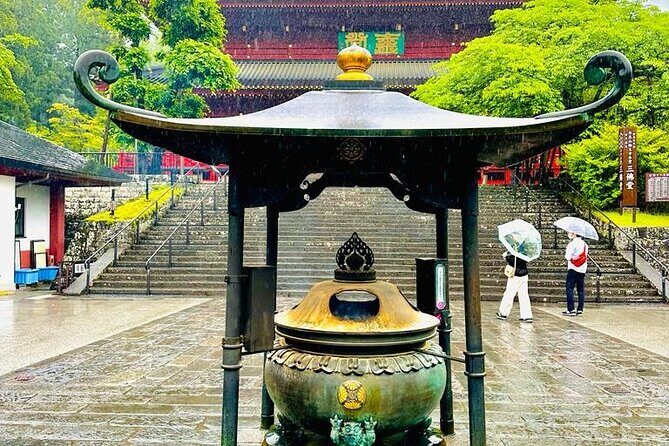
You’ll typically get about 1 hour at Rinnō-ji. In that time, you can focus on the big ticket areas rather than trying to see everything at once. The main hall is especially notable for being one of the largest wooden buildings in the area, and it houses three massive gilded wooden statues tied to the three mountain deities of Nikko.
Those statues are:
- Amida Nyorai (Amitabha)
- Senju Kannon (Kannon with a thousand arms)
- Batō Kannon (Horse-headed Kannon)
This is one of those stops where a little context improves the whole experience. Knowing the names and what they represent helps you connect what you’re seeing with why it matters.
There’s also a serene garden component listed behind the main structures (Shōyō-en Garden, associated with the garden tradition in the area). And you may also hear about Taiyūin Mausoleum as part of the broader temple complex. Even if you only get a glance, the setting shifts your day from gold carvings to slower visual breathing room.
Worth weighing up alongside this Tokyo pick:


Nikko Toshogu Museum: armor, swords, and the Sleeping Cat detail
Right inside the Toshogu complex area is the Nikko Toshogu Museum, sometimes called the Nikko Toshogu Treasure Museum. This is a smart pairing with Toshogu itself because it gives you more than impressions of decoration—you get artifacts linked to Tokugawa Ieyasu and the shrine’s historical context.
You’ll typically have about 30 minutes here. For many people, that’s the right length: long enough to see armor, swords, and personal belongings, but not so long that it feels like a detour.
Two details worth watching for during your visit: the museum is tied to the famous ornate elements of the Toshogu complex like the Yomeimon Gate, and it also references the Nemuri-neko, the Sleeping Cat carving. Those details are the kind that make later photos more meaningful, because you’re no longer guessing what the “weird cat” moment is trying to say.
If you’re the type who likes to understand what you’re looking at, this museum shortens the time between seeing something pretty and understanding why it’s important.
Botanical garden time: a calmer Tokugawa-era pause
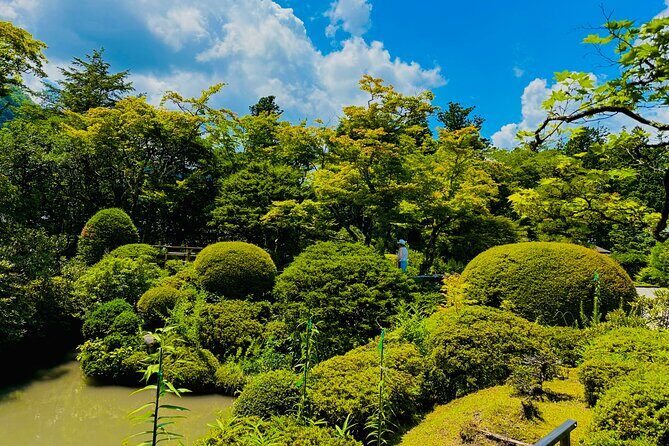
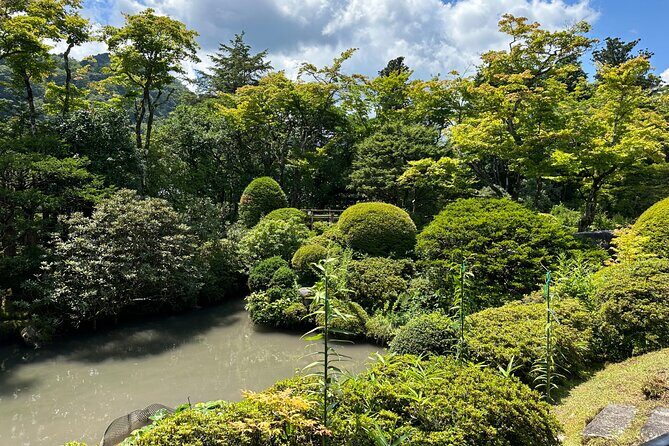
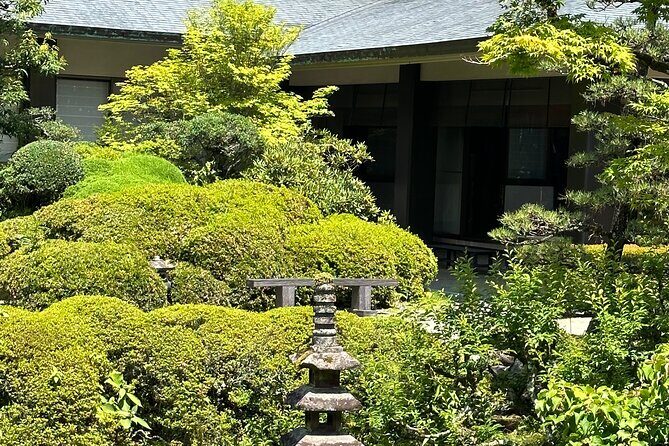
After temples, the day shifts into garden mode with the Nikko Botanical Garden stop (described here as the Tokugawa Nikko garden, linked with the Rinno-ji Temple garden tradition). This gives your feet a small break while still keeping you in the Tokugawa historical atmosphere.
You’ll spend about 30 minutes. That’s enough time to take in the rock-and-pond composition and the careful arrangement of plants. The garden design follows traditional Japanese landscape principles, aiming for harmony between stones, water, and vegetation. It’s quieter than shrine interiors, which helps you reset your attention for the next stop.
This is also a practical buffer. Shrines can take concentration; gardens let you slow down. If you’re traveling with anyone who gets museum fatigue, this part can be a win.
Shinkyo Bridge: the red bridge at the shrine entrance area
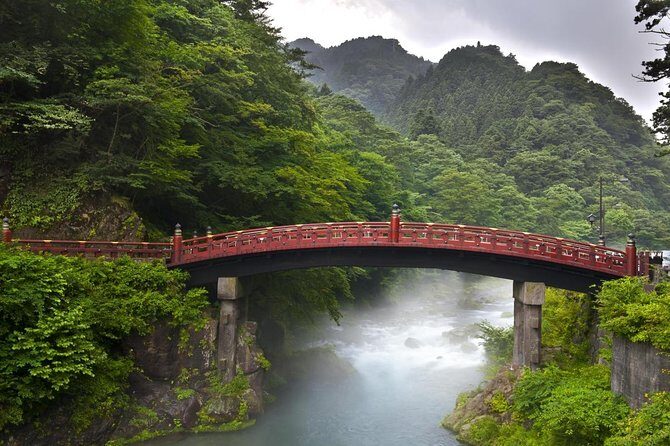
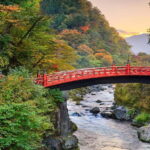
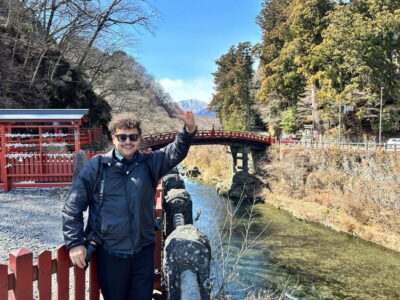
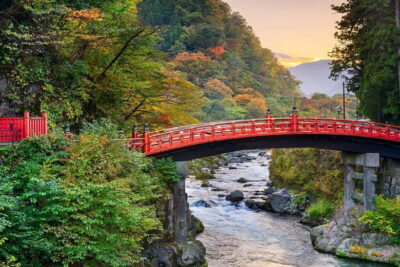
At the entrance to Nikko’s sacred sites, Shinkyo Bridge is the gateway moment. It’s commonly called the Red Bridge, and it’s described as the oldest bridge since the Tokugawa era, positioned at the entrance zone and associated with Futarasan Shrine.
The tour gives you about 30 minutes here. That’s usually just right because it’s not a long attraction—you’re there for the views and the feeling of crossing from city/outside into sacred/inside.
A bit of history you can keep in mind: the current bridge is listed as constructed in 1636, and there was a time when Shinkyo wasn’t open to the general public until 1973. Renovation work happened in the late 1990s and early 2000s, and afterward visitors could walk across for an entrance fee.
For this tour listing, the bridge admission is marked as free, so focus on the experience rather than hunting for extra cash on the spot. You can usually spend your time simply taking photos from different angles and enjoying the transition the bridge represents.
Kegon Falls and Lake Chuzenji: the 100m drop with a classic viewing lift
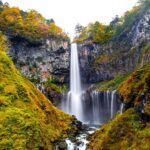
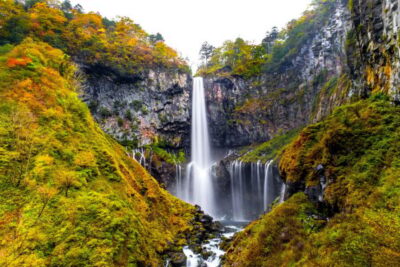
Then you hit the natural highlight: Kegon Falls. It’s famous in Japan for the sheer scale—described here as nearly 100 meters deep. This is the moment where the day flips from man-made beauty (shrines, carvings, gates) to a big raw force of nature.
You’ll get about 2 hours at Kegon Falls. That time is useful because viewpoints can take a moment to appreciate, and weather can change quickly at waterfalls.
A classic detail here: an elevator installed in 1930 is part of how visitors get a close view. I wouldn’t treat it as a guaranteed must-do on your day, but it’s the kind of historic practical solution that makes this waterfall stop more than just a photo platform.
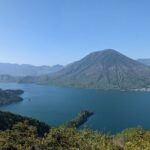
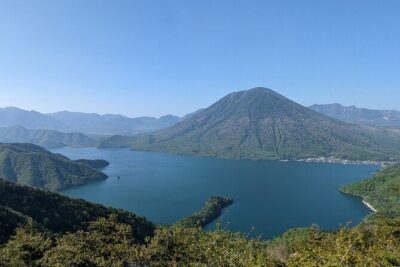
Also keep an eye out for the connection to Lake Chuzenji and a nearby Chuzenji shrine area mentioned as part of the broader experience. The lake is described as peaceful, and when the lighting cooperates, you can see why people compare the overall mood to paradise. Even if you’re not chasing that exact vibe, the lake-and-water pairing tends to make the waterfall feel less like a single stop and more like a whole scene.
For the best experience, bring something for cool mist and take your time at the viewing spots. If it’s crowded, patience helps—you’ll get your angle.
Price and real value: $500 per group plus entrance fees
Let’s talk money in a way that helps you decide. The tour costs $500 per group up to 5 people. So the practical question isn’t just the total—it’s what you’re paying for per person and whether you’d recreate the same day yourself.
Your big value drivers are:
- private transport (air-conditioned vehicle, pickup at Tokyo Station, parking included)
- a planned route that handles timing across multiple major sites
- convenience items like the Wi‑Fi hotspot and mobile ticket
Now the extra costs you should plan for:
- Rinno-ji Temple, Old Era Garden, and Rinno-ji Treasure Museum: $7 USD per person
- Nikko Toshogu Shrine entrance fees: $10 USD per person
- Lunch is not included
Shinkyo Bridge and Kegon Falls are listed as free for admission on this tour. That helps keep your day from turning into a full-ticket shopping spree.
So is it “worth it”? For couples or small families who hate juggling transit and want a smooth, guided-feeling day, it often makes sense. If you’re traveling solo and enjoy navigating on your own, you might find cheaper options elsewhere. But for most people, the price is basically paying for time, comfort, and an efficient route.
What the schedule feels like on the ground
This is a 12-hour day with multiple site segments:
- Toshogu Shrine complex: about 2 hours
- Rinnō-ji Temple: about 1 hour
- Toshogu Museum: about 30 minutes
- Botanical Garden: about 30 minutes
- Shinkyo Bridge: about 30 minutes
- Kegon Falls: about 2 hours
…and the rest is travel and moving between stops.
That’s a lot of highlights, but the durations are designed to keep you from spending the whole day standing in lines. The risk is fatigue: temples plus a long ride plus waterfall walking can be a big day. If you’re sensitive to long outings, this is still manageable, but plan for rest time and slow down at the waterfall.
Also note this is a private tour/activity—only your group participates. That tends to make the day feel less rushed and more flexible, compared with joining a larger bus day.
Who should book this Nikko one-day private tour
This is a strong fit if you:
- want UNESCO Nikko sites without the stress of coordinating multiple transport legs
- like structured sightseeing with set time at each stop
- value a private vehicle for comfort, especially for a long day
- are traveling as a small group (up to 5) and can split the cost
It might be less ideal if you:
- are happy planning everything yourself and don’t mind public transit
- want a very slow day with long breaks at just one or two locations
- want lunch fully handled for you (it’s not included here)
Should you book this Nikko Toshogu and Kegon Falls day trip
I’d recommend booking if your priority is a smooth, efficient Nikko highlight day with private comfort and a clear route. The combination of Tokugawa-era shrine artistry, Rinnō-ji’s Buddhist treasures, and a real nature payoff at Kegon Falls is exactly what this kind of day trip is best at.
Before you book, do one simple thing: budget for entrances and decide how you’ll handle lunch. If you take care of that, the rest of the day is straightforward—and that’s the real win.
FAQ
What is the price for this Nikko one-day private tour?
The price is $500.00 per group, up to 5 people.
How long does the tour take?
The duration is about 12 hours.
What does the tour include?
It includes an air-conditioned vehicle, a hotspot on board (Wi‑Fi), fuel surcharge, private transportation, and parking fees, plus pickup is offered.
What is not included in the tour price?
Lunch and entrance fees are not included.
Which entrance fees should I expect to pay?
Rinno-ji Temple, Old Era Garden, and Rinno-ji Temple Museum are listed at $7 USD per person, and Nikko Toshogu Shrine entrance fees are listed at $10 USD per person.
Where does the tour start and end?
The tour starts at Tokyo Station (1 Chome-9 Marunouchi, Chiyoda City, Tokyo 100-0005, Japan) and ends back at the meeting point.
Is this tour private?
Yes. It is a private tour/activity, and only your group participates.
Are there any tickets provided on the day?
You’ll receive a mobile ticket.
Can I cancel for a full refund?
Yes. Free cancellation is available if you cancel at least 24 hours in advance for a full refund.
More Tours in Tokyo





More Tour Reviews in Tokyo



North Again: More Nikko Trips
Fresh reviews from around Tokyo






Nikko Day Trips, compared.
 ★ 4.6Nikko: Kegon Falls, Lake Chuzenji & Toshogu TempleFrom $891,577 reviews
 ★ 4.5Nikko Toshogu Shrine and Kegon Waterfall TourFrom $841,266 reviews
 ★ 5.0Nikko Full-Day Private Tour with Government-Licensed GuideFrom $155259 reviews
 ★ 4.9From Tokyo: Nikko World Heritage Site Private Full-Day TripFrom $483243 reviews
 ★ 4.3Nikko: Edo Wonderland Edomura Cultural Theme Park TicketFrom $35205 reviews
From Tokyo: Nikko World Heritage Sight Full Day Private TourFrom $362127 reviews
★ 4.3Nikko: Edo Wonderland Edomura Cultural Theme Park TicketFrom $35205 reviews
From Tokyo: Nikko World Heritage Sight Full Day Private TourFrom $362127 reviews
 ★ 4.9Nikko – Beautiful Full-Day Personal and Private TourFrom $364119 reviews
 ★ 5.0Chartered Private Tour – Tokyo to Nikko, Toshogu, Edo WonderlandFrom $1,286105 reviews
Browse the lists this tour appears in