
Reviewed · WORKSHOPS
Fujisan Sushi Making Lesson
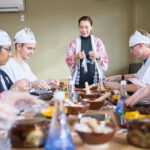
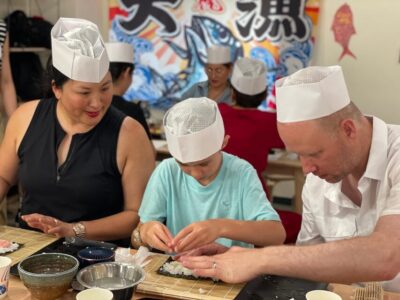
Sushi at the foot of Mount Fuji is a treat. This Fujisan Sushi Making Lesson pairs real technique with Japanese food culture, so you’re not just copying shapes—you’re learning how sushi is thought about and served. You’ll make nigiri and sushi rolls, then finish with guidance on Japanese table etiquette and sushi history.
Two things I really like about this setup: the focus on skills you can repeat at home, and the way the experience mixes cooking with cultural context. The class also leans into learning moments like trivia and a slideshow that can fill gaps in what you think you already know about Japanese food. One possible drawback: if you want total silence and zero language immersion, this lesson may feel more lively than a strict step-by-step cooking class, since Japanese language elements are part of the experience.
In This Review
- Key Highlights I Think Are Worth Your Attention
- Why Mount Fuji Changes the Sushi Lesson Feel
- Where You Start: Kawaguchiko Station and a Short, Simple Morning (or Afternoon)
- The Core Skill: Nigiri and Sushi Rolls You Can Recreate
- The Cultural Layer: Etiquette and Sushi History That Actually Help
- How the Chef Teaches: English Support With Japanese Language Touches
- Mount Fuji as a “Third Teacher”: Views While You Cook
- Vegetarian Option and Allergy Planning: Worth Confirming Early
- Price and Value: What $229.91 Buys You in Real Terms
- Practical Tips: How to Get More From the Lesson
- Who Should Book This Sushi Class (and Who Might Skip It)
- Should You Book the Fujisan Sushi Making Lesson?
- FAQ
- How long is the Fujisan Sushi Making Lesson?
- Where do I meet for the class?
- Is this a private tour?
- What will I learn to make?
- Do you cover sushi etiquette and history?
- Is there a vegetarian option?
- What about food allergies?
- Is the lesson taught in English?
- Do I receive a mobile ticket?
- Is free cancellation available?
Key Highlights I Think Are Worth Your Attention
- Hands-on nigiri and roll-making with a professional chef guiding the process
- Sushi etiquette and history so you understand the why, not just the how
- Mount Fuji views while you work, which makes the whole session feel special
- English instruction plus Japanese language touches (helpful even if you’re a beginner)
- Vegetarian option available, with allergy requests handled in advance
Why Mount Fuji Changes the Sushi Lesson Feel
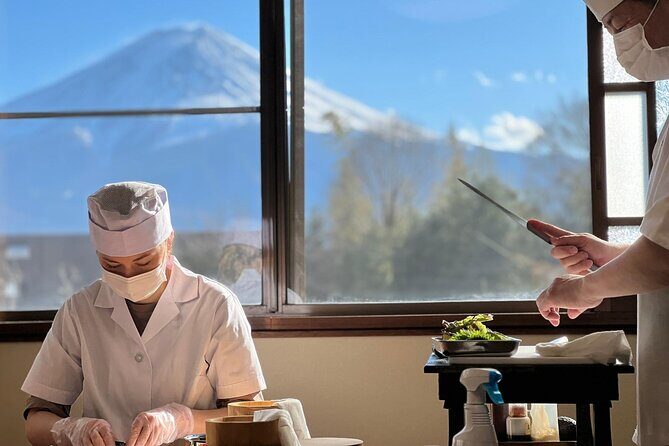
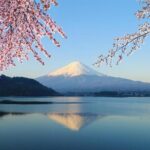
There’s sushi-making, and then there’s sushi-making with Mount Fuji in the background. This experience is set in Fujikawaguchiko-machi, an area known for its Fuji views, and the class is specifically positioned so you can enjoy scenery while preparing food. That detail matters more than it sounds. When the setting is beautiful, the work stays calmer and you’re more likely to pay attention to technique—rice handling, rolling tension, and the small adjustments that make sushi look right.
The other reason the atmosphere works is that the lesson isn’t only about results. You’re learning methods you can imitate later at home. That means you should leave with a mental checklist for how sushi rice should feel, how to shape without crushing, and how rolls come together with consistent pressure.
Also, the experience is described as offering real Japanese hospitality. Even if you’re not fluent in Japanese, that usually translates into a smooth flow: clear instruction, polite pacing, and a focus on making sure everyone can follow along.
Where You Start: Kawaguchiko Station and a Short, Simple Morning (or Afternoon)
You meet at Kawaguchiko Station at 3641 Funatsu, Fujikawaguchiko, Minamitsuru District, Yamanashi 401-0301, Japan. It’s near public transportation, which is a practical win in a region where trains are the easiest way to move around. Since the activity ends back at the meeting point, you’re not signing up for a half-day detour that turns into a logistics headache.
You should plan for roughly 3 hours total. That’s long enough to learn real technique and eat, but not so long that it eats your entire day. It’s also a good length if you’re balancing hiking or sightseeing around the Fuji area.
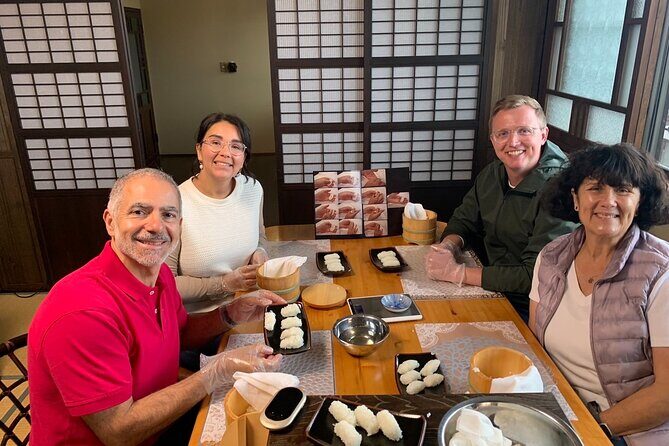
One more point that affects your comfort: it’s a private tour/activity, meaning only your group participates. That usually makes the pacing easier, especially if you’re traveling with friends or family and want questions answered without the pressure of a full mixed group.
The Core Skill: Nigiri and Sushi Rolls You Can Recreate
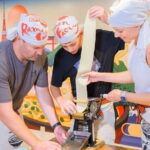
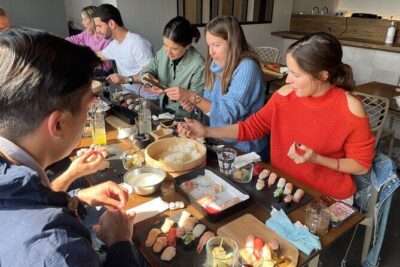
The heart of the lesson is making nigiri-sushi and sushi rolls. If you’ve ever tried sushi at home and had rice that turned out too sticky, too loose, or too dry, this kind of class is where you learn what to fix. You’re not just being taught how to assemble pieces—you’re learning cooking methods you can imitate later.
Nigiri is all about control. You typically need to shape rice with the right firmness and top it appropriately without compressing it into something dense. For most beginners, the challenge isn’t the fish or toppings; it’s the rice texture and the handling. A structured class should help you learn that touch.
Rolls add a different set of skills: alignment, even distribution, and roll tension. Too loose and the roll falls apart. Too tight and it becomes hard to cut cleanly. You’ll also get practice on the way rolls should look when they’re finished, which helps you understand what “good” means beyond taste.
Even if you’re a confident cook, I like that the class explicitly targets methods you can copy at home. Cooking classes that stop at presentation can leave you with a souvenir. This one aims for skills.
The Cultural Layer: Etiquette and Sushi History That Actually Help
This lesson doesn’t treat sushi as just food. You also learn Japanese table etiquette and sushi history, which helps you understand what you’re eating when you sit down at a restaurant later.
Etiquette may sound like trivia, but it’s practical. If you know how sushi is traditionally handled and served, you’ll read the flow of a meal better—how to approach it, what to notice, and how to avoid turning a simple meal into an awkward moment.
The history component is also useful because it gives context to why certain choices show up the way they do. Sushi has evolved and carries regional and cultural meaning, and a basic timeline helps you make sense of the variety you’ll see when you order in Japan.
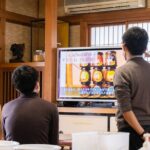
One thing I especially appreciate from the experience feedback: there’s an emphasis on learning through an informative slideshow and trivia questions. That style tends to stick, because you’re not only cooking; you’re also getting quick, digestible facts that you can remember while you’re still in the mindset.
How the Chef Teaches: English Support With Japanese Language Touches
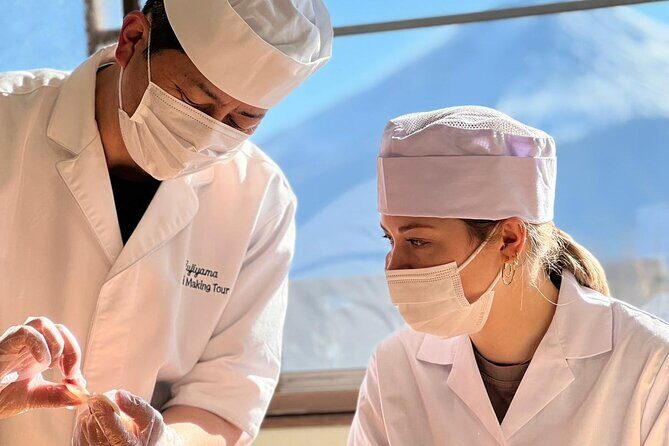
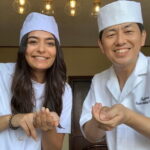
You’ll be taught by a professional sushi chef with worldwide cooking experience, and the chef explains in English. For many people, that’s the easiest way to learn technique without getting lost in translation.
At the same time, one review detail stands out: the class includes Japanese language elements that some learners found enjoyable, especially if they’re studying Japanese. That’s a real advantage if you’re either learning the language or you simply like picking up food-related phrases. Even a little Japanese vocabulary—terms for ingredients, prep actions, and common manners—can make your later dining experience feel more connected.
If you’re someone who needs everything explained in plain English only, you might want to mentally prepare for a hybrid learning environment. You’ll likely get the main steps clearly in English, but you may still hear Japanese terms and see Japanese cues during the lesson.
Mount Fuji as a “Third Teacher”: Views While You Cook
The itinerary includes Mount Fuji as the stop, and the experience is described as close enough to Fuji that you can enjoy beautiful views while preparing sushi. That’s not just scenery. It changes your attention span.
When you can look up and out between steps, your brain switches from fast stress to slow focus. Sushi technique benefits from that. Handling rice and forming shapes are repetitive tasks, and repetition gets easier when you’re not rushing.
The Fuji setting also makes the whole session more memorable. Cooking classes are common. A sushi lesson with a Fuji view is less common, and it gives you a story you’ll actually want to tell later—because it feels different while you’re doing it.
Vegetarian Option and Allergy Planning: Worth Confirming Early
This experience includes a vegetarian option, which is important if your group has dietary restrictions. If you’re vegetarian, you shouldn’t have to sit out or settle for something less satisfying.
Allergy handling is also explicitly mentioned: let the provider know in advance if you have any food allergies. That’s the kind of instruction I consider a must. Sushi can involve ingredients that are easy to overlook, so giving clear details early is the best way to reduce risk and increase the chance your meal fits your needs.
If you have allergies, I suggest you send your details as soon as you book—don’t wait until the day of the lesson. It gives the chef time to plan substitutions and avoid last-minute confusion.
Price and Value: What $229.91 Buys You in Real Terms
The price is listed at $229.91 per person for an experience lasting about 3 hours. That sounds steep if you compare it to basic cooking classes in big cities. But here’s the value logic that matters.
You’re paying for:
- a professional sushi chef teaching technique rather than a generic demonstration
- hands-on instruction for nigiri and rolls
- cultural add-ons like table etiquette and sushi history
- and a setting near Mount Fuji, with views built into the experience
You’re also told there are group discounts. If you’re traveling with friends or family, this can improve the value fast. A private or small-group setting usually costs more than public classes, but it tends to be worth it when you get more direct attention and a calmer pace.
Also, it’s backed by free cancellation, with the ability to cancel up to 24 hours in advance for a full refund. That reduces the downside if your schedule shifts.
If you want a sushi experience that goes beyond eating and includes repeatable cooking skills, the price starts to make sense.
Practical Tips: How to Get More From the Lesson
A few practical ideas can help you enjoy this more.
First, arrive with a hungry mindset. Sushi lessons are best when you’re ready to learn and then eat what you make.
Second, keep your expectations focused on technique. The goal is not perfection on the first try. Sushi shaping is a feel-based skill, and even small improvements can make a big difference.
Third, if you’re studying Japanese, pay attention to Japanese terms that show up during the lesson. A chef and a slideshow-style learning approach can make short vocabulary bits easier to remember.
Finally, use the cultural lessons as a later payoff. After your class, sushi meals in Japan should feel less like a guessing game and more like something you understand.
Who Should Book This Sushi Class (and Who Might Skip It)
This is a great choice if:
- you want hands-on sushi skills (not just a food tasting)
- you enjoy cultural explanations alongside cooking
- you’re traveling around Fujikawaguchiko and want a Fuji-area activity that feels special
- your group includes vegetarians, since vegetarian is available
You might think twice if:
- you’re looking only for a quick snack or a casual photo stop
- you dislike learning components like etiquette and history
- you prefer very quiet, strictly English-only instruction with no Japanese language touches
Should You Book the Fujisan Sushi Making Lesson?
If you like learning by doing, I think this is a strong booking. The combination of nigiri + roll-making, the chance to practice skills you can repeat at home, and the extra context on etiquette and history make it feel more complete than many short food workshops. Add the Mount Fuji views during the session, and the whole experience gains a sense of place that’s hard to replicate.
For the value-minded: price is not low, but you are paying for a chef-led, structured class with a private group setup and cultural learning built in. If you can travel with others to take advantage of group discounts, it becomes even easier to justify.
Book it if you want sushi competence, not just sushi photos.
FAQ
How long is the Fujisan Sushi Making Lesson?
The lesson lasts about 3 hours.
Where do I meet for the class?
You meet at Kawaguchiko Station, 3641 Funatsu, Fujikawaguchiko, Minamitsuru District, Yamanashi 401-0301, Japan.
Is this a private tour?
Yes. It’s listed as a private tour/activity, so only your group participates.
What will I learn to make?
You’ll learn Nigiri-sushi and sushi rolls.
Do you cover sushi etiquette and history?
Yes. The lesson includes Japanese table etiquette and the history of sushi.
Is there a vegetarian option?
Yes. Vegetarian is available.
What about food allergies?
You should let the provider know in advance if you have any food allergies.
Is the lesson taught in English?
Yes. The chef explains in English.
Do I receive a mobile ticket?
Yes. The experience includes a mobile ticket.
Is free cancellation available?
Yes. You can cancel up to 24 hours in advance for a full refund.
Make Something to Take Home
More Tour Reviews in Fujikawaguchiko machi


Workshops, compared.
 ★ 5.0Sushi Making Tokyo Roll and Authentic Japanese Sushi ClassFrom $593,971 reviews
 ★ 5.0Tokyo Shinjuku Chopsticks Making ClassFrom $201,763 reviews
 ★ 4.8Chopstick Making Workshop in GinzaFrom $251,366 reviews
 ★ 5.0Tokyo Sushi Making Class in Tsukiji with Professional ChefFrom $491,177 reviews
 ★ 5.0Ramen & Gyoza Cooking Class in Tokyo with Local Supermarket VisitFrom $122823 reviews
 ★ 5.0Matcha Making Class in Tokyo with Authentic Japanese Sweets SetFrom $21744 reviews
 ★ 5.0Samurai Sword & Archery Class from Samurai DescendantFrom $193603 reviews
 ★ 4.9Tsukiji Fish Market Sushi Making Class with Pro ChefFrom $63506 reviews
Browse the lists this tour appears in