
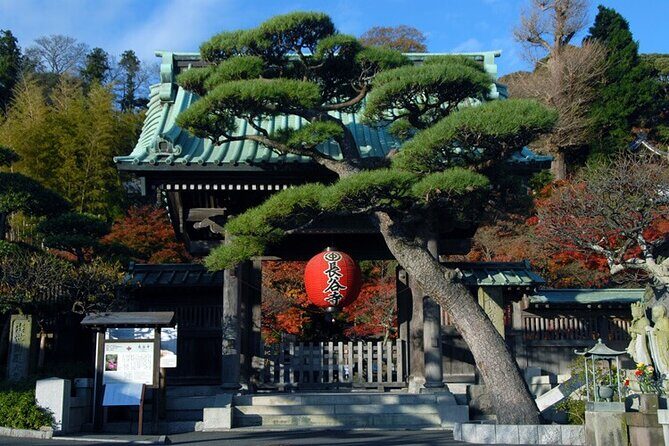
Reviewed · KAMAKURA DAY TRIPS
Kamakura and Yokohama Private Tour with Bilingual Chauffeur
Kamakura hits fast, then keeps going. This private day trip strings together some of the most meaningful sights in Kamakura—from the Great Buddha at Kotoku-in to the bamboo quiet of Hokoku-ji—then gives you flexible options for sea views at Enoshima or dinner ideas in Yokohama’s Chinatown. It’s the kind of route where having your own driver saves you from the stop-and-start grind.
Two things I like a lot: you get an in-person guide (English) who can explain what you’re seeing in real human terms, and you travel in an air-conditioned private vehicle with bottled water and help with photos. One possible drawback to plan around: several key temple and island admissions are not included, so you’ll want a small cash-free budgeting buffer for tickets on the day.
You’re also on a clock (about 8 to 10 hours), so if you want extra time for shopping or long temple sits, you’ll need to choose your pace when optional stops come up.
In This Review
- Key takeaways before you go
- Private route: why this day flow makes sense
- Getting around in your own air-conditioned car (8–10 hours)
- Stop 1: Kotoku-in Great Buddha, the iconic first hit
- Stop 2: Hokoku-ji Temple bamboo grove and Zen quiet
- Stop 3: Tsurugaoka Hachimangu Shrine and samurai meaning
- Stop 4: Hasedera Temple, flowers plus coastal views
- Optional: Komachi Street shopping for snacks and souvenirs
- Optional: Enoshima Island for sea air and shrine scenery
- Optional: Yokohama Chinatown for food and contrast
- Price and value: what you’re paying for with this private setup
- The guide factor: Abdul’s kind, on-time storytelling
- Timing, weather, and comfort planning
- Who this tour fits best
- Should you book this Kamakura and Yokohama Private Tour?
- FAQ
- How long is the Kamakura and Yokohama private tour?
- What group size is this tour for?
- Is pickup included?
- Does the tour include admission tickets?
- Are there optional stops?
- What language is the guide?
- Is the tour dependent on weather?
- What is the cancellation policy?
Key takeaways before you go
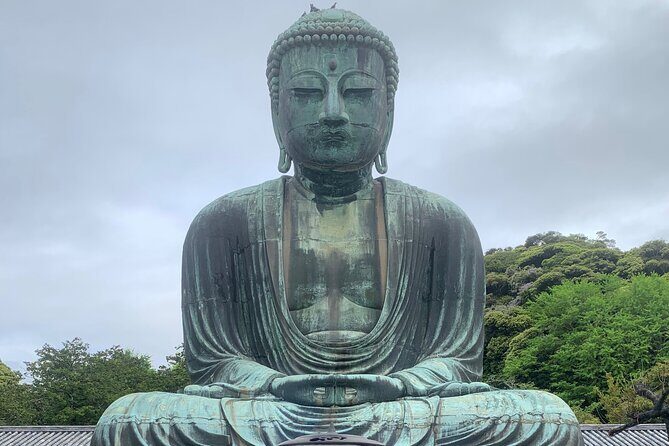
- Kotoku-in first: start strong with the Great Buddha so your photos and timing are in good shape
- Hokoku-ji bamboo grove: a rare, calm break where the walking feels different from shrine sightseeing
- Tsurugaoka Hachimangu: understand the samurai connection without needing a textbook
- Hasedera Temple views: you’ll get scenic payoff alongside seasonal flowers
- Flexible add-ons: Enoshima and Yokohama Chinatown are options, so you control your day
- Guide Q&A matters: one recent guide, Abdul, was praised for staying courteous, punctual, and answering even personal questions
More escapes to the Great Buddha and the coast
- Kamakura 8 hr Private Walking Tour with Licensed Guide from Tokyo★ 5.0 · 80 reviews
- Tokyo: Kamakura & Enoshima Day Tour with Pickup & Train Ride★ 4.1 · 61 reviews
- Kamakura Private & Customizable Tour – All-in-One Experience★ 5.0 · 49 reviews
Private route: why this day flow makes sense
A Kamakura-and-Yokohama day works best when the logistics behave. With a private setup, you get picked up and moved point to point, which helps you spend more time looking up at temples and less time figuring out which train goes where.
The itinerary is also designed for variety. You start with major landmark culture, then go into quieter Zen atmosphere, then return to more social spaces like Komachi Street and Yokohama Chinatown. If you like a day that blends big monuments with smaller moments, this plan fits.
And because the guide is there in person, the stops don’t feel like checkboxes. You’re more likely to connect the stories to the scenery—especially around the samurai-linked shrine sites.
Getting around in your own air-conditioned car (8–10 hours)
This tour is private for your group (up to 6 people), with an air-conditioned vehicle. That matters in Japan, where weather swings and walking between points can add up fast—especially when you’re doing multiple temple grounds in one day.
Expect a long, focused day. At roughly 8 to 10 hours, it’s not a “linger all day” plan unless you’re selective with optional stops. The good news: you get bottled water, and you can ask your guide to help with photo stops along the way.
You should also plan for walking at each location. Temple complexes and shrine approaches often involve paths, stairs, and a bit of uneven ground, so comfortable shoes will save your feet.
Stop 1: Kotoku-in Great Buddha, the iconic first hit
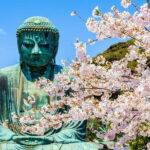
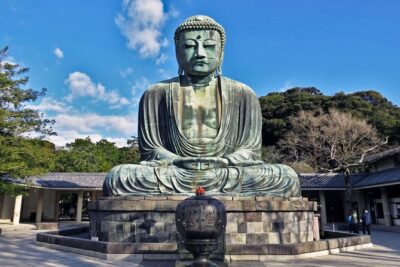
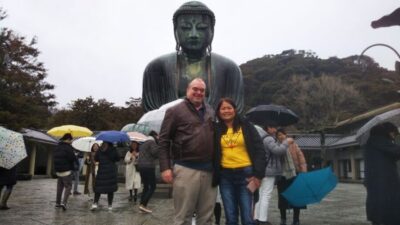
Kotoku-in’s Great Buddha is an outdoor bronze statue of Amida Buddha, about 13.35 meters tall. Seeing it in person changes the scale feeling immediately—this isn’t a small statue you can casually pass by.
What you’ll like most is that it’s a landmark people talk about for a reason. The setting is part of the experience, so you’ll get better photos if you arrive ready to slow down for a few minutes instead of rushing straight past.
A key planning note: entry/admission to Kotoku-in is not included. Budget for that, and if you’re traveling with a tight schedule, treat this as a timed anchor. Starting here also helps you avoid the day getting too hot or crowded later.
Stop 2: Hokoku-ji Temple bamboo grove and Zen quiet
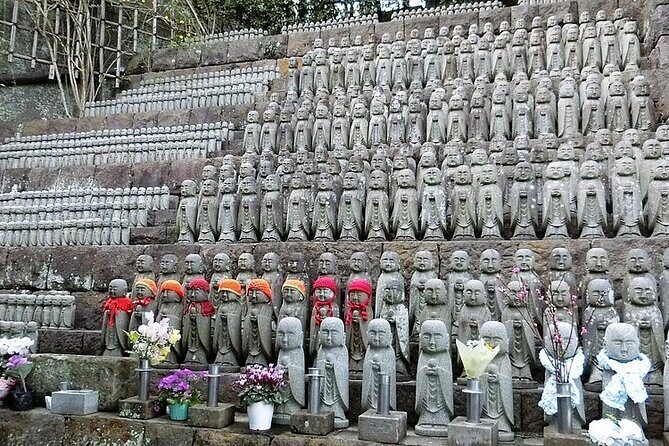
Hokoku-ji (also known as Takedera) is famous for its bamboo grove. The tour keeps time here to about 1 hour, which is a good length for a slow walk, a few photos, and a moment where your brain actually switches gears from street noise.
This is the stop that often makes the day feel balanced. After big monuments and shrine energy, the bamboo grove provides a calmer pace, and it’s easier to appreciate the temple as a lived space rather than a photo set.
Admission to Hokoku-ji is not included, so again, plan for tickets. If you’re sensitive to crowds, try to keep your pace steady and don’t sprint for the perfect angle—those few extra steps lead to better light and fewer people in your frame.
More of the harbour city next door


Stop 3: Tsurugaoka Hachimangu Shrine and samurai meaning
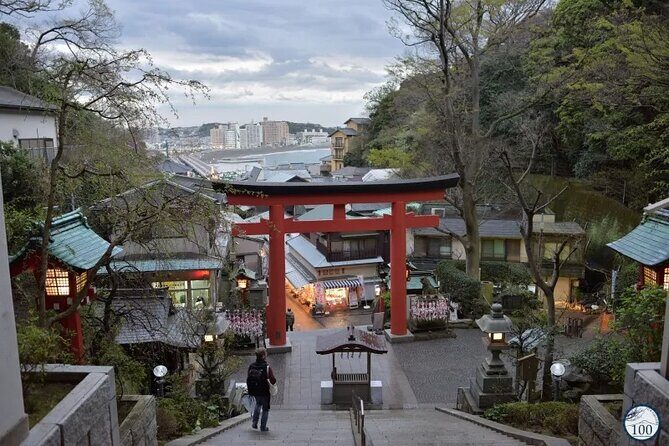
Tsurugaoka Hachimangu is Kamakura’s most important Shinto shrine, dedicated to Hachiman, the patron deity of the samurai. Founded in 1063, it’s one of those places where the design and the story connect in a way that’s hard to get from a phone alone.
This is where your guide can do real work. A strong guide turns the shrine into context: why it matters, what you’re seeing in terms of tradition, and how Kamakura’s samurai-era influence shaped the town.
The tour allocates about 1 hour here. That’s enough time to walk the grounds, take photos, and still have room to stop and ask questions instead of racing through.
Admission is not included here either. If you’re planning to minimize ticket costs, you can still enjoy the approach, but your itinerary is clearly designed for full shrine time, so bring the ticket budget.
Stop 4: Hasedera Temple, flowers plus coastal views
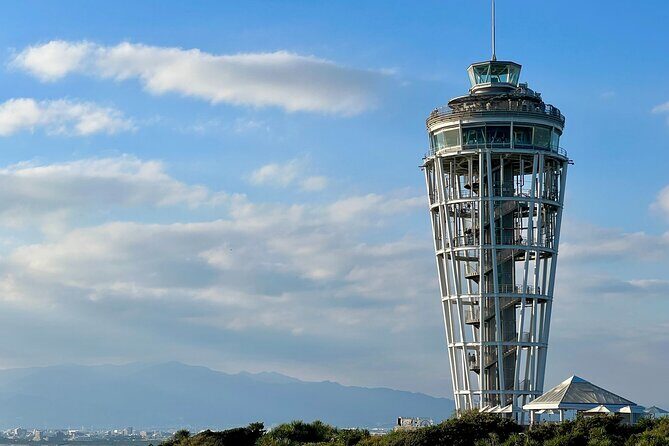
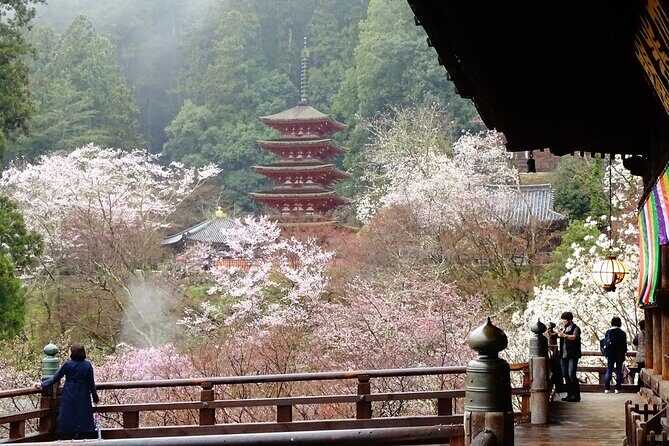
Hasedera Temple is known as the Temple of Flowers, and it’s also appreciated for seasonal blooms and coastal views. The tour gives you about 1 hour 30 minutes, which is a smart amount for a place like this because you’ll want breaks for sightseeing angles.
The flowers may depend on the season, so don’t treat them like a guaranteed every-day show. But even without peak blooms, Hasedera’s viewpoint qualities tend to make the time feel worthwhile.
Like the other major temple stops, admission for Hasedera is not included. Still, I think the time allotment is fair: you’re not rushed, and you can pause when the view hits or when something catches your eye along the paths.
Optional: Komachi Street shopping for snacks and souvenirs
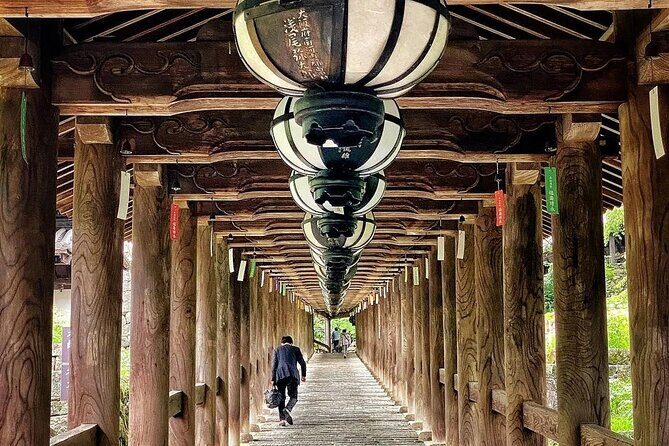
Komachi Street (Komachi Dori) is right by the Tsurugaoka Hachimangu area, and it’s where you’ll get the more casual, everyday Kamakura vibe. The tour lists about 1 hour here, and the admission is free.
I like Komachi Street as a pressure-free stop. You can browse at your own pace, pick up simple gifts, and grab something to eat without turning it into a major detour.
A practical tip: don’t plan to buy everything at once. Pick the few items that you truly want, then keep walking—your preferences will get clearer once you see a couple blocks of options.
Optional: Enoshima Island for sea air and shrine scenery
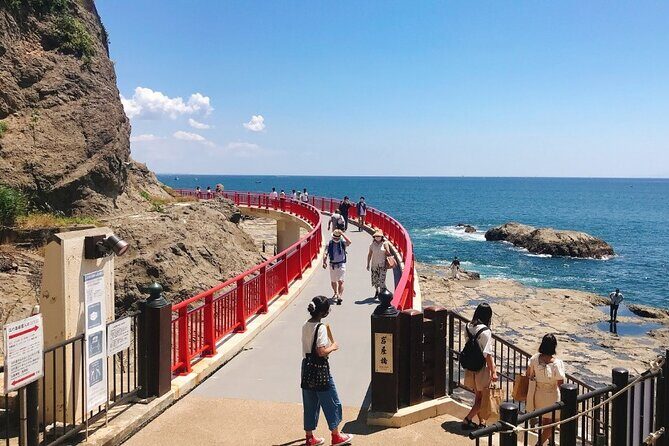
Enoshima Island is a common add-on because it changes the mood of the day. You’ll get ocean views, historic shrine elements, and that seaside tempo that feels different from temple grounds.
You’ll have about 1 hour 30 minutes if you choose it, and entry to Enoshima Island is not included. That means you’re paying admission on top of your base tour, so decide based on how strongly you want a coastal break.
If the weather is good, Enoshima can be a highlight. If weather is poor, your best move is to keep your expectations flexible—your tour is described as requiring good weather, and your guide can help steer the day toward what’s still enjoyable.
Optional: Yokohama Chinatown for food and contrast
The Yokohama portion includes a chance to visit China Town 80, described as Japan’s largest and one of the most active Chinatowns, with lots of restaurants and shops. The tour lists about 1 hour 30 minutes, and admission is free.
I treat Chinatown as a practical win: it’s a place to eat without overthinking it. You can sample snacks and choose a meal style that matches your appetite that day—sweet, savory, or something you can share.
One note: Chinatown is optional, so if your feet are tired or you’d rather spend more time on coastal Enoshima or temple quiet, you can skip it. This is a private tour, so you’re not forced into a single crowd-heavy schedule.
Price and value: what you’re paying for with this private setup
The price is $435.71 per group (up to 6 people), for 8 to 10 hours. That can look high on a per-person basis if you’re solo, but value changes quickly when you split it among a small group.
Here’s what you get for that cost:
- an air-conditioned vehicle and private transportation
- bottled water
- fuel charges and parking fee and tool charges
- free picture taking or video making help if you want it
- in-person English guide
What you don’t get:
- admission for Kotoku-in (Great Buddha)
- admission for Hasedera Temple
- admission for Hokoku-ji (Takedera)
- admission to Enoshima Island
So the “true” budget is partly base cost and partly entry tickets on the day. If you plan to do all core temple stops plus Enoshima, your ticket costs will be higher than if you skip optional parts.
The big value driver, though, is time. With a private car and guide, you’re not wasting hours transferring and walking between far-flung points. For many people, that’s worth more than saving a bit of money on public transport.
The guide factor: Abdul’s kind, on-time storytelling
One recent review praised Abdul for arriving on time and being courteous. That same review highlighted something important for your day: the guide explained history about the Buddha in a way that felt fun and answered questions, even personal ones.
That’s not a small detail. When you’re standing in front of a 13th-century bronze Buddha or inside a temple setting, you can either look at stone and bronze—or you can understand why those details exist. A good guide turns the whole route into a narrative you can actually remember.
If you like asking questions, a bilingual chauffeur setup plus an English-speaking guide is a comfort boost. You’ll spend less time guessing and more time enjoying.
Timing, weather, and comfort planning
This experience is noted as requiring good weather. That makes sense because several stops involve outdoor walking and open areas like the Great Buddha grounds.
Your practical move: dress for walking and be ready for mild rain, then let your guide handle the day-of adjustments. The tour also includes bottled water and an air-conditioned vehicle, which helps a lot if you hit warm conditions.
Also, remember the tour runs 8 to 10 hours. If your group has different energy levels—someone wants photos, someone wants more shopping—private format helps because you can adjust without hurting everyone else’s schedule.
Who this tour fits best
I’d recommend this tour if you want:
- a well-paced day that covers multiple Kamakura highlights without train transfers
- a guide who can explain what you’re seeing (not just point)
- flexibility with optional add-ons like Enoshima and Yokohama Chinatown
- a small group format (up to 6) where splitting cost feels reasonable
It’s also a good match for people who don’t want to plan transit between scattered locations and would rather spend their brainpower on the sights.
If you’re the type who loves slow, independent wandering all day, you might find the structure a little tight. In that case, you’d probably enjoy a less scheduled format.
Should you book this Kamakura and Yokohama Private Tour?
I’d book it if you care about comfort, context, and a smooth day. The private transportation and photo help mean your day runs cleanly, and the guide quality is clearly a big part of the payoff—Abdul’s on-time, courteous approach is exactly what makes temple-heavy tours feel easy.
I’d think twice if you hate budgeting for admissions on the spot or you want lots of extra free time at optional stops. Since several key sites and Enoshima charge entry separately, your total day cost will be more than the base tour price.
If you’re aiming for a strong first Kamakura visit and you want Yokohama as a food and city contrast, this is a practical way to do it—without turning your travel day into a logistics project.
FAQ
How long is the Kamakura and Yokohama private tour?
It runs about 8 to 10 hours.
What group size is this tour for?
It’s a private tour for your group, up to 6 people.
Is pickup included?
Yes, pickup is offered.
Does the tour include admission tickets?
No. Admission for Kotoku-in (Great Buddha of Kamakura), Hokoku-ji (Takedera), Hase-dera, and Enoshima Island is not included.
Are there optional stops?
Yes. Komachi Street (admission free), Enoshima Island, and Yokohama Chinatown are listed as optional.
What language is the guide?
The tour includes an in-person English guide, and the overall experience is described as having a bilingual chauffeur.
Is the tour dependent on weather?
Yes. The experience requires good weather. If it’s canceled due to poor weather, you’ll be offered a different date or a full refund.
What is the cancellation policy?
You can cancel for a full refund up to 24 hours before the experience’s start time. If you cancel less than 24 hours before, the amount paid is not refunded.
More Tour Reviews in Tokyo






Next Door in Yokohama
More Days by the Great Buddha
Fresh reviews from around Tokyo






Kamakura Day Trips, compared.
 ★ 4.5Kamakura & Enoshima Day Trip including Temple TicketsFrom $581,375 reviews
 ★ 4.5From Tokyo: Kamakura & Enoshima 1-Day Bus TourFrom $66189 reviews
 ★ 5.0Kamakura Historical Walking Tour with the Great BuddhaFrom $98129 reviews
Kamakura Private Tour: Temples, Nature, and the Great BuddhaFrom $98121 reviews
Kamakura Walking Tour – The City of ShogunFrom $35100 reviews
★ 5.0Kamakura Historical Walking Tour with the Great BuddhaFrom $98129 reviews
Kamakura Private Tour: Temples, Nature, and the Great BuddhaFrom $98121 reviews
Kamakura Walking Tour – The City of ShogunFrom $35100 reviews
 ★ 5.0Kamakura 8 hr Private Walking Tour with Licensed Guide from TokyoFrom $20180 reviews
 ★ 4.1Kamakura & Enoshima Day Tour with Pickup & Train RideFrom $1361 reviews
 ★ 4.8Kamakura: Private Guided Walking Tour with Local GuideFrom $10660 reviews
Browse the lists this tour appears in