
Reviewed · COOKING CLASSES
Japanese Home Cooking Class & Walk in Todoroki Temple Tokyo
A quiet valley walk leads straight to a real kitchen. In this Tokyo experience, you start with Todoroki Fudoson and the view from Todoroki Valley, then head to Tomoko’s home for a hands-on class. It’s small (up to four people), practical, and built around learning flavors you can actually repeat later.
I like that the cooking part is truly hands-on, with clear guidance and a set flow: appetizer, main, and dessert. I also like the value of what’s included, from food and water to hot drinks and alcohol, so you’re not doing surprise add-ons mid-day.
One thing to consider: you’ll want to plan your schedule around the class window (Monday–Friday, 11:00 AM–2:00 PM), and you choose your main in advance so ingredients are ready. If you’re the type who likes to improvise everything last-minute, this might feel a bit structured.
In This Review
- Key highlights
- Todoroki Fudoson and Valley: The calm start before you cook
- Casa de Tomokita: What a small-group home lesson feels like
- What you’ll cook: appetizer, main, and dessert with real structure
- Choosing your main in advance (okonomiyaki, ramen, sushi rolls, and more)
- Dietary needs: Tomoko’s menu can be adjusted, and that changes everything
- Drinks, lunch pacing, and why the meal is part of the lesson
- Price and value: $110.99 for a whole afternoon of food and instruction
- Getting there: Todoroki Station meeting point and what to do with your arrival time
- Should you book this Japanese Home Cooking Class and Todoroki Temple walk?
- FAQ
- How long is the Japanese home cooking class?
- Where is the meeting point?
- How many people are in the group?
- What dishes will I cook?
- Does the price include food and drinks?
- Are the Todoroki Temple and valley stops included?
- What is the schedule for the tour?
- Is it a mobile ticket?
- What is the cancellation policy?
- When should I book?
Key highlights
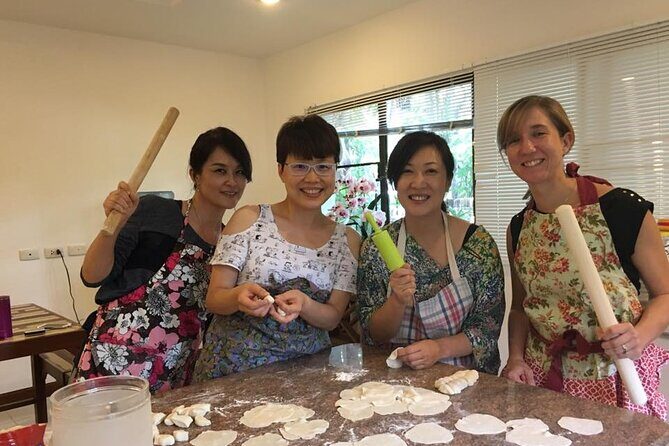
- Up to 4 people in a home kitchen, so you get real attention while you cook
- Todoroki Temple + Todoroki Valley makes the morning feel local, not like a tourist stampede
- Appetizer, main, dessert with a menu built around your chosen main
- All food and drinks included, including hot drinks and alcoholic beverages
- Recipes provided so you can recreate the dishes at home
- Dietary adjustments possible, from vegetarian and vegan options to pescatarian needs and allergies
Tokyo at walking pace, a few more ways
- Tokyo Tsukiji Fish Market Food and Culture Walking Tour★ 5.0 · 3,184 reviews
- Tokyo: Shinjuku Local Bar and Izakaya Guided Walking Tour★ 4.9 · 1,794 reviews
- Tokyo: Tsukiji Fish Market Food and Walking tour★ 5.0 · 1,724 reviews
Todoroki Fudoson and Valley: The calm start before you cook
Tokyo cooking classes can feel like you walked into a classroom. This one starts outdoors, with a brief stop at Todoroki Fudoson and time at Todoroki Valley. That matters, because it turns the day into something more like a neighborhood ritual than a ticketed activity.
Todoroki Fudoson is next to the valley. You’re not getting a long lecture or a big museum stop; you’re getting a reset—cool air, a change of scenery, and a chance to see a quieter pocket of the city.
Then you head to the famous view spot at the valley. Even if you’re not a big “scenery person,” the walk helps you arrive hungry and focused. Cooking tastes better when you’re not rushing. Also, it’s a nice change from Tokyo’s usual indoor rhythms.
Practical note: the stops are short (think minutes, not hours). This isn’t a half-day sightsee plan. It’s a warm-up act for the main event.
Casa de Tomokita: What a small-group home lesson feels like
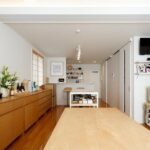
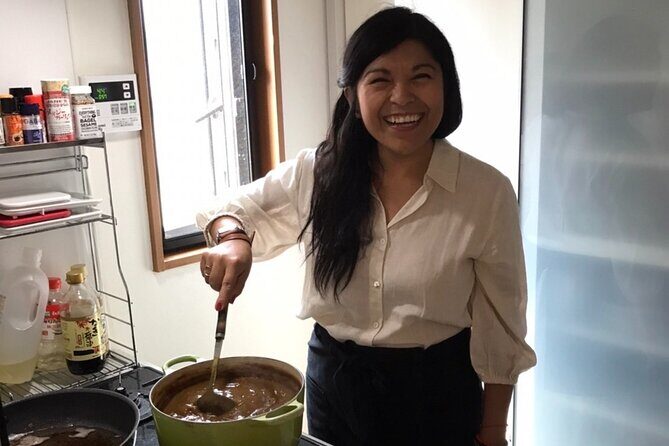
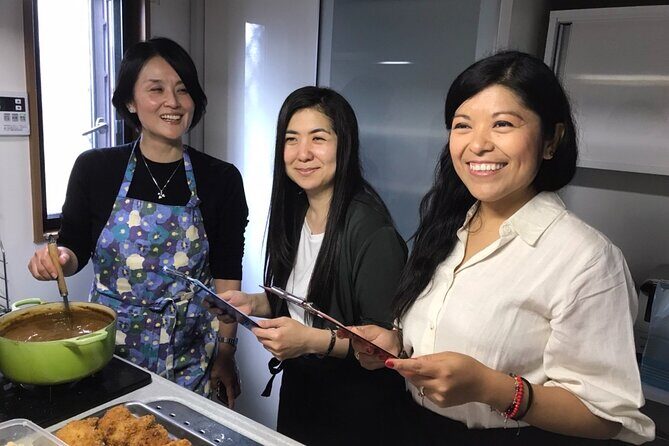
The class happens at Casa de Tomokita, in a home setting rather than a large studio. That changes the vibe fast. You’re working around a real kitchen space, learning by doing, and eating where you cooked.
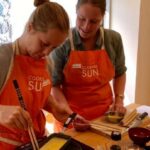
With a max group size of four, you’re not waiting your turn while everyone else moves through faster. You also get questions answered without making the instructor repeat everything at full volume.
Tomoko hosts the class, and in some cases she’s supported by Junko at the Todoroki Station meeting point. That’s helpful if you’re arriving with limited Japanese, because you’re not stuck guessing. Her English instruction is reported as very clear, and she also speaks Spanish.
One more thing I love about this setup: the class feels like lunch with a teacher, not a performance. You’ll see how dishes come together step by step. Then you sit down and eat what you made. That’s the part that makes the learning stick.
What you’ll cook: appetizer, main, and dessert with real structure
This is not a “watch and taste” situation. The experience is built around cooking multiple components: an appetizer, a main dish, and a dessert. In other words, you’re learning the Japanese idea of a meal as a set, not just one impressive plate.
The appetizer and dessert also help you understand the logic of Japanese flavor building. You start with something that introduces texture and seasoning. Then the main teaches the core technique and sauce balance. Finally, dessert ties it together—often with tea-friendly sweetness like matcha or mochi-based treats.
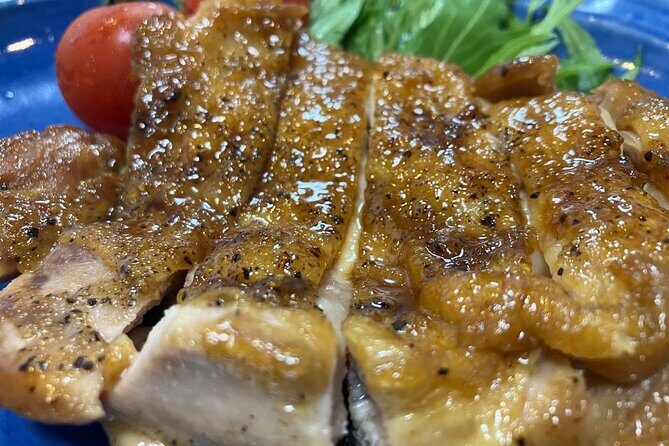
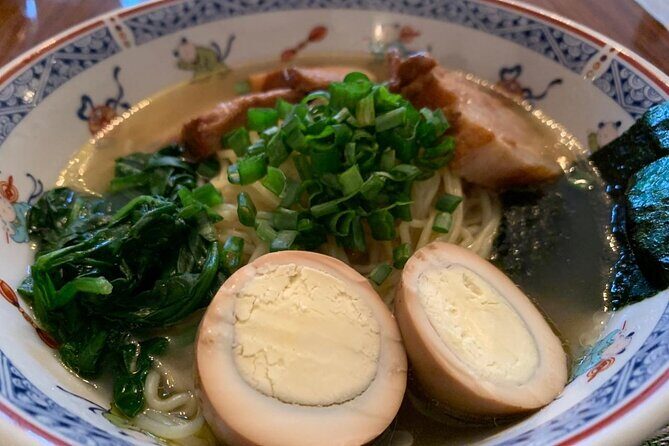
From what’s been served in classes, you may cook items such as gyoza, takoyaki, okonomiyaki, ramen, curry rice, oyakodon, or kakiage tempura, along with side dishes. Desserts you might see include matcha ice cream with seasonal toppings or mochi with matcha.
The key value here is not just eating. It’s the pattern. Once you understand how the menu is assembled, you can adapt it later at home.
Choosing your main in advance (okonomiyaki, ramen, sushi rolls, and more)
A smart part of the design is that you choose your main dish ahead of time. That’s not just for convenience. It helps the instructor secure the right ingredients so you’re not missing key items mid-class.
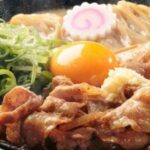
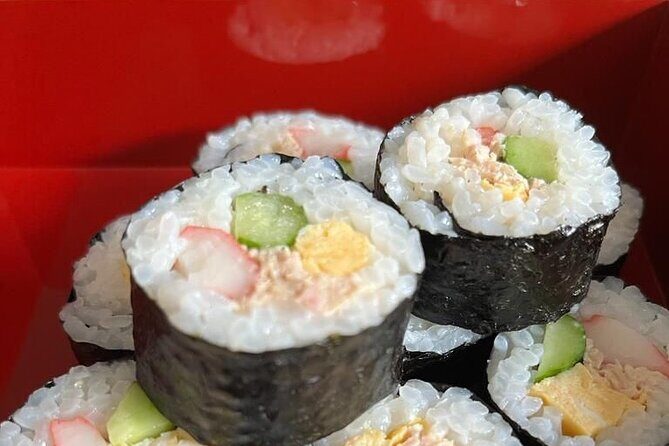
Your main choices include options like okonomiyaki, ramen, and sushi rolls, plus other delicacies depending on the class. If you love one of those foods and want the class to focus on it, this is the right kind of planning.
Also, picking your main ahead of time helps with consistency. Techniques can be taught in the right order, and you’re less likely to get a generic menu that doesn’t match your cravings.
If you’re the type who wants the best meal, choose the dish you most want to reproduce at home. That gives you the strongest “skills to take home” payoff.
More aprons-on time in Tokyo kitchens
Dietary needs: Tomoko’s menu can be adjusted, and that changes everything
Tokyo has plenty of food. Not every class can handle dietary needs well. This one has a reputation for adapting menus for different eating styles and restrictions.
You might see adjustments for vegetarian, vegan, and pescatarian preferences, and classes can be tailored around allergies. That’s a big deal because Japanese cooking isn’t just about one dish. It’s about sauces, broth, toppings, and side dishes. If the instructor can adjust across the whole menu, you don’t end up with a plate of compromises.
In practice, that means you can still learn the core techniques—like dumpling folding, noodle handling, or tempura batter approach—while making sure the flavors match your needs.
Language is also part of dietary success. If you worry about communicating restrictions, you’ll feel better here because instruction is delivered in clear English (and Spanish is available).
My advice: send your needs when you book and again in any message thread you’re allowed. The class is small, so accurate prep is what makes it work.
Drinks, lunch pacing, and why the meal is part of the lesson
One reason this class earns top marks is that it doesn’t cut corners on eating. The price includes food, bottled water, hot drinks, and alcoholic beverages. That sounds like a small detail until you realize it removes the usual Tokyo “how much extra does this cost?” feeling.
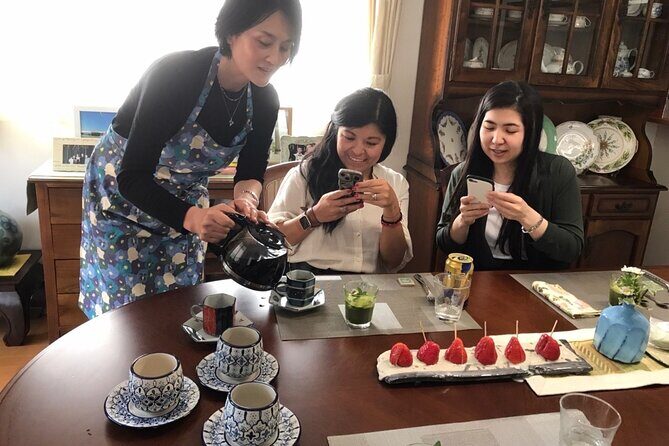
During class, you’ll likely be served cooling drinks on hot days (mint tea has been mentioned). You may also enjoy wine and even homemade plum wine (umeshū) in some sessions. That’s not just a nice-to-have. Alcohol often shows up with Japanese home cooking as a casual pairing, like it’s meant to be a relaxed afternoon.
Then comes the lunch moment: you eat the dishes you cooked, together. That part matters because it completes the learning loop. You learn technique, then taste the result immediately. If a sauce is too salty or the texture isn’t right, you have instant context for what changed.
Pacing is another practical point. Even with multiple dishes, the class is designed to keep moving. You’ll do hands-on work, but you also won’t be sitting idle for long stretches.
Price and value: $110.99 for a whole afternoon of food and instruction
At about $110.99 per person for roughly 2 hours 30 minutes, you’re paying for three things: (1) instruction, (2) ingredients, and (3) a complete meal with drinks. In Tokyo, those add up fast if you’re buying everything separately.
You’re also paying for the small-group format. Two extra people in a class can change the experience dramatically. Here, with a max of four, the instructor can slow down when you need clarification.
Another value point: recipes. You’re not just leaving with a full stomach. You’re leaving with instructions you can follow at home. Some people have even taken home extra Japanese pantry items that are harder to find elsewhere.
Is it “cheap”? No. But it’s not priced like a pure souvenir or a buffet experience. It’s closer to a focused meal plus a cooking skill upgrade.
One more reality check: it’s popular. Booking on average about 44 days in advance makes sense here. If your travel dates are fixed, don’t wait.
Getting there: Todoroki Station meeting point and what to do with your arrival time
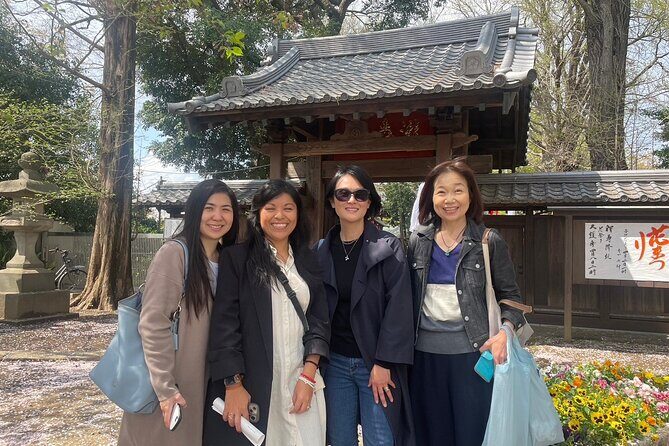
Meet at Todoroki Station (3 Chome-1), Setagaya City. The location is near public transportation, and finishing point is back at the meeting spot. That’s convenient in Tokyo, where “getting back” can turn into a mini-adventure.
Because the walking portion starts at the valley, arrive a little early and take time to get oriented inside the station. Todoroki isn’t the largest station in the city, but station exits can still be confusing when you’re juggling trains and directions.
If you have limited Japanese, plan to show the confirmation details on your phone and keep a screenshot handy. The meeting point is specific, and on at least some days you may be greeted by Tomoko and her helper Junko.
Wear comfortable shoes. The time outdoors is short, but you’ll feel better if your feet are happy.
Should you book this Japanese Home Cooking Class and Todoroki Temple walk?
Book it if you want a Tokyo food experience that’s more than tasting. This is for you if you want to cook, not just watch. The small group size, recipes provided, and the fact that you eat a full menu you made are strong reasons to spend your afternoon here.
Skip it if you’re looking for a long sightseeing-heavy day. The temple and valley stops are brief. This is a cooking-forward tour with a nature reset at the start.
I’d also recommend booking if you have dietary needs. The class has a track record of adapting menus, which is rare in small cooking settings.
FAQ
How long is the Japanese home cooking class?
The experience runs for about 2 hours 30 minutes.
Where is the meeting point?
You meet at Todoroki Station, 3 Chome-1, Todoroki, Setagaya City, Tokyo 158-0082, Japan.
How many people are in the group?
The tour has a maximum of 4 travelers.
What dishes will I cook?
You’ll cook an appetizer, a main, and a dessert. Your main is chosen in advance from options such as okonomiyaki, ramen, sushi rolls, and other delicacies.
Does the price include food and drinks?
Yes. The price includes all food, bottled water, hot drinks, and alcoholic beverages.
Are the Todoroki Temple and valley stops included?
Yes. The temple and valley stops are part of the experience, and admission tickets there are free.
What is the schedule for the tour?
It operates Monday through Friday, with opening hours listed as 11:00 AM to 2:00 PM (during 05/01/2023 to 02/04/2027).
Is it a mobile ticket?
Yes, you’ll receive a mobile ticket.
What is the cancellation policy?
You can cancel for a full refund up to 24 hours in advance of the experience start time. Changes within 24 hours aren’t accepted, and cancellations within 24 hours are not refunded.
When should I book?
It’s typically booked about 44 days in advance on average, so booking earlier is a good idea if your dates are set.
Learn Another Dish: Tokyo Cooking Classes
Tokyo on Foot: More Walks



More Tour Reviews in Tokyo






Fresh reviews from around Tokyo






Cooking Classes, compared.
 ★ 5.0Ramen & Gyoza Cooking Class in Tokyo with Local Supermarket VisitFrom $122823 reviews
 ★ 4.6Easy Ramen Cooking Experience in Kabukicho, ShinjukuFrom $29321 reviews
 ★ 5.0Ramen and Sushi Cooking Class with Sake Pairing Set in TokyoFrom $79291 reviews
 ★ 4.9Wagyu and 7 Japanese Dishes Cooking ClassFrom $67273 reviews
 ★ 5.0Tokyo Washoku 4-hour Cooking Class: From Market to TableFrom $79253 reviews
 ★ 5.0Small-Group Wagyu Beef and 7 Japanese Dishes Tokyo Cooking ClassFrom $72190 reviews
 ★ 5.0Private Home Cooking in Yanaka – Local Flavors in a Warm SettingFrom $122173 reviews
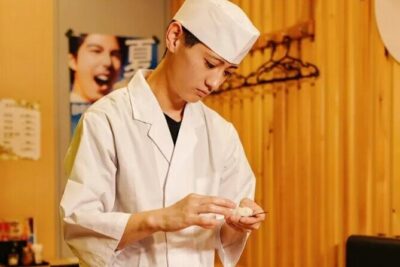 ★ 5.0Tokyo Sushi Making Experience & Japanese Cooking ClassFrom $59150 reviews
Browse the lists this tour appears in