
Reviewed · COOKING CLASSES
Japanese Cooking class in Tokyo
Tokyo starts with dashi.
This hands-on class at Morimi’s Home Kitchen turns Japanese comfort food into something you can repeat at home. You’ll learn the basics of dashi and how to cook rice in a regular pot, then practice with classic tools like the suribachi mortar and the oshizushiki pressed-sushi mold. Two things I really like: the training is practical (you’re not just watching), and the menu is built around Japanese techniques you can use again and again.
One thing to consider: it’s a 3-hour session in a home kitchen in Setagaya, so you’ll want to plan your day around a late-morning start and bring the right expectations. It’s private for your group, but pickup is offered rather than guaranteed to be part of your own transportation plan.
In This Review
- Key Highlights
- Morimi’s Home Kitchen: small, private, and very practical
- Choosing the right course: Tofu, Sushi, or Curry
- Tofu Course
- Sushi Course
- Curry Course
- Dashi and rice basics: the skills that travel with you
- Tofu Course: how you make tofu taste like Japanese comfort food
- Sushi Course: temari sushi creativity plus pressed oshizushi technique
- Curry Course: tonkatsu, ebi fry, and the Japanese roux flavor logic
- Tools and those small cooking hacks that matter
- Lunch, tea, optional sake, and wagashi: eating is part of the lesson
- Price and value: what you’re really paying for
- Who this fits best (and who should rethink it)
- Book it or skip it: my honest recommendation
- FAQ
- How long is the Japanese cooking class?
- Where does the class meet?
- What time does the class start?
- What course options are available?
- What’s included in the Tofu Course?
- What’s included in the Sushi Course?
- What’s included in the Curry Course?
- Are vegetarian, vegan, and gluten-free options available?
- Are recipes provided, and in what language?
- Is lunch and tea included, and is pickup offered?
- If I cancel, do I get a refund?
Key Highlights
- Morimi’s home-kitchen setting makes it feel local, not staged
- Dashi + rice basics give you a foundation you’ll use after Tokyo
- Suribachi and oshizushiki turn “Japanese cooking” into real muscle memory
- Three course choices (Tofu, Sushi, Curry) let you match your appetite
- Diet-friendly options: tofu course supports vegetarian, vegan, and gluten-free
- Included lunch + unlimited tea, with optional sake and wagashi during tasting
More aprons-on time in Tokyo kitchens
- Ramen & Gyoza Cooking Class in Tokyo with Local Supermarket Visit★ 5.0 · 823 reviews
- Tokyo: Easy Ramen Cooking Experience in Kabukicho, Shinjuku★ 4.6 · 321 reviews
- Ramen and Sushi Cooking Class with Sake Pairing Set in Tokyo★ 5.0 · 291 reviews
Morimi’s Home Kitchen: small, private, and very practical
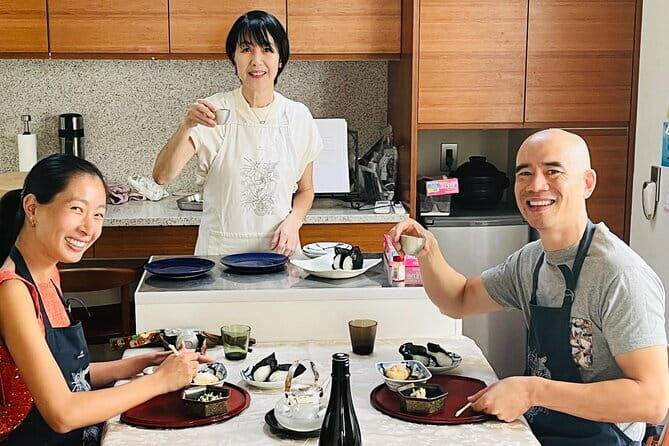
This class runs in Morimi’s Home Kitchen in Setagaya City, Tokyo, starting at 10:30 am. The meeting point is at 3-chōme-19-5 Matsubara, and it’s near public transportation, which matters because Tokyo navigation can eat time if you’re not careful. The experience lasts about 3 hours, and the activity ends back at the meeting point.
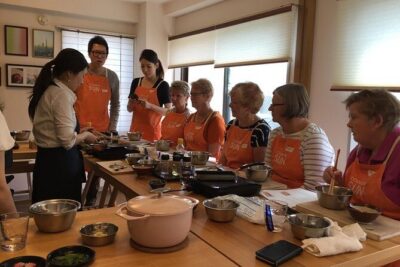
A big reason this works for many people: it’s not a big factory-style cooking show. It’s a private experience, so you and your group are the only participants. That setup usually means more attention while you’re learning—especially when you’re working with knives, molds, or getting the timing right for fried items.
Pickup is offered, but private transportation isn’t included. So if you need a seamless door-to-door plan, treat pickup as a helpful add-on rather than a full replacement for your own logistics.
Choosing the right course: Tofu, Sushi, or Curry
You pick one course when you book, and the menu follows a clear logic: learn a core Japanese base, then build dishes around it.
Tofu Course
If you like variety and hands-on technique, the tofu course is a strong choice. You’ll make three types of tofu dishes, plus rice balls and soup. It also has the most straightforward support for vegetarian, vegan, and gluten-free diets (you just need to inform the provider when reserving). You’ll also learn how to prepare dashi stock and cook rice in a regular pot.
Sushi Course
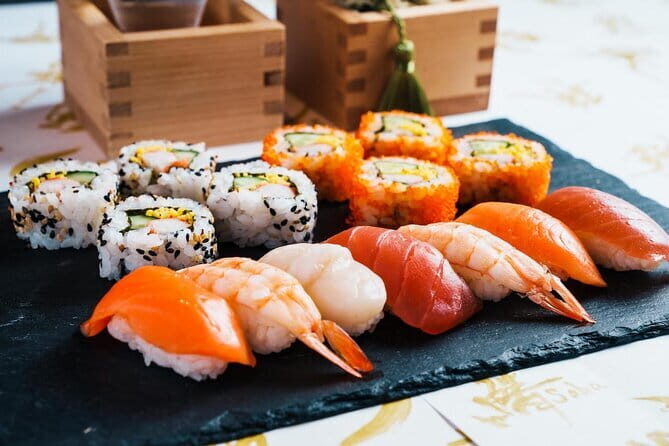
If you want to go beyond basic sushi-as-a-meal and actually build sushi, this course is built for you. You’ll start with making sushi rice, then create multiple types of temari sushi by choosing from sashimi and vegetables. You’ll also make one roll of oshizushi (pressed sushi) using shrimp and smoked salmon. There are gluten-free options, but they’re specifically offered through the tofu course or sushi course, so plan accordingly.
More things to make with your own hands
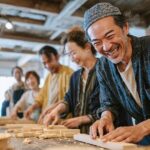
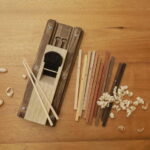


Curry Course
If you want something deeply comforting and very “Japan at home,” choose the curry course. You’ll use Japanese-style curry roux and learn how to pull together sides that make it feel complete: tonkatsu (pork cutlet), ebi fry (fried shrimp), and Japanese-style potato salad. This course is practical because curry in Japan isn’t just curry powder—it’s a specific flavor style, built on roux and dashi-style foundations.
Dashi and rice basics: the skills that travel with you
The class doesn’t just teach recipes. It teaches the backbone moves behind them, which is why this type of cooking class can be worth real money even when you’re not a “serious foodie.”
You’ll learn how to make dashi, including what ingredients matter and how to treat them as the start point for flavor. You’ll also learn how to cook rice using a regular pot, not a special appliance. That detail is underrated. In Japan, rice technique feels simple when you’re watching. But getting it right takes a few key habits, and you’ll leave with a method you can reproduce.
There’s also a focus on traditional tools. You’ll be introduced to classic equipment, and using it isn’t just a novelty. When you press sushi in a mold or grind ingredients in a suribachi, you understand why Japanese cooking textures feel the way they do.
Tofu Course: how you make tofu taste like Japanese comfort food
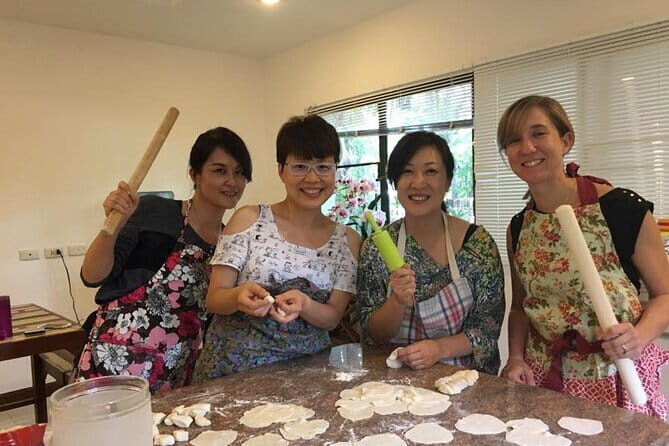
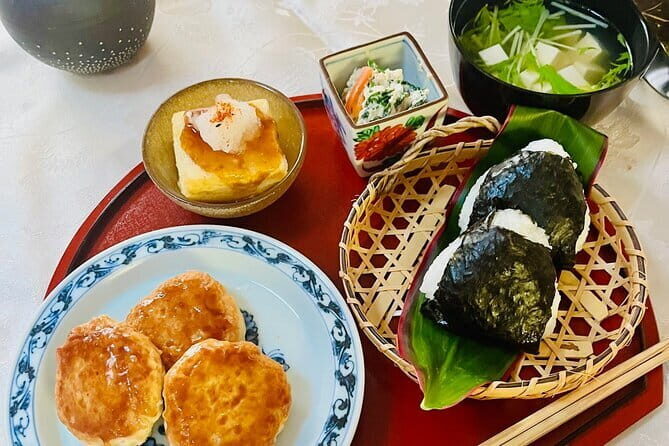
The Tofu Course is designed around variety, and it teaches you how tofu can be both light and satisfying. Your menu includes:
- tofu hamburgers
- agadashi tofu (deep-fried tofu)
- shiraae (tofu salad)
- tofu soup
- rice balls
You’ll also practice the dashi stock base and cook rice in a regular pot. So even if you’re mainly here for tofu dishes, you still pick up the fundamentals that make the flavors land properly.
The big value for diet flexibility is simple: this course can accommodate vegetarian, vegan, and gluten-free diets. If you tell the provider your needs when you reserve, they can arrange a tofu course version that fits you better than a one-size-fits-all approach.
One practical note: tofu courses can be a great choice if you don’t want to manage fish textures, shellfish handling, or sushi timing. You still get traditional seasoning logic and hands-on cooking, just with ingredients that are often easier to swap in a home kitchen later.
Sushi Course: temari sushi creativity plus pressed oshizushi technique
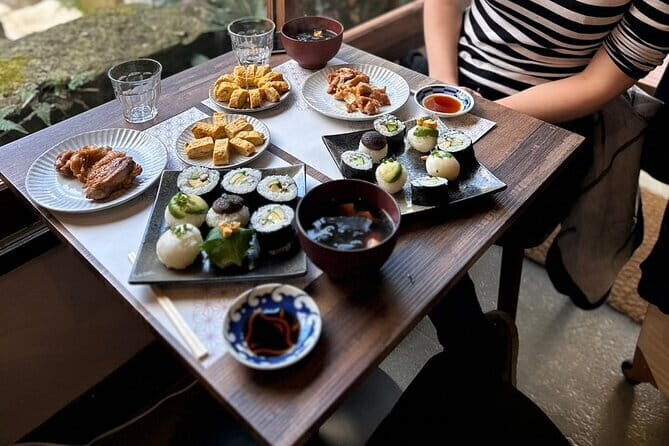
The Sushi Course starts the right way: with sushi rice. Then it moves into two formats that teach different skills.
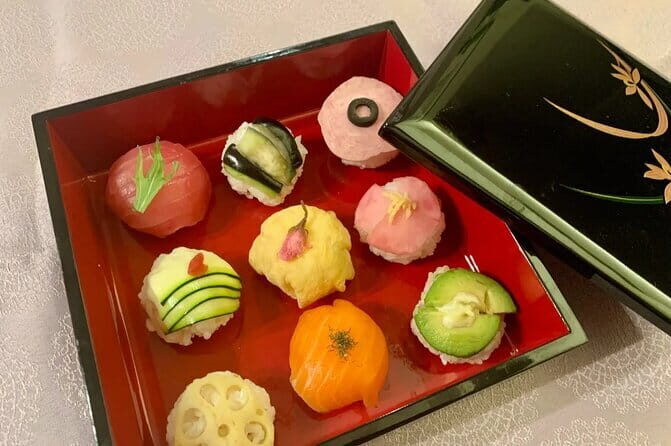
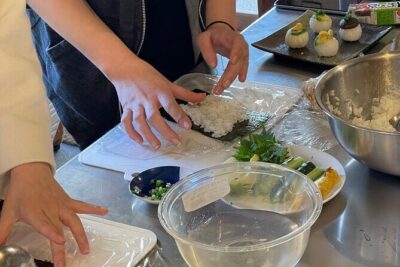
First comes temari sushi. You’ll make six types of temari sushi, and the fun part is that you choose your ingredients from a variety of sashimi and vegetables. This gives you control over the flavors and colors, and it’s a good way to learn how sushi works as a concept: rice base, topping strategy, and texture balance.
Then you shift to pressed sushi: each participant makes one roll of oshizushi using shrimp and smoked salmon with the oshizushiki mold. If you’ve ever watched pressed sushi in a Japanese shop and wondered how it holds together, this is where you learn the mechanics. The mold isn’t just for presentation—it shapes how you portion and layer the sushi rice and toppings.
If you need dietary adjustments, gluten-free options are available for this course. That means you can aim for the sushi experience without feeling stuck with the default ingredients.
During the tasting session, there may also be optional extras like sake and wagashi (traditional Japanese sweets), depending on what you choose.
Curry Course: tonkatsu, ebi fry, and the Japanese roux flavor logic
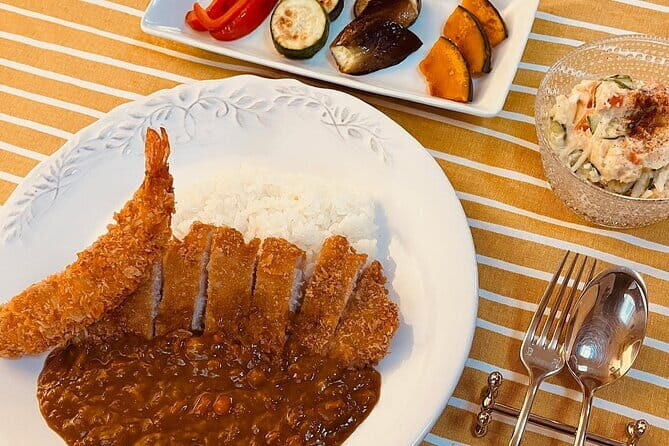
The Curry Course is built around Japanese-style curry, which is a different animal than what most people expect from “curry” elsewhere. You’ll use roux to build the sauce, and the overall flavor comes from the Japanese method and how the base is handled.
Your hands-on menu includes:
- rice
- Japanese-style curry using roux
- tonkatsu (pork cutlet)
- ebi fry (fried shrimp)
- grilled veggie
- Japanese-style potato salad
This course is especially good if you want variety on a single plate. You’re not only cooking sauce. You’re cooking the crispy components (tonkatsu and ebi fry) and the cool, creamy counterpoint (potato salad). That mix is part of what makes Japanese curry feel like a full meal rather than a bowl you eat and move on from.
It’s also a strong “beginner-friendly” pick because curry is forgiving compared to sushi timing or deep-frying technique—though crisp items still require attention.
Tools and those small cooking hacks that matter
This class keeps returning to one idea: small technique changes make a big difference. You’ll use tools like:
- suribachi (Japanese mortar), which helps with grinding and seasoning
- oshizushiki (pressed sushi mold), which gives sushi its clean shape and portioning
In a lot of cooking lessons, people learn recipes. Here, you learn the micro-skills. Reviews highlight that Morimi is patient and explains not just what to do, but why it works. That kind of “how to get it right” teaching is what makes it easier to recreate the dishes later instead of guessing.
The pacing also matters. You’re working in a home kitchen environment, so there’s less rush than you might find in a high-volume, timed demo setting. That helps if you’re learning knife skills, portioning, or frying. You’ll want to stay focused, but you won’t be treated like a robot.
Lunch, tea, optional sake, and wagashi: eating is part of the lesson
You’ll have lunch included. What you eat depends on the course you choose:
- Tofu course: three types of tofu dishes, two rice balls, and soup
- Sushi course: temari sushi and pressed sushi plus soup
- Curry course: rice, curry, tonkatsu, fried shrimp, grilled veggie, potato salad
On the drink side, green tea and mineral water are unlimited, and herbal tea is also available. That’s a nice touch because tea fits the food and keeps things comfortable during a hands-on session.
There’s also optional tasting extras:
- optional sake
- optional wagashi (traditional Japanese sweets)
If you want the full experience, consider adding sake during the tasting session. If you don’t, tea is easy and plentiful.
At the end, you also receive a souvenir as a small token of appreciation. It’s not the main point, but it’s a pleasant finish.
Price and value: what you’re really paying for
At $71 per person, this class sits in the “reasonable for hands-on cooking” range for Tokyo. The key is what’s included: you get lunch, you get drinks, you get recipes in English, and you get structured instruction from a certified chef in a private home kitchen.
If you compare it to paying for ingredients plus time plus a class fee, the value gets easier to see. You’re buying:
- instruction on dashi and rice technique
- guided use of traditional tools
- a meal you can’t easily replicate at the same scale at home
- English recipes that help you rebuild later
The only financial caveat is that optional sake and wagashi are extra. Still, the base lunch is included, and unlimited tea makes it feel like a complete meal experience even without alcohol.
Who this fits best (and who should rethink it)
This class is a great fit if:
- you want hands-on cooking, not a lecture
- you like learning foundations (dashi and rice) rather than only one dish
- you want a private, calmer setting in Tokyo instead of a crowded activity
- you need dietary options, especially through the tofu course
You might reconsider if:
- you want a full-day program with lots of sightseeing time
- you expect public transportation to be handled like private transfers (pickup is offered, but private transportation isn’t included)
- you’re chasing a super “big show” style experience instead of a home-cooking lesson
In other words: this is for people who want to go home able to cook.
Book it or skip it: my honest recommendation
If you’re choosing between a meal out and a cooking class, this one earns its place. The combination of dashi + rice foundations, traditional tools, and course-specific skill building makes it useful even after the photos fade.
I’d book it if you enjoy learning techniques and you can commit to the 3-hour window starting at 10:30 am. I’d also book it if your group has mixed dietary needs—especially because the Tofu Course can handle vegetarian, vegan, and gluten-free requests when you reserve.
Skip it only if you’re not interested in cooking at all, or if your day plan is too tight for Setagaya. Otherwise, this is the kind of Tokyo experience that turns into something you can recreate at home.
FAQ
How long is the Japanese cooking class?
The experience runs for about 3 hours.
Where does the class meet?
It meets at Morimi’s Home Kitchen, 3-chōme-19-5 Matsubara, Setagaya City, Tokyo 156-0043, Japan, and it ends back at the meeting point.
What time does the class start?
The start time is 10:30 am.
What course options are available?
You can choose one of three course options: Tofu Course, Sushi Course, or Curry Course.
What’s included in the Tofu Course?
You’ll make tofu hamburgers, agadashi tofu, shiraae (tofu salad), tofu soup, and rice balls, and you’ll learn dashi stock and how to cook rice in a regular pot.
What’s included in the Sushi Course?
You’ll make sushi rice, then create six types of temari sushi from selected sashimi and vegetables, and each participant makes one roll of oshizushi using shrimp and smoked salmon.
What’s included in the Curry Course?
You’ll make Japanese-style curry using roux, plus rice, tonkatsu, ebi fry, grilled veggie, and Japanese-style potato salad.
Are vegetarian, vegan, and gluten-free options available?
Vegetarian and vegan guests can choose the Tofu Course (you should inform the provider when reserving). Gluten-free options are also available with the tofu course or sushi course.
Are recipes provided, and in what language?
Yes. English recipes are provided so you can recreate the dishes after your trip.
Is lunch and tea included, and is pickup offered?
Lunch is included, and green tea and mineral water are unlimited with herbal tea also available. Coffee/tea is included, and pickup is offered, while private transportation is not included.
If I cancel, do I get a refund?
Yes. Cancellation is free up to 24 hours before the start time for a full refund. If you cancel less than 24 hours before, the amount paid is not refunded.
Make Something to Take Home
Learn Another Dish: Tokyo Cooking Classes

More Tour Reviews in Tokyo






Fresh reviews from around Tokyo






Cooking Classes, compared.
 ★ 5.0Ramen & Gyoza Cooking Class in Tokyo with Local Supermarket VisitFrom $122823 reviews
 ★ 4.6Easy Ramen Cooking Experience in Kabukicho, ShinjukuFrom $29321 reviews
 ★ 5.0Ramen and Sushi Cooking Class with Sake Pairing Set in TokyoFrom $79291 reviews
 ★ 4.9Wagyu and 7 Japanese Dishes Cooking ClassFrom $67273 reviews
 ★ 5.0Tokyo Washoku 4-hour Cooking Class: From Market to TableFrom $79253 reviews
 ★ 5.0Small-Group Wagyu Beef and 7 Japanese Dishes Tokyo Cooking ClassFrom $72190 reviews
 ★ 5.0Private Home Cooking in Yanaka – Local Flavors in a Warm SettingFrom $122173 reviews
 ★ 5.0Tokyo Sushi Making Experience & Japanese Cooking ClassFrom $59150 reviews
Browse the lists this tour appears in