
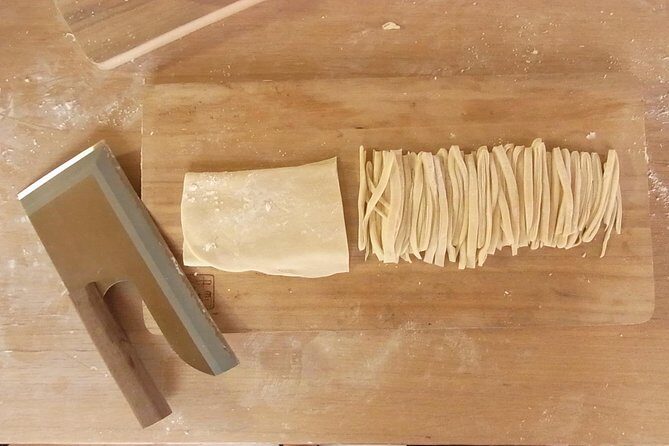
Reviewed · COOKING CLASSES
Japanese Cooking and Udon Making Class in Tokyo with Masako
Roll your own udon at home.
This Japanese cooking and udon making class in Tokyo is interesting because it blends hands-on noodles, classic Japanese dishes, and a real-home welcome from Masako, plus your name in Kanji. It runs about 2 hours 30 minutes, and it’s set up so you’re not just watching. You’re doing the work, eating what you make, and picking up techniques you can use later.
Two things I really love: you don’t have to shop for ingredients, because everything is included, and that removes the usual last-minute stress in a Tokyo neighborhood. I also like the take-home keepsake—your name written in calligraphy—so the evening doesn’t end when you wipe the cutting board clean. It’s a thoughtful touch.
One drawback to consider: there’s no hotel pickup, and the meeting point is a residential address in Adachi City (Senju). You’ll want to plan your route and give yourself a little extra buffer time.
In This Review
- Quick highlights
- Masako’s Tokyo kitchen setup: private, practical, not a show
- Getting to Senju: no hotel pickup, but public transport is nearby
- The welcome ritual: green tea and your name in Kanji
- Udon making from scratch: kneading, resting, cutting, and eating
- Tamagoyaki and tempura: two classics taught in a hands-on way
- The meal, the drinks, and the menu choices you’ll pre-select
- One-to-one attention: what private help changes
- Dietary needs: communicate early, and you’ll likely be supported
- Souvenirs and the extra generosity that sometimes happens
- Price and value: why $142 makes sense for what you get
- Who should book (and who should skip it)
- Should you book Masako’s udon and Japanese cooking class?
- FAQ
- How long is the Japanese cooking and udon making class?
- Is this a private class or a shared group?
- Do I need to buy ingredients before the class?
- What dishes will I learn to make?
- Are drinks included?
- Do I get a take-home souvenir?
- What about language—will I understand instructions?
- Are children allowed to join?
- Where do we meet, and is pickup provided?
- Can I get a full refund if I cancel?
Quick highlights
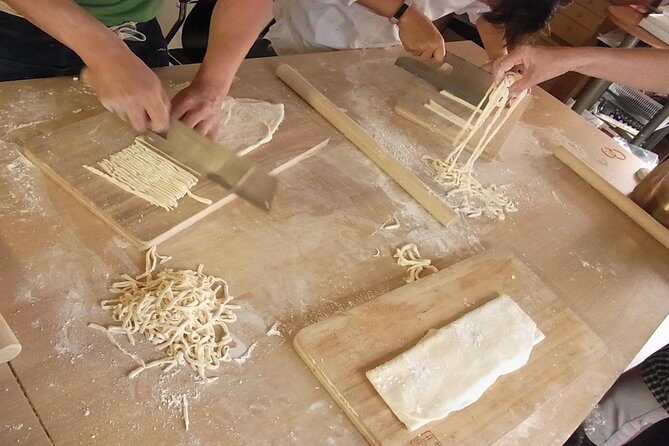
- Green tea welcome plus Kanji name calligraphy by a qualified calligraphy professional
- Udon making from scratch, with practical kneading and shaping tips
- Hands-on tamagoyaki and tempura, including frying steps and technique guidance
- Multi-course meal with drinks included, so you eat your way through dinner
- Private group experience with one-to-one teaching support
- Calligraphy souvenir to take home, personalized with your name
More aprons-on time in Tokyo kitchens
- Ramen & Gyoza Cooking Class in Tokyo with Local Supermarket Visit★ 5.0 · 823 reviews
- Tokyo: Easy Ramen Cooking Experience in Kabukicho, Shinjuku★ 4.6 · 321 reviews
- Ramen and Sushi Cooking Class with Sake Pairing Set in Tokyo★ 5.0 · 291 reviews
Masako’s Tokyo kitchen setup: private, practical, not a show
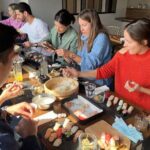
This class is built for small groups and close attention. The vibe is not a loud cooking-school production. It’s a home-kitchen lesson, which changes how the teaching feels. When you’re making dough, rolling omelet, and working the frying station, you want someone watching your hands—not just giving tips from across the room.
Masako cooks simple, nutritious dishes for her family, and her goal is that you can re-create what you learn back home. That matters. A lot of classes give you a souvenir photo and a vague memory of flavors. Here, the lesson focuses on the process: kneading, dough handling, and how the food should look when it’s right.
There is also a language reality check. Masako speaks limited English, so a translator is listed as present. Some communication may still feel smooth without that support, but you should plan as if the translator will be part of the experience.
Getting to Senju: no hotel pickup, but public transport is nearby
The meeting point is in Adachi City, Senju: 4-chōme 275 長円寺 (Tokyo 120-0034). The activity ends back at the same meeting point, and there’s no hotel pickup or drop-off.
That can be a pro or a con depending on your style. If you like to explore off-center areas, the residential setting is part of the charm. If you want everything scheduled from your doorstep, this isn’t that kind of experience.
Here’s how I’d plan it:
- Aim to arrive a bit early. In a home setting, timing affects the start of cooking.
- Since it’s a local neighborhood, keep your route simple and use public transit directions rather than relying on quick changes at the last minute.
- Bring a calm, slightly flexible mindset. Home kitchens don’t always feel like perfectly controlled studios, and that’s normal.
The welcome ritual: green tea and your name in Kanji
Before any cooking, you’re welcomed with a cup of green tea. Then Masako writes your name in Kanji. She’s described as a qualified calligraphy professional, and the calligraphy isn’t just decorative. It sets the tone: you’re not anonymous in a class. You’re the person being taught.
This is also a great moment to slow down. Cooking later can be fast-paced, but the calligraphy step gives you a cultural anchor right away. It also turns the class into something you can remember visually, because you’ll take that personalized souvenir home.
In practical terms, your name in Kanji is not just a gift. It’s a small reminder that this is personal instruction, not a mass-market workshop.
Udon making from scratch: kneading, resting, cutting, and eating
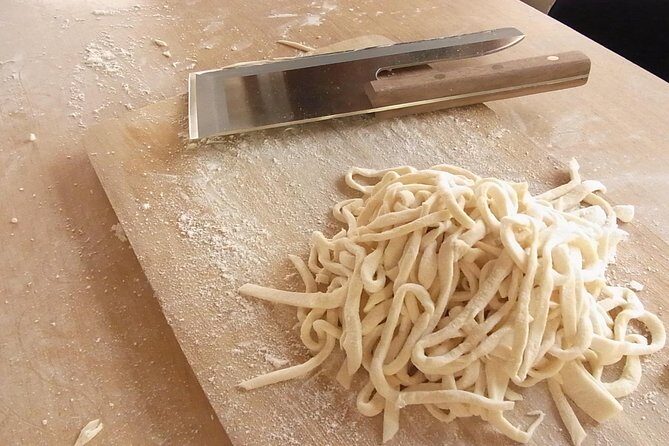
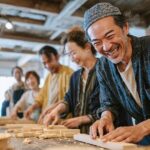
Udon is the centerpiece, and you’ll work through the process rather than getting a shortcut. The class starts with dough work: kneading is a key skill here. Multiple past participants highlight that kneading is a big part of what you learn, including how to handle the dough and what to pay attention to as it comes together.
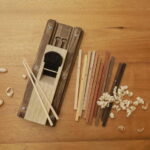
You’ll also learn how to prepare the noodles themselves—flattening and cutting the dough into the right noodle shape is part of the experience. Past participants also mention water ratios and other noodle-making details. That’s the kind of information that actually helps when you try this later at home.
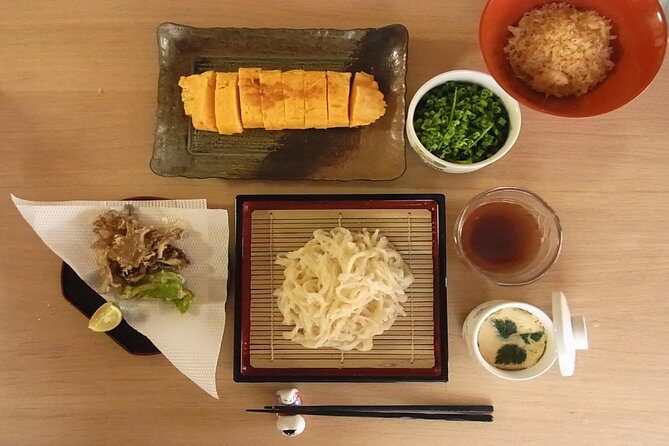
One more point: the lesson isn’t only about making noodles. You also get to eat what you make, as part of a multi-course meal. That turns the “science project” feeling into dinner. You don’t just end with raw materials; you end full and satisfied.
If you’re a first-timer, you’ll be glad the pace is described as friendly for beginners. The class includes plenty of step-by-step explanation, so you’re not expected to arrive as a dough expert.
More things to make with your own hands


Tamagoyaki and tempura: two classics taught in a hands-on way
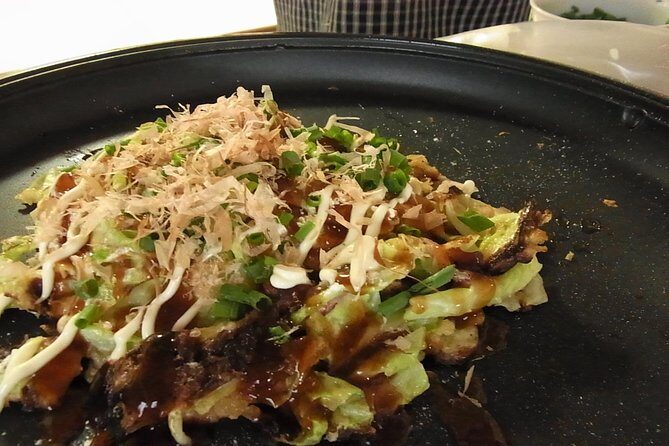
Alongside udon, you’ll make other Japanese staples. The recurring set includes tamagoyaki (rolled omelet) and tempura. The class is structured so you can learn multiple techniques in the time you’re there, not just one dish.
Tamagoyaki is a technique dish. It’s easy to mess up when you don’t know how to control the roll. Past participants call out learning how to roll the omelet and how ingredients come together—one review specifically mentions eggs with sugar and miso, which gives you an idea of the flavor direction.
Tempura is the other big skill. The process involves frying vegetables and shrimp, plus learning the tricks that help batter turn out right. Frying is a sensory skill. You’ll watch how it changes in the pan and learn how to approach the timing and handling so it doesn’t turn soggy.
What makes this pairing especially good is the workflow. You get different types of cooking, but the class still stays organized. You learn dough handling for the udon, precision for tamagoyaki, and frying control for tempura. That mix is why people come away feeling like they learned real cooking, not just grabbed a ticket to an event.
The meal, the drinks, and the menu choices you’ll pre-select
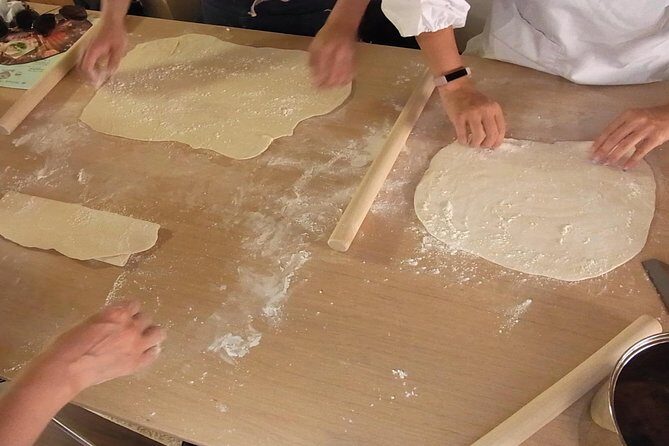
You’ll eat everything you make. The format is described as a delicious multi-course meal with drinks, including alcoholic beverages as part of what’s included.
There’s also a menu decision up front. Masako offers four menu choices, and you’re expected to message with your preference. That’s important because it means the class isn’t fully one-size-fits-all. If you have strong preferences—like whether you want more seafood focus or a particular style—you should communicate early.
If you’re planning around the evening for food, come hungry. Cooking classes can make you snacking-mode your way through and forget the purpose. Here, the goal is that you actually sit down and eat your courses.
One-to-one attention: what private help changes
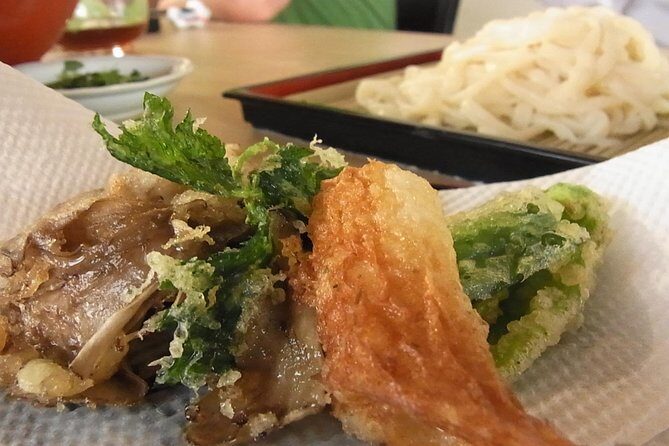
This is a private tour/activity. Only your group participates, and the experience is set up as one-to-one teaching assistance. That matters because Japanese cooking skills often live in small details—how you knead, how you shape, how you roll, and what you do during the minutes when the food is cooking and you can’t exactly rewind time.
Also, Masako’s teaching style seems practical and patient. Past participants emphasize that she explains steps in detail and answers questions. Limited English is real, but it doesn’t stop the instruction from being clear, thanks to the translator and the hands-on method.
If you like asking why something works, this class fits better than the kind where the instructor just demonstrates and you copy.
Dietary needs: communicate early, and you’ll likely be supported
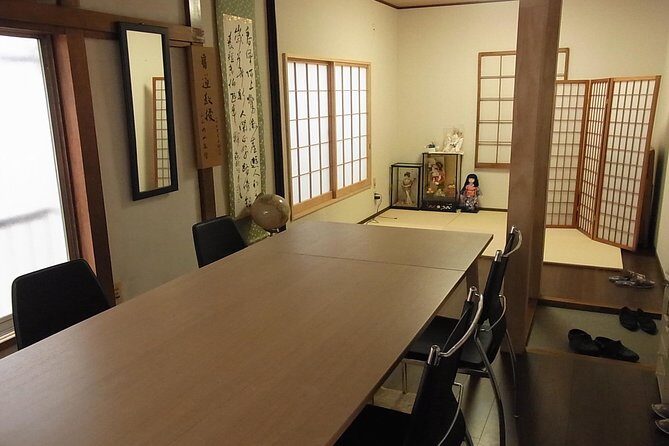
The information you have here suggests Masako can accommodate diet restrictions—at least based on participant feedback. Because the class menus are pre-selectable, it’s a good sign you’ll have a chance to adjust ahead of time.
My advice: send your dietary notes as soon as you can after booking, and again when you choose one of the four menu options. If you have allergies, be extra specific. Don’t assume the kitchen will infer details.
Souvenirs and the extra generosity that sometimes happens
The guaranteed souvenir is your name written in calligraphy. That’s clearly part of what you take home, and it connects the cultural side with your personal identity.
On top of that, some participants describe additional handmade touches like fans with symbols and names, origami gifts, and other small gestures. One person even mentioned an umbrella when leaving in the rain. You shouldn’t count on every extra item, but it gives you a sense of the warmth of the host and the care that goes into the closing moments.
What you can count on: calligraphy with your name in Kanji.
Price and value: why $142 makes sense for what you get
At $142 per person, this isn’t the cheapest food activity in Tokyo. But you’re not paying for a casual tasting. You’re paying for:
- A private class with one-to-one help
- All ingredients included (no ingredient runs)
- A multi-course meal and alcoholic beverages included
- Fees and taxes included in the price
- A take-home calligraphy souvenir
The practical value is that the class removes several hidden costs and hassles. Many classes require ingredient shopping or end with you eating mostly someone else’s work. Here, the ingredients are handled, you cook multiple dishes, and you eat what you make.
The booking window also suggests demand: this is commonly booked about 52 days in advance on average. If you have a limited Tokyo trip and want a specific evening slot, plan ahead.
Who should book (and who should skip it)
This class fits especially well if you want:
- A more local, home-kitchen experience rather than a tourist-food assembly line
- Hands-on practice with udon, plus tamagoyaki and tempura techniques
- A cultural add-on that’s not an afterthought (your Kanji calligraphy)
It may not be the best match if you:
- Need hotel pickup and drop-off
- Are traveling with children, since Masako does not accept children for safety reasons
- Want a fully self-guided experience with no language support
One more match note: if you’re the type who likes clear step-by-step teaching, you’ll probably feel relaxed. Reviews point out that the course is explained in a way that works for different ability levels.
Should you book Masako’s udon and Japanese cooking class?
If you’re trying to find one Tokyo experience that feels personal, skill-based, and actually useful later, this is a strong choice. The combination of udon-making practice, tamagoyaki and tempura, and the calligraphy souvenir hits a nice balance: cooking skills plus cultural flavor.
Book it if you’re happy to travel to a residential neighborhood on your own and you want dinner that you helped create. Skip it if you want a central location with easy logistics and you’re not willing to handle the meeting point yourself.
For most food-focused visitors, this is exactly the kind of evening that ends with full stomach and a new technique to try at home.
FAQ
How long is the Japanese cooking and udon making class?
It runs about 2 hours 30 minutes.
Is this a private class or a shared group?
It’s a private tour/activity. Only your group participates.
Do I need to buy ingredients before the class?
No. Ingredients are included, so you don’t need to shop.
What dishes will I learn to make?
You’ll make udon noodles, plus other Japanese dishes such as tamagoyaki and tempura.
Are drinks included?
Yes. Alcoholic beverages are included.
Do I get a take-home souvenir?
Yes. You’ll have your name written in Kanji calligraphy to take home.
What about language—will I understand instructions?
Masako speaks limited English, and a translator will be present during the experience.
Are children allowed to join?
Masako does not accept children for safety reasons.
Where do we meet, and is pickup provided?
You meet at a location in Adachi City, Senju (Tokyo 120-0034). Hotel pickup and drop-off are not included.
Can I get a full refund if I cancel?
Yes. You can cancel up to 24 hours in advance for a full refund. If you cancel less than 24 hours before the start time, you won’t be refunded.
Make Something to Take Home
Learn Another Dish: Tokyo Cooking Classes
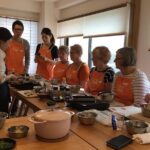
More Tour Reviews in Tokyo






Fresh reviews from around Tokyo






Cooking Classes, compared.
 ★ 5.0Ramen & Gyoza Cooking Class in Tokyo with Local Supermarket VisitFrom $122823 reviews
 ★ 4.6Easy Ramen Cooking Experience in Kabukicho, ShinjukuFrom $29321 reviews
 ★ 5.0Ramen and Sushi Cooking Class with Sake Pairing Set in TokyoFrom $79291 reviews
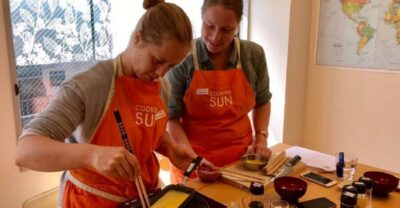 ★ 4.9Wagyu and 7 Japanese Dishes Cooking ClassFrom $67273 reviews
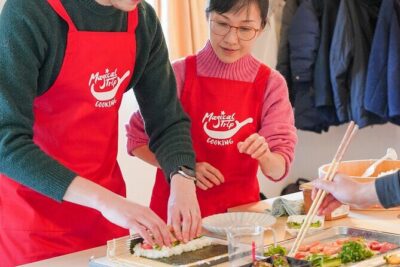 ★ 5.0Tokyo Washoku 4-hour Cooking Class: From Market to TableFrom $79253 reviews
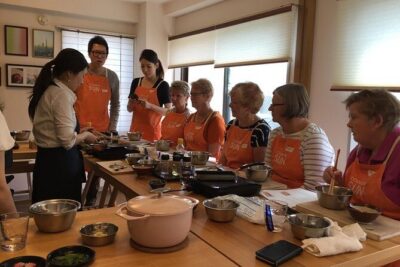 ★ 5.0Small-Group Wagyu Beef and 7 Japanese Dishes Tokyo Cooking ClassFrom $72190 reviews
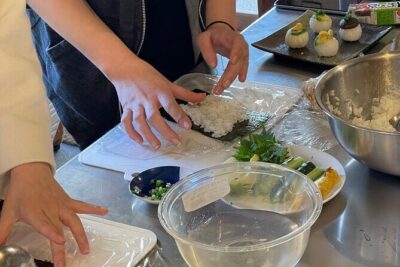 ★ 5.0Private Home Cooking in Yanaka – Local Flavors in a Warm SettingFrom $122173 reviews
 ★ 5.0Tokyo Sushi Making Experience & Japanese Cooking ClassFrom $59150 reviews
Browse the lists this tour appears in