
Reviewed · HAKONE DAY TRIPS
Private Hakone Half-day Car Tour with Hotel Pickup – Local Guide
Hakone in half a day is a real game changer. This private car tour lets you shape the timing around the weather and your interests, so you can chase Lake Ashi views or swap in more history and temples without wasting time.
Hotel pickup makes it feel effortless, and the guide can build a tight route that fits your pace. One thing to keep in mind: you only have a short window, so you won’t see everything Hakone offers.
What I like most is the flexibility. You’ll start with a briefing at pickup, and your guide will propose a plan that hits the highlights you care about most—views, power spots, waterfalls, or even a relaxed food-and-drink stop. Most days you’ll land on about 3–4 locations, which is perfect for a half-day format.
The other big win is that you’re not stuck with a generic route. The guide team includes people like Kumi, Sunny, Sun, Daisuke, and Naoki (names you may see mentioned by other guests), and the common thread is calm, practical guidance—adjusting when roads get busy or the sky won’t cooperate. The main drawback is straightforward: timing limits can mean skipping one or two top choices.
In This Review
- Key highlights at a glance
- Why Hakone by car beats train-and-wait for a half day
- Hotel pickup, A/C comfort, and WiFi on board
- How the guide builds your day: flexibility without chaos
- Hakone Shrine and Lake Ashi: classic views that frame the whole day
- Owakudani steam valley and Ōkanzan Observatory: the wow factor
- Cedar trees of the Old Tōkaidō and the Hakone Checkpoint story
- Temples and “power spots”: how Choan-ji Temple fits the vibe
- Waterfalls, Tokinosumika, and scenic drives when weather is tricky
- Gora Brewery Public House and Yosegi craft: small cultural stops that feel real
- Practical tips to get the most from 4–5 hours
- Price and what makes it feel like value
- Who this tour is best for
- Should you book this Hakone half-day private tour?
- FAQ
- How long is the private Hakone half-day car tour?
- How many places will we visit?
- Do we get hotel pickup?
- Is WiFi available during the drive?
- Is this tour only for my group?
- Are admission tickets included for attractions?
- What if the weather is bad?
- Do children need anything special?
- Are service animals allowed?
Key highlights at a glance
- Hotel pickup + private A/C vehicle saves you from Hakone’s stop-and-go transit stress
- Customized itinerary based on weather and your preferences, usually hitting about 3–4 stops
- Hakone Shrine + Lake Ashi for the classic lake-and-temple framing and photo angles
- Owakudani steam valley as the volcano experience most people don’t get on their own
- Old Tōkaidō cedar road and Hakone Checkpoint area for Edo-period history flavor
Why Hakone by car beats train-and-wait for a half day
Hakone is dramatic, but it’s also spread out. The big sights can feel like they’re in different worlds, and getting between them by bus and train can eat up your hours fast—especially if you’re only in town briefly. A private half-day tour solves that problem by letting you ride directly from one “zone” to the next, with a guide steering you toward the best use of your time.
What you’re buying with this tour isn’t just transport. You’re buying time management. In a place where fog can swallow mountain views and traffic can slow things down, a guide who builds your day around what’s possible (not just what’s on a brochure) matters a lot.
Hotel pickup, A/C comfort, and WiFi on board
This is the kind of tour that starts already moving. You’ll get hotel pickup, and you’re in an air-conditioned vehicle with WiFi on board. Even in shoulder seasons, Hakone can shift from cool to muggy quickly, and having a comfortable base while you hop between viewpoints is a quiet quality-of-life upgrade.
The vehicle size and pace also make a difference. The tour is designed for private groups up to five people, so you aren’t squeezed into a seat that turns “seeing the scenery” into “half watching, half surviving.” If you have multiple bags (common for day trips from Tokyo), leaving luggage in the car at the right moments can help you relax instead of constantly juggling.
How the guide builds your day: flexibility without chaos
The tour’s core structure is simple: a briefing at pickup, then your guide proposes a route based on season, weather, and what you actually want. The details matter because “Hakone highlights” can mean very different things to different people.
If you love views, the guide can aim for a sweep that includes Lake Ashi, access to the volcano area like Owakudani, and viewpoints such as Ōkanzan Observatory. If you’re into history and sacred places, you may spend more time around Hakone Shrine and temple stops. If your group prefers a slower, more local vibe, you can usually trade in craft, food, and drink stops—think brewery time at Gora Brewery Public House.
Important reality check: with a half-day, the tour typically lands on about 3–4 locations. That’s not a flaw; it’s the point. It’s what keeps each stop from feeling rushed and lets you actually enjoy the place instead of just sprinting through it.
Hakone Shrine and Lake Ashi: classic views that frame the whole day
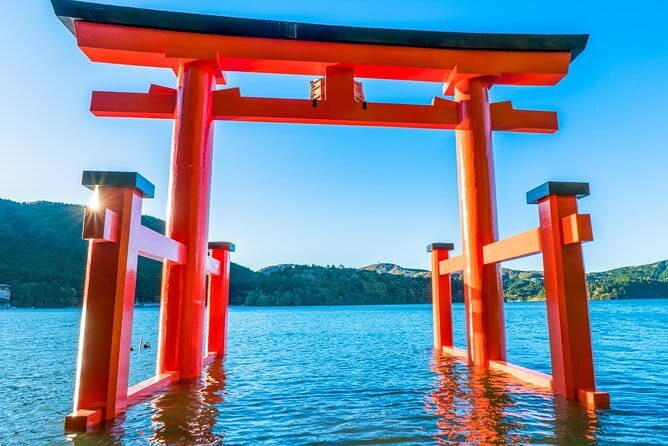
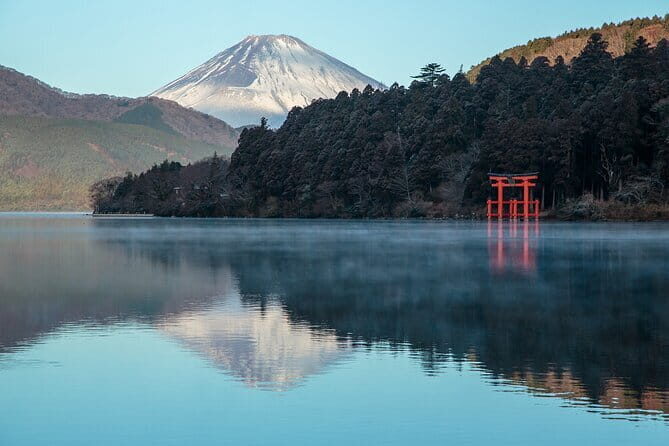
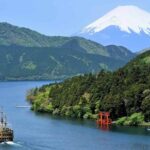
Many first-timers do Hakone for Lake Ashi. The big reason is practical: it’s one of the easiest ways to get the sense of Hakone as a whole. The lake sits right near Hakone Shrine, and the combination gives you both a scenic setting and a historical, spiritual stop without moving too far.
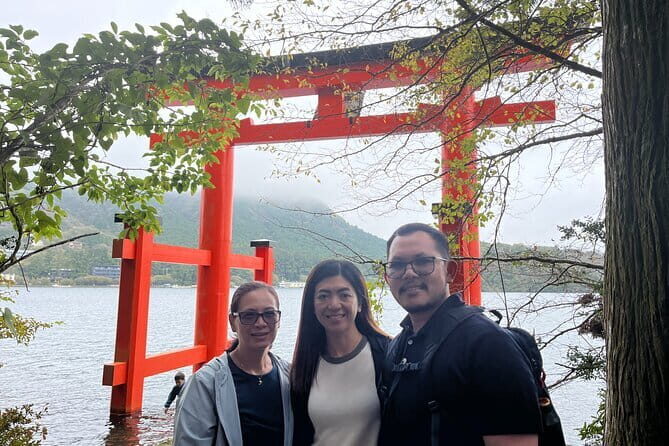
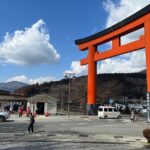
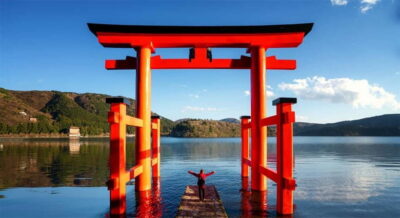
Hakone Shrine is known for its sacred atmosphere on the shores of Lake Ashi. Even if you’re not a shrine “superfan,” you’ll likely appreciate the way the architecture fits into the lake setting. It’s the kind of place where you can slow down for photos and a short walk, then reset before the more intense scenery stops.
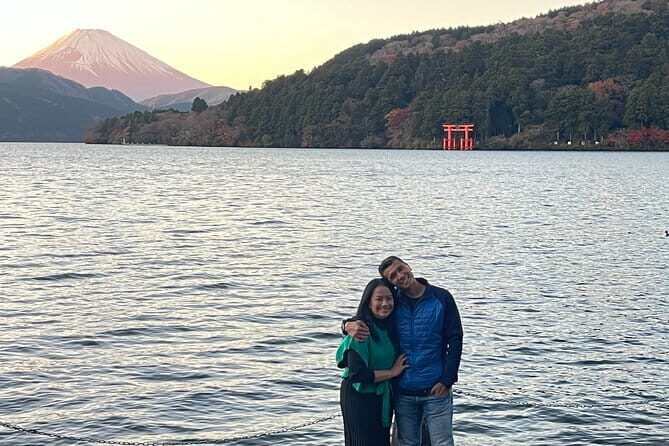
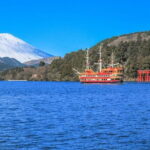
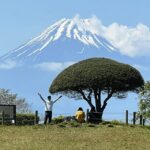
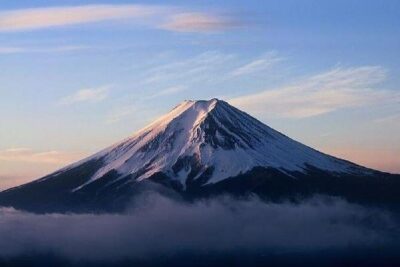
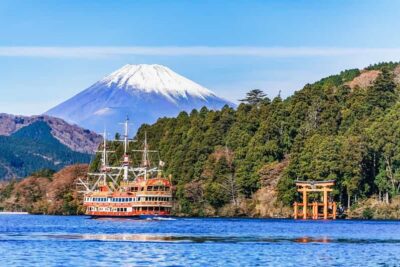
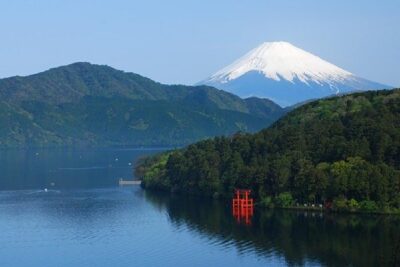
From there, Lake Ashi’s sightseeing cruise option (weather permitting) is the natural next step. This is where the day can deliver that postcard feeling: you’re looking out over water with Hakone’s mountain scenery around you, and on clear days Mount Fuji may appear in the background. When Fuji is hiding behind clouds, you still get the dramatic lake-and-mountain feel—just without the perfect silhouette.
One practical tip: plan for variable visibility. Hakone is famous for weather mood swings, and Fuji sightings can be hit-or-miss.
Owakudani steam valley and Ōkanzan Observatory: the wow factor
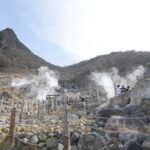
If you want one stop that feels like a true Hakone signature, it’s Owakudani. This active volcanic valley releases steam and that sulfur smell hits you fast. The experience is short but intense: you’re standing in a landscape that looks and smells like it belongs on another planet compared with everyday Japan.
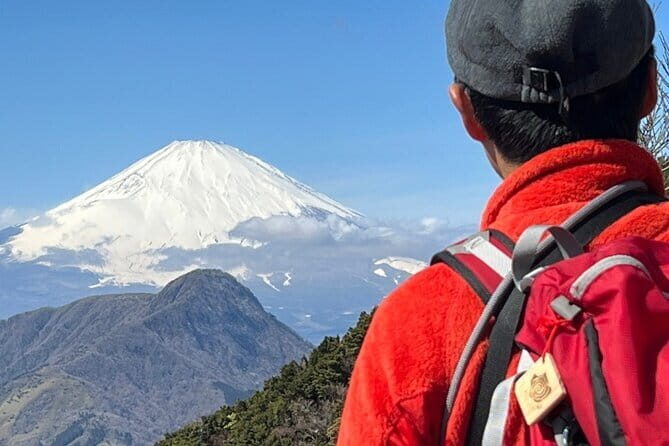
From there, viewpoints are what turn the morning from “interesting” into “wow.” Ōkanzan Observatory is a strong match because it’s built for panoramic viewing—so you’re not just looking at one direction. You’re checking the whole scene: lake areas, mountain shapes, and the overall Hakone layout.
The best part about pairing Owakudani and an observatory is pacing. Owakudani is sensory and intense; the viewpoint gives your eyes a break and helps you understand where everything sits relative to everything else.
Cedar trees of the Old Tōkaidō and the Hakone Checkpoint story
Hakone isn’t only volcano and water. It also has deep travel-history roots, and the tour can plug you into that side of the region fast.
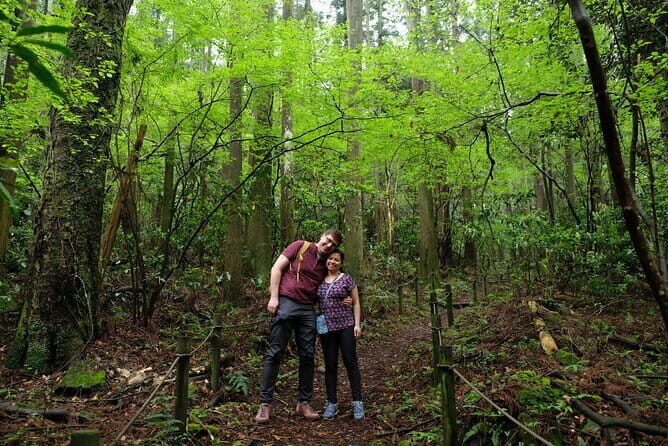
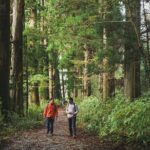
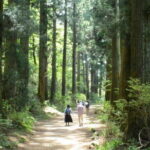
On the Old Tōkaidō Road, the cedar trees form a long, quiet corridor of shaded walking space. Even if you only do a short stroll, the feel changes from open scenic areas to something more hushed and grounded. It’s also a great photo break when you want a calmer background than steam vents and mountain overlooks.
Then there’s the Hakone Checkpoint (and the nearby museum area). This was a significant checkpoint on the Tōkaidō road during the Edo period, so you’re stepping into the logic of old Japan: controlling travel, checking identities, and managing routes between major cities. The checkpoint museum may not be included in the standard admission list, so if you’re the type who loves museums, ask your guide which parts are worth adding based on your time.
Temples and “power spots”: how Choan-ji Temple fits the vibe
If your group wants something more spiritual and atmospheric, you can often add Choan-ji Temple (Senkokuhara Chōan-ji Temple). It’s known for a striking setup: over 200 statues related to its followers. That’s the kind of detail that changes a temple visit from standard sightseeing into a memorable visual moment.
A temple stop also helps balance the day. Volcano and viewpoints can run hot (sensory-wise and sometimes weather-wise). Adding a temple gives you shade, slower walking, and a different rhythm—less camera sprint, more quiet attention.
One word of advice: if you’re traveling with older family members, or you want fewer physical demands, tell your guide up front. The best tours keep the day comfortable, not just packed.
Waterfalls, Tokinosumika, and scenic drives when weather is tricky
Hakone’s waterfalls are a practical choice for a half day because they’re photogenic and generally worth the time even when the sky isn’t cooperating. Tamaduru Falls and Hiryu Falls are two of the more talked-about options, and the tour can include them as quick stops.
Waterfalls can also be a “weather insurance” plan. If Mount Fuji is invisible, or the most iconic views are obscured, flowing water and lush valley settings still deliver. Even if you can’t predict the exact conditions, the route flexibility is designed to keep your day satisfying.
Then you have Tokinosumika, a resort-style stop with shops and hot-spring related amenities. It’s a good option if you want a less intense break—somewhere you can reset, browse, and keep the day from feeling like a nonstop sightseeing circuit. Just note that with only half a day, it works best when you treat it as a short and purposeful stop.
The Lake Ashi Skyline scenic driving course also makes sense here. When you’re in the car anyway, scenic roads let you pick up extra viewpoints without adding extra complicated logistics.
Gora Brewery Public House and Yosegi craft: small cultural stops that feel real
One reason this kind of private tour stands out is the option to include local culture beyond big landmarks. If your day leans toward relaxed and local, there are two stops that can add memorable texture.
Gora Brewery Public House is a craft-beer stop with a cozy vibe. If your group is into trying something specific to the area, this is the kind of stop that turns the day from “sites” into “stories.”
Then there’s Hatajuku Yosegi Kaikan, connected to traditional Yosegi wood marquetry craft. Yosegi is intricate and time-consuming, and seeing it tied to a local workshop tradition helps you understand Hakone as a living place, not just a scenic backdrop.
These craft-and-food moments also work well because they’re flexible. If the weather turns, your guide can swap the emphasis without blowing up the whole schedule.
Practical tips to get the most from 4–5 hours
This tour is built to be efficient, but your comfort still depends on how you show up.
Wear shoes that can handle short walks. Even when stops are timed, you may step onto viewpoints, walk between areas, or take a few minutes on roads and temple paths.
Have a small plan for photos and timing. A 10-minute stop can still be worth it if you know what you want to capture. If your goal is Mt Fuji, understand that conditions matter. Your guide may try for the best viewing angles based on what’s happening that day.
Bring a bit of cash. Some guide stories mention being flexible around needing cash stops. You don’t need to carry a fortune, but having some yen ready can keep little moments from turning into headaches.
Tell your guide what matters most. If you want views, say so. If you want temples and old road vibes, say so. If your group wants a brewery stop, say so. The entire point here is that the guide uses your preferences to decide which 3–4 stops make the strongest half-day.
Expect that not everything fits. With the half-day format, the “choose your priorities” part is real. If a stop is your top must-see, it’s worth stating early so the guide anchors the route around it.
Price and what makes it feel like value
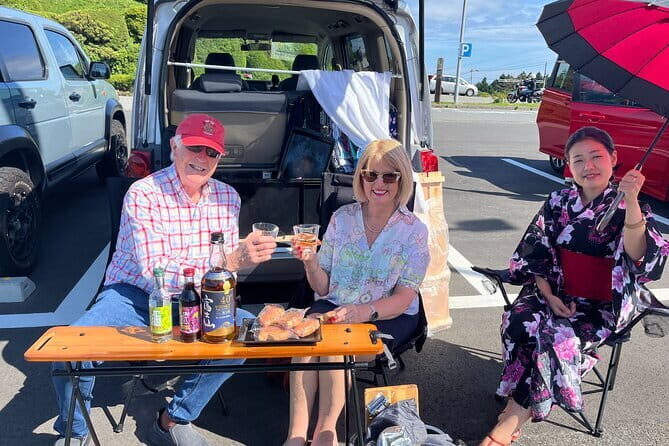
At $277.42 per group (up to 5), this tour can look like a premium line item—until you compare it to what time costs you in Hakone. For a half-day, this price includes hotel pickup, an English-speaking local guide/driver, an air-conditioned vehicle, parking fees, and WiFi on board. The practical value is that you’re outsourcing route planning, driving, parking logistics, and timing decisions.
In plain terms: if you’re in a group of two to five, the per-person cost often becomes easier to justify. If you’re traveling solo, it’s still a good deal if you strongly value a car-based route and the guide’s ability to customize the day.
One more value point: because the itinerary is flexible, you can steer away from the stuff you don’t care about. That’s a form of savings too—saving your time and attention.
Also check what you pay separately. The tour includes the guide and driving, but activity tickets aren’t included. Some listed sights show free admission, but any added paid experience (like museums or other ticketed activities you choose to tack on) is typically on you. If you care about a specific museum, ropeway segment, or paid experience, ask the guide at the start so you know what’s what.
Who this tour is best for
This is ideal if:
- You’re short on time and want a tight Hakone overview without transit stress
- Your group has different interests (views plus temples plus a bit of local culture)
- You want someone to react to weather and traffic instead of following a fixed plan
- You prefer a calm pace with real explanations, not a rushed checklist
It may feel less necessary if:
- You already know Hakone well and plan to do everything by your own chosen transport
- You’re happy with a very fixed schedule and don’t mind spending extra time getting between far-apart areas
Should you book this Hakone half-day private tour?
Yes, if your priority is efficient sightseeing with options. This kind of tour is one of the smartest ways to experience Hakone highlights without turning your day into a commute.
Book it especially if you want personalization, like choosing between volcano steam, lake views, waterfalls, old-road history, and temple stops. You’ll also appreciate the practicality: pickup at your hotel, A/C comfort, parking handled, and a guide who can keep the day smooth when the situation changes.
Skip it only if you already have your transport plan locked in and you’d rather control every minute yourself. With half a day, though, most people end up thanking themselves for choosing the car-and-guide approach.
FAQ
How long is the private Hakone half-day car tour?
It runs about 4 to 5 hours, depending on timing and the itinerary your guide builds for your group.
How many places will we visit?
The tour typically visits 3–4 locations because of time constraints.
Do we get hotel pickup?
Yes. The tour offers hotel pickup, and it starts with a briefing at your pickup point.
Is WiFi available during the drive?
Yes. WiFi is provided on board.
Is this tour only for my group?
Yes. It’s a private tour, and only your group participates.
Are admission tickets included for attractions?
Activity tickets are not included. Some listed stops show free admission, but if you choose additional paid experiences, you’ll likely pay separately.
What if the weather is bad?
This experience requires good weather. If it’s canceled due to poor weather, you’ll be offered a different date or a full refund.
Do children need anything special?
If you have children under 5, you’ll need to arrange for a car seat.
Are service animals allowed?
Yes, service animals are allowed on this tour.
More Tours in Hakone

More Tour Reviews in Hakone
Hakone, Three More Ways
Hakone Day Trips, compared.
 ★ 4.0Mt Fuji & Hakone Cruise, Drum Show Bullet Train 1 Day from TokyoFrom $1497,413 reviews
 ★ 4.4Tokyo Mt Fuji 5th St & Hakone Cruise Bus Tour w/Bullet TrainFrom $1545,024 reviews
 ★ 4.7Mt. Fuji Tour, Hakone Ropeway, Owakudani, Lake AshiFrom $544,002 reviews
 ★ 5.0Private Tour to Mt. Fuji and Hakone (Fully Licenced Operator)From $4971,910 reviews
 ★ 4.0Mt Fuji & Hakone Cruise, Drum Show Bus 1 Day from TokyoFrom $1221,287 reviews
 ★ 4.2From Tokyo: Mt. Fuji & Hakone Tour w/ Return by Bullet TrainFrom $1171,278 reviews
 ★ 4.5Mt. Fuji & Hakone Private Day Tour with English-Speaking DriverFrom $453824 reviews
 ★ 4.2Hakone Fuji Day Tour w/ Cruise, Cable Car, VolcanoFrom $98724 reviews
Browse the lists this tour appears in