
Reviewed · MT FUJI DAY TRIPS
Hakone Private One Day Tour From Tokyo: Mt Fuji, Lake Ashi, Hakone National Park
Hakone hits you fast with its volcano steam and lake views. What makes this day work is the private setup just for your party plus an English-speaking guide who keeps each stop clear, useful, and not just photo-op busy. You get an express train out of Tokyo, then you can pick your pace and priorities instead of getting herded.
My favorite part is the balance between structure and freedom. You’ll follow a smart route through the classics like Owakudani and Lake Ashi, but you’re not stuck doing every single add-on. The one drawback to plan for is real life: Mt. Fuji depends on weather, and during peak travel times Hakone roads can slow things down a lot.
In This Review
- Key things to know before you go
- Why this private Hakone day feels easier than doing it alone
- The 7:30 Shinjuku start: what it buys you in Hakone
- Owakudani: steam, sulfur vents, and why this valley matters
- Hakone Ropeway: the Sōunzan to Tōgendai ride (via Owakudani)
- Hakone Open-Air Museum: Picasso and Henry Moore in the hills
- Lake Ashi and Hakone Shrine: Shinto at the water’s edge
- Old Tokaido Road: a 30-minute walk that actually adds context
- Gora Park tea-house gardens: a pause with views and easy pacing
- Narukawa Art Museum: Nihonga paintings plus a cafe break
- Mount Hakone: the geology behind everything you’re seeing
- Kuzuryu shrine: luck with money and business prosperity
- Optional upgrades you can add on the day (and what they cost)
- Price and value: is $238.45 per person a fair deal?
- Packing and timing tips that make or break the day
- Who should book this Hakone private tour
- Should you book this Hakone private one-day tour?
- FAQ
- How long is the Hakone private one-day tour?
- Where do we meet, and when does the tour start?
- Is the tour really private?
- What transportation is included?
- Are entrance fees included?
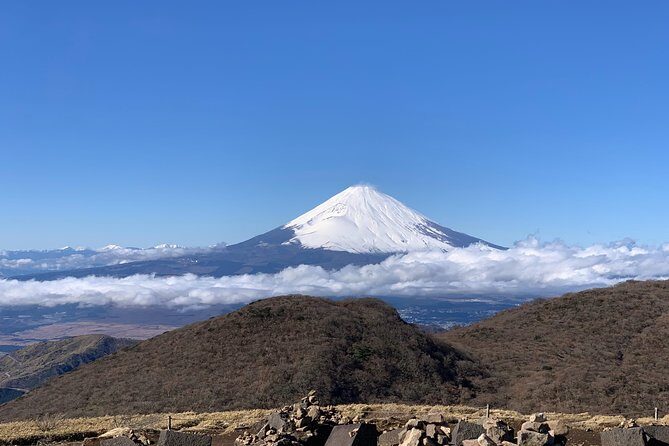
- Do you get Mt. Fuji views during the day?
- Do I need a passport?
- What happens if I cancel?
Key things to know before you go
- Private time with flexibility: It’s exclusively for your party, so the day adjusts to you rather than the other way around.
- Volcanic Owakudani is the action: Active sulfur vents and hot springs set the tone for the whole Hakone area.
- Ropeway + Lake Ashi visuals: In good weather, you’ll have strong chances for Mt. Fuji views from key viewpoints.
- Art in the open air: Hakone Open-Air Museum is Japan’s first open-air museum, with major-name works.
- You’ll get a short walk with meaning: Old Tokaido Road along Lake Ashi is included for a 30-minute taste of the past.
- Gora Park and Narukawa Art Museum add variety: Gardens, tea-house vibes, and Nihonga-style paintings break up the rides.
Other routes to the mountain, compared
- Mt Fuji & Hakone Cruise, Drum Show Bullet Train 1 Day from Tokyo★ 4.0 · 7,413 reviews
- Tokyo Mt Fuji 5th St & Hakone Cruise Bus Tour w/Bullet Train★ 4.4 · 5,024 reviews
- From Tokyo: Mount Fuji Full-Day Sightseeing Trip★ 4.5 · 4,970 reviews
Why this private Hakone day feels easier than doing it alone
Hakone is one of those places where DIY can turn into a logistics puzzle. Between trains, buses, cable cars, ropeways, and timed views, it’s easy to lose time. This tour cuts that friction by handling the big transportation pieces and ticketing within Hakone, so you can focus on the scenery and the stops.
I also like how private doesn’t mean rigid. Even with a set route through major sights, you’re not trapped doing the same checklist as strangers. That matters in Hakone because conditions change fast. Clouds roll in, lines form, and you might want extra time around the lake or the museum depending on the day.
And you get an English-speaking guide for the “why” behind what you’re seeing. Hakone isn’t just pretty. It’s volcanic terrain, Shinto shrine culture, and museum art placed in a way that makes sense when you’re standing there. You’ll still have free moments, but you’ll also spend less time guessing what’s worth your attention.
The 7:30 Shinjuku start: what it buys you in Hakone
You meet at Shinjuku West Exit (Halc1-chōme-5-1, Nishishinjuku) at 7:30 am, and the day ends back at the meeting point. That early departure is a sneaky advantage in Hakone. You’ll get more daylight for views, and you’ll often avoid the worst crowd buildup that happens later.
The tour runs about 8 to 10 hours, so it’s a full day, not a casual stroll. You’ll be moving between viewpoints, museums, shrines, and transport nodes. That’s great if you want to see Hakone’s highlights without spending your whole vacation planning connections.
One practical note: the tour is designed for people with moderate physical fitness. Ropeways and short transit legs do help, but you should still expect some walking—especially around shrine grounds and the included Old Tokaido Road walk.
Owakudani: steam, sulfur vents, and why this valley matters
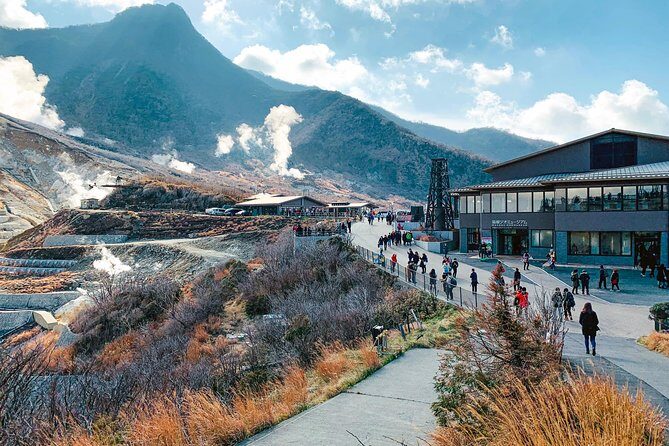
Owakudani is the volcanic heart of Hakone. It’s a valley formed about 3,000 years ago after Hakone volcano activity, and you’ll see active sulfur vents and hot springs. This is the place where Hakone stops being a travel brochure and becomes a living geology lesson.
What I like about including Owakudani early is the atmosphere. Steam, sulfur smells in the air, and the dramatic terrain make the region’s volcanic character instantly real. It also helps you understand later stops like ropeway viewpoints and the way shrines and towns developed around this unusual landscape.
The big consideration is comfort. If the weather is cool or damp, that valley can feel extra intense. Wear layers and expect that it can be windy on open sections. If you’re sensitive to strong smells, take your time and breathe through it.
In good weather, this is also one of the areas where Mt. Fuji views can come through via the ropeway segment and the broader day’s viewpoints.
Hakone Ropeway: the Sōunzan to Tōgendai ride (via Owakudani)
The Hakone Ropeway is an aerial lift system linking Sōunzan and Tōgendai, with the line running via Ōwakudani. One reason this part is worth it is simple: you get a different angle than you would from ground-level walking.
It became a funitel line in 2002, which is a detail you don’t need for the experience, but it hints at the engineering that makes the views accessible and steady. In practice, it’s a fast way to move between dramatic viewpoints without spending the day hiking uphill.
Your main payoff here is the view. In clear conditions, you can see the volcanic valley features, the course of Lake Ashi farther out, and sometimes Mt. Fuji in the distance depending on visibility.
Your main tradeoff is timing and weather. Clouds can erase the big view payoff, and if you travel during peak season, travel times between spots may stretch. Hakone roads can see heavy traffic in autumn, Golden Week, Obon, and late December to early January, with some transfers taking two to three times longer by bus than usual.
More Hakone loops, ropeways and lake crossings
Hakone Open-Air Museum: Picasso and Henry Moore in the hills
Hakone Open-Air Museum is Japan’s first open-air museum, opened in 1969. It’s the kind of museum stop that fits Hakone because art and nature aren’t competing here. You’re walking through sculpture gardens with views and pacing that feels more like a landscaped walk than a boxed-in gallery day.
The collection includes works by major artists like Picasso and Henry Moore, plus pieces connected to Taro Oka. If you care about modern art, you’ll likely enjoy the “out in the air” format. The optional add-on mentions a specific Picasso gallery option, and even when you’re not doing every extra ticketed feature, the museum itself is a highlight.
The practical side: plan for weather. Open-air museums can be great in light rain if you don’t mind mist, but cold wind can make you feel slower. If you want to maximize comfort, bring a light rain layer and keep your time flexible so you’re not racing.
Also, the tour includes discount entrance fees for the Open-Air Museum. That’s a real value lever, especially because museum entry costs can pile up fast when you start adding optional sections.
Lake Ashi and Hakone Shrine: Shinto at the water’s edge
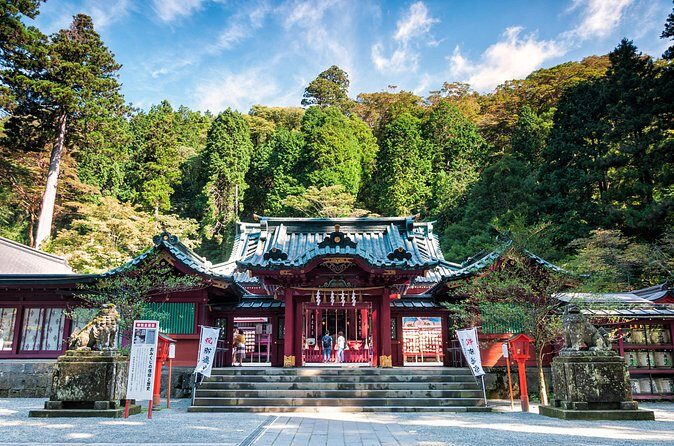
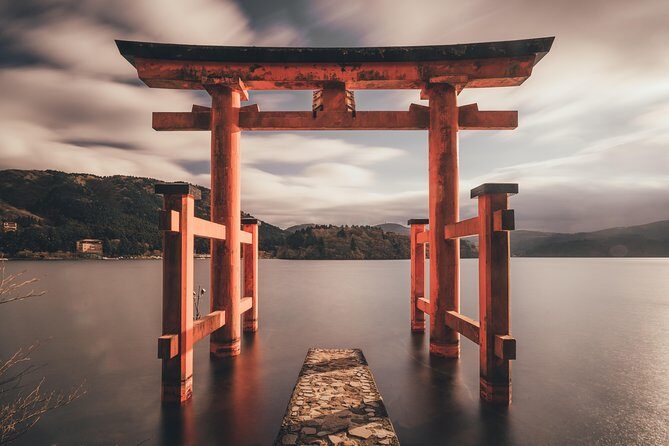
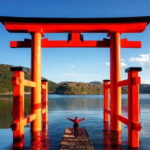
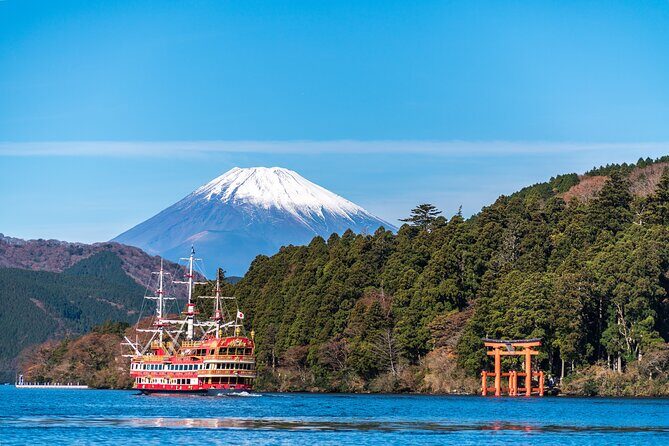
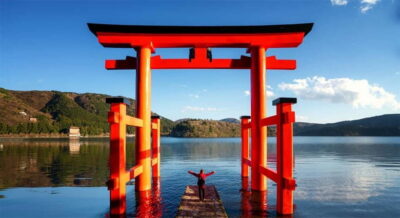
Lake Ashi is where Hakone turns calm. You’ll visit the Hakone Shrine, a Shinto shrine on the shores of Lake Ashi, also known as Hakone Gongen. Standing here, you get a clear sense of how water and mountains shape belief and local life.
The shrine stop is not just about getting a photo. Shinto shrine culture is tied to place, and Lake Ashi is a very specific kind of place. It’s also a helpful visual reset after volcanic terrain.
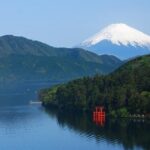
This day also includes an in-good-weather Lake Ashi cruise with Mt. Fuji views. The cruise is described as a traditional pirate ship, which is a fun detail and a reminder that Hakone plays well with classic tourist experiences when the scenery delivers.
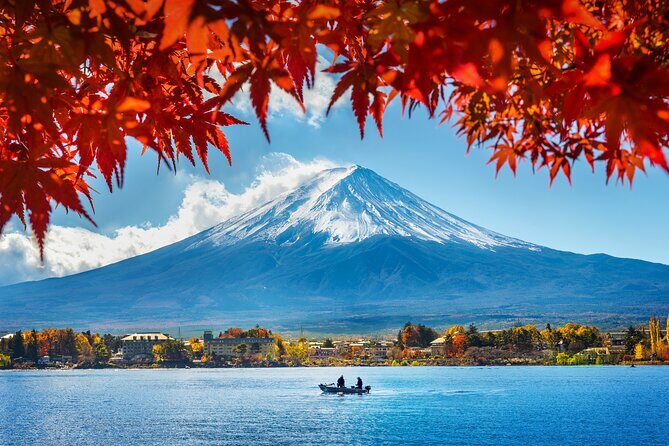
A careful expectation: Fuji views aren’t guaranteed. The tour only promises Mt. Fuji views “in good weather.” If clouds roll in, you’ll still be on a beautiful lake, but the magic distance may not show.
Old Tokaido Road: a 30-minute walk that actually adds context
Not every tour includes a walk with meaning. Here, you get Old Tokaido Road walking along Lake Ashi for about 30 minutes, and entrance for this is included.
The Tokaido was one of Japan’s major routes, and walking even a short stretch helps you connect the dots. Instead of only seeing Hakone as a set of modern attractions, you feel it as a corridor people traveled through long ago. It’s also a good break from ropeways and museum entry.
Since it’s only about 30 minutes, it works even if you’re not a long-hike person. Still, wear shoes you trust. Stone paths and uneven sections can show up around historic route areas.
Gora Park tea-house gardens: a pause with views and easy pacing
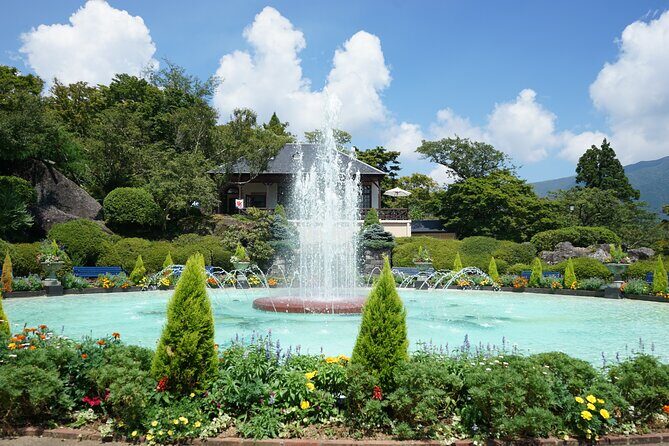
Hakone includes moments of “go-go-go,” so I’m glad the day has a calmer pocket: Gora Park. The description points to a western-style hillside botanical garden with a tea house, greenhouses, and a central fountain.
This stop is valuable because it slows the pace without ending your day. You get a little greenery, a chance to sit, and a different type of photo—more peaceful than ropeway viewpoints. If weather is shaky, gardens and covered greenhouse spaces can make the time feel less wasted.
Entrance to Gora Park is included, so you don’t need to decide on the spot whether it’s worth paying for. That’s money saved and decision fatigue reduced.
Narukawa Art Museum: Nihonga paintings plus a cafe break
The Narukawa Art Museum is opened in 1988 and focuses on Nihonga-style paintings, city views, plus a cafe and gardens. That combination matters. You get traditional Japanese painting style, then you get a visual break with the views and a place to pause.
If you’ve had a long day of volcanic drama and ropeway rides, this is a good reset. It’s not just another interior museum; the hints of city views and gardens suggest you’re still connected to the place you’re in.
The tour includes discount entrance fees for Narukawa Art Museum. That makes it easier to justify a museum stop as part of a one-day plan.
What to watch for: if you’re sensitive to museum time, you can use the cafe and gardens to control your pace. This is one place where a slower break improves the day.
Mount Hakone: the geology behind everything you’re seeing
Mount Hakone is not a simple single peak. It’s described as a complex volcano in Kanagawa Prefecture, truncated by two overlapping calderas, with the largest caldera measuring about 10 × 11 km. That’s the technical language, but the point for you is that Hakone’s steam vents, hot springs, and dramatic terrain are all the same story.
Including Mount Hakone as a stop works because it helps you interpret what you’ve experienced already. After Owakudani, the geology makes sense. After you’ve seen Lake Ashi and the shrine culture, the volcanic origin gives the place a deeper logic.
This isn’t the kind of stop where you’ll learn everything in ten minutes. It’s more like getting a mental map so the later scenes don’t feel random.
Kuzuryu shrine: luck with money and business prosperity
On the east bank of Lake Ashi, you’ll also visit a Shinto shrine dedicated to a dragon god believed to provide luck with money and business prosperity. The message here is clear: this is a shrine stop with practical symbolism, not just aesthetics.
Why that matters on your day: it connects to a Japanese cultural idea that nature, water, and local spiritual practice are intertwined. Even if you’re not a shrine expert, you can still appreciate the meaning of why people come here.
The only practical advice I’d give is to keep the time flexible for photos and walking. Shrine approaches can be slippery in damp weather, so take it slow near steps and shaded areas.
Optional upgrades you can add on the day (and what they cost)
This tour covers core sights and transport, but it also leaves room for personal picks. Optional activities and their costs listed include:
- Mt. Komagatake Ropeway (optional, 1,300 JPY) overlooking Hakone National Park
- Gora Park tea ceremony (optional, 500 JPY)
- Hakone Open-Air Museum with Picasso Gallery (optional, 1,600 JPY)
- Lake Ashi cruise with a two-body modern ship and ropeway to the top of Mt. Koma (optional total listed as 2,220 JPY)
- Narukawa Art Museum with good view of Mt. Fuji and Japanese paintings (optional, 1,200 JPY)
- Hakone Yumoto public hot bath (optional, 1,800 JPY) and a private indoor bath option (optional plus 1,000 JPY)
Meals, snacks, and drinks are not included. So if you add one optional, plan for lunch and water on top. My simple strategy: pick one add-on that matches your mood. If you’re into views, go for Komagatake. If you want a cultural slow moment, choose the tea ceremony. If you’re just tired, choose an onsen option and call it a day well spent.
Also note: optional activities costs for the tour guide should be covered by you on the day. That’s normal for private planning, so keep a buffer in your spending.
Price and value: is $238.45 per person a fair deal?
At $238.45 per person, this tour isn’t the cheapest way to reach Hakone. But for a one-day trip from Tokyo, it’s often close to fair once you add up what’s handled for you.
Here’s what’s included that adds real value:
- English-speaking tour guide
- Round-trip transportation from Tokyo to Hakone and within Hakone (you can choose public transportation or a private car at checkout)
- Hakone transportation fees: bus fares, mountain train, and cable cars
- Entrance fees for Gora Park and the Old Tokaido Road walking segment
- In good weather, Owakudani Ropeway and Lake Ashi cruise with Mt. Fuji views
- Discount entrance fees for Hakone Open-Air Museum, Narukawa Art Museum, and Hakone Barrier Station
What’s not included is the big budget item:
- Meals, snacks, and drinks
- Optional add-ons listed above
So the value question for you is this: Do you want to pay to remove the ticket puzzle and get someone handling the flow? If yes, this price can feel reasonable. If you’re traveling super budget-first and don’t care about an English guide, DIY will usually be cheaper. But you’ll also trade away convenience and context.
Packing and timing tips that make or break the day
Hakone is about views and comfort. To make the day smoother:
- Bring layers. Volcano areas and lake areas can feel cooler than Tokyo, and ropeways can be windy.
- Wear comfortable shoes for shrine grounds and the Old Tokaido walk.
- Bring a little cash or card buffer for optional costs, since meals and add-ons aren’t included.
- Expect weather swings. The tour clearly ties Mt. Fuji views to good weather, so keep your plan flexible if clouds show up.
Also, you’ll need a passport required for transportation on tour day. That’s unusual, but it’s in the tour details. Don’t leave it behind. If you’re traveling with a phone-only setup, add a reminder to check your travel documents the night before.
If you’re sensitive to crowds, peak seasons matter. Autumn foliage, Golden Week, Obon, and New Year holidays are busy, and traffic can slow transfers. The earlier start helps, but don’t assume you’ll beat everything.
Who should book this Hakone private tour
This is a strong match if you:
- Want a private tour for your party without arranging trains, buses, and tickets
- Like art and scenery and want both in one day (Open-Air Museum plus Narukawa)
- Care about Mt. Fuji chances and are okay with the weather-dependent reality
- Prefer an English-speaking guide to explain shrines, museum context, and the volcanic setting
- Travel with a child who can handle a full day, since children must be accompanied by an adult
It may not be ideal if you want long stretches of free time to wander without a set rhythm, or if you’re strictly on a minimal budget and don’t value a guided experience.
Should you book this Hakone private one-day tour?
I’d book it if your goal is simple: hit Hakone’s best-known pieces in one efficient day, keep the experience personal, and avoid ticket wrangling. The blend of Owakudani, Lake Ashi, shrines, and major art stops is a practical way to sample what makes Hakone special.
Skip it if you’re the type who loves controlling every detail alone and don’t care about the guide’s explanations. DIY can be cheaper, but you’ll spend more time figuring out transport timing while hoping views line up.
If you’re aiming for value in your time, this private day is a solid choice.
FAQ
How long is the Hakone private one-day tour?
It runs about 8 to 10 hours.
Where do we meet, and when does the tour start?
You meet at Shinjuku West Exit (Halc1-chōme-5-1 Nishishinjuku, Shinjuku City) and the start time is 7:30 am.
Is the tour really private?
Yes. It’s private and exclusively for your party.
What transportation is included?
The tour includes round-trip transportation from Tokyo to Hakone and transportation within Hakone. You can choose public transportation or a private car at checkout, and it covers bus fares plus mountain train and cable cars within Hakone.
Are entrance fees included?
Entrance is included for Hakone Gora Park and the Old Tokaido Road walking segment along Lake Ashi (30-minute walk). Hakone Open-Air Museum and Narukawa Art Museum are included as discounted entrance fees, not full entrance.
Do you get Mt. Fuji views during the day?
In good weather, the tour includes Mt. Fuji views with the Owakudani Ropeway and the Lake Ashi cruise.
Do I need a passport?
Yes. A passport is required for transportation on tour day.
What happens if I cancel?
This experience is non-refundable and cannot be changed for any reason. If you cancel or ask for an amendment, you won’t get a refund.
More Tour Reviews in Tokyo






Hakone, Three More Ways
The Fuji Shortlist: Other Days Out to the Mountain

Fresh reviews from around Tokyo






Mt Fuji Day Trips, compared.
 ★ 4.0Mt Fuji & Hakone Cruise, Drum Show Bullet Train 1 Day from TokyoFrom $1497,413 reviews
 ★ 4.4Tokyo Mt Fuji 5th St & Hakone Cruise Bus Tour w/Bullet TrainFrom $1545,024 reviews
 ★ 4.5From Tokyo: Mount Fuji Full-Day Sightseeing TripFrom $684,970 reviews
 ★ 4.7Mt. Fuji Tour, Hakone Ropeway, Owakudani, Lake AshiFrom $544,002 reviews
 ★ 5.0Private Tour to Mt. Fuji and Hakone (Fully Licenced Operator)From $4971,910 reviews
 ★ 4.9Mount Fuji Full-Day Private Tour from Tokyo (Customizable)From $3931,470 reviews
 ★ 4.0Mt Fuji & Hakone Cruise, Drum Show Bus 1 Day from TokyoFrom $1221,287 reviews
 ★ 4.2From Tokyo: Mt. Fuji & Hakone Tour w/ Return by Bullet TrainFrom $1171,278 reviews
Browse the lists this tour appears in