
Reviewed · TOKYO
Tokyo: KABUKI, BUNRAKU, etc. presented by National Theatre
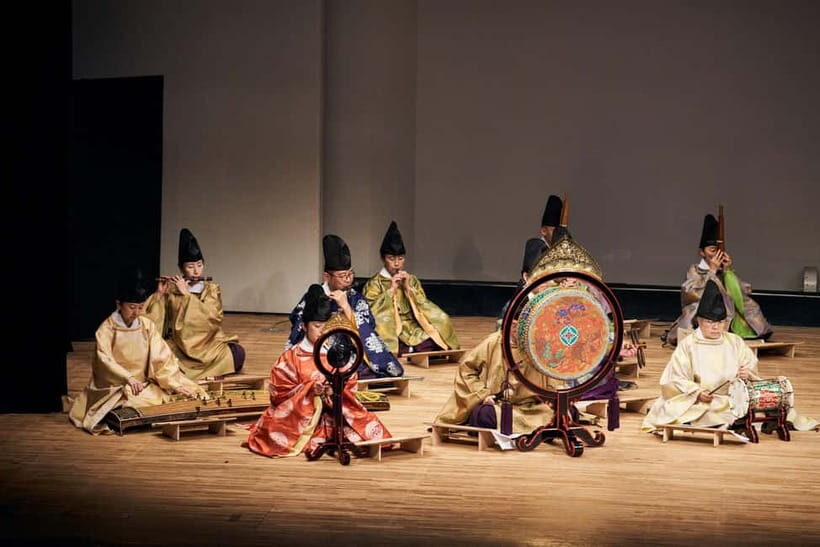
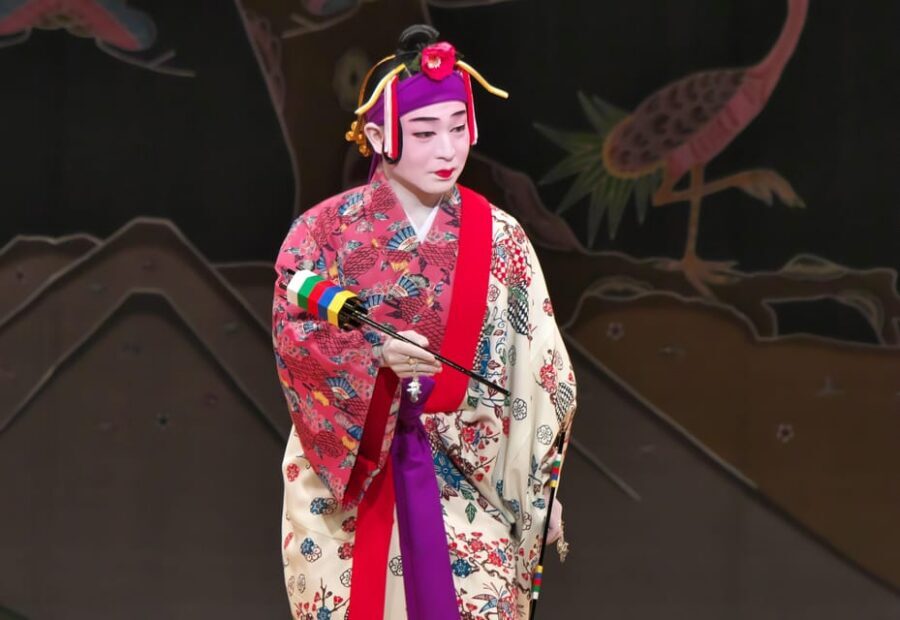
Japanese classical theater hits different when the sound system stays quiet. This National Theatre Japan–presented performance brings you Kabuki, Bunraku, and Hogaku-style traditional music traditions with top-tier performers, plus English support designed to help you follow without drowning out the acting.
Two things I really like: the format is built around performance first, not a noisy narration system, and the English help is practical (audio guide for Kabuki/Bunraku, printed English explanation for Hogaku). One thing to consider: the English guidance is an overview, not a literal translation, so some nuance in dialogue will be harder to catch if you want word-for-word meaning.
In This Review
- Quick Takeaways
- Yokohama KAAT: The Real Stage (Not Hanzomon)
- Ticket Exchange and Getting In Smoothly
- English Support That Doesn’t Fight the Performers
- Kabuki & Bunraku: English audio guide
- Hogaku: free English explanation sheet
- Kabuki: Music-and-Dance Drama With Clear Momentum
- Bunraku: Adult Puppet Theater at Its Most Sophisticated
- Hogaku: Snow Melodies and the Shamisen You Can Actually Hear
- Theater Etiquette: The Quiet Rules That Make It Work
- Price and Value: Is $37 a Good Deal?
- Who This Is For (and Who Might Skip It)
- Should You Book This Kabuki, Bunraku, and Hogaku Night?
- FAQ
- Where is the performance venue?
- Is this at the National Theatre in Hanzomon?
- What performances can I see?
- Is there English support?
- How long is the performance?
- Is transportation to the theatre included?
- Which stations are near KAAT Kanagawa Arts Theatre?
- Do I have to exchange my voucher for a theatre ticket?
- Are video or photos allowed inside?
- What’s the cancellation and payment policy?
Quick Takeaways
- Kabuki and Bunraku come with an English audio guide, designed to support the experience, not replace it
- No loud speakers take over the room, so you actually hear the voices, shamisen, and movement
- Hogaku includes a free English explanation sheet, with extra focus on snow melodies
- Venue is in Yokohama (KAAT Kanagawa Arts Theatre), not the National Theatre in Hanzomon
- Photography and video are not allowed, so plan to experience it with your eyes and ears only
Before you commit, see how this one stacks up against a few Tokyo favourites:
- Mt Fuji and Hakone 1-Day Bus Tour Return by Bullet Train★ 5.0 · 26,383 reviews
- 1-Day Tokyo Bus Tour★ 5.0 · 14,250 reviews
- Tokyo: teamLab Planets TOKYO Digital Art Museum Entry Ticket★ 4.6 · 9,779 reviews
Yokohama KAAT: The Real Stage (Not Hanzomon)
First, get your bearings. This show is presented by National Theatre Japan, but the performance venue is not the National Theatre (Hanzomon). For this ticket date, the venue is KAAT Kanagawa Arts Theatre in Yokohama.
Here’s how to get there:
- Minatomirai Line: Nihon-ōdōri Station (MM05), about 5 minutes on foot from Exit 3 or 4
- Minatomirai Line: Motomachi-Chukagai Station (MM06), about 8 minutes on foot from Exit 1
- The Minatomirai Line connects through to Tokyu Toyoko Line and Tokyo Metro Fukutoshin Line, so routing from Tokyo can be pretty straightforward
- From Shibuya, expect around 45 minutes
Why this matters: if you’re staying in central Tokyo, it’s easy to assume everything is nearby. This isn’t a quick hop across the street. But if you’re already planning at least one day trip toward Yokohama, it’s a clean add-on that feels genuinely different from standard sightseeing.
Ticket Exchange and Getting In Smoothly
You’ll exchange your GetYourGuide voucher for the theatre’s own ticket at the entrance on the day of the performance. Staff will ask for the name used to make the reservation.
Also note a small but important detail: seating positions are left to the theatre, so don’t assume you’ll get the absolute best sightlines. That said, this is a classical performance in a proper hall, so even mid-seats tend to make sense for following stage action.
One more heads-up: the content can vary by date. Your option title tells you which program you’re seeing, so double-check before you go—especially if you’re targeting a specific art form like Kabuki or Bunraku.
English Support That Doesn’t Fight the Performers
This is the biggest reason this experience works well for non-Japanese speakers.
Kabuki & Bunraku: English audio guide
You get an English audio guide for Kabuki and Bunraku. But here’s the key limitation: it’s an overview of the main points, not a word-for-word translation. The goal is to help you understand what’s happening and why, without interfering with the performers’ voices, pacing, and acting choices.
That approach is smart. Some theater translations can feel like they yank your attention away from what the actors are doing. Here, you’re meant to listen to both: the performance in your ear and the guide in parallel.
A practical tip from how the experience tends to feel in real life: give yourself a few minutes to adjust. It takes time for your brain to process translation in one lane while you watch movement and listen to delivery in the other. If you try to “catch everything” immediately, you’ll feel frustrated. If you let it build, you’ll start following faster than you expect.





Hogaku: free English explanation sheet
For Hogaku, you don’t use an audio guide. Instead, you get a free English explanation sheet. The music program focuses on melodies connected to snow, including Yuki no Aikata, a long shamisen interlude found in the Jiuta piece called “Yuki.” The sheet is there to help you hear the structure and symbolism instead of treating it like random background music.
Either way, the English support is designed to keep the room quiet and focused on the performance. That’s not just a comfort issue—it changes how you experience the sound.
Kabuki: Music-and-Dance Drama With Clear Momentum
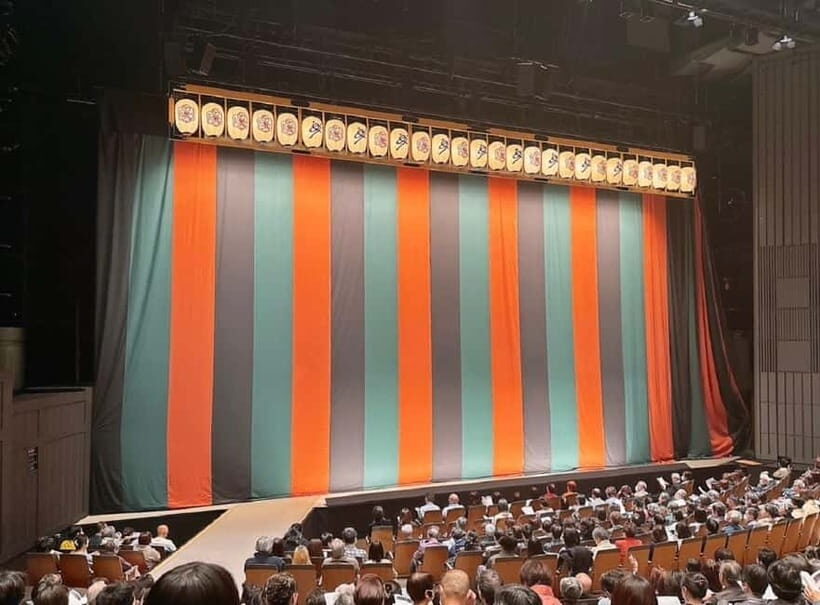
If your date includes Kabuki, you’re stepping into one of Japan’s most recognizable traditional art forms: drama that combines music, dance, and theatrical storytelling.
Kabuki is famous for more than costumes and dramatic poses. Over centuries, it absorbed influences from each era while still keeping core techniques. That “old form, changing expression” is part of why it can feel exciting even today.
What you should expect on stage:
- Strong shifts between movement, music, and story beats
- Performances that rely heavily on timing and physical storytelling
- Scenes that build emotion through staging and music as much as through words
The best way to “read” Kabuki is to watch how the performers shape space. Even when you don’t catch every detail of dialogue, you can usually track plot direction through gesture, rhythm, and the way the music signals a change in mood.
Bunraku: Adult Puppet Theater at Its Most Sophisticated
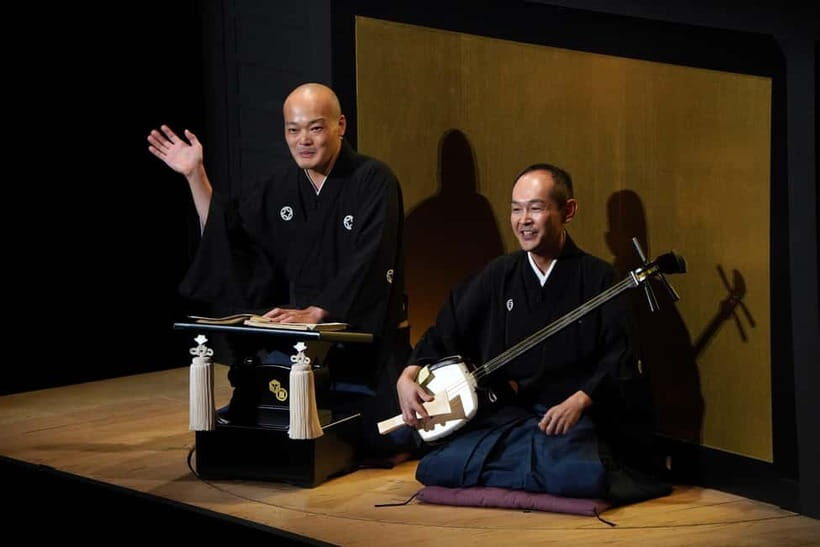
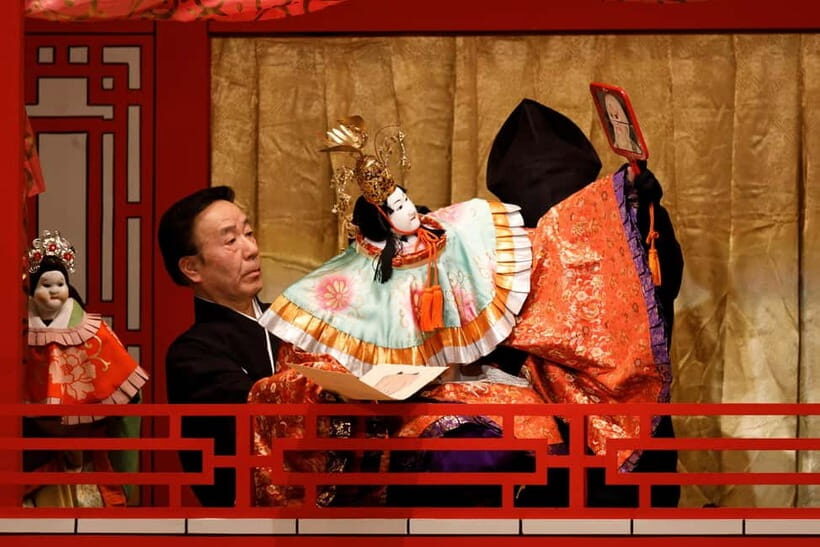
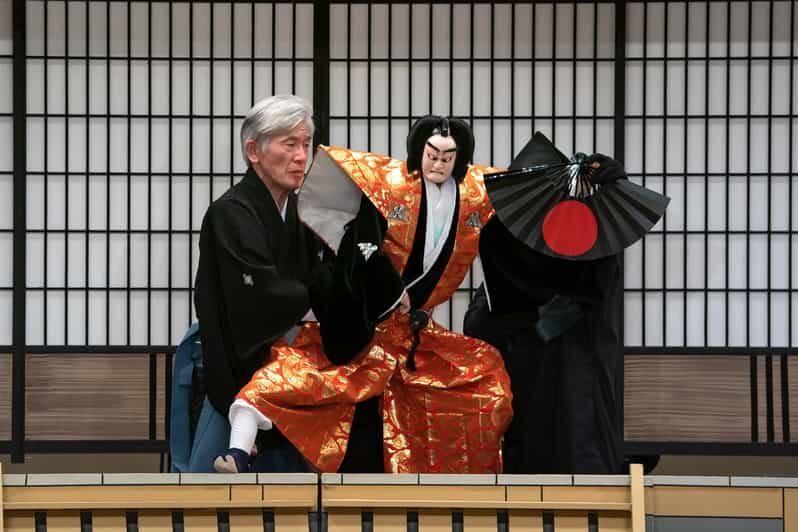
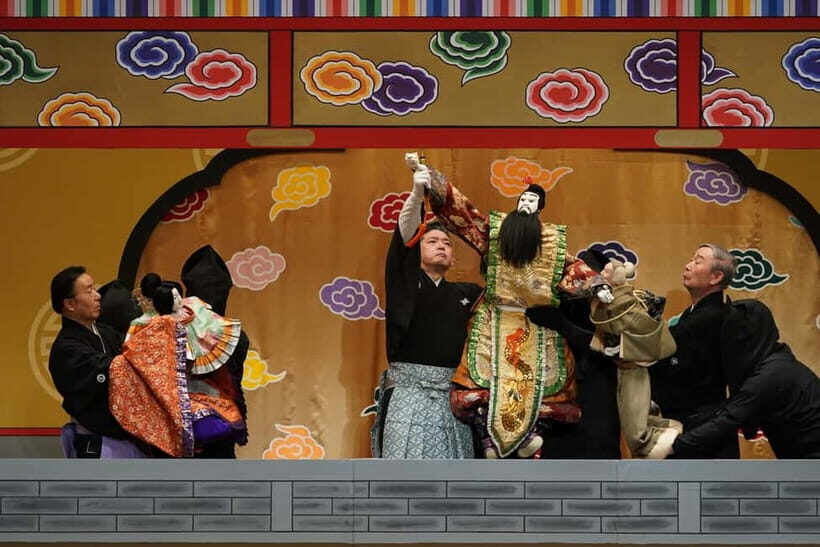
For many people, Bunraku is the real surprise. It’s a traditional puppet theatre known for an unusually high level of coordination—narration, shamisen, and puppetry working together as one system.
Bunraku is also recognized as UNESCO-listed intangible cultural heritage, and that reputation isn’t marketing fluff. The experience is built for adults in particular, because the emotional range can be heavy—sometimes poetic, sometimes intense.
What makes Bunraku click:
- A narrator recitation that drives the story with strong vocal expression
- Shamisen music that doesn’t just accompany—it shapes timing and feeling
- Puppets whose movements look simple until you realize how controlled and purposeful they are
And yes, this ticket information specifically mentions a Bunraku option with an English audio guide. So you get that same non-loud, performance-first listening setup.
A consideration: even with audio guidance, puppet theater asks you to watch closely. If you’re expecting modern “show with captions,” you may need a mindset shift. But if you like details, you’ll find yourself tracking small motions that carry emotional meaning.
Hogaku: Snow Melodies and the Shamisen You Can Actually Hear
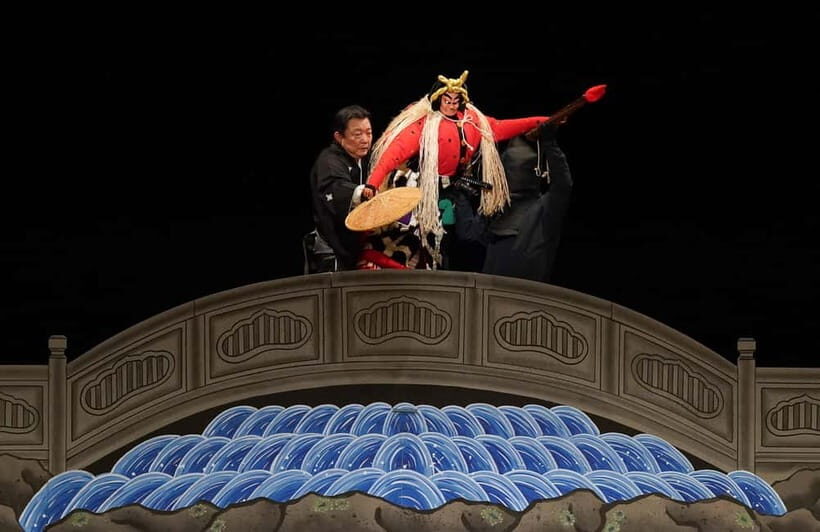
Hogaku is the traditional Japanese music side of the evening, and it’s presented here with a clear theme: melodies linked to snow, especially Yuki no Aikata.
The explanation centers on the way this snow-motif appears across songs, including the long shamisen interlude in “Yuki.” You’re not just hearing pieces—you’re learning how one melody can act like an audio image of a season.
What you should expect:
- A set of traditional music selections that use specific melodic patterns to signal mood and imagery
- Music that rewards attentive listening more than casual background focus
If you’re the type who enjoys music structure, this part can be the most rewarding. If you only want plot-heavy storytelling, the Hogaku segment might feel slower. Either way, having an English explanation sheet helps you catch what the program is trying to highlight.
Theater Etiquette: The Quiet Rules That Make It Work
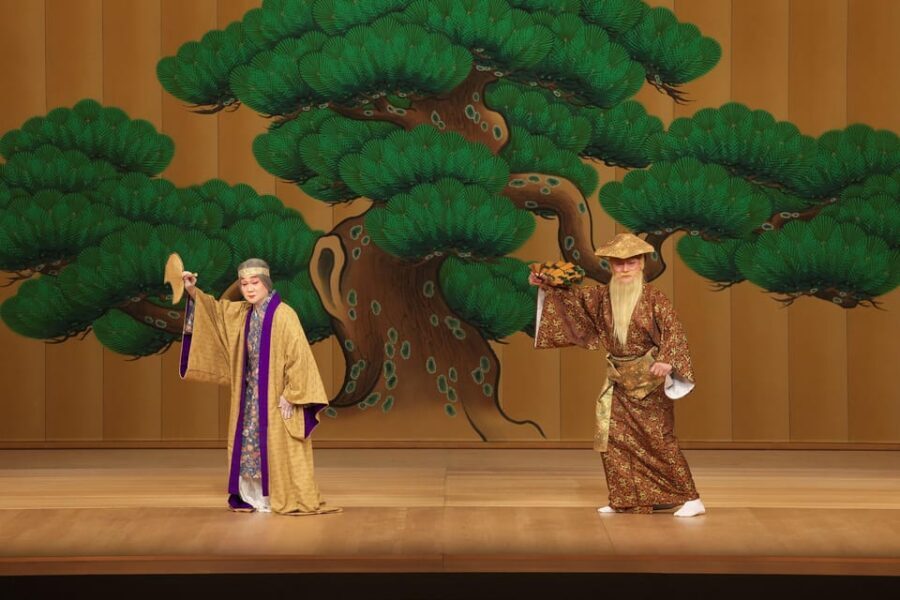
Japanese classical theater is serious about respectful silence. Here are the big rules that affect your comfort:
- No smoking
- No pets (assistance dogs allowed)
- No alcohol and drugs
- No video recording and no photography inside
- No audio recording
- No making noise
That’s not just theater policing. Quiet rules help you hear the stuff that matters: shamisen clarity, recitation tone, and the subtle shifts in pacing. It also means you should plan your evening like a performance, not like a restaurant meal.
Timing-wise, the overall experience runs 75 minutes to 3 hours, depending on the date and the exact program mix. Plan to arrive early enough to find your seat and settle before anything starts. If you’re hungry, you might be able to handle food during breaks, but the theatre doesn’t allow drinks inside, so plan accordingly.
Price and Value: Is $37 a Good Deal?
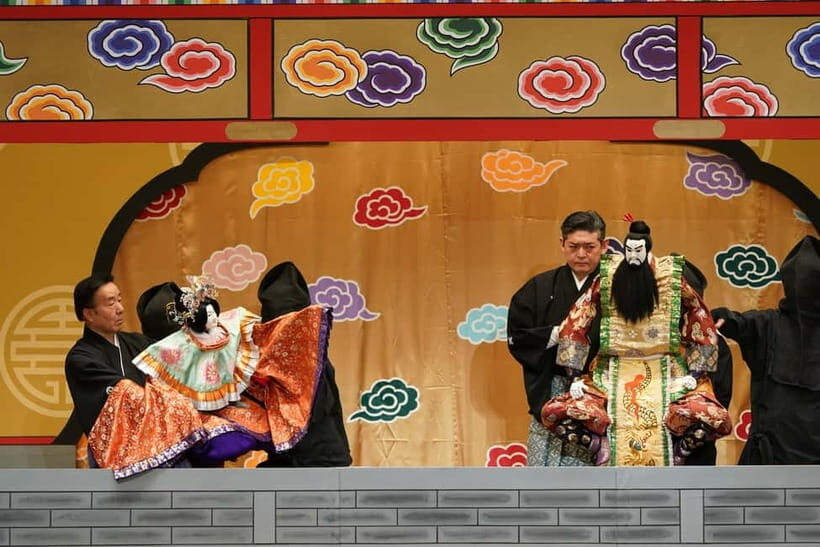
At $37 per person, this is often priced like a budget sightseeing activity—but it’s closer to a cultural milestone.
Here’s where the value comes from:
- You’re getting theatre tickets to a program presented by National Theatre Japan
- You’re not just watching performers; you’re getting English guidance that helps you follow the main story beats (audio for Kabuki/Bunraku, printed explanation for Hogaku)
- The show format is designed to let you experience authentic performance without loudspeakers taking over the room
Where the cost can feel real:
- Transportation isn’t included, and the venue is in Yokohama. If your day is already tight on time, the travel time can feel like part of the price.
My practical take: if you want authentic classical performance and you value good English support, this price can be a bargain. If you only want fast, casual entertainment with minimal attention needed, you might feel it’s expensive for what seems like “just a show.” But classical theater is attention work—in a good way.
Who This Is For (and Who Might Skip It)
This experience is a great match if you:
- Want Kabuki or Bunraku specifically, not just a generic Japanese cultural show
- Appreciate a performance-first sound environment with minimal electronic interference
- Like learning as you watch—through English audio overviews or printed explanations
- Are comfortable with slower pacing and a focus on stage craft
You might skip it if:
- You’re traveling with very young children. The performances can be long and require quiet attention
- You expect subtitles or a full translation of dialogue
- You only have one or two days in Japan and you’re optimizing for maximum “sightseeing per hour”
Should You Book This Kabuki, Bunraku, and Hogaku Night?
I’d book it if you’re aiming for something you can’t easily replicate. This is one of those rare experiences where the format respects the tradition: top performers, a quiet room, and English help that doesn’t hijack the show.
Book it with a simple mindset:
- You’re here to watch carefully and listen closely.
- Let the English guide point you toward the meaning, then let the actors finish the job.
If that sounds like your kind of evening, this is a strong choice for Yokohama and a memorable slice of Japanese performing arts.
FAQ
Where is the performance venue?
For this ticket date, the venue is KAAT Kanagawa Arts Theatre in Yokohama.
Is this at the National Theatre in Hanzomon?
No. The venue is not the National Theatre (Hanzomon).
What performances can I see?
The program includes Japanese traditional performing arts such as Kabuki, Bunraku, and Hogaku. The exact content depends on the date and option title.
Is there English support?
Yes. Kabuki and Bunraku include an English audio guide. Hogaku includes a free English explanation sheet.
How long is the performance?
The duration is 75 minutes to 3 hours, depending on the selected program/time.
Is transportation to the theatre included?
No. Transportation to the theatre is not included.
Which stations are near KAAT Kanagawa Arts Theatre?
Nearest options are:
- Nihon-ōdōri Station (MM05) on the Minatomirai Line, about 5 minutes walk
- Motomachi-Chukagai Station (MM06) on the Minatomirai Line, about 8 minutes walk
Do I have to exchange my voucher for a theatre ticket?
Yes. You must exchange your GetYourGuide voucher for the theatre’s issued ticket at the entrance on the day of the performance.
Are video or photos allowed inside?
No. Video recording and photography inside are not allowed.
What’s the cancellation and payment policy?
The activity offers free cancellation up to 24 hours in advance for a full refund, and it also offers reserve now & pay later.
More Tour Reviews in Tokyo



Fresh reviews from around Tokyo






Tokyo, compared.
 ★ 5.0Mt Fuji and Hakone 1-Day Bus Tour Return by Bullet TrainFrom $16326,383 reviews
 ★ 5.01-Day Tokyo Bus TourFrom $12914,250 reviews
 ★ 4.6teamLab Planets TOKYO Digital Art Museum Entry TicketFrom $259,779 reviews
 ★ 4.0Mt Fuji & Hakone Cruise, Drum Show Bullet Train 1 Day from TokyoFrom $1497,413 reviews
 ★ 5.0Shinjuku Food Tour (13 Dishes at 4 Local Eateries)From $866,603 reviews
 ★ 4.4Tokyo Mt Fuji 5th St & Hakone Cruise Bus Tour w/Bullet TrainFrom $1545,024 reviews
 ★ 5.0Flagship 2-Hours Official Street Go-Kart Tour – Tokyo Bay ShopFrom $644,974 reviews
 ★ 4.5From Tokyo: Mount Fuji Full-Day Sightseeing TripFrom $684,970 reviews