
Reviewed · COOKING CLASSES
Giant Sushi Cooking Class: Make a 1.5m Sushi Roll in Tokyo
Tokyo has lots of sushi. This one is 1.5m long. You’ll learn to make a giant maki from scratch, then cut and serve it on hand-painted dishware made by local artists.
I love that the class is fully hands-on, not a sit-and-watch demo. You work through the key steps: setting up nori, shaping sushi rice, adding fillings, rolling with the right pressure, then finishing with a proper cut and serving. You’ll also get the kind of practical sushi know-how you can actually use later when you’re craving sushi at home.
One thing to consider: this is an all-day cooking experience (about 12 hours), so it’s not the quick activity option. Also, you’ll prep fish for the filling, so go in comfortable with seafood handling.
In This Review
- Key things I’d clock before you go
- Meguro Meeting Point: Easy to Reach, Friendly Cafe Energy
- What You’re Making: A 1.5m Sushi Maki You Can Actually Shape
- The Actual Cooking Flow: Rice, Nori, Fillings, Roll, Cut
- 1) Prep stage: fillings and nori setup
- 2) Sushi rice lesson: what makes it different
- 3) Build the roll: rice, fillings, sesame
- 4) The giant roll: pressure and shape
- 5) Cut and serve on Japanese dishware
- Why the Dishware Part Feels More Meaningful Than a Souvenir
- Timing and Group Size: The Big Roll Takes Time
- Value Check: Is $50 a Fair Deal for Tokyo?
- Who This Is For (And Who Might Want a Different Plan)
- The Review-Backed Extras: Snacks, Chat, and Social Games
- Quick Practical Tips Before You Go
- Should You Book the Giant Sushi Class in Meguro?
- FAQ
- Where is the meeting point?
- How much does the giant sushi cooking class cost?
- How long is the experience?
- Is the ticket mobile?
- Is it near public transportation?
- What’s the group size limit?
- Will I make a full sushi roll and eat it?
Key things I’d clock before you go
- A real 1.5m sushi roll you shape like a log, then cut and serve
- Step-by-step sushi basics: sushi rice, nori, fillings, and sesame
- Technique focus on rolling pressure and getting the shape right
- Hand-painted plates created by local artists and available to buy
- Small class size with a maximum of 12 travelers
- Cafe add-ons like Japanese snacks, casual chat, and social games
More aprons-on time in Tokyo kitchens
- Ramen & Gyoza Cooking Class in Tokyo with Local Supermarket Visit★ 5.0 · 823 reviews
- Tokyo: Easy Ramen Cooking Experience in Kabukicho, Shinjuku★ 4.6 · 321 reviews
- Ramen and Sushi Cooking Class with Sake Pairing Set in Tokyo★ 5.0 · 291 reviews
Meguro Meeting Point: Easy to Reach, Friendly Cafe Energy
This class happens in Meguro, at 2 Chome-3 Senzoku, Meguro City, Tokyo 152-0012. The area fits the vibe: local food streets, easygoing energy, and a calmer feel than the busiest tourist zones.
The meeting point is near public transportation, which matters in Tokyo. You don’t want your cooking class to start with a mini marathon through train transfers. A mobile ticket makes check-in smoother too, so you can spend your time doing the fun part.
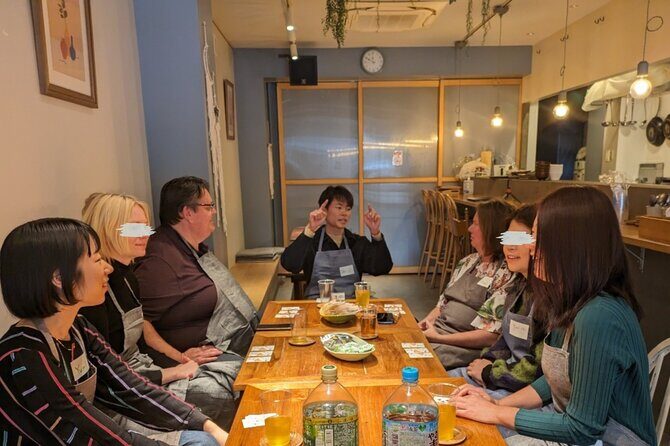
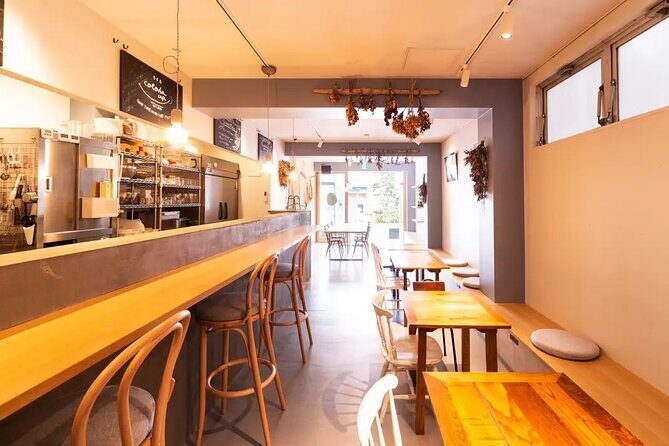
Before the serious rolling begins, the experience has a social, relaxed cafe feel. One of the standout review notes is that the cafe is about a 10-minute walk from the station, plus there are Japanese snacks, casual conversation, and even social games. That’s a nice buffer if your Japanese is still in “survival mode.”
What You’re Making: A 1.5m Sushi Maki You Can Actually Shape
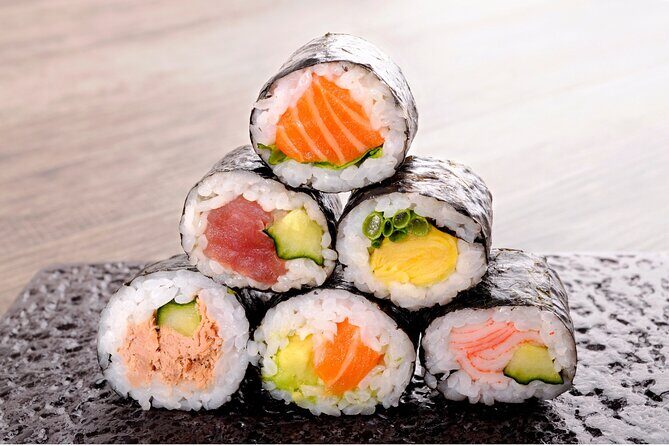
The headline is the giant size. You’re not building a few bite-size rolls. You’re making a 1.5m sushi roll—a full-on maki log—that you then cut and serve.
You start with the essentials:
- sushi rice and why it behaves the way it does
- nori (seaweed sheets) and how you set them up
- fish and avocado fillings
- sesame seeds as the finishing touch before rolling
Then comes the part most people underestimate: rolling something long and even. The class teaches you how much pressure to use to form that iconic shape. Too light and it won’t hold. Too heavy and the roll gets crushed.
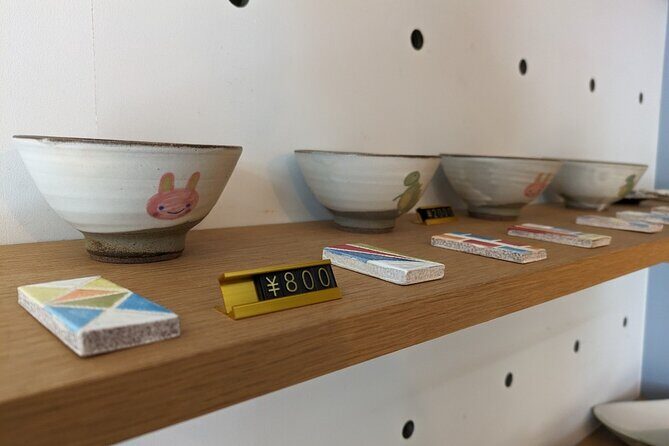
When the roll is ready, you cut it and serve it on Japanese dishware. The dishware is described as crafted and painted by hand, designed by local artists. Even if you don’t buy one, it changes the whole experience from “class” to “meal you share.”
The Actual Cooking Flow: Rice, Nori, Fillings, Roll, Cut
This class is built around real process, not just ingredients. Here’s how the flow makes sense for learning, and how you can use it later.
1) Prep stage: fillings and nori setup
You’ll prepare the fish and avocado fillings, and you’ll learn how to work with nori. This matters because nori is not just a wrap—it’s a texture. When it’s laid out correctly and handled with care, the finished roll has that clean sushi bite.
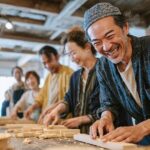
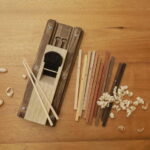
More things to make with your own hands


2) Sushi rice lesson: what makes it different
You’re taught what makes sushi rice unique. That’s key, because Japanese-style sushi rice isn’t just “cooked rice.” It’s the base that controls flavor and stickiness, which then affects everything else: how easily the roll forms and how it cuts.
3) Build the roll: rice, fillings, sesame
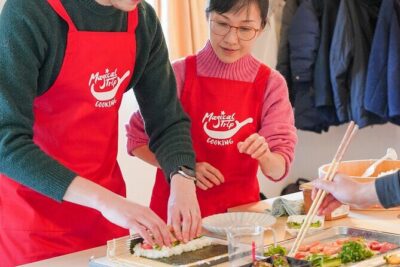
With the chef and other participants, you lay out your nori sheets. Then you place sushi rice and the fillings, and finish with sesame seeds.
If you’ve ever struggled at home with uneven fillings or dry edges, this is where you’ll pick up the practical cues. You’re building muscle memory, not just collecting tips.
4) The giant roll: pressure and shape
Rolling a normal sushi roll is hard enough. Rolling a 1.5m one is a full workout for your hands and patience. The class coaches the amount of pressure so the log shape holds.
This is also where group energy helps. When you’re doing it together, you learn by watching others’ rhythm and adjusting fast.
5) Cut and serve on Japanese dishware
Once it’s rolled, you cut it and serve. The meal becomes part of the lesson, because you can see the result immediately—how tight the roll is, how clean the layers look, and how it slices.
Why the Dishware Part Feels More Meaningful Than a Souvenir
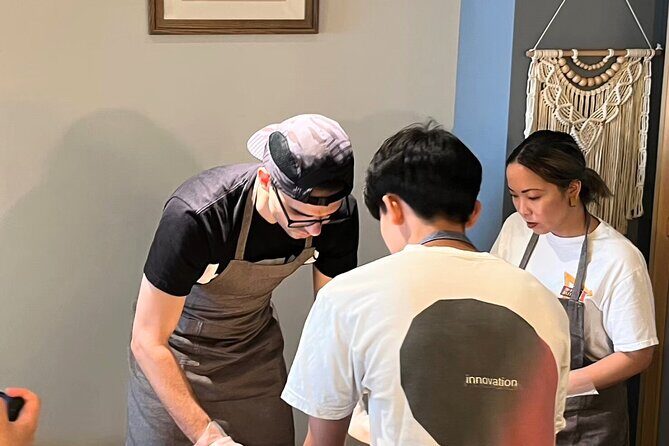
Most cooking classes give you food and maybe a recipe card. This one adds something visual and personal: the plates are handcrafted and hand-painted, and each plate is a unique design.
They’re made by local artists, and there’s an onsite shop where you can purchase the dishware at the end of the class. Even if you’re not planning to buy, I like that the class ends with a real “table moment.” It frames the food as a crafted dish, not just an activity.
One practical benefit: if you do buy a plate, you’ll actually have a reason to use it. It’s easier to remember what you did in class when you’ve got a specific object tied to the experience.
Timing and Group Size: The Big Roll Takes Time
The class runs about 12 hours. That’s long on paper, but it’s not surprising when you consider you’re preparing fillings, building a long roll, learning technique, and then eating what you made.
If you like a structured day, this is good. You’re not bouncing between multiple stops. You’re living in sushi mode from start to finish.
If you prefer quick activities, plan your expectations. In Tokyo, “12 hours” can include lots of hands-on prep time and instruction pacing. I’d treat it as a full day commitment, not a half-day “squeeze in.”
Group size is capped at 12 travelers, which typically means you get more attention during the build and rolling phase. In a small class, corrections happen faster. You’re more likely to leave with a technique you can repeat rather than just a story about how big your roll looked.
Value Check: Is $50 a Fair Deal for Tokyo?
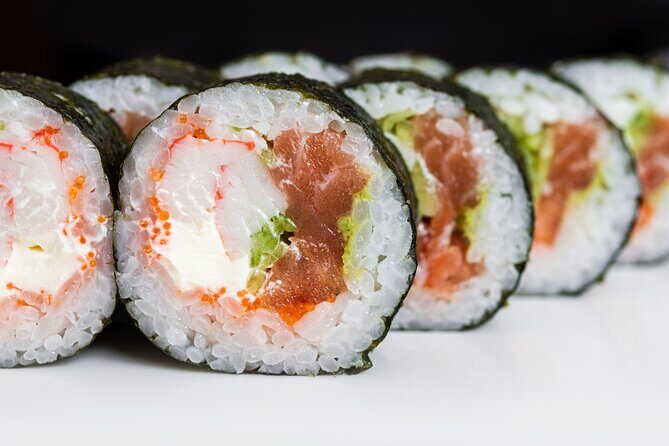
At $50, this stands out as good value—mainly because you’re not just learning. You’re producing a full meal with a dramatic “wow” factor: a 1.5m sushi roll, cut and served on crafted dishware.
For the price, you’re getting:
- guided instruction through sushi rice, nori, fillings, and rolling
- hands-on time with step-by-step coaching
- ingredients and a finished, shareable sushi meal
- Japanese dishware used for serving, plus an option to purchase locally made pieces
In Tokyo, classes can jump fast in cost when they’re premium and intimate. Here, the combination of small group size, hands-on work, and the sheer scale of what you make pushes this toward “worth it” if you actually want to learn technique.
One note: if you’re the type who only wants to taste sushi and not handle ingredients, you might feel the cost is tied to the work. But if you enjoy cooking and you want repeatable skills, the value makes sense.
Who This Is For (And Who Might Want a Different Plan)
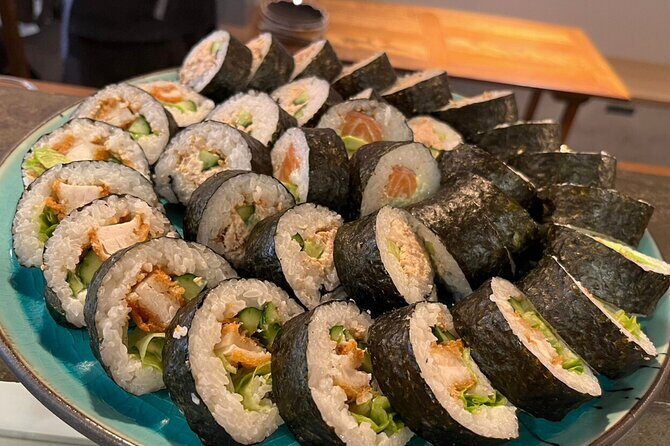
This class fits well for:
- Couples who like a shared challenge and a meal you made together
- Families looking for a hands-on Tokyo experience that isn’t just another museum stop
- Solo travelers who want structure, small group energy, and a social setting
It’s also a solid pick if you’re interested in sushi beyond the usual “order and eat” routine. You’ll learn what makes sushi rice special and how nori and pressure affect the final shape.
Who might skip it? If you hate seafood handling, or if a 12-hour day feels like too much, look for a shorter class. Also, if you just want quick tastings, you may find this leans more toward cooking than sampling.
The Review-Backed Extras: Snacks, Chat, and Social Games
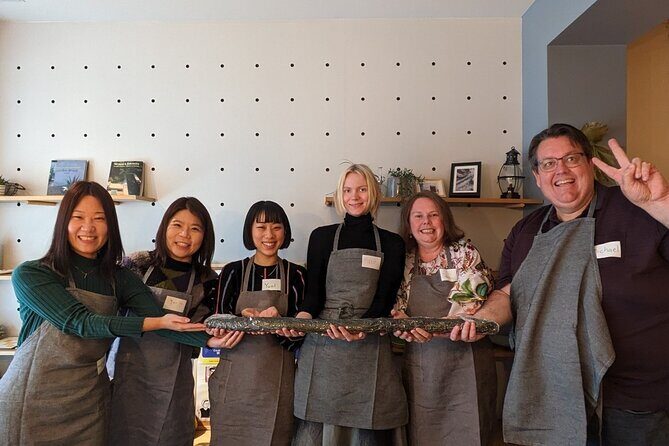
One of the most consistent positive notes from the experience description is the cafe atmosphere. You can expect Japanese snacks, casual conversation, and some social games as part of the overall experience vibe.
That matters because cooking classes can feel stiff if you don’t speak the same language. Social games and chatting help people relax, and relaxing helps you focus on technique. It also makes the small group feel less like a classroom and more like a fun shared project.
Add in the quick walk from the station (about 10 minutes), and it feels approachable even if this is your first time doing a cooking activity in Japan.
Quick Practical Tips Before You Go
A few things I’d do to make the day smoother:
- Wear comfortable clothes. You’ll be hands-on shaping rice and rolling something long.
- Go in hungry, but not frantic. You’ll be working and then eating what you make.
- Bring curiosity, not perfectionism. Giant rolls are partly technique and partly patience.
- If you’re considering buying the dishware, keep it in mind early. Your plate choice might feel easier once you’ve seen the designs in person at the end.
And if your goal is to recreate sushi at home, pay attention to the “why” parts the class covers—especially sushi rice behavior and rolling pressure.
Should You Book the Giant Sushi Class in Meguro?
I think you should book it if you want a Tokyo activity that’s genuinely hands-on, small-group sized, and focused on skills you can repeat. The 1.5m sushi roll is the hook, but the real value is the structured process: rice, nori, fillings, sesame, rolling pressure, then cutting and serving on artful dishware.
Skip it if you’re looking for a short evening plan, or if seafood prep is a no-go for you. Also, treat it like a full-day commitment given the approximate 12-hour length.
If your ideal day is learning a craft, making something big, and eating a meal you can show off (and later recreate), this is a strong choice.
FAQ
Where is the meeting point?
The class meets at 2 Chome-3 Senzoku, Meguro City, Tokyo 152-0012, Japan. The activity ends back at the meeting point.
How much does the giant sushi cooking class cost?
The price is $50.
How long is the experience?
The duration is approximately 12 hours.
Is the ticket mobile?
Yes, the experience includes a mobile ticket.
Is it near public transportation?
Yes, it is near public transportation.
What’s the group size limit?
The class has a maximum of 12 travelers.
Will I make a full sushi roll and eat it?
Yes. You’ll make a giant 1.5m sushi roll, then cut and serve it for you to enjoy.
Make Something to Take Home
Learn Another Dish: Tokyo Cooking Classes
More Tour Reviews in Tokyo






Fresh reviews from around Tokyo






Cooking Classes, compared.
 ★ 5.0Ramen & Gyoza Cooking Class in Tokyo with Local Supermarket VisitFrom $122823 reviews
 ★ 4.6Easy Ramen Cooking Experience in Kabukicho, ShinjukuFrom $29321 reviews
 ★ 5.0Ramen and Sushi Cooking Class with Sake Pairing Set in TokyoFrom $79291 reviews
 ★ 4.9Wagyu and 7 Japanese Dishes Cooking ClassFrom $67273 reviews
 ★ 5.0Tokyo Washoku 4-hour Cooking Class: From Market to TableFrom $79253 reviews
 ★ 5.0Small-Group Wagyu Beef and 7 Japanese Dishes Tokyo Cooking ClassFrom $72190 reviews
 ★ 5.0Private Home Cooking in Yanaka – Local Flavors in a Warm SettingFrom $122173 reviews
 ★ 5.0Tokyo Sushi Making Experience & Japanese Cooking ClassFrom $59150 reviews
Browse the lists this tour appears in