
Reviewed · FOOD & DRINK
Flavors of Japan Food Tour in Tokyo
Tokyo tastes better on foot. This 3-hour Tokyo food tour threads wagashi craft and regional flavors through Nihonbashi’s shop-and-shrine streets, ending with a choice-filled Washoku lunch and green-tea moments.
I love how the stops are built around ingredients and regions, not just random bites. I also like that the main meal isn’t an afterthought, with lunch choices like soba/tempura/sashimi sets, grilled fish, chicken, or sukiyaki.
One possible drawback: it’s a tasting-heavy pace, so if you want to linger in shops or take long breaks, you’ll need to plan extra time on your own after.
In This Review
- Key things to know before you go
- Wagashi, dashi, and walkable Tokyo: why this tour format works
- Price and value: what $209 buys you in the real world
- Meet-up at Nihonbashi: getting your footing fast
- The tour route: shrines, bridges, and shopfront eats
- 1) Starbucks Coffee – Suruga Building: launch point and orientation
- 2) Nihonbashi area: the flavor map begins
- 3) COREDO Muromachi 1: learning through the food neighborhoods
- 4) Fukutoku Shrine and Suitengu Shrine: a pause with meaning
- 5) Nihonbashi Bridge: a classic anchor point
- 6) Nihonbashi Takashimaya: shopping street context
- The food stops: what you’ll taste and what it teaches you
- Wagashi: the sweets that explain Japanese taste
- Dashi and the flavor backbone
- Pickles and fried sweet potato: where contrast comes from
- Tamagoyaki, fish cakes, and eel sushi: classics in bite-sized form
- Lunch in Washoku: choosing your set and learning the why
- After lunch in Depachika: how to snack without losing control
- Green tea and beverage learning: what to pay attention to
- Who this tour is best for (and who should rethink it)
- Should you book this Tokyo food tour?
- FAQ
- How long is the Flavors of Japan Food Tour in Tokyo?
- Where do I meet the guide?
- What time does the tour start?
- What’s included in the price?
- What lunch options are available?
- Is the tour suitable for vegetarians or vegans?
- Is this tour family-friendly?
- Is it dependent on weather?
Key things to know before you go
- Wagashi focus: You learn the art of Japanese sweets and taste artistic wagashi desserts.
- Region-by-region flavors: Expect dashi (soup stock), pickles (tsukemono), satsuma imo, and more across multiple styles.
- Tokyo old-and-new stops: You’ll pass major landmarks like Nihonbashi Bridge and visit shrines along the way.
- A real Washoku lunch: Choose from several lunch options during the included meal.
- Small group energy: With a max of 10 travelers, it’s easier to ask questions while you snack.
- After-lunch freedom: Head into Depachika to find after-lunch treats at your own speed.
Other plates worth crossing Tokyo for
- Tokyo: Shinjuku Food Tour (13 Dishes at 4 Local Eateries)★ 5.0 · 6,603 reviews
- Tokyo Tsukiji Fish Market Food and Culture Walking Tour★ 5.0 · 3,184 reviews
- Tokyo: Shinjuku Food Tour (15 Dishes and 4 Eateries)★ 4.9 · 2,033 reviews
Wagashi, dashi, and walkable Tokyo: why this tour format works
I like tours that teach you how to think about food, not just what to eat. This one is built around Japanese food fundamentals—wagashi (sweets), dashi (soup stock), green tea, and the ingredients behind dishes you’ll see everywhere in Japan.
You’ll start in Nihonbashi and spend the morning tasting as you go. Then you’ll land on a fuller lunch that ties the tastings together with a short discussion with your guide.
For me, the best part is that it gives you a mental map. After the tour, you’re not just eating—you’re understanding how Japanese cuisine pulls flavors from across the country.
Price and value: what $209 buys you in the real world
$209 can feel like a lot until you look at what’s included. You get a local guide, food tastings at seven food stops, one included drink, and a local Japanese lunch with choice.
In Tokyo, paying for several guided tastings plus a guided meal often costs more than you expect—especially when you factor in convenience. This tour also keeps you moving, which matters in a city where “finding the good stuff” can take more time than you think.
Also, the group size is capped at 10. That usually means less waiting and more chances to get answers while you’re tasting.
Meet-up at Nihonbashi: getting your footing fast
You’ll meet at Starbucks Coffee – Nihonbashi Suruga Building at 10:30am. The meeting point is in the Nihonbashi area, between Coredo Muromachi 1 and Coredo Muromachi 2, which makes it easier to orient yourself.
From a practical standpoint, this timing is great. You’ll have a full morning’s worth of tastes before the city crowds fully kick in, and you’ll still have time later for shopping and independent dining.
Bring a bit of snack patience. This tour is designed as a walking food run, so wear comfortable shoes and expect multiple stops close together.
The tour route: shrines, bridges, and shopfront eats
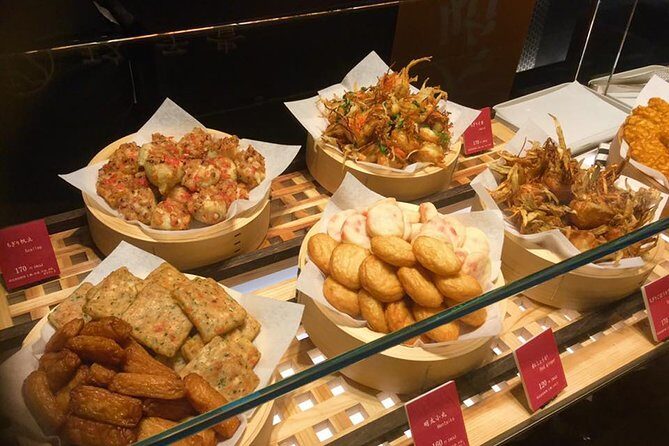
This experience is about more than food counters. It uses Tokyo’s Nihonbashi setting—its traditional landmarks plus modern shopping blocks—to make the tasting walk feel like a story you can follow.
You’ll visit around nine shops/stops along the way, with food tastings at about seven of them. Expect a mix of culinary learning and cultural sights, including temples/shrines and major local scenery.
Here’s how the flow typically feels from start to finish:
Worth weighing up alongside this Tokyo pick:


1) Starbucks Coffee – Suruga Building: launch point and orientation
You start right at the Starbucks location in the Nihonbashi Suruga Building. This is a smart choice because it’s easy to find and you can regroup before you head out.
The tour then turns into a guided walk that “sets the menu terms” for what comes next, so you’re not just collecting snacks—you’re connecting them.
2) Nihonbashi area: the flavor map begins
As you move through Nihonbashi, the guide helps connect food to everyday life in Tokyo. This is where you start tasting items tied to Japanese regions and classic flavor building blocks.
Even if you’re new to Japanese cuisine, this stage helps you understand the logic of menus.
3) COREDO Muromachi 1: learning through the food neighborhoods
You’ll spend time at COREDO Muromachi 1 as part of the route. It’s a good contrast stop: modern mall energy, then straight into old-meets-new culinary stops.
This is also the part of the walk where you start feeling how the tastings layer together.
4) Fukutoku Shrine and Suitengu Shrine: a pause with meaning
You’ll pass Fukutoku Shrine and Suitengu Shrine during the walk. These aren’t random detours—they help break up the eating rhythm and give the tour a lived-in, local rhythm.
If you’ve ever felt food tours in big cities become nothing but lines and noise, these shrine stops give your brain a breather.
5) Nihonbashi Bridge: a classic anchor point
You also see Nihonbashi Bridge, one of the area’s visual anchors. It’s a quick way to place what you’re learning into a real Tokyo geography.
It helps you remember where you are, even when you’re focused on tasting.
6) Nihonbashi Takashimaya: shopping street context
The route includes Nihonbashi Takashimaya, which gives you a window into how food culture lives alongside high-end retail.
This matters because your post-lunch snack hunt is shaped by how Japan packages food experiences—inside department stores and market halls.
The food stops: what you’ll taste and what it teaches you
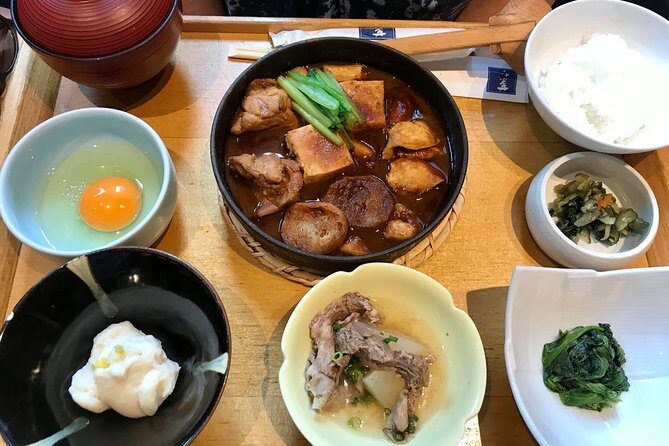
The highlights read like a greatest-hits list, but the tour does something smarter: it uses those foods to teach you how Japanese cooking builds flavor.
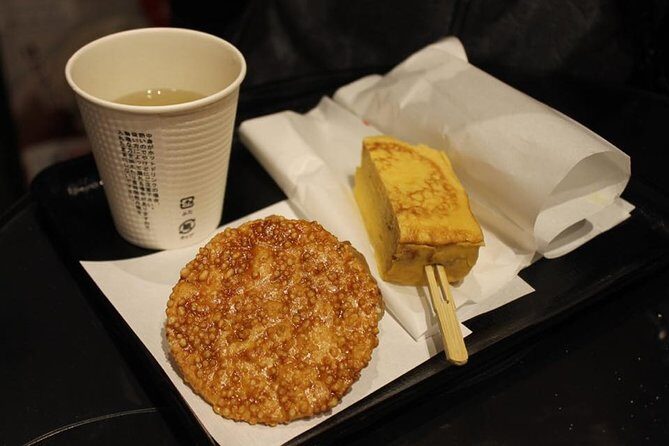
You’ll sample an assortment that can include wagashi, tsukemono (pickles), satsuma imo (fried sweet potato), and dashi (soup stock). You’ll also encounter items like Tamagoyaki (Japanese rolled egg), fish cakes from Kagoshima, and eel sushi.
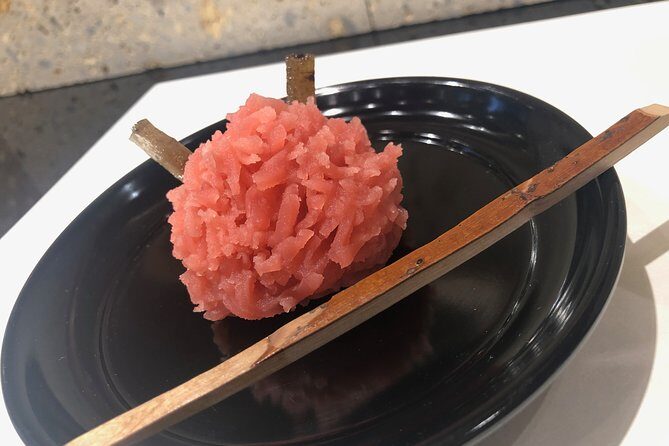
You might also taste artistic wagashi desserts and a range of green teas, which is where this tour really turns “snacks” into an education.
Wagashi: the sweets that explain Japanese taste
Wagashi can look like small pieces of art. On this tour, you’re not just eating them—you learn about the art of wagashi and see how they’re made.
For you, the value is practical: once you understand that wagashi is built around texture, seasonal ingredients, and sweetness style, you’ll notice details on menus and in shops after the tour.
Dashi and the flavor backbone
If Japanese cuisine has a hidden engine, it’s often dashi. This tour includes tasting dashi as part of the regional and ingredient learning.
That one stop can change how you experience meals afterward. You start recognizing that many dishes taste “Japanese” because the stock underneath is doing a lot of work.
Pickles and fried sweet potato: where contrast comes from
You’ll also sample tsukemono and satsuma imo. These help you understand that Japanese meals aren’t only about one flavor at a time.
Pickles add tang and lift, while fried sweet potato brings sweetness and crisp edges. Together, they teach balance.
Tamagoyaki, fish cakes, and eel sushi: classics in bite-sized form
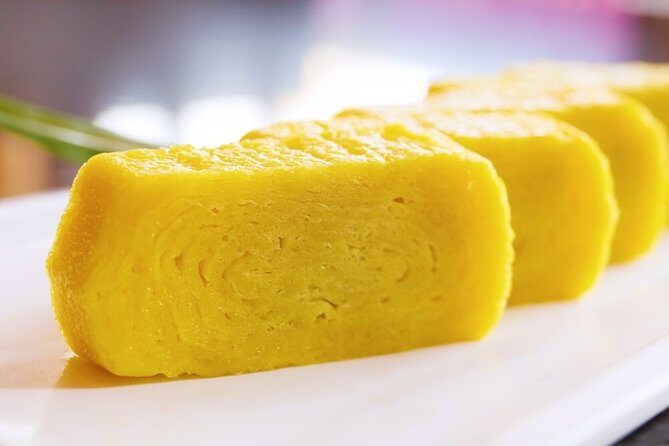
You’ll see several familiar Japanese standbys in tasting form, including Tamagoyaki (rolled egg). There may also be fish cakes from Kagoshima and eel sushi, which bring regional identity into dishes that feel “everyday” when you see them on Japanese menus.
This is a big deal if you sometimes freeze when you see unfamiliar names. By the time lunch arrives, those words don’t feel like a wall of mystery anymore.
Lunch in Washoku: choosing your set and learning the why
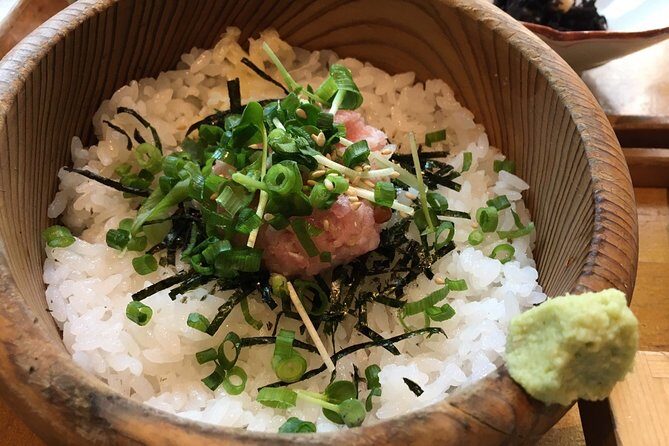
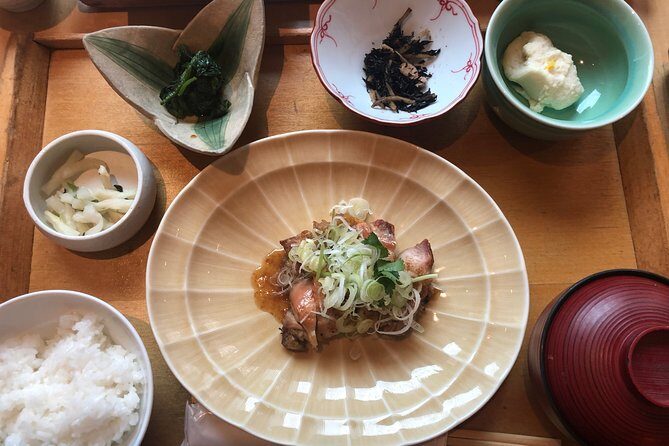
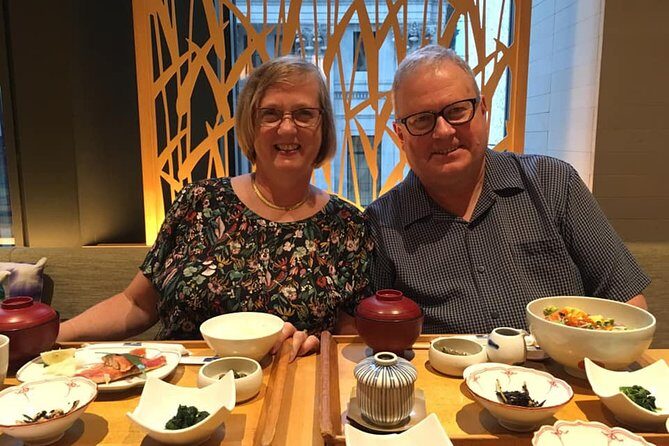
The included lunch is a Washoku meal shared with your group and guide. This is when the tour slows just enough for you to make sense of the tastings you had earlier.
You can choose lunch options when booking, including:
- soba, tempura, and sashimi sets
- grilled fish
- chicken
- sukiyaki
I like this approach because it lets you match your appetite and comfort level. You don’t have to gamble on a dish you’re unsure about, and you still get the full Japanese meal experience.
During lunch, you’ll discuss what you learned from the tastings. This is where the tour’s structure pays off. Instead of leaving with a sugar-and-soup blur, you leave with a short list of what each element is doing.
After lunch in Depachika: how to snack without losing control
Once lunch wraps, you’ll head into the Depachika, an underground market space where you can buy after-lunch snacks. Your guide points you in the right direction, then you’re free to explore on your own.
This part is ideal for turning learning into action. If something you tasted earlier caught your attention—green tea flavors, sweets, or regional bites—this is where you can hunt for a take-home version or a second round.
Tip: set a small budget before you go. Depachika can be dangerous in the best way. The variety is part of the fun, but planning keeps it from becoming impulse chaos.
Green tea and beverage learning: what to pay attention to
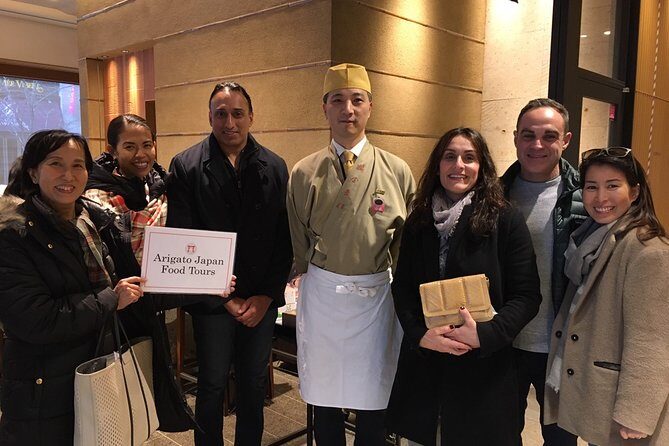
This tour includes tastings and green tea moments. It’s not just about drinking something nice—it’s about noticing how tea changes the way you experience sweets, fish, and fried items.
When tea shows up after salty bites, it can cut through fat and refresh your palate. With wagashi, it can bring out subtle sweetness styles and textures.
For you, the practical takeaway is simple: next time you see green tea listed as a pairing, you’ll know what you’re likely to get from it.
Who this tour is best for (and who should rethink it)
This experience is family-friendly, and children must be accompanied by an adult. There’s also mention that a passport information copy is required for kids 10 and above, so it’s worth confirming what you’ll need before you go.
It’s also pescetarian, vegan, and vegetarian friendly, which is a real plus for Tokyo tours. Food tours can be tricky when menus are fish- or meat-heavy, so having flexible support makes this easier to plan.
You’ll probably love it most if:
- you want a guided way to learn Japanese food names and ingredients
- you like walking tours with tastings (not long restaurant sittings)
- you want an included meal that feels like more than “just lunch”
You might want to skip or add extra time if:
- you prefer long, slow meals with no rushing between stops
- you want to spend most of your day shopping rather than eating and learning
Should you book this Tokyo food tour?
Yes, if you want a structured way to understand Japanese flavors in just a few hours. The mix of wagashi, dashi, regional snacks, and a real Washoku lunch is a strong value package—especially with a small group size.
I’d book it in particular if you’re heading into Japan’s restaurants and you want to feel more confident ordering. By the end, you’re likely to recognize the building blocks behind dishes, not just the names.
If you already know your way around Japanese menus and you want purely culinary freedom without structure, you might choose to do some self-guided food browsing instead. But if you want guidance plus tastings plus lunch in one clean morning plan, this one makes it easy.
FAQ
How long is the Flavors of Japan Food Tour in Tokyo?
It runs for about 3 hours.
Where do I meet the guide?
Meet at Starbucks Coffee – Nihonbashi Suruga Building in Japan, between Coredo Muromachi 1 and Coredo Muromachi 2. The start address listed is Nihonbashimuromachi, 1-chōme71 スルガビル 1F.
What time does the tour start?
The start time is 10:30am.
What’s included in the price?
The tour includes one drink, regional food tasting, a local guide, tastings at 7 food stops, and local Japanese lunch.
What lunch options are available?
Lunch choices include soba, tempura, and sashimi sets, grilled fish, chicken, or sukiyaki. You select your lunch choice upon booking.
Is the tour suitable for vegetarians or vegans?
Yes. The tour is listed as pescetarian, vegan, and vegetarian friendly.
Is this tour family-friendly?
It’s listed as family-friendly, and children must be accompanied by an adult. A passport information copy is required for kids 10 and above.
Is it dependent on weather?
The experience is described as good for rainy days, but it also requires good weather. If it’s canceled due to poor weather, you’ll be offered a different date or a full refund.
Eat Your Way Round Tokyo

More Tours in Tokyo



More Tour Reviews in Tokyo




Fresh reviews from around Tokyo






Food & Drink, compared.
 ★ 5.0Shinjuku Food Tour (13 Dishes at 4 Local Eateries)From $866,603 reviews
 ★ 5.0Tokyo Tsukiji Fish Market Food and Culture Walking TourFrom $993,184 reviews
 ★ 4.9Shinjuku Food Tour (15 Dishes and 4 Eateries)From $852,033 reviews
 ★ 5.0Tsukiji Fish Market Food and Walking tourFrom $301,724 reviews
 ★ 5.0Eat and Drink Like a Local: Tokyo Ueno Food Tour-Taverns&RamenFrom $95957 reviews
 ★ 5.0Shibuya Food Tour (13 dishes and 4 Eateries)From $77770 reviews
★ 4.7Tsukiji Fish Market Food and Culture Walking TourFrom $96757 reviews
★ 5.0Shibuya Food Tour (13 dishes and 4 Eateries)From $77770 reviews
★ 4.7Tsukiji Fish Market Food and Culture Walking TourFrom $96757 reviews
 ★ 5.0Tsukiji Fish Market: Street Food & Culture Walking TourFrom $33669 reviews
Browse the lists this tour appears in