
Reviewed · COOKING CLASSES
Beauty Vegan Dessert Cooking Class + Sake Kasu Hand Mask Trial!
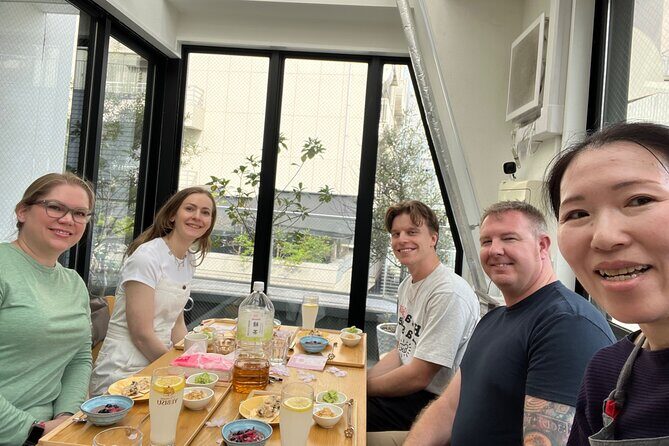
Fermented dessert is a skill, not magic. This 2-hour vegan class in Akasaka-Mitsuke teaches Japan through food, mixing a hands-on cooking session with Japan-focused culture and practical health and beauty tips. Two things I really like: you get to work with amazake and sake kasu (fermented staples that most visitors never touch), and the class format is compact and friendly, with everyone eating what they helped make. One thing to consider is the sake kasu option includes a small amount of alcohol, and there are simple skin-safety rules for the hand mask trial.
I also like that the location is easy to reach—this is set up in central Tokyo, about a 10-minute ride from Shibuya Station—so it feels built for real schedules, not “special occasion only.” The menu also changes by season, so you’re not stuck with the same party trick every time.
In This Review
- Key Highlights Before You Go
- Fermented Dessert Meets Japanese Beauty in Akasaka-Mitsuke
- Why Amazake and Sake Kasu Matter (And Why You’ll Remember Them)
- Amazake: sweet fermentation without fuss
- Sake kasu: nutrient-rich byproduct with real rules
- Vegan and still satisfying
- What Your Two-Hour Class Looks Like (No Guesswork Needed)
- First, you get the lesson and the ingredient context
- Then you cook: desserts you make together
- Coffee and/or tea, plus a beauty break
- The Sake Kasu Hand Mask Trial: Fun Bonus With Real Safety Notes
- Price and Value: Why $64.09 Can Make Sense in Tokyo
- The Logistics That Matter: Getting There and Timing It Right
- If You Want the Full Fermented Food Day: Lunch Combo Gift
- Who Should Book This Class (And Who Might Skip It)
- Should You Book It?
- FAQ
- How long is the vegan dessert cooking class?
- Where is the meeting point for the experience?
- Is the class vegan?
- What ingredients are used during the class?
- Does sake kasu contain alcohol?
- Is there an option if someone doesn’t drink alcohol or is under 20?
- What is included in the price?
- What should I do about driving after the class?
- Who should be careful about the hand mask trial?
- Is the class suitable for young children?
Key Highlights Before You Go
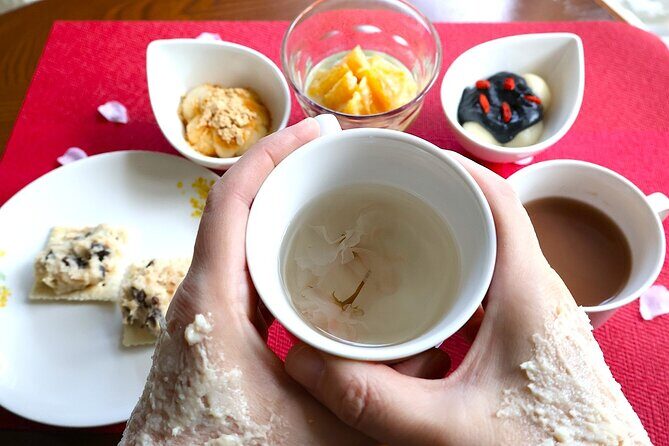
- Vegan cooking with Japanese fermented ingredients: every dish stays plant-based, using amazake and sake kasu
- A sake kasu hand mask trial: a beauty-focused bonus that turns the lesson into something tactile
- Seasonal menu: what you make can shift, so it stays interesting even if you return
- Central meeting point in Akasaka: convenient access (and less weather stress)
- Small group size: up to 6 people, which helps you actually get hands-on instruction
Another round: more sake tastings
- Ramen and Sushi Cooking Class with Sake Pairing Set in Tokyo★ 5.0 · 291 reviews
- Sake Tasting Masterclass in Shinjuku (8+ Varieties with a Pro)★ 5.0 · 271 reviews
- Wagyu & Sake Pairing in Shinjuku – Steak, Shabu-Shabu & More★ 5.0 · 112 reviews
Fermented Dessert Meets Japanese Beauty in Akasaka-Mitsuke
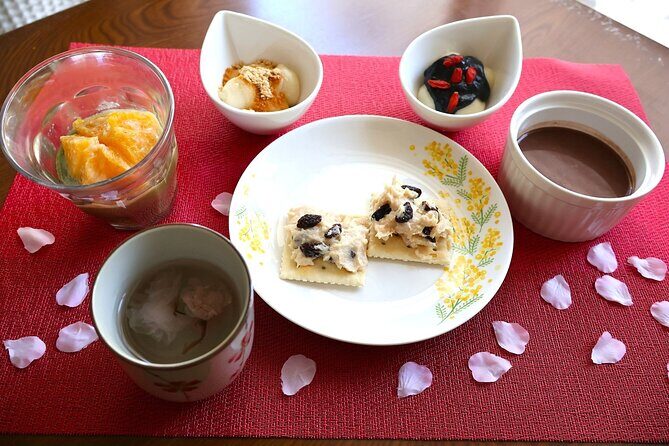
Tokyo has plenty of food tours. This one feels different because it’s not only about tasting—it’s about learning the “why” behind Japanese fermentation. You start in the heart of the city at Akasaka-Mitsuke Station (3-chōme-1-6 Akasaka, Minato City) and spend about 2 hours making vegan desserts together, with a lesson that connects food, culture, and health.
What makes the afternoon click is the pairing of inside-and-out ideas. The class uses fermented ingredients you can actually find and try later (especially amazake and sake kasu), then it adds a beauty experiment with the sake kasu hand mask trial. So the lesson isn’t abstract. You’re making and then testing, with tea to slow everything down.
The class also runs with a calm pace. Since it’s only about 2 hours, it fits nicely between sightseeing blocks, and it’s designed so you don’t have to build your whole day around it.
Why Amazake and Sake Kasu Matter (And Why You’ll Remember Them)
The biggest reason this class sticks in my head is how clearly it frames fermented foods as practical tools. You’re not just learning recipes—you’re learning what fermentation does and why Japanese cuisine leans on it.
Amazake: sweet fermentation without fuss
Amazake is a traditional fermented rice drink. The class description notes it’s very sweet without needing added sugar. That matters, because it helps you understand how fermentation can create flavor and texture on its own. In a dessert class, you’re basically learning how to turn that naturally sweet fermented profile into something spoonable and crowd-pleasing.
If you like the idea of Japanese snacks that don’t taste overly heavy or sticky, amazake is a great bridge ingredient. It’s also a good example of a food you might be able to track down outside Japan later, so the class can keep paying off after your trip.
Sake kasu: nutrient-rich byproduct with real rules
Sake kasu are the sake lees, the nutrient-rich byproduct left after sake is pressed. The class description also calls out beauty and gut-health benefits, and it’s easy to see why this ingredient has a loyal following.
Here’s the consideration you should know up front. Sake kasu contains around 8% alcohol. That means the lesson is not “just skincare vibes.” They also give you clear guidance about drinking and driving: avoid driving after the class.
If you’re under 20 or you don’t drink alcohol, they’ll use banana instead. That’s a practical solution that keeps the class moving without forcing anyone to compromise.
Other plates worth crossing Tokyo for


Vegan and still satisfying
Every dish is vegan, which is a huge part of the value here. You’re learning fermentation in a modern, travel-friendly way—without worrying that you’ll end up in a class that’s only fermentation by way of meat or dairy.
This also helps if you’re traveling with dietary limits. You’ll still get the Japanese ingredient focus, but with plant-based comfort.
What Your Two-Hour Class Looks Like (No Guesswork Needed)
This is a cooking class, but it’s more like a guided food workshop. You get instruction, then you do. The flow is designed to keep you engaged even if you’ve never cooked with fermented ingredients before.
First, you get the lesson and the ingredient context
You’ll start with lecture-style teaching that explains fermented foods as a foundation of Japanese cuisine. The class is framed around Japan: culture, history, and practical tips tied to health and beauty. The lecture material is supported by a handout with recipes, so you can recreate things later without relying on shaky memory.
This matters because fermentation can sound complicated. The class approach makes it feel understandable. You’re not memorizing chemistry—you’re learning how and why specific ingredients behave the way they do in desserts.
Then you cook: desserts you make together
After that, you move into the hands-on portion. You’ll work together to create the snacks and desserts that the class is centered on. Since the menu changes by season, you should expect the specific recipes to vary, but the core method—using amazake and sake kasu—stays the theme.
I like this setup because it gives you two wins in one: you leave with food you can eat right away, and you leave with a recipe handout you can actually use later.
Coffee and/or tea, plus a beauty break
Along the way, you get coffee and/or tea (with green tea or other Japanese tea mentioned) and an afternoon tea vibe. The class includes sakura tea, which is a nice touch that makes the whole experience feel distinctly Japanese rather than just “cook something anywhere.”
In practical terms, this break also helps you reset. After cooking, you’ll have a calmer moment to taste, ask questions, and connect the lesson to what’s on your plate.
The Sake Kasu Hand Mask Trial: Fun Bonus With Real Safety Notes
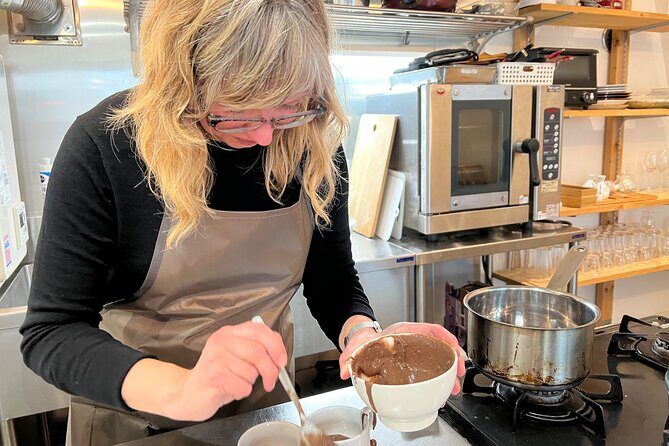
This is the part that turns a food class into a beauty class. You get a sake kasu hand mask trial, and it ties directly into the theme of glowing skin and health support.
But read the safety notes closely, because they’re not optional.
- Sake kasu may not suit everyone’s skin. It could cause irritation for those with sensitive skin.
- Do not participate if you have cuts or wounds on your hands.
- If you’re bringing a younger guest, the class notes it may not be suitable for children 6 and under because the lecture can be tricky.
This is where the class feels responsible. The bonus isn’t “just slap it on and hope.” They give you guidance, which means you can enjoy the novelty without turning it into a gamble.
If you have sensitive skin, I’d treat this like a try-at-home patch test. If you’re unsure, it’s worth flagging ahead of time and asking what they recommend.
Price and Value: Why $64.09 Can Make Sense in Tokyo
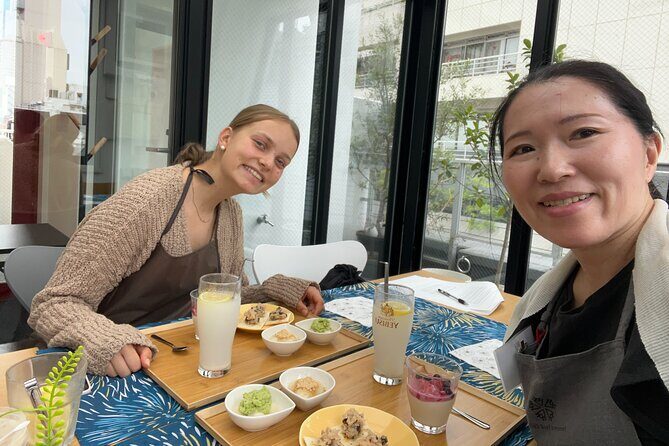
At $64.09 per person for about 2 hours, this isn’t the cheapest thing you can do in Tokyo. But it’s also not one of those price tags that only makes sense if you love Instagram food.
The value comes from what’s bundled:
- You get apron, plus snacks and desserts you make together
- You get coffee and/or tea and sakura tea
- You get a lecture handout with recipes
- You get the sake kasu hand mask trial
You’re basically paying for an ingredient-focused workshop plus the beauty experience, in a central location. Also, the group size is capped at 6 travelers, which usually means you get more attention and less waiting around. That helps a lot with practical cooking classes, where the difference between “fun” and “frustrating” is often how much help you get when your hands are wet and your timer is running.
If you like learning-by-doing, the price starts to feel reasonable. If you only want to eat and you hate hands-on cooking, you might find it less worth it.
The Logistics That Matter: Getting There and Timing It Right
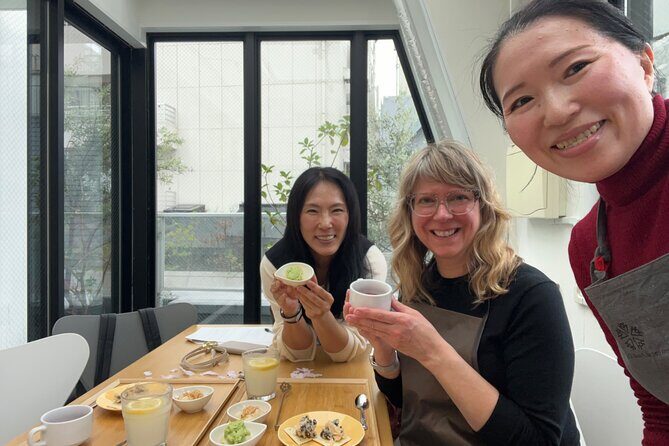
The meeting point is set and clear: Akasaka-Mitsuke Station at 3-chōme-1-6 Akasaka. The nice part for planning is how central it is. The class location is described as only about 10 minutes from Shibuya Station, so you can slot it into a typical Tokyo day without needing a complicated route.
It also ends back at the meeting point, so you’re not stranded far from your next plan.
The class uses a mobile ticket, which is convenient. For most people, this lowers the friction of starting on time.
Weather matters for this experience. Since it’s short and centered on getting to a specific venue, planning around day-of conditions is smart. If it gets canceled due to weather, you’d be offered a different date or a full refund.
If You Want the Full Fermented Food Day: Lunch Combo Gift
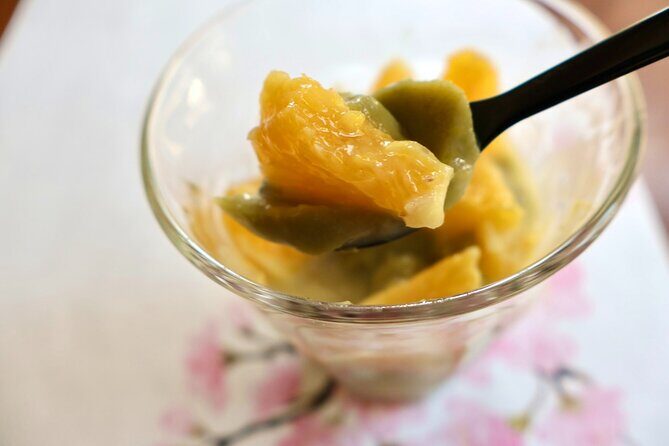
There’s an optional add-on that’s worth knowing if you’re staying several days and like to pack your learning into one schedule. There’s another class called Fermented Food Lunch Class starting at 11am.
If you join both on the same day, you get a special gift: rice koji amazake, the one used in the dessert class. That’s a tangible take-home piece, and it can make the whole “fermented foods learning” feel more complete, like you’re collecting ingredients and know-how rather than doing one isolated activity.
Who Should Book This Class (And Who Might Skip It)
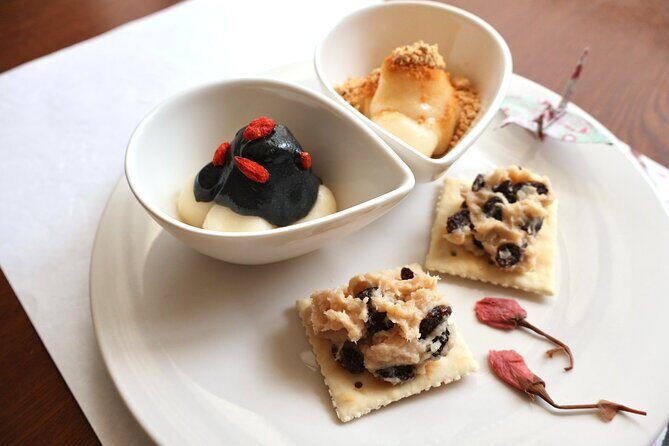
This class is a strong fit if you want:
- a vegan cooking experience with distinctly Japanese ingredients
- a hands-on workshop that includes culture and health/beauty framing
- a short activity that doesn’t hijack your day
It’s also a great choice if you’re the type who likes bringing home more than photos. The recipe handout helps you repeat the results.
You might think twice if:
- you have very sensitive skin, since the sake kasu mask could irritate
- you’re uncomfortable with fermented ingredients that include 8% alcohol (or you plan to drive afterward)
- you dislike cooking steps and prefer only eating
Should You Book It?
I’d book this if you want one of Tokyo’s more unusual food experiences: not just sampling, but learning how amazake and sake kasu become desserts and beauty rituals. The small group size, recipe handout, and included afternoon tea add up to more than a one-time snack stop.
If you’re on a tight schedule, the 2-hour duration is the other reason to go. In a city where planning can get heavy, this is the kind of class that feels manageable and still feels special.
And if fermentation is already on your radar, this is one of the cleaner ways to connect it to real Japanese desserts without turning it into a lecture you forget the next day.
FAQ
How long is the vegan dessert cooking class?
The class runs for about 2 hours.
Where is the meeting point for the experience?
The meeting point is at Akasaka-Mitsuke Station, 3-chōme-1-6 Akasaka, Minato City, Tokyo.
Is the class vegan?
Yes. All dishes are vegan.
What ingredients are used during the class?
The class uses fermented ingredients including amazake and sake kasu (sake lees). The menu can change depending on the season.
Does sake kasu contain alcohol?
Yes. The ingredient sake kasu contains around 8% alcohol.
Is there an option if someone doesn’t drink alcohol or is under 20?
Yes. For age under 20 and for people who do not drink alcohol, they use banana instead. Let them know if you have any participants under 20 or if you prefer the banana option.
What is included in the price?
Included items are an apron, snacks and desserts you make together, coffee and/or tea (including green tea or other Japanese tea), a lecture handout with recipe presentation material, and a sake kasu hand mask trial.
What should I do about driving after the class?
Because sake kasu contains alcohol, you’re advised not to drive a car after the class.
Who should be careful about the hand mask trial?
Sake kasu may not suit everyone’s skin and may cause irritation for those with sensitive skin. The experience is not available if you have cuts or wounds on your hands.
Is the class suitable for young children?
It may not be suitable for children age 6 and under due to the difficulty of the lecture.
Eat Your Way Round Tokyo

More Tour Reviews in Tokyo





Tokyo by the Cup: More Sake Tastings
Fresh reviews from around Tokyo






Cooking Classes, compared.
 ★ 5.0Ramen & Gyoza Cooking Class in Tokyo with Local Supermarket VisitFrom $122823 reviews
 ★ 4.6Easy Ramen Cooking Experience in Kabukicho, ShinjukuFrom $29321 reviews
 ★ 5.0Ramen and Sushi Cooking Class with Sake Pairing Set in TokyoFrom $79291 reviews
 ★ 4.9Wagyu and 7 Japanese Dishes Cooking ClassFrom $67273 reviews
 ★ 5.0Tokyo Washoku 4-hour Cooking Class: From Market to TableFrom $79253 reviews
 ★ 5.0Small-Group Wagyu Beef and 7 Japanese Dishes Tokyo Cooking ClassFrom $72190 reviews
 ★ 5.0Private Home Cooking in Yanaka – Local Flavors in a Warm SettingFrom $122173 reviews
 ★ 5.0Tokyo Sushi Making Experience & Japanese Cooking ClassFrom $59150 reviews
Browse the lists this tour appears in