
Reviewed · WORKSHOPS
3-Hour Manga Drawing Workshop in Tokyo
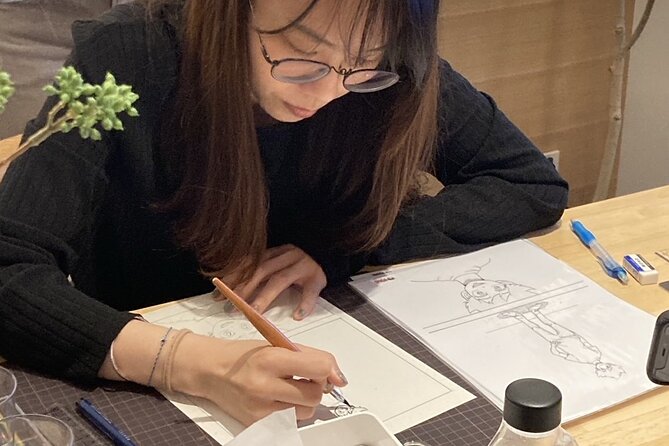
Manga stops being mysterious fast. In this 3-hour workshop near Kichijoji Station (close to the Ghibli Museum area), a professional manga artist guides you as you create an A4 manga page from first sketch to finishing touches. I love the hands-on, step-by-step approach, and I also love that you end with a take-home page that feels genuinely like your work, not a copy. The workshop runs in Japanese with English on the slides, so if you’re expecting full English instruction, plan for a little adaptation.
One thing to consider: ink can stain clothes and hands. You’ll want to wear old clothes and be okay with getting a bit messy. If you do that, the experience is a great mix of creative play and real technique.
In This Review
- Key highlights at a glance
- Where Kichijoji Turns Into Your Manga Studio
- Your 3-Hour Plan: Sketch to Finished Page
- 1) Sketch on A4 manga paper
- 2) Practice using a dip pen
- 3) Inking
- 4) Painting black
- 5) Effect lines
- 6) Screen-tones
- The Dip Pen and Inking Moment (Where Most People Improve Fast)
- How Japanese-Led Instruction Works (Even If You Don’t Speak Japanese)
- Finding the Room: 601 H-Square Kichijoji Near Kichijoji Station
- What Your Materials Include (And What You Should Bring)
- Price and Value: Is $129 Fair for a 3-Hour Manga Page?
- Who This Workshop Fits Best
- Should You Book the 3-Hour Manga Drawing Workshop in Kichijoji?
- FAQ
- How long is the manga drawing workshop?
- How much does the workshop cost?
- What will I create during the class?
- What’s included in the price?
- Are meals or drinks included?
- What language is used during the workshop?
- Where is the meeting point?
- What should I wear since ink is involved?
- Is the class small?
Key highlights at a glance
- A4 manga page you make yourself to take home as a souvenir
- Dip pen practice and real inking steps, not just sketching
- Finishing techniques like effect lines and screen-tones
- Japanese instruction with English slides, so you can follow even if you’re not fluent
- Small group (up to 5 people), with lots of help from the artist and support staff
More things to make with your own hands
- Sushi Making Tokyo Roll and Authentic Japanese Sushi Class★ 5.0 · 3,971 reviews
- Tokyo Shinjuku Chopsticks Making Class★ 5.0 · 1,763 reviews
- Chopstick Making Workshop in Ginza★ 4.8 · 1,366 reviews
Where Kichijoji Turns Into Your Manga Studio
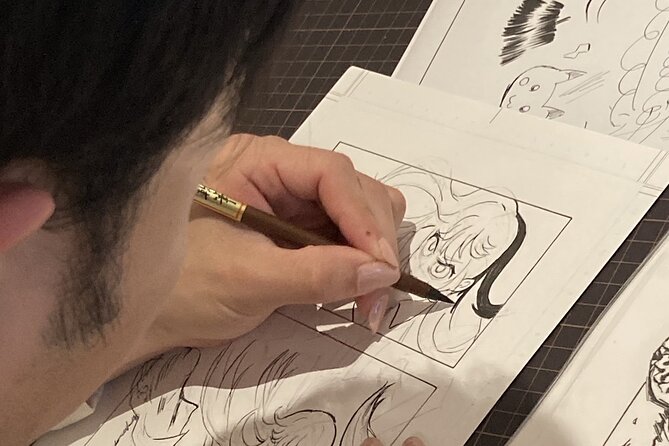
This workshop takes place in a real apartment-style room in the Kichijoji area, about an 8-minute walk from the north exit of Kichijoji Station. It’s the kind of setup that makes the experience feel informal and doable, not like a formal class where you’re scared to make mistakes.
You’re drawing Japanese culture-themed manga during the session, and the goal is clear: you’ll finish one complete manga page. That matters, because “learning manga” can sometimes turn into endless theory or practice sheets that don’t feel finished. Here, the pace is structured around producing a page you can physically hold afterward.
Also, the small group size (limited to 5 participants) is a big deal for value and comfort. In a bigger class, you often wait for help. In a group this size, you’re more likely to get guidance when you get stuck—especially during the inking and tone steps, where small choices matter.
Your 3-Hour Plan: Sketch to Finished Page
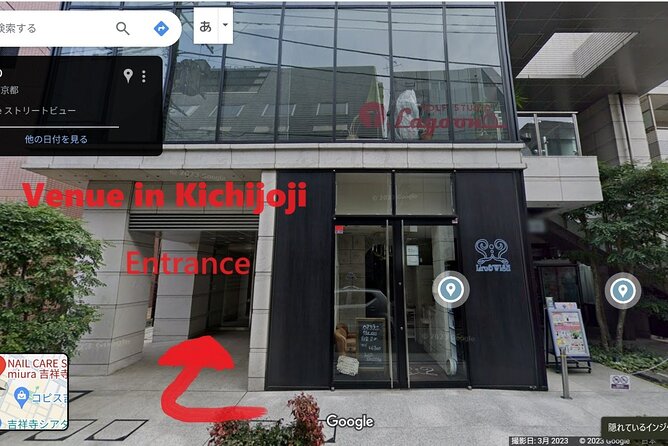
The workshop is designed as a sequence. Instead of throwing everything at you at once, you build your page in stages. That structure is one of the best parts, because it keeps you moving and helps you see how manga pages are constructed.
Here’s the flow you can expect:
1) Sketch on A4 manga paper
You start with an A4-size manga paper. This isn’t just idle doodling. The early sketch stage is where you plan composition and line direction so later steps don’t fall apart. If you’ve never drawn manga before, this part helps you create something coherent fast.
If you’re more experienced, this stage still helps because it forces you to commit to manga-style layout rather than overthinking details. Either way, you’ll leave with a real page, not just a rough practice sheet.
2) Practice using a dip pen
Next comes the dip pen stage. Dip pens create a specific line quality, and learning that is part of what makes your final page look like manga instead of generic line art.
Don’t worry if your first lines look shaky. That’s normal. The point of this portion is to get your hand comfortable with how ink behaves—how it flows, how line weight changes, and how to control it without panicking.
Worth weighing up alongside this Tokyo pick:



3) Inking
After sketching and pen practice, you ink your page. This is where manga starts looking like manga. You’re translating your sketch into bold, confident lines.
This stage is also where having a professional artist makes the biggest difference. You’re not only drawing—you’re learning decisions: where to thicken lines, how to keep edges clean, and how to avoid uneven line rhythm.
4) Painting black
Then you move into black areas. In manga, solid blacks aren’t just decoration. They create contrast, define form, and guide the reader’s eye.
If you’ve ever wondered why some drawings look flat, blacks are usually the missing piece. This step helps you understand the role of contrast in the page, not just the mechanics of filling in.
5) Effect lines
After the black areas, you add effect lines. Think of these as the motion, energy, and emphasis tools of manga. Even if your character drawing isn’t perfect, effect lines can make a page feel alive.
You’ll learn how to apply them so they enhance your page instead of turning it into messy scribbles. This is one of the steps that makes your final page feel like it belongs in a manga world.
6) Screen-tones
Finally, you add screen-tones. Screen-tones create texture, shadow, and atmosphere. They can also be the difference between a page that looks “unfinished” and one that looks like it has depth.
Even if your tones aren’t flawless, the workshop approach teaches you the logic: where tones help, how they interact with black areas, and how to build a convincing manga look.
The Dip Pen and Inking Moment (Where Most People Improve Fast)
This workshop spends time on tools and technique, and you’ll feel it during the dip pen practice and the inking stage. That’s usually the toughest part for beginners, because you lose the comfort of digital undo buttons and clean brush controls.
The good news: you’re not doing it alone. The session includes guidance from a professional manga artist, plus support staff in the room. Based on what I’ve heard from past participants, the support is genuinely encouraging—helpful explanations and quick assistance when you hit a snag.
One practical note: ink staining is real. The guidance is to wear clothes you don’t mind getting dirty, and it’s smart to plan for ink on your hands as well. If you keep a small towel or paper nearby (not required, but helpful), it can make the experience less stressful.
How Japanese-Led Instruction Works (Even If You Don’t Speak Japanese)
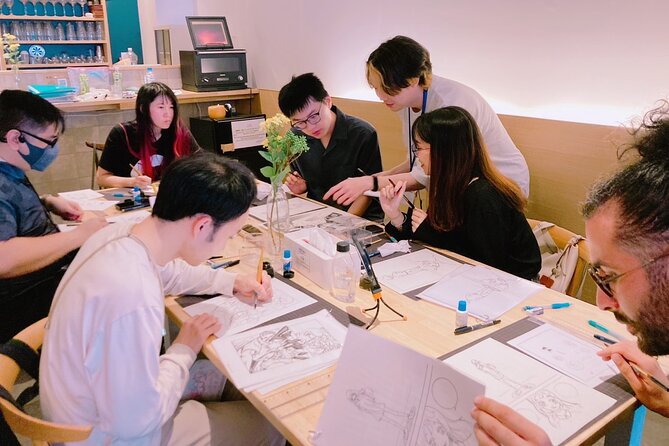
The workshop is conducted in Japanese. Instruction also includes English on the slides. So what does that mean in practice?
You’ll likely hear key directions in Japanese while following along with visuals in English. The slides help you connect what you’re seeing to what you’re being asked to do. This setup is a workable compromise for non-Japanese speakers, especially since the workshop is small and the instructor can help you individually as needed.
If your Japanese is limited, don’t try to translate everything. Focus on the visuals: the slide prompts, the example line work, and what the instructor is physically doing. Manga drawing is a skill where watching and copying beats trying to explain your way through.
Finding the Room: 601 H-Square Kichijoji Near Kichijoji Station
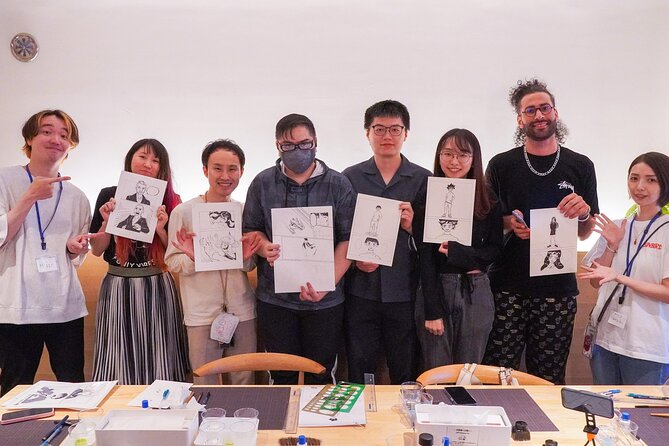
Logistics can make or break a class. In this case, the instructions are pretty straightforward, but you’ll want to pay attention because there’s a building with a similar name nearby.
Meeting point details:
- It’s about an 8-minute walk from the north exit of Kichijoji Station.
- Address: 601 H-Square Kichijoji, 2-4-6 Kichijoji Honcho, Musashino-shi, Tokyo.
- When you arrive, look for the room 601 and press 601 on the call button.
- The door is said to be unlocked.
That “similar name” caution is worth taking seriously. Before you go, screenshot the address and do a quick street-level check so you don’t end up standing in the wrong building with wet ink anxiety.
What Your Materials Include (And What You Should Bring)
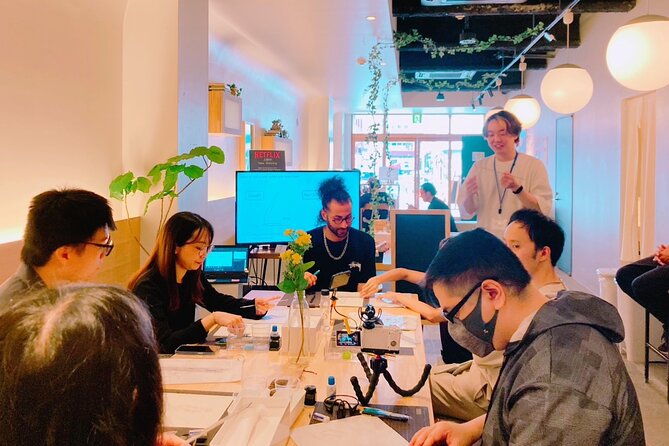
You don’t need to bring drawing tools. The workshop provides the necessary manga drawing materials. You’ll get the manga paper and the tools for the dip pen and the later finishing stages.
What you should bring is simpler:
- Yourself
- Clothes you don’t mind getting ink on
- A calm attitude about making mistakes (because the session is designed to teach you)
Meals and drinks aren’t included, so you’ll want to grab something before or after. Since the class is only 3 hours, it’s also reasonable to plan a quick snack around your schedule so you don’t feel rushed.
Price and Value: Is $129 Fair for a 3-Hour Manga Page?
For $129 per person, you’re paying for more than “a class.” You’re paying for:
- Professional artist guidance throughout multiple technique steps
- All supplies and tools
- A complete one-page manga experience (A4 sized)
- The chance to learn several distinct techniques in one sitting: dip pen control, inking, black painting, effect lines, and screen-tones
A big part of the value is the “whole-page output.” Many art workshops leave you with practice samples. This ends with an A4 manga page you can take home as a souvenir.
In a city like Tokyo, where creative workshops vary wildly in quality, the key is whether you actually learn technique with feedback. Here, the small group size (max 5) supports that. If you want a guided, finish-a-page experience without spending days chasing tutorials, this price can feel very reasonable.
Who This Workshop Fits Best
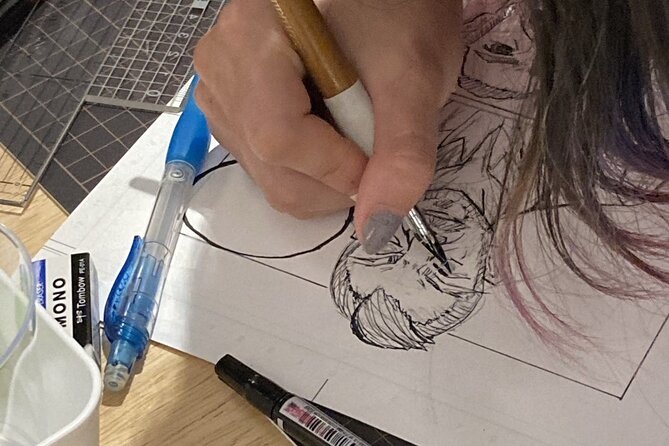
I think this works especially well if you want a hands-on Tokyo activity that’s culturally specific but not overly intimidating.
It’s a great match for:
- Manga fans who want to understand the mechanics behind the look
- Beginners who want a structured path from sketch to tones
- Travelers who like small-group activities where you can ask questions
- People who want a take-home souvenir that’s created with real guidance
If you’re someone who hates getting messy, the ink factor is the only real hurdle. Plan your clothing accordingly, and it stops being a problem.
Should You Book the 3-Hour Manga Drawing Workshop in Kichijoji?
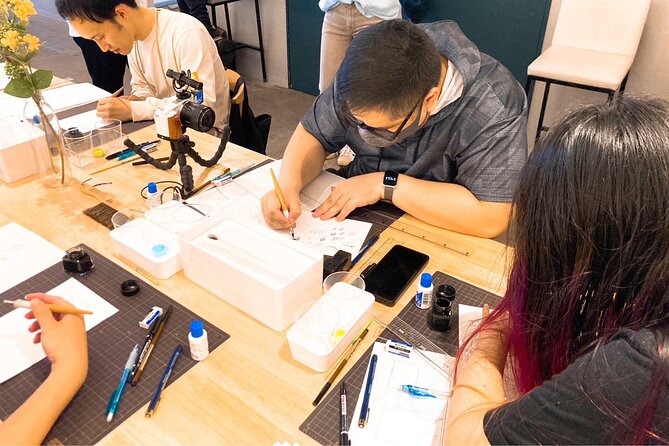
Yes—if you want a short, focused creative experience with actual technique and a real output.
Book it if:
- you want to finish a manga page in one session
- you’re okay with Japanese-led instruction supported by English slides
- you like small-group classes where the instructor can help you move forward
Skip it or think twice if:
- you strongly prefer classes taught fully in English
- ink staining would seriously stress you out unless you wear old clothes
If you’re on the fence, here’s the deciding question: do you want to learn how manga lines, blacks, effects, and tones work together? If yes, this workshop is built for that.
FAQ
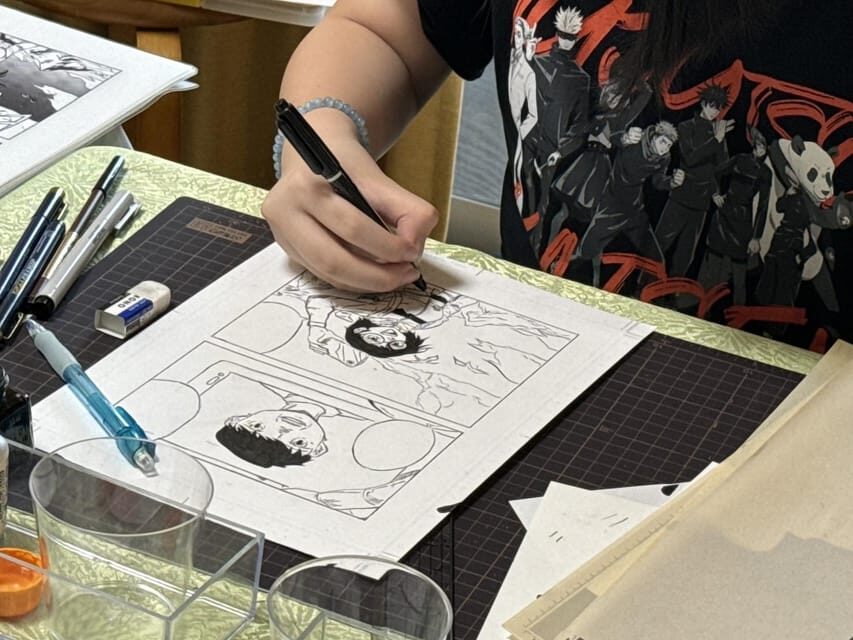
How long is the manga drawing workshop?
It lasts 3 hours.
How much does the workshop cost?
The price is $129 per person.
What will I create during the class?
You’ll create 1 manga page on A4 manga paper and take it home as a souvenir.
What’s included in the price?
You get professional manga artist guidance, all necessary manga drawing materials, and the opportunity to learn manga drawing techniques.
Are meals or drinks included?
No. Meals and drinks are not included.
What language is used during the workshop?
The workshop is conducted in Japanese, and English is provided on the slides during instruction.
Where is the meeting point?
Meet at an apartment near Kichijoji Station north exit, at 601 H-Square Kichijoji. It’s an 8-minute walk from the north exit. Press 601 on the call button when you arrive.
What should I wear since ink is involved?
Wear clothes you don’t mind getting dirty. Ink may stain clothes and hands.
Is the class small?
Yes. It’s limited to 5 participants.
More 3-Hour Experiences in Tokyo

Make Something to Take Home



More Tour Reviews in Tokyo






Fresh reviews from around Tokyo






Workshops, compared.
 ★ 5.0Sushi Making Tokyo Roll and Authentic Japanese Sushi ClassFrom $593,971 reviews
 ★ 5.0Tokyo Shinjuku Chopsticks Making ClassFrom $201,763 reviews
 ★ 4.8Chopstick Making Workshop in GinzaFrom $251,366 reviews
 ★ 5.0Tokyo Sushi Making Class in Tsukiji with Professional ChefFrom $491,177 reviews
 ★ 5.0Ramen & Gyoza Cooking Class in Tokyo with Local Supermarket VisitFrom $122823 reviews
 ★ 5.0Matcha Making Class in Tokyo with Authentic Japanese Sweets SetFrom $21744 reviews
 ★ 5.0Samurai Sword & Archery Class from Samurai DescendantFrom $193603 reviews
 ★ 4.9Tsukiji Fish Market Sushi Making Class with Pro ChefFrom $63506 reviews
Browse the lists this tour appears in