
Reviewed · TOKYO
Wagyu and Sushi : Tokyo Gastronomic Journey
Sushi and wagyu, on Shinjuku streets. This half-day Tokyo gastronomic journey links classic food alleys with the party edge of Shinjuku, plus a guided run through wagyu history and sushi etiquette. You also get photo time at the Godzilla head and a walk that feels like Tokyo after dark, not just another restaurant hop.
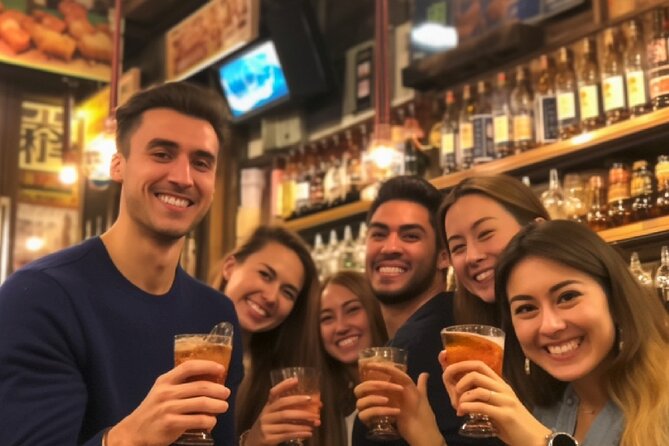
I especially like the small-group Q&A, which makes it easier to ask what you should be doing at the table and why certain choices matter. And I like the structure: two food stops for dinner-style tasting, so you actually leave with a sense of both sushi and wagyu, not just one heavy meal.
The main drawback is simple: this tour centers on nightlife zones. Expect more walking and a louder atmosphere around Kabukicho, which might not feel comfortable if you prefer quiet neighborhoods.
In This Review
- Key points you’ll care about
- Why this wagyu-and-sushi night works in Shinjuku
- Your 6:30pm route, stop by stop
- Meeting point and the walking rhythm
- Omoide Yokocho: narrow alleys and barbecue energy
- Kabukicho: where the lights and chaos are part of the story
- Godzilla Head: built-in photo time
- Hanazono Shrine: a calm pause amid the noise
- Golden Gai: tiny bars, 1960s-style lanes
- Wagyu history and sushi etiquette: what you’re actually learning
- Wagyu: beyond the word on a menu
- Sushi etiquette: small rules that change the experience
- What the two dinner stops feel like in practice
- Price and value: is $156.77 actually fair?
- Who should book this tour (and who might not)
- Practical tips before you go
- Plan for walking and standing areas
- Bring your appetite, but pace yourself
- Alcohol age rule is part of the deal
- Photography: use the built-in moments
- Guides add real flavor to the experience
- Should you book Wagyu and Sushi: Tokyo Gastronomic Journey?
- FAQ
- How long is the Wagyu and Sushi: Tokyo Gastronomic Journey tour?
- What time does the tour start?
- Where do I meet and where does the tour end?
- How many people are in the group?
- Is transportation included in the price?
- What’s included in the tour package?
- Can I drink alcohol if I am under 20?
- FAQ
- How much does it cost per person?
- What is the cancellation policy?
- Is a mobile ticket used?
- Do I need to book far in advance?
- Is this tour suitable for most travelers?
Key points you’ll care about
- Small group (max 10): You get room to ask questions during the meal.
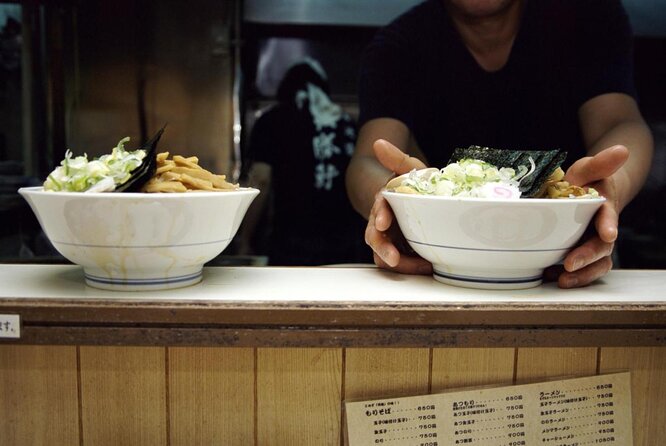
- Two food stops included: You’ll sample both sushi and wagyu as part of one evening plan.
- Godzilla head photo stop: It’s built into the route, not something you have to chase on your own.
- Shinjuku contrast route: Omoide Yokocho’s narrow alleys, then Kabukicho, then Golden Gai’s 1960s-style bar lanes.
- Alcohol rules are explicit: Alcoholic beverages are only for age 20+.
- Guided context, not just food: You’ll learn the history behind wagyu beef and sushi etiquette along the way.
Before you commit, see how this one stacks up against a few Tokyo favourites:
- Mt Fuji and Hakone 1-Day Bus Tour Return by Bullet Train★ 5.0 · 26,383 reviews
- 1-Day Tokyo Bus Tour★ 5.0 · 14,250 reviews
- Tokyo: teamLab Planets TOKYO Digital Art Museum Entry Ticket★ 4.6 · 9,779 reviews
Why this wagyu-and-sushi night works in Shinjuku
Shinjuku can overwhelm you fast. Bright stations, dense streets, and a lot of places competing for your attention. This tour gives you a simple plan: you meet in Nishishinjuku, walk into the Shinjuku night world, and settle into two guided tastings built around wagyu and sushi.
What makes it a smart choice is the mix of food learning and street-level sightseeing. You’re not only eating; you’re also picking up the “how to” and “why it’s done that way” parts—especially around sushi etiquette and what makes wagyu worth understanding beyond the hype.
And because it’s small-group (up to 10), the night doesn’t feel like a conveyor belt. You can ask questions when something shows up on your plate, and the guide can translate the culture into plain, practical guidance.
Your 6:30pm route, stop by stop
The tour runs about 3 hours and starts at 6:30 pm. It’s a walking itinerary with restaurant stops, so comfy shoes matter more than you might think—especially once you’re inside the tighter alley sections.
Meeting point and the walking rhythm
You start at 7-chōme-10-5 Nishishinjuku, Shinjuku City and end at Hashimoto Bldg., 1-chōme-1-5 Kabukichō. That means you’re likely to finish closer to the Kabukicho/Goden Gai area, which is great if you plan to continue your night out—but it does mean your return logistics are on you. Transportation costs aren’t included, and the typical add-on range is 200–800 yen.
Omoide Yokocho: narrow alleys and barbecue energy
Your route begins with Omoide Yokocho, a maze of narrow lanes near the West Exit of Shinjuku Station. The atmosphere here is all tiny spots and open barbecue-style cooking, the kind of place where the sound and smell hit first and the menu comes later.
Why this stop is valuable: it sets the tone. You get a taste of Tokyo’s old-school street food vibe before heading into the more intense Shinjuku nightlife zones. It also gives you something visual to anchor the rest of the evening.
Practical tip: this is one of those areas where you’ll often be squeezed around people and equipment. Go slow, watch your step, and keep your camera ready—but don’t let filming turn into a traffic problem for the people behind you.





Kabukicho: where the lights and chaos are part of the story
Next comes Kabukicho, the big neon playground that includes nightlife, bars, and packed restaurant streets. It’s famous for being loud and adult in tone, and that’s exactly why it works in a guided food night: you’re seeing the real Shinjuku atmosphere, not just the pretty postcards.
This isn’t a “red light district tour” in a lecture style. Instead, it’s a geography and culture stop—helpful if you want to understand why Tokyo’s nightlife districts feel the way they do.
Godzilla Head: built-in photo time
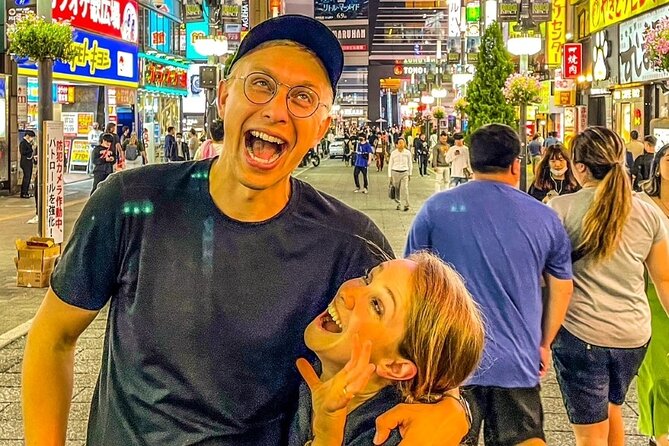
Then you hit the Godzilla Head area for a quick photo opportunity. This is a classic Shinjuku landmark, but the tour makes it easy by timing it into your route. You don’t have to hunt it down on your own while you’re hungry and distracted.
If you care about photos, this is one of the easiest parts to nail—because you’re already in the right zone, and you can grab the shot without stopping the whole flow later.
Hanazono Shrine: a calm pause amid the noise
You also stop at Hanazono Shrine. Even without a long, in-depth visit described, it adds an important rhythm to the evening: you move from nightlife density into something more grounded.
Why that matters: when you’re doing food and photos back-to-back, a short quiet cultural pause helps you reset. It’s also a useful moment to breathe before the dinner portion.
Golden Gai: tiny bars, 1960s-style lanes
Your route includes Golden Gai, a network of very small bars just east of Kabukicho. The key detail here is that it preserves the look and feel of 1960s Tokyo, which is rare in a city that loves modernization.
This isn’t just a “look at the bars” stop. It’s an atmosphere stop, the kind that helps you understand Tokyo’s layering: old streets and small-venue culture living alongside huge crowds and major entertainment districts.
Wagyu history and sushi etiquette: what you’re actually learning
This tour is built around two learning themes: the history behind wagyu beef and the nuances of sushi etiquette. That matters because it helps you avoid the common problem: eating great food but not knowing what you’re looking at.
Wagyu: beyond the word on a menu
Wagyu can sound like just a premium label. The value here is that the guide helps you understand why it’s treated as special—so your tasting lands with context, not just price-tag awe.
You also get to experience wagyu in a way that feels like a food night, not a museum exhibit. In past group experiences, guides have steered tastings toward wagyu yakiniku, and that kind of meal format lets you interact with the cooking process at your table.
Sushi etiquette: small rules that change the experience
Sushi etiquette can feel mysterious if you’ve only eaten it at big chains. Here, the tour frames it as practical nuance: how to handle the pieces, how to approach the meal, and how to read the experience like a local would.
You don’t need to become a sushi scholar. The point is that you’ll come away with a better sense of what to do and what the meal is trying to communicate.
What the two dinner stops feel like in practice
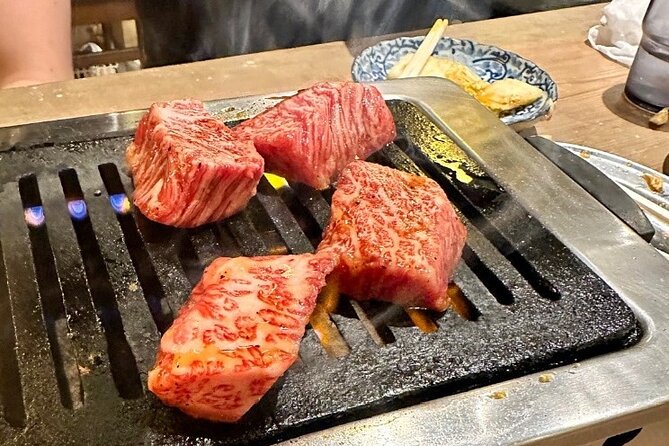
The tour includes dinner at 2 food stops, plus alcoholic beverages that are only for those 20 years old and above. That combo is a big part of the value: you’re not paying for a guide plus nothing. You’re paying for guided access to two tastings as part of a planned night.
In real terms, this typically means:
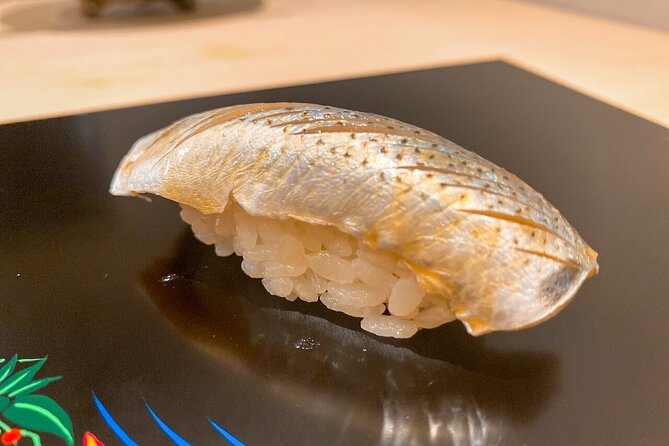
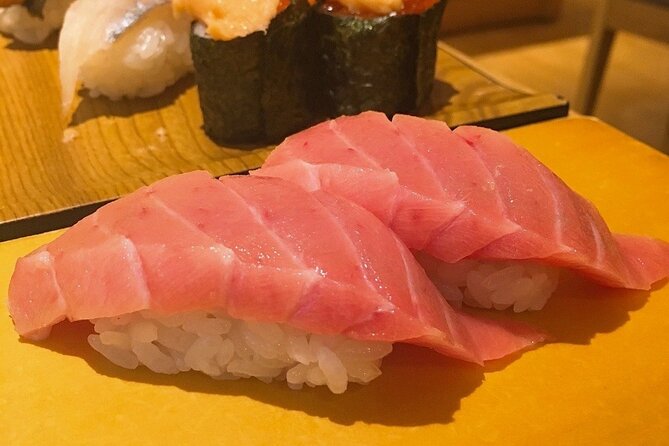
- A sushi stop where you can try multiple pieces in a guided setting.
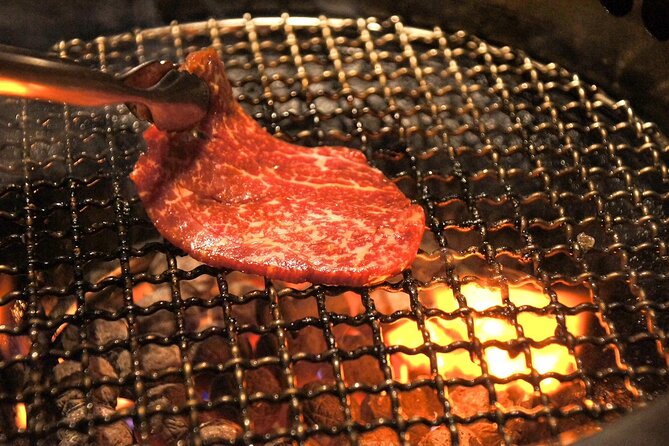
- A wagyu stop where the beef is treated like the star, often cooked or grilled as part of the meal format.
The best part about having a guide here is timing and order. Your guide can help you focus on what matters right now rather than trying to translate menus and decide everything on the fly in a foreign language environment.
And yes, you also get photos included, so your night isn’t just memory-in-your-head. You can capture landmark moments and the food stops without feeling like you need to run photo production while you’re eating.
Price and value: is $156.77 actually fair?
At $156.77 per person, you’re paying for three things at once:
- A local guide who coordinates the night and adds context.
- Two included food stops (dinner-style tasting).
- Included drinks with an alcohol age rule, plus photos.
If you tried to copy this solo, you’d still need to do the hardest part: selecting where to go for sushi and where to go for wagyu in a way that feels authentic and not touristy. And Tokyo is big—so finding the right spots can cost time, not just money.
Could you DIY it? Sure. If you already have two restaurants picked and you know your way around Shinjuku well, it may feel like a straightforward dinner plan with a walk attached. But if you want the ease of a ready-made route, plus education around sushi etiquette and wagyu, the price starts to look more reasonable.
One more value point: the tour is small-group (max 10), and you’re traveling for about 3 hours. That’s long enough to feel like a real experience, short enough to still have energy for whatever you do after.
Who should book this tour (and who might not)
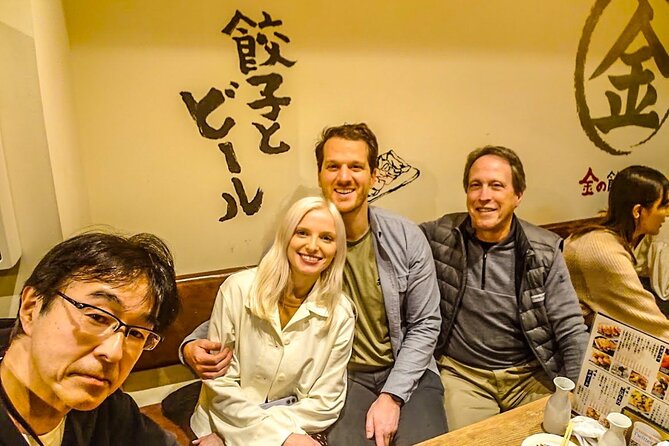
This is best for you if you:
- Want to eat both sushi and wagyu in one evening.
- Like learning rules and context, not just ordering and hoping.
- Prefer a group night where you can talk to others without feeling trapped.
It’s also a strong pick if Shinjuku is your first big neighborhood stop in Tokyo and you want a guided on-ramp—especially with landmarks like Godzilla head and the bar lanes of Golden Gai.
You might think twice if you:
- Don’t like nightlife areas or crowded streets.
- Want a longer sit-down dinner (this is about a 3-hour half-day plan).
- Prefer total freedom over a route and set stops.
Practical tips before you go
A couple of things will make your night smoother.
Plan for walking and standing areas
Because the route includes alleyways and nightlife zones, you’ll likely do a lot of stop-and-go moving. Wear shoes you can walk in, and keep your day bag simple.
Bring your appetite, but pace yourself
You’re going to start with street atmosphere and then shift into two food stops. If you’re the type who orders extra sides everywhere, try to match the portion sizes to what’s coming next.
Alcohol age rule is part of the deal
The tour includes alcoholic beverages, but only if you’re 20+. If you’re younger, just plan on sticking with non-alcohol choices at the table.
Photography: use the built-in moments
The Godzilla head stop is an obvious photo target. For food photos, aim to take them during the pauses your guide creates so you’re not rushing your meal experience.
Guides add real flavor to the experience
The guides can make or break a food tour, and this one leans on personality plus structure. In past groups, guides including Yuki, Natsuki, Emma, Miharu, and Ando Minoru have stood out for being friendly, thoughtful, and comfortable with food culture explanations.
A recurring theme: people felt the guide selected restaurants that were more authentic than what you’d guess on your own, especially for sushi. Another common praise point was the wagyu portion—particularly when it turned into a hands-on yakiniku-style grilling moment at the table.
Should you book Wagyu and Sushi: Tokyo Gastronomic Journey?
Book it if you want a guided Shinjuku night that hits the big themes—sushi etiquette, wagyu history, and two dinner tastings—while also getting landmarks like Omoide Yokocho, Godzilla head, and Golden Gai without planning a route map yourself.
Pass or adjust expectations if you’re primarily after a long, slow dinner. This is a tight 3-hour plan in nightlife zones. And if you already feel confident finding the restaurants solo, you may see this as more guided value than food value.
One last scheduling note: on average, it’s booked about 52 days in advance. If you’re traveling during peak periods or want a specific night, don’t wait until the week before.
FAQ
How long is the Wagyu and Sushi: Tokyo Gastronomic Journey tour?
It lasts about 3 hours.
What time does the tour start?
The start time is 6:30 pm.
Where do I meet and where does the tour end?
You start at 7-chōme-10-5 Nishishinjuku, Shinjuku City, Tokyo 160-0023, Japan. The tour ends at Hashimoto Bldg., 1-chōme-1-5 Kabukichō, Shinjuku City, Tokyo 160-0021, Japan.
How many people are in the group?
The tour has a maximum of 10 travelers.
Is transportation included in the price?
No. Transportation costs are not included and are listed as 200 yen to 800 yen.
What’s included in the tour package?
You’ll get a local guide, dinner at 2 food stops, alcoholic beverages (with age rules), and photos.
Can I drink alcohol if I am under 20?
No. Alcoholic beverages are only for people 20 years old and above.
FAQ
How much does it cost per person?
The price is $156.77 per person.
What is the cancellation policy?
There is free cancellation. You can cancel up to 24 hours in advance for a full refund.
Is a mobile ticket used?
Yes, the tour features a mobile ticket.
Do I need to book far in advance?
On average, this experience is booked about 52 days in advance.
Is this tour suitable for most travelers?
The info says most travelers can participate.
More Tour Reviews in Tokyo



Fresh reviews from around Tokyo






Tokyo, compared.
 ★ 5.0Mt Fuji and Hakone 1-Day Bus Tour Return by Bullet TrainFrom $16326,383 reviews
 ★ 5.01-Day Tokyo Bus TourFrom $12914,250 reviews
 ★ 4.6teamLab Planets TOKYO Digital Art Museum Entry TicketFrom $259,779 reviews
 ★ 4.0Mt Fuji & Hakone Cruise, Drum Show Bullet Train 1 Day from TokyoFrom $1497,413 reviews
 ★ 5.0Shinjuku Food Tour (13 Dishes at 4 Local Eateries)From $866,603 reviews
 ★ 4.4Tokyo Mt Fuji 5th St & Hakone Cruise Bus Tour w/Bullet TrainFrom $1545,024 reviews
 ★ 5.0Flagship 2-Hours Official Street Go-Kart Tour – Tokyo Bay ShopFrom $644,974 reviews
 ★ 4.5From Tokyo: Mount Fuji Full-Day Sightseeing TripFrom $684,970 reviews