
Reviewed · CITY TOURS
Tokyo Sightseeing/ City Tour by Private Car with English Guide
Tokyo looks better with a guide.
This private car tour stitches together Tokyo’s biggest “see it” moments and a few fun culture stops, all in one smooth day. I like the flexibility to shape the route around your interests, and I really appreciate the hassle-free hotel pickup/drop-off in central Tokyo with a comfortable, air-conditioned vehicle (plus free Wi-Fi for photo-sharing).
The main thing to consider is the day runs about 8 to 9 hours, so you’ll want comfortable shoes and a good mindset for time-on-the-road. Also, Tokyo Skytree is not included, so plan on an extra ¥2,100 per person if you want to go up.
In This Review
- Key highlights you’ll actually feel during the day
- Why this private car tour is such a smart way to see Tokyo
- Central pickup, car comfort, and Wi-Fi you’ll thank yourself for
- Stop by stop: Tsukiji Fish Market to the Tokyo Skytree viewpoint choice
- Tsukiji Fish Market: seafood culture after the wholesale move
- Senso-ji Temple in Asakusa: Tokyo’s oldest big-name temple
- Tokyo Skytree: the optional ticket that can change the whole day
- Akihabara: electronics and anime-world shopping without the guesswork
- Meiji Jingu and the Imperial Palace: calm Tokyo breaks in the middle of the day
- Meiji Jingu near Harajuku: a shrine with atmosphere
- The Tokyo Imperial Palace area: heritage without the hard sell
- Tokyo Tower, Takeshita Street, and Shibuya Crossing: a big finish with real Tokyo energy
- Tokyo Tower: the Paris-inspired symbol at 333 meters
- Takeshita Street in Harajuku: youth fashion, snacks, and street style
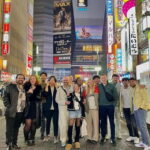
- Shibuya Crossing: the Scramble moment you’ll recognize instantly
- The guide makes the difference: what Abdul-style flexibility looks like on the ground
- Price value: what $362.39 per group really works out to
- Who should book this Tokyo private car tour?
- Should you book this private Tokyo car tour?
- FAQ
- What’s included in the tour cost?
- Is Tokyo Skytree included in the price?
- How long is the tour?
- Is this tour private or shared with other travelers?
- Are meals included?
- What happens if the weather is poor?
Key highlights you’ll actually feel during the day
- Private only for your group (up to 5), so you’re not stuck with random pacing
- English guide who adjusts on the fly and helps you get great photos
- Air-conditioned car with free Wi-Fi, a real lifesaver between neighborhoods
- Free admissions at most stops, so your money goes to what you choose (like Skytree)
- A smart route that hits iconic sights without you fighting trains all day
- Totally different Tokyo styles in one itinerary: fish market to shrine calm to Harajuku + Shibuya
More days made easy by a guide
- Tokyo 6hr Private Tour with Government-Licensed Guide★ 5.0 · 3,902 reviews
- Tokyo: Shinjuku Local Bar and Izakaya Guided Walking Tour★ 4.9 · 1,794 reviews
- Tokyo: Private City Highlights Tour with Local Guide★ 4.8 · 1,433 reviews
Why this private car tour is such a smart way to see Tokyo
Tokyo is amazing, but it can also feel like information overload—crowds, signage, station changes, and “which line do I take?” every few minutes. What I like about this tour is that it turns the city into something you can breathe in. You’re not trying to sprint from one district to another with a map app and hope.
Because it’s private, the pacing is yours. If your group wants more time wandering around Asakusa lantern streets or lingering in Akihabara storefronts, you can ask. If you’d rather keep it moving and save energy for Shibuya Crossing, you can do that too. That flexibility matters when you’re traveling with kids, older relatives, or just people who get tired from constant transfers.
I also think the English guide adds real value in Tokyo. You get context for what you’re looking at, not just a “this is that” handoff. At the best moments—like temple grounds or major shrines—that context helps you slow down and notice details you’d likely miss on your own.
One small caution: because it’s an 8 to 9 hour day, you’ll be “on” from stop to stop. This is a great format for visitors who want coverage, but it’s not the best match if you’re hoping for a mostly relaxed, low-footstep afternoon.
Central pickup, car comfort, and Wi-Fi you’ll thank yourself for
The tour includes pickup and drop-off from your central Tokyo hotel, which is huge in a city where finding the right station entrance can take longer than it should. The meeting point is simpler, and you start the day with less stress. You’re also traveling in an air-conditioned vehicle, which you’ll appreciate whenever Tokyo decides to be hot and humid.
The car also comes with free Wi-Fi, and I think that’s underrated. You’re constantly taking photos—temples, big street scenes, neon storefronts—and having Wi-Fi makes it easier to upload, message, or just back up your day in real time.
You’ll still want to bring a small travel kit: water, a light layer (Tokyo can swing temperature fast), and a battery pack. But the core comfort is built in.
Stop by stop: Tsukiji Fish Market to the Tokyo Skytree viewpoint choice
This itinerary is designed to move through Tokyo efficiently while still giving you real time at each stop. Many admissions are free, and that helps you manage your budget. Here’s how I’d think about each part of the day.
Tsukiji Fish Market: seafood culture after the wholesale move
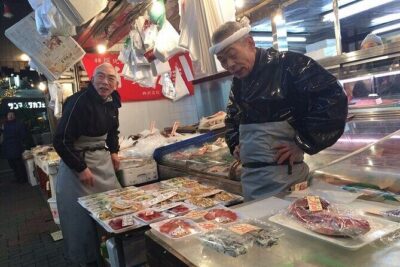
Tsukiji Fish Market is famous, even though the inner wholesale market moved to Toyosu in 2018. The area still matters for food lovers because it remains tied to Tokyo’s seafood energy—what it smells like, how vendors work, and how the district feels when you’re walking through it.
You’ll get about 1 hour here, and admission is free. That’s enough time to browse a few streets, grab a snack if you want, and get the sense of why Tsukiji is on so many Tokyo must-do lists.
Practical note: this stop can be crowded. If your group likes photos, you’ll get better results when you pick a couple of angles and slow down instead of chasing every booth.
Bigger sweeps: other Tokyo city tours

Senso-ji Temple in Asakusa: Tokyo’s oldest big-name temple
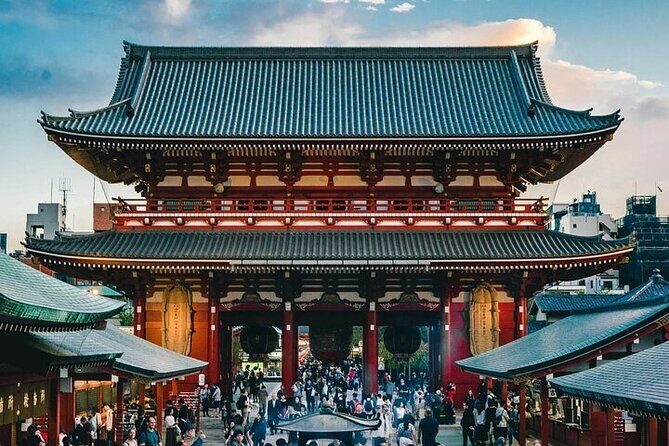
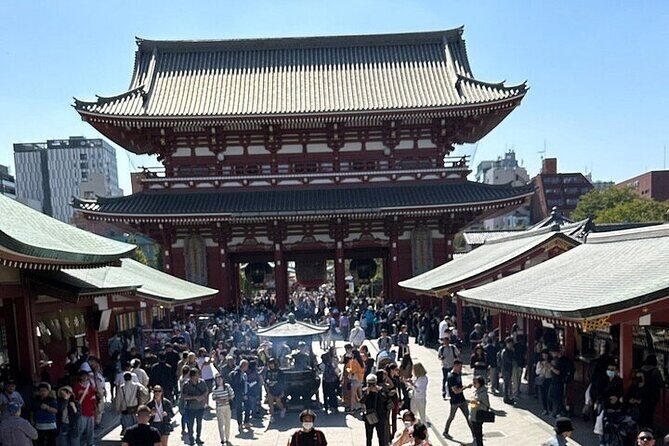
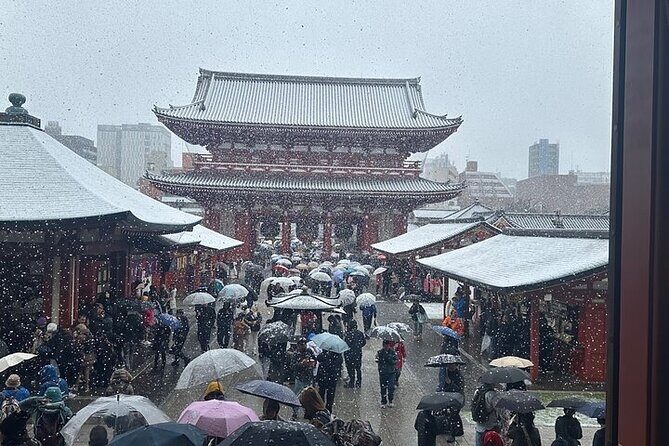
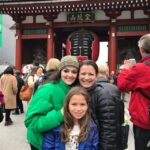
Next is Senso-ji, Tokyo’s oldest and one of its most iconic Buddhist temples, founded in 645 AD. It’s dedicated to Kannon, the Goddess of Mercy, and it sits right in Asakusa, where you can mix temple time with street wandering.
You’re scheduled for about 1 hour, admission is free, and the payoff is that you get both the landmark experience and the surrounding atmosphere. The temple is the anchor, but what makes it fun is how many streets funnel you toward it—so even the approach feels part of the visit.
If you want the most meaningful photos, try to step back from the densest crowd pockets and look for small details: lanterns, incense space, and the way people move through the grounds.
Tokyo Skytree: the optional ticket that can change the whole day
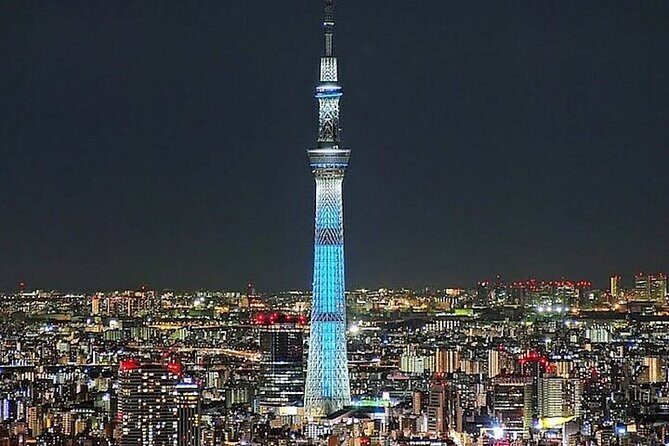
Tokyo Skytree is about viewing Tokyo from above. It’s Japan’s tallest structure at 634 meters, and it’s located near Asakusa in the Sumida district. You’ll spend around 1 hour, but the admission is not included.
The extra cost listed is ¥2,100 per person. To me, the value depends on your travel style. If you love city views and want a high payoff photo, this is worth budgeting for. If your group is already photo-loaded from the street scenes, you could treat Skytree as a choose-your-own-adventure moment and weigh it against energy for later neighborhoods.
Either way, having it as part of the route is smart, because you’re in the right part of town when you’re doing Asakusa.
Akihabara: electronics and anime-world shopping without the guesswork
After the classic Tokyo side, you swing into Akihabara, often called Electric Town. It’s Tokyo’s hub for electronics and pop culture—especially anime and otaku culture. This is the spot where the streets feel like a separate universe compared to Asakusa.
You’ll get about 1 hour and admission is free. That time is good for walking through a few floors of electronics stores, checking out retro game vibes, and browsing fun merchandise without feeling trapped. Even if you’re not a hardcore collector, it’s a visually entertaining district.
If your group has mixed interests, Akihabara works well because people can split into mini-lane interests (gaming, camera gear, gadgets, themed shops) and still meet back at the same general area.
Meiji Jingu and the Imperial Palace: calm Tokyo breaks in the middle of the day
This part of the itinerary gives you a reset. After temples, markets, and shopping districts, you get two major “Tokyo quiet” stops that are free and meaningful.
Meiji Jingu near Harajuku: a shrine with atmosphere
Meiji Jingu is a Shinto shrine near Harajuku and is one of Japan’s most important and beloved shrines. It’s dedicated to Emperor Meiji and Empress Shoken. You’ll spend about 1 hour, admission is free.
What I like about this stop is the change in pace. You’re in Tokyo, but the shrine area is designed for reflection, and that shift gives you a break from street energy. It also helps you understand why Tokyo culture isn’t only about concrete and neon.
Bring a respectful mindset and slow your steps here. The best moments often come from not rushing.
The Tokyo Imperial Palace area: heritage without the hard sell
The Imperial Palace is the primary residence of Japan’s Emperor, surrounded by moats and stone walls with beautifully maintained grounds. Admission is free, and you’ll have about 1 hour here.
This is a good stop for travelers who want a big-picture feel of modern Japan—how governance and tradition sit in the same city grid. From a touring perspective, it also helps break the day into distinct chapters: “markets and faith,” then “shrines and heritage,” then “trend streets and big city crossings.”
Tokyo Tower, Takeshita Street, and Shibuya Crossing: a big finish with real Tokyo energy
The final stretch is where the itinerary turns into movie-like Tokyo scenes: skyline landmark, youth street fashion, and the famous pedestrian chaos at Shibuya.
Tokyo Tower: the Paris-inspired symbol at 333 meters
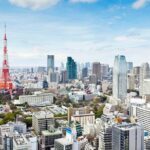
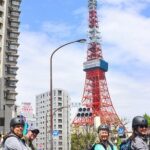
Tokyo Tower is one of Tokyo’s most recognizable symbols, standing 333 meters tall. It’s inspired by the Eiffel Tower and represents the city’s post-war rebirth story.
You’ll spend about 1 hour and admission is not specified as paid in the itinerary details, so plan as if the exterior viewing experience is part of the schedule. Either way, the payoff is the photo opportunity plus the sense of Tokyo’s modern identity.
A helpful strategy: if you care about photos, pick one main skyline angle you want, then let the rest of the hour be for walking and people-watching.
Takeshita Street in Harajuku: youth fashion, snacks, and street style
Then you head to Takeshita Street, a famous youth-culture strip lined with quirky fashion boutiques and casual treats like crepes. You also see themed cafés and the latest street trends.
You’ll have about 1 hour 30 minutes, and admission is free. This is a great stop because it’s not one attraction—it’s a whole vibe. If you want souvenirs that feel like Tokyo pop culture, this is often where you’ll get them.
Practical note: it can feel crowded and loud. If your group gets overstimulated, set a meeting point and take quick breaks rather than trying to power through.
Shibuya Crossing: the Scramble moment you’ll recognize instantly
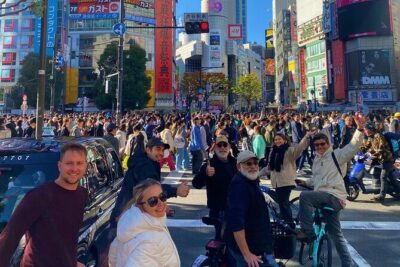
Finally, Shibuya Crossing—the well-known intersection where crowds cross from all directions at once. It’s often described as the Scramble, and you’ll have about 30 minutes.
Admission is free, and that short time is right for the effect: you get the iconic shot, you feel the street choreography, and you still have time to regroup before the day ends.
If you want the best view, don’t just stand in the thickest crowd. You’ll probably get a better shot from a slightly elevated or edge-positioned angle nearby—your guide can help you find a comfortable spot.
The guide makes the difference: what Abdul-style flexibility looks like on the ground
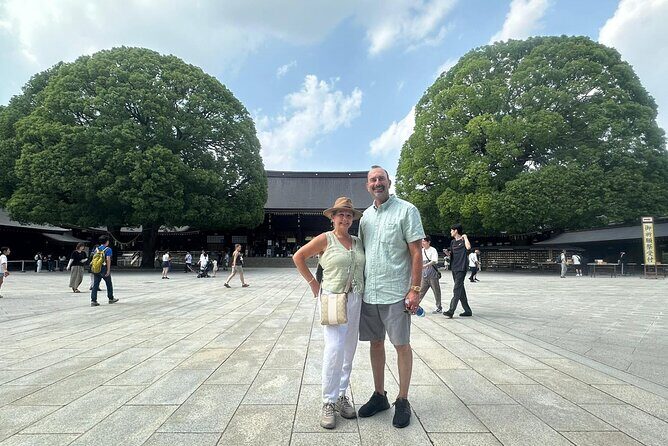
One of the best things about this tour is the way the guide helps you get the most out of it. The experience is led by an English-speaking guide, and the tone of feedback strongly points to someone like Abdul—kind, accommodating, and considerate.
In practice, that kind of guiding means you’re not stuck with a rigid checklist. You can adjust your route when your group’s energy shifts, and you can ask for photo help. That last part is more important than it sounds. At a place like Asakusa or Shibuya, good photos aren’t only about cameras—they’re about timing, angles, and knowing where to stand without blocking everyone.
So if you care about getting great pictures without wasting an hour fiddling with your phone, this is a strong match.
Price value: what $362.39 per group really works out to
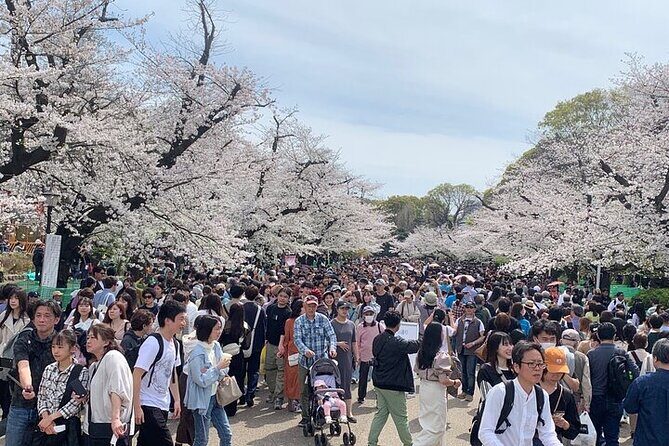
This tour runs $362.39 per group, up to 5 people. That’s not a small amount at first glance, but in Tokyo, the value equation changes fast once you think about a private car, a full English guide for most of the day, and hotel pickup/drop-off.
Most entries listed are free (Tsukiji area, Senso-ji, Akihabara, Meiji Jingu, Imperial Palace, Takeshita Street, Shibuya Crossing), and only Tokyo Skytree has a stated extra ticket price of ¥2,100 per person.
For a group of 2 to 5, this can be cost-competitive versus piecing together paid taxis plus the added stress of sorting routes yourself. The big win is time and ease: you’re spending your energy on the sights, not on logistics.
If you’re traveling solo, it may feel pricey, because the group price is the deal. For couples and small families, it often makes more sense.
Also remember: the itinerary is structured around iconic stops. If you already know you want Skytree tickets and you want a guide to manage everything else, you’re likely using your money well.
Who should book this Tokyo private car tour?
I’d book it if:
- you want to cover a lot of Tokyo icons in one day without rail transfers
- your group includes people with different interests (shopping, temples, food culture, street scenes)
- you care about photo results and don’t want to “figure it out” mid-crowd
- you prefer a private schedule you can adjust instead of a big group bus ride
I’d think twice if:
- you want a slow day with minimal movement
- your group dislikes long “between stops” transit time
- you strongly prefer doing everything on foot at your own pace
Should you book this private Tokyo car tour?
If your goal is smart coverage—temples, pop culture, a skyline moment, and Shibuya Crossing—this is a very workable plan. The private size, hotel pickup/drop-off, and English guidance reduce the biggest friction points for first-time visitors.
Just go in knowing the day is long-ish and that Skytree costs extra. If that fits your budget and energy level, you’ll likely feel like you used your time in Tokyo well.
FAQ
What’s included in the tour cost?
You get an air-conditioned vehicle, private transportation, fuel surcharge, and GST. The tour also uses mobile tickets and includes hotel pickup and drop-off from central Tokyo.
Is Tokyo Skytree included in the price?
No. Tokyo Skytree is listed as not included, with an extra cost of ¥2,100 per person.
How long is the tour?
The duration is listed as about 8 to 9 hours.
Is this tour private or shared with other travelers?
It’s private. Only your group participates.
Are meals included?
No. Breakfast, lunch, and dinner are not included.
What happens if the weather is poor?
The experience requires good weather. If it’s canceled due to poor weather, you’ll be offered a different date or a full refund.
Easier with a Guide

More Tours in Tokyo




More Tour Reviews in Tokyo




Fresh reviews from around Tokyo






City Tours, compared.
 ★ 4.8Private City Highlights Tour with Local GuideFrom $1061,433 reviews
3-Hour Bike or E-Bike City Highlights TourFrom $45435 reviews
★ 4.8Private City Highlights Tour with Local GuideFrom $1061,433 reviews
3-Hour Bike or E-Bike City Highlights TourFrom $45435 reviews
 ★ 4.8Sumo Morning Practice Tour at Sumida CityFrom $116308 reviews
 ★ 4.5Private Haneda Airport (HND) to Central Tokyo City TransferFrom $119260 reviews
 ★ 5.03-Hour Bike/E-Bike Tour of the City’s HighlightsFrom $63209 reviews
 ★ 5.0Small Town in the Big City: Tasting Tokyo’s KichijojiFrom $195195 reviews
 ★ 4.5Private departure transfer from Tokyo city to Tokyo Haneda Airport(HND)From $118123 reviews
Kamakura Walking Tour – The City of ShogunFrom $35100 reviews
★ 4.5Private departure transfer from Tokyo city to Tokyo Haneda Airport(HND)From $118123 reviews
Kamakura Walking Tour – The City of ShogunFrom $35100 reviews
Browse the lists this tour appears in