
Reviewed · YOKOHAMA TOURS
Variety of Tokyo or Yokohama Tours Customizable and Memorable
Tokyo is easier with a plan.
This private walking tour is built for first-timers and repeat visitors alike, with a guide who helps shape your day around your hotel and what you actually want to see. You can choose the start time and tour length, then get direct help planning the route and getting train tips. I especially like that it blends major sights with smaller streets and temples, so you get the big picture and the personal stuff.
What I like next is the structure: in Tokyo, you move through Harajuku, Shibuya, Asakusa, and Ueno, then connect toward Tsukiji, Tokyo Tower, and Imperial areas. In Yokohama, you get Chinatown, sea views around Yamashita Park, shopping at the Red Brick Warehouse, and a traditional stop at Sankeien Garden. One real consideration: it is walking-only, and it is not for slow pace days. If you cannot handle about 10,000 steps, you’ll feel it.
In This Review
- Key highlights before you book
- Two Cities, One Smart Walking Tour Format
- Tokyo: Harajuku and Shibuya, then Temples and the Old-School Side
- Harajuku and Shibuya for pop culture and street-level Tokyo
- Asakusa and Ueno for temples, slower streets, and classic Tokyo
- Tsukiji, fish-market energy, and Tokyo Tower views
- Custom Tokyo options that match your interests
- Yokohama: Chinatown, Yamashita Park Views, Red Brick, then Sankeien Garden
- Chinatown for food culture and quick orientation
- Yamashita Park for the waterline Tokyo can’t offer
- Red Brick Warehouse for shopping and casual meals
- Sankeien Garden for a slow, traditional stop
- How the Custom Planning Really Changes Your Day
- Price and Value: What $10 Means in Practice
- Getting Around Without Losing the Day: Trains, Steps, and Pace
- Guide Quality You Can Feel on the Sidewalk
- What to Expect at Each Major Stop (and How to Make It Fun)
- Weather Matters and Entrance Fees Are Part of the Plan
- Should You Book This Tokyo or Yokohama Walking Tour?
- FAQ
- FAQ
- How long is the tour?
- Is this a walking tour only?
- Can I customize the route?
- Is pickup available?
- Are meals included?
- Do I need to pay for Sankeien Garden?
- Are public transportation costs included?
- What if the weather is bad?
- Is this tour private?
Key highlights before you book
- Custom route planning based on your hotel location and interests, not a rigid script
- Two city options: Tokyo’s classic mix plus Yokohama’s Chinatown-to-garden day
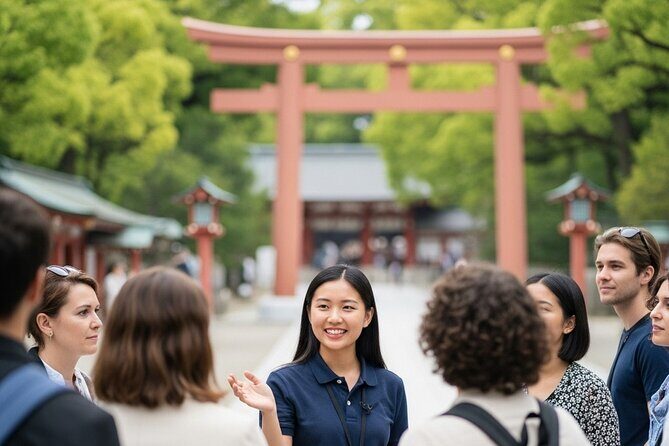
- English-speaking local guide with practical stories and on-foot pacing help
- Mobile ticket + group discounts that keep things simple for your group
- Budget clarity: guide and some entrance support, while trains and most meals stay on you
More of the harbour city next door
- Narita Airport: One Way Private Transfer to Tokyo|Yokohama Hotels★ 4.5 · 69 reviews
- Tokyo: Private One-Way Transfers to/from Yokohama Port★ 4.5 · 50 reviews
- Private Car Tour to see Highlights of Kamakura, Enoshima, Yokohama from Tokyo★ 5.0 · 48 reviews
Two Cities, One Smart Walking Tour Format
This tour works because it is not trying to force you into one perfect itinerary for everyone. You get a walking day with a guide, but you also get choices: where you start, how long you go, and what you prioritize once you are on the ground. That matters in Tokyo and Yokohama, where a small change in neighborhood can save you serious time.
I also like the tone of the experience. It is made for people who want to understand what they are seeing, not just check boxes. Expect stories, history, and practical local tips that help you read the city while you walk.
Finally, it is private. Only your group participates, so you can keep a more comfortable pace and ask questions without shouting over a crowd.
Tokyo: Harajuku and Shibuya, then Temples and the Old-School Side
The Tokyo day is designed like a real route through distinct neighborhoods, so you feel Tokyo’s personality shift as you walk. One set-style flow goes from Harajuku and Shibuya into Asakusa and Ueno, then onward toward Tsukiji, Tokyo Tower, and Imperial-area sights. You do not have to guess how to connect these; the guide builds the path.
Harajuku and Shibuya for pop culture and street-level Tokyo
Starting in Harajuku and Shibuya is a smart move because it gives you orientation fast. You get those iconic streets, plus the background that explains why these areas became what they are today. If you enjoy people-watching, shopping streets, and the energy of Tokyo, this part will feel like instant color.
A practical tip: in these areas you’ll likely be moving through busy pedestrian zones. Keep water handy and wear shoes you already trust. If you have shopping planned, ask the guide how much time fits before the next transit hop.
Asakusa and Ueno for temples, slower streets, and classic Tokyo
Asakusa and Ueno add contrast. Instead of looking at Tokyo as one nonstop rush, you shift into a world of temples, older streets, and that calmer rhythm that makes Tokyo so fun to revisit. This is also where local details start to matter: guide explanations can turn what looks like a pretty building into something you actually understand.
If you like photos, this is a good section of the day for them. But remember it is still a walking tour, so use breaks strategically rather than stopping every ten feet.





Tsukiji, fish-market energy, and Tokyo Tower views
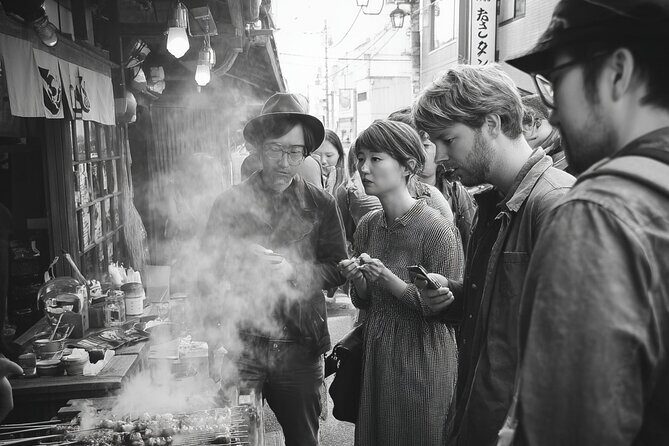
From Tsukiji toward Tokyo Tower and the Imperial area, the tour leans into landmarks with big visual payoff. Tsukiji is included through a fish-market stop, and it typically gives you that sensory hit—crowds, food talk, and the feeling of a working city. Then Tokyo Tower brings you back up to a skyline scale, with the city stretching around you.
Here’s the catch: Tsukiji-style stops can be time-sensitive. The guide can help manage timing so you do not end up rushing through everything. You’ll get more out of it if you treat this as a walk-and-sample mindset rather than expecting one perfect photo angle.
Custom Tokyo options that match your interests
The Tokyo tour can be customized. If you want more temples and local traditions, you can steer toward temples and nearby landmarks. If you prefer shopping and food, you can focus on popular shopping districts and tasting stops.
This is where the tour becomes genuinely useful. You are not trapped in someone else’s idea of your perfect day. You can also factor your hotel location, which is huge in Tokyo where transit time can quietly steal your energy.
Yokohama: Chinatown, Yamashita Park Views, Red Brick, then Sankeien Garden
Yokohama is a great choice if you want something a little different from Tokyo while staying close enough for an easy day. This route is built around variety: food culture, ocean views, shopping, and a full traditional garden experience.
Chinatown for food culture and quick orientation
You start with Chinatown, one of the easiest places to understand Yokohama’s identity. It’s where you can sample local flavors and see the neighborhood’s character right away. Even if you do not plan to eat every step, the area gives you that immediate sense of place.
Practical advice: Chinatown can be crowded. If your group has different snack preferences, tell the guide early so you can split for a short time and regroup efficiently.
Yamashita Park for the waterline Tokyo can’t offer
Next comes Yamashita Park, where you get views and that laid-back feeling you rarely get in central Tokyo. This stop works as a visual reset. After walking through markets and streets, you get open space and the sea air vibe.
Red Brick Warehouse for shopping and casual meals
Then you hit the Red Brick Warehouse area. This is a good spot for a break, souvenirs, and something to eat. The point is not fine dining—it is a convenient, fun pause that fits a walking day.
If your group includes teens or adults who want shops, this section helps keep everyone happy without adding extra complexity.
Sankeien Garden for a slow, traditional stop
Sankeien Garden rounds out the day. It is a traditional Japanese garden and described as a time capsule from the Edo period, which is exactly what you want on a Yokohama day. Gardens are also a good way to recover stamina without losing the culture side of the trip.
One important detail: admission for Sankeien Garden is not included. The cost listed is ¥700 for adults and ¥200 for children under 15, paid onsite.
How the Custom Planning Really Changes Your Day
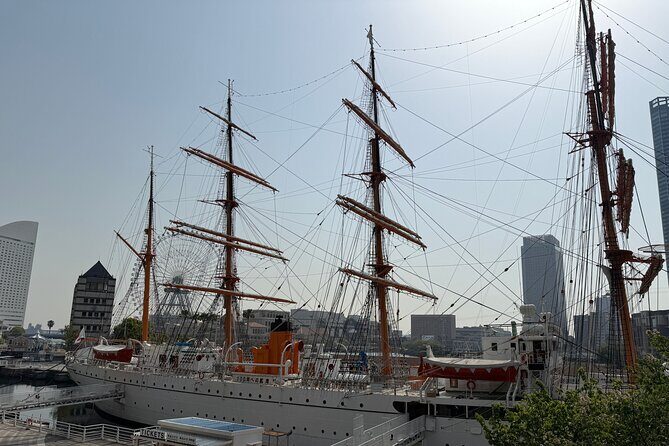
A big reason this tour can feel more memorable is how early planning happens. You can chat directly with the host to plan your route and get personal recommendations. That means you can say things like: we want temples over shopping, or we want a faster pace, or our hotel is in a certain area so please route us efficiently.
You also get support with money exchange, additional hotel booking, and train travel tips. That is not just a nice-to-have. In Japan, small logistical friction can turn into lost time. Having an extra brain for route planning helps you spend your day walking with purpose.
Pickup is offered too, which can reduce your first-step stress. Just remember it is still a walking tour with train/metro between areas—there is no private car/bus included.
Price and Value: What $10 Means in Practice
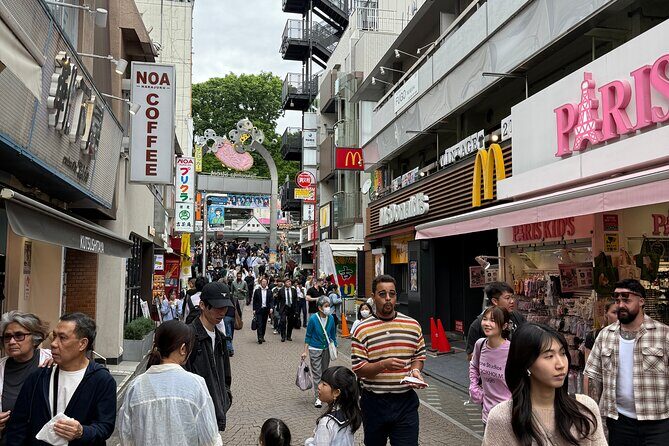
The posted price is $10 per person, and that sounds low on purpose: you are paying mostly for the guide time, route planning, and the built-in structure of the day. A lot of the day’s real costs are outside that base price, mainly train fares and some admissions.
Here’s how I’d budget it realistically based on what is listed:
- Public transportation (bus/train fares): about ¥400–¥700 one-way depending on route
- Sankeien Garden admission: ¥700 adult, ¥200 children under 15 (paid onsite)
- Meals and snacks: not included
- Personal expenses: not included
What is included can also reduce surprises. For groups of 5 or more, entrance fees are covered for some locations, and transportation plus the entrance fee for one location can be paid by Happy Travels. If you are traveling as a bigger group, that support can make the day feel like better value fast.
So the deal is strongest if you:
- want a guide to connect neighborhoods efficiently
- care more about understanding and route flow than about a fixed checklist
- can handle walking well and plan to eat on your own
Getting Around Without Losing the Day: Trains, Steps, and Pace
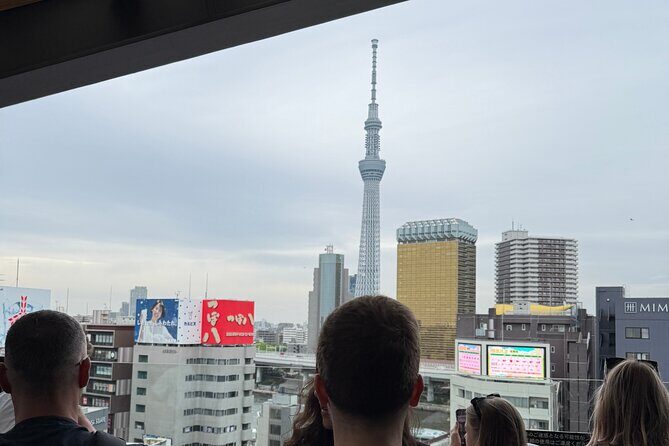
This is a walking tour only, and that is the main rule of the road. The tour notes moderate physical fitness, and it is not recommended if you cannot walk at least 10,000 steps. That doesn’t mean you need to be an athlete. It does mean you should plan for a full day on your feet and wear real walking shoes.
You’ll travel by train/metro, and train fare is not included for groups under 5. That means you should factor in transit costs even if your guide handles the route.
Another small but important point: the tour is near public transportation. That helps you regroup quickly and makes last-minute adjustments easier if your group needs a bathroom stop or a quick snack.
Guide Quality You Can Feel on the Sidewalk
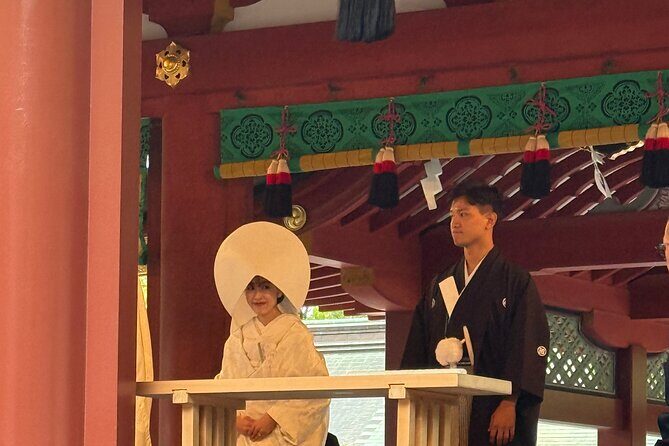
The guide is the whole experience. The tour is led by a native English speaker, and the goal is stories plus practical tips, not just reciting facts. I also like that the guide is positioned as someone who plans your day based on hotel location and interest level.
In one example from a prior booking, a guide named Jack was praised for keeping the group together and helping manage pace when a family member wandered or could not keep up. That kind of control matters on foot in Japan. It reduces stress, especially if you have kids, older adults, or anyone who gets tired faster.
The other thing I look for is listening. One of the positive notes in the feedback highlights that the guide was attentive and taught a lot about the areas being walked through. In practice, that usually means you get better answers to your questions because the guide is paying attention to what your group cares about.
What to Expect at Each Major Stop (and How to Make It Fun)
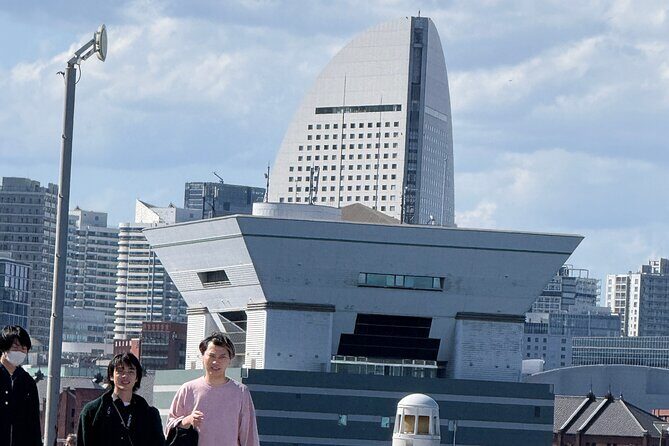
Even with a planned route, each segment of the day has a different job. If you know what each stop is trying to do, you’ll enjoy the day more.
- Neighborhood sights (Harajuku/Shibuya/Asakusa/Ueno): expect lots of streets, photos, and guided context. Use breaks on purpose.
- Market and landmark moments (Tsukiji/Tokyo Tower/Imperial area): expect time and crowd pressure. Let the guide manage flow so you don’t rush.
- Food culture stops (Chinatown and Red Brick): expect plenty of snack choices but no meals included by default. Eat what you like, not what you think you should try.
- Garden pace (Sankeien): expect slower strolling and a calmer atmosphere. This is where you can slow down and reset.
That pacing is one reason this kind of tour can feel more memorable than a checklist. You get variety across the day, not the same kind of street for seven hours.
Weather Matters and Entrance Fees Are Part of the Plan
The tour requires good weather. If it’s canceled due to poor weather, you’ll be offered a different date or a full refund. Japan’s weather can swing fast, so check forecasts the day before and have a rain plan for shoes and layers.
Entrance fees are a mixed bag. Some entrance support is included depending on group size, and Sankeien Garden has a clear onsite admission fee. If you’re the one paying for the group, it helps to know this in advance so nobody gets surprised later.
Should You Book This Tokyo or Yokohama Walking Tour?
Book it if you want structure with flexibility. You’ll like it if you enjoy walking, want a native English-speaking guide, and care about learning why neighborhoods matter—not just passing through them. It’s also a solid pick for groups who can benefit from entrance support when traveling with 5+ people.
Skip it (or choose something else) if walking long distances stresses you out. It is explicitly a walking tour, and the 10,000-step minimum is a real guideline. Also budget for trains and meals since those are not included.
If you’re deciding between Tokyo and Yokohama, I’d make it simple:
- Pick Tokyo if you want the classic city mix from Harajuku and Shibuya to temples and landmarks.
- Pick Yokohama if you want sea views, Chinatown food energy, and a traditional garden finish.
FAQ
FAQ
How long is the tour?
The tour duration is listed as about 7 hours.
Is this a walking tour only?
Yes. It is walking only, with travel between areas by train/metro.
Can I customize the route?
For Tokyo, you can customize based on your interests and hotel location, including options like temples/landmarks or shopping districts and local food.
Is pickup available?
Pickup is offered, and the meeting area is described as near public transportation.
Are meals included?
No. Meals, snacks, and drinks are not included.
Do I need to pay for Sankeien Garden?
Yes. Sankeien Garden admission is ¥700 for adults and ¥200 for children under 15, paid onsite.
Are public transportation costs included?
Public transportation is not included. Train/bus fares are listed as approximately ¥400–¥700 one-way depending on route.
What if the weather is bad?
The experience requires good weather. If it is canceled due to poor weather, you will be offered a different date or a full refund.
Is this tour private?
Yes. Only your group participates.
More Tours in Tokyo

More Tour Reviews in Tokyo



Next Door in Yokohama


Fresh reviews from around Tokyo






Yokohama Tours, compared.
 ★ 4.9EVO, WRX, Skyline – JDM Night Run to Daikoku Car MeetFrom $125478 reviews
Best Price Daikoku Parking Area JDM Car MeetFrom $76192 reviews
★ 4.9EVO, WRX, Skyline – JDM Night Run to Daikoku Car MeetFrom $125478 reviews
Best Price Daikoku Parking Area JDM Car MeetFrom $76192 reviews
 ★ 4.9Daikoku & Tokyo Private JDM Tour by 700HP R34 GT-RFrom $586101 reviews
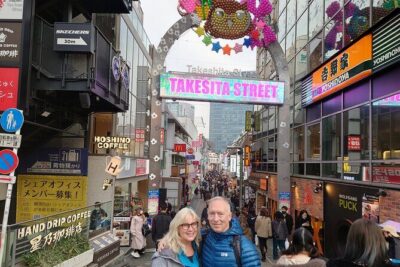 ★ 5.0Tokyo 8hr Private Tour with Licensed Guide from YokohamaFrom $20194 reviews
 ★ 5.0【Tokyo】JDM Daikoku Parking Area & Nissan Facility TourFrom $5587 reviews
 ★ 4.5Narita Airport: One Way Private Transfer to Tokyo|Yokohama HotelsFrom $7769 reviews
 ★ 5.0R34Skyline Daikoku PA Fast & Furious Private ExperienceFrom $10963 reviews
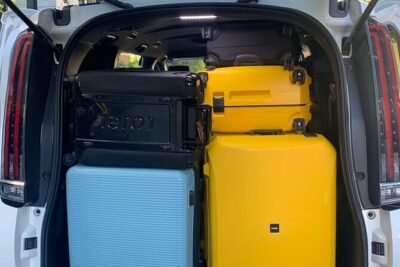 ★ 5.0Shuttle Van Transfer, Yokohama(Port)⇒Tokyo, Narita, Haneda, TDRFrom $12263 reviews
Browse the lists this tour appears in