
Reviewed · ASAKUSA TOURS
Tokyo’s Must-Sees: 5-hour Tsukiji, Akihabara & Asakusa Tour
Five hours, three Tokyo icons, one smooth plan. This tour is a time-saver that strings together Tsukiji Fish Market energy, certified guide storytelling, and classic Asakusa sights without you having to plot every step. I like that lunch and market tastings are included (with vegetarian and vegan options), and I also like the no-hassle photo approach where the guide handles the pictures for you.
One real consideration: it’s a walking-heavy route, so comfortable shoes matter. If you’re sensitive to heat/cold or have mobility limits, this likely won’t feel easy.
In This Review
- Key things that make this tour worth your time
- A smart 5-hour Tokyo loop for limited time
- Tsukiji Honganji Temple and the fish market without the guesswork
- Akihabara stops: Super Potato and Akiba Cultures Zone
- The transfer toward Ueno, then straight to Asakusa
- Asakusa classics: Kaminarimon and Senso-ji with lunch included
- Food tastings, lunch, and how to handle dietary limits
- Price and logistics: what you’re really paying for
- Which guide style you’ll likely appreciate
- Should you book this Tsukiji, Akihabara & Asakusa tour?
- FAQ
- How long is the Tsukiji, Akihabara & Asakusa tour?
- Where does the tour start and end?
- How big is the group?
- What food is included?
- Can I get vegetarian or vegan lunch?
- Do I need to pay for entry tickets?
- Are there extra costs during the tour?
- Will I get help with photos?
- Is the tour suitable for people with mobility issues?
Key things that make this tour worth your time
- Tsukiji starts at Tsukiji Honganji Temple, so you ease into the area with context before heading into the market
- 2–3 food samplings in the market plus lunch in Asakusa means you’re not just sightseeing—you’re eating your way through Tokyo
- Photo support is included, so you can focus on sights instead of constantly lifting your phone
- Akihabara game and anime culture stops include Super Potato and Akiba Cultures Zone
- Small group size (max 7) keeps the pace manageable and the guide easier to hear
- Cash-light logistics: train fares aren’t included, but you can cover them with an IC card
More mornings around Senso-ji and the old town
- Tokyo: Japanese Dance Cabaret Theater Asakusa-Kaguwa Ticket★ 4.8 · 2,270 reviews
- Tokyo: Asakusa Walking Tour with Sensoji Temple Visit★ 4.8 · 1,583 reviews
- Tokyo Asakusa Rickshaw Tour★ 5.0 · 1,375 reviews
A smart 5-hour Tokyo loop for limited time
If your Tokyo days are packed, this kind of structured neighborhood crawl is a lifesaver. You hit three of the city’s biggest “first time in Tokyo” zones—Tsukiji, Akihabara, and Asakusa—within about five hours. The value here isn’t just where you go; it’s how you move between places without wasting time figuring out the route.
I especially like the way the tour balances “big sights” with practical pacing. A certified guide helps you make sense of what you’re seeing, and you’re given food stops that are actually part of the experience. When people want Tokyo highlights, but they also want to eat and learn a bit, this tour fits that goal.
The group size is small (up to 7), which matters in busy areas. You’ll still be around crowds—this is Tokyo—but you won’t feel like you’re trapped in a giant group with no personal attention.
Tsukiji Honganji Temple and the fish market without the guesswork
The tour begins at 築地本願寺 正門 (Tsukiji Honganji Temple). This is a strong starting point because it’s a real landmark—one of the leading temples in Tokyo—and it places Tsukiji in a wider context beyond “markets and seafood.” It’s also free to enter, so you can arrive, get oriented, and settle into the tour rhythm without spending time in another ticket line.
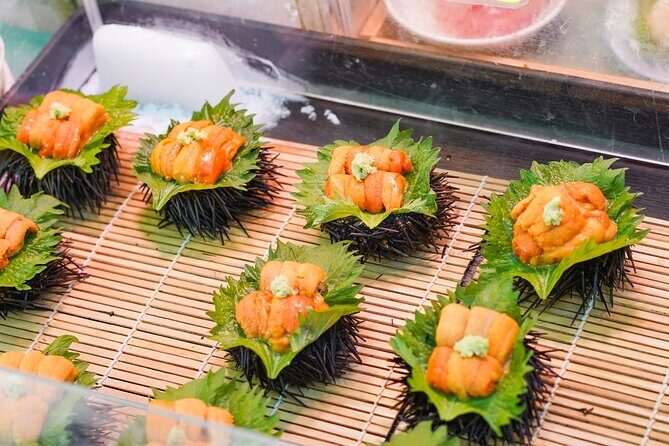
From there, you head into Tsukiji Fish Market for a walk-around and fresh seafood tastings. The market experience is intense in the best way: lots of sights, sounds, and smells, plus plenty to snack on as you go. You’re not left to wander aimlessly either. The guide’s job is to point out what’s worth trying and how to approach the stalls.
A practical tip: plan to keep your hands free for eating and simple photo moments. Even if you don’t take many photos yourself, you’ll still want room to sample comfortably. And because the tour provides 2–3 food samplings, you’ll get more value than if you just buy random items on your own.
Akihabara stops: Super Potato and Akiba Cultures Zone
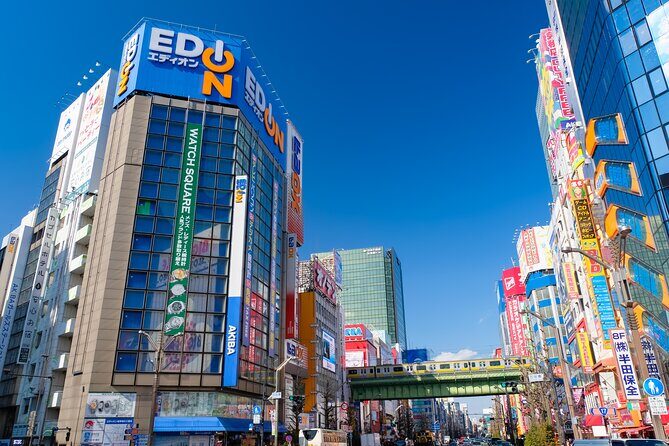
After the Tsukiji portion, the tour shifts gears into Akihabara, Tokyo’s famous zone for game and anime culture. This is one of those places where it’s easy to get overwhelmed—too much to see, too many storefronts, and way too many things you didn’t know you needed.
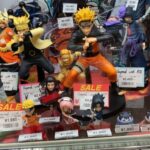
Here, the benefit is that you’re guided to specific places instead of aimlessly drifting through side streets. The stops include Super Potato and Akiba Cultures Zone, plus time to walk around and get your bearings in the area. Super Potato is the kind of shop you can lose an hour to if you’re not careful, and Akiba Cultures Zone helps you understand the neighborhood beyond just flashy signage.
Another plus: since the tour includes tour photos, you can spend less time framing shots and more time looking at what matters to you. If you like retro games, character goods, arcade culture, or just the visual energy of Akihabara, this part is usually where the tour feels most fun and spontaneous.
The transfer toward Ueno, then straight to Asakusa
You then move through the city toward Ueno and continue onward into Asakusa. The key point for you is that this tour is built as a tight route: it tries to connect neighborhoods efficiently, so you don’t lose half a day bouncing between distant areas on your own.
Since “train fees” are listed as 390 yen and not included, you’ll likely cover a short segment by public transport during the day. Bring some cash, but you can also use an IC card. This is one of those small details that makes or breaks the experience. When you’re already on a schedule, fumbling for tickets is the last thing you want.
As you head into Asakusa, the tone shifts again—from tech and pop culture to old-town Tokyo. That contrast is part of the payoff of doing these neighborhoods in one go.
Deeper into Electric Town


Asakusa classics: Kaminarimon and Senso-ji with lunch included
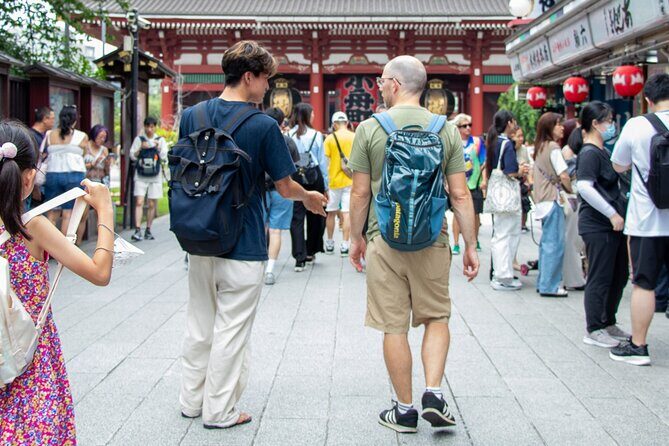
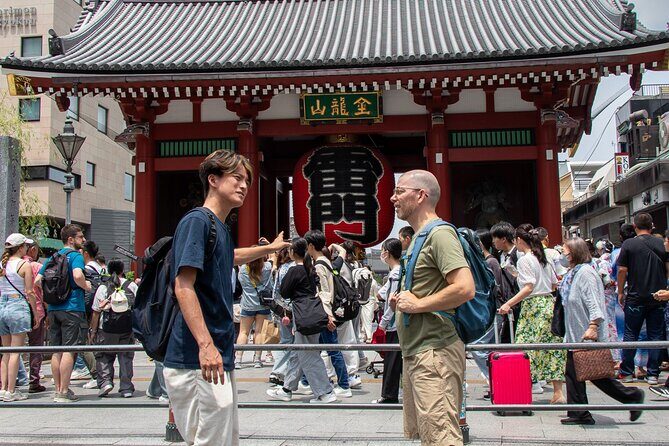
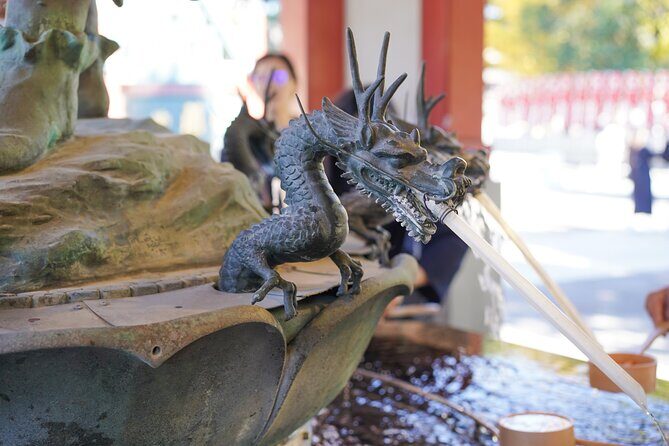
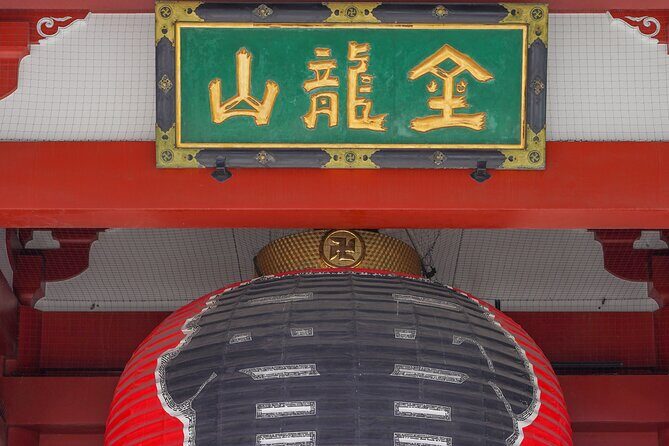
Asakusa is where the tour slows down in a good way. You visit Kaminarimon Gate and Senso-ji Temple, including guided time to walk around and learn how people pray at Japanese temples. That religious-practice context is one of those small things that makes a big difference. You’re not just staring at a landmark—you’re understanding what’s happening and why.
Senso-ji is described as the oldest temple in Japan, and the tour gives you time to see the gate and the temple area at a comfortable pace. You also get time for lunch here, and it’s not “snack-sized.” Lunch is included, with vegetarian and vegan options available if you request in advance.
A note on the lunch request process: you need to inform the company at least 1 day before the tour if you have dietary requests or allergies. Also, the data is clear that allergy-free meals can’t be guaranteed because the food is prepared in kitchens not controlled by the tour. If you have serious allergies, that’s a detail you should take seriously, not ignore.
If you want a practical takeaway, it’s this: Asakusa is your chance to reset and actually sit down and eat. It makes the rest of the day feel more complete, not just like a string of stops.
Food tastings, lunch, and how to handle dietary limits
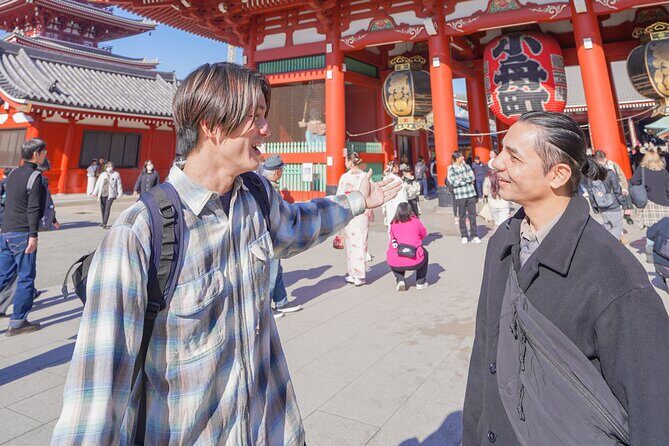
This tour is structured around food in a way that feels useful. You get 2–3 market samplings, plus lunch in Asakusa. That’s a big deal in Tokyo, where snacks can add up fast. By bundling tastings and lunch, you can budget more predictably, and you don’t have to guess what to order on the fly.
The vegetarian/vegan situation is handled thoughtfully on paper: options are available if you request ahead. What you need to watch is timing and expectations. Requests must be made at least one day before, and allergy-free substitutions aren’t guaranteed.
So here’s the honest way to plan: if you’re vegetarian or vegan, you’re in a good spot. If you have allergies, double-check your situation and consider whether you need a more specialized tour where the provider can better manage food risk. This isn’t a promise of allergy-safe meals—it’s an effort, within constraints.
Also remember: additional food and drinks aren’t included. If you love to keep sampling beyond what’s planned, you’ll spend extra. But even then, your main meals are covered, so you’re not stuck paying full price for every snack.
Price and logistics: what you’re really paying for
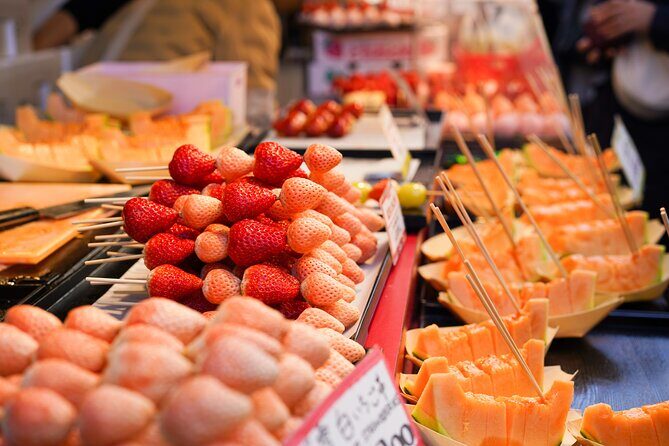
At $101.74 per person, the price sounds simple until you break down what’s included. You’re paying for:
- A certified guide
- Tsukiji Fish Market walk and samplings
- Lunch in Asakusa
- Tour photos
- A structured route through multiple neighborhoods in about 5 hours
- A small group size capped at 7 travelers
That’s not just convenience. Guides matter in places like Tsukiji and Akihabara because they help you focus. You’re not just being transported; you’re being guided toward what to see and what to try.
The trade-off is that you still have to walk a fair amount. There are short breaks, but this isn’t framed as an easy stroll for mobility issues. If your pace is slower, you may feel rushed or uncomfortable.
Transport is another small cost: train fees (390 yen) are not included. The good news is it’s a single, clearly stated amount, and you can use an IC card.
Finally, do plan to start on time. The rules are firm: the tour must start on time, and if you’re late and miss the group, you can’t join or get a refund/reschedule. Tokyo’s public transport is excellent, but it’s still worth building in a buffer.
Which guide style you’ll likely appreciate
The best part of tours like this is often the guide’s tone. From what I’ve seen in similar experiences, a guide can turn a list of stops into a story you remember.
This tour works with certified guides through MagicalTrip, and the guide names you might encounter include people like Kenji and Hana. Kenji is described as friendly, generous, and informative, and Hana is described as very informative and lovely. That’s exactly the style you want for a route that mixes food, temples, and a big pop-culture neighborhood like Akihabara.
So when you’re choosing this tour, don’t just look at the route. Look for the kind of guide personality that matches your travel style. If you like learning in small chunks while moving through real neighborhoods, this fits.
Should you book this Tsukiji, Akihabara & Asakusa tour?
Book it if you want a fast, well-organized hit of Tokyo’s most recognizable areas and you don’t want to plan the day line-by-line. This tour is especially good for first-time visitors who want Tsukiji tastings, Akihabara pop-culture stops, and Asakusa temple sights in one 5-hour package.
I’d also say it’s a strong choice if you value included meals and hate the constant decision fatigue of choosing food and guessing where to go next. Lunch plus market tastings help you keep momentum.
Skip it or consider a private alternative if you have mobility concerns. The walking and crowd environment aren’t positioned as comfortable for limited mobility, and summer heat can be brutal with highs around 40°C.
If you’re the type of traveler who likes structure but still wants to roam a little, you’ll probably enjoy this one. It gives you the big Tokyo impressions, with just enough guidance to keep the day smooth.
FAQ
How long is the Tsukiji, Akihabara & Asakusa tour?
The tour lasts about 5 hours.
Where does the tour start and end?
It starts at 築地本願寺 正門 in Tsukiji (Chuo City) and ends in Asakusa (Taito City).
How big is the group?
The tour has a maximum group size of 7 travelers.
What food is included?
You get 2–3 food samplings in the market and lunch in Asakusa.
Can I get vegetarian or vegan lunch?
Yes. Vegetarian and vegan options are available if you request them at least 1 day in advance. Requests made on the day can’t be accommodated, and allergy-free meals aren’t guaranteed.
Do I need to pay for entry tickets?
The included stops list free admission for Tsukiji Honganji Temple and time at the Tsukiji Fish Market.
Are there extra costs during the tour?
Train fees (390 yen) are not included. You can use cash or an IC card for trains.
Will I get help with photos?
Yes. The tour includes tour photos, and the guide takes them and sends them to you.
Is the tour suitable for people with mobility issues?
It’s not recommended for people with mobility issues due to the walking involved. If you need it easier, consider a private tour.
Back to the Market: More Tsukiji Tours



Further into Akihabara

Around Senso-ji: More Asakusa Picks
Fresh reviews from around Tokyo






Asakusa Tours, compared.
 ★ 4.8Japanese Dance Cabaret Theater Asakusa-Kaguwa TicketFrom $492,270 reviews
 ★ 4.7Meiji Shrine, Asakusa, Skytree Bus Tour and CruiseFrom $1221,986 reviews
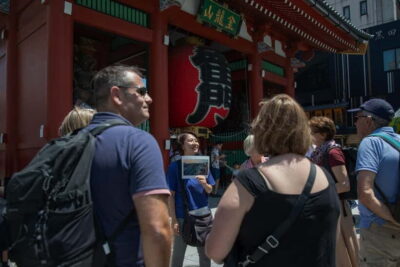 ★ 4.8Asakusa Walking Tour with Sensoji Temple VisitFrom $221,583 reviews
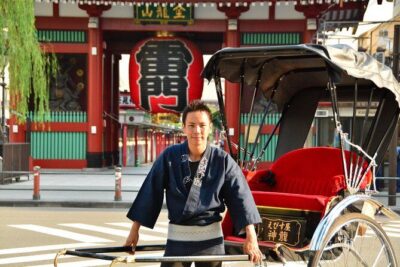 ★ 5.0Tokyo Asakusa Rickshaw TourFrom $421,375 reviews
 ★ 4.5Tokyo Panoramic 1 Day: Meiji Shrine, Asakusa, Odaiba and SKYTREE®From $851,222 reviews
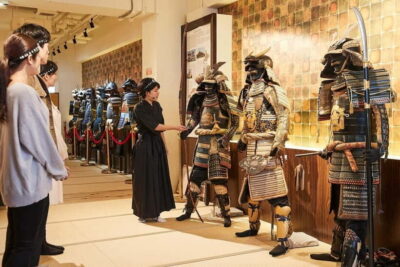 ★ 4.8Samurai Ninja Museum Asakusa: Samurai Sword Lesson & TourFrom $63306 reviews
Asakusa Sightseeing Tour by RickshawFrom $35195 reviews
Asakusa Kimono Dressing and Matcha ExperienceFrom $56173 reviews
★ 4.8Samurai Ninja Museum Asakusa: Samurai Sword Lesson & TourFrom $63306 reviews
Asakusa Sightseeing Tour by RickshawFrom $35195 reviews
Asakusa Kimono Dressing and Matcha ExperienceFrom $56173 reviews
Browse the lists this tour appears in