
Reviewed · ASAKUSA TOURS
Tokyo Asakusa Rickshaw Tour
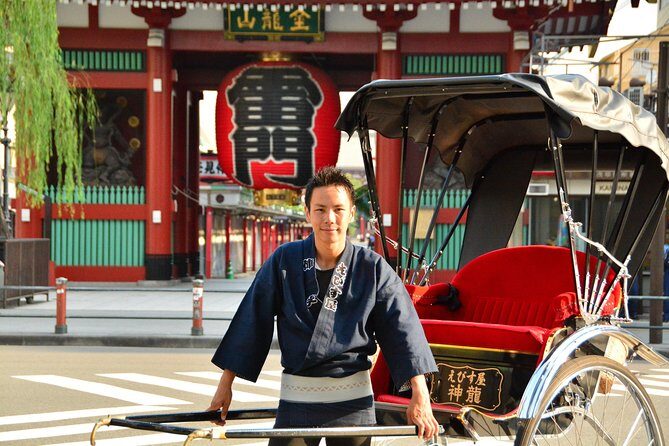
Old Tokyo rolls by—at bicycle speed. This Asakusa rickshaw tour blends Edo-era streets with modern Tokyo skyline views like the Skytree, and you can shape the route around your interests. You’ll move landmark to landmark with a guide, pausing for photos and stories as the neighborhood shifts from traditional lanes to city-side sights.
I love the easy pace. You get stop-and-go sightseeing that feels personal, not like you’re glued to a bus schedule. I also like the detail level, like why Ushijima Shrine has three entrance gateways, or what makes Honryuin Matsuchiyama Shoden famous for radishes on lanterns.
One drawback to plan for: rickshaws have limits where you can ride. There’s no rickshaw ride in the Sensoji/Asakusa Temple area, so you’ll walk parts of that section, and the rickshaw is snug for broader bodies.
In This Review
- Key Things That Make This Tour Worth Your Time
- Asakusa by Rickshaw: What Changes When You Slow Down
- Meeting Outside Asakusa Station and Getting Your Route Right
- The Big Rule: Where the Rickshaw Can’t Go (Sensoji/Asakusa Temple Area)
- Edo Streets and Historic Facades: The “Walk Through Time” Section
- “Raccoons” on a Themed Street: Silly Fun With Local Color
- Shrines, Temples, and the Meaning Behind the Odd Details
- Ushijima Shrine: The Three-Entrance Gate Detail
- Honryuin Matsuchiyama Shoden: Radishes on Lanterns
- Imado Shrine: Manekineko Cat Lore
- Sensoji Temple Area Logic: Shinto and Buddhism in the Same Neighborhood
- Relax in the Garden and Spot the Lucky Fortune Cow Shrine
- Asahi Beer Headquarters and the Golden Flame
- Sumida River and Skytree Viewpoints: Where You’ll Want to Stop for Photos
- The Entertainment District Time Machine: Rokku Street and Old Shows
- Guide Skills: When the Human Touch Changes the Whole Ride
- Comfort and Fit: Rickshaw Size Matters More Than You Think
- Price and Value: What You’re Actually Paying For
- So Who Should Book This Tour?
- Should You Book the Tokyo Asakusa Rickshaw Tour?
- FAQ
- How long is the Tokyo Asakusa Rickshaw Tour?
- Where do I meet and where does the tour end?
- Can I customize what we see in Asakusa?
- Is the rickshaw ride allowed inside the Sensoji/Asakusa Temple area?
- What’s included in the price?
- What is not included?
- What’s the cancellation and weather situation?
Key Things That Make This Tour Worth Your Time
- Custom route based on what you want most: temples, photos, food-area vibes, entertainment district history, or all of it.
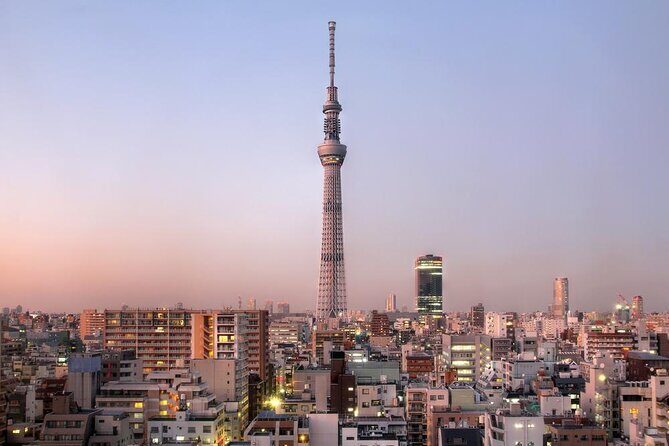
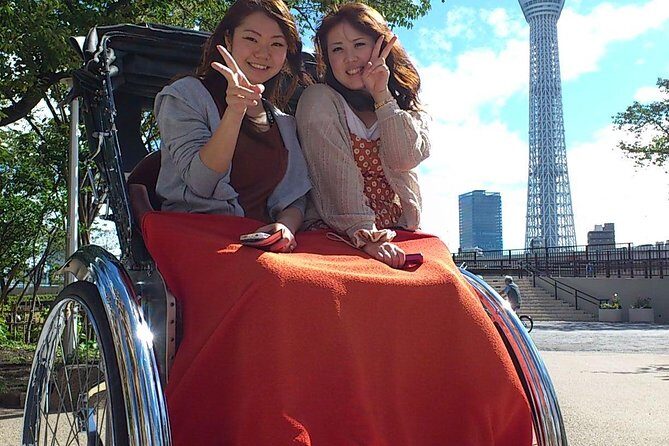
- Photo-ready Skytree viewpoints across the Sumida River and from Sumida Park.
- Shrink-the-day sightseeing: Edo-street facades, shrines, and themed alley stops in a short window.
- Small-shrine details that don’t feel random (three-entrance gate at Ushijima, radish lanterns at Honryuin, cat lore at Imado).
- Rickshaw ride experience on “you time,” not rush time with warm comfort items noted by riders (like seat warmers and rugs).
- Real local character stops such as the Asahi headquarters area and the raccoon-themed street.
More mornings around Senso-ji and the old town
- Tokyo: Japanese Dance Cabaret Theater Asakusa-Kaguwa Ticket★ 4.8 · 2,270 reviews
- Tokyo: Asakusa Walking Tour with Sensoji Temple Visit★ 4.8 · 1,583 reviews
- Tokyo Asakusa Rickshaw Tour★ 5.0 · 1,375 reviews
Asakusa by Rickshaw: What Changes When You Slow Down
Asakusa is one of those Tokyo neighborhoods where old and new share the same sidewalk. You’ll see traditional-religious spots and classic streets lined with seasonal trees, then look up and catch skyscrapers and modern business behind the charm.
A rickshaw adds something buses can’t: sound and closeness. You’re at a human scale, so street life feels right there next to you. And because this is customizable, you can spend more time on what pulls you in—shrines, photography, or the odd-but-fun themed streets.
Meeting Outside Asakusa Station and Getting Your Route Right
You’ll make your own way to the meeting point outside Asakusa Station (at 1-chōme-1-4 Asakusa, Taito City). After you meet your guide, you’ll hop in the rickshaw and start moving through the neighborhood with a route that can be adjusted on the spot.
You also need to know the end won’t be a strict “back here” situation. The tour finishes at a nearby location of your choosing, and the exact drop location is decided the day of the tour with your guide. That flexibility is useful if you’re pairing this with something else later—dinner, a museum, or a river stroll.
The tour runs anywhere from 30 minutes to about 3 hours, depending on the option you select and how long your stops take. Shorter versions work well for a first visit, while longer versions give you breathing room at the shrines and river viewpoints.
The Big Rule: Where the Rickshaw Can’t Go (Sensoji/Asakusa Temple Area)
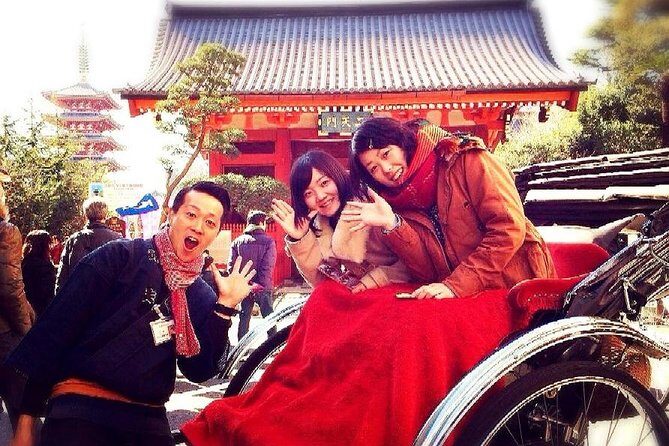
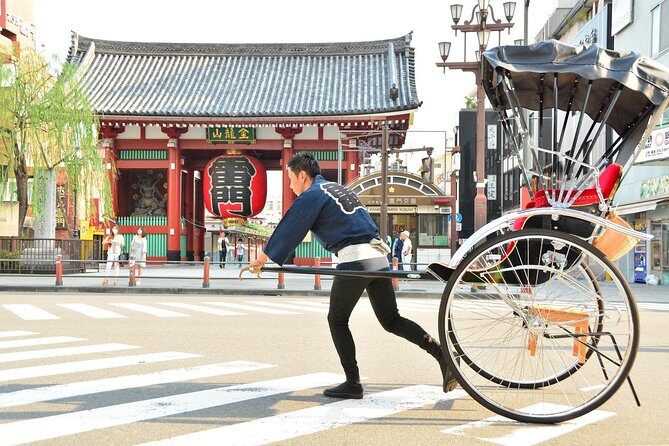
Here’s a key planning point: no rickshaw ride is allowed in the Sensoji Temple/Asakusa Temple area, including the temple buildings, temple grounds, and the Nakamise shopping street.
So instead of expecting one continuous ride through the busiest temple zone, think of it like this: you’ll get a rickshaw experience for the surrounding streets and nearby landmarks, then walk the temple-area section. That actually helps. It keeps you from fighting the most crowded pedestrian bottlenecks and lets you experience the temple approach at a human walking pace.
If you’re trying to protect your feet, this is the time to wear comfortable shoes. It’s not a “light stroll” forever, but it is a real part of the day.
Edo Streets and Historic Facades: The “Walk Through Time” Section
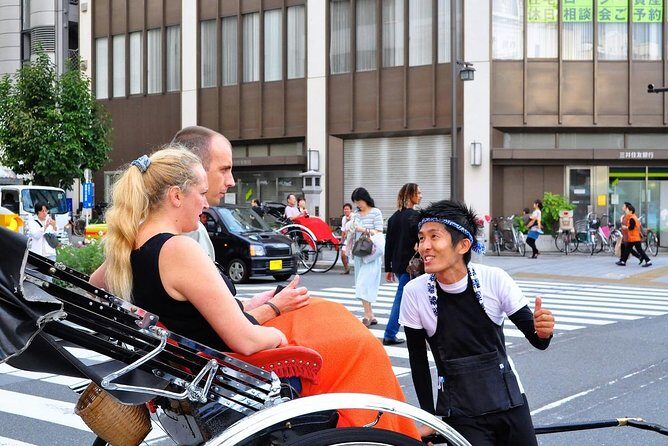
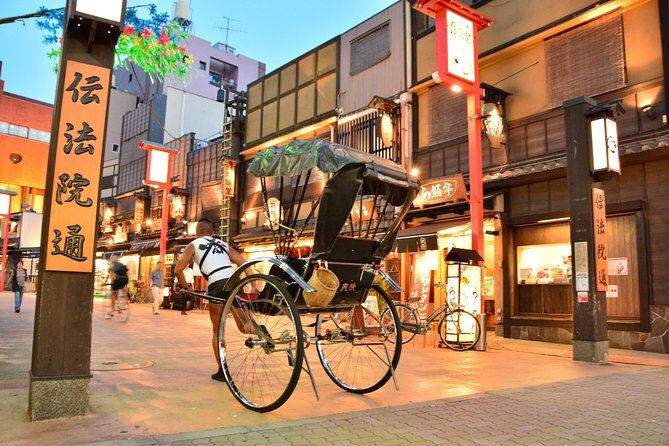
One of the tour’s strengths is that it doesn’t treat Asakusa as one big temple stop. You’ll spend time on a historic street area with old-storefront and housing facades tied to the Edo period.
This is where the neighborhood starts to make sense. Those older building fronts aren’t just decoration—they’re part of why Asakusa feels like a living slice of old Tokyo. You’ll also hear background as you go, which tends to turn photo-taking into actual understanding.
If you enjoy architecture or street photography, this is the section to slow down for. Look at street corners. Pay attention to how the lanes pinch and widen. That rhythm is part of what you’re paying for.





“Raccoons” on a Themed Street: Silly Fun With Local Color
At some point, you’ll likely hit a quirky street where the theme is raccoons, with raccoon figurines placed every few meters. It sounds random until you’re standing there and realize how Asakusa keeps room for playful detail next to serious shrines and gardens.
I like stops like this because they break up the heavy sightseeing mood. You get a laugh, you get a photo, and you get a reminder that neighborhoods have personality, not just monuments.
If you’re traveling with kids, this is an easy win. For adults, it’s still worth it because it shows the lighter side of local culture.
Shrines, Temples, and the Meaning Behind the Odd Details
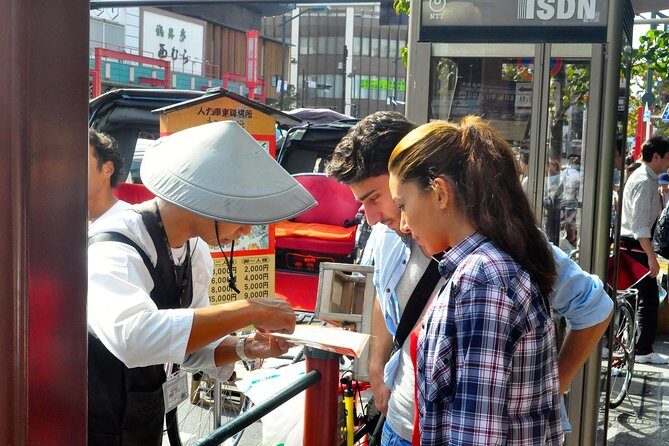
This tour is strong when it comes to religious context. You’re not just shown where to point a camera. You learn differences and coexistence—especially between Shinto shrines and Buddhist temples in the same wider area.
Ushijima Shrine: The Three-Entrance Gate Detail
One stop option is Ushijima Shrine (about 15 minutes). You’ll hear why this shrine has a gate with three entrances instead of the standard single entrance. That’s the sort of small structural clue that makes cultural sites feel less like generic sightseeing and more like a place with rules, history, and meaning.
Admission tickets aren’t included for this stop, as noted for the shrine time block. Even if you end up not paying for any indoor admission, the outdoor gate-and-street approach is still the main visual.
Honryuin Matsuchiyama Shoden: Radishes on Lanterns
Another shrine/temple stop option is Honryuin Matsuchiyama Shoden (about 15 minutes). The standout story here is why there are so many radishes and why radish imagery shows up on lanterns.
It’s an unusual detail, and that’s exactly why I like it. The tour doesn’t only pick “famous” landmarks. It includes the kind of cultural quirks that you’d never notice on your own while scrolling on a map.
Admission tickets aren’t included for this stop either, based on the note tied to the time block.
Imado Shrine: Manekineko Cat Lore
You may also visit Imado Shrine (about 15 minutes). This stop is famous for cat figurines, especially the beckoning cat (manekineko). It’s one of those Asakusa icons that feels familiar even before you see it in person.
This is a great pause if you want something light and instantly readable. The symbolism is easy to understand, and you get a fun photo moment without needing a long explanation.
Sensoji Temple Area Logic: Shinto and Buddhism in the Same Neighborhood
You’ll pass the colorful gate leading into the Sensoji Temple and Asakusa Shrine area. One stop focuses on a shinto shrine located on the grounds of Sensoji, with a clear explanation of how Shinto and Buddhism can coexist peacefully.
That part matters because Asakusa can otherwise feel like a “temple maze.” When you understand the relationship, you stop treating the sites like separate checkboxes and start seeing the neighborhood as one shared spiritual space.
Relax in the Garden and Spot the Lucky Fortune Cow Shrine
The tour can include time in a Japanese garden where you can see the Lucky Fortune Cow Shrine. I like this stop because it slows the whole day down.
A garden break is not “extra.” It’s the reset button that makes the rest of the landmarks feel easier to enjoy. You’ll be outside, around trees, and likely calmer than the main temple front.
If you’re planning a long day, this is the kind of stop that keeps you from overheating or losing focus.
Asahi Beer Headquarters and the Golden Flame
Another highlight option is the Asahi Beer headquarters, including the iconic golden flame on top of the building. This is one of those Tokyo contrasts that works perfectly in Asakusa.
You’re in a historic neighborhood, then you look toward a famous modern brand landmark. It makes the skyline feel closer. It also adds variety so you’re not only moving between shrines.
From a photography standpoint, it’s useful to have one more “big structure” sight in the mix, especially if you’re spending most of your time on smaller details and gates.
Sumida River and Skytree Viewpoints: Where You’ll Want to Stop for Photos
Two areas stand out for views of the Tokyo Skytree.
First, you can get an excellent viewpoint from across the Sumida River. That’s a known photo spot, and it’s timed so you’re not scrambling at the last second.
Second, the Sumida Park stop gives you a longer stretch to relax. In spring, it’s where you can see cherry blossoms, but even outside peak bloom, it’s a solid place to take a breath and let your eyes adjust to the river width.
This is also where the experience feels more “vacation” and less “tour.” You can sit, look at the river line, and enjoy the skyline across the water.
The Entertainment District Time Machine: Rokku Street and Old Shows
Asakusa isn’t only temples. The tour can include stops that point to the old entertainment district.
You may visit Rokku Street, now part of a retro district, which used to be the main entertainment hub in Tokyo before the war—complete with cinemas and theatres. There’s also time at a venue that’s described as the heart of Asakusa’s entertainment district, focused on Japanese comedy and shows.
If you’re the type who likes history that isn’t locked in museums, these stops are fun. They show why Asakusa became what it is: a place where people went to socialize and be entertained, not just to pray.
Guide Skills: When the Human Touch Changes the Whole Ride
A rickshaw tour lives or dies on your guide. The good ones don’t just recite facts. They read your mood, adjust pace, and make the stops feel connected.
I noticed that many guides named in recent experiences are engaging and energetic. You might meet drivers like Issy, Micchy, Kei, Koko, Takumi (and Mr T), Taisei, Nene, BUCHI, or Yusuke. The common thread in their style is how they talk through what you’re seeing, then help with practical choices like where to stand for photos or where to aim next.
Some riders also noted extra perks like warm comfort items (seat warmers and rugs) and a guide who even took photos. One rider described a guide as funny, high-energy, and a strong navigator. Another mentioned a guide showing a scene from Demon Slayer for a kid—proof that history explanations can still feel fun.
Comfort and Fit: Rickshaw Size Matters More Than You Think
Rickshaws can seat two adults, and that can be great for couples. But there are real physical considerations.
Each rickshaw is about 74 cm (29.1 inches) wide, so if you’re larger-bodied, you might prefer booking individual rickshaws for comfort. If you don’t both fit in one rickshaw, you’ll need an additional rickshaw, which may not be available unless you book in advance.
For families: children age 5 and under may ride free of charge if they sit on an adult’s lap. Up to two children (5 or under) can ride with two adults on a lap setup. If a child 5 years old needs to use one of the rickshaw seats, that child must book as an adult.
This is one of those travel details you should treat seriously. A tour that feels snug can still be safe and enjoyable, but comfort is easier to protect with the right setup.
Price and Value: What You’re Actually Paying For
The price is $42.90 per person, which sounds straightforward, but value depends on what you need.
You’re paying for:
- A local rickshaw driver and a ride experience you can’t replicate with a subway pass.
- A customizable route, so you’re not locked into a single rigid checklist.
- Time with a guide who can connect places through stories (like shrine gate design, radish lantern meaning, cat symbolism, and the Shinto/Buddhism coexistence explanation).
What’s not included: food and drinks, and there’s no hotel pickup/drop-off. So plan to eat before or after, and plan your own arrival at the meeting point.
Because the tour can run from 30 minutes to about 3 hours, the value is strongest if you choose a length that matches your travel style. If you only want a quick “orientation,” the short option can make sense. If you want the full Asakusa neighborhood feel—shrines, river views, and entertainment history—the longer option is where you’ll feel the money stretched the right way.
So Who Should Book This Tour?
This rickshaw tour is a great fit if you:
- Want a short route that still touches many Asakusa highlights
- Like learning why places look the way they do, not just where they are
- Prefer a slower, human-scale pace over mass sightseeing
- Want a fun, lighthearted street stop (like the raccoon-themed alley)
It’s also a good choice for rainy-day flexibility, since at least one rider noted staying dry and warm. Still, this experience requires good weather, so check conditions close to tour time.
If you’re traveling with mobility limits, the “no rickshaw in the Sensoji/Asakusa Temple area” rule means you’ll be walking in the busiest zone. Comfortable shoes matter.
Should You Book the Tokyo Asakusa Rickshaw Tour?
I’d book it if you’re excited by the idea of Asakusa as a layered neighborhood—Edo street texture, shrine symbolism, and river skyline moments in one flow. The customization is a real advantage. Tell your guide what you care about first, then let them connect the dots.
I’d think twice if you’re expecting a continuous ride through the Sensoji complex, or if your group needs very specific drop-off locations and you don’t want any walking segments. Also, if comfort is a top priority and you don’t fit well in narrow seating, consider individual rickshaws early.
If you choose the right tour length and plan for the walking portion around Sensoji, you’ll get a genuinely memorable Asakusa “quick read” with plenty of moments to stop, look up, and take a photo.
FAQ
How long is the Tokyo Asakusa Rickshaw Tour?
It typically runs from about 30 minutes to about 3 hours, depending on the option you select and which stops are possible for that duration.
Where do I meet and where does the tour end?
You meet at 1-chōme-1-4 Asakusa, Taito City, Tokyo 111-0032, Japan. You’ll end at a nearby location on Kan’non-dōri1-chōme-2-11 Asakusa, though the final finishing point is decided on the day of the tour with your guide.
Can I customize what we see in Asakusa?
Yes. You’ll tell your guide what you’re most interested in, and the tour is customizable based on your preferences.
Is the rickshaw ride allowed inside the Sensoji/Asakusa Temple area?
No. No rickshaw ride is allowed in the Sensoji Temple/Asakusa Temple area, including the temple buildings, temple grounds, and Nakamise shopping street.
What’s included in the price?
Included are a local rickshaw driver and the rickshaw ride itself.
What is not included?
Hotel pickup and drop-off, and food and drinks are not included.
What’s the cancellation and weather situation?
Cancellation is free if you cancel up to 24 hours in advance for a full refund. The experience requires good weather, and if it’s canceled due to poor weather, you’ll be offered a different date or a full refund.
More Tours in Tokyo

More Tour Reviews in Tokyo



Around Senso-ji: More Asakusa Picks
Fresh reviews from around Tokyo






Asakusa Tours, compared.
 ★ 4.8Japanese Dance Cabaret Theater Asakusa-Kaguwa TicketFrom $492,270 reviews
 ★ 4.7Meiji Shrine, Asakusa, Skytree Bus Tour and CruiseFrom $1221,986 reviews
 ★ 4.8Asakusa Walking Tour with Sensoji Temple VisitFrom $221,583 reviews
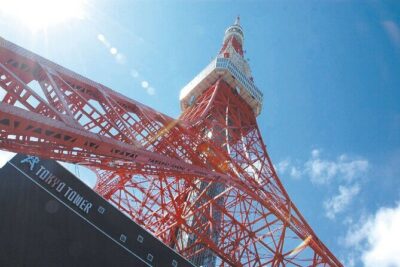 ★ 4.5Tokyo Panoramic 1 Day: Meiji Shrine, Asakusa, Odaiba and SKYTREE®From $851,222 reviews
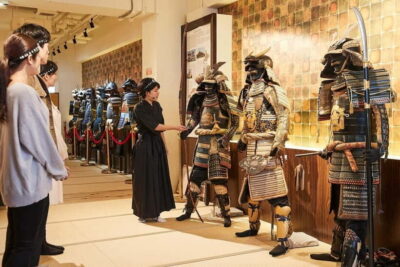 ★ 4.8Samurai Ninja Museum Asakusa: Samurai Sword Lesson & TourFrom $63306 reviews
Asakusa Sightseeing Tour by RickshawFrom $35195 reviews
Asakusa Kimono Dressing and Matcha ExperienceFrom $56173 reviews
Asakusa Temple & Shrine Walking Tour with Local GuideFrom $30105 reviews
★ 4.8Samurai Ninja Museum Asakusa: Samurai Sword Lesson & TourFrom $63306 reviews
Asakusa Sightseeing Tour by RickshawFrom $35195 reviews
Asakusa Kimono Dressing and Matcha ExperienceFrom $56173 reviews
Asakusa Temple & Shrine Walking Tour with Local GuideFrom $30105 reviews
Browse the lists this tour appears in