
Reviewed · AKIHABARA OTAKU TOURS
Tokyo: Original Street Kart Experience from Akihabara
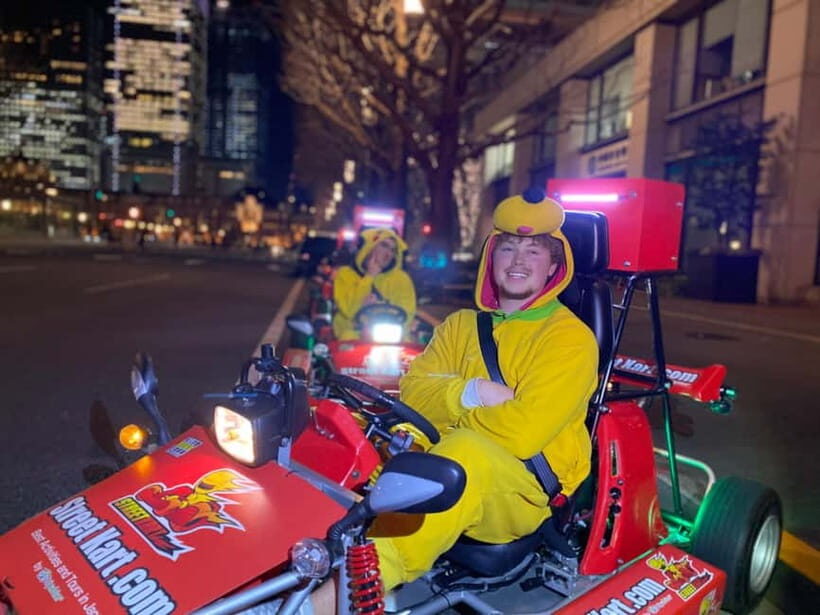
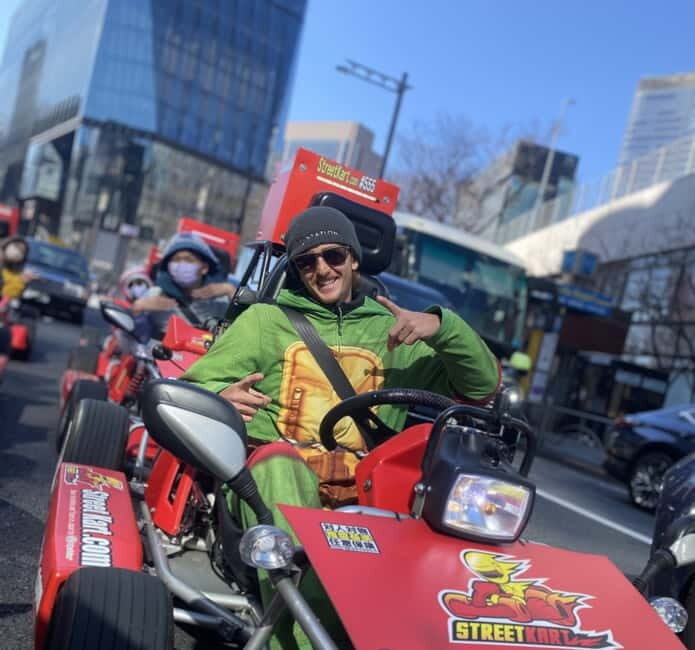
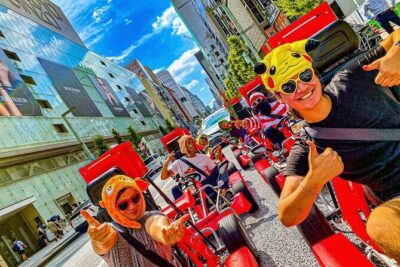
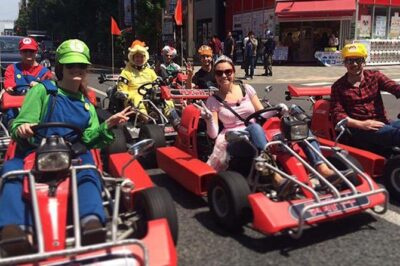
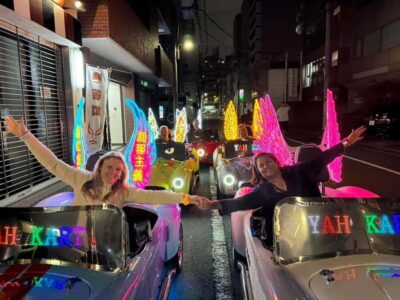
Tokyo has a way of surprising you. This street go-kart ride is one of them, turning Akihabara and the Tokyo Station area into your personal runway. You’ll pick a costume, hop into a custom-made kart, and follow your guide through real roads while onlookers wave and smile.
I especially love the combo of anime/game cosplay and the genuine city driving feel. I also like how the guides keep it fun and organized, with photo stops and safety signals (I’ve seen guides use clear hand signals and take loads of pictures). One drawback to weigh: it’s only about an hour, so if you’re hoping for a long road trip, you may wish it ran a bit longer.
Before you go, the paperwork part matters. You’ll need special documents to drive in Japan, usually a physical International Driving Permit plus your passport, and you can’t use your own cell phone during the ride.
In This Review
- What’s Special About Street Kart Akihabara 1
- Entering the Street Kart World at Akihabara 1
- The Safety Setup: More Than Just Speed
- Getting Your Costume On (and Why It Changes Everything)
- Marunouchi and the Tokyo Station Area: Business District at Street-Kart Speed
- Ginza Shopping Streets and Akihabara Neon Energy
- Photo Data, Costumes, and the Souvenir Factor
- Price and Timing: Is $51 Worth It?
- What You Need to Drive in Japan (The Non-Negotiable)
- Rules That Affect Your Comfort: Shoes, Phones, and Body Limits
- Guides and Group Vibe: The Human Side of the Ride
- Should You Book Street Kart Akihabara 1?
- FAQ
- How long is the Street Kart Akihabara 1 experience?
- Is there an English-speaking guide?
- Where do I meet the group?
- What documents do I need to drive in Japan?
- Is the costume included?
- What items are not allowed or not included?
What’s Special About Street Kart Akihabara 1
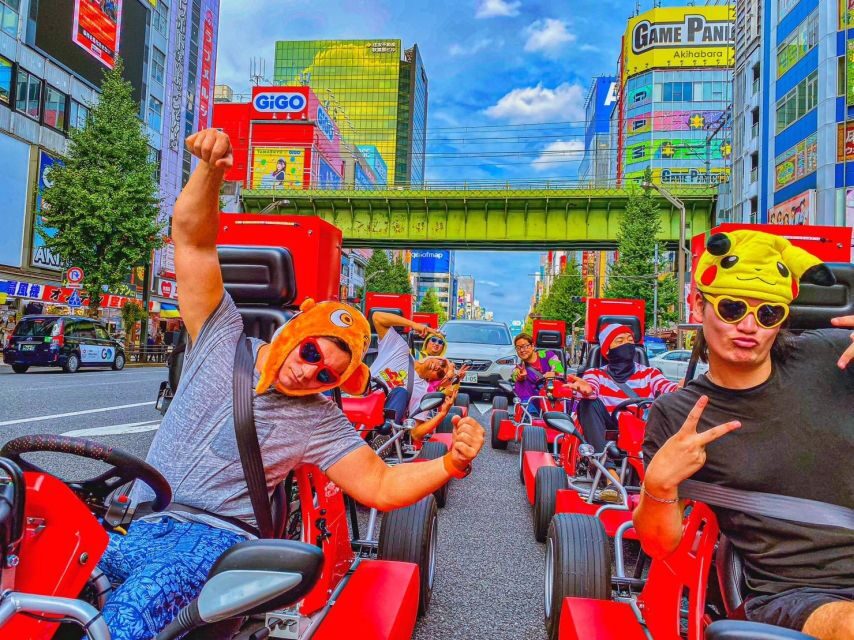
- Custom-made go-karts on real streets instead of a closed track
- Costume rental so you can choose an anime/game character look on arrival
- Small group size (up to 6), which makes staying together easier
- Photo data included, and many guides take tons of shots during the drive
- Multiple iconic districts in one hour: Marunouchi, Tokyo Station area, Ginza, and Akihabara
Deeper into Electric Town
- Official Street Go-Kart Tour – Akihabara★ 5.0 · 1,578 reviews
- Tokyo: Original Street Kart Experience from Akihabara★ 5.0 · 111 reviews
- Ramen Making from Scratch +Akihabara Tour –Tokyo Cooking Class★ 5.0 · 107 reviews
Entering the Street Kart World at Akihabara 1
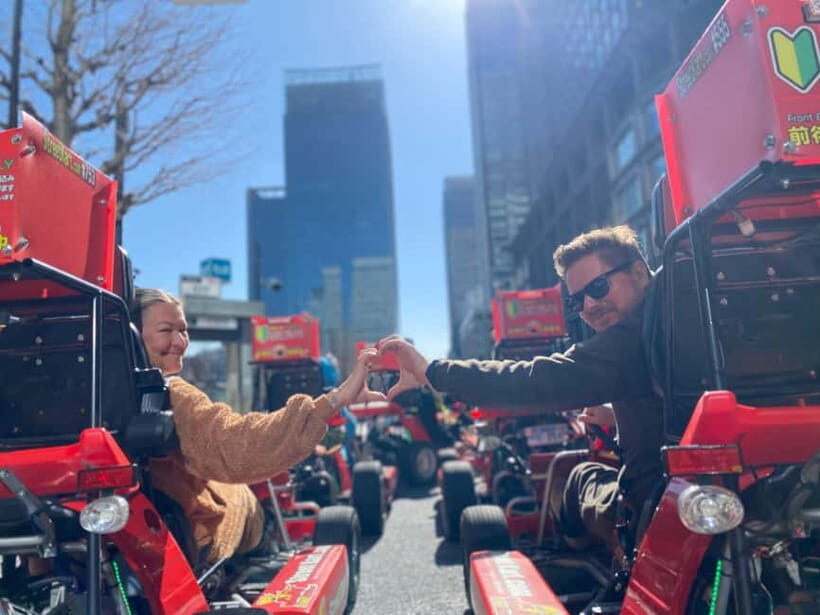
You’ll meet at Street Kart Akihabara 1. Look for the go-karts through the glass doors of the building. That sounds simple, and it is, but Tokyo can make even easy things feel hard if you show up rushed—so I’d rather you arrive early and get your bearings.
Once you’re inside, the flow is pretty straightforward: meet your guide, get instructions, and choose your costume. The costume rental is part of the package, and it’s a big part of why this works. In normal Tokyo, you might feel like a spectator. Here, you become part of the scene.
Dress for motion. You’ll want shoes that feel secure because there are restrictions: no high heels, no sandals or flip-flops, and no slippers. Also, phones aren’t allowed, so don’t plan on checking messages during the ride.
The Safety Setup: More Than Just Speed
This isn’t a free-for-all. The experience is built around formation driving with a guide leading and the rest following. You’ll get safety rules and a safety walkthrough before you start, and the guides are consistent about keeping everyone together.
One thing I’d plan for mentally: you are driving among other cars. Reviews highlight that you still need to be comfortable sharing the road with taller vehicles, even though the operation is organized and guards the group’s safety. If you’re nervous about driving in a city environment, take that as a signal to keep your focus on the guide and follow instructions closely.
In practice, many guides use hand signals and careful positioning at intersections and stoplights. That’s not just for show. It helps you understand what’s happening even when traffic noise and movement make normal cues harder.
Getting Your Costume On (and Why It Changes Everything)
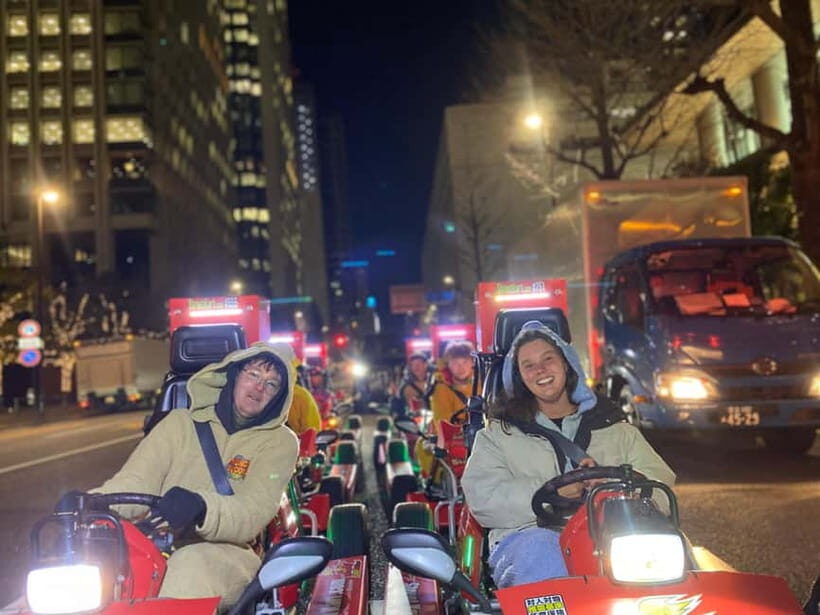
Costume is the secret sauce here. You’re not just driving a kart; you’re driving Tokyo while dressed as a character. That’s why people wave, smile, and take photos of you. It turns the ride into a mini event, not just a transport experience.
I’d treat costume selection like you’d treat outfit choice for a walking day. Go with something you can move in easily and that won’t distract you while steering or buckling up. Also, remember: if your plan is to bring a phone for photos during the ride, that won’t work. Your phone stays out, which means the photos the team provides after the ride become even more valuable.
Marunouchi and the Tokyo Station Area: Business District at Street-Kart Speed
The route is designed to mix Tokyo’s different personalities. One big highlight area is the Marunouchi business district. This is where you get a historic-feeling Tokyo vibe with major office buildings and a sense of order.
As you drive through, you’ll also get a glimpse of the Imperial Palace area in the background. It’s not about standing around for a long sightseeing stop. It’s about seeing Tokyo’s landmark scale while you’re moving.
Then comes Tokyo Station. You’ll sense how big it is right away. Tokyo Station is the hub for 28 platforms, and that fact matters because it makes the station feel less like one building and more like a whole transportation universe. More than one group reports getting a photo stop right in front of Tokyo Station, which is a smart move because it gives you a clean, recognizable frame for your pictures.
If you can choose a time slot, evening rides are a popular pick because city lighting turns the road views into something photo-friendly. Even if you go daytime, the point is the same: you’re seeing central Tokyo from a totally different perspective.





Ginza Shopping Streets and Akihabara Neon Energy
After central landmarks, the ride shifts into two Tokyo styles people remember long after they leave.
First is Ginza, Tokyo’s luxury shopping district. Driving through Ginza in a go-kart is a weirdly perfect contrast: modern storefronts and polished streets while you’re in a costume, grinning, and passing in a formation with your guide.
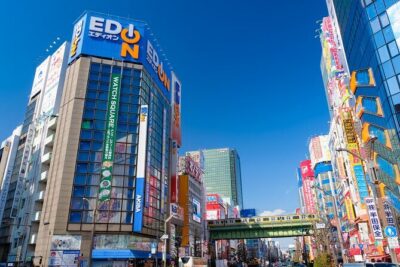
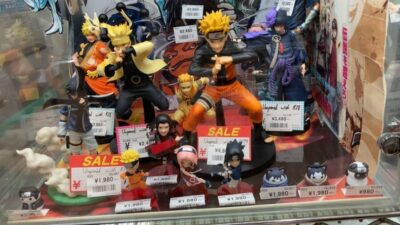
Then you hit Akihabara, and this is where the theme really lands. Akihabara is the mecca of Japanese anime and games, and you’re literally driving through the place your costume is referencing. It’s one of those moments where the experience feels themed on purpose, not just randomly fun.
If you love pop culture, this part can feel extra satisfying because the crowd energy matches the costume energy. If you’re more into city design and street life, you still get the payoff of seeing different districts in a short window.
Photo Data, Costumes, and the Souvenir Factor
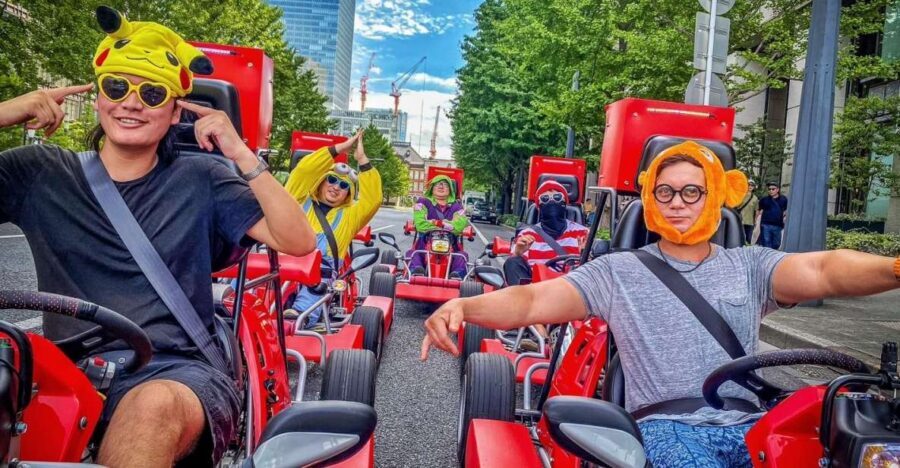
This tour includes photo data. That means you’re not stuck hoping you caught your own best angles on a phone you’re not allowed to use during the ride.
The guides take photos during the experience, and the results matter because you’re moving through busy areas. Review-style comments repeatedly mention guides taking lots of pictures and snapping group shots, plus stopping for landmark photos like in front of Tokyo Station.
Some groups even mention printed photos as a souvenir at the end. I’d treat that as a nice bonus if it happens on your night, but the core promise is still the digital photo data.
If you love recording, check your assumptions about action cameras. Action camera rentals and related media items (like micro-SD and camera mounts) are not included. Also, there’s a caution flag: at least one review notes that using your own mount and action camera didn’t work as expected. So if action-cam is important, ask ahead what’s compatible.
Price and Timing: Is $51 Worth It?
At $51 per person for about 1 hour, the value comes from what you’re getting all at once:
- real street driving (not a track)
- custom-made go-karts
- costume rental
- a guide
- photo data
Where it can feel short is exactly the part that also makes it easy to fit into an itinerary. A one-hour adrenaline hit is great, but it won’t replace a half-day city tour. Some comments even point out that the timing feels tight, with wishes for a bit more time on the more scenic, brighter stretches.
My practical take: this is worth booking if you want a high-impact activity that changes how you see Tokyo in one night. If you want long-distance sightseeing and slow wandering, you’ll probably feel like you rushed the route.
What You Need to Drive in Japan (The Non-Negotiable)
This is the part people regret most when they skip it. All participants need special documents to drive in Japan. Street Kart will email guidance after booking, but you should still get ahead of it.
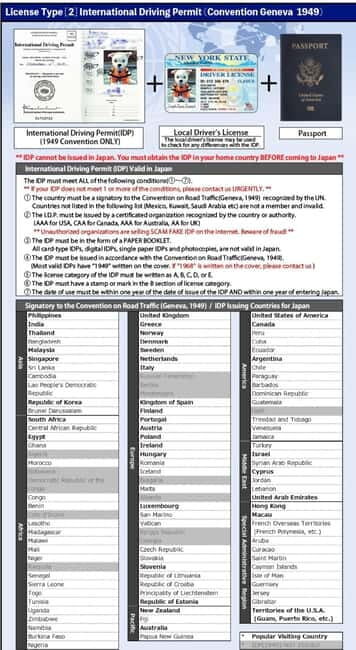
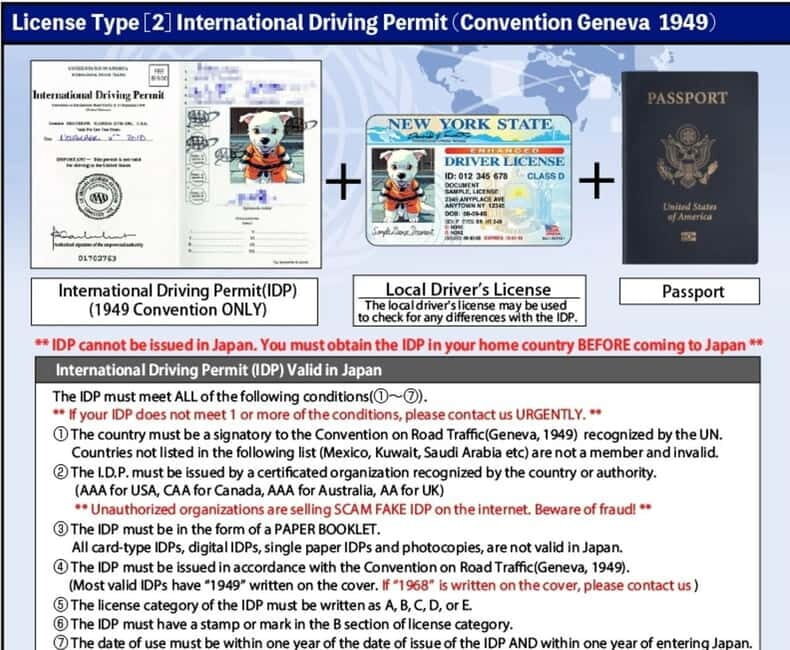
For most countries, you need an International Driving Permit (IDP) in the booklet format compliant with the 1949 Geneva Convention. And here’s the key: valid IDPs can only be issued by the same country that issued your domestic license. You can’t get it online while traveling.
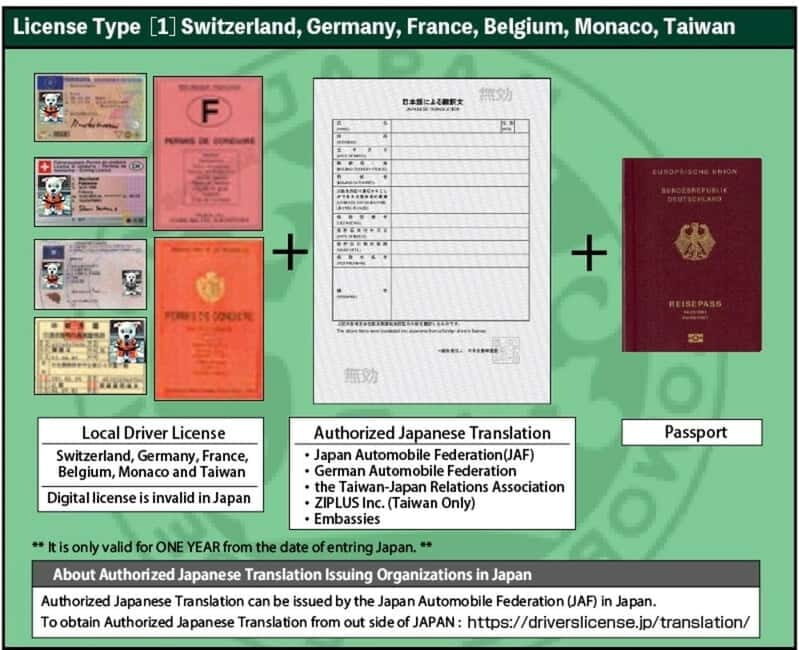
There’s also a country-specific rule: if your license is from Switzerland, Germany, France, Taiwan, Belgium, or Monaco, you don’t use the standard IDP route. You must get a Japanese translation from the Japan Automobile Federation (JAF) instead.
Even if your documents seem close, this can still block you. Drivers’ licenses from countries not covered by the 1949 Geneva Convention (examples provided include China, Indonesia, Mexico, Qatar, Saudi Arabia, and others) are not permitted for driving here.
Finally, you must carry the physical IDP (or domestic license plus official translation for the special-country list) and your physical passport. Not a screenshot. Not a photo on your phone.
Rules That Affect Your Comfort: Shoes, Phones, and Body Limits
A smooth ride starts with following the rules.
- No cellphones during the experience.
- No action-camera mounting rentals from you unless you’ve confirmed what’s compatible.
- Shoe restrictions are strict: no high heels, no sandals/flip-flops, and no slippers.
Then there are body and access limits. This isn’t suitable for pregnant women, people with back problems, mobility impairments, wheelchair users, children under 18, visually impaired participants, or hearing-impaired participants. That’s not small print. The setup involves driving and movement, and the safety rules need to be consistent across the group.
If any of those apply to you, I’d treat this as a hard stop, not a maybe.
Guides and Group Vibe: The Human Side of the Ride
This experience rises or falls on the guide. The good news is that the operation clearly puts effort into it. Names that come up again and again include Johnny, Mads, Billy, Usama, Khan, Michael, Mike, Marky, Adam, and Julian.
What they seem to share: clear communication, patience, and lots of picture-taking. One guide is described as personable and funny, another as using hand signals for safety, and others as making sure no one gets left behind.
The small group limit (up to 6) also helps. You’re more likely to stay together, and it can mean more attention from the guide for photos and landmark explanations.
Should You Book Street Kart Akihabara 1?
Book it if you want a Tokyo night activity that feels different fast: costumes, real roads, and photo moments clustered into a tight one-hour adrenaline burst. This is also a great pick if you like pop culture and want Akihabara to feel personal, not like a checklist stop.
Skip or rethink if you don’t have the correct driving documents ready, you’re uncomfortable driving near normal city traffic, you need to rely on your phone during the activity, or any of the listed medical/access restrictions apply.
If you do book, your best move is simple: confirm your driving eligibility early, wear proper shoes, and plan to lean on the included photo data since phones are off-limits during the ride.
FAQ
How long is the Street Kart Akihabara 1 experience?
The tour duration is 1 hour.
Is there an English-speaking guide?
Yes, the guide is listed as English-speaking.
Where do I meet the group?
Meet at Street Kart Akihabara 1. Look for the go-karts of Street Kart Akihabara 1 through the glass doors of the building.
What documents do I need to drive in Japan?
You’ll need special documents to drive in Japan, usually a physical International Driving Permit (IDP) booklet compliant with the 1949 Geneva Convention plus a physical passport. For certain countries listed (like Switzerland, Germany, France, Taiwan, Belgium, and Monaco), a Japanese translation from JAF is required instead of an IDP.
Is the costume included?
Yes, costume rental is included.
What items are not allowed or not included?
Cellphones are not allowed. Action camera rental fees, micro-SD purchase fees, and camera mount rental fees are not included.
More Tour Reviews in Tokyo



Further into Akihabara



Fresh reviews from around Tokyo






Akihabara Otaku Tours, compared.
 ★ 5.0Official Street Go-Kart Tour – AkihabaraFrom $611,578 reviews
 ★ 5.0Ramen Making from Scratch +Akihabara Tour –Tokyo Cooking ClassFrom $123107 reviews
 ★ 5.0Tokyo’s Must-Sees: 5-hour Tsukiji, Akihabara & Asakusa TourFrom $10188 reviews
 ★ 4.8Tokyo Akihabara, Anime, Manga, Video Games & Maid Cafe TourFrom $3881 reviews
 ★ 4.6Akihabara: Anime & Gaming Adventure Tour (Group or Private)From $8880 reviews
 ★ 4.5Akihabara: Go-Kart Experience with Local Guide in TokyoFrom $7257 reviews
Real Anime Culture Tour in Shibuya: Food, Shopping & Game FunFrom $7548 reviews
★ 4.5Akihabara: Go-Kart Experience with Local Guide in TokyoFrom $7257 reviews
Real Anime Culture Tour in Shibuya: Food, Shopping & Game FunFrom $7548 reviews
 ★ 5.0Akihabara/Asakusa Go-Karting Tour (including guide)From $7137 reviews
Browse the lists this tour appears in