
Asakusa in kimono changes everything. In about two hours at YUI, you choose from kimono and summer yukata, get fully dressed with traditional accessories, then enjoy a matcha lesson with sweets near Sensoji Temple.
The team at YUI makes it feel personal, not rushed. I especially like the way they handle the details, from your hairstyle to the finishing accessories, and I also love that the matcha part is more than tasting it.
One consideration: getting into a kimono takes real time (about 45 to 70 minutes), and you’ll be on geta afterward, so bring patience for a slightly slower walk.
In This Review
- Key highlights worth planning around
- Choosing Your Kimono at YUI in Asakusa (Kaminarimon nearby)
- Dressing takes time, and that’s the point (hair, layers, and geta)
- Matcha lesson: tasting is easy, doing it right is the fun part
- Roaming Asakusa in kimono: Sensoji Temple streets and photo-ready moments
- Optional 60-minute photo shoot near Sensoji and Sumida River
- Price and value: how $56 stacks up when everything is included
- Logistics that keep the day smooth (and comfortable)
- Who should book this kimono + matcha experience
- Should you book this Asakusa kimono and matcha experience?
- FAQ
- Where is the meeting point?
- How long does the dressing and hair styling take?
- How long is the matcha experience?
- Is kimono or yukata provided for both adults and children?
- What is included with the dressing experience?
- Is there an option for a photo shoot?
- Can I wear the kimono for the rest of the day?
- Is the experience wheelchair accessible?
- Is this experience suitable for pregnant women?
Key highlights worth planning around
- A serious kimono choice list: pick styles for different occasions, including yukata for warmer days
- Hairstyle + accessories included: hair gets done for you, plus footwear and a handbag
- Matcha lesson with technique: learn the proper way to drink it in a ceremony-style tradition
- Sensoji and Sumida River photo potential: add a 60-minute session focused on photogenic spots
- Built for more than just fit adults: rentals work for children, and the shop is wheelchair accessible
- You roam on your own after: you get freedom to explore until the kimono return time
More mornings around Senso-ji and the old town
- Tokyo: Japanese Dance Cabaret Theater Asakusa-Kaguwa Ticket★ 4.8 · 2,270 reviews
- Tokyo: Asakusa Walking Tour with Sensoji Temple Visit★ 4.8 · 1,583 reviews
- Tokyo Asakusa Rickshaw Tour★ 5.0 · 1,375 reviews
Choosing Your Kimono at YUI in Asakusa (Kaminarimon nearby)
YUI puts you right where you want to be: historic Asakusa, close to Kaminarimon Gate and an easy walk from Asakusa Station. If you want that classic first view of Tokyo, this is one of the cleaner ways to do it—because you’re not just taking photos from the sidewalk. You’re in the neighborhood, in clothing that fits the vibe.
The meeting point is straightforward: take the elevator to the 2nd floor. From there, you’ll start with the fun part—choosing your look.
The shop’s lineup includes different types of kimono and lighter street-friendly options, plus summer yukata. For a higher-cost upgrade, you can request items like lace kimono, silk kimono, haori hakama, and furisode. That matters because kimono rentals can feel like a gamble if you only see one or two choices online. Here, the selection is big enough that you can pick what you actually want to wear, not just what’s available.
One small practical note: kimono and yukata decisions affect how you move and feel through the day. If you’re sensitive to heat, lean toward lighter pieces. If you want a more formal look for photos, choose silk or a more structured style (for an extra cost).
Dressing takes time, and that’s the point (hair, layers, and geta)
Plan your timing with respect. Expect 45 to 70 minutes for dressing and arranging your hair, and about 15 minutes for the matcha experience. That’s not just slow service. It’s what turns a rental into a real outfit experience.
You don’t just get handed clothing. The staff helps you get layered correctly and chooses a hairstyle that matches your kimono style. The accessories round it out, including hair accessories and a traditional handbag. Footwear is included too: wooden Japanese sandals, called geta.
Here’s what I like about the way this is handled. The team is patient. Reviews highlight people being especially careful with hair styling, including guests with hair textures that are often hard to work with. That kind of effort makes a difference when you’re paying for the full look, not just the fabric.
Also, kimono fit means you’ll notice your body mechanics a bit. You’ll likely walk slower, take smaller steps, and learn how to lift your feet to avoid catching the geta. In exchange, you get that unmistakable poise that makes Asakusa look different.
If you want to get the most out of it, wear simple, easy clothes for before and after. You’re changing layers in a small setup, so anything complicated can make the first hour feel more stressful than it needs to.
Matcha lesson: tasting is easy, doing it right is the fun part
The matcha part is built around a short, focused lesson. You’ll get matcha tea and sweets, then learn how to drink it properly according to Japanese tradition. The shop owner practices tea ceremony, and the staff shares what to do and why it matters.
This is one of those experiences where you leave with something you can use. Instead of just thinking, That’s good tea, you start noticing the details: the way matcha is prepared, and the etiquette behind the moment. In reviews, the matcha is described as delicious and the lesson as interesting and clear, with explanations that help you feel confident, not awkward.
You’ll also feel the contrast. Asakusa is busy and photogenic, but the matcha portion gives you a calm pause. For many people, that’s the emotional payoff: you get dressed like a local character, then you slow down for something traditional and quiet.
One more practical point: the matcha experience takes about 15 minutes. If you’re timing your day around other stops, treat it like a short appointment block, not an hour-long classroom.
Roaming Asakusa in kimono: Sensoji Temple streets and photo-ready moments
After dressing and the matcha lesson, you’re free to explore. You can walk the back streets near Sensoji Temple at your own pace, and this is where the whole thing earns its keep.
Wearing kimono changes how people look at you, but it also changes how you look at the neighborhood. You naturally slow down. You stop more often. You take photos because the setting actually matches the costume.
The return deadline is key: you must bring the kimono back no later than 17:30. The shop’s operation hours run from 9:30 to 17:30, so you get a window to enjoy your outfit for the day. If you’re doing other Tokyo plans, build in time for travel back to the shop before 17:30.
A reality check: kimono travel is not like wearing sneakers. You’ll want to plan for:
- uneven sidewalks and stairs near temple areas
- rain (you might get help with an umbrella, and staff may assist with photos if the weather turns)
- keeping your movement careful around crowds
I also recommend choosing one “main” area to concentrate on rather than sprinting across Asakusa. Kimono mornings feel best when you let the neighborhood unfold slowly.





Optional 60-minute photo shoot near Sensoji and Sumida River
If you want photos that look like more than a quick phone snapshot, add the photo shooting session. It’s offered as an add-on, lasts 60 minutes, and a professional photographer accompanies you.
The focus is practical: the photographer leads you to photogenic spots around Sensoji Temple and the Sumida River. Reviews mention the photographer helping with posing and making guests feel at ease. That’s huge for anyone who doesn’t love being directed.
Your photo data is sent to you to download after editing within a week. So you’re not stuck with a single memory card and hope. You get a finished set.
For value, the photo add-on can be worth it if you care about getting the kimono captured well. The rental alone gives you the experience of wearing the outfit in the right place, but the shoot gives you the upgrade: cleaner compositions and better angles.
There’s also a vibe difference. Some people do the add-on because they want a formal set of images. Others do it because it’s a way to take stress out of photos. Either way, it turns the day into a clearer before-and-after.
Price and value: how $56 stacks up when everything is included
At $56 per person for a 2-hour experience, this works best when you think of it as a bundle, not a single activity.
What’s included:
- kimono or yukata rental for adults and children
- hairstyle and accessories (hair accessories, footwear geta, and a traditional handbag)
- matcha tea and sweets
- optional photo shooting session (extra cost, but structured and timed)
What’s not included:
- large luggage storage (available for an extra cost)
- makeup
- a full tour guide style walkthrough
- a formal next-day return service (available for an extra cost)
So you’re paying for more than fabric. You’re paying for the fit, the styling, and the traditional moment built around matcha. That’s what tends to cost extra if you book components separately in Tokyo.
In reviews, the standout pattern is service quality. People emphasize kindness, patience, and thorough help throughout the process. That’s not just nice to read—it’s exactly what you want if you’re getting dressed in a style that isn’t your daily routine.
The only “hidden” cost risk is upgrades. If you decide you want silk or a more formal kimono, there are extra-cost options. If you also want next-day return or luggage storage, those also cost extra. Still, the base $56 price is a strong deal for getting fully dressed and leaving with the matcha lesson.
Logistics that keep the day smooth (and comfortable)
A kimono day can go wrong in small ways. Here’s how to keep it simple.
First, manage your timeline. Dressing and hair can take up to around 70 minutes. Then you add matcha time. That means your actual roaming time depends on your start time, and you still have to return by 17:30.
Second, plan for movement. You’ll be wearing traditional sandals (geta). Don’t dress like you’re going clubbing. Wear comfortable layers underneath that can be removed easily.
Third, keep your day focused. This is not a “see Tokyo in 2 hours” tour. It’s a “wear Asakusa” experience. You’ll enjoy it most if you choose Asakusa as your anchor area for the day and build other plans around it.
If you’re coming with questions about fit, hair, or what will work with your body and outfit, ask during the selection stage. The staff seems used to different needs, including different hair types and children.
Finally, note the one restriction: it’s not suitable for pregnant women. If that applies, you’ll want a different activity.
Who should book this kimono + matcha experience
This fits best if you want an authentic-feeling Tokyo moment without hiring a full private guide for the day.
You’ll probably love it if:
- you’re visiting Asakusa and want to look part of the scene
- you care about getting your hair styled and your outfit finished properly
- you want a short, understandable lesson on matcha etiquette, not just a drink
- you’re traveling with kids and want an activity that’s more than a museum stop
- you need wheelchair accessibility and want a shop that can handle it
It may not be ideal if:
- you hate getting dressed and would rather spend your time walking and exploring
- you’re hoping for a long guided tour covering lots of stops
- you’re very time-tight and can’t spare 2 hours plus return-before-17:30 planning
- you’re pregnant (not suitable)
Should you book this Asakusa kimono and matcha experience?
Yes, if you want a high-impact Tokyo memory built around real traditional costume styling. The combination of kimono/yukata rental, hair + accessories, and a matcha lesson with sweets is a solid value at $56, especially because the service focus seems to be on comfort and patience.
Book the optional photo shoot if you want images that look intentional rather than accidental. If you’re shy about posing, this is still worth considering because the photographer’s job is to make you look natural.
Skip it only if you’re mostly after a fast walking tour with lots of external sightseeing stops. This experience is about the outfit and the cultural moment, followed by your own Asakusa time until 17:30.
FAQ
Where is the meeting point?
You meet at the shop by taking the elevator to the 2nd floor.
How long does the dressing and hair styling take?
It usually takes about 45 to 70 minutes for dressing and arranging your hair style.
How long is the matcha experience?
The matcha tea experience takes about 15 minutes.
Is kimono or yukata provided for both adults and children?
Yes. Rentals are included for adults and children.
What is included with the dressing experience?
You’ll get kimono or yukata rental, hairstyle and accessories, traditional footwear (geta), and a traditional handbag.
Is there an option for a photo shoot?
Yes. You can add a private photo shooting session. It lasts 60 minutes, and the photo data is sent after editing within a week.
Can I wear the kimono for the rest of the day?
You can explore on your own after dressing. Just return the kimono no later than 17:30.
Is the experience wheelchair accessible?
Yes. The shop is wheelchair accessible.
Is this experience suitable for pregnant women?
No, it is not suitable for pregnant women.
More Tour Reviews in Tokyo



Around Senso-ji: More Asakusa Picks
Fresh reviews from around Tokyo






Asakusa Tours, compared.
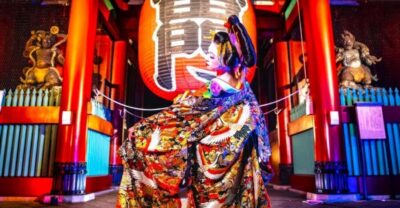 ★ 4.8Japanese Dance Cabaret Theater Asakusa-Kaguwa TicketFrom $492,270 reviews
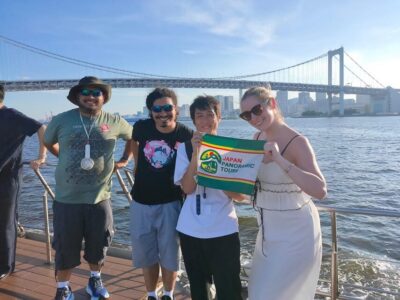 ★ 4.7Meiji Shrine, Asakusa, Skytree Bus Tour and CruiseFrom $1221,986 reviews
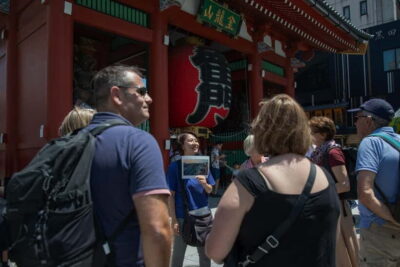 ★ 4.8Asakusa Walking Tour with Sensoji Temple VisitFrom $221,583 reviews
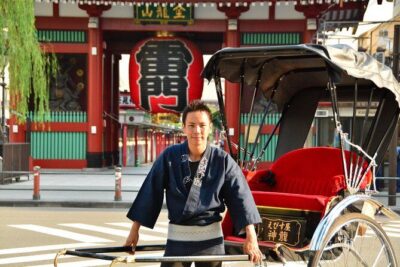 ★ 5.0Tokyo Asakusa Rickshaw TourFrom $421,375 reviews
 ★ 4.5Tokyo Panoramic 1 Day: Meiji Shrine, Asakusa, Odaiba and SKYTREE®From $851,222 reviews
 ★ 4.8Samurai Ninja Museum Asakusa: Samurai Sword Lesson & TourFrom $63306 reviews
Asakusa Sightseeing Tour by RickshawFrom $35195 reviews
Asakusa Temple & Shrine Walking Tour with Local GuideFrom $30105 reviews
★ 4.8Samurai Ninja Museum Asakusa: Samurai Sword Lesson & TourFrom $63306 reviews
Asakusa Sightseeing Tour by RickshawFrom $35195 reviews
Asakusa Temple & Shrine Walking Tour with Local GuideFrom $30105 reviews
Browse the lists this tour appears in