
Reviewed · TSUKIJI FISH MARKET TOURS
Tokyo Tsukiji Fish Market Walking and Exploring Hidden Gems Tour
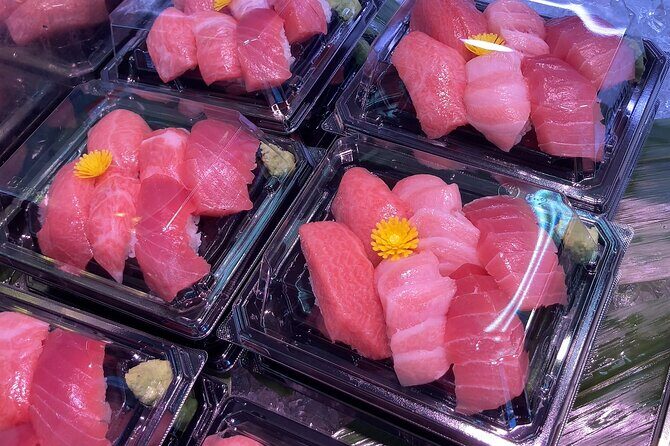
Food luck starts with a temple. This small-group tour strings together Tsukiji food stops with real Tokyo culture, starting with temple manners, then moving into the fish market area for street snacks and a guided lunch plan, and finishing on a sky deck with views toward what’s left of Tsukiji. I especially like that it stays intimate (max 10 people) and that your guide, Inok, steers you toward standout bites like tuna, wagyu, and even an ice cream stop. One possible drawback: you’ll be on your feet for about two hours, and lunch is at your own expense, so plan your budget accordingly.
You also get helpful hand-holding for the language barrier, plus a couple food samples included in the price. The route is built to help you understand what you’re seeing, not just where to stand for photos. You’ll end at Caretta Shiodome, which is a smart way to get your bearings after the market streets.
If you want a taste of Tsukiji without getting lost in it, this is a good format: short, structured, and led by someone who knows where the food decisions get made.
In This Review
- Key things I’d pay attention to
- Tsukiji, organized: why this tour format works
- First stop: Tsukiji Hongwanji Temple and how to behave in Japanese temples
- Tsukiji Fish Market on foot: snacks, street food, and a guided lunch plan
- Namiyoke Inari Shrine: the market meets local belief
- Caretta Shiodome sky deck: ending with views and orientation
- Price and what $26.16 buys you (and what it doesn’t)
- Getting the timing and walking right
- Who this Tsukiji walking tour fits best
- Should you book it? My take
- FAQ
- What’s the duration of the Tsukiji Fish Market Walking and Exploring Hidden Gems Tour?
- What time does the tour start, and where does it end?
- Where does the tour meet?
- What’s included in the tour price?
- Is lunch included?
- How big is the group?
Key things I’d pay attention to
- Small group with local guidance keeps your route smooth and your questions answerable
- Snacks are built in (2–3 samples), so you’re not just walking and hoping
- Temple etiquette first helps you behave correctly before you enter sacred spaces
- Namiyoke Inari Shrine adds meaning by connecting the Tsukiji area to local belief and market culture
- Sky-deck finish at Caretta Shiodome gives you an easy, final overview and photo moment
- Inok’s food scouting is the standout detail from the experience’s best feedback
Still hungry? More Tsukiji breakfasts and market walks
- Tokyo Tsukiji Fish Market Food and Culture Walking Tour★ 5.0 · 3,184 reviews
- Tokyo: Tsukiji Fish Market Food and Walking tour★ 5.0 · 1,724 reviews
- Tokyo: Tsukiji Fish Market Guided Walking Tour★ 4.9 · 1,397 reviews
Tsukiji, organized: why this tour format works
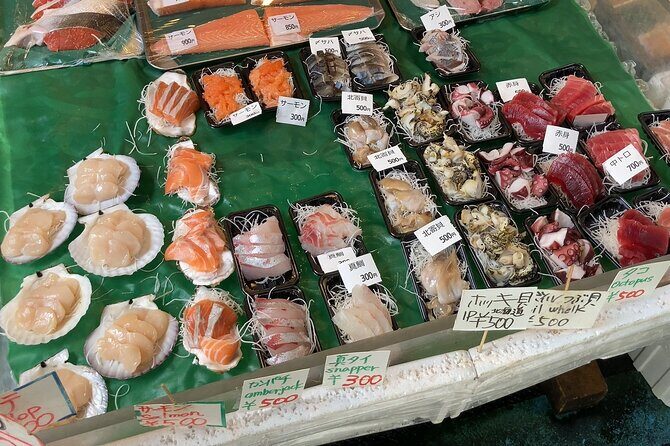
Tsukiji can be overwhelming fast. You’ve got narrow streets, lots of people, and a mix of food stalls, shops, and sacred sites all within a short walk. This tour’s value is how it organizes that energy into a sensible sequence, so you don’t spend your time guessing what matters.
I like that it doesn’t treat Tsukiji as only seafood-on-a-stick. You start with a temple lesson on how visitors should behave, then you move into the market area for street food sampling, and you wrap up at a viewpoint. That “culture first, food next, view last” flow helps you connect dots instead of collecting random stops.
The small group size (up to 10) matters more than you might think. In a place like Tsukiji, a larger group can turn your experience into traffic. Here, you’re more likely to keep up with the route, see what the guide points out, and actually enjoy the tastings at a human pace.
First stop: Tsukiji Hongwanji Temple and how to behave in Japanese temples
The tour begins at Tsukiji Hongan-ji Temple. This is a short visit, about 20 minutes, but it sets the tone for the rest of the walk. If your Japanese is limited, this stop still helps, because it’s about what to do with your body and your manners: when to pause, how to move respectfully, and what the local ritual looks like before you step into a sacred space.
A key teaching here is temple behavior, including a traditional ritual before visiting temples in Japan. The tour description points to praying and incense practices in the Johdo Shinshu style, so your guide can explain the purpose and the expected etiquette. Even if you’re not performing every step perfectly, having the context reduces the awkwardness.
Practical tip: wear something comfortable that lets you stand quietly. You’ll be in a small space where good manners matter more than speed. And since the entrance is free for this stop, you’re not paying extra to learn how to be a considerate visitor.
This is also a nice shift of perspective. Instead of starting with eating, you begin with learning. That makes the later market stops feel more like a cultural day than a food grab.
Tsukiji Fish Market on foot: snacks, street food, and a guided lunch plan
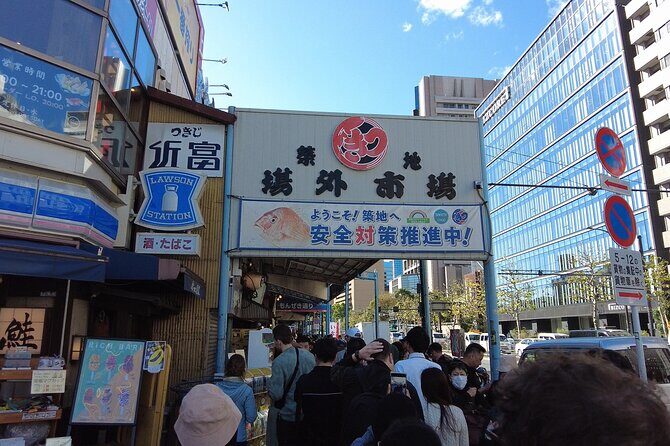
Next comes the heart of the experience: the Tsukiji Fish Market walk for about 1 hour. The focus is on exploring Tsukiji outside the market area, then eating street food along the way. Importantly, your guide helps with language barriers, which is a big deal here because ordering or asking questions can feel like a cliff edge if you don’t speak Japanese.
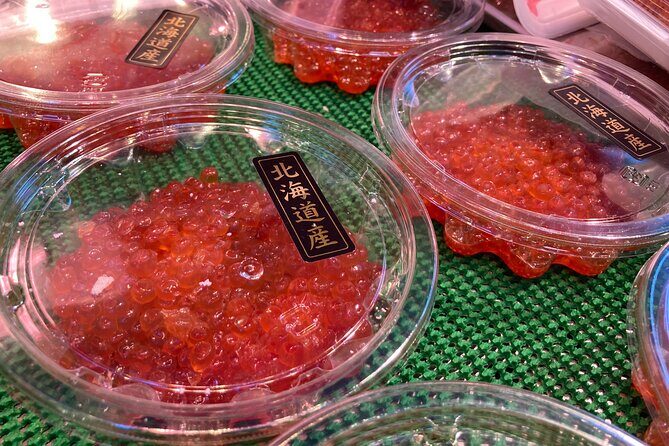
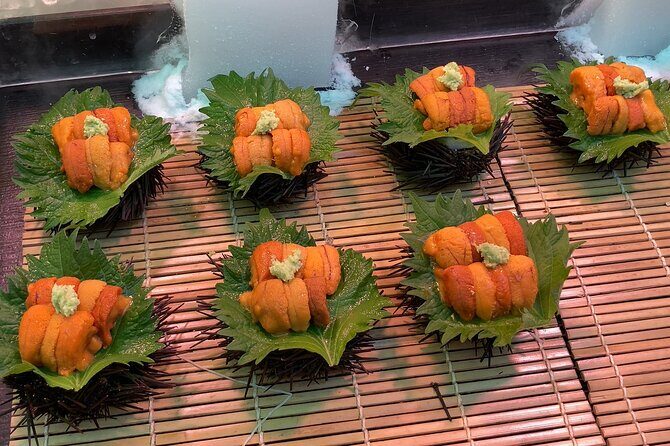
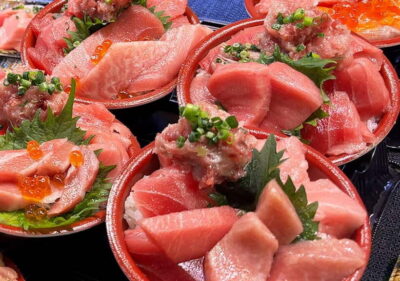
You’ll receive 2 or 3 food samples included with the tour. That sounds simple, but the smart part is how the guide manages the sampling. You’re not stuck with one repetitive item. You get a small menu of what Tsukiji is known for, and the best feedback highlights that the route often includes standouts such as tuna, wagyu, and an ice cream stop. You’re eating while you learn, which is exactly what you want in a place where the best details are often spoken rather than written.
One more thing I appreciate: the tour doesn’t just point at food. Your guide takes you to a local restaurant inside the market area for lunch, but lunch itself is not included in the tour price. That means you should budget separately if you want a proper meal, not just a snack round. The upside is that the choice is guided, so you’re less likely to end up with the most touristy option.
Possible drawback to consider: because snacks are included but lunch isn’t, your total day cost depends on your appetite. If you’re the type who wants a full sit-down meal, plan for that. If you prefer lighter eating, you can keep costs in check.
And because it’s a walking tour in tight spaces, good shoes matter. Also, keep your phone ready, because the guide’s route and explanations will make it easier to remember what you ate and where it came from.
Namiyoke Inari Shrine: the market meets local belief
After the market-area tasting, you head to Namiyoke Inari Shrine for about 20 minutes. This stop is free, and it’s there to connect what you’re seeing in Tsukiji to the local religious and community landscape.
The tour description frames this shrine as one the local Tsukiji area uses, and it highlights that you’ll learn about the history of Tsukiji fish market and what Shinto customs have to do with this kind of neighborhood. The details may be explained in your guide’s own words, but the idea is clear: markets aren’t only about commerce. They’re also about tradition, protection, and community routines.
A practical bonus here is that the walk toward and around the shrine helps you see the area from a different angle. The tour notes that you’ll pass along sales shops on the way of visiting the shrine. That gives you a chance to spot how the market zone functions beyond the most crowded viewpoints.
For etiquette, the same rule applies as at the temple: keep your volume down, move with care, and respect the fact that these are active places of worship. If you’re unsure about what’s expected, the earlier temple manners stop pays off. You’ll already have the mental checklist.
I like this stop because it slows the day down. After food intensity, the shrine offers context and a calmer rhythm without turning the tour into a museum visit.
Tokyo at walking pace, a few more ways

Caretta Shiodome sky deck: ending with views and orientation
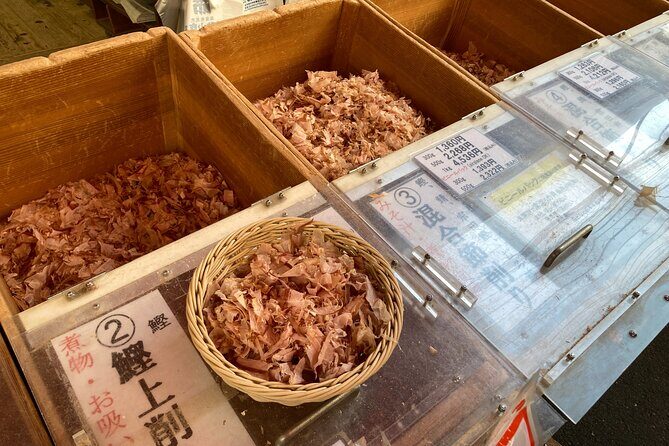
The final stop is Caretta Shiodome, about 20 minutes, and you end at the sky deck. This is a clever way to close the loop. By the time you reach the viewpoint, you’ve walked through sacred spaces and market streets. Now you can look outward and understand where you’ve been.
The tour notes that you’ll see around the area and get a sense of remnants of the Tsukiji Fish Market. Even if you don’t know the city map yet, a viewpoint is where things click. Streets you walked become lines on a bigger picture, and you can start plotting your next move in Tokyo.
This also helps with photos. Instead of trying to squeeze skyline shots between crowds and stalls, you get a designated end point for looking, breathing, and capturing a final wide-angle memory.
One small consideration: sky decks can mean lines or tight walking space depending on the day. Since this is only about 20 minutes in the schedule, you might want to move smoothly when you get up there so you don’t miss your view window.
Price and what $26.16 buys you (and what it doesn’t)
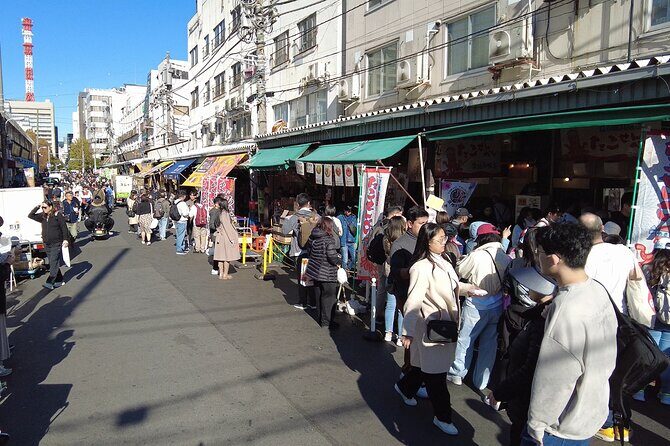
At $26.16 per person, this tour is priced for a short, high-impact day. What you’re paying for is not just “access” to Tsukiji, but the structure: a local guide, a max group size of 10, and included taste samples (2–3) plus tour photos.
The value gets stronger when you remember that you’re visiting multiple places with free admission: the temple, the fish-market walk, the shrine. You’re not paying entry fees on top of the tour cost. You’re also not paying for a full meal through the tour price, which is a useful distinction. Lunch is at your own expense, so you control how much you spend.
Where the tour can feel lighter is in time. It’s about 2 hours total. That’s enough to sample, learn basics, and get oriented, but it’s not enough to explore every corner of Tsukiji in depth. If you want a long food day with multiple sit-down meals, you’ll likely treat this as your “first contact” tour and then keep going afterward on your own.
Another small point: soda/pop isn’t included. That means if you want a drink with your lunch or snack, it’s on you. It’s a small detail, but it affects the final cost if you’re used to drinks being included.
Getting the timing and walking right
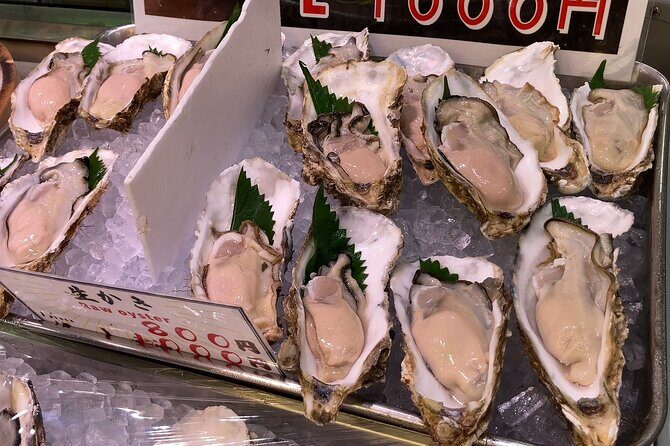
The tour starts at 10:00 am and finishes at Caretta Shiodome. It’s near public transportation, so getting there should be manageable if you’re already using Tokyo’s rail system.
The experience is built around short stops—20 minutes here, 1 hour there—so your pace stays lively. For me, that’s a good thing because it prevents decision fatigue. You always have something next to do, next to learn, next to taste.
Still, you should expect a lot of walking surfaces that aren’t built for long lingering. Bring a small layer in case you hit indoor/outdoor temperature swings, and keep your essentials easy to reach. If you’re prone to getting separated in crowds, this is one of the reasons the guide’s group size matters: you’re more likely to stay together and follow the route.
Who this Tsukiji walking tour fits best
This is a strong fit if you:
- want a guided food route without committing to an all-day plan
- like learning the “how to behave” side of Japanese culture, not just eating
- appreciate a small group so you can actually ask questions
- want a clean orientation finish at a sky deck
It’s also a good option if you enjoy the ritual of markets: not only taste, but context. Starting at a temple and ending with a viewpoint makes it easier to feel like you understand the place by the time you leave.
If you’re the type who only cares about one specific food item or you plan to spend hours inside the biggest retail areas, this might feel short. In that case, use this tour to kick-start your Tsukiji experience, then add time afterward for your must-sees.
Should you book it? My take
I’d book this if your goal is a short, well-organized Tsukiji morning where you get guidance, tastings, and cultural context in one pass. The standout promise is the combination of local guidance from Inok and included snacks that lead you through the market area without you having to figure everything out yourself.
Skip it only if you strongly prefer self-guided wandering with no structure, or if you want lunch included in the set price. Since lunch is at your own expense, you’ll need to budget a bit more to get a full meal day.
For most first-timers and food-minded visitors, this is the kind of tour that makes the city feel less chaotic and more understandable fast.
FAQ
What’s the duration of the Tsukiji Fish Market Walking and Exploring Hidden Gems Tour?
The tour lasts about 2 hours.
What time does the tour start, and where does it end?
It starts at 10:00 am and ends at Caretta Shiodome at the sky deck.
Where does the tour meet?
The meeting point is Tsukiji Hongan-ji Temple, 3-chōme-15-1 Tsukiji, Chuo City, Tokyo.
What’s included in the tour price?
The tour includes a local guide for about 2 hours, tour photos, and snacks with 2 or 3 food samples in Tsukiji Fish Market.
Is lunch included?
Lunch is not included in the tour price.
How big is the group?
The tour has a maximum of 10 travelers.
More Tours in Tokyo





More Tour Reviews in Tokyo




Back to the Market: More Tsukiji Tours



Fresh reviews from around Tokyo






Tsukiji Fish Market Tours, compared.
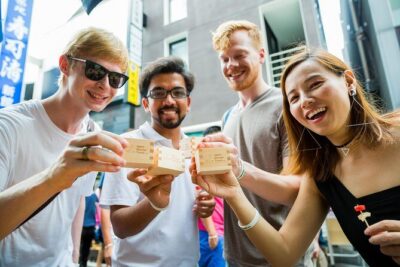 ★ 5.0Tokyo Tsukiji Fish Market Food and Culture Walking TourFrom $993,184 reviews
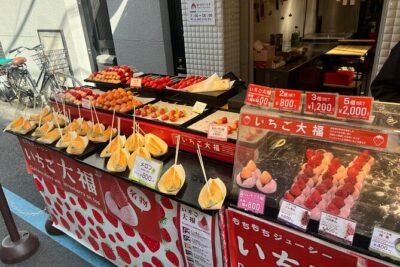 ★ 5.0Tsukiji Fish Market Food and Walking tourFrom $301,724 reviews
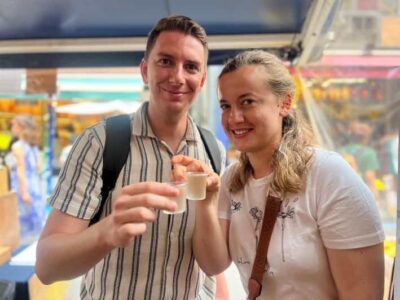 ★ 4.9Tsukiji Fish Market Guided Walking TourFrom $221,397 reviews
 ★ 5.0Tokyo Sushi Making Class in Tsukiji with Professional ChefFrom $491,177 reviews
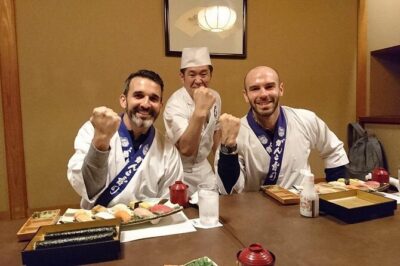 ★ 5.0Tsukiji Fish Market Guided Tour and Sushi Making with Pro ChefFrom $104775 reviews
★ 4.7Tsukiji Fish Market Food and Culture Walking TourFrom $96757 reviews
★ 5.0Tsukiji Fish Market Guided Tour and Sushi Making with Pro ChefFrom $104775 reviews
★ 4.7Tsukiji Fish Market Food and Culture Walking TourFrom $96757 reviews
 ★ 5.0Tsukiji Fish Market: Street Food & Culture Walking TourFrom $33669 reviews
 ★ 5.0Tsukiji Fish Market Small-Group Food Walking TourFrom $87621 reviews
Browse the lists this tour appears in