
Reviewed · TSUKIJI FISH MARKET TOURS
Tokyo Tsukiji Fish Market Food&Culture Walking Tour With a LOCAL!
Tokyo’s fish market feels wild at first. This small-group walk through Tsukiji turns the chaos into a simple route, with a quick Japanese survival lesson, plus temple and shrine stops to explain the culture behind all that seafood energy. You’re not just looking—you’re learning what to notice.
I love the start at Tsukiji Hongwan-ji Temple, where the guide shares brief Buddhist rituals so you know how to behave when you’re surrounded by worshippers. I also like that there are no preset food tastings, so you only spend money on the dishes that actually call to you.
One thing to plan for: you’ll still be paying for food (and lunch) on your own during the walk, and Tsukiji involves a lot of walking. If you have trouble with extended time on your feet, skip this one.
In This Review
- Key things you should know before you go
- Tsukiji Hongwan-ji Temple: your cultural warm-up
- 38KIOSK hub: luggage storage and a quick Japanese boost
- Jogai Market with a LOCAL guide: tools, ingredients, and etiquette
- How you actually eat: no preset tastings, you choose your dishes
- 38KIOSK lunch: a party-style meal you’ll order yourself
- Price and logistics: is $75 good value here?
- Should you book this Tsukiji local food tour?
- FAQ
- How long is the Tokyo Tsukiji Fish Market Food & Culture Walking Tour?
- Where does the tour start and where does it end?
- Is lunch included in the tour price?
- Are food tastings included or do I buy what I want?
- What does the tour include besides the guide?
- Is the group small?
- What is the cancellation policy?
Key things you should know before you go
- Max group size of six means you get real attention, not a herd experience
- Free luggage storage at the 38KIOSK hub keeps your hands free while you snack
- Temple and shrine entry included, so you get culture context, not just shopping
- No preset food inclusions gives you control over what you buy and how much you spend
- A guide-led route through Tsukiji Jogai Market helps you find the tools, ingredients, and stalls worth your time
- Lunch happens at 38KIOSK, but it’s not included, so budget for what you order
Still hungry? More Tsukiji breakfasts and market walks
- Tokyo Tsukiji Fish Market Food and Culture Walking Tour★ 5.0 · 3,184 reviews
- Tokyo: Tsukiji Fish Market Food and Walking tour★ 5.0 · 1,724 reviews
- Tokyo: Tsukiji Fish Market Guided Walking Tour★ 4.9 · 1,397 reviews
Tsukiji Hongwan-ji Temple: your cultural warm-up
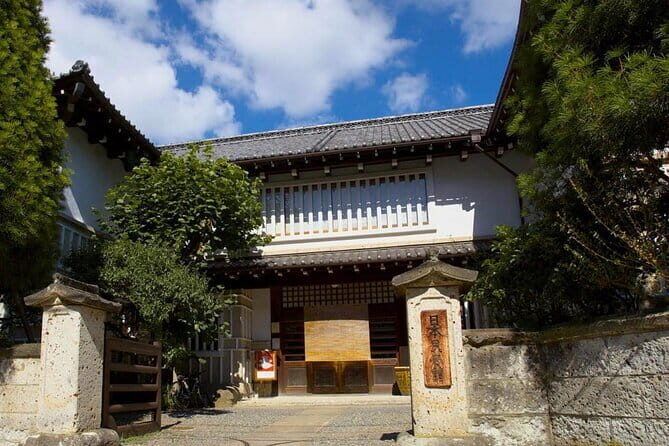
Your tour starts at Tsukiji Hongwan-ji Temple. The location is easy to find, and it also helps you get oriented fast. Instead of jumping straight into fish stalls, you begin with a short, practical dose of Buddhist ritual basics from your guide.
That matters more than it sounds. Tsukiji isn’t just a food market. It’s a neighborhood with people who live by rules—how you step, where you pause, how you show respect. When your guide explains what’s going on at the temple, you’re less likely to act like a tourist who’s accidentally in the way.
You’ll also have access to Namiyoke Shrine as part of the included temple/shrine stops. Even if you don’t read the signs, you’ll feel the difference once you’ve been shown what to watch for.
From what I see with tours like this, the best part isn’t the religion lesson by itself. It’s that you get your mindset ready for Tsukiji. After the temple, the market feels less like random food chaos and more like a place with purpose and routines.
38KIOSK hub: luggage storage and a quick Japanese boost
Right after the temple, you head to the 38KIOSK hub. This is where the tour gets organized in a way that’s genuinely helpful. First, you get a tour intro. Second, you can store luggage for free during the experience (small suit cases and similar sizes).
This is a big deal. Tsukiji’s paths can be tight, and carrying bags around slows you down. With luggage out of the way, you can actually focus on what you’re there to do: eat well and ask questions.
You’ll also get a short survival Japanese lesson as part of the experience. You won’t leave speaking fluent Japanese, but you’ll likely walk away with a few key phrases that make it easier to order and react politely at food stalls. Even a couple of words can turn a stiff transaction into an easy exchange.
One more practical point: 38KIOSK is also the place you’ll return to later for lunch. That means you’re not trapped trying to find your way back in the middle of a crowded market day.
In short, this part of the tour helps you avoid two common travel frustrations at Tsukiji: hauling bags and missing the simple language tools that make food shopping smoother.
Jogai Market with a LOCAL guide: tools, ingredients, and etiquette
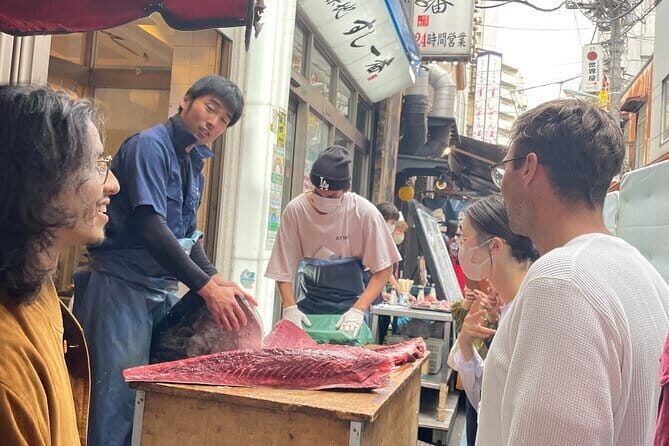
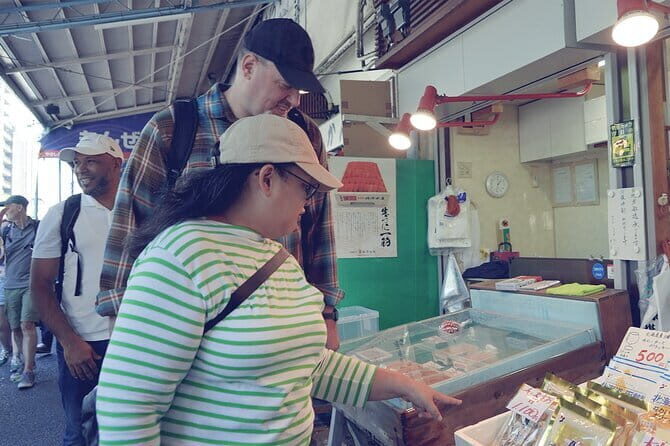
Then you move into Tsukiji Jogai Market, the area where you get real texture—ingredients, shops, and the working side of food culture. This is where a guide changes everything. Tsukiji is famous, which also means it’s confusing. The streets and lanes feel like a maze, and without local help you might end up wandering past the places that would’ve been perfect stops.
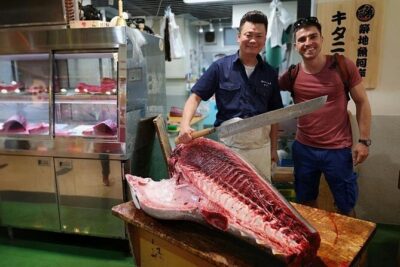
In this market section, the focus is on Japanese cuisine through what you can see and handle. The guide highlights fresh ingredients and points out traditional tools, including handcrafted knives and other tools passed down over generations. Even if you’re not shopping for knives, you’ll understand why these items matter to the people using them every day.
This is also where etiquette becomes practical. Your guide talks about customs you should follow around vendors and within the flow of the market. You’ll learn how to behave in a way that doesn’t slow down the people working there. That’s one of those travel lessons that never feels like homework because it’s tied to what’s happening around you.
And yes, the guide matters. One real example from a past experience: Ronnie met the group at the temple main gate and helped people navigate Saturday morning crowds by pointing out unique food along the route. That kind of on-the-ground direction is exactly what you’re paying for.
A small warning, though: Tsukiji can be busier later in the day. If you’re flexible, starting earlier like this makes the experience more manageable.
How you actually eat: no preset tastings, you choose your dishes
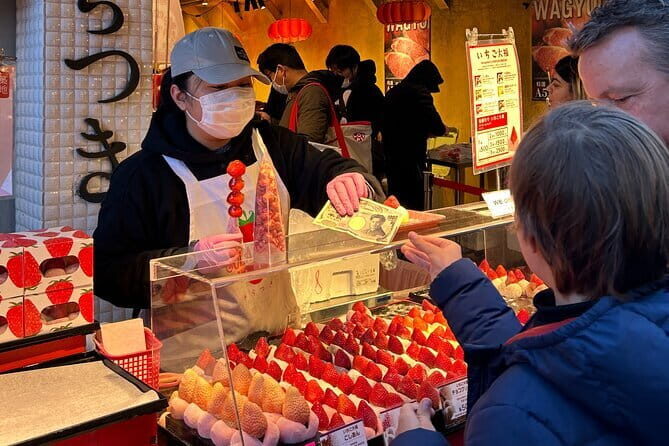
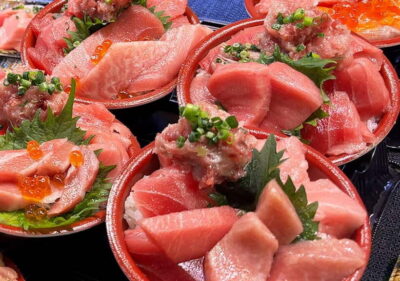
Here’s a big part of the value that often gets overlooked: there are no preset food inclusions. That means you’re not forced into a fixed menu you might not love. Instead, your guide helps you find the best spots for whatever you’re craving—fresh sushi, Wagyu skewers, and other market foods you pick along the way.
This works especially well for picky eaters and anyone traveling with dietary needs. The experience notes that vegetarian, gluten-free, allergy, and religious requirements can be handled if you specify them at booking. That’s worth paying attention to because food at markets can be tricky to guess without help.
The downside is simple: you’ll want to bring spending money for food and drinks. The experience price covers guiding, entry fees, and the structured walking plan—not a full meal. You should treat the tour as a smart way to choose what to eat, not as a guarantee that you’ll leave stuffed by included tastings.
Also, the tour includes the idea of pairing food with the right drinks, but alcohol is not included. If you want that part of the experience, ask your guide for suggestions once you’re already at stalls or when you’re deciding on your next purchase.
This choice-based eating style is a better fit if you like control. If you want a worry-free, fully meal-packaged tour where everything is decided for you in advance, this one may feel too flexible.
Tokyo at walking pace, a few more ways
38KIOSK lunch: a party-style meal you’ll order yourself
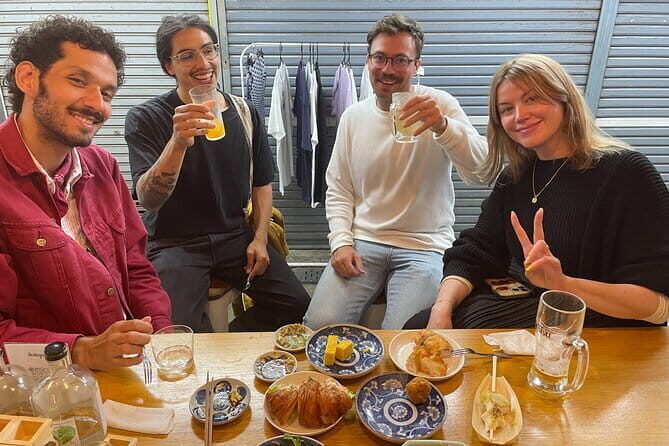
Near the end, you return to 38KIOSK for lunch. The plan is described as a party-style meal featuring fresh ingredients sourced during the market walk. That’s a nice touch because it ties the morning browsing to what ends up on your table.
But remember: lunch is not included. So you’ll likely pay for what you order, even though the setting and ingredient story are part of the experience. Think of it as a comfortable base after walking, not a free lunch coupon.
This stop is also practical. The market can wear you down—your feet, your senses, your patience. Sitting down, ordering something guided by the morning’s observations, and resting for a bit makes the whole outing feel more like a crafted experience rather than nonstop snacking.
If you’re the type who likes to try a few things and then commit to one main meal, you’ll appreciate this structure. You can spend earlier money on small bites, then choose a satisfying lunch when you’re ready.
Price and logistics: is $75 good value here?
At $75 per person for about 3 hours, this tour can feel fair or expensive depending on how you like to travel.
What you’re paying for is not just walking around Tsukiji with a map. Your guide handles the important stuff: entry fees, cultural context, luggage storage, a quick language boost, and that small-group route (capped at six) that keeps you from getting lost. The tour also includes admission to Tsukiji Hongwan-ji Temple, Tsukiji Namiyoke Shrine, and access tied to the fish and Jogai market areas.
If you normally wander Tsukiji on your own, you’ll spend time figuring things out. That time is the real hidden cost. Here, you’re buying the shortcut.
Your costs are the things not included: food you choose, plus lunch you order. Since there are no preset tastings, you’ll want to budget based on your appetite. Still, this setup often saves money compared to fixed-menu tours where you pay even for dishes you wouldn’t choose.
One more logistics point that helps value: the experience starts at 10:00 am and uses a meeting point at Tsukiji Hongan-ji Temple. It ends at 38KIOSK, so you’re not stuck trying to find your own way out while your brain is full of market smells.
Finally, this tour tends to book up. With an average lead time of about 24 days, I’d plan ahead rather than hoping for last-minute availability.
Should you book this Tsukiji local food tour?
I’d book it if you want a guided Tsukiji plan without the stress of figuring out where to go and how to behave. The small group size and free luggage storage are especially helpful, and the temple/shrine stops give you real context before you start eating.
Skip it if you need everything fully included and want zero extra spending on food. Also skip if walking for extended periods (the tour notes around two hours) is a problem for you.
If you match the style—curious, budget-ready for market purchases, and okay with a short structured walk—you’ll likely find this is one of the better ways to experience Tsukiji without turning it into a daylong guessing game.
FAQ
How long is the Tokyo Tsukiji Fish Market Food & Culture Walking Tour?
It runs for about 3 hours.
Where does the tour start and where does it end?
It starts at Tsukiji Hongan-ji Temple (3-chōme-15-1 Tsukiji, Chuo City). It ends at 38KIOSK (4-chōme 10-14 加藤ビル, Tsukiji).
Is lunch included in the tour price?
No. Lunch is listed as not included. You’ll go to 38KIOSK for lunch as part of the experience, but you’ll pay for what you order.
Are food tastings included or do I buy what I want?
There are no preset food inclusions. You pay for dishes you want to try during the tour.
What does the tour include besides the guide?
Entry fees for Tsukiji Hongwanji Temple and Tsukiji Namiyoke Shrine, plus entrance tied to the Tsukiji Fish Market and Jogai market. You also get a survival Japanese lesson and free luggage storage during the tour.
Is the group small?
Yes. The tour has a maximum of 6 travelers.
What is the cancellation policy?
You can cancel for free up to 24 hours in advance for a full refund. If you cancel less than 24 hours before the start time, the amount paid is not refunded.
More Tours in Tokyo





More Tour Reviews in Tokyo




Back to the Market: More Tsukiji Tours



Fresh reviews from around Tokyo






Tsukiji Fish Market Tours, compared.
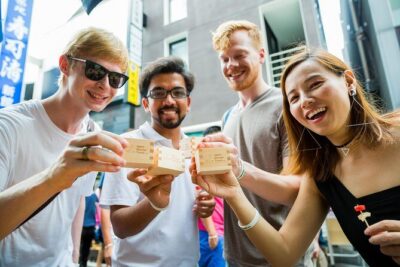 ★ 5.0Tokyo Tsukiji Fish Market Food and Culture Walking TourFrom $993,184 reviews
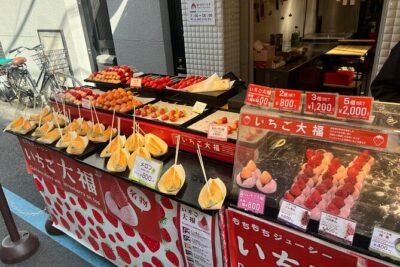 ★ 5.0Tsukiji Fish Market Food and Walking tourFrom $301,724 reviews
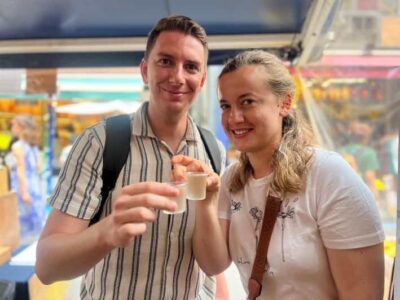 ★ 4.9Tsukiji Fish Market Guided Walking TourFrom $221,397 reviews
 ★ 5.0Tokyo Sushi Making Class in Tsukiji with Professional ChefFrom $491,177 reviews
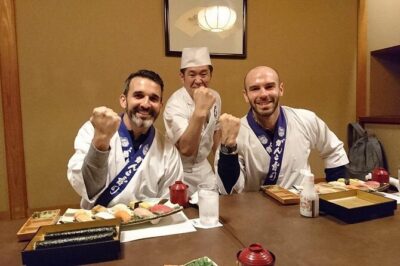 ★ 5.0Tsukiji Fish Market Guided Tour and Sushi Making with Pro ChefFrom $104775 reviews
★ 4.7Tsukiji Fish Market Food and Culture Walking TourFrom $96757 reviews
★ 5.0Tsukiji Fish Market Guided Tour and Sushi Making with Pro ChefFrom $104775 reviews
★ 4.7Tsukiji Fish Market Food and Culture Walking TourFrom $96757 reviews
 ★ 5.0Tsukiji Fish Market: Street Food & Culture Walking TourFrom $33669 reviews
 ★ 5.0Tsukiji Fish Market Small-Group Food Walking TourFrom $87621 reviews
Browse the lists this tour appears in