
Reviewed · ASAKUSA TOURS
Tokyo: Super Local Private E-bike Cycling Tour from Asakusa
Tokyo on two wheels feels unfairly easy. The appeal here is simple: you get a super local slice of Tokyo that skips the usual only-photos itinerary, while still including recognizable landmarks like Kaminarimon and Imado Shrine. You’ll cruise through backstreets, local shopping areas, and riverside paths with plenty of short photo stops, so the experience stays light and fun rather than exhausting.
Two things I really like about this tour are the private format and the e-bike ease. Private means your guide can match your pace and interests, and you’re not stuck with other people’s agendas. The e-bike motor assist keeps the ride comfortable, so you’re exploring neighborhoods instead of fighting Tokyo hills. One consideration: you’ll want to plan around the ride rules and comfort limits, since the tour doesn’t include food or beverages and it’s not a good fit for certain footwear and body types.
Key points to decide fast
- Private e-bike pacing: go at your speed during a 3-hour route with photo stops.
- Super local Tokyo focus: backstreets, shopping streets, and river areas beyond the tourist core.
- E-bike motor assist: you pedal, but the bike helps, so it feels relaxed.
- Quick landmark moments: short stops at spots like Kaminarimon and Imado Shrine.
- Guide-led city storytelling: your guide explains what you’re seeing and adapts when possible.
- Riding constraints: no sandals/flip-flops, no skirts, and no photo/video while cycling.
In This Review
- Private Asakusa E-Bike: Why This Tour Feels Local, Not Touristy
- Meeting Point and Getting Ready: What You Need Before You Roll
- The E-Bike Experience: Relaxed Pedaling and Safer City Riding
- Kaminarimon Gate and Imado Shrine: Quick Hits That Set the Tone
- Super Local Neighborhoods: Backstreets, Shopping Streets, and the Old Red-Light Area
- Riverside Breezes: Arakawa and Sumidagawa Views Plus Sumida Park
- Tokyo Skytree and Market-Style Stops: How Local Flavor Fits In
- Guides Make the Difference: What You’ll Gain Beyond the Route
- Price and Value: Is $141 for 3 Hours Worth It?
- Who Should Book This Tour, and Who Should Skip
- Final Call: Should You Book Tokyo Bike Bliss in Asakusa?
- FAQ
- Where does the tour start?
- How long is the e-bike tour?
- Is the tour private?
- What’s included in the price?
- Is food or drinks included?
- What language is the guide?
- Are there any restrictions during the ride?
- Can I take photos and videos while cycling?
- What body size or age limits should I know?
Private Asakusa E-Bike: Why This Tour Feels Local, Not Touristy
If you’re tired of spending your day trying to see everything, this is the opposite approach. You’re not racing down a packed sightseeing list. Instead, you’re riding through the everyday Tokyo that most visitors miss: the residential-feeling side streets, the small shopping streets, and the riverside areas where the city looks different when you’re moving slowly.
Starting in Asakusa also matters. This area is tourist-known, yes, but it’s still surrounded by neighborhoods with their own rhythms. The tour is designed to help you connect those dots. You’ll do quick photo moments at well-known places, then spend the bulk of the time experiencing the in-between spaces: streets you would never choose on your own, plus areas that feel more like daily life than a themed attraction.
And yes, the private part is the real multiplier. Without other guests in the group, your guide can keep the ride smooth and adjust the plan to what you actually want to see. In particular, I like that guides on this style of tour tend to go beyond facts and into practical street knowledge—how to read the neighborhood layout as you pass it, and why specific corners matter.
A small but important reality check: this is still a bike ride. The goal is friendly movement, not a full-day power workout. If you want a sit-down museum-style tour, you’ll likely prefer something else. But if you want a Tokyo day that feels active while still easy, the format is a good match.
More mornings around Senso-ji and the old town
- Tokyo: Japanese Dance Cabaret Theater Asakusa-Kaguwa Ticket★ 4.8 · 2,270 reviews
- Tokyo: Asakusa Walking Tour with Sensoji Temple Visit★ 4.8 · 1,583 reviews
- Tokyo Asakusa Rickshaw Tour★ 5.0 · 1,375 reviews
Meeting Point and Getting Ready: What You Need Before You Roll
You’ll start at the Asakusa Culture Tourist Information Center. The meeting method is straightforward: look for the guide with a white bike helmet. Since you’re not getting hotel pickup, it’s worth building a simple plan for how you’ll arrive on time (and how you’ll get back after the ride).
Bring the right riding gear and you’ll feel instantly more comfortable:
- Wear closed-toe shoes. No sandals or flip-flops, and high-heeled shoes aren’t allowed.
- Avoid skirts. They’re not permitted, which makes sense for riding safety.
- Skip smoking, alcohol, and drugs (and alcohol in the vehicle is also prohibited).
The tour also has some fit guidance you should take seriously:
- It’s ideal for riders 145 cm to 185 cm.
- It’s not good for riders over 100 kg.
Also, the operator coordinates through WhatsApp/iMessage/SMS, so keep your phone accessible the day of your tour. That communication matters because it helps the whole ride run smoothly—especially when routes depend on day-to-day traffic and conditions.
Finally, a note that surprises some people: there’s no photo/video shooting while cycling. You’ll get photo stops, but when you’re moving, the rule is clear.
The E-Bike Experience: Relaxed Pedaling and Safer City Riding
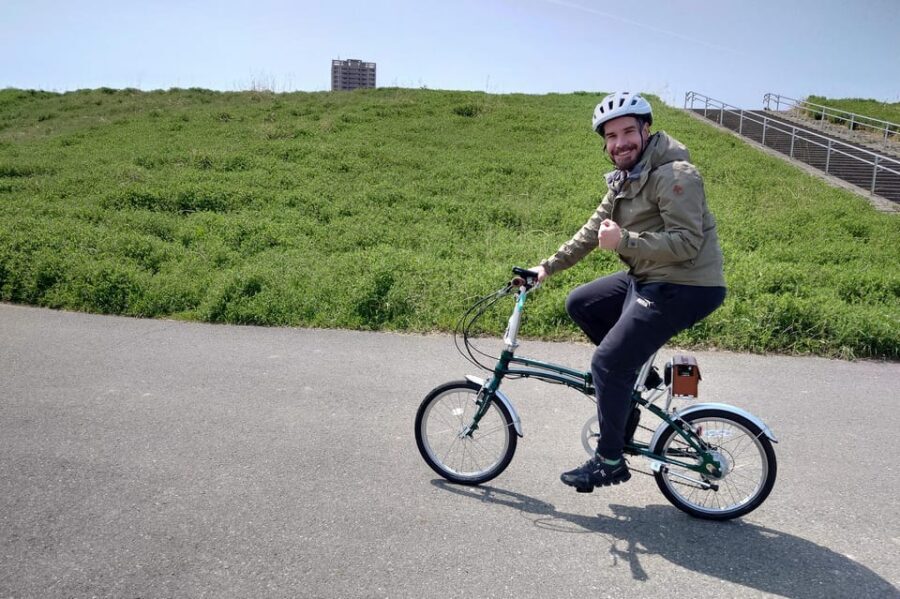
This is an e-bike tour, so the motor assist does the heavy lifting. You still pedal, but the bike helps you keep a steady pace without feeling like you’re conquering the city. That’s the point: you’ll spend energy on noticing Tokyo—street life, small temples, riverside views—rather than burning out.
The ride should feel manageable even if you’re not a serious cyclist. The tour is paced for sightseeing, not for distance training. You also get a helmet, safety instruction, and insurance as part of the experience, which lowers the risk anxiety. The guide’s job is to keep the group together and help you ride confidently through places you probably wouldn’t attempt alone.
Here’s what you should expect in practice:
- You’ll have multiple short photo stops (often around 10–15 minutes).
- You’ll spend plenty of time riding between them, which means you’ll see more “in-between Tokyo” than you would on foot.
- Because you’re on a bike, you get movement through traffic patterns at a human pace—fast enough to cover ground, slow enough to keep your eyes open.
If you love the idea of biking but worry you’ll be too slow or too rusty, the private pacing helps. It’s easier for a guide to match your comfort level when you’re the only group.
Kaminarimon Gate and Imado Shrine: Quick Hits That Set the Tone
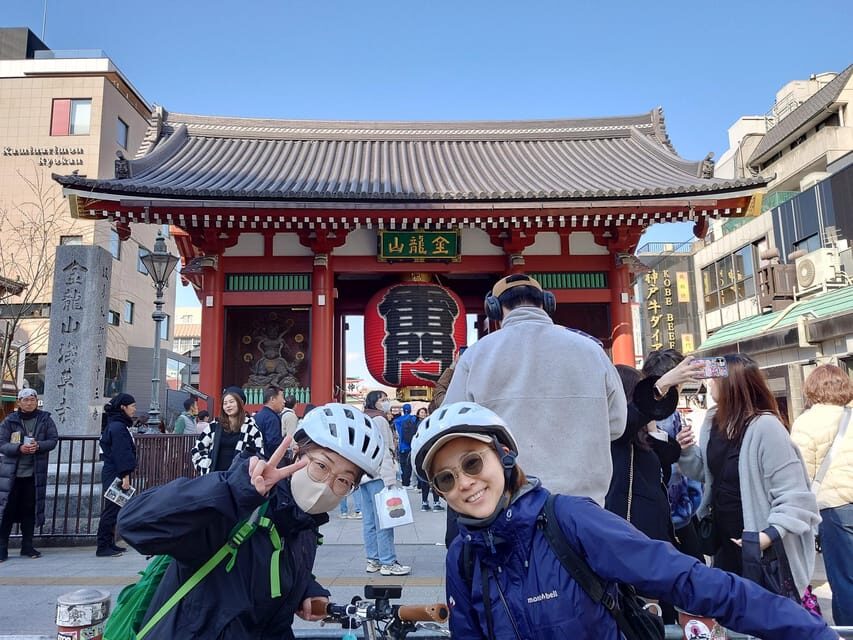
The tour includes iconic photo moments right at the start. You’ll make a Kaminarimon photo stop early—about 10 minutes—so you can grab the classic Asakusa scene without turning your day into a queue-and-crowd exercise. Then you’ll hit Imado Shrine with another 10-minute photo and sightseeing stop.
Why I like this approach: it gets the recognizable landmarks out of the way early and lightly. You’re not stuck there waiting forever. Once you’ve got your visual bearings, you can transition into the real reason you booked: the super-local neighborhoods that sit just beyond the most famous lanes.
One practical tip for these types of stops: treat them like mini photo windows. If you want specific angles or want to read the signage details, you’ll need to do it fast during the stop. The rest of your time is about riding and seeing the street connections.
Also, since the tour is private, you can typically move in and out at your own rhythm during those short windows. That’s a big deal if you don’t want to feel rushed.
Super Local Neighborhoods: Backstreets, Shopping Streets, and the Old Red-Light Area
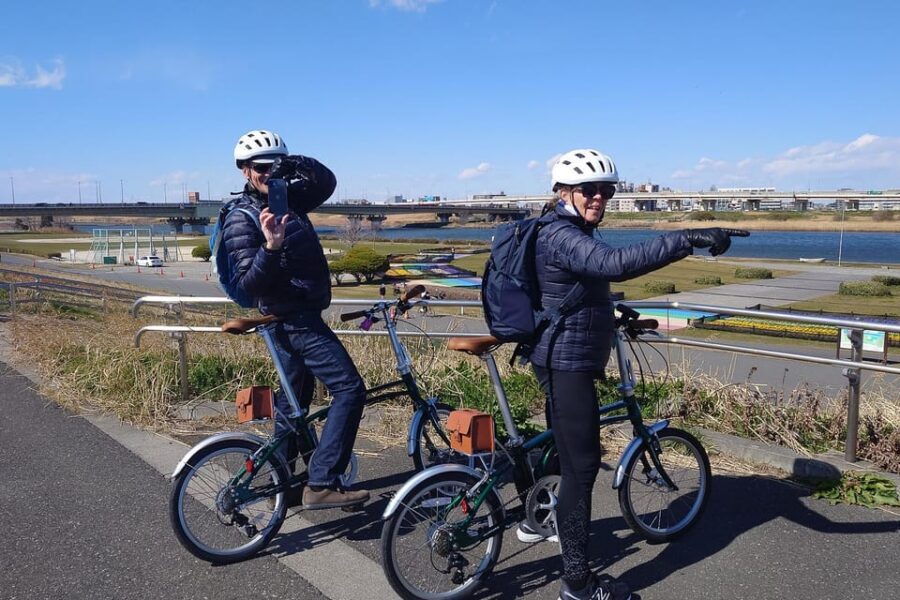
After the shrine and gate moments, the route shifts into the kind of Tokyo you don’t find by accident. You’ll ride through local shopping streets, pass small shrines and temple areas, and spend time on backstreets that feel made for everyday walking—not tourist wandering.
A highlight here is that the tour is designed to answer that question you always have in Tokyo: where do locals actually live and move through? The route doesn’t just show landmarks; it shows the street fabric between them. You get glimpses of everyday life: storefront rhythms, quiet blocks, and local-scale streets that disappear if you only stick to major roads.
The tour may also include stops around areas like the Old Red Light District, plus temple stops such as Matsuchiya Shoden Temple. You might not always recognize what you’re seeing at first, but that’s where the guide helps. A good guide can point out what’s historically and culturally meaningful without turning it into a lecture marathon.
From a value standpoint, this is where private pays off. If you spot something you want to understand—an interesting street layout, a cluster of local shops—you’re not waiting your turn behind other guests. The guide can keep you moving while still giving you enough context to feel like you truly went somewhere.
And yes, the ride style is part of the charm. The experience is often described as zooming down twisty streets that you would never find on your own. That’s believable: bikes let you cut through small routes smoothly, and the city feels more like a map you can read than a place you can only observe from train windows.
More of Tokyo by bike
Riverside Breezes: Arakawa and Sumidagawa Views Plus Sumida Park
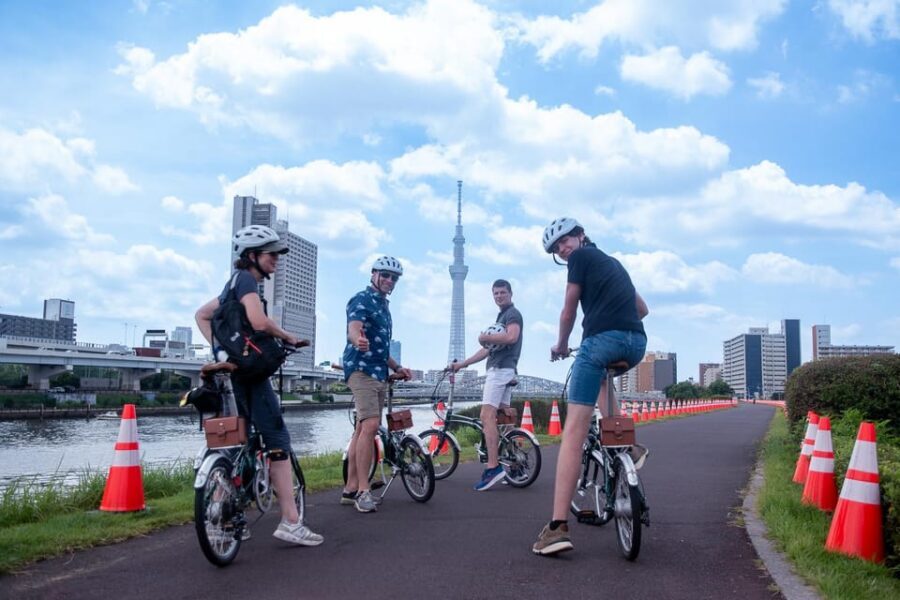
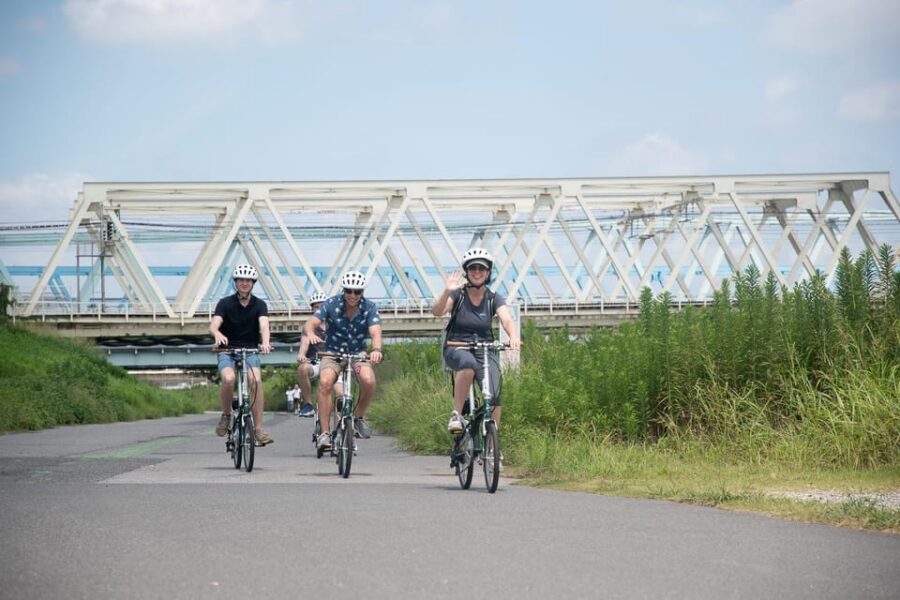
One of the best shifts on this tour is when you start getting riverside access. Riding along the Arakawa Riverside and Sumidagawa Riverside areas changes how Tokyo looks. The city still surrounds you, but you get more sky, more open sightlines, and that feeling of moving through a corridor rather than a maze.
Then comes Sumida Park for about a 10-minute photo and sightseeing stop. This pause works well because it breaks the pace. You’re not just snapping photos while standing still; you arrive there after riding through neighborhoods, so the park stop feels like a breather before you roll back toward Asakusa.
If you’re the type who loves city design and geography—how neighborhoods stack, how water shapes movement—this part is worth leaning into. On foot, river access can take time. By bike, it feels like a natural continuation of your day.
One more practical note: because photo/video while cycling isn’t allowed, you’ll want to use those short park stops well. If you’re interested in specific skyline shots, plan what you want before you arrive so you don’t waste the limited time.
Tokyo Skytree and Market-Style Stops: How Local Flavor Fits In
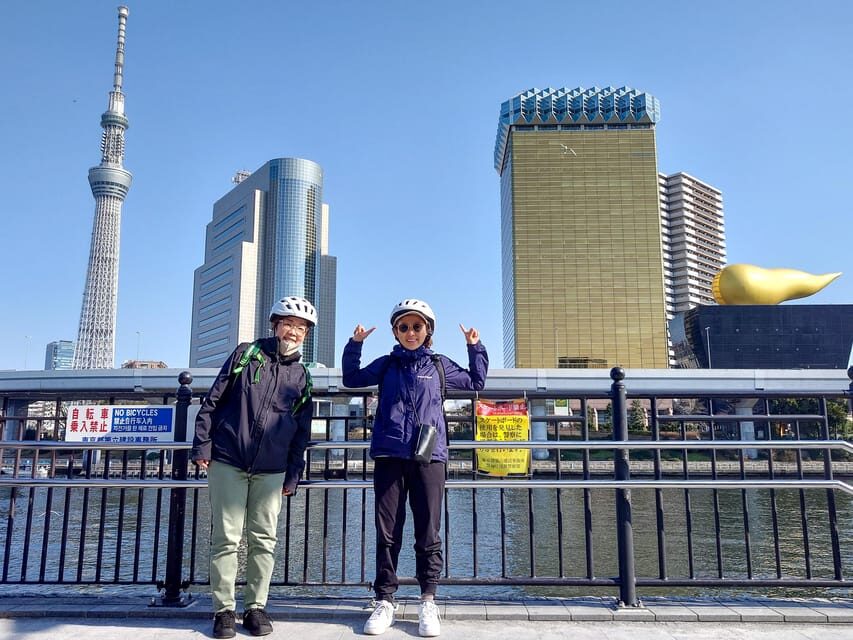
Depending on the day and route, you may catch views like Tokyo Skytree from a vantage point during the ride. This is a “caught it while moving” type of moment, which I actually prefer over staring at a view after a long trek. You’re seeing the city in motion, so the sight feels tied to the neighborhood, not floating on its own.
Another potential highlight is market energy. The tour can include an Adachi Fish Market stop, plus time in a lively local neighborhood such as Kitasenju. Even if you don’t go into deep shopping mode, markets give you a sensory picture of Tokyo that you can’t get from glossy museum exhibits.
There’s a reason people like this format: it can bring in food culture, even though food isn’t included. In one case, a guide tailored the ride to interests and included food tasting-style stops. That’s the advantage of a private guide: if you tell them what you enjoy, the tour can bend toward your kind of local experience.
Just don’t treat this as a full meal. Since food and beverages aren’t included, you may want to plan a snack or a nearby meal before or after the ride. That way, you stay focused while you’re riding and don’t feel stressed about hunger during short photo stops.
Guides Make the Difference: What You’ll Gain Beyond the Route
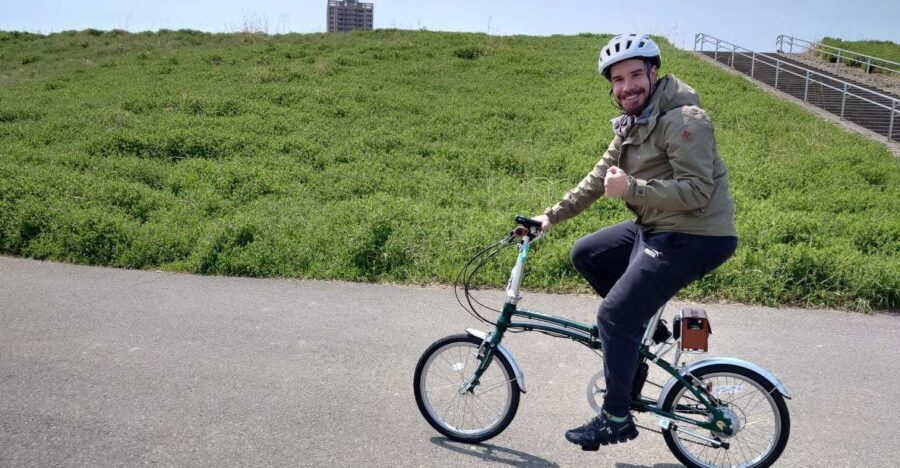
The guide is the real engine of the experience. You get a live guide with English and Japanese support, plus safety instruction. But what stands out is the way a good guide turns movement into understanding.
One guide name you may hear is Kazuma. From the way people describe his style, he’s the kind of guide who’s friendly and funny, but also practical. He adapts the route to personal interests, which can matter if you care more about street life than temples, or if you want more time around food culture.
This is also where the private format helps. If you have questions—why a street looks the way it does, what a neighborhood is known for—the guide can answer without stopping a larger group.
If you’re the type who likes quick explanations you can actually remember later, this tour style is a good match. You won’t be buried in details all day. Instead, you get enough context to make the places feel connected.
Price and Value: Is $141 for 3 Hours Worth It?
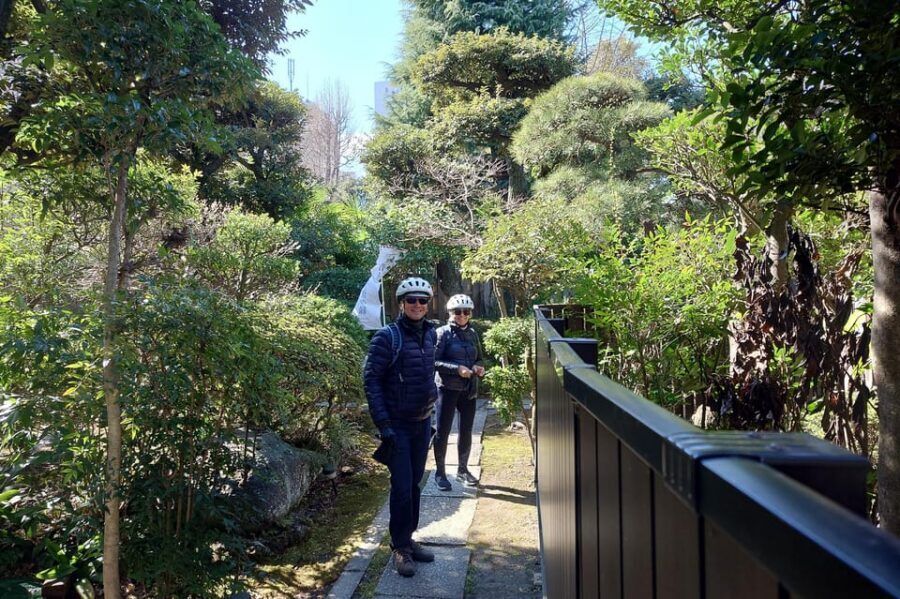
At $141 per person for a 3-hour private e-bike tour, the value comes from what’s included, not just the sightseeing. You’re paying for:
- the e-bike
- helmet
- safety instruction
- insurance
- a live guide
- and the private pacing that lets the guide adjust to you
Most “cheap” tours either group you with strangers, skip the guided context, or exclude key safety components. Here, the safety and equipment are built in. You’re also covering distance efficiently, which means you can reach more of the super-local areas that matter for the theme.
Also, since hotel pickup isn’t included, the price is less about logistics and more about the core experience itself: a guided, motor-assisted neighborhood ride that feels active and personal.
If you’re deciding between a standard group walking tour and this style of bike tour, think about what you want your Tokyo day to feel like. If you want to ride through neighborhoods and come back with a stronger sense of how the city works at street level, the cost can feel justified quickly.
Who Should Book This Tour, and Who Should Skip
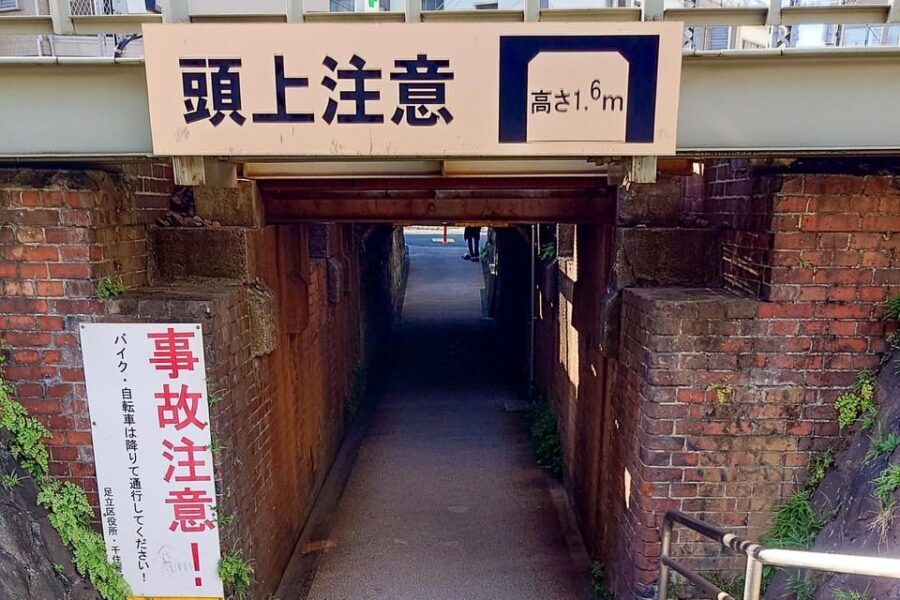
This is a smart choice if you:
- want an active day without requiring serious cycling stamina
- like local neighborhoods more than crowded attraction lines
- enjoy guided context but don’t want it to swallow the day
- want a private Tokyo experience with your own pace
It’s also a good fit if you’re between 145 cm and 185 cm and comfortable riding an e-bike under city conditions.
You might want to skip if:
- you’re over 100 kg, since the tour notes it’s not good for heavier riders
- you need special footwear like sandals or you plan to wear skirts
- you’re traveling with children under 12, since the tour isn’t suitable for them
- you’re hoping for a food-focused tour where meals are included (they aren’t)
If you hate rules about photography while moving, keep in mind you can still shoot photos during stops, just not while cycling.
Final Call: Should You Book Tokyo Bike Bliss in Asakusa?
Book it if you want a Tokyo day that feels local, moving, and guided—without the stress of trying to map side streets yourself. The combination of private pacing, an e-bike that reduces effort, and a route that leans into neighborhood life (including riverside time and possible market-area stops) makes this a strong value for a 3-hour window.
Don’t book it if you’re mainly chasing long museum-style explanations, you require full meals, or you’re likely to struggle with the riding constraints (proper shoes, no skirts/sandals, no photo/video while cycling). If those rules fit your style, this tour is an easy way to see more real Tokyo than most people manage in a single afternoon.
FAQ
Where does the tour start?
The tour starts at the Asakusa Culture Tourist Information Center. You should look for the guide wearing a white bike helmet.
How long is the e-bike tour?
The tour lasts about 3 hours.
Is the tour private?
Yes. It’s a private group, so there are no other guests involved.
What’s included in the price?
The included items are the e-bike, helmet, safety instruction, insurance, and a live guide.
Is food or drinks included?
No. Food and beverages are not included.
What language is the guide?
The live tour guide is available in English and Japanese.
Are there any restrictions during the ride?
Yes. High-heeled shoes, sandals or flip-flops, smoking, alcohol and drugs, skirts, and alcoholic drinks in the vehicle are not allowed.
Can I take photos and videos while cycling?
No. Photo/video shooting while cycling is not allowed.
What body size or age limits should I know?
It’s ideal for riders from 145 cm to 185 cm, not good for those heavier than 100 kg, and it’s not suitable for children under 12.
More Tours in Tokyo



More Tour Reviews in Tokyo




Around Senso-ji: More Asakusa Picks
Fresh reviews from around Tokyo






Asakusa Tours, compared.
 ★ 4.8Japanese Dance Cabaret Theater Asakusa-Kaguwa TicketFrom $492,270 reviews
 ★ 4.7Meiji Shrine, Asakusa, Skytree Bus Tour and CruiseFrom $1221,986 reviews
 ★ 4.8Asakusa Walking Tour with Sensoji Temple VisitFrom $221,583 reviews
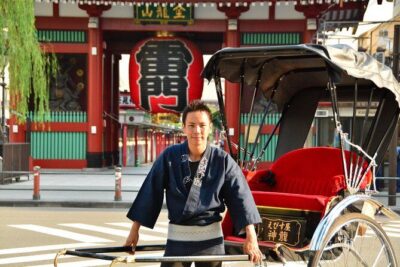 ★ 5.0Tokyo Asakusa Rickshaw TourFrom $421,375 reviews
 ★ 4.5Tokyo Panoramic 1 Day: Meiji Shrine, Asakusa, Odaiba and SKYTREE®From $851,222 reviews
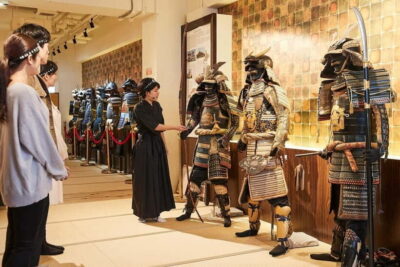 ★ 4.8Samurai Ninja Museum Asakusa: Samurai Sword Lesson & TourFrom $63306 reviews
Asakusa Sightseeing Tour by RickshawFrom $35195 reviews
Asakusa Kimono Dressing and Matcha ExperienceFrom $56173 reviews
★ 4.8Samurai Ninja Museum Asakusa: Samurai Sword Lesson & TourFrom $63306 reviews
Asakusa Sightseeing Tour by RickshawFrom $35195 reviews
Asakusa Kimono Dressing and Matcha ExperienceFrom $56173 reviews
Browse the lists this tour appears in