
Reviewed · SHOPPING TOURS
Tokyo Shopping Street Hopping Private Tour with Government Licensed Guide
Tokyo shopping can feel like a maze. This private tour turns it into a plan you can actually follow. You’ll walk through classic shopping streets like Ameyoko, kitchenware heaven on Kappabashi, and youth-culture stops around Harajuku and Shibuya.
I especially like two things: pickup help from your hotel area so you don’t waste the start day getting lost, and a government-licensed guide who’s trained in Japanese culture and history. You’ll also get real flexibility with several morning start times, plus a route tailored to what your group wants.
One thing to consider: it’s a walking tour, and the price is for the guide, not transportation or lunch. If you’re trying to stack too many big-ticket shopping stops in a single day, you’ll have to be selective.
In This Review
- Key Points That Make This Tour Work
- Start Right: Getting Oriented Without Tokyo Stress
- The 6-Hour Structure: How You Choose 3–4 Stops
- Ameyoko: Market Energy Along the Tracks
- Kappabashi Dogugai: The Kitchenware Street for Serious Foodies
- Yanaka Ginza: Shitamachi Old-Town Charm on Foot
- Tsukiji Fish Market: A Tokyo Food Stop That Saves Time
- Cat Street and Takeshita Street: Harajuku to Shibuya Youth Culture
- Shibamata: Old-School Tokyo Beyond the Usual Routes
- Akihabara: Electronics + Anime Culture Shopping
- What Makes the Guide Part Matter (Names You Might Hear)
- Price and Value: Why $154.37 Can Be Fair
- Who This Tour Fits Best
- Should You Book It or Skip It?
- FAQ
- How long is the Tokyo shopping street hopping private tour?
- What does the tour cost per person?
- Are pickup and a guide included?
- Is this a group tour or a private tour?
- How many shopping streets do we visit?
- Are admission tickets included?
- What’s not included in the price?
- Can I cancel and get a refund?
- Do we need cash, or do we have a ticket for the tour?
Key Points That Make This Tour Work
- Hotel-area start support helps you get oriented fast in Tokyo
- Government-licensed guide focused on culture and context, not just directions
- Flexible morning start times so you can match your energy and plans
- Pick 3–4 shopping streets from a longer list, keeping the day from feeling rushed
- Private group only means less waiting, more control of your pace
- Practical shopping help like translating and navigating shops and subway connections
More days made easy by a guide
- Tokyo 6hr Private Tour with Government-Licensed Guide★ 5.0 · 3,902 reviews
- Tokyo: Shinjuku Local Bar and Izakaya Guided Walking Tour★ 4.9 · 1,794 reviews
- Tokyo: Private City Highlights Tour with Local Guide★ 4.8 · 1,433 reviews
Start Right: Getting Oriented Without Tokyo Stress
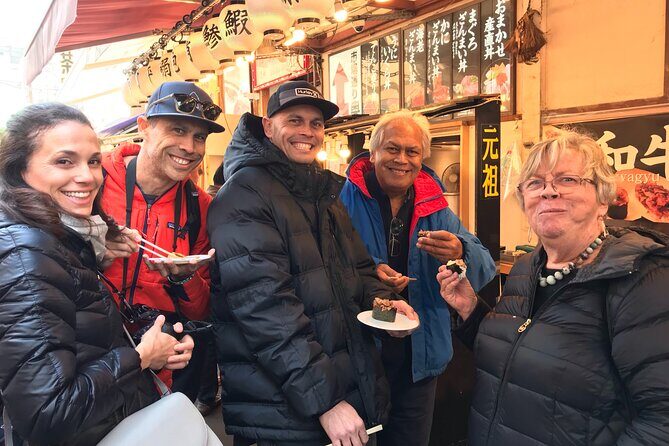
Tokyo is easy to love and also easy to get turned around in—especially when you’re trying to shop, snack, and find the right street-level stores. The biggest win here is that you’re not left to figure out the meeting point alone. The tour is designed around a walking experience with pickup offered so you can begin smoothly and get into the neighborhoods while you’re fresh.
Then you get a government-licensed guide. That matters because shopping streets aren’t just retail zones; they’re part of how Tokyo neighborhoods live. A licensed guide can explain what you’re seeing in Japanese culture and history, which makes browsing feel less random and more intentional.
The 6-Hour Structure: How You Choose 3–4 Stops
This is listed as a 6-hour walking tour, but the rhythm is more important than the clock. You’ll choose roughly 3–4 sites from the shopping-street options, with about 30 minutes allocated to each main stop. The rest of the time goes to walking between areas, getting oriented, and handling small practical moments like translations or clarifying what you’re looking for.
Why that’s valuable: shopping days fall apart when you sprint. A private guide helps you avoid the common trap of covering ten neighborhoods and buying almost nothing because you never had time to actually look.
A small practical note: the tour is private, and you can’t combine multiple tour groups. That’s good for flexibility, but you’ll want to confirm your plan early so your day doesn’t change last minute.
Ameyoko: Market Energy Along the Tracks
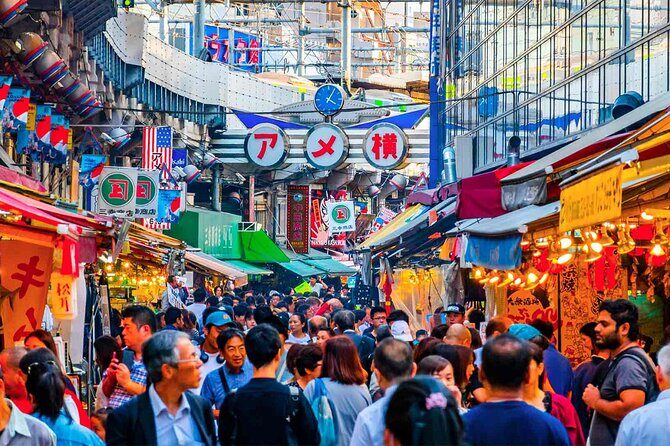
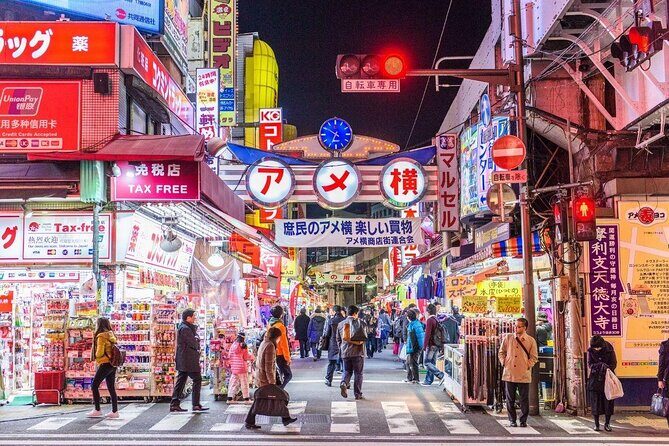
Ameyoko (アメ横) is a market street atmosphere you’ll recognize fast. It runs along the Yamanote Line between Okachimachi and Ueno Stations, so the area has constant commuter movement and a dense shopping feel.
What I like about including Ameyoko is how it fits multiple shopping styles. You can snack, browse small stalls, and look for everyday goods and souvenirs without needing a special target. It’s also a great spot for your guide to steer you toward the kind of stores your group prefers—food, casual buys, or classic street-market browsing.
Possible drawback: because it’s near major rail lines, you’ll likely face crowds. Keep your plan flexible and aim for comfortable, slow browsing rather than quick in-and-out shopping.
Kappabashi Dogugai: The Kitchenware Street for Serious Foodies
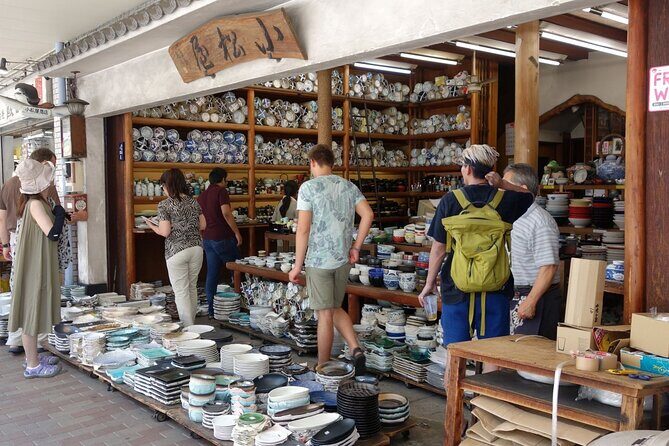
If your group loves cooking tools, Kappabashi (かっぱ橋道具街, Kappabashi Dōgai) is one of the most satisfying shopping streets in Tokyo. It’s between Ueno and Asakusa and is lined with many shops selling what restaurant operators use.
This stop is a smart choice if you want something more useful than just a postcard. Think knives, utensils, cookware, and the kind of practical items that make great gifts. With a guide, you can ask what’s best suited to your needs instead of guessing from signage.
A consideration: this is very shopping-focused, so it can be less fun if your group mainly wants fashion or electronics. If that’s your vibe, shift your selections toward Harajuku or Akihabara instead.
More private options with your own guide


Yanaka Ginza: Shitamachi Old-Town Charm on Foot
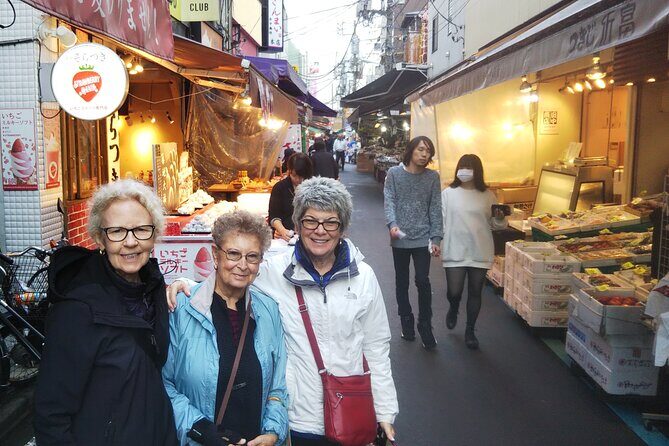
Yanaka Ginza is a classic neighborhood shopping street with a preserved old-town feel. It’s tied to the Shitamachi atmosphere, which is the older Tokyo identity people love: quieter streets, small shops, and a sense of place that doesn’t try to copy the newest trends.
I like Yanaka Ginza as a break from the heavy foot traffic of other shopping corridors. It’s easier to browse calmly, and it’s a good place to pick up simple neighborhood-style items and snacks.
Potential drawback: because it’s designed around a more traditional local rhythm, it’s not as fast-paced as youth-fashion streets. If you want high-energy window-shopping, Yanaka Ginza may feel calmer than you expected.
Tsukiji Fish Market: A Tokyo Food Stop That Saves Time
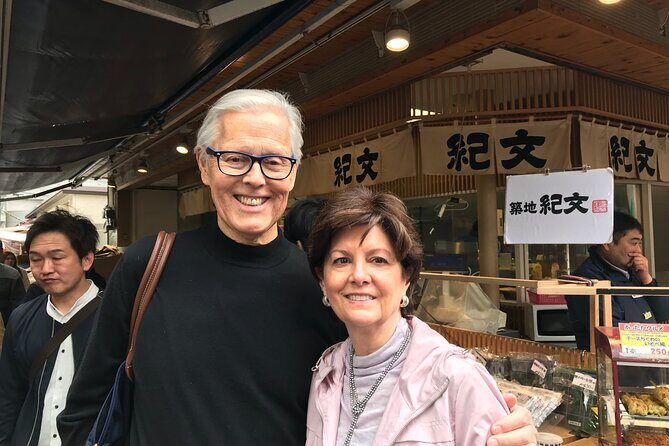
Tsukiji Fish Market is a powerful choice if you want Tokyo flavor without turning your day into a logistics headache. The tour format helps you reach the area efficiently and fit it into your shopping schedule.
What you get here is a fast, concentrated look at a world-famous seafood setting. Even if you’re not there for a shopping mission, it’s an excellent way to add food culture to the day so it feels more rounded than electronics or fashion alone.
One thing to consider: it’s a market zone, so expect a lot of motion and sensory input. If your group is sensitive to crowds or strong food smells, pace yourself and let your guide steer you through the busiest spots.
Cat Street and Takeshita Street: Harajuku to Shibuya Youth Culture
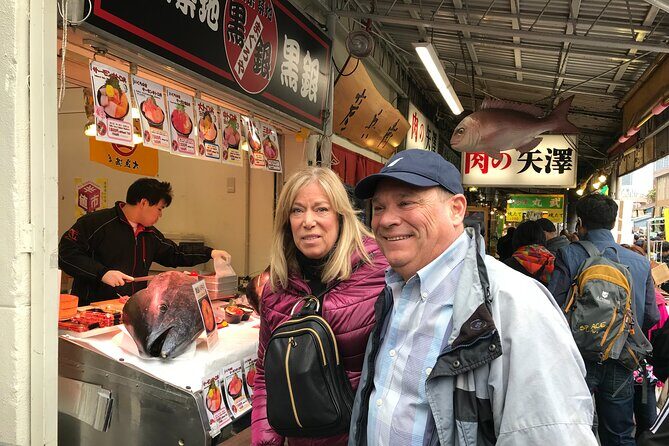
If you’re shopping for fashion snapshots, Cat Street and Takeshita-dori are the places that deliver. Cat Street is the nickname for a mostly pedestrianized alley that runs between Harajuku and Shibuya. It’s associated with youth fashion and hip culture, which makes it a fun stop for browsing style rather than buying practical items.
Takeshita Street (Takeshita-dori) in Harajuku is the louder, more playful cousin. Japan’s youth culture hits hard here, and you’ll find snacks that match the vibe—like Calbee chips, candy floss, and crepes.
This pair works especially well because your guide can help you handle the difference in shopping energy. Cat Street can feel more about style browsing; Takeshita is more about colorful, high-wattage retail. If you’re shopping with teenagers, this is often the easiest win.
Possible drawback: these streets can be crowded, and shopping here is often fast, impulse-heavy. If your group wants calmer browsing, choose only one of the two stops.
Shibamata: Old-School Tokyo Beyond the Usual Routes
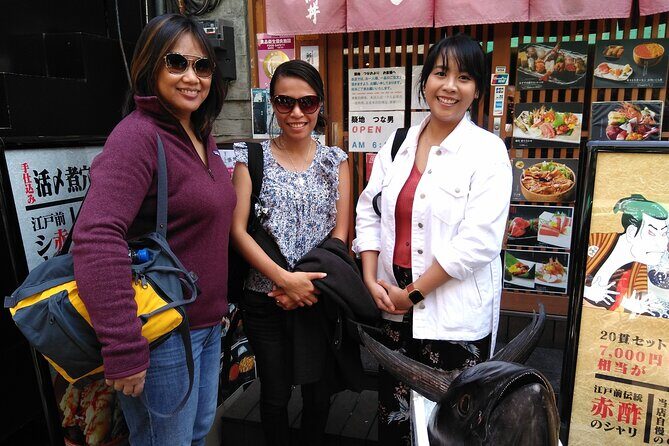
Shibamata (柴又) is on the eastern end of Tokyo, not far from the Edogawa River, which forms the border between Tokyo and Chiba. This stop stands out because it keeps more of the old-school charm you don’t always get in the most famous districts.
I like Shibamata because it adds contrast. Your day can include modern Tokyo culture and then shift into a more neighborhood-feeling area where the pace is gentler and the atmosphere feels less like a shopping theme park.
A consideration: Shibamata may be a better fit if you enjoy strolling and browsing small shops rather than chasing the biggest brand crowds. It’s not built around neon retail energy.
Akihabara: Electronics + Anime Culture Shopping
Akihabara (秋葉原), often called Akiba, is where Tokyo turns tech and fandom into street-level shopping. It’s famous for electronics shops, and it’s also known as a center for Japanese animation and related culture.
This stop is ideal if your group has clear wish lists—anything from gadgets to collectibles—or if you just want to walk into a district where shopping is the main event. With a guide, you can make quicker decisions: ask what stores specialize in, compare options, and avoid spending your time wandering in the wrong direction.
Possible drawback: Akihabara can be overwhelming because there are so many stores. If you don’t have at least a loose idea of what you want, it’s easy to lose the thread. This is exactly where a private guide helps.
What Makes the Guide Part Matter (Names You Might Hear)
A licensed guide isn’t just a translator. The day becomes smoother when they know how to set expectations at the start and then adjust as you go.
I’ve seen guides like Izumi San begin by laying out options so your family can tailor the route. Sam is another example of a guide who communicates clearly and steers the shopping plan to what you’re actually looking for. Noripy and Steve are highlighted for stepping in when navigation gets tricky, including helping with subway directions and translations in shops.
Hiro is often described as on time and focused on off-the-beaten-path interests, which is the kind of approach that can turn a shopping walk into a more personal Tokyo day. Kappa and Kazuo also come up for being prepared and helpful, especially when tailoring the route to your pace and preferences.
Practical takeaway for you: when you message or speak with your guide at the start, be direct. Say what you want (food tools, youth fashion, electronics, traditional neighborhood browsing) and what you don’t want. It saves time and makes the shopping hit harder.
Price and Value: Why $154.37 Can Be Fair
At $154.37 per person for about 6 hours, the value is mainly about private time and friction reduction. You’re paying for a government-licensed guide, plus a route that’s customized from 3–4 shopping streets rather than a one-size-fits-all march.
Is it worth it? Usually yes if:
- you care about shopping outcomes, not just sightseeing
- you want help with navigating and asking questions inside stores
- you’re traveling as a group that benefits from private pacing
- you want a smoother start due to hotel-area pickup help
It may be less worth it if your group is independent, already comfortable navigating Tokyo, and only wants to hit one neighborhood. In that case, you might prefer transit and self-guided browsing to keep costs down.
Also note what’s not included: transportation fees, entrance fees, lunch, and other personal expenses. The tour covers the guide and the planned stops, but your spending still happens at normal Tokyo levels for what you choose to buy and eat.
Who This Tour Fits Best
This tour is a strong match if you want an easy day that still feels personal. It’s marked as a walking tour, and most travelers can participate, but you’ll want comfortable shoes and a realistic pace.
It suits:
- couples who want a shopping plan without stress
- families, especially when you want a teen-friendly mix (Cat Street, Takeshita)
- food lovers who might enjoy Kappabashi and Tsukiji
- anime and electronics fans aiming for Akihabara with less wandering
If you’re traveling with limited mobility or you hate walking between train-adjacent streets, you may want a different format. This one is built around moving on foot and using the guide to make those moves efficient.
Should You Book It or Skip It?
Book it if you like shopping streets but hate the guesswork. The combination of private pacing, a government-licensed guide, and a flexible morning start makes the day easier to manage, especially when Tokyo feels intimidating.
Skip it if you plan to shop only in one area and you already know the exact streets and stores you want. In that case, a self-guided approach might be cheaper.
If you’re undecided, use this rule: if your group wants help choosing what to see and where to go next, this tour is built for that. If you’re the type who just wants to wander freely with no plan, you might enjoy Tokyo more on your own.
FAQ
How long is the Tokyo shopping street hopping private tour?
The tour is listed at about 6 hours.
What does the tour cost per person?
The price is $154.37 per person.
Are pickup and a guide included?
Yes. Pickup is offered, and the tour includes a licensed local guide.
Is this a group tour or a private tour?
It’s a private tour/activity, meaning only your group participates.
How many shopping streets do we visit?
You customize the itinerary and choose about 3–4 sites from the available list.
Are admission tickets included?
Entrance fees are not listed as included generally, but the stops shown for this tour have admission ticket free.
What’s not included in the price?
Transportation fees, entrance fees, lunch, and other personal expenses are not included. Private transportation is also not included.
Can I cancel and get a refund?
Yes. Free cancellation is available up to 24 hours before the experience start time for a full refund.
Do we need cash, or do we have a ticket for the tour?
You get a mobile ticket. The tour data doesn’t specify payment method for shops, but the tour itself supports mobile ticketing.
Easier with a Guide

More Tours in Tokyo




More Tour Reviews in Tokyo




Fresh reviews from around Tokyo






Shopping Tours, compared.
 ★ 5.0Tokyo Tsukiji Fish Market Food and Culture Walking TourFrom $993,184 reviews
 ★ 5.0Tsukiji Fish Market Food and Walking tourFrom $301,724 reviews
 ★ 4.9Tsukiji Fish Market Guided Walking TourFrom $221,397 reviews
 ★ 5.0Tsukiji Fish Market Guided Tour and Sushi Making with Pro ChefFrom $104775 reviews
★ 4.7Tsukiji Fish Market Food and Culture Walking TourFrom $96757 reviews
★ 5.0Tsukiji Fish Market Guided Tour and Sushi Making with Pro ChefFrom $104775 reviews
★ 4.7Tsukiji Fish Market Food and Culture Walking TourFrom $96757 reviews
 ★ 5.0Tsukiji Fish Market: Street Food & Culture Walking TourFrom $33669 reviews
 ★ 5.0Tsukiji Fish Market Small-Group Food Walking TourFrom $87621 reviews
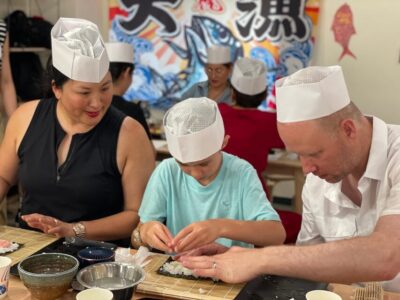 ★ 4.9Tsukiji Fish Market Sushi Making Class with Pro ChefFrom $63506 reviews
Browse the lists this tour appears in