
Reviewed · SAMURAI & NINJA EXPERIENCES
Tokyo: Samurai History Walking Tour
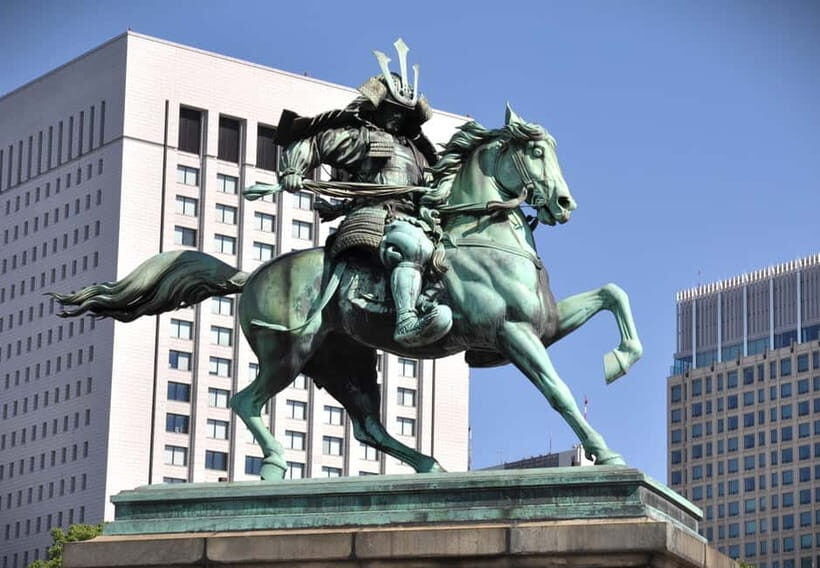
Samurai history turns into street-level reality fast. In just 4 hours, you connect the long arc of samurai power—from early foundations through the end in 1868—using real places in central Tokyo. I love that it’s built around major sites you can actually stand in front of, not just photos and vague timelines.
Two things I especially like: the guide’s clear, honest storytelling (John is the name you’ll hear), and the way the tour uses standout stops like Edo Castle ruins and Sengaku-ji to explain why samurai rose, shifted roles, and eventually faded. One practical drawback: it’s a walking tour, so if you tire easily, you’ll want to plan for breaks and slower moments.
In This Review
- Key points that make this tour worth your time
- Samurai history on foot: timing, pace, and what you’ll actually see
- Starting at Marunouchi Square: the 30-minute setup that keeps the story straight
- Edo Castle ruins at Tokyo Imperial Palace East Gardens: the long stop that does the heavy lifting
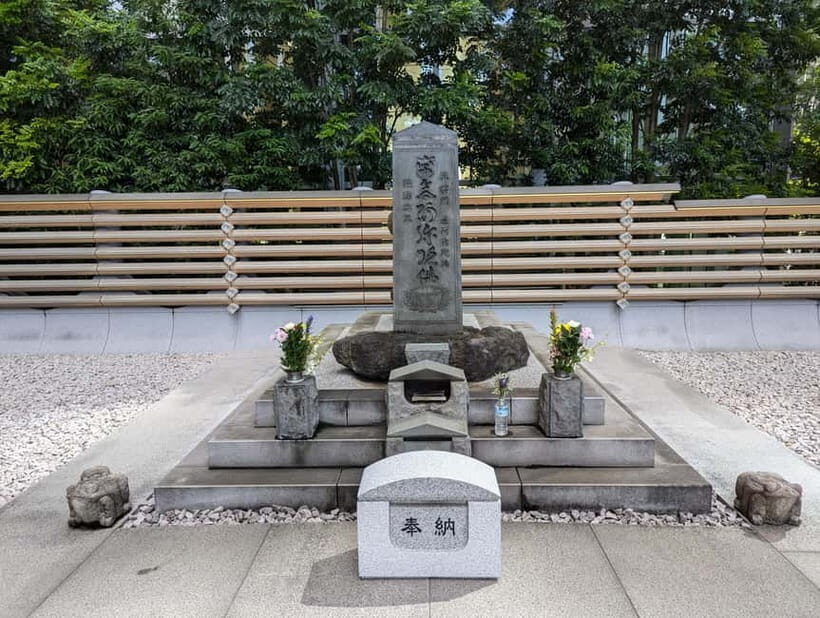
- Taira no Masakado’s Grave: the earlier chapter that adds context
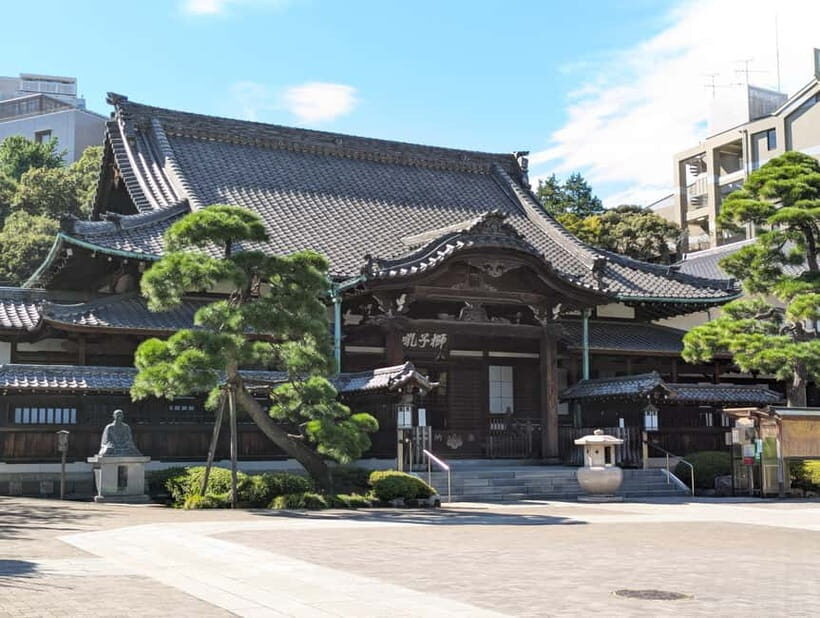
- Sengaku-ji and the 47 Ronin Gravesite: where legend meets place
- Price and value: what $33 buys, plus what you’ll still pay
- Logistics that make or break the day: transit breaks, food, and comfort
- Who should book this tour (and who should skip it)
- Should you book this Tokyo Samurai History Walking Tour?
- FAQ
- How long is the tour, and is it mostly walking?
- Where do we meet if we’re near Tokyo Station?
- Is the tour guide English-speaking?
- What is included in the $33 price?
- What extra costs should I budget for?
- Is the tour suitable for wheelchair users or very elderly guests?
Key points that make this tour worth your time
- Marunouchi Square start near Tokyo Station: easy to find and central for getting there.
- Edo Castle ruins at Tokyo Imperial Palace East Gardens: a long stop that sets the historical stage.
- Taira no Masakado’s Grave: a focused moment for earlier samurai-era context.
- Sengaku-ji and the 47 Ronin Gravesite: the emotional anchor of the walk.
- English live guide, with room for questions: John keeps the story engaging and responsive.
- Budget-friendly tour price, with small add-on costs: pay the guide up front, then handle minor transit and temple tickets.
More blades, bows and dojo hours
- Tokyo: Samurai Ninja Museum Guided tour and Experience★ 4.6 · 1,010 reviews
- Tokyo: Samurai Sword & Archery Class from Samurai Descendant★ 5.0 · 603 reviews
- Best Samurai Experience in Tokyo★ 5.0 · 458 reviews
Samurai history on foot: timing, pace, and what you’ll actually see
This is a 4-hour walking tour that also uses public transport occasionally. That matters because Tokyo walking can be deceptively long: you get full neighborhood scale without feeling like you’re stuck in one stretch for the whole time.
You’ll meet at Marunouchi Square (and it’s easiest to find the guide outside Marunouchi Central Exit of JR Tokyo Station). The tour is designed to get you moving quickly, with a first guided chunk that helps you understand the big questions: who were the samurai, what did they do, were they honorable, and how did they fall.
At the end, you finish near Takanawa Gateway Station. That’s a nice touch because it avoids the awkward scramble of trying to return immediately to Tokyo Station with your legs already negotiating peace terms.
Starting at Marunouchi Square: the 30-minute setup that keeps the story straight
Before you go deep into stone, graves, and castle foundations, you get a guided 30 minutes that helps you frame the whole samurai arc. This is the part I’d call the orientation layer. Without it, those sites can blur into separate “cool history places.” With it, they snap into one narrative.
You’ll also get the practical side handled: you’ll receive a Google Maps link to the meeting location on the day of the tour, and you should check your email and the GetYourGuide app for updates. Communication also happens by WhatsApp or email after your booking is confirmed. In other words, you’re not left guessing where your guide vanished to—Tokyo can be a maze, and this avoids that headache.
John (a bald white male, per the tour details) is the kind of guide who answers questions instead of rushing past them. Based on the experience feedback, this Q-and-A style is a major reason people rate the tour so highly. If you like asking why something mattered, or you want the difference between a legend and what the site represents, you’ll likely have a good time here.
Edo Castle ruins at Tokyo Imperial Palace East Gardens: the long stop that does the heavy lifting
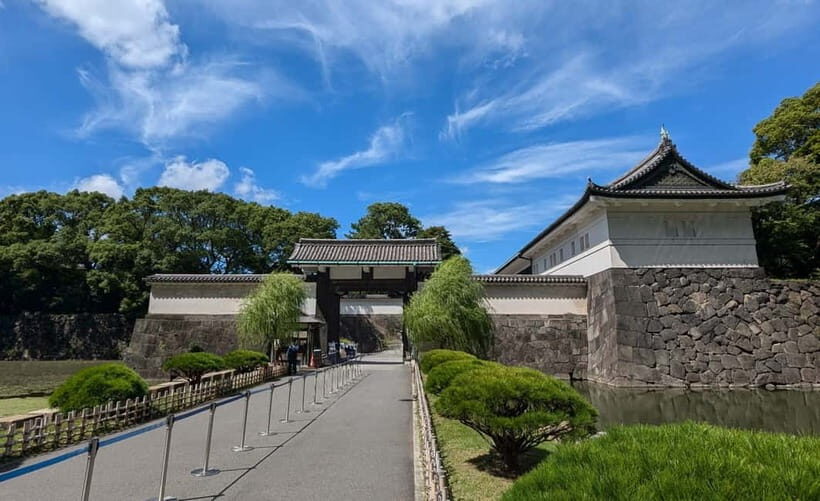
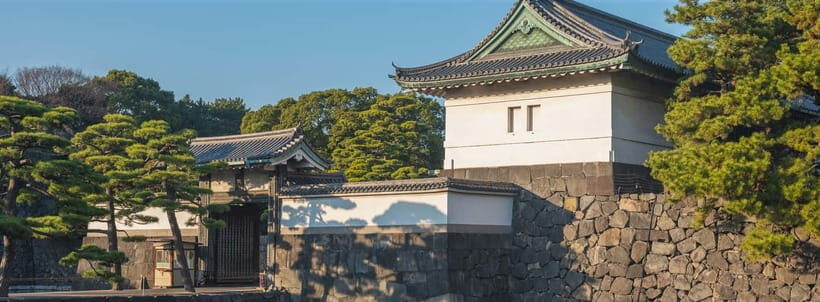
The heart of the tour is the Edo Castle ruins area (the time here is 105 minutes). This long stretch is where the tour earns its keep. Edo Castle is not just a pretty historical setting—it’s a way to talk about how power was organized and why samurai roles changed with the political system around them.
At Tokyo Imperial Palace East Gardens, you’ll be in a place that feels intensely central: the kind of area where you can imagine governance, security, and command happening at a city-scale level. The tour’s approach helps you connect the dots between the physical environment and the bigger “samurai rise and fall” story.
One thing to watch: this is the longest walking block of the tour. Even though the guide will keep things moving with rests as needed, you should come prepared for sustained time outdoors. Good shoes matter more than good intentions.
Why this stop is valuable: it gives you a sense of the samurai world as a system, not just a collection of famous names. You’re not only learning what happened—you’re learning why the places mattered, and how the samurai identity kept adapting as the political world around it evolved.
Taira no Masakado’s Grave: the earlier chapter that adds context
A highlight on this tour is Taira no Masakado’s Grave. You’ll use it as an earlier anchor point in the broader story—before the later periods people tend to associate with the word samurai.
This stop is useful because it prevents the tour from feeling like a straight line that only starts once the “main era” begins. Even if you don’t walk away with a head full of dates, you’ll likely walk away with a clearer idea of how samurai power and reputation formed over time, and how it could conflict with the rules of the age.
It also adds emotional balance. After castle ruins talk about structure and authority, a grave-related stop shifts you into remembrance and meaning—how later culture tries to explain earlier upheavals.
If you’re the type who enjoys the human side of history, this is the moment you’ll probably remember even more than the bigger architectural pieces. Not because it’s flashy, but because it changes your pace mentally.
Tokyo at walking pace, a few more ways



Sengaku-ji and the 47 Ronin Gravesite: where legend meets place
The final major stop is Sengaku-ji, including the 47 Ronin Gravesite. This is where the tour’s themes—honor, duty, and what society chooses to remember—feel most tangible.
Your time here is 1 hour, and it’s set up so you can see the areas tied to the 47 Ronin and get guided explanation of why the site matters. Importantly, the tour isn’t only about reading an inspiring story. It’s about how samurai ideals were interpreted through time, and how “truth” and memory can differ.
Two practical notes to help you enjoy this part more:
- You should budget for admission at Sengaku-ji. The cemetery and museum have separate fees listed as 300 yen and 500 yen (a piece). So if you plan to do both, you’ll want to have extra cash on hand.
- This part is close enough to the end that you may feel your pace slipping. Don’t try to speedrun it. This is the stop where slowing down helps—your brain catches up with what you just learned in the castle area.
Why this stop lands: it’s one of those rare combinations of physical location + cultural weight. Even if you only know the story at a headline level, the guide’s explanation helps you understand what the site represents and how legends stick.
Price and value: what $33 buys, plus what you’ll still pay
The tour price is $33 per person, and what you’re really paying for is the guide fee. That’s a smart way to price it, because the tour doesn’t feel “nickel-and-dimed” during the main walk.
But you should expect a few add-ons:
- Transport: about 400 yen per person (the tour uses public transport occasionally for rest).
- Sengaku-ji entry fees: 300 yen for the cemetery area and 500 yen for the museum area.
So your real “all-in” cost is still pretty reasonable, especially for a guided English walk that covers multiple big history anchors in one go. It’s also good value because the guide’s role isn’t just pointing. The tour is framed around big questions and guided explanations at each stop.
If you’re trying to decide between this tour and piecing together everything on your own, the value is mostly in the connections. You’re paying for someone to make the timeline make sense while you’re standing on the ground where it happened.
Logistics that make or break the day: transit breaks, food, and comfort
The tour is listed as not stopping for food. That’s not a flaw—it’s simply how they keep the timeline tight for a 4-hour experience. I recommend buying snacks from a convenience store beforehand and eating them along the way if you get hungry.
In Tokyo, that’s usually the difference between enjoying the walk and turning cranky. You’ll be outside and moving, so having a little emergency food helps.
Also, the tour notes occasional public transport. That’s a practical relief, but it also means you should plan to stay flexible and not treat the schedule like a rigid train timetable. The goal is to keep you comfortable enough to enjoy the story at each site.
Finally, the tour ends at Takanawa Gateway Station, so think about your next move before you start. If your plan involves dinner nearby, you’ll be set up well. If you’re going back across town, just know you might feel the day in your legs.
Who should book this tour (and who should skip it)
This tour is best for people who enjoy walking and want guided context, not just sightseeing. You’ll likely love it if you like history told as a cause-and-effect story: who held power, why it changed, and why samurai legends still matter.
It’s also a strong pick for families. The tour feedback specifically notes satisfaction with teenage kids, which usually means the guide keeps things clear and interesting instead of overly academic.
On the other hand, this is not recommended for people who tire very easily, and the details say it isn’t suitable for wheelchair users or people over 95 years. If you fall into either group, you’ll probably be happier with a shorter, more accessible option.
If you’re on the fence because of walking, don’t panic: the tour does take rest breaks and uses public transport occasionally. Still, you should go in knowing it’s a real walking day, not a sit-in-a-cafe-and-learn kind of experience.
Should you book this Tokyo Samurai History Walking Tour?
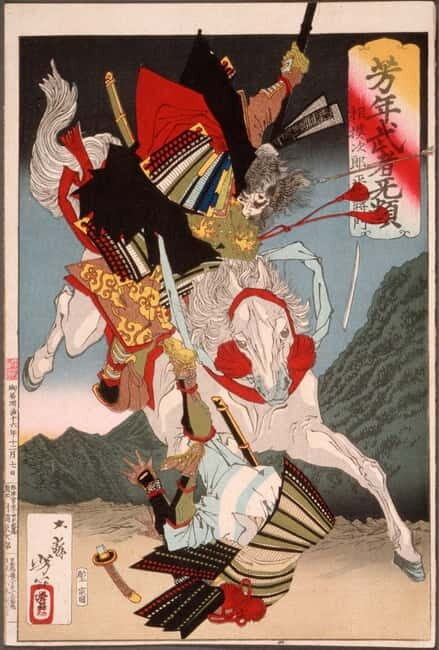
Yes—if you want samurai history tied to actual Tokyo locations and you value an engaging English guide like John. The best reason to book is the structure: you get a 105-minute core stop at Edo Castle ruins, a strong finale at Sengaku-ji with the 47 Ronin Gravesite, and enough earlier context (including Taira no Masakado’s Grave) to understand that samurai history isn’t one simple era.
Skip it only if you know you struggle with longer walking segments, or you need wheelchair-friendly routing. Otherwise, this is a cost-effective way to learn the big arc of samurai rise and fall without spending your entire day hopping between isolated points.
If you go, come with comfortable shoes, plan for minor add-on costs in yen, and pick up snacks before you start. Then you can focus on the good part: watching history turn from stories into places you can see.
FAQ
How long is the tour, and is it mostly walking?
The tour runs for 4 hours. It is a walking tour, but the group takes public transport occasionally to rest legs.
Where do we meet if we’re near Tokyo Station?
You’ll meet just outside Tokyo Station at Marunouchi Square, and the guide generally waits outside the Marunouchi Central Exit of JR Tokyo Station.
Is the tour guide English-speaking?
Yes. The tour includes a live tour guide and the tour language is English.
What is included in the $33 price?
The price includes the guide fee—one knowledgeable and friendly guide is included.
What extra costs should I budget for?
Transport is not included (about 400 yen per person). Also, Sengaku-ji has entry fees for the cemetery and museum, listed as 300 yen and 500 yen (a piece).
Is the tour suitable for wheelchair users or very elderly guests?
No. The tour is listed as not suitable for wheelchair users and it is not recommended for people over 95 years.
More Tours in Tokyo





More Tour Reviews in Tokyo




The Way of the Sword, Continued





Fresh reviews from around Tokyo






Samurai & Ninja Experiences, compared.
 ★ 4.6Samurai Ninja Museum Guided tour and ExperienceFrom $271,010 reviews
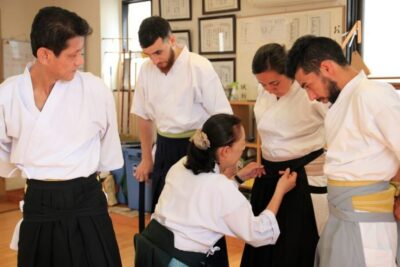 ★ 5.0Samurai Sword & Archery Class from Samurai DescendantFrom $193603 reviews
 ★ 5.0Best Samurai Experience in TokyoFrom $65458 reviews
 ★ 5.0Ninja Experience (Family Friendly) at Samurai Ninja Museum TOKYOFrom $47441 reviews
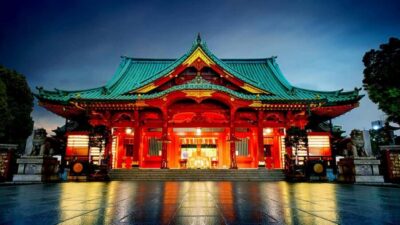 ★ 4.6Samurai Entertainment Night Show in Kanda ShrineFrom $41417 reviews
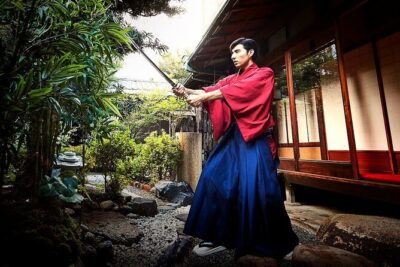 ★ 5.0Tokyo Sword Experience – includes Museum Ticket/Ninja ExperienceFrom $84314 reviews
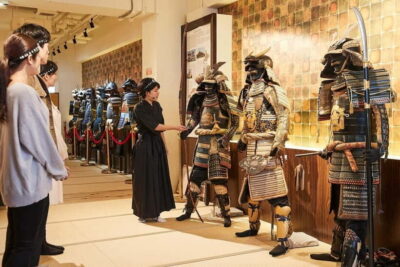 ★ 4.8Samurai Ninja Museum Asakusa: Samurai Sword Lesson & TourFrom $63306 reviews
 ★ 5.0Samurai Sword Experience (Family Friendly)at SAMURAI MUSEUM TOKYOFrom $65168 reviews
Browse the lists this tour appears in