
Reviewed · SAMURAI & NINJA EXPERIENCES
Tokyo Sword Experience – includes Museum Ticket/Ninja Experience
You can feel the discipline fast. This hands-on samurai session pairs costume-level fun with real instruction in iaido basics, then adds a ninja museum stop that fills out the story behind the sword.
Two things I especially like: the step-by-step training (you are taught how to hold and move, not just handed a prop), and the fact that you get more than the sword class, including museum time and ninja-star play. One thing to consider is crowding and time: the format runs on a clock, but group sizes can swell, and the “about 1 hour 15 minutes” estimate can stretch depending on what you choose to do.
If you’re dreaming about samurai life, this is a fun, structured way to test that dream in your own body. Just go in knowing the cutting is done with safe, non-sharp practice setups, and age rules can limit who participates in the cutting portion.
In This Review
- Key Highlights You Should Know
- Samurai Sword Training Starts at Asakusa’s Samurai Ninja Museum
- Hakama On: More Than a Costume Moment
- Iaido Basics: How the Instruction Actually Helps
- Practice Cuts and the Katana Moment (Without a Sharp Blade)
- Ninja Museum Ticket: The Story Behind the Sword
- Timing, Group Size, and Why Your Clock Might Slip
- Price and Value: Is $84.23 Worth It?
- Who This Samurai Experience Fits Best
- Practical Tips So You Get the Best Version of This Day
- Should You Book the Tokyo Sword Experience With Museum and Ninja Add-ons?
- FAQ
- Does this experience include the museum ticket?
- Do you use a real samurai sword?
- What safety gear or sword substitutes are used?
- Is there a minimum age?
- How long is the tour?
- Where do I meet?
- Is transportation included?
Key Highlights You Should Know
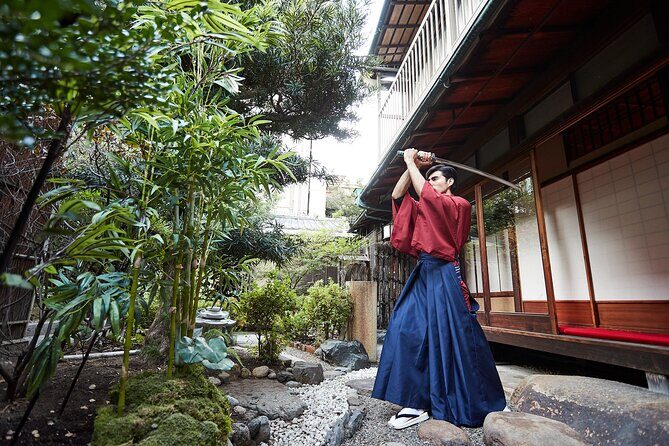
- Hakama dress-up with photo moments that actually build into the training mood
- Iaido instruction using a replica sword, with corrections to your stance and grip
- Practice sword sparring using safe training gear like foam replicas
- Old-style katana handling plus controlled practice cutting setups (not real sharp-blade use)
- Ninja museum add-ons including a museum tour and plastic ninja star throwing
- Multiple roles during the session with different instructors (like Ryo-sensei, Leon, Ren, and Koki)
More blades, bows and dojo hours
- Tokyo: Samurai Ninja Museum Guided tour and Experience★ 4.6 · 1,010 reviews
- Tokyo: Samurai Sword & Archery Class from Samurai Descendant★ 5.0 · 603 reviews
- Best Samurai Experience in Tokyo★ 5.0 · 458 reviews
Samurai Sword Training Starts at Asakusa’s Samurai Ninja Museum
Your day begins at the Samurai Ninja Museum Asakusa in Nishiasakusa (Taito City). It’s a convenient base point on the Tokyo side where you can also tack on nearby sights later, but this experience itself is designed to be self-contained once you arrive.
The big “feel” here is that it’s not just a photo studio with a sword-shaped accessory. You start by gearing up properly, then the instruction follows in a logical sequence: stance, motion, then a safe challenge where you test what you learned.
If you’re the type who likes clear structure, you’ll appreciate how the instructors run the class like a training session. If you prefer quiet, small-group sightseeing, you’ll want to plan for the fact that sessions can get busy.
Hakama On: More Than a Costume Moment
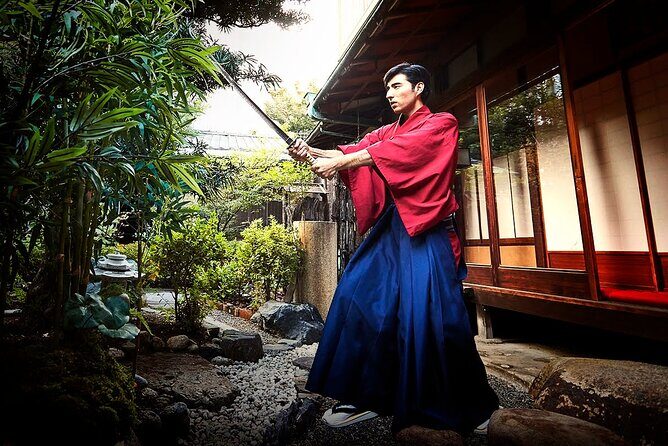
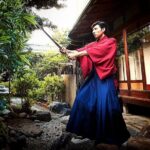
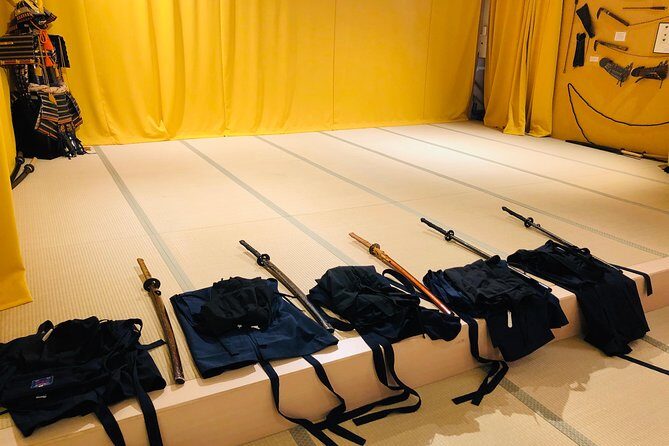
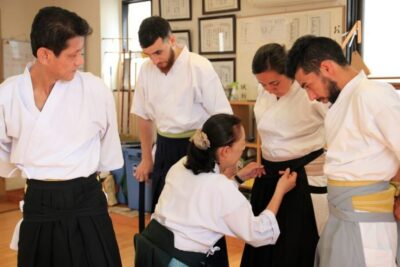
The first stage is dressing in traditional samurai hakama, which matters more than it sounds. Wearing the hakama changes how the fabric moves with you, and the instructors use that to reinforce posture and discipline right from the start.
You’ll also get time for posing with swords in front of themed studio backgrounds. Some of that can feel like “touristy photos,” and one review complained about the costuming and picture setup. Still, the staff emphasis here is practical: it gets you into the right physical mindset before the training begins.
A smart move: if photos matter to you, arrive with time to spare and plan to be flexible during peak hours. In crowded moments, photo time can become a quick shuffle rather than a slow, perfect take.
Iaido Basics: How the Instruction Actually Helps
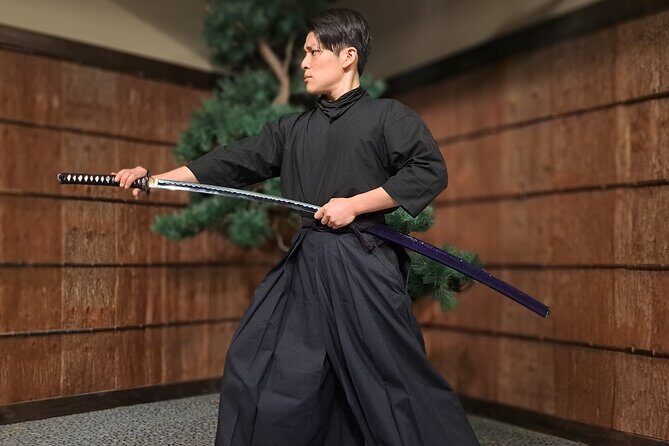
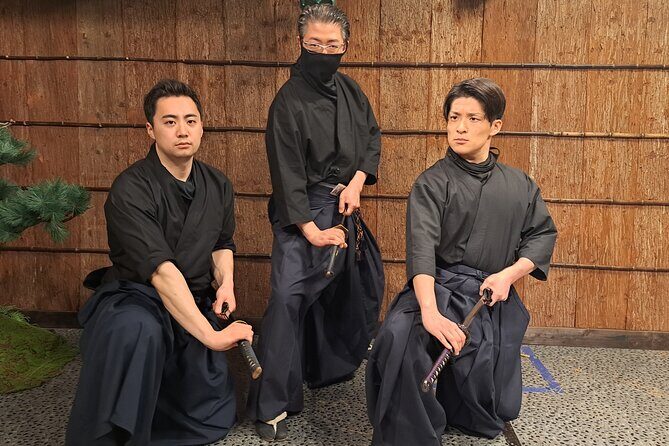
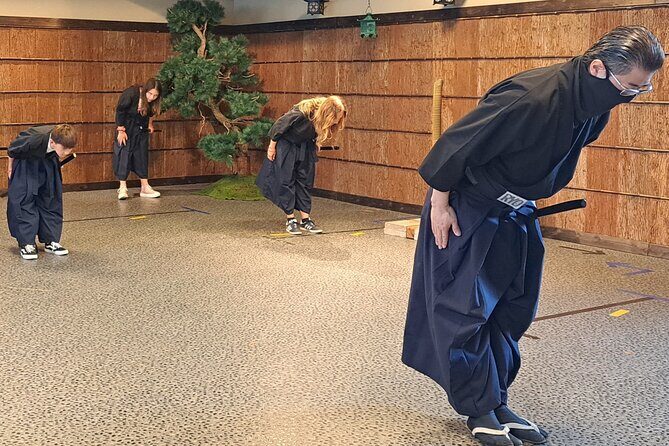
This is the core of the experience. You learn basic iaido techniques under instructors who correct your grip, stance, and movement so you’re not just waving a sword around.
In reviews, people highlighted instructors like Ryo-sensei, who taught kata and then moved the group into action with safe foam swords. That combination is a good sign: kata teaches the form, and sparring tests whether your body can carry the form under simple pressure.
You’ll also see how the training builds step-by-step. That pacing is part of why so many people rate this experience so highly: you get a sense of progress in a short time, rather than feeling lost.
One consideration: you’ll likely be working in a shared space with other participants. That’s normal for group sword training, but it affects personal timing for your practice turns.
Practice Cuts and the Katana Moment (Without a Sharp Blade)
Here’s the part people talk about most: you get the chance to hold an old-style katana and try controlled cutting practice. Reviews mention different claims like 200-year-old or 400-year-old swords, but the most important point from the experience details is this: Japanese law changes mean the activity does not involve using a real sword or sharp blade.
What that means in real life: cutting is done with a safe practice setup. Some people loved being able to slice a target like tatami, while others pushed back, saying they didn’t get to use a real blade. If you’re thinking of a Hollywood-style sword through tatami moment, calibrate expectations now and focus on the discipline and technique you’re learning.
Age rules can also affect this section. One review said teenagers could not take part in the cutting portion, and another said eligibility was limited to adults (18+). At minimum, the experience states children under 6 cannot enter the samurai venue, and cutting participation can be stricter than the museum and dress-up portions.
My advice: if your group includes kids or teens, confirm cutting eligibility before you go. Don’t assume everyone can do every activity just because they can enter the venue.
Worth weighing up alongside this Tokyo pick:




Ninja Museum Ticket: The Story Behind the Sword
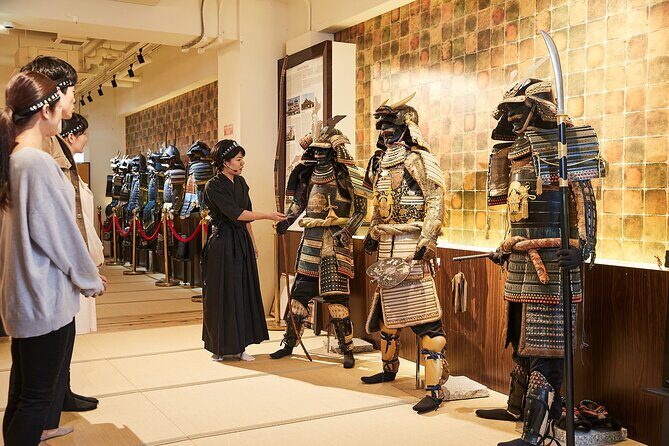
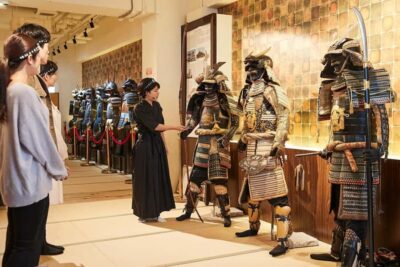
Included with the package is a museum ticket and a guided tour of the samurai and ninja museum. Reviews describe it as a small, multi-room setup, often described as several rooms rather than a huge museum walk.
This is where you’ll get the context that makes the training click. People who enjoy facts appreciated guides like Ren and others who made the history part entertaining. The museum guide’s English can vary by session, but at least one review noted the guide was harder to understand than expected, while still saying it worked out because the visitor’s Japanese was limited.
For kids, this portion can be less hands-on. One review suggested it’s not the best for children who want constant interactivity, since there can be a lot of talking and fewer interactive displays.
Then you add ninja fun. You can throw plastic ninja stars at polystyrene targets. It’s silly in the best way, but it also fits the theme without requiring technical skill.
Timing, Group Size, and Why Your Clock Might Slip
The listing says 1 hour 15 minutes (approx.), but the real-world experience can run longer depending on what’s included in your session flow. There’s language in the experience replies about a longer standard format: a history tour plus instruction plus the practice cutting segment.
Also, group size is a genuine variable. The experience provider notes a max of 4 travelers, but there are also reports of larger session groups, especially at peak times or when late arrivals try to join. One key issue people mentioned is crowded rooms making it harder to take photos and making the pace feel slower.
So what should you do with this? Treat the sword training as the anchor, and treat museum and ninja extras as bonus depth rather than strict “only 1.5 hours total” certainty.
If you have a tight schedule after Asakusa, decide in advance how much you want the add-ons. Some reviews described a wait between turns, so plan for standing around.
Price and Value: Is $84.23 Worth It?
At $84.23 per person, the value question comes down to what’s truly included. Here, you’re not paying only for sword instruction. You get:
- hakama dress-up and themed posing
- iaido training with a replica sword
- a safe duel/fight element with safe replicas
- a samurai and ninja museum component (free guided tour is described in the experience details)
- ninja-star throwing with plastic stars and targets
One review response also argued the experience costs about half of similar options, and that’s believable because the package stacks several themed activities into one session.
When it feels overpriced, it tends to be for two reasons: (1) people expected a sharper or more “real blade” cutting experience, and (2) the group was larger than expected, creating waiting time. If you show up knowing it’s technique-first and safety-first, the price starts to look more reasonable.
A good way to think about it: you’re paying for instruction, time in a themed venue, and multiple mini experiences under one roof. If you’d otherwise pay separately for a museum ticket plus a sword workshop, this bundling can make sense.
Who This Samurai Experience Fits Best
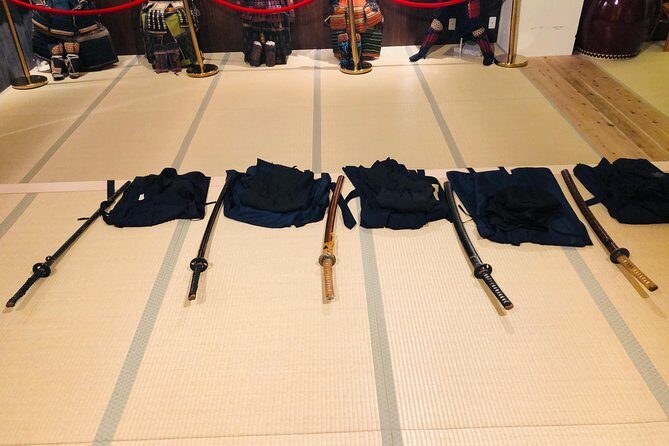
This is best for people who want the feel of samurai training without needing prior martial arts experience. You don’t need to be a sword expert, but you should be comfortable following safety rules and doing controlled movements.
It’s a strong fit for:
- couples who want a memorable hands-on class in Asakusa
- adults who enjoy structured instruction and immediate practice
- families with kids over 6, since younger children can’t enter the venue
It can be less ideal for:
- people who want tiny groups at all costs
- families expecting every member to participate in the cutting portion
- anyone who gets stressed by crowding and lines for individual turns
One of the best signals from the reviews is that people repeatedly praise the instructors’ energy. Staff names that came up include Leon (helping dress and taking photos), Koki (ninja star teaching and performance), Hector (role in the experience team), and Santo (history tour leadership). That kind of team coverage often means the session stays lively even when groups are larger.
Practical Tips So You Get the Best Version of This Day
These are the tips that matter most for a smooth experience.
- Arrive early. Crowd control affects photo time and check-in flow. Being late is the easiest way to feel rushed.
- Wear comfortable shoes. Even if you’re not doing intense physical training, you’ll stand, move, and reposition during instruction.
- Ask about age limits for cutting before you show up. The overall venue entry and the cutting participation rules aren’t always the same.
- Plan for photos to be busy during dress-up time. If you want the best shot, be ready when the staff calls people forward.
- Set expectations for safety. This is not a real sharp-blade experience. The thrill is in the discipline and practice setup, not a Hollywood-style cutting fantasy.
If you want the biggest pay-off, treat this like a training session. Listen well. Watch the instructor’s demo. Then copy the details they correct.
Should You Book the Tokyo Sword Experience With Museum and Ninja Add-ons?
I’d book it if you want an active, structured samurai experience in Asakusa and you like theme-based learning that ends with a clear hands-on result. The best version of this day is when you get a good instructor team and you’re comfortable with group pacing.
I’d skip or choose carefully if you’re expecting a true sharp-blade sword cutting experience, or if your group includes kids/teens who may not qualify for the cutting portion. If that applies, confirm eligibility first so you’re not disappointed once you arrive.
If you can be flexible about timing and understand it’s safety-first, practice-focused, this is one of the more memorable “hands-on Tokyo” activities in the samurai-and-ninja category.
FAQ
Does this experience include the museum ticket?
Yes. The package includes a museum ticket and a samurai and ninja museum component, plus a guide-led tour.
Do you use a real samurai sword?
No sharp, real blade is used. The experience details say it does not involve using a real sword or a sharp blade, and the training is done with safe practice equipment.
What safety gear or sword substitutes are used?
You train with a replica sword for iaido techniques, and there’s also a safe sword-fight element using safe replicas such as foam swords mentioned in reviews.
Is there a minimum age?
Yes. The experience states that children under 6 cannot enter the samurai venue. Cutting participation can have stricter limits, based on the age-related issues mentioned in reviews.
How long is the tour?
The duration is listed as about 1 hour 15 minutes, but in practice it may run longer depending on how much of the included museum and add-ons you complete.
Where do I meet?
Meet at Samurai Ninja Museum Asakusa Tokyo, 1-chōme-8-13 Nishiasakusa, Taito City, Tokyo 111-0035, Japan. The tour ends back at the meeting point.
Is transportation included?
No. Transportation to and from the attractions is not included, though the meeting point is near public transportation.
More Tickets in Tokyo

More Tour Reviews in Tokyo





The Way of the Sword, Continued


Fresh reviews from around Tokyo






Samurai & Ninja Experiences, compared.
 ★ 4.6Samurai Ninja Museum Guided tour and ExperienceFrom $271,010 reviews
 ★ 5.0Samurai Sword & Archery Class from Samurai DescendantFrom $193603 reviews
 ★ 5.0Best Samurai Experience in TokyoFrom $65458 reviews
 ★ 5.0Ninja Experience (Family Friendly) at Samurai Ninja Museum TOKYOFrom $47441 reviews
 ★ 4.6Samurai Entertainment Night Show in Kanda ShrineFrom $41417 reviews
 ★ 4.8Samurai Ninja Museum Asakusa: Samurai Sword Lesson & TourFrom $63306 reviews
 ★ 5.0Samurai Sword Experience (Family Friendly)at SAMURAI MUSEUM TOKYOFrom $65168 reviews
 ★ 4.9Best Samurai ExperienceFrom $63124 reviews
Browse the lists this tour appears in