
Reviewed · SAMURAI & NINJA EXPERIENCES
Best Samurai Experience in Tokyo
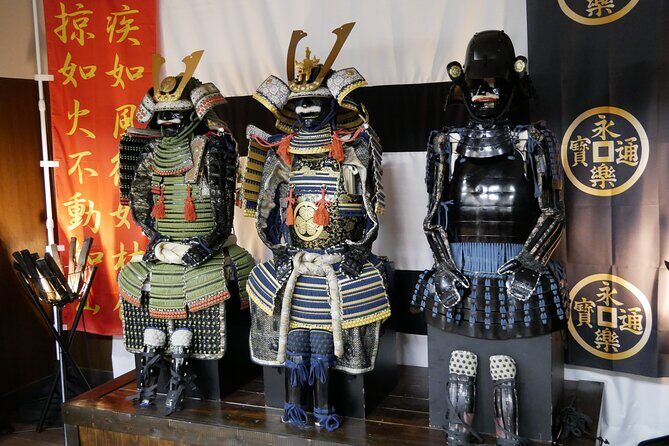
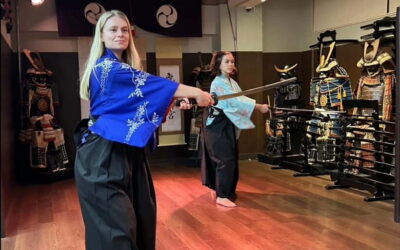
Want to act like a samurai in Tokyo? This experience happens inside an Edo-period styled space that feels like a real dojo, with armor and weapon displays that set the mood fast. You’ll pick your kimono and hakama, suit up, and jump straight into beginner-friendly sword training you can actually see and film.
I especially liked how the instructors keep things clear and patient, and how the session is built for motion—not just watching. The one possible downside: it’s an hour-long hands-on intro, so if you’re hunting for deep, serious martial-arts technique, you’ll likely want a longer class elsewhere.
In This Review
- Key things to know before you go
- Entering The Edo-Period Samurai Theater in Shinjuku
- Choosing Your Kimono and Hakama Before the Sword Work
- Katana Basics in Plain Terms: Draw, Hold, Swing, Retract
- Chambara Footwork and the Music Battle Finale
- Why the Photo and Armor Displays Matter for Memories
- Who Should Do This (Group Size, Language, and Timing)
- Value Check: Is $65 Worth It?
- Should You Book Samurai Theater Tokyo?
- FAQ
- Where is the meeting point?
- How long does the experience last?
- How much is it?
- Do I get a mobile ticket?
- Can I take photos and video inside?
- Can one person join by themselves?
- What’s the group size?
- What is the cancellation policy?
Key things to know before you go
- Edo-era dojo setting that doesn’t feel like a modern showroom
- Pick your own kimono and hakama before you ever touch the sword
- Katana basics taught step-by-step (draw, hold, swing, retract)
- Chambara practice with a simple fight drill before the finale
- Photos and video allowed inside, plus staff help with pictures
More blades, bows and dojo hours
- Tokyo: Samurai Ninja Museum Guided tour and Experience★ 4.6 · 1,010 reviews
- Tokyo: Samurai Sword & Archery Class from Samurai Descendant★ 5.0 · 603 reviews
- Best Samurai Experience in Tokyo★ 5.0 · 458 reviews
Entering The Edo-Period Samurai Theater in Shinjuku
This is one of those Tokyo activities where the setting does half the work for you. You meet at Samurai Theater Tokyo in Shinjuku (40 Yokoteramachi, 162-0831). The venue is near public transportation, but it’s also the kind of place where you may want to arrive with a few minutes to spare and follow the signage to the entrance.
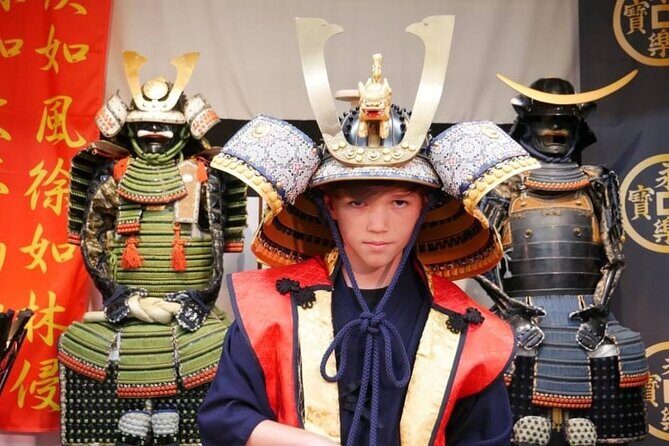
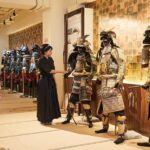
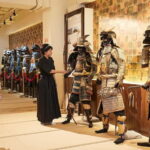
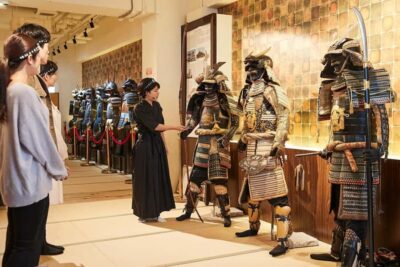
Inside, the vibe is clearly themed: it’s designed like an Edo-period dojo from centuries ago. One big reason this matters is that it helps you stop thinking like a tourist and start thinking like a student. You’re surrounded by armor and a display of weapons, so the experience feels hands-on and grounded instead of just cosplay.
The session caps at a small group size (up to 10 people). That’s a practical win. With a smaller class, you get more attention while learning sword moves, and the instructors can correct your posture and form without turning the whole thing into a lecture.
Choosing Your Kimono and Hakama Before the Sword Work
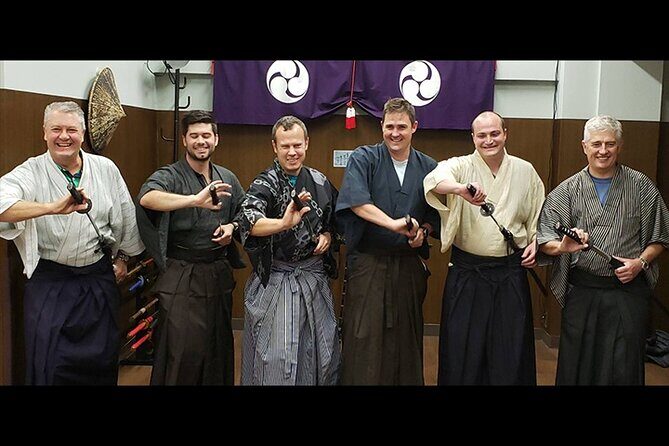
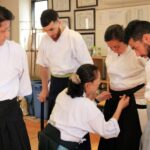
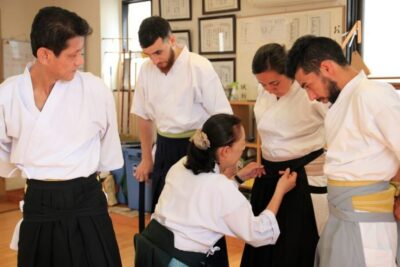
Before any sword training, you choose your outfit. You’ll select a kimono and hakama—this is the moment that turns the whole thing into a memory, not just a class.
I like that the costume moment isn’t treated like a quick checkbox. People in the program consistently remark on how comfortable the attire feels once it’s on, which is important in Japan where you may not expect to be doing active training in traditional clothing.
Why this step is more than just fun: the clothing cues your posture. Kimono and hakama naturally change how you stand, move, and hold yourself. That makes the later sword drills easier to follow, because you’re learning within the correct body language from the start.
Also, the experience leans into roleplay. You’re not just learning sword commands—you’re dressing for the part, taking photos, and gradually getting into the dojo mindset.
Katana Basics in Plain Terms: Draw, Hold, Swing, Retract
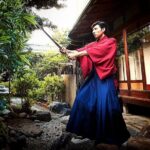
The main training is structured like a beginner progression. You learn core katana motions in a safe, coached way, not random sword waving.
Here’s what you can expect to practice:
- Drawing a sword (how to start the motion)
- Holding the sword (balance and hand position)
- Swinging in the basic form
- Retracting the sword to finish the action cleanly
This is the heart of the experience. In an hour, they have to keep it focused, and they do. The instructors are described as authentic, professional teachers who have appeared in major Japanese dramas and movies. That background shows in how the class is run: the pace stays friendly, and the guidance is direct.
A practical note: sword training looks simple in films, but your body needs repetition. That’s why this program doesn’t toss you immediately into a chaotic “battle.” You build a few basics first, then combine them for a short fight sequence.
If you’re sensitive about doing physical activities, don’t worry: this is manageable for most people because it’s taught step-by-step and kept beginner-level. Still, wear shoes you can move in comfortably—part of the fun is standing, stepping, and posing.
Chambara Footwork and the Music Battle Finale
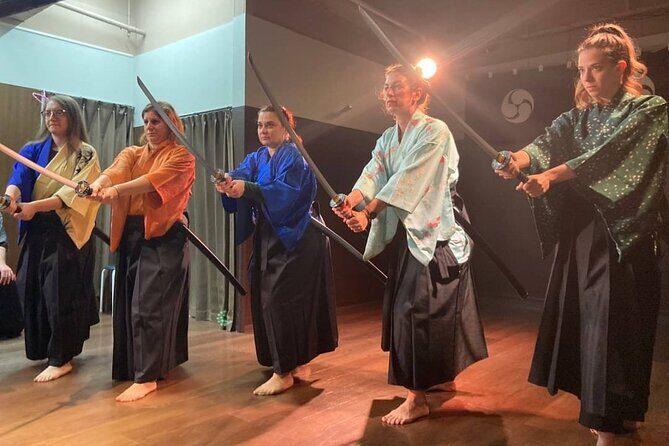
After the basic katana motions, you move into chambara-style practice—a simplified sword-fight drill. The idea is to let you feel what a sparring moment is like without turning it into a risky free-for-all.
Then comes the finale: a choreographed battle segment that runs to music. You’ll try to “exterminate bad guys” as part of the show-like rhythm of the session. It’s playful, but it’s not sloppy. The music adds timing, so you’re reacting and moving, not just posing for a photo.
This part is where your phone stops being a passive camera. You can record and take pictures during the experience inside the museum-like dojo space, and you’ll likely want video for the timing moments and the end-of-session scenes.
Also, the instructors are set up to help with capturing memories. Many people mention staff taking photos for them—especially families and solo visitors—so you don’t have to be the awkward person constantly asking a stranger to film.





Why the Photo and Armor Displays Matter for Memories
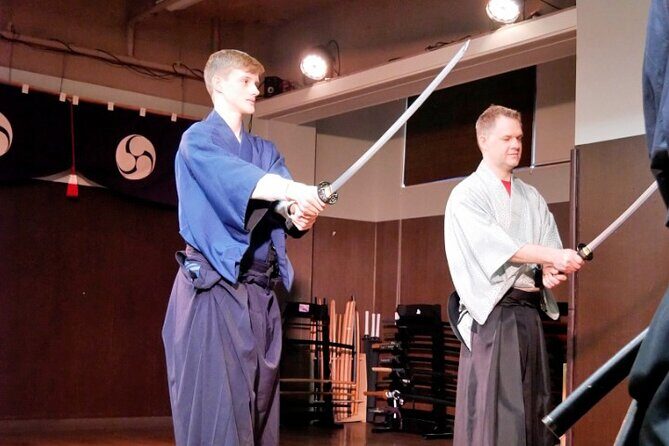
A lot of “experience” tours in Tokyo are fun for one reason: the photos. This one has that, but it also earns it.
First, you’re surrounded by armor and weapons, so your pictures have real context. It’s not just a costume in front of a wall. The displays act like natural backdrops and make your photos feel more like you visited a themed world than you sat through a class.
Second, the instructors and staff support the photo moments. In the feedback, people repeatedly call out how helpful the team is with pictures and video, including when someone comes in solo. If you’re traveling with a partner or family, this helps you capture action shots without constantly swapping devices.
Third, the program builds toward a mini performance. You learn basic moves, practice, then stage the showdown. That structure means you’re not just learning—you’re walking away with proof that you learned something.
And yes, you’ll leave with lots of vivid memories. When you can film your own form and a short fight sequence, the experience sticks in a different way than a standard museum tour.
Who Should Do This (Group Size, Language, and Timing)
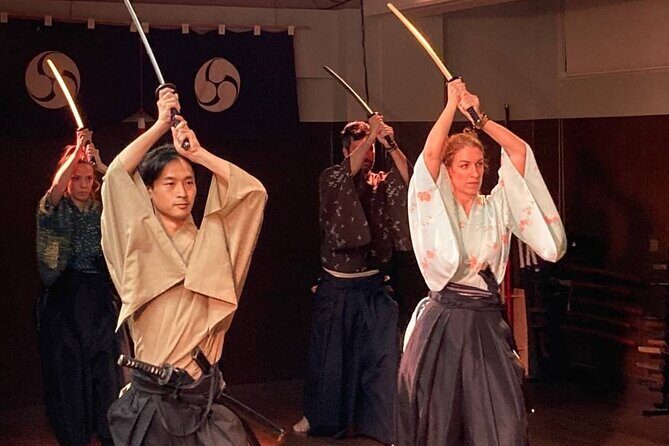
This works well for families, solo visitors, and people who just want a hands-on Tokyo standout without a huge time commitment.
A few data points that matter for planning:
- Duration: about 1 hour
- Group size: maximum of 10 people
- Participation: most people can join
- Solo option: one person can also take part
- Timing: same-day reservations are possible
That one-hour format is a big deal. Tokyo can be a lot. It’s nice when your activity doesn’t swallow your day. You can pair this with nearby neighborhoods or other indoor plans, especially if the weather turns.
Who might want to skip it or look elsewhere? If you’re a hardcore swordsman and you want detailed, advanced technique or long-form sparring, this is more of a guided introduction plus performance than a training academy. But if you want beginner katana basics, roleplay, and a fun fight drill, it’s hard to beat for the price and time.
Best mindset to bring: expect a structured beginner lesson, not a stunt show with no teaching. You’re learning while you’re having fun, and that balance is exactly what keeps the experience from feeling gimmicky.
Value Check: Is $65 Worth It?
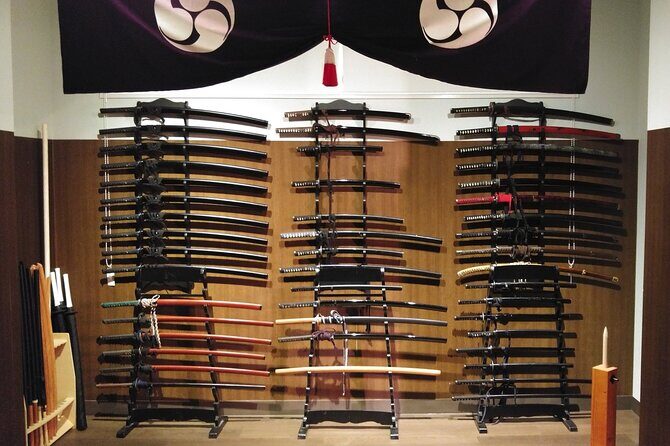
At $65 per person, the value is mostly about what’s included. You’re not paying only for instruction. Your ticket covers:
- All fees and taxes
- A professional guide/instructor
- Samurai costumes
- The hands-on training with katana and the chambara practice
So you’re getting instruction plus the full “become a samurai” outfit experience. That’s what pushes it into reasonable territory for Tokyo, where cosplay-style activities can sometimes cost more without giving you meaningful training time.
Also, the small group size helps. In a crowd, beginners struggle to learn. Here, the format is set up for attention, pacing, and safety while still keeping the show energy.
If you like activities where you leave with both skills and photos, this is a strong use of an hour—and a fun one at that.
Should You Book Samurai Theater Tokyo?
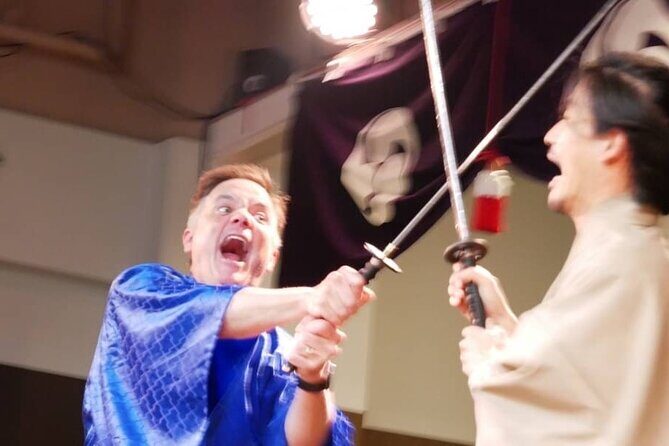
Book it if you want a short, hands-on samurai experience that includes real coaching, costume play, and plenty of photo and video moments in an Edo-themed space. It’s especially worth it for families, first-timers, and solo visitors who want the staff to help with pictures and keep the class moving at a friendly pace.
Skip it if you’re hoping for advanced sword mastery or long practice time. The session is designed as an introduction and a performance-friendly training arc, not an all-day dojo commitment.
If you want a memorable Tokyo activity that’s practical, beginner-friendly, and genuinely fun while still teaching you something you can show on video, this is a very solid pick.
FAQ
Where is the meeting point?
The experience starts at Samurai Theater Tokyo, 40 Yokoteramachi, Shinjuku City, Tokyo 162-0831, Japan, and ends back at the meeting point.
How long does the experience last?
It lasts about 1 hour (approx.).
How much is it?
The price is $65.00 per person.
Do I get a mobile ticket?
Yes, the tour uses a mobile ticket.
Can I take photos and video inside?
Yes. Photography and video recording are allowed inside the museum/dojo space.
Can one person join by themselves?
Yes. One person can also join the tour.
What’s the group size?
The activity has a maximum of 10 travelers.
What is the cancellation policy?
You can cancel for free up to 24 hours in advance for a full refund. If you cancel less than 24 hours before the start time, you won’t receive a refund. Cut-off times use local time.
More Tour Reviews in Tokyo



The Way of the Sword, Continued

Fresh reviews from around Tokyo






Samurai & Ninja Experiences, compared.
 ★ 4.6Samurai Ninja Museum Guided tour and ExperienceFrom $271,010 reviews
 ★ 5.0Samurai Sword & Archery Class from Samurai DescendantFrom $193603 reviews
 ★ 5.0Ninja Experience (Family Friendly) at Samurai Ninja Museum TOKYOFrom $47441 reviews
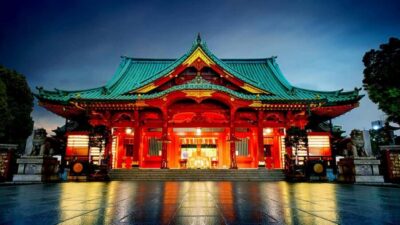 ★ 4.6Samurai Entertainment Night Show in Kanda ShrineFrom $41417 reviews
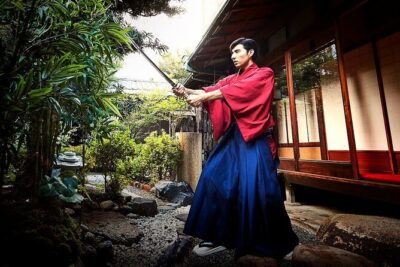 ★ 5.0Tokyo Sword Experience – includes Museum Ticket/Ninja ExperienceFrom $84314 reviews
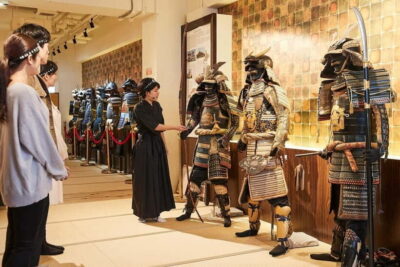 ★ 4.8Samurai Ninja Museum Asakusa: Samurai Sword Lesson & TourFrom $63306 reviews
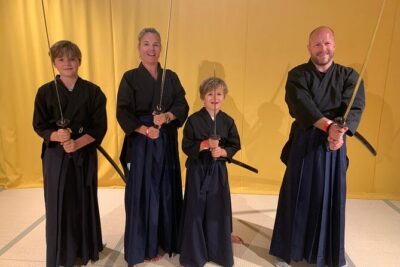 ★ 5.0Samurai Sword Experience (Family Friendly)at SAMURAI MUSEUM TOKYOFrom $65168 reviews
 ★ 4.9Best Samurai ExperienceFrom $63124 reviews
Browse the lists this tour appears in