
Reviewed · SAMURAI & NINJA EXPERIENCES
Samurai Sword Experience (Family Friendly)at SAMURAI MUSEUM TOKYO
Tokyo goes hands-on with swords. I love that this isn’t just a photo op: you get real katana handling practice plus time in the Samurai and Ninja Museum right after. The small-group feel (caps are listed as low, with different limits shown depending on session) also helps you actually learn the basics instead of standing around. One drawback to plan around: the experience can get time-wonky if people arrive late, which can make the room feel crowded and shrink the time you get with the instructor.
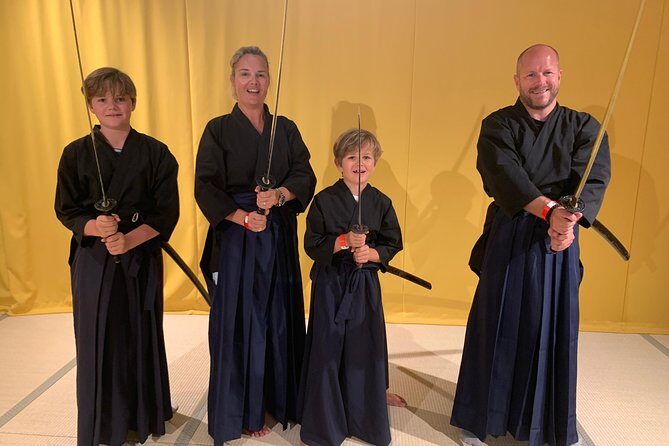
If your kids are ready to move, this is a fun fit because you dress for the part—hakama outfit, armor/helmet trials, and posing—then shift into guided technique. I especially like that many instructors keep things clear and upbeat in English, with names like Kenny, Momo, Ryo, and Jack showing up in reported sessions. Still, there’s an important consideration: children under 6 can’t enter the samurai venue, so plan your family schedule accordingly.
In This Review
- Key highlights to know before you go
- Suit Up at Samurai Museum Tokyo: What This Experience Feels Like
- Where You Meet (And How Easy It Is to Fit This Into Your Day)
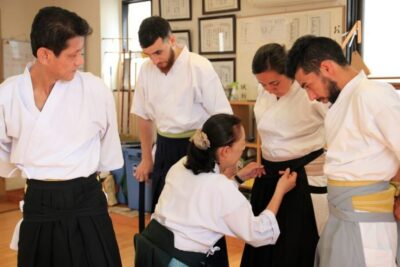
- Getting Dressed: Hakama, Armor Trials, and Photo-Ready Posing
- The Sword Lesson: Safe Katana Handling Without the Random Guesswork
- Ninja Weapons Trial: Throwing Stars as the Perfect Kid-Friendly Challenge
- The Museum Tour: What You’ll See and How to Make Time Work for You
- Price in Tokyo: Does $65.41 Feel Worth It?
- Family Fit: Ages, Expectations, and Group Size Reality
- Who Should Book This Samurai Sword Experience?
- Should You Book This in Asakusa?
- FAQ
- What time does the Samurai Sword Experience start?
- Where do I meet the group?
- How long does the experience take?
- What do you include with the experience?
- What is the group size?
- Are children allowed?
- Is transportation included?
Key highlights to know before you go
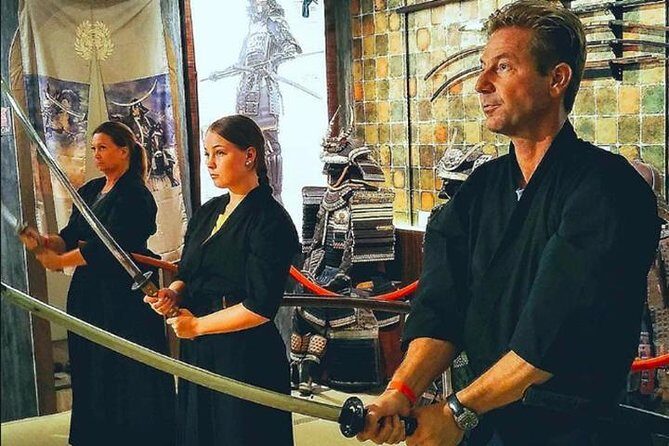
- Katana basics, taught with safety in mind so you learn how to handle it, not just pose with it
- Samurai and ninja costuming + props: hakama outfit, armor/helmet trials, and themed photo backdrops
- Ninja weapon trial time, including throwing stars into a target setup
- Small group format, with caps shown in the info (and occasionally tight rooms if sessions overlap)
- Museum tour included, but it’s not huge, so time management matters
More blades, bows and dojo hours
- Tokyo: Samurai Ninja Museum Guided tour and Experience★ 4.6 · 1,010 reviews
- Tokyo: Samurai Sword & Archery Class from Samurai Descendant★ 5.0 · 603 reviews
- Best Samurai Experience in Tokyo★ 5.0 · 458 reviews
Suit Up at Samurai Museum Tokyo: What This Experience Feels Like
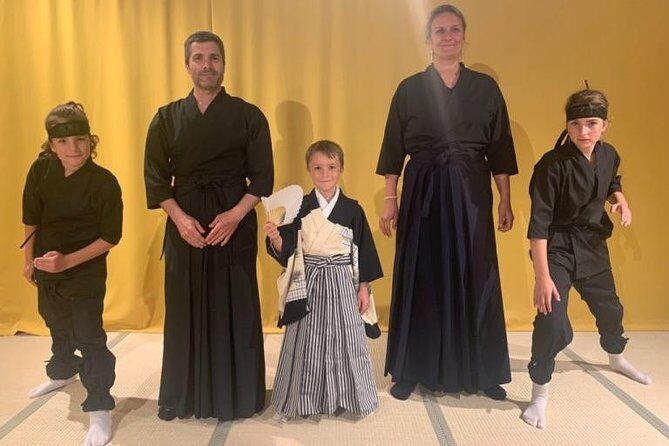
This is the kind of activity that works because it mixes three things you can feel right away: costume, movement, and story. You’ll start by getting dressed in traditional samurai-style clothing, including a hakama outfit, and then add the armor/helmet trial pieces. After that quick transformation, you get guided practice so your hands learn what your brain is hearing.
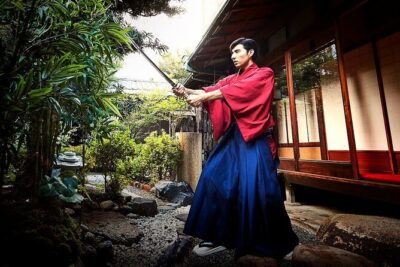
The sword part is what most people come for, and it’s also what tends to get the best reactions. Instead of pretending with a costume-only prop, you’re taught how to wield a katana safely, with a structured sequence you practice with the instructor’s direction. In several reports, the instructors were patient and friendly, and some even brought family-line samurai credentials into the explanation (Ryo is mentioned in particular).
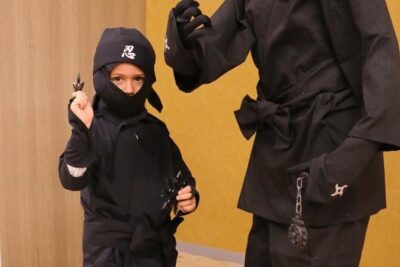
You also get the ninja side, not as a random add-on. The experience includes a ninja weapons trial, with throwing stars used as a hands-on activity. It’s a simple goal—hit the foam/target setup—so even kids can feel successful fast.
One more reality check: this is a workshop with photo moments and a museum tour, so it moves. You’ll want to keep your expectations aligned with that. If you’re hoping for a quiet, slow, full museum experience, you might feel rushed.
Where You Meet (And How Easy It Is to Fit This Into Your Day)
You meet at Samurai Ninja Museum Asakusa Tokyo, at 1-chōme-8-13 Nishiasakusa, Taito City, Tokyo 111-0035, Japan. The start time listed is 2:00 pm, and the activity ends back at the meeting point, so you don’t have to coordinate a second pickup.
This location is convenient for two reasons. First, the info says it’s near public transportation, so you’re not stuck with a long taxi plan before a hands-on session. Second, Asakusa is an area where you can stack activities easily—this makes it simpler to go from streets and snacks to a scheduled workshop.
Timing matters here more than in many tours. The program includes dressing, instructor-led practice, photo/posing moments, then a museum tour. If you show up early, you often start calmer, get dressed without stress, and can handle the flow when the group is ready.
If you want a smoother experience, plan to be at the meeting point a bit ahead of 2:00 pm. One issue mentioned in feedback was delays from late arrivals, which can push dressing and slow down photos and instruction. Being punctual is a small move that can protect your whole hour-and-a-half (or longer) block.
Getting Dressed: Hakama, Armor Trials, and Photo-Ready Posing
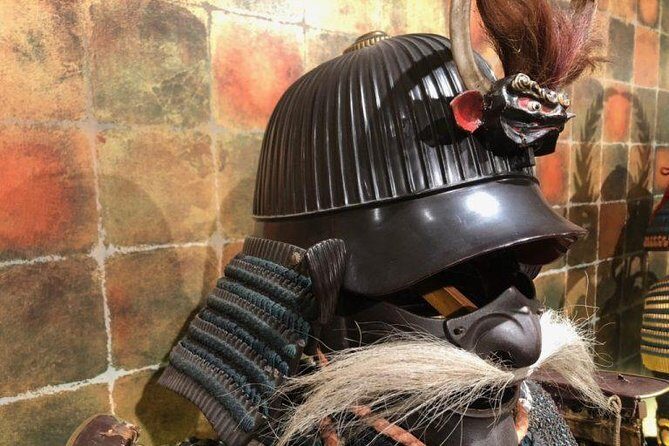
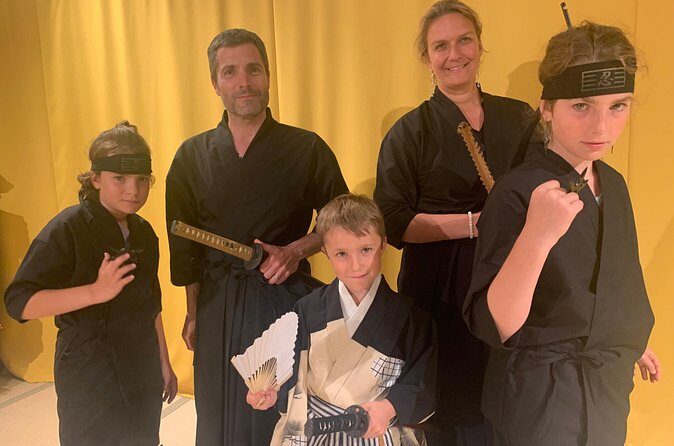
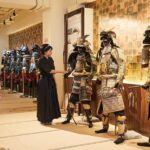
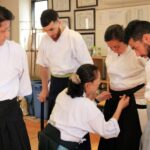
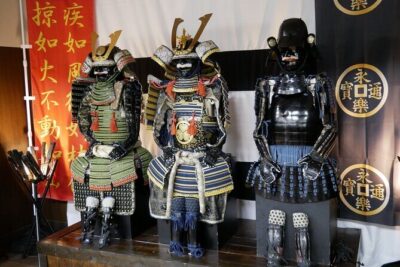
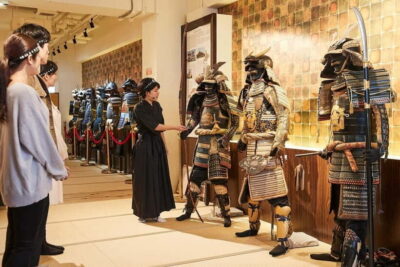
The dressing stage is more than a costume change—it’s a fast way to “switch gears” into a different role. You’ll wear a hakama outfit, then trial samurai armor and a helmet, and get photos taken in front of a studio or samurai-themed background setup.
Here’s what makes this part worth your time: it’s not just for looks. When you put on the clothing and armor pieces, you naturally move differently, and you’ll be more prepared for what the instructor asks later with your stance and grip. It also makes the sword practice feel like it belongs to the role, not like you’re holding a prop in street clothes.
Posing time can be quick or feel like a bigger part of your experience depending on how the session is running. Some reports describe lots of group photo and video moments, including filming. If you care most about training rather than photos, mentally treat the photos as a short step before the lesson.
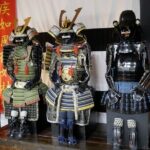
Also note the difference between “armor trials” and full armor. The info says you’ll try armor (and wear a helmet), but some feedback described costume armor as not heavy real armor—good for mobility and comfort. That’s a plus if you’re traveling with kids or anyone who doesn’t want a long wear-time.
For families, this dressing stage is often a win because it gives kids instant payoff. For adults, it can be a fun way to understand how samurai clothing and gear shaped posture and handling—even if you don’t get a deep dive into every garment detail.
The Sword Lesson: Safe Katana Handling Without the Random Guesswork
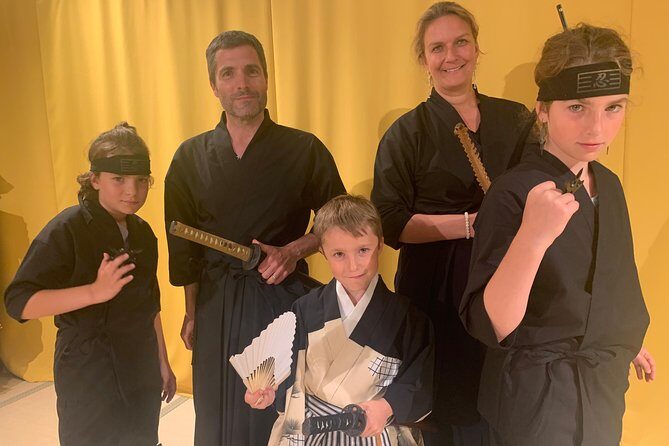
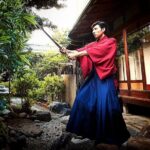
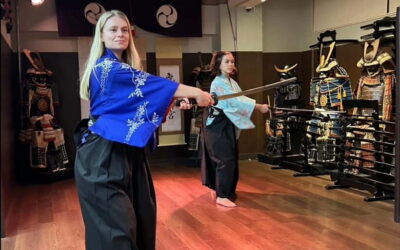
This is the core of the experience, and it’s where your expectations should be most specific. You learn how to wield a katana safely, with instructor guidance and a short set of movements you practice. A key point from the program clarification: the sword lesson is typically around 40 minutes, even if the overall activity time varies by session flow.
In other words, don’t think of it as a five-minute “try the sword” moment. Several reports describe the structure clearly: a demonstration, then practice in a group format. One review mentioned a replica sword and a focus on basic movements (not chopping), which fits the safe workshop style.
What you’ll actually do:
- Learn the basics of handling and stance
- Practice a simple sequence with coaching cues
- Do the movements for photos/video in assigned groups
The instructor names that show up in feedback—Kenny, Momo, Ryo, and Jack—matter because they’re connected to a common theme: patience. In a hands-on session, a calm instructor makes a big difference, especially with kids or first-timers who worry about holding a sword correctly.
If you’re coming for skill, here’s the practical truth: this is not a martial-arts dojo where you’ll master advanced forms. It’s a structured introduction. The value is in getting the basics right with safe supervision and leaving with muscle memory for the first steps.
Consider one caution from feedback: if your session gets delayed due to late arrivals, you can lose time waiting around before your turn for photos and instruction. That doesn’t mean the training isn’t good—it means punctual timing protects the learning portion.
More museum hours worth queueing for


Ninja Weapons Trial: Throwing Stars as the Perfect Kid-Friendly Challenge
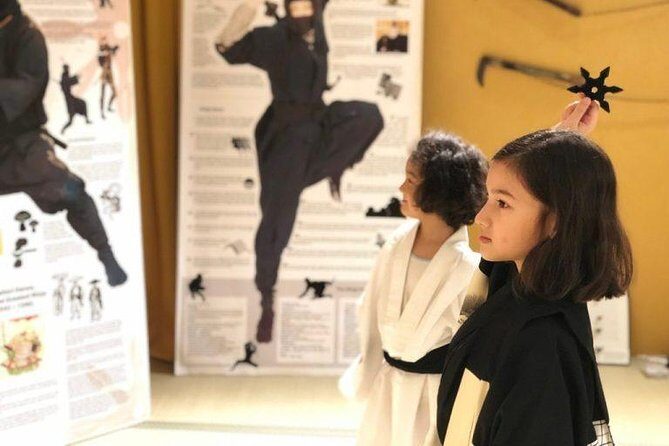
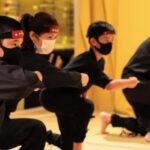
After the sword practice, the ninja side is a fun shift. The experience includes a ninja weapons trial, and one common activity described is throwing hard rubber ninja stars into a foam/target setup.
Why this works so well: it’s hands-on, physical, and has a clear goal. You’re not memorizing theory. You’re aiming, throwing, and adjusting. Kids tend to love it because success is fast—hit the target, feel the win, try again.
It also complements the sword training. Sword handling can feel intimidating at first, but stars are a lower-stakes entry into the ninja vibe. Together, you get a fuller picture of how these “samurai vs ninja” themes show up in popular culture and in reenactment-style museums.
If you’re visiting with multiple ages, this segment often becomes the family equalizer. The sword part might be more suited to kids who are ready to focus on safety and posture. The throwing part is more about coordination and timing, which can be easier for younger learners.
Just don’t expect this to replace a full ninja workshop. The ninja star portion is described as short—around 10 minutes in the program clarification—so treat it as a fun taste of “ninja training,” not a long session.
The Museum Tour: What You’ll See and How to Make Time Work for You
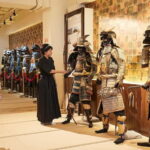
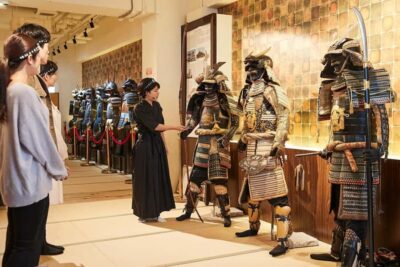
The included museum tour is part of the value equation. You’ll tour the Samurai and Ninja Museum, and the emphasis is on samurai and ninja culture in a style that fits the workshop format.
Here’s what to aim for while you’re there:
- Pay attention to the explanation between exhibits
- Use the museum time to connect what you just practiced to what the objects represent
- If the rooms feel busy, focus on a few items rather than trying to see everything
A practical limitation: feedback described the museum space as smaller than a traditional large museum, and that time in each area can feel tight. If your goal is lots of quiet reading, you might wish you had more time. If your goal is to get oriented and leave with a clearer mental picture, the museum is a good pairing.
Also, group overlap can matter. One report mentioned the museum getting crowded during sword photo time, which made it harder to see exhibits or move around. That’s not something you can fully control, but you can protect your experience by choosing what you want most and moving with purpose once the tour starts.
If you’re the type who likes learning through doing, this museum segment clicks. You’ll have just dressed like a samurai and practiced basic sword movements. That makes the artifacts and displays feel more connected to real training and culture themes instead of just wall decorations.
Price in Tokyo: Does $65.41 Feel Worth It?
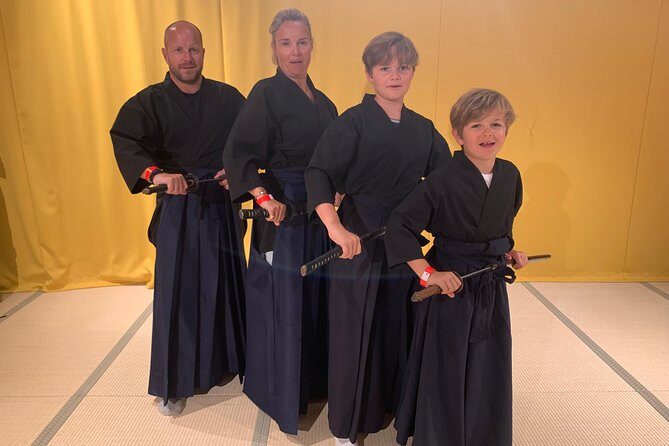
At $65.41 per person, you’re paying for more than a lesson. The value comes from the bundle: costume dressing (including hakama and armor/helmet trials), instructor-led sword practice, a ninja star activity, plus the museum tour.
In a normal day in Tokyo, you can spend that much on a guided experience that’s mostly talk or mostly entry tickets. Here, you’re getting hands-on participation, and that usually makes the price feel more fair. You’re also getting a small-group setup, which matters because hands-on learning works best when you’re not lost in a crowd.
Where price can feel less worth it:
- If you get an unusually crowded session
- If delays reduce your active practice time
- If you’re mostly after the costume photos and less interested in training
So I’d make the call like this: if you want a hands-on, family-friendly activity with real instruction, the price looks reasonable. If you want a long, deep museum visit with minimal waiting, you might feel the time squeeze.
Also, the experience uses a mobile ticket, which helps you avoid paper hassles when you’re juggling a day of sightseeing. Little convenience things add up.
Family Fit: Ages, Expectations, and Group Size Reality
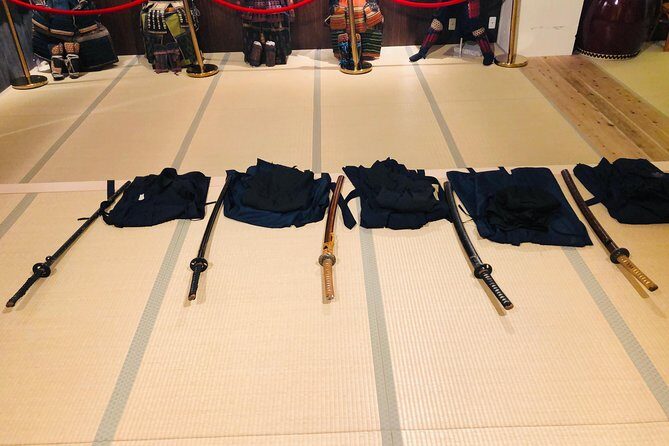
This experience is positioned as family-friendly, but with one clear rule: children under 6 can’t enter the samurai venue. That alone should shape your plan.
Group size is also a key expectation-maker. The info shows small caps in different places: one section says maximum eight, another says maximum sixteen, and one line lists a maximum of four. Those are inconsistent on the face of it, and some feedback described bigger-than-expected room crowding. The practical takeaway: you should expect a busy, organized workshop environment and arrive on time so you’re part of the smooth flow, not a cause of delays.
If you’re traveling with younger kids, treat this as a “structured play” plus safety basics. The sword experience will have rules and boundaries, and kids will need the patience to follow instructions. The good news is that the ninja star trial and costume posing can keep energy high while still moving you forward.
For older kids, teens, and adults who grew up with swords and ninja stories, this can feel like a dream that’s also educational. Multiple feedback notes highlight that the handling of swords was a favorite, and that the history and artifacts add context without turning it into a lecture.
Bottom line: it’s best for people who want action with just enough story to make it meaningful.
Who Should Book This Samurai Sword Experience?
Book it if you want a hands-on Tokyo activity that’s built around participation: dressing up, sword basics, ninja star throwing, and a museum tour. It’s also a strong choice when you’re traveling as a family and need something that keeps energy up without running all day.
I’d especially recommend it for:
- Families with kids 6+
- First-timers who want real coaching on safe katana handling
- People who like interactive museums, where you practice something right after learning about it
- Travelers who want an activity that fits neatly into an afternoon start at 2:00 pm
Skip it if your main goal is a quiet, long museum session or advanced sword training. This is an introduction, not an all-day mastery course.
Also, if you’re extremely photo-focused, this can still be a win, since posing and group shots are part of the structure. Just remember: your best experience comes when the sword lesson time stays intact, so punctual arrival is your friend.
Should You Book This in Asakusa?
Yes, if you want an active, family-friendly introduction to samurai sword handling and ninja culture in one afternoon block. The best version of this experience is the one where you get dressed smoothly, get coached clearly, and leave with both photos and a real sense of how basic katana handling works.
To stack the odds in your favor: arrive early enough to avoid rushing, keep expectations realistic about what a first sword lesson can cover, and treat the museum tour as a focused add-on rather than a full-day deep museum plan.
If that matches your travel style, this one is easy to justify.
FAQ
What time does the Samurai Sword Experience start?
The start time listed is 2:00 pm, and the activity ends back at the meeting point.
Where do I meet the group?
You meet at Samurai Ninja Museum Asakusa Tokyo, 1-chōme-8-13 Nishiasakusa, Taito City, Tokyo 111-0035, Japan.
How long does the experience take?
The duration is listed as about 1 hour 15 minutes, and program clarification describes sword lesson time around 40 minutes plus ninja star time around 10 minutes, with the total spanning about 90 to 120 minutes depending on how the session runs.
What do you include with the experience?
You get hands-on instruction for sword use, dressing in a hakama outfit, a samurai outfit and helmet trial, samurai armor trial and posing with swords in a studio/theme background, a ninja weapons trial, and a museum tour.
What is the group size?
The experience is described as small group, with limits shown as maximum eight in one section and maximum sixteen in another. One line also lists a maximum of four travelers, so you should expect a controlled, small-group setup.
Are children allowed?
Children under 6 can’t enter the samurai venue.
Is transportation included?
No. Transportation to and from attractions is not included.
Indoors Done Well: Tokyo Museums
More Tour Reviews in Tokyo





The Way of the Sword, Continued

Fresh reviews from around Tokyo






Samurai & Ninja Experiences, compared.
 ★ 4.6Samurai Ninja Museum Guided tour and ExperienceFrom $271,010 reviews
 ★ 5.0Samurai Sword & Archery Class from Samurai DescendantFrom $193603 reviews
 ★ 5.0Best Samurai Experience in TokyoFrom $65458 reviews
 ★ 5.0Ninja Experience (Family Friendly) at Samurai Ninja Museum TOKYOFrom $47441 reviews
 ★ 4.6Samurai Entertainment Night Show in Kanda ShrineFrom $41417 reviews
 ★ 5.0Tokyo Sword Experience – includes Museum Ticket/Ninja ExperienceFrom $84314 reviews
 ★ 4.8Samurai Ninja Museum Asakusa: Samurai Sword Lesson & TourFrom $63306 reviews
 ★ 4.9Best Samurai ExperienceFrom $63124 reviews
Browse the lists this tour appears in