
Reviewed · FOOD & DRINK
Tokyo: Pre Japan Planning Kit: Itineraries, Food & Survival
Planning Tokyo shouldn’t feel like homework. This Pre Japan Planning Kit is a digital, self-guided way to structure your days with easy-to-follow itineraries created by Nikolai & Kaho, a Norwegian and Japanese couple who live in Tokyo. I like that it focuses on the places they genuinely like taking people to, not some random list meant to impress.
Two things I’d highlight right away: the PDF itineraries help you build a realistic day plan, and the printable Japanese survival card is the kind of practical tool you can actually keep in your pocket. The main drawback to consider is also clear: there is no live guide or meeting point, so you’re responsible for navigating on your own.
If you want flexibility, this kit matches that mindset. You can follow the routes as written or adjust them to your pace, and you’ll have offline-ready PDFs through Google Drive. You’re starting from Shinjuku City (with Shinjuku Station as the practical reference point), which is a smart base for getting moving across Tokyo.
In This Review
- Key Points You’ll Care About
- Why This Kit Works Better Than Random Tokyo Tabs
- What You Get: PDFs, Restaurant Guide, and the Survival Card
- Building Your Tokyo Day Around Shinjuku: A Schedule You Can Actually Follow
- Start with orientation, not panic
- Use the photo stop and scenic-walk parts
- Plan meals as anchors, not chores
- Keep free time real
- One possible drawback: you may need to choose your own pace
- Restaurant Recommendations That Don’t Feel Like a Guess
- Pick one meal you won’t compromise on
- Treat street food and local snacks as timing tools
- Don’t aim for perfection in every neighborhood
- The Survival Card: Small Tool, Big Confidence
- Print it if you want less friction
- Keep it where you can reach it instantly
- Use it for common decisions
- Price and Value: $20 Per Group Up to 15 People
- Who This Works For (And Who Might Feel Limited)
- Should You Book This Pre Japan Planning Kit?
- FAQ
- Is this a guided tour with a live guide?
- Where does the itinerary start?
- How long is the experience?
- What’s included in the kit?
- When will I receive the Google Drive link?
- Can I use the PDFs offline?
- What language are the materials in?
- What is the price?
- Can I cancel and get a refund?
Key Points You’ll Care About
- Self-guided PDFs: 1–4 day Tokyo routes you can follow or tweak
- Budget-minded food picks: a restaurant guide across different areas, mostly affordable
- Japanese survival card: print it or use it on your phone for everyday situations
- Offline-friendly access: download PDFs from Google Drive after you get the link
- Group-price value: $20 per group up to 15 people, not per head
- Made by Tokyo locals: Nikolai & Kaho built it from years living and guiding in Tokyo
Other plates worth crossing Tokyo for
- Tokyo: Shinjuku Food Tour (13 Dishes at 4 Local Eateries)★ 5.0 · 6,603 reviews
- Tokyo Tsukiji Fish Market Food and Culture Walking Tour★ 5.0 · 3,184 reviews
- Tokyo: Shinjuku Food Tour (15 Dishes and 4 Eateries)★ 4.9 · 2,033 reviews
Why This Kit Works Better Than Random Tokyo Tabs

Tokyo is big enough that “figure it out later” can turn into “wander and hope.” This kit tackles that by giving you a day-by-day structure you can actually use. Instead of trying to decide everything from scratch each morning, you get a flow you can trust.
I also like the tone and limits of the kit. It’s not sold as some ultimate Tokyo authority; it’s framed as a personal selection of favorites. That matters because you’re planning your trip, not grading a textbook. If your tastes are different, you can adjust without feeling like you’re doing it wrong.
One more practical win: Shinjuku is a sensible starting point for many itineraries. It’s central, it’s well-connected, and it makes it easier to hop between areas during the day. If you’re staying somewhere else, the kit still gives you a clear anchor point so you’re not stuck guessing where to begin.
What You Get: PDFs, Restaurant Guide, and the Survival Card
This is a digital product only. After booking, you receive a private Google Drive link within 3 days, and everything is downloadable as PDFs so you can save it to your phone or device for offline use. That offline option is a big deal in Tokyo, where you can easily lose signal between stations or in thicker neighborhoods.
Inside the planning kit you’ll find three core pieces:
1) 1–4 day Tokyo itinerary PDFs
These are organized as whole-day routes. You can use them for a short stay (1 day) or stretch them across multiple days (up to 4). The structure is meant to help you plan mornings, mid-days, evenings, and breaks without overpacking.
2) Tokyo restaurant recommendations guide
This is a selection of food spots across different areas of Tokyo, with an emphasis on options that tend to be more affordable. You’re not just getting one neighborhood’s worth of food ideas, which makes it easier to match meals to where you already plan to be.
3) Japanese survival card
You can print it as a small card or keep it mobile-friendly. The purpose is simple: give you useful phrases and words you’ll likely need for everyday travel situations in Japan.
And it’s all in English. That may sound obvious, but for practical travel planning, it changes how fast you can get comfortable with your plan.
Building Your Tokyo Day Around Shinjuku: A Schedule You Can Actually Follow
Your kit’s starting location is Shinjuku City, using Shinjuku Station as the reference point (35.6938253, 139.7033559). That’s helpful because Shinjuku is a place you can physically meet up with in your brain. Even if you’re not staying there, you’ll likely pass through it or connect through it at least once.
The day plan is built with real-life categories, not fantasy pacing. You’ll see slots for things like a breakfast stop, lunch and dinner options, street food time, shopping, sightseeing, walks, and free time. There’s also space for breaks and photo stops.
Here’s how I’d use that rhythm so you don’t end up sprinting all day:
Start with orientation, not panic
When you begin in Shinjuku, treat your first hour like setup time. Use the itinerary’s early segments (break time, photo stop, or first visit block) to get your bearings. Tokyo rewards people who walk with intention, not people who rush from one station to another.
Worth weighing up alongside this Tokyo pick:


Use the photo stop and scenic-walk parts
The kit includes scenic views on the way and walk-based sightseeing. Those sections are your buffer for the “I want one more look” moments. You’ll get better photos because you’re not forcing everything into one tight checklist.
Plan meals as anchors, not chores
The itinerary includes breakfast, lunch, and dinner plus street food and local snacks. The trick is to pick your meal style based on where you are.
- If your day segment is more sightseeing-heavy, use dinner as your anchor.
- If you’re moving between areas, street food and local snacks can act like smaller “checkpoints.”
Keep free time real
There’s free time in the route for a reason. Tokyo days can change based on lines, weather, energy levels, or just a street you want to explore longer. Treat the free time block as permission, not slack.
One possible drawback: you may need to choose your own pace
Because this is self-guided, the itinerary tells you the structure but not your personal speed. If you like a super-slow day with lots of wandering, you’ll likely enjoy it. If you like everything tightly timed, you may want to set extra rules for yourself so you don’t lose momentum.
Restaurant Recommendations That Don’t Feel Like a Guess
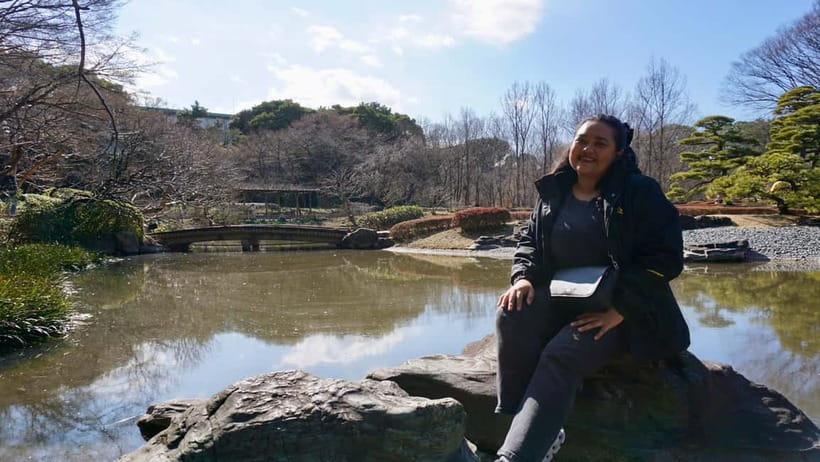
Food is where Tokyo planning can get frustrating fast. You might find a great place, then realize it’s miles away from where you actually are. This guide is designed to reduce that mismatch by giving you food options across different Tokyo areas, with an emphasis on affordable spots.
I like how it’s framed as personal favorites. That usually means you’ll see a mix of practical choices, not just trendy places that only make sense for one photo. Since the kit supports 1–4 day itineraries, you can match meals to the day you’re already running instead of forcing a food detour.
How to get the most value from the restaurant guide:
Pick one meal you won’t compromise on
Use the guide to choose one major meal that fits your preferences. Then fill the rest with simpler options from wherever your day takes you. The guide supports that because it includes both sit-down meals and street-food-style ideas through the broader itinerary structure.
Treat street food and local snacks as timing tools
The itinerary includes street food time and local snacks slots. That’s useful when you want to keep moving. You can use snacks to cover the gap between sightseeing blocks without killing your energy.
Don’t aim for perfection in every neighborhood
Tokyo is about sampling. If you try to hit every food style in one day, you’ll likely regret it. This guide’s spread across areas gives you permission to focus on what’s closest to your route.
The Survival Card: Small Tool, Big Confidence
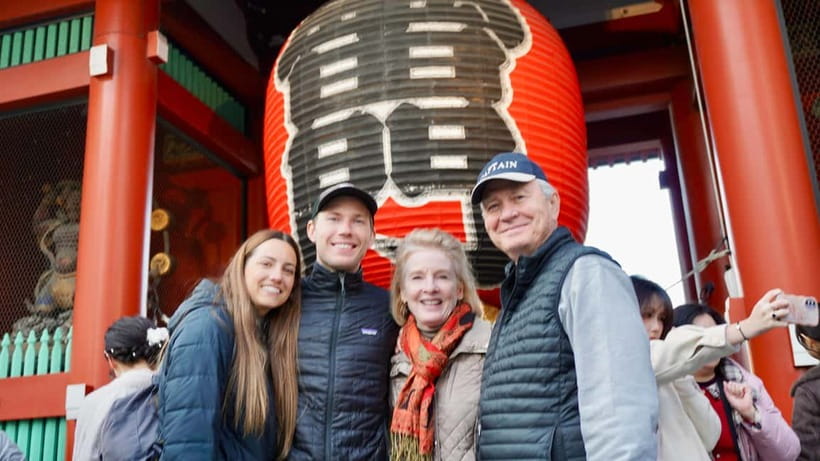
The Japanese survival card is one of the most practical parts of the kit because it’s built to reduce everyday stress. It’s meant for useful phrases and words for travel situations you might hit daily, and it’s printable or mobile-friendly.
You don’t need to speak perfect Japanese to have a smooth day. What you need is something quick and legible when you’re tired, rushed, or confused by a menu. The survival card exists for those moments.
How I’d use it so it actually helps:
Print it if you want less friction
A physical card is easy to pull out. You can show it quickly instead of trying to re-open apps or search menus on a weak connection.
Keep it where you can reach it instantly
Your phone is great, but phones also get buried in your bag. If you’re using it on-screen, set yourself up so you don’t waste time hunting for it.
Use it for common decisions
Even if you’re not sure what you want, the survival card helps you communicate for everyday travel tasks. That alone can make your day feel easier, because you’re not freezing when something doesn’t go exactly as planned.
Price and Value: $20 Per Group Up to 15 People
At $20 per group up to 15, this kit is priced in the “shared planning” category. That’s a big deal for value because the cost per person can drop a lot when you’re traveling with friends or family.
Here’s the value angle I’d use to decide if it’s worth it:
- If you’re the planner in your group, a self-guided kit can save hours of route-building.
- If you’re traveling with multiple people, group pricing can turn it into a cheap planning shortcut.
- If you hate rigid tours, the self-guided structure gives you guidance without locking you in.
If you’re traveling solo and enjoy building itineraries from scratch, you might question it. But if you want to start with a solid plan and then adjust based on your mood, you’re likely to feel the payoff.
Also, the kit has a strong rating of 4.9 out of 5 across 18 reviews, which supports the idea that people find it helpful and practical.
Who This Works For (And Who Might Feel Limited)
This planning kit is a strong match if you’re:
- a first-time visitor to Japan who wants less anxiety on day one
- someone who wants structure without joining a live tour
- a traveler who likes flexibility and pacing
- a budget-focused visitor, thanks to the mostly affordable restaurant recommendations
It may feel less perfect if you:
- want a person to answer questions on the spot
- need real-time adjustments based on crowd levels, closures, or weather
- prefer highly detailed sightseeing instructions that name every exact stop and order
Also, because it’s fully digital, your trip planning depends on downloading and using the PDFs offline. If you’re the type who arrives with zero preparation and no plan to save documents, you may want to set up your device before you leave.
Should You Book This Pre Japan Planning Kit?
I’d say book it if you want a Tokyo day plan that’s clear, flexible, and designed for real travel days. The combination of PDF itineraries, a practical Japanese survival card, and a restaurant guide built for everyday budgets makes it easy to feel prepared without turning your trip into a homework assignment.
Skip it if you’re expecting an in-person experience, a live guide, or a step-by-step tour with named stops for every minute. This is guidance you use on your own schedule, and that’s the point.
If you’re the kind of traveler who likes to be ready, start in Shinjuku with confidence, and then adjust as you go, this kit is a smart buy.
FAQ
Is this a guided tour with a live guide?
No. It is a digital, self-guided planning kit. There is no meeting point and no in-person activity.
Where does the itinerary start?
It starts in Shinjuku City. Shinjuku Station is used as the practical starting reference point.
How long is the experience?
The materials are built for a 4-day duration, and the kit includes PDFs for 1–4 days.
What’s included in the kit?
You get the 1–4 day Tokyo itinerary PDFs, a Tokyo restaurant recommendation guide, and a Japanese survival card. You also receive Google Drive access to all materials.
When will I receive the Google Drive link?
You’ll receive a private Google Drive link within 3 days after booking.
Can I use the PDFs offline?
Yes. The PDFs are downloadable, and you can save them to your phone or device so they’re available offline.
What language are the materials in?
All information is in English.
What is the price?
It’s $20 per group up to 15 people.
Can I cancel and get a refund?
Free cancellation is available up to 24 hours in advance for a full refund.
If you want, tell me your travel dates and where you’re staying (neighborhood is fine). I can suggest the simplest way to choose which of the 1–4 day routes to follow first.
More Good Eating in Tokyo
Eat Your Way Round Tokyo

More Tour Reviews in Tokyo





Fresh reviews from around Tokyo






Food & Drink, compared.
 ★ 5.0Shinjuku Food Tour (13 Dishes at 4 Local Eateries)From $866,603 reviews
 ★ 5.0Tokyo Tsukiji Fish Market Food and Culture Walking TourFrom $993,184 reviews
 ★ 4.9Shinjuku Food Tour (15 Dishes and 4 Eateries)From $852,033 reviews
 ★ 5.0Tsukiji Fish Market Food and Walking tourFrom $301,724 reviews
 ★ 5.0Eat and Drink Like a Local: Tokyo Ueno Food Tour-Taverns&RamenFrom $95957 reviews
 ★ 5.0Shibuya Food Tour (13 dishes and 4 Eateries)From $77770 reviews
★ 4.7Tsukiji Fish Market Food and Culture Walking TourFrom $96757 reviews
★ 5.0Shibuya Food Tour (13 dishes and 4 Eateries)From $77770 reviews
★ 4.7Tsukiji Fish Market Food and Culture Walking TourFrom $96757 reviews
 ★ 5.0Tsukiji Fish Market: Street Food & Culture Walking TourFrom $33669 reviews
Browse the lists this tour appears in