
Reviewed · FOOD
Tokyo Local Foodie Adventure near Roppongi
Snacks plus street history in Azabujuban. This 3-hour local foodie adventure leads you through a calmer pocket near Roppongi, where small shops and food stalls explain the meaning of umami. You’ll also get a fun pop-culture angle tied to places connected to manga creator Naoko Takeuchi—so your meal breaks feel like a mini Tokyo story hunt.
I like the way the tour packs a real taste test into a tight route: 5 snack tastings plus one coffee or tea drink (and optional alcohol for those 20+). I also like that you get guided context at a proper cultural stop—Zenpukuji Temple—so you’re not just eating, you’re learning why this neighborhood feels the way it does. Guide Ellen comes through as especially warm and organized, and that matters when you’re navigating small streets and shopkeepers who speak quickly.
One thing to consider: this is built for sampling, not a full sit-down dinner. If you’re starving or you love huge portions, plan to eat again afterward.
In This Review
- Key moments I’d highlight
- Why Azabujuban feels special when you’re near Roppongi
- Meeting point and pacing: 3 hours that don’t feel crowded
- Zenpukuji Temple: where the walk gains context
- Azabujuban street tastings: umami snacks done right
- Azabujuban Shotengai: souvenirs and snack shopping in one flow
- Drinks, photos, and the small comforts that matter
- How the guide changes everything (and why Ellen gets good marks)
- Weather and timing: plan for comfort, not perfection
- Is this tour worth $68 near Roppongi?
- Who should book this foodie walk, and who might skip it
- Should you book this Tokyo Local Foodie Adventure near Roppongi?
- FAQ
- What is the duration of the tour?
- What does the tour include for food and drinks?
- Are there any admission fees for the stops?
- Where does the tour start?
- When does the tour run?
- Is the tour private?
- Is free cancellation available?
Key moments I’d highlight
- Zenpukuji Temple first, with stories that give the neighborhood a backbone
- 5 local snack tastings, with the exact mix varying day to day
- Coffee or tea pairing to keep the sweets and savory bites balanced
- Azabujuban Shotengai shopping time, including vintage-style souvenir finds
- A manga-themed angle that connects the area to Naoko Takeuchi
- English-speaking guide attention, with real-world pacing through a small neighborhood
Worth weighing up alongside this Tokyo pick:
- Tokyo: Shinjuku Food Tour (13 Dishes at 4 Local Eateries)★ 5.0 · 6,603 reviews
- Tokyo Tsukiji Fish Market Food and Culture Walking Tour★ 5.0 · 3,184 reviews
- Tokyo: Shinjuku Food Tour (15 Dishes and 4 Eateries)★ 4.9 · 2,033 reviews
Why Azabujuban feels special when you’re near Roppongi
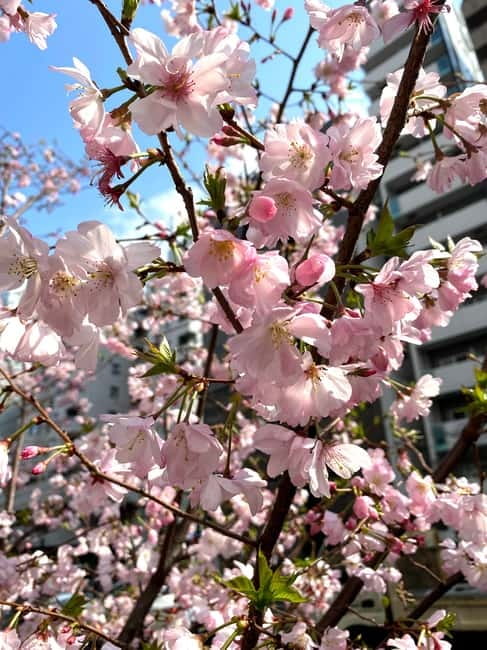
Roppongi can be all glass towers and fast foot traffic. Azabujuban is different. It’s the kind of area where you can walk a few blocks and suddenly you’re surrounded by older lanes, small storefronts, and food that’s meant for quick, satisfying cravings. That contrast is a big part of why this tour works. You’re close enough to major sights that you won’t feel cut off, but far enough to slow down and actually notice what’s in front of you.
The tour’s tone matches the neighborhood: low-key, snack-forward, and guided without making it feel like a scripted performance. You’re not rushing through photo stops—you’re moving between places where people have been doing the same kind of buying and snacking for years. That’s where the real value is. Food in Tokyo can feel like a blur. This gives it a spine.
Meeting point and pacing: 3 hours that don’t feel crowded
You start at Oslo CoffeeJapan in Azabujuban (inside/at GRANDE MAISON 麻布十番館 1階), with a 2:00 pm start. The tour returns to the same meeting point at the end. That matters because you can plan the rest of your afternoon or evening without needing a transit puzzle.
The total time is about 3 hours, and the route is spread across three focused stops. You’ll get some walking, but it’s not a strenuous trek. The tour lists moderate physical fitness as the requirement, which is your hint to wear comfortable shoes and expect a steady city stroll.
Also, this is a private tour/activity, meaning it’s just your group. Even when it’s not a huge group, your experience stays more personalized—asking questions feels natural, and the guide can adjust pacing if you need a breather.
Zenpukuji Temple: where the walk gains context
The first stop is Zenpukuji Temple. You’ll spend about 45 minutes here, and the admission ticket is free. More than that, you’re not just looking at a landmark—you’re learning stories tied to important cultural spots spread around the town.
This is the part I really appreciate because Tokyo food tours can sometimes skip the why. By starting with a cultural anchor, the snack stops feel more grounded. You’ll understand that Azabujuban isn’t only about eating—it’s a neighborhood with meaning, traditions, and little historical threads that connect streets, shops, and the everyday life happening right now.
If you want a tour that makes your photos smarter and your bites more meaningful, starting at a temple is a strong move. If you’re not into quiet sights, keep in mind this stop is paced to fit the overall foodie theme, not a museum marathon.
Azabujuban street tastings: umami snacks done right
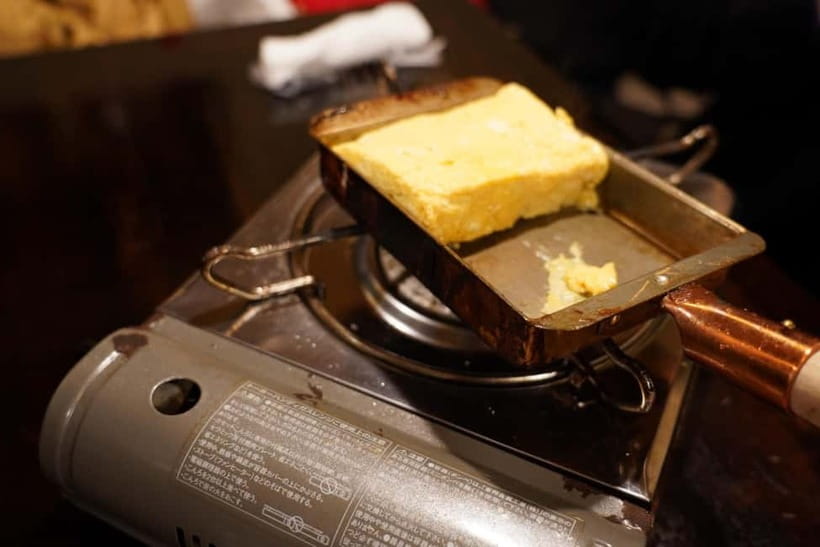
After the temple, you shift into the food part: Azabujuban for about 1 hour 30 minutes. Admission there is free, and the tour focuses on tasting multiple local Japanese treats with that unmistakable umami pull.
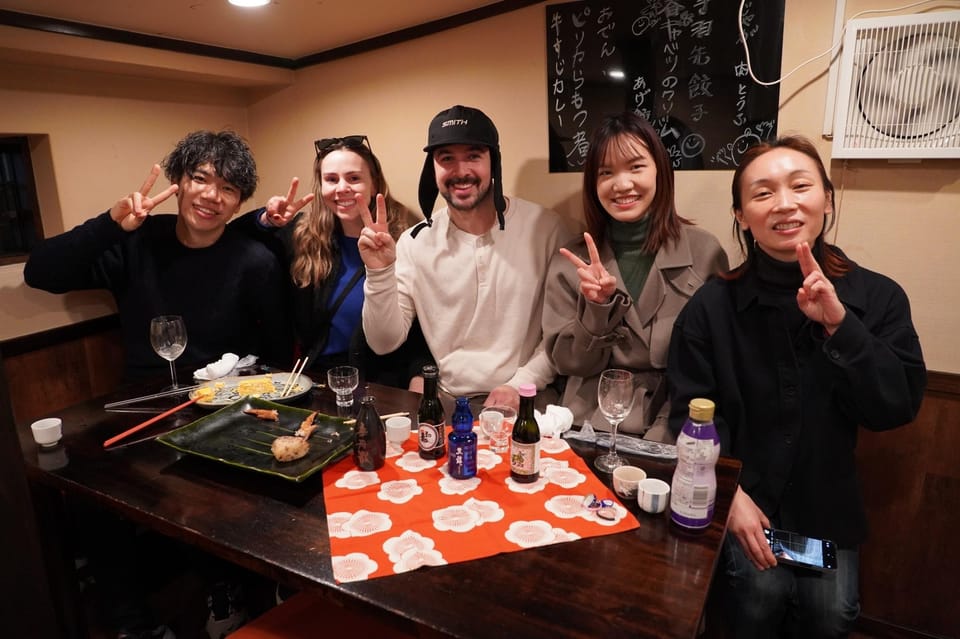
Here’s what you can expect from the kind of snacks offered (exact choices vary by day):
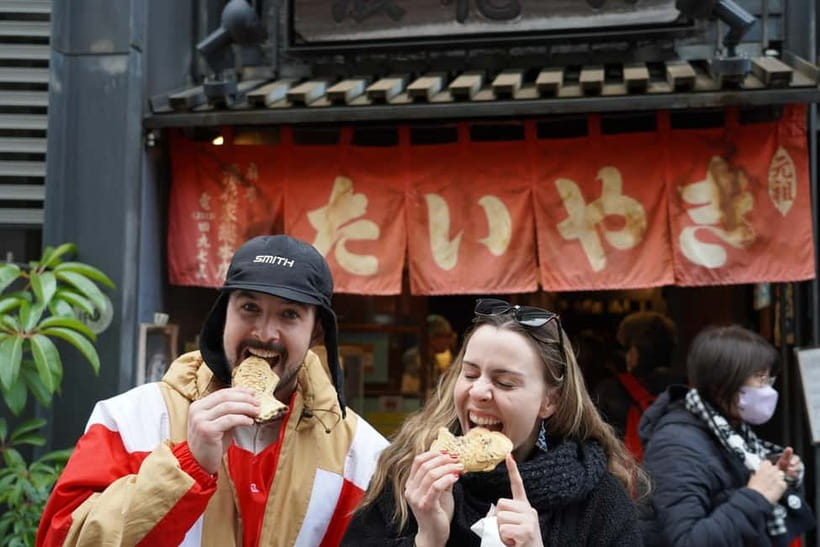
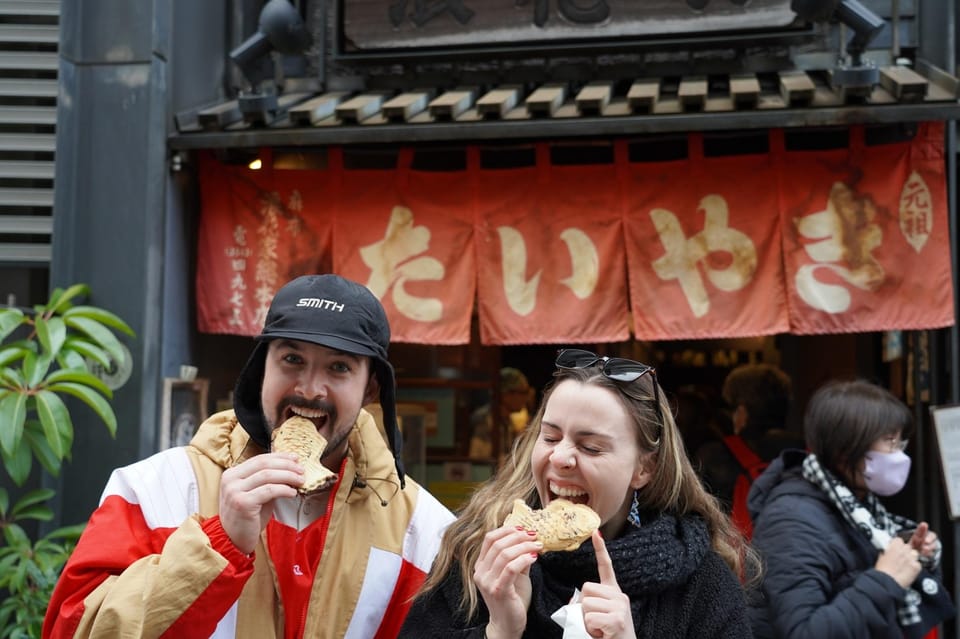
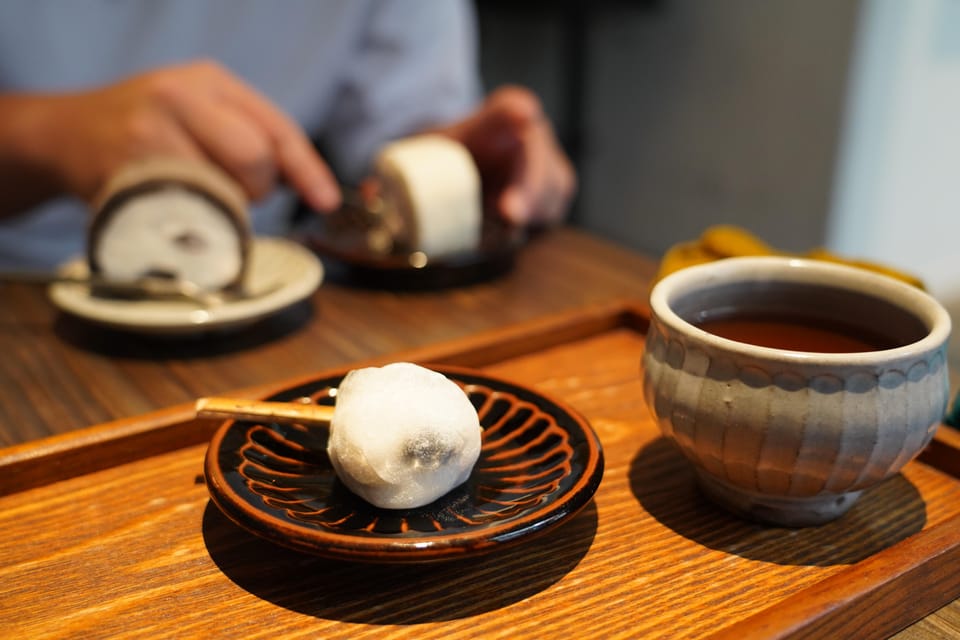
- Taiyaki (sweet fish-shaped cake, often with a warm filling)
- Yakitori (savory grilled chicken skewers)
- Mochi (chewy rice cake)
- Oden (warm, comforting simmered goodness)
You’re getting five local Japanese snacks, which is a sweet spot for most people. It’s enough variety to compare textures and flavors, but it’s not so much that you feel weighed down by the time you hit dessert or shopping. And because the mix changes, you’re less likely to feel like you paid for the same “standard Tokyo snack list.”
The other smart detail: you also get one drink—either coffee and/or tea—to pair with Japanese sweets. That pairing approach helps the tour avoid the usual mistake where everything tastes sweet and heavy. It’s a practical touch that keeps your taste buds awake.
If you’re a foodie who likes to push past your comfort zone, this stop is the main event.





Azabujuban Shotengai: souvenirs and snack shopping in one flow
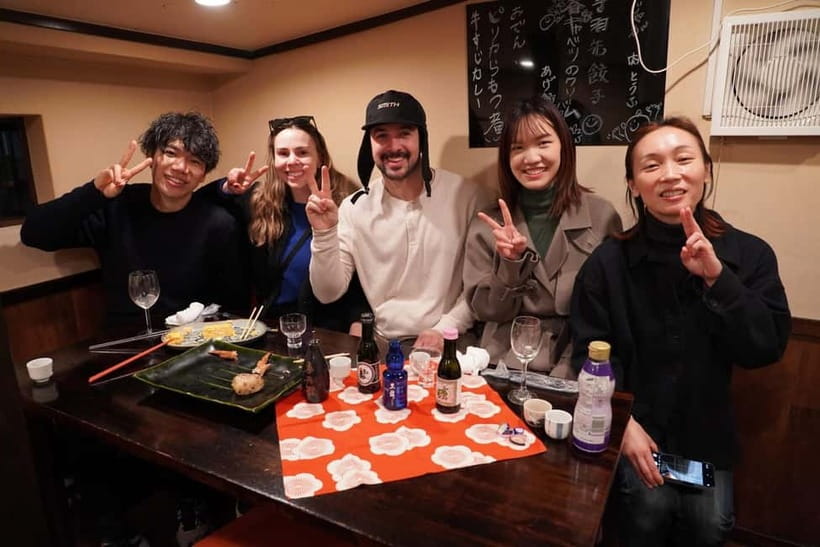
Next is Azabujuban Shotengai, about 45 minutes. Again, admission is free, but the point here isn’t sightseeing—it’s choosing what you want to take home.
This is where the neighborhood’s personality shows up in the form of shop variety. You’ll have time to shop for traditional and unique Japanese snacks and souvenirs. The tour calls out examples that you can look for, including:
- Monaka (beautiful wafers often filled with sweet bean paste and shaped like a little collectible)
- Kaleidoscopes (the kind of small nostalgic toy souvenir you might not see everywhere)
- Tenugui (traditional Japanese cloth used for wrapping or cleaning)
You’ll also notice the vibe of vintage shops—some places feel like they’ve been selling the same sort of items for decades. Even if you don’t buy anything, this stop helps you understand what locals might bring home for a treat, a gift, or a practical household item.
Practical note: the tour includes tasting snacks and your drink, but additional food and drinks and other personal expenses aren’t included. So decide ahead of time if you want a budget for souvenirs. If you go in with a target—one edible souvenir and one small gift—your shopping time stays fun instead of stressful.
Drinks, photos, and the small comforts that matter
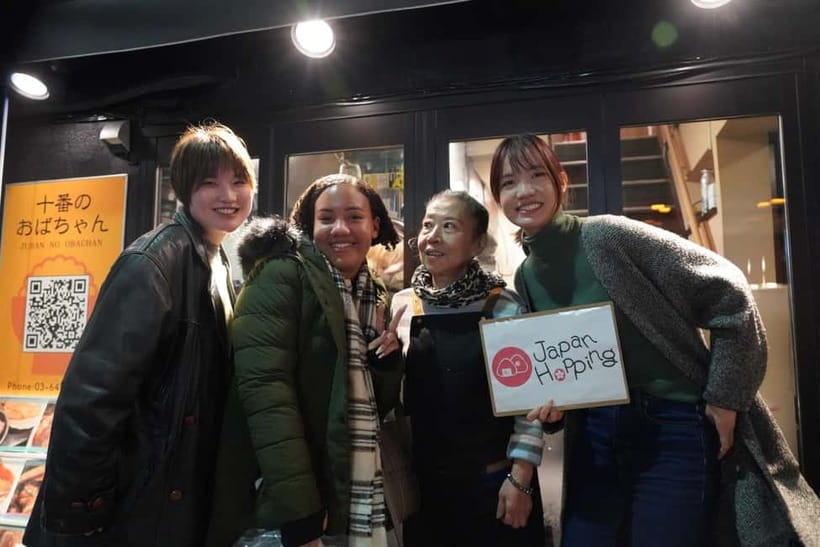
The tour includes:
- 5 local Japanese snacks
- Coffee and/or tea (choose one to pair with Japanese sweets)
- Alcoholic beverages for those 20 years or older (choose one)
- Photos during the tour
- An English-speaking guide
That drink and photo inclusion might sound minor, but it’s actually part of the value. Photos mean you don’t have to play camera operator while you’re eating. And the drink pairing means the tour design is thinking about balance, not just quantity.
If you’re considering the optional alcohol: it’s a nice add-on if you want a slightly more celebratory vibe while tasting. If not, you still get the coffee or tea pairing either way.
How the guide changes everything (and why Ellen gets good marks)
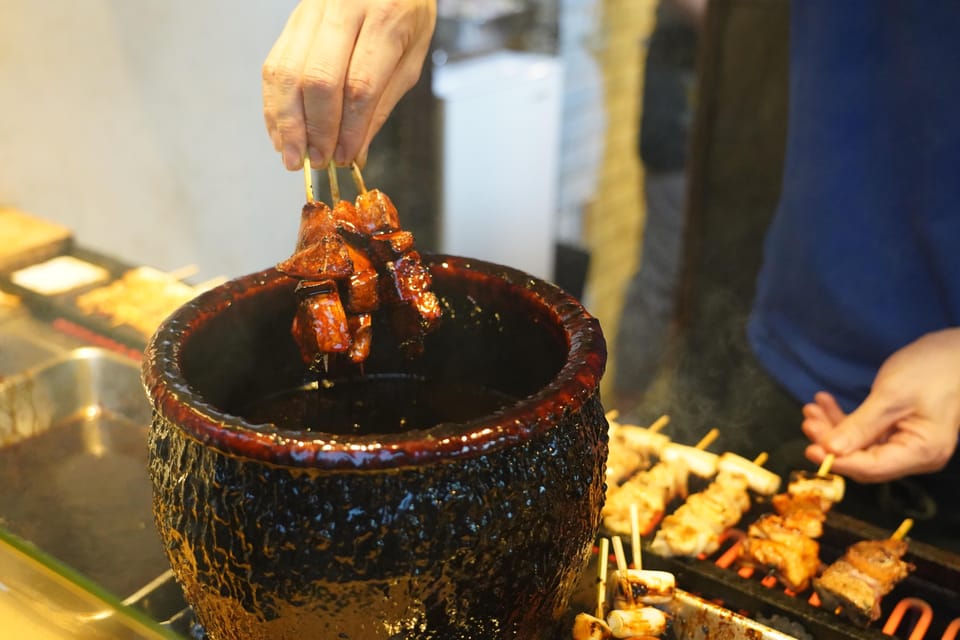
This tour is “small, cozy,” and the guide presence matters a lot in a neighborhood like Azabujuban, where streets can feel narrow and shop signage may not match what you’re used to. The guide’s job is to connect dots quickly: what you’re tasting, why it matters, and what you should look for as you walk.
One guide name came up in the reviews: Ellen. The standout theme around her is that she’s sweet and kind, and she brings the route to life with extra points of interest along the way, including a shrine in at least one experience. That kind of flexibility is what keeps the tour from feeling like a checklist.
There’s also a real-world comfort factor. One review specifically called out a rainy experience where shopkeepers were still positive and welcoming. So if the weather is moody, don’t assume the tour becomes a waste. A good guide helps you keep moving and turns “rain inconvenience” into “still a fun afternoon.”
Weather and timing: plan for comfort, not perfection
The experience notes that it requires good weather. That doesn’t mean every plan is doomed the moment clouds show up, but it does mean you should be ready for the possibility of a date change if conditions are genuinely poor.
If you’re choosing a time for Azabujuban, daylight helps with the shopping portion and general walking comfort. Starting at 2:00 pm typically gives you good visibility for temple details and shopfronts.
My practical advice: wear shoes you can walk in without thinking, and bring a light layer. Food tours reward you when you’re comfortable enough to linger.
Is this tour worth $68 near Roppongi?
At $68 per person for about 3 hours, the best way to think about value is what you’re getting, not just the price tag. You’re paying for:
- A guided route through a less-famous neighborhood
- 5 local snack tastings (with varying choices)
- A drink pairing
- Optional alcohol for those 20+
- Photos
- English support
- Free entry at the cultural stop
If you tried to replicate this on your own, you’d still spend money on snacks, and you’d also be paying in time and guesswork—figuring out where to go, what to order, and how much to try. Here, the guide handles sequencing and gives you the neighborhood context so your food feels intentional.
The main tradeoff is that you’ll probably still want a bigger meal later, since you’re sampling. But for many people, that’s exactly why food tours work: you end up with favorites, not stomach overload.
Who should book this foodie walk, and who might skip it
This tour is a strong match if you want:
- Neighborhood food variety without a full-day schedule
- A guide who adds history and stories alongside eating
- A chance to explore Azabujuban without getting lost in Roppongi traffic
- Fun extras like the Naoko Takeuchi / Sailor Moon connection through real locations
You might skip it if:
- You want a heavy meal (this is sampling: five snacks)
- You’re not interested in any cultural stop at all
- You hate walking for about a couple hours total (even if it’s not intense)
Overall, it’s a great fit for couples, small groups, and solo travelers who like guided structure but still want room to enjoy.
Should you book this Tokyo Local Foodie Adventure near Roppongi?
Yes, if your goal is an afternoon that feels local, calm, and delicious—with just enough structure to make the eating effortless. The combination of temple stories, five tastings, coffee/tea pairing, and a shotengai shopping stroll makes this more than “try random snacks.” It’s a way to understand Azabujuban through what people eat and buy.
If you’re picky about portion size, treat it as a tasting course, not dinner. If you’re okay with that—and you want something warmer and more human than big-city hopping—this is one of those tours that tends to leave people smiling, even when the weather doesn’t cooperate.
FAQ
What is the duration of the tour?
It runs for about 3 hours.
What does the tour include for food and drinks?
You get 5 local Japanese snack tastings, plus coffee and/or tea (choose one). Alcoholic beverages are also included as one drink for guests age 20 or older.
Are there any admission fees for the stops?
The temple stop has a ticket free entry, and the other listed areas are also marked as free admissions for the experience.
Where does the tour start?
The meeting point is Oslo CoffeeJapan at GRANDE MAISON 麻布十番館 1階 in Azabujūban, Minato City.
When does the tour run?
The start time is 2:00 pm.
Is the tour private?
Yes. Only your group participates.
Is free cancellation available?
Yes. You can cancel for a full refund up to 24 hours before the experience’s start time. If you cancel less than 24 hours before, it’s not refunded.
More Good Eating in Tokyo

More Tour Reviews in Tokyo



Fresh reviews from around Tokyo






Food, compared.
 ★ 5.0Shinjuku Food Tour (13 Dishes at 4 Local Eateries)From $866,603 reviews
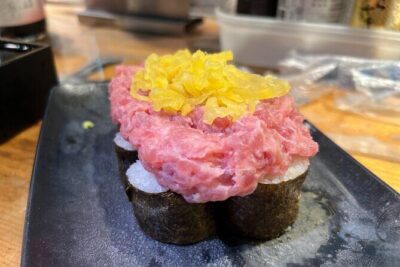
 ★ 5.0Tokyo Tsukiji Fish Market Food and Culture Walking TourFrom $993,184 reviews
 ★ 4.9Shinjuku Food Tour (15 Dishes and 4 Eateries)From $852,033 reviews
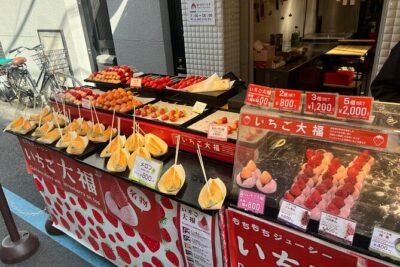 ★ 5.0Tsukiji Fish Market Food and Walking tourFrom $301,724 reviews
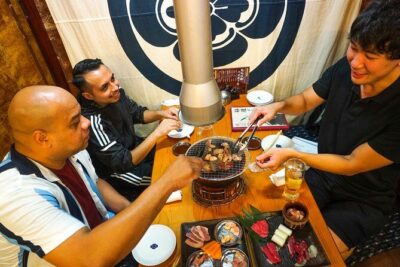 ★ 5.0Tokyo Night Foodie Tour in Shinjuku – Seasonal Sushi, Wagyu BeefFrom $1111,161 reviews
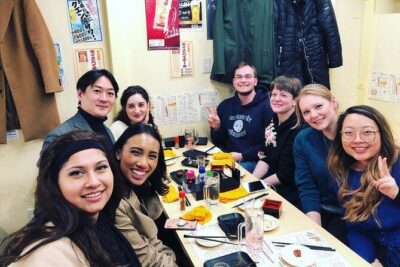 ★ 5.0Eat and Drink Like a Local: Tokyo Ueno Food Tour-Taverns&RamenFrom $95957 reviews
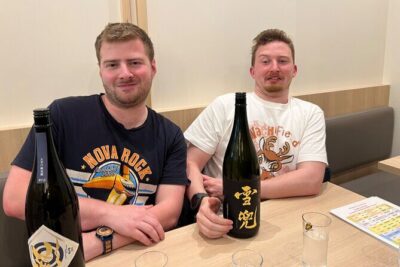 ★ 5.0Shibuya Food Tour (13 dishes and 4 Eateries)From $77770 reviews
★ 4.7Tsukiji Fish Market Food and Culture Walking TourFrom $96757 reviews
★ 5.0Shibuya Food Tour (13 dishes and 4 Eateries)From $77770 reviews
★ 4.7Tsukiji Fish Market Food and Culture Walking TourFrom $96757 reviews