
Reviewed · ASAKUSA TOURS
Tokyo Morning Tour: Meiji Shrine, Asakusa & Fish Market
Tokyo mornings can change how you see the city. This tour strings together Meiji Shrine, Tsukiji Outer Market, and Asakusa at the hour when Tokyo feels most human. I like that it mixes calm, spiritual stops with real food you can sample, and I also like that the guide ties sites to culture and daily life. One catch: it moves fast for a four-and-a-half-hour window, so you’ll want to wear comfy shoes and keep your energy up.
The meeting point is easy to find—IKEA Harajuku—and the route is designed for a smooth start: shrine first, then market, then Asakusa. The guide is English-speaking, and you’ll even get photos taken during the tour, so you’re not juggling your camera at every stop. For peace of mind, there’s also Meiji Jingu, Tsukiji, and Senso-ji entry included, which helps the day feel tidy and predictable.
If you’re excited by street food and meaning behind rituals, this is a good fit. If you want a slow, open-ended day with zero structure, this one may feel a bit scheduled.
In This Review
- Key highlights worth your attention
- Getting Started at IKEA Harajuku: the easiest way to begin
- Meiji Jingu Shrine: calm, customs, and the Shinto–Buddhism story
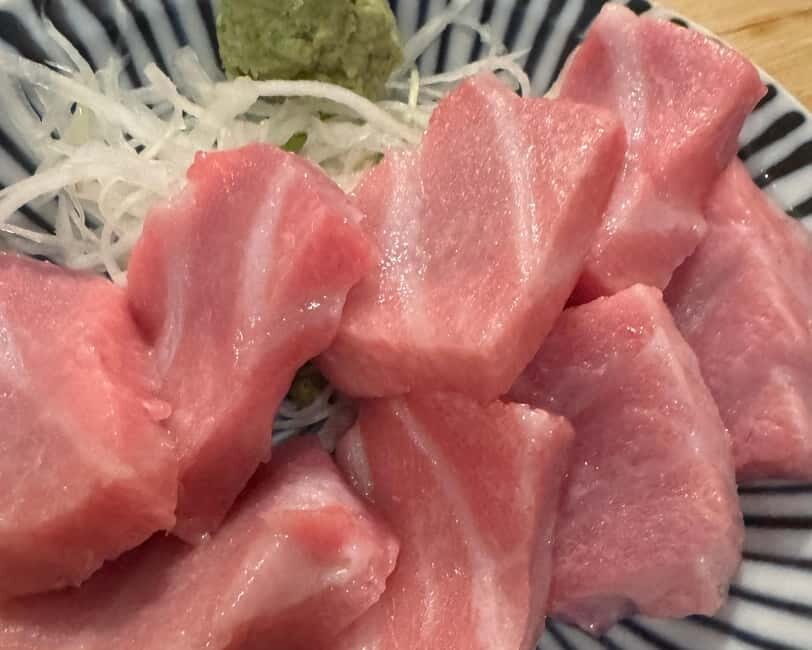
- Tsukiji Outer Market: sushi and sashimi without the guesswork
- Asakusa streets and Senso-ji: sweets, croquettes, and old Tokyo
- Price and value: what your $83 actually covers
- Who this tour suits best (and who might want a different pace)
- Practical tips so the morning feels smooth
- Should you book this Tokyo Morning Tour?
- FAQ
- How long is the Tokyo Morning Tour: Meiji Shrine, Asakusa & Fish Market?
- How much does the tour cost?
- Where does the tour meet?
- Where does the tour finish?
- What stops are included in the tour?
- What’s included in the price?
- What is not included?
- What cancellation policy is offered?
- Does the booking allow flexible payment?
Key highlights worth your attention
- Fresh fish tastings at Tsukiji Outer Market, including sushi and sashimi
- Meiji Shrine time to watch customs and hear how Shinto and Buddhism show up in practice
- Asakusa bites like croquettes and traditional sweets on old-street lanes
- Senso-ji included during the Asakusa portion, with guided context
- English guides who actively answer questions, including examples like Yosuke, Lex, Remu, Ken, and Lax
- Photos included, so you get one less job to do mid-walk
More mornings around Senso-ji and the old town
- Tokyo: Japanese Dance Cabaret Theater Asakusa-Kaguwa Ticket★ 4.8 · 2,270 reviews
- Tokyo: Asakusa Walking Tour with Sensoji Temple Visit★ 4.8 · 1,583 reviews
- Tokyo Asakusa Rickshaw Tour★ 5.0 · 1,375 reviews
Getting Started at IKEA Harajuku: the easiest way to begin
The tour meets up in front of IKEA HARAJUKU, which is a nice trick. You don’t need to decode train exits or hunt for a tiny landmark. If you’re arriving early, you’ll also have an easy place nearby to wait and get your bearings.
The tour runs for 270 minutes, which is long enough to cover three major zones but not so long that you feel stuck all day. You start with Meiji Shrine, head to Tsukiji Outer Market, then finish in Asakusa. That order matters, because the shrine sets a calmer tone before the food-and-activity parts start.
You’ll likely spend some time walking between neighborhoods. The day includes entrance fees for key stops, but it does not include public transit fare (around 550 yen is mentioned). So, bring a transit card or some cash just in case the route requires a short hop.
Finally, this is an English guided experience with historical insights. Guides named in participant feedback include Yosuke, Lex, Remu, Ken, and Lax, and the common thread is confidence with questions and a focus on meaning, not just reciting facts.
Meiji Jingu Shrine: calm, customs, and the Shinto–Buddhism story
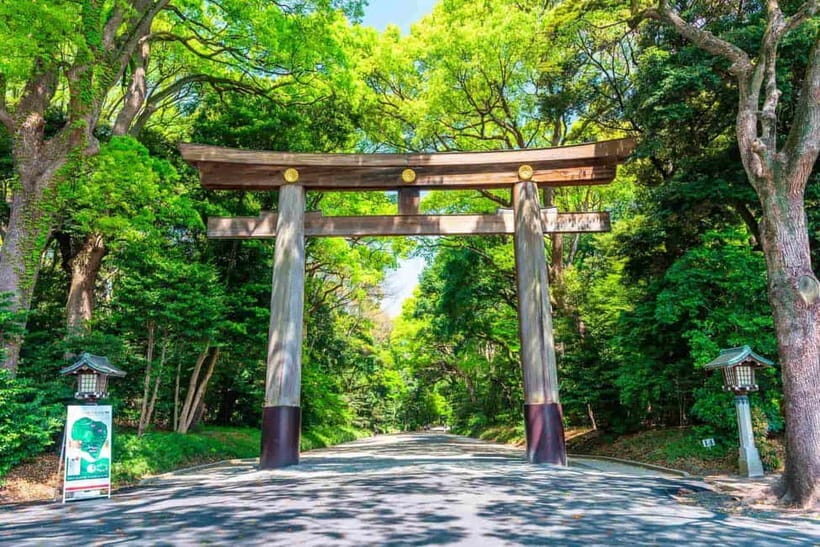
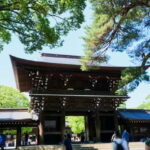
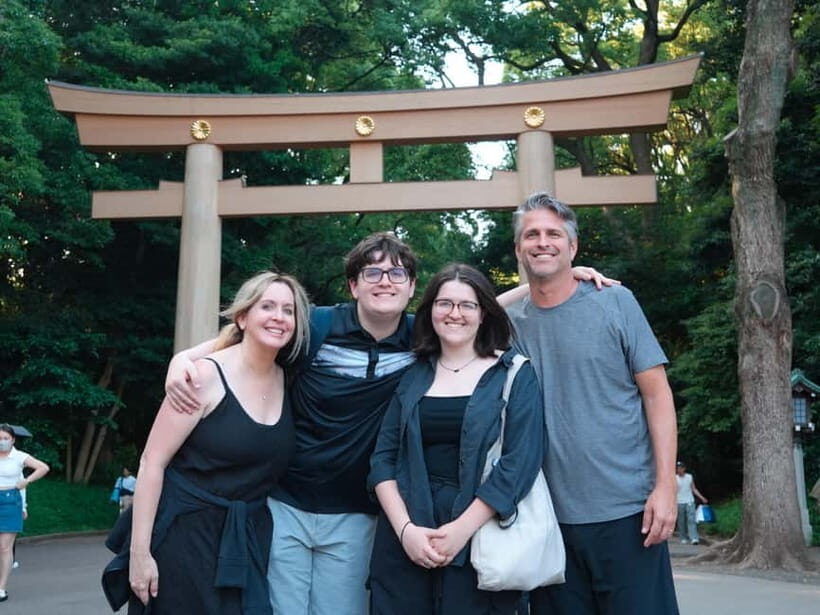
Meiji Jingu Shrine is where Tokyo slows down. You get about one hour here, which is enough time to experience the space without rushing through it. This stop is also more than a photo stop. Your guide is expected to explain customs and how religious practice shows up in daily life.
You’ll hear the bigger idea: Shinto and Buddhism in Japan aren’t always cleanly separated in everyday experience. Some guides on this tour highlight how traditions overlap, and participants mention explanations of what’s different and what connects. Expect a spiritual, reflective tone here, especially compared with the market energy later in the morning.
One detail that comes up in participant notes is the possibility of seeing a fire ceremony, sometimes described as powerful and memorable. The exact moment can depend on what’s happening that day, but guides do mention it as part of the spiritual atmosphere. If that sort of ritual viewing is your thing, this stop is likely to deliver.
Practical tip: keep your voice low and move calmly. Shrines reward that vibe. Also, if you’re the type who likes to understand the rules first, you’ll appreciate that the guide explains the customs instead of leaving you guessing.
Tsukiji Outer Market: sushi and sashimi without the guesswork
After the shrine, Tsukiji Outer Market hits like a morning soundtrack. This portion lasts about 110 minutes, which is a good chunk of time for sampling and wandering without feeling whipped.
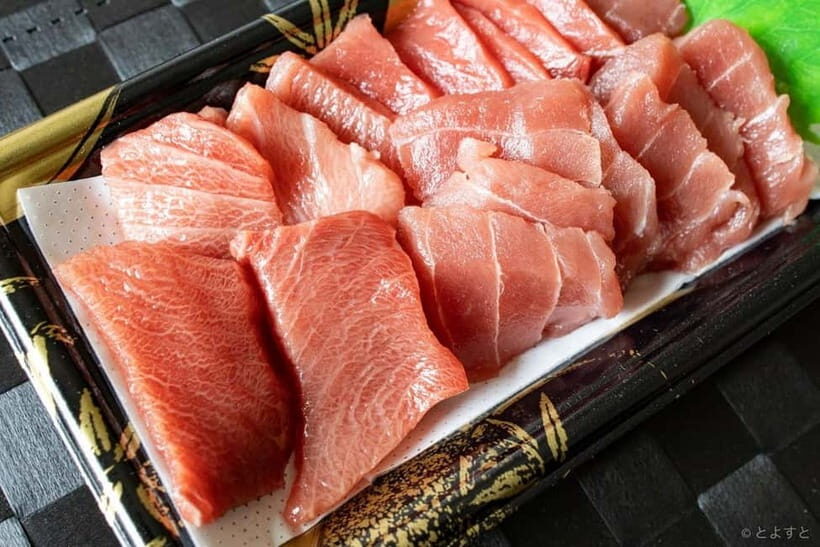
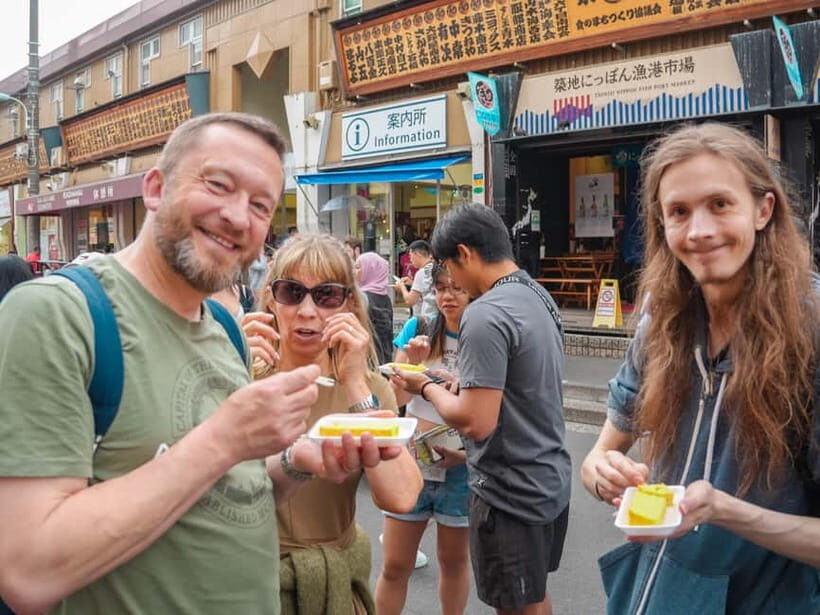
The headline here is food: you’ll get a chance to taste fresh sushi and sashimi straight from the lively market atmosphere. That alone is why this tour is a good value. If you’ve ever stood in a market and wondered what to order, this guide-led format reduces the mental load.
But it’s not only eating. The market stop includes sightseeing time plus historical and cultural context. Guides like Yosuke and Lex are specifically called out for sharing knowledge about the market’s role, not just pointing at stalls. That kind of explanation helps you understand why the place feels so intense and why the shopping and snacking culture works the way it does.
What I like about the market portion is the pacing. You’re not thrown into the crowd for a free-for-all. You have time to look around, taste, and ask questions. You’ll also have the benefit of included entry for the Tsukiji Fish Market area, so you’re not dealing with a last-minute fee while hungry.
Practical tip: plan to eat. Even if you’re not a big eater, you’ll want to make room. Markets can be distracting, and you’ll get more out of the experience if you’re not half-full from breakfast.
Asakusa streets and Senso-ji: sweets, croquettes, and old Tokyo
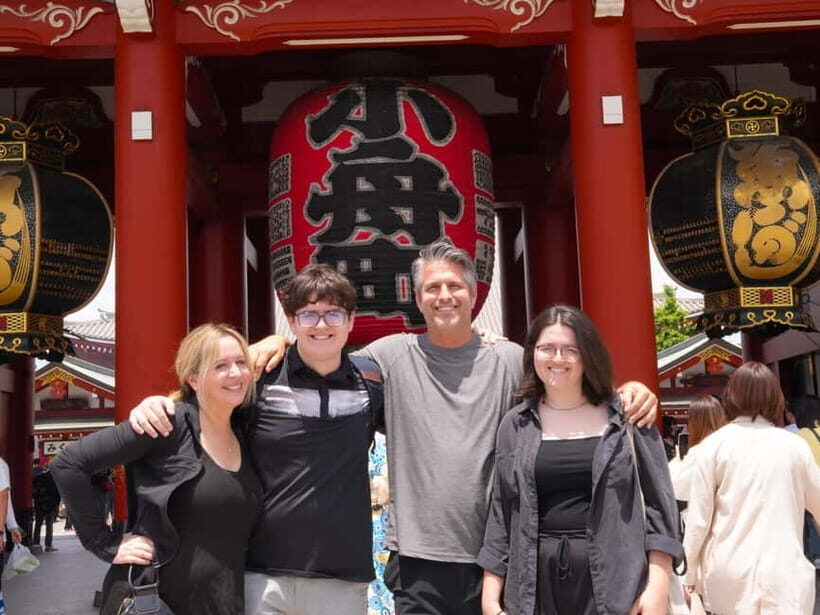
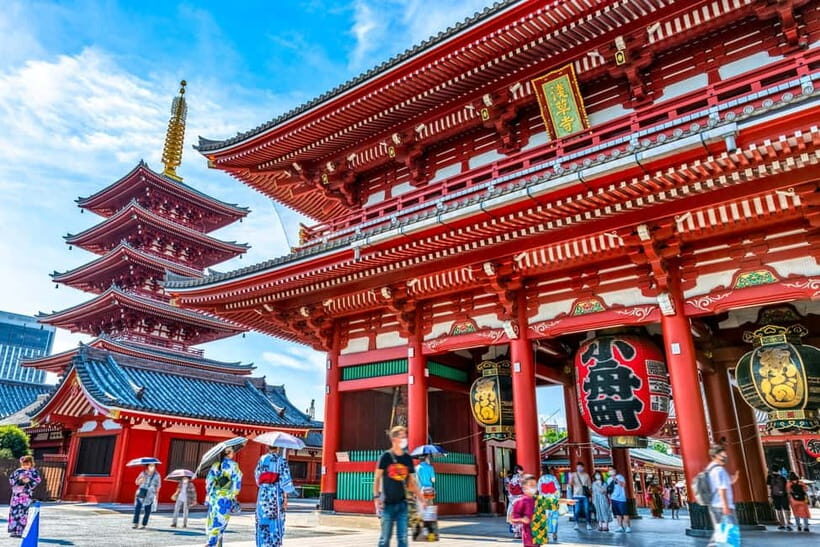
Then you shift gears again, to Asakusa. This block is about one hour, but it’s targeted: shopping, sightseeing, and a walk through the area’s classic streets. Asakusa is one of those districts where you can feel history in the architecture and the flow of people.
Food shows up again, with highlights that include croquettes and traditional sweets. This is a smart pairing after Tsukiji, because you’re getting different flavors and textures rather than repeating the same “one more bite” routine. It also keeps the morning from turning into a checklist of landmarks.
Senso-ji Temple is included in the experience. So even though the itinerary summary centers on Asakusa, your guide brings you through the temple area as part of the walk. If you care about understanding what you’re seeing, the guide’s historical insights help you avoid the tourist autopilot.
Participant feedback repeatedly mentions a spiritual feel, especially when guides explain how the culture holds meaning in everyday behavior. You’ll feel that more strongly here than you might expect—Asakusa isn’t just for pictures. It’s also for how Japan carries tradition in public space.
Practical tip: Asakusa is easy to wander off in the best way. This tour keeps you moving with context, but you’ll still have time to browse and buy small souvenirs if you want.
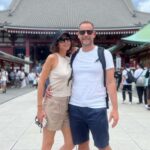
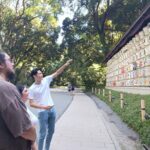
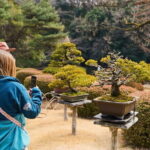
More forest calm at Meiji Shrine
Price and value: what your $83 actually covers
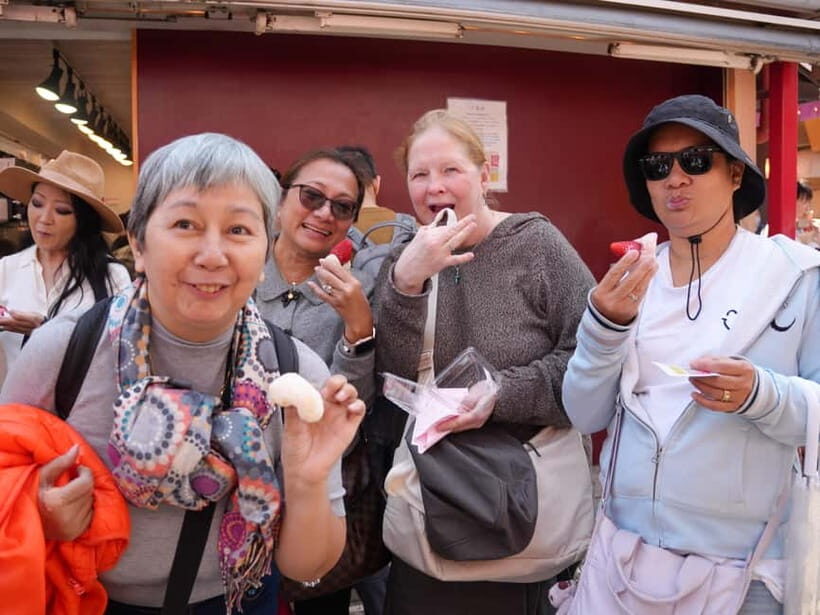
At $83 per person for 270 minutes, this tour is priced like a guided experience that tries to do three big things in one morning: culture, food, and key admissions.
Here’s what you’re getting that you’d otherwise pay for or figure out on your own:
- An English-speaking guide with historical insights
- Entrance/admission included for Meiji Jingu Shrine, Tsukiji Fish Market, and Senso-ji Temple
- Photos taken during the tour
- Food tastings highlighted at the fish market and during the Asakusa walk
The only notable extra cost mentioned is transit fare (around 550 yen). That’s not included, which is normal for Tokyo day tours. But compared with paying separate admission fees and trying to coordinate a self-guided route across these neighborhoods, the structure helps.
Value also comes from interpretation. If you just go solo to Meiji Jingu and Tsukiji, you can still have a great day. But you lose the guided explanations that connect the sites to Japanese culture and religious practice. Guides credited by participants (like Yosuke, Lex, Remu, Ken, and Lax) are praised for answering questions and staying engaged, not just shepherding the group from point to point.
So if your priority is learning while eating, $83 isn’t a stretch. If your priority is maximum freedom with minimal structure, you might feel like you could piece it together cheaper—though you’d still be paying for admissions and figuring out food logistics without a guide.
Who this tour suits best (and who might want a different pace)
This tour is best for you if:
- You want a morning plan that hits three famous areas efficiently
- You like food tastings that come with guidance on what you’re eating
- You’re interested in how Japanese culture connects to religion, customs, and daily life
- You want someone to answer questions in English while you walk
It’s also a good option for families, based on participant notes about guides taking care of children and keeping everyone comfortable. One mention describes a guide actively looking after a son during the day, which suggests good group management rather than a rushed lecture style.
You might want to skip or choose another format if:
- You hate structured time blocks and prefer lingering in one neighborhood
- You don’t like walking between areas
- You only want one culinary stop and don’t care about the shrine/temple cultural portion
One bonus: the tour can run with very small groups when demand is low. There’s at least one documented case of it operating like a near-private experience. So even though it’s a group tour on paper, you may feel more personalized than you expect.
Practical tips so the morning feels smooth
Plan to dress for walking. Even though the day isn’t all-day, it’s still a lot of movement across neighborhoods. Wear shoes you can handle on Japanese sidewalks and temple paths.
Go hungry, at least moderately. The tour is designed around food stops—market tastings and Asakusa snacks—so you don’t want to arrive already full. If you have dietary restrictions, you should check ahead with the operator, because the tour data provided here doesn’t list specific menu details.
Bring a little patience for crowds in the market area. The Tsukiji Outer Market portion is described as lively, and that’s usually part of the fun. A guide helps you move through it without wasting time.
Also, consider how you’ll use your camera. Photos are taken during the tour, which helps. Still, bring your phone/camera for your own moments—especially around Meiji Jingu’s calm pathways and Senso-ji’s busy temple-front scenes.
Finally, use the guide’s energy. Many participants highlight that guides are active, positive, and quick to answer questions. If you want to know what a custom means or how Shinto and Buddhism connect in practice, this is the moment to ask.
Should you book this Tokyo Morning Tour?
If you want a Tokyo morning that balances calm culture with real food tastings, I think you’ll like this. It’s the right choice when you care about more than seeing famous names on a map. The shrine and temple context, plus the market and Asakusa snacks, make it feel like Tokyo in miniature: serenity, appetite, and tradition in one smooth arc.
Book it if:
- You value an English-speaking guide who explains meaning and answers questions
- You want admissions handled for you
- You’re excited about sushi/sashimi tastings and Asakusa sweets
Skip it if:
- You want a completely self-paced day
- You’re not interested in religious/cultural context and only want to food-hop
FAQ
How long is the Tokyo Morning Tour: Meiji Shrine, Asakusa & Fish Market?
The tour duration is 270 minutes (about 4.5 hours).
How much does the tour cost?
The price is $83 per person.
Where does the tour meet?
Meet up is in front of IKEA HARAJUKU.
Where does the tour finish?
The tour finishes in Asakusa.
What stops are included in the tour?
You’ll visit Meiji Shrine, Tsukiji Outer Market, and Asakusa (including Senso-ji Temple).
What’s included in the price?
Included are an English-speaking guide, photos taken during the tour, historical insights, entry/admission for Meiji Jingu Shrine, entry/admission for Tsukiji Fish Market, and entry/admission for Senso-ji Temple.
What is not included?
Public transportation fare is not included (around 550 yen).
What cancellation policy is offered?
Free cancellation is available up to 24 hours in advance for a full refund.
Does the booking allow flexible payment?
Yes. You can reserve now & pay later.
More Tour Reviews in Tokyo






More Time at Meiji Shrine
Around Senso-ji: More Asakusa Picks
Fresh reviews from around Tokyo






Asakusa Tours, compared.
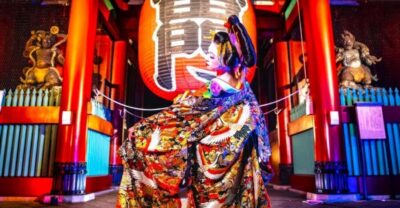 ★ 4.8Japanese Dance Cabaret Theater Asakusa-Kaguwa TicketFrom $492,270 reviews
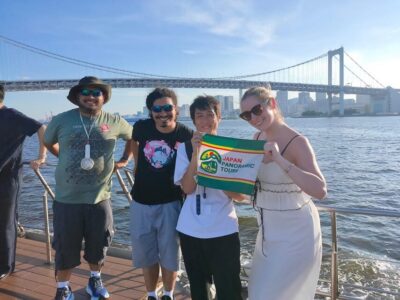 ★ 4.7Meiji Shrine, Asakusa, Skytree Bus Tour and CruiseFrom $1221,986 reviews
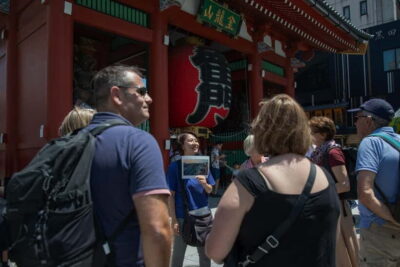 ★ 4.8Asakusa Walking Tour with Sensoji Temple VisitFrom $221,583 reviews
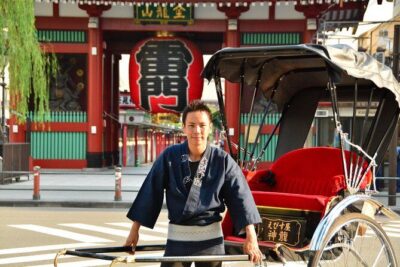 ★ 5.0Tokyo Asakusa Rickshaw TourFrom $421,375 reviews
 ★ 4.5Tokyo Panoramic 1 Day: Meiji Shrine, Asakusa, Odaiba and SKYTREE®From $851,222 reviews
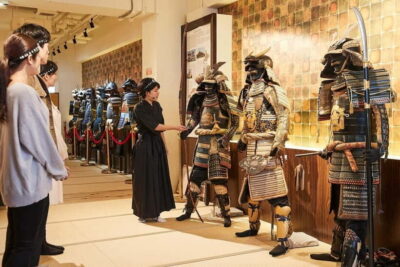 ★ 4.8Samurai Ninja Museum Asakusa: Samurai Sword Lesson & TourFrom $63306 reviews
Asakusa Sightseeing Tour by RickshawFrom $35195 reviews
Asakusa Kimono Dressing and Matcha ExperienceFrom $56173 reviews
★ 4.8Samurai Ninja Museum Asakusa: Samurai Sword Lesson & TourFrom $63306 reviews
Asakusa Sightseeing Tour by RickshawFrom $35195 reviews
Asakusa Kimono Dressing and Matcha ExperienceFrom $56173 reviews
Browse the lists this tour appears in