
Reviewed · ASAKUSA TOURS
Tokyo: Making a Lantern Workshop in Asakusa with a Craftsman
Tokyo’s Asakusa workshop turns a simple sheet of paper into a real piece of Japanese craftsmanship. I love that you work with authentic materials like bamboo and washi paper, not a shortcut kit. I also like the personal feel: classes are guided through the process in a traditional atelier, and English support has included guides such as Rinka and Noriko.
One thing to consider: the meeting point can change during official Grand Sumo Tournament dates in 2026, so you’ll want to double-check where to show up for your specific booking.
In This Review
- Key highlights that matter
- Why a chochin workshop in Asakusa feels different
- The 100+ year lantern atelier: where craft lives
- Before you make anything: what you’ll learn about lanterns
- Making your lantern the traditional way: bamboo and washi paper
- Decorating and calligraphy: where your personality goes in
- Taking it home: a souvenir that feels worth the effort
- Timing and where to meet: Asakusa vs. Ryogoku during sumo season
- Price and value: is $96 fair for a master-led craft?
- Who should book this workshop (and who might skip it)
- Small practical tips that make the class smoother
- Should you book this Tokyo lantern workshop in Asakusa?
- FAQ
- How long is the lantern-making workshop?
- Where do I meet for the workshop?
- Does the workshop change during Grand Sumo Tournament periods in 2026?
- What is included in the price?
- What should I bring?
- Is prior crafting experience required?
- What age is this activity suitable for?
- Is the workshop wheelchair accessible?
- What clothing should I wear?
Key highlights that matter
- A 100+ year-old lantern atelier in Asakusa gives the class real atmosphere
- Master-led chochin craft with traditional tools and methods
- Washi paper + bamboo framework means you’re making it the proper way
- You can personalize your lantern and often add calligraphy while you work
- Photos are welcome, so you can document the process as it unfolds
- You take your completed lantern home, with an optional professionally made purchase on-site
More mornings around Senso-ji and the old town
- Tokyo: Japanese Dance Cabaret Theater Asakusa-Kaguwa Ticket★ 4.8 · 2,270 reviews
- Tokyo: Asakusa Walking Tour with Sensoji Temple Visit★ 4.8 · 1,583 reviews
- Tokyo Asakusa Rickshaw Tour★ 5.0 · 1,375 reviews
Why a chochin workshop in Asakusa feels different
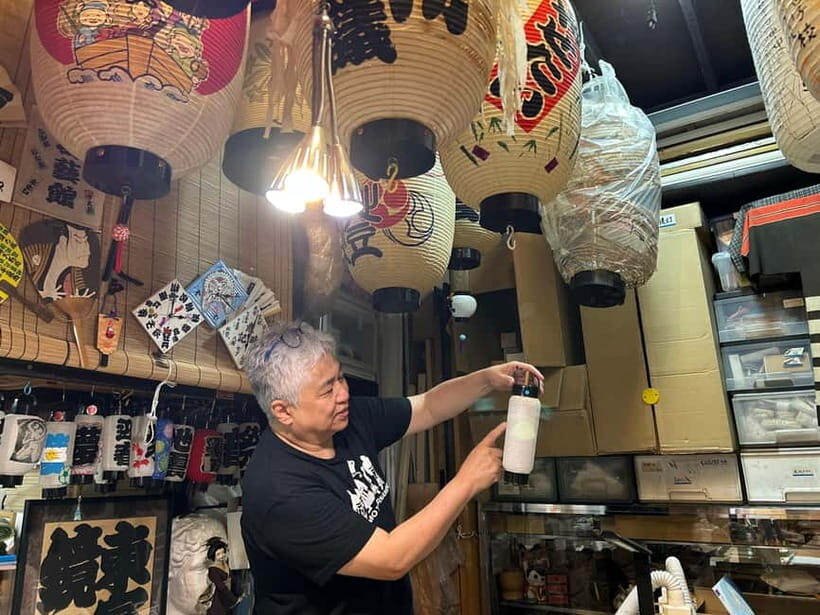
A chochin is more than a souvenir lantern. It’s a small object tied to everyday life in Japan, used to guide, decorate, and signal warmth after dark. In this workshop, that meaning is explained before you start cutting and shaping, so the craft doesn’t feel random or just decorative.
What makes it especially appealing is how “local” the whole thing feels. You’re not in a big, themed room. You’re in a working atelier where lanterns and tools belong to the craft, and the instructor team treats your piece like something you’ll want to keep.
The finished lantern also has a practical value: once you own it, you understand what makes Japanese paper lanterns work so well. That’s hard to get from photos alone.
The 100+ year lantern atelier: where craft lives
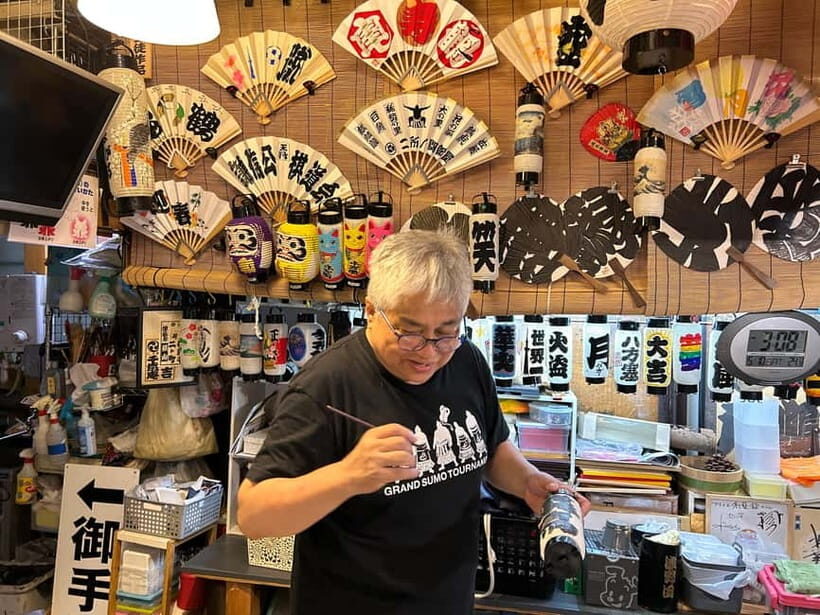
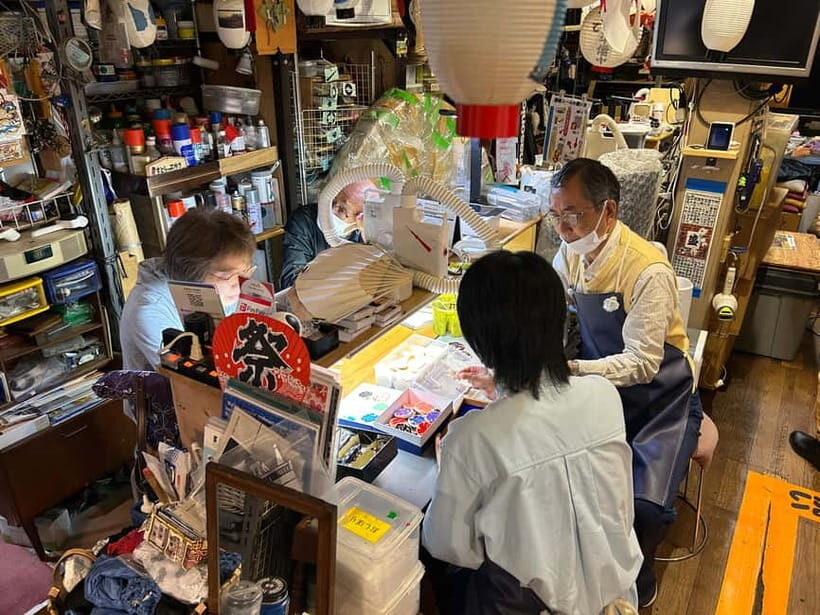
The workshop takes place in a traditional lantern workshop connected to a long-running craft tradition, described as over 100 years old. That matters because you can feel the difference between an instructional activity and a true workshop. The studio is packed with lanterns in different shapes and colors, which helps you start thinking about your own design choices.
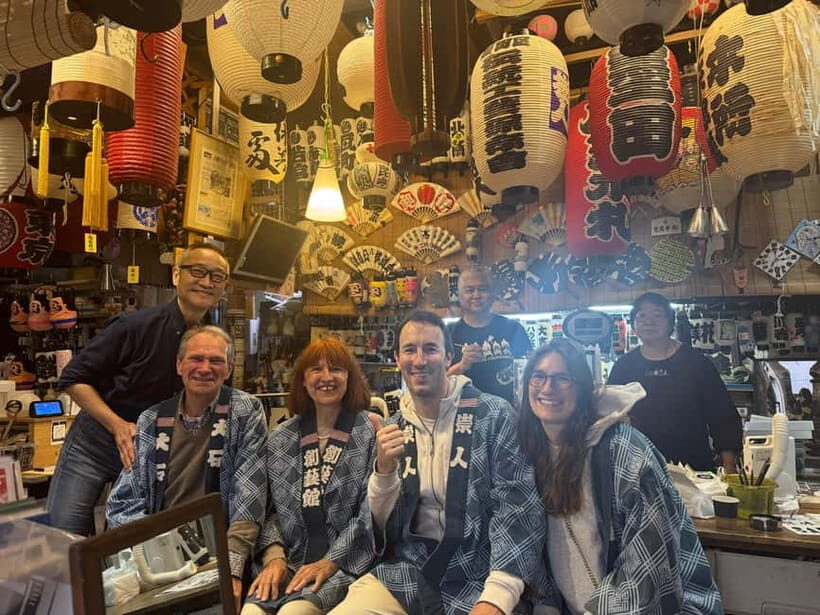
It’s also a family-style setting. Multiple past participants described the team as kind and welcoming, and some noted the shop owner taking time to explain the process so communication felt smooth even if your Japanese is limited. If you enjoy learning through conversation, this kind of atmosphere helps.
Also, the location is tied to the Asakusa area and is near Tokyo Skytree (Oshiage Station). That gives you an easy way to pair the class with a day exploring nearby neighborhoods afterward.
Before you make anything: what you’ll learn about lanterns
You’ll start with background on Japanese lanterns, called chochin, and the craft behind them. Expect a simple but meaningful explanation of origins and the beauty of the craft, with guidance from the master or an assistant.
This first step is not filler. It helps you understand what you’re building. Once you know how chochin are meant to look and function, the details you add later feel intentional instead of chaotic.
If you’re doing this with kids, this is also the best part to pay attention to. The workshop is aimed at people aged 6 and up, and younger hands usually engage more when they know the story behind what they’re making.
Making your lantern the traditional way: bamboo and washi paper
The core of the experience is hands-on lantern construction. You’ll make your own chochin using washi paper and a bamboo structure, guided step by step. The materials are provided, including items like bamboo, paper, glue, and brushes—so you can travel light.
No prior experience is required. The class is designed for beginners, which shows in how the process is paced and supported by the craft team. Even if you’re a slow worker or not confident with art, you’ll still finish with something you can call your own.
One practical note: the workshop may involve ink or paint, so you should wear clothes you don’t mind getting stained. That’s not a small detail. Paper crafts can be messy, and you’ll enjoy the class more if you’re not worrying about your best outfit.
More things to make with your own hands



Decorating and calligraphy: where your personality goes in
Many chochin workshops include more than just assembling the paper. In this experience, participants have mentioned that there’s time for calligraphy work on the lantern as part of decoration. That can be a fun challenge because you’re not just painting shapes—you’re trying to make a character look right.
If you like the idea of leaving a mark, this is the moment to lean in. The craft team helps with guidance and communication, and English support has included interpreters such as David Park in some sessions. In one example, participants worked with the master team that included Master Oyakata and Co-master Uehala, with translation support helping explain steps.
Even if calligraphy is not your thing, the overall decorating time is still where your lantern starts to feel personal. Colors, pattern choices, and finishing touches are what turn a project into a memory you’ll actually display.
And yes, you can take photos during the workshop. That’s great because you’ll want pictures of your paper shaping into a lantern, not just the finished product.
Taking it home: a souvenir that feels worth the effort
The workshop includes your completed lantern to take home, and packaging is handled so your item arrives safely. Multiple participants specifically mentioned that their lanterns were packaged well, which matters because paper lanterns do not like careless handling.
If you’re the type who keeps travel crafts for years, you’ll appreciate that this one is made of real materials. It’s not just a photo prop. It’s something you can look at and remember the exact steps that built it.
There’s also an on-site option to buy a professionally made lantern. That can be a nice backup if you want a higher-finish piece, or if you end up loving the craft enough to bring home a second item.
Timing and where to meet: Asakusa vs. Ryogoku during sumo season
This class runs for about 2 hours, so it fits well into a day that already includes sightseeing. The pace usually feels comfortable because most of the time is spent doing the craft rather than waiting around.
Location wise, the workshop is near Skytree/Oshiage, and the meeting point depends on your date. The key thing to remember is the change during official Grand Sumo Tournament periods in 2026. During those dates, the workshop shifts to a special venue in the Ryogoku Kokugikan area.
Meeting point timing in 2026 is handled like this:
- Regular workshop location applies outside tournament periods
- Special venue applies during the official tournament dates (January, May, September blocks)
The atmosphere may differ slightly when the venue changes, so check your booking date carefully before you head out. This is one of those details that can turn a smooth day into unnecessary stress.
Plan your arrival with a little buffer. The meeting point is address-specific, and you’ll enjoy the start more if you’re calm when you walk in.
Price and value: is $96 fair for a master-led craft?
At $96 per person for a two-hour workshop, the price sits in the mid-range for hands-on cultural activities. What makes it feel fair is the combination of factors you don’t always get together.
You’re paying for:
- access to a traditional atelier rather than a craft counter
- instruction tied to real lantern-making materials like bamboo and washi
- a master artisan-led experience
- all materials included, and your finished lantern to take home
Also, the workshop includes English support (or interpretation). That matters because it improves your understanding during the hands-on steps, especially if calligraphy and finishing techniques are part of the process.
Could the class have fewer benefits at a lower price? Sure, but that would likely mean a simpler craft or less authentic instruction. Here, the value is that you come away with a real object and a clearer understanding of the craft behind it.
If you’re the kind of traveler who likes meaningful souvenirs over generic ones, this is the kind of cost that makes sense.
Who should book this workshop (and who might skip it)
This workshop is a strong fit if you want one of these things:
- a hands-on cultural activity that’s not just watching
- a creative souvenir you’ll actually keep
- a calmer, indoor experience after walking around Tokyo
It’s also a good pairing with a day in the Asakusa-Skytree area. You can treat it as a reset button: sightseeing in the morning, craft in the afternoon or evening, then dinner nearby.
It’s suitable for families and creatives, and it’s designed for ages 6+. If you’re traveling with very young kids, this is not listed as suitable under 6.
If you hate craft messes, you might still enjoy it, but wear forgiving clothes. Also note that pets are not allowed, and alcohol and drugs are not permitted.
Small practical tips that make the class smoother
A few simple habits can help you get more out of the time:
- Bring an ID or passport, since it’s required
- Wear clothing that can take a little ink or paint
- Have a loose plan for your lantern idea, even if it changes on the spot
- Take photos during the process, not only at the end
- Don’t rush the calligraphy area if it’s part of your session
And if English support is part of your needs, you’ll likely be in good hands. Past participants mentioned guides like Rinka and Noriko, along with interpreters such as David Park, which points to a real effort to bridge communication.
Should you book this Tokyo lantern workshop in Asakusa?
I’d book it if you want a memorable Tokyo craft that feels authentic and personal. The main reasons are the traditional materials, the master-led teaching, and the fact that you take home a real lantern you helped build. At $96, you’re not just paying for art time—you’re paying for a craft connection.
I’d think twice if your dates fall inside Grand Sumo Tournament periods and you don’t want to deal with the meeting point change. Once you verify the correct address for your booking date, that concern disappears.
If you’re looking for something calmer than a busy museum and more meaningful than a shopping stop, this lantern workshop hits a sweet spot: hands-on, cultural, and quietly impressive when you hang your chochin somewhere at home.
FAQ
How long is the lantern-making workshop?
It lasts about 2 hours.
Where do I meet for the workshop?
The meeting point depends on your booking date. Outside official Grand Sumo Tournament periods, it’s listed at Yokokawa, Sumida City. During the official tournament dates in 2026, it moves to a Ryogoku Kokugikan area location.
Does the workshop change during Grand Sumo Tournament periods in 2026?
Yes. During the official tournament periods in 2026, the workshop is held at a different venue, so the meeting point changes based on your date.
What is included in the price?
The price includes the guided lantern-making workshop, all materials (bamboo, washi paper, glue, brushes), English-speaking support, and you get to take your completed lantern home.
What should I bring?
You should bring a passport or ID card.
Is prior crafting experience required?
No prior experience is needed.
What age is this activity suitable for?
It’s suitable for ages 6 and up. It is not suitable for children under 6.
Is the workshop wheelchair accessible?
Yes, it is listed as wheelchair accessible.
What clothing should I wear?
The workshop may involve ink or paint, so wear clothes you don’t mind getting stained.
Make Something to Take Home

More Tour Reviews in Tokyo






Around Senso-ji: More Asakusa Picks


Fresh reviews from around Tokyo






Asakusa Tours, compared.
 ★ 4.8Japanese Dance Cabaret Theater Asakusa-Kaguwa TicketFrom $492,270 reviews
 ★ 4.7Meiji Shrine, Asakusa, Skytree Bus Tour and CruiseFrom $1221,986 reviews
 ★ 4.8Asakusa Walking Tour with Sensoji Temple VisitFrom $221,583 reviews
 ★ 5.0Tokyo Asakusa Rickshaw TourFrom $421,375 reviews
 ★ 4.5Tokyo Panoramic 1 Day: Meiji Shrine, Asakusa, Odaiba and SKYTREE®From $851,222 reviews
 ★ 4.8Samurai Ninja Museum Asakusa: Samurai Sword Lesson & TourFrom $63306 reviews
Asakusa Sightseeing Tour by RickshawFrom $35195 reviews
Asakusa Kimono Dressing and Matcha ExperienceFrom $56173 reviews
★ 4.8Samurai Ninja Museum Asakusa: Samurai Sword Lesson & TourFrom $63306 reviews
Asakusa Sightseeing Tour by RickshawFrom $35195 reviews
Asakusa Kimono Dressing and Matcha ExperienceFrom $56173 reviews
Browse the lists this tour appears in