
Reviewed · GUIDED
Tokyo 6hr Instagram Highlights Private Tour with Licensed Guide
Tokyo looks better through a plan. This private 6-hour photo walk is built for fast wins: you get a licensed local English guide who helps you jump straight into Tokyo’s most photogenic scenes without doing hours of research first. Two things I really like: the itinerary is flexible (you pick about 3–4 photo spots) and the guide’s one-on-one attention keeps the day efficient. One drawback to consider is that this is still a walking tour, so you’ll want decent stamina, especially if you’re packing in multiple neighborhoods.
The big idea here is simple: show up, meet your guide in a set pickup area, and spend your time photographing and learning just enough context to make the pictures feel meaningful. If you’re a solo traveler, a couple, or traveling with family (including a teen who wants “content” but still needs calm guidance), this format usually hits the sweet spot. If you’re planning to linger for long meals or slow museum time, you’ll likely wish you’d booked something longer.
In This Review
- Quick hits before you book
- How the 6-Hour Instagram Highlights Plan Really Works
- Stop-by-stop: Asakusa’s Senso-ji for your first real Tokyo photos
- The Hie Jinja Torii Tunnel: Tokyo’s Kyoto-ish shortcut
- Shibuya Crossing and Hachikō: the photo that sells Tokyo
- Meiji Jingu: calm forest vibes inside a huge city
- Harajuku’s Takeshita Street for candy-color photos
- Omoide Yokocho: back-alley Tokyo with real atmosphere
- Shinjuku Golden Gai: tiny lanes, big character
- Imperial Palace views (without entering inside)
- Shinjuku Gyoen National Garden: one of the few paid-ticket stops
- Tsukiji Fish Market: old-market energy in a short hit
- Akihabara: electronics and pop-culture shopping corners
- Optional gardens and museum-style stops (with extra tickets)
- Odaiba, Shibamata, Nezu, and the rest: what to do with short time slots
- Price and value: is $155.22 worth it for 6 hours?
- Tips to get better photos without stressing your feet
- Should you book this Tokyo Instagram Highlights Private Tour?
- FAQ
- How many photo stops will we see in the 6-hour tour?
- Is this a private tour or a shared group?
- Do I need to pay for entrance tickets?
- Is pickup included?
- What’s included in the price?
- Are transportation and lunch included?
- Can I cancel for free?
Quick hits before you book
- Private, not a crowd shuffle: it’s your group only, guided by a licensed English speaker.
- Photo-focused pacing: you’ll visit around 3–4 priority spots, not an endless checklist.
- You can customize: ask for the exact corners you want, and the route can be adjusted.
- Major Tokyo icons included: options can include Senso-ji, Shibuya Crossing, Meiji Jingu, Harajuku, and more.
- Most entrances are free, but not all: some gardens and museums require separate tickets.
More days made easy by a guide
- Tokyo 6hr Private Tour with Government-Licensed Guide★ 5.0 · 3,902 reviews
- Tokyo: Shinjuku Local Bar and Izakaya Guided Walking Tour★ 4.9 · 1,794 reviews
- Tokyo: Private City Highlights Tour with Local Guide★ 4.8 · 1,433 reviews
How the 6-Hour Instagram Highlights Plan Really Works
This is a private 6-hour walking tour, designed around selected photo stops rather than a strict “tourist bus” route. You choose your priorities from the available list of sites, then your guide builds a sensible route so you’re not spending your limited time crossing Tokyo unnecessarily.
The inclusion list is small but meaningful: you get a licensed local English-speaking guide, a mobile ticket, and a meet-up point where you can start on foot. Transportation to and between districts isn’t included, so you’ll want to plan on using the subway or trains if your chosen spots are spread out.
One practical advantage of the private format: if you arrive with your own ideas (a specific street angle, a shrine gate photo, a night-photo goal), the guide can adjust the schedule so you don’t feel like you’re just reacting. In past experiences with guides for this type of tour (including Sam and Yoshi), the pattern is clear: they tend to reorganize the day around what you actually want to shoot.
Stop-by-stop: Asakusa’s Senso-ji for your first real Tokyo photos
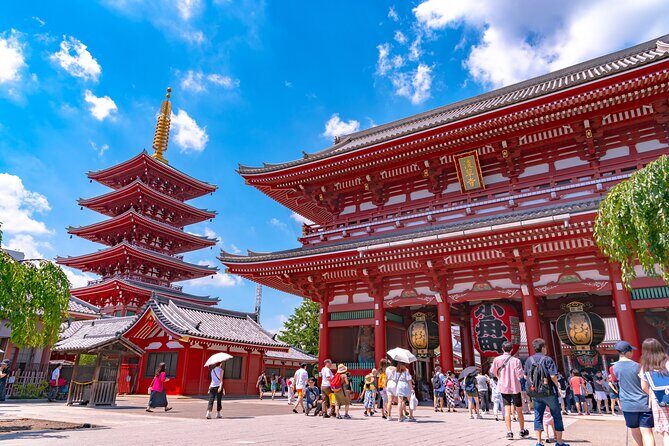
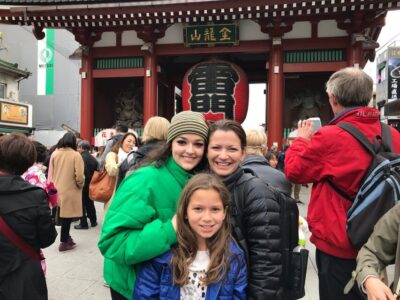
Senso-ji in Asakusa is the kind of place where your camera practically starts clicking on its own. The main entry is defined by Kaminarimon Gate (Thunder Gate), and the walkway toward it (Nakamise-style shopping lanes) gives you layers: people, lanterns, snacks, and classic temple shapes all in one frame.
Expect about 30 minutes at this stop. That’s enough time to:
- walk in from the gate and grab wide shots,
- take detail photos (lanterns, gates, crowd scenes),
- and still move on before the day gets too compressed.
A small “know before you go” point: Senso-ji is free to visit here, but the surrounding food and shopping areas aren’t. If you want to keep the day focused on photos, I’d treat meals as a separate block and use your time at the temple strictly for shooting and quick understanding.
The Hie Jinja Torii Tunnel: Tokyo’s Kyoto-ish shortcut
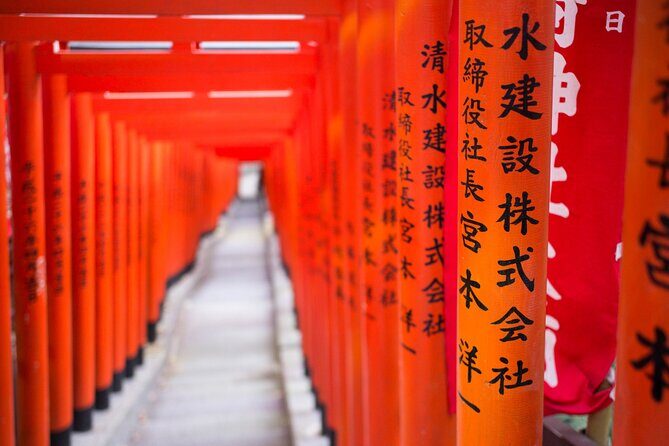
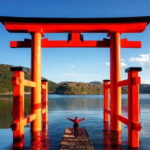
If you want Torii gates without taking a trip outside the city, Hie Jinja is a satisfying stop. It’s known for a tunnel of red torii gates in the middle of Tokyo, which makes for strong depth in photos—especially when you line up a shot straight down the corridor of gates.
Plan for about 30 minutes here. The short time matters because the most dramatic photos come from your position relative to the gate tunnel. If you try to do this last-minute, you may feel rushed trying to set up your shot.
This is also a nice “tone reset” after a major temple like Senso-ji. You’re still in a sacred setting, but the visual style is different enough that your photo set won’t feel repetitive.
Shibuya Crossing and Hachikō: the photo that sells Tokyo
Yes, you’re going to take a photo at Shibuya Crossing—because it’s iconic for a reason. The scene gives you a busy, cinematic pedestrian view, and you can include the bronze statue of Hachikō as a cultural anchor inside the chaos.
Expect around 30 minutes at Shibuya Crossing. With a private guide, you’re not just going to the intersection and leaving—you can get help choosing vantage points and timing your crossing so you’re in the right place for a clean shot rather than simply standing wherever the crowd happens to be.
Also, Shibuya is where many first-time visitors feel Tokyo “click.” After this stop, the rest of your route tends to feel more like exploration and less like checking boxes.
More private options with your own guide

Meiji Jingu: calm forest vibes inside a huge city
If Shibuya is pressure and motion, Meiji Jingu is a breath of air. It’s a major Shinto shrine with wide grounds and a forest-like walk in, which gives you shaded photo options and a more peaceful mood.
Plan for about 40 minutes here. You’ll likely have time for:
- establishing shots of shrine elements,
- quiet portraits with greenery in the background,
- and the kind of detail photos that make your Instagram set feel more layered.
Admission here is free in this tour setup. Still, keep in mind that the grounds are big, and 40 minutes can evaporate fast if you get side-tracked by every photo angle. I like treating Meiji Jingu like a “shoot with intention” stop: pick 2–3 must-have shots first, then wander.
Harajuku’s Takeshita Street for candy-color photos
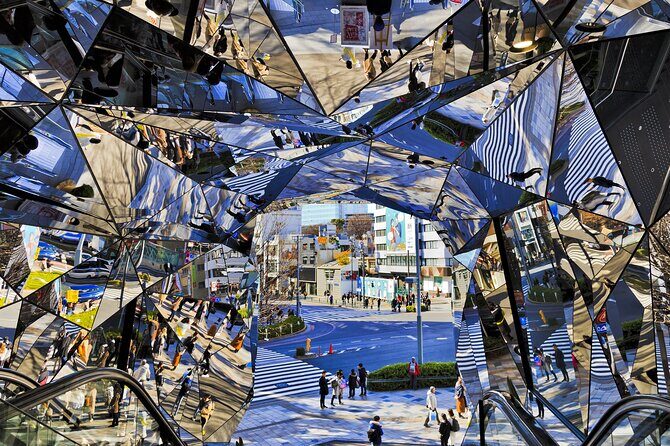
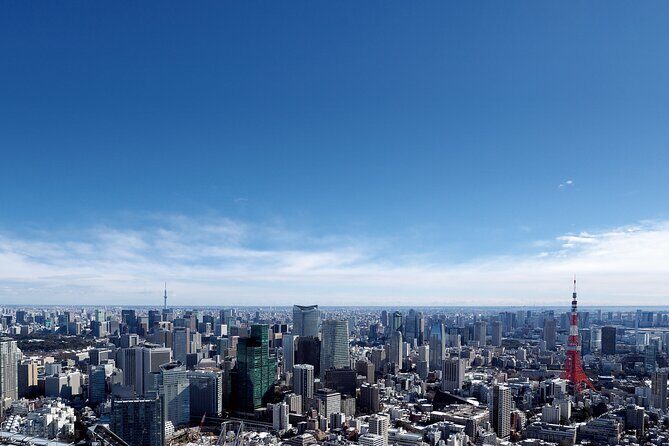
Next comes Harajuku, and specifically Takeshita Street, which leans hard into the cute, colorful Tokyo aesthetic. Think playful storefronts, bright sweets, and fashion that reads clearly in photos.
Expect about 30 minutes. That works well because this is a high-saturation environment. Too long here can make your photos feel similar, while too short means you miss the right storefront angle.
If you’re traveling with someone who doesn’t want to hunt for content, this stop is still worth it. It’s lively, visually distinctive, and easy to understand on sight—so even non-photo people usually have fun.
Omoide Yokocho: back-alley Tokyo with real atmosphere
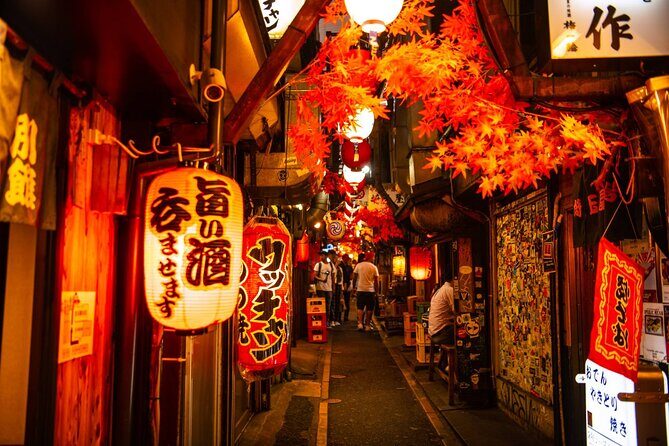
For something more textured than shopping streets, Omoide Yokocho is a narrow lane of small restaurants, bars, and shops. It’s compact, busy, and full of atmosphere, which makes it great for night-style vibes even during the day.
Expect about 30 minutes. The best photos here are often less about “perfect symmetry” and more about capturing the mood: signage, narrow angles, and close-up human moments.
Practical note: because it’s an alley, you’ll want to be mindful of space and foot traffic. I’d also keep your camera ready, because the most interesting visuals happen in the half-seconds you’d normally pass by.
Shinjuku Golden Gai: tiny lanes, big character
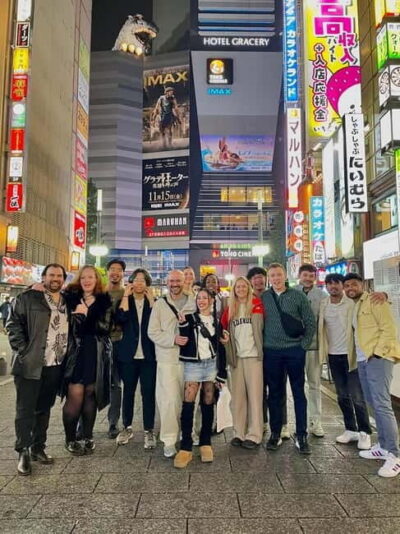
Shinjuku Golden Gai is a small area made up of tight bars and narrow lanes, and the photo results are all about the geometry of the spaces. It’s one of those places where your pictures suddenly look like Tokyo rather than a list of landmarks.
Expect about 30 minutes here. If you want a social-media-ready set, this stop helps because you can build a sequence: one wider establishing shot, then a few narrower lane shots.
This is also a good stop for people who want the “night Tokyo” feeling without committing to an actual nightlife plan. Even if you’re there during daylight, Golden Gai has that offbeat edge.
Imperial Palace views (without entering inside)
The tour may include Imperial Palace viewpoints, but it explicitly does not include access to the inside. That matters because a lot of “Imperial Palace photos” are taken from specific areas, and your time here is about seeing the grounds and capturing the exterior feel rather than touring interior spaces.
Expect about 30 minutes. If you’re hoping for classic palace-courtyard photos, I’d adjust expectations: you’ll be there for what you can photograph from outside-accessible areas.
The upside is that this stop gives you a major Tokyo landmark without stealing time from busier photo zones. It can also work as a reset between high-energy districts.
Shinjuku Gyoen National Garden: one of the few paid-ticket stops
If your route includes Shinjuku Gyoen National Garden, plan for an extra admission cost and a short time allocation. Adults are listed at ¥500, with group discount ¥400, plus reduced rates for seniors and students (ID required), and you buy at a staffed counter.
In the itinerary timing, it’s about 5 minutes for this tour slot. That’s a quick “walk-and-shoot” stop rather than a garden stroll. If you choose this stop, be very clear with your guide about what you want to photograph, because there won’t be much time for wandering.
I like pairing this kind of garden stop with another neighborhood shoot-heavy area, so you end up with variety in your photo set: hard city icons, plus calmer nature moments.
Tsukiji Fish Market: old-market energy in a short hit
Tsukiji Fish Market is included as an option with about 10 minutes of time. That’s not long, but it can be enough to capture the classic market energy: food stalls, everyday Tokyo work rhythms, and the “this is how the city eats” vibe.
Admission is listed as free in this tour setup. The limiting factor here is time. If you love food markets and want a deeper experience, you’d want a dedicated food tour longer than 6 hours.
Still, as an Instagram highlights stop, Tsukiji can make your day feel grounded—like you’re seeing real Tokyo routines, not just snapping iconic buildings.
Akihabara: electronics and pop-culture shopping corners
Akihabara is short here (about 5 minutes), but it’s extremely photogenic. It’s known for electronics shops and, more recently, for being a center for Japanese pop-culture interests. Even if you’re not shopping, the streets and storefront displays give you visual storylines.
If your photo goal is “Tokyo themes,” Akihabara fits well because it’s visually different from shrines, alleys, and shopping lanes. And because time is limited, quick stops can actually work better: you get a burst of images without spending hours deciding which shop to enter.
Optional gardens and museum-style stops (with extra tickets)
Some options may require additional tickets and are time-limited in this format:
- Koishikawa Korakuen Garden (admission not included)
- Hama Rikyu Gardens (admission not included)
- Tokyo National Museum (admission not included)
- Rikugien Garden (admission not included)
These are best if you’re selecting them as part of your photo priority list and you’re comfortable treating them as quick visual stops. In the itinerary timing, many of these garden/museum options are around 5 minutes each, which means your success depends on having clear photo priorities before you arrive.
If you’re the type who likes to slow down and read plaques, you’ll likely feel rushed. If you just want the classic garden composition or a museum exterior shot, you’ll probably be happy.
Odaiba, Shibamata, Nezu, and the rest: what to do with short time slots
Beyond central Tokyo, the tour options can include districts like:
- Yoyogi Park (free, short slot)
- Roppongi Hills (short slot)
- Odaiba District (Tokyo Bay side, short slot)
- Shibamata and Nezu (old-town style areas, short slot)
Most of these are brief in the tour timing (about 5 minutes in the provided plan). That means they’re great for collecting variety rather than going deep. I’d treat them like “texture stops,” where you capture one or two signature scenes and move on.
Nezu and Shibamata are especially promising if your photos lean toward neighborhood character. Yanaka/Nezu-style old downtown areas can look like a different Tokyo era, which gives your feed balance.
Price and value: is $155.22 worth it for 6 hours?
At $155.22 per person for a 6-hour private walk, this tour looks most worth it when you value time savings and direction. You’re paying for:
- a licensed guide who helps you choose and sequence stops,
- private pacing (no sharing the day with strangers),
- and an Instagram-focused route that reduces your “what do I do next?” stress.
To judge value fairly, compare this to what you’d spend if you tried to plan solo and then lost time on transit, decision-making, and crowds. Tokyo can be intense. A guide can help you turn “stuck figuring it out” into “shoot and go.”
Where you might feel the cost is less justified is if you want long stays, lots of ticketed attractions, or full meal breaks built into the itinerary. Since transportation and most entrance fees aren’t included, your total day cost can grow if you pick multiple paid spots like gardens or museums.
Tips to get better photos without stressing your feet
Because you’re walking, you’ll enjoy this tour more if you show up prepared. I’d do three things:
- wear shoes you can handle for hours (one past itinerary experience clocked around 18,000 steps),
- pre-pick 1–2 “must shoot” goals per neighborhood (so the guide can build around that),
- and bring a small plan for weather since the schedule can be adjusted on the fly.
Your guide’s attention matters here. In the experiences shared with this kind of tour, guides like Sam, Miho, and Hideaki stand out for being organized and responsive—especially when people have family needs or teenagers who want to move. If it starts raining, a good guide will shift the route and keep your photo chances alive without wasting your time.
Also, think about your photo style. If you like portraits, you’ll want shrine and garden stops. If you like street energy, prioritize Shibuya, Harajuku, Omoide Yokocho, and Golden Gai. With only 3–4 photo stops, your taste matters more than trying to “see everything.”
Should you book this Tokyo Instagram Highlights Private Tour?
Book it if you want a focused Tokyo photo day with professional guidance, and you like the idea of choosing about 3–4 neighborhoods rather than sprinting across 10 places. It’s a great fit for first-time visitors who want iconic scenes plus a few offbeat back-alley and nightlife-feeling stops.
Pass or consider something longer if you:
- want to spend lots of time inside museums or gardens,
- need long sit-down meals built in,
- or you’re planning a very ticket-heavy route (since entrance fees and transportation aren’t included).
If you’re trying to maximize your time and still end the day with a photo set that feels like Tokyo in different moods, this private format is a smart way to do it.
FAQ
How many photo stops will we see in the 6-hour tour?
The tour is described as visiting about 3–4 photo spots from the options provided, with time at each stop ranging roughly from 5 to 40 minutes depending on the site.
Is this a private tour or a shared group?
This is a private tour/activity, meaning only your group participates.
Do I need to pay for entrance tickets?
Some sites are listed as free to visit in the plan (like Senso-ji, Shibuya Crossing, Meiji Jingu, and Takeshita Street), but not all entrances are included. Tickets for places like Shinjuku Gyoen National Garden are not included.
Is pickup included?
Pickup is offered, but the experience notes that it’s a walking tour and pickup is on foot within a designated area.
What’s included in the price?
Included items are a licensed local English-speaking guide, a customizable tour of about 3–4 sites, and a mobile ticket.
Are transportation and lunch included?
No. Transportation fees, entrance fees, lunch, and other personal expenses are not included.
Can I cancel for free?
Yes. You can cancel for a full refund if you cancel up to 24 hours in advance of the experience start time.
Easier with a Guide
More Tours in Tokyo




More Tour Reviews in Tokyo




Fresh reviews from around Tokyo






Guided, compared.
 ★ 5.0Tokyo 6hr Private Tour with Government-Licensed GuideFrom $1553,902 reviews
 ★ 4.9Shinjuku Local Bar and Izakaya Guided Walking TourFrom $341,794 reviews
 ★ 4.8Private City Highlights Tour with Local GuideFrom $1061,433 reviews
 ★ 4.9Tsukiji Fish Market Guided Walking TourFrom $221,397 reviews
 ★ 5.0Tokyo 4hr Private Tour with Government-Licensed GuideFrom $1091,394 reviews
 ★ 5.0Tokyo Guided Small-Group Biking TourFrom $1061,250 reviews
 ★ 4.6Samurai Ninja Museum Guided tour and ExperienceFrom $271,010 reviews
 ★ 5.0Tsukiji Fish Market Guided Tour and Sushi Making with Pro ChefFrom $104775 reviews