
Reviewed · MT FUJI DAY TRIPS
Mt.Fuji day trip with English Speaking Chauffer
Fuji in a day, handled. This private tour is a smooth way to hit the big Mt. Fuji viewpoints while getting hands-on photo/video help from your English-speaking guide and driver. I also like the comfort factor: you ride in your own air-conditioned vehicle for the full 8 to 10 hours, so you’re not piecing together buses while staring at your phone.
One thing to consider: the plan is built around popular stops, but Mt. Fuji 5th Station may be skipped if weather or conditions make it inaccessible (it happens due to snow and timing). If you’re set on going up there, I’d treat this as a depends-on-conditions day and ask your guide early how they’re prioritizing your route.
In This Review
- Key highlights you’ll feel right away
- Why this Mt. Fuji day trip feels easier than DIY
- Entering the day: pickup, vehicle comfort, and a realistic schedule
- Chureito Pagoda and Arakura Sengen Shrine: the classic Fuji postcard shot
- Oshino Hakkai ponds: eight spots of clear water and easy strolling
- Mt. Fuji 5th Station: when conditions help, and when they stop play
- Oishi Park and the 350m flower path: Fuji with room to breathe
- Saiko Iyashi no Sato Nemba: reconstructed village and practical culture time
- Lake Kawaguchiko: calm water, cool air, and optional activities
- Fugaku Wind Cave: lava tube views in a forest setting
- Kitaguchi Hongu Fuji Sengen Jinja: a shrine stop that ties the story together
- English speaking chauffeur: how the guide makes the day better
- Price and value: is $462.36 per group actually fair?
- What’s included vs. what you’ll pay on the spot
- Customizing your Mt. Fuji day without losing the plot
- Who this tour suits best (and who should choose something else)
- Should you book this Mt. Fuji tour?
- FAQ
- FAQ
- How many people can this tour take, and what vehicle options are available?
- What is the typical duration of the Mt. Fuji day trip?
- Is pickup included, and do I get a mobile ticket?
- Do I need to pay entrance fees during the day?
- Is bottled water included?
- Is Mt. Fuji 5th Station always accessible?
- What is the cancellation policy?
Key highlights you’ll feel right away
- English-speaking guide + driver working together so you spend less time coordinating and more time looking
- Photo/video assistance during the day, including group shots and practical guidance on angles
- Comfortable, climate-controlled van (6-seater or 10-seater depending on your group size)
- Smart Mt. Fuji “layering”: pagoda views, ponds, a shrine, lake time, and a lava-tube stop
- Free bottled water, so you can stay out and walk without constantly hunting for drinks
Other routes to the mountain, compared
- Mt Fuji & Hakone Cruise, Drum Show Bullet Train 1 Day from Tokyo★ 4.0 · 7,413 reviews
- Tokyo Mt Fuji 5th St & Hakone Cruise Bus Tour w/Bullet Train★ 4.4 · 5,024 reviews
- From Tokyo: Mount Fuji Full-Day Sightseeing Trip★ 4.5 · 4,970 reviews
Why this Mt. Fuji day trip feels easier than DIY
Going to Mt. Fuji from Tokyo is doable on your own, but it’s not quick. This tour solves the main pain point: getting around the Fuji Five Lakes area without wasting half the day on transfers, line-ups, and figuring out which bus goes where.
You also get a built-in rhythm for photos. The route hits several classic Fuji angles, and your guide can help you set up shots instead of hoping the moment lines up with your camera settings. One group got more than just snapshots: they were taken photos throughout the day and received a video compilation afterward, which fits nicely with the included picture-taking or video-making support.
The other practical win is that the day is private. Only your group rides together, so you can keep a steady pace and actually enjoy the stops instead of waiting on a crowd.
Entering the day: pickup, vehicle comfort, and a realistic schedule
This is a private tour out of Tokyo with pickup offered and a mobile ticket. You’ll spend roughly 8 to 10 hours total, which is long enough to feel like a real day trip, not a quick excursion.
The ride matters here. You choose between a 6-seater or 10-seater van based on group size, and it’s climate-controlled. That’s a big deal when you’re moving between lakeside areas, shrines, and viewpoints in changing weather.
Also, plan your day around the fact that Mt. Fuji is weather-dependent. Even when you do everything right, you might see clouds, haze, or snow impacts at higher elevations. Your guide’s job is to keep you moving and re-balance the plan when conditions change.
Chureito Pagoda and Arakura Sengen Shrine: the classic Fuji postcard shot
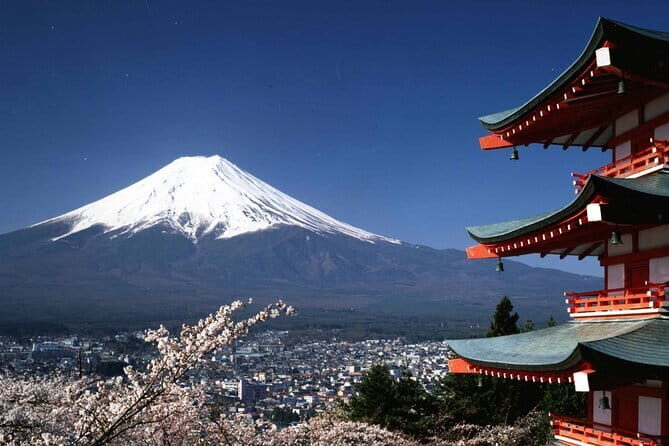
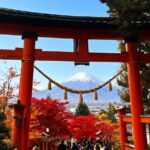
Your first major stop is Chureito Pagoda, a five-storied pagoda on the mountainside overlooking Fujiyoshida City with Mt. Fuji in the distance. It sits within Arakura Sengen Shrine, so you get both the view and the shrine setting.
This stop is about 1 hour, with admission listed as free. That time window is useful because the pagoda view often comes down to light and weather timing. You’ll have time to walk a bit, set up photos, and still get back on schedule.
Photo tip: since the pagoda is a composition in layers (foreground shrine area, pagoda lines, and Mt. Fuji far back), small changes in where you stand can make a big difference. This is where having photo help on hand pays off.
Oshino Hakkai ponds: eight spots of clear water and easy strolling
Next up is Oshino Hakkai, a cluster of eight ponds in Oshino village, in the Fuji Five Lakes region. It’s located between Lake Kawaguchiko and Lake Yamanakako, and the ponds are tied to the former sixth lake that dried out.
You’ll spend about 50 minutes here, and admission is free. This is a good stop to break up the day because the area is walkable, and the ponds give you a different feel from viewpoint stops.
What I like about this kind of stop is that it doesn’t demand a lot from you physically. You can move at a relaxed pace, take close-up photos, and then be ready for higher-elevation areas later.
Worth weighing up alongside this Tokyo pick:


Mt. Fuji 5th Station: when conditions help, and when they stop play
The route includes Mt. Fuji 5th Station, described as the highest peak access point by car at around 2,200 meters. It’s especially meaningful for hikers and anyone who wants a closer sense of the mountain beyond photos.
The time budget is about 2 hours, and admission is listed as not included. Here’s the real-world catch: access can be cut short or skipped entirely due to snow and weather conditions. One of the practical notes from the experience feedback is that 5th Station wasn’t visited on a day when it was affected by conditions.
If 5th Station is your main goal, I’d ask your guide how they’re handling priorities for your date. If it’s off the table, good guides still pivot to keep you seeing Mt. Fuji from other angles rather than just driving around.
Oishi Park and the 350m flower path: Fuji with room to breathe
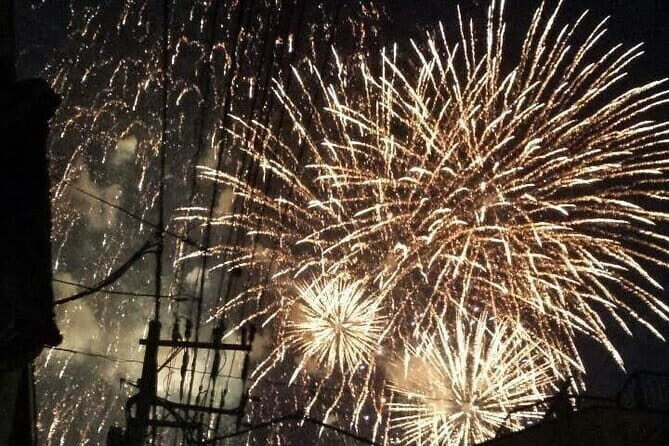
Oishi Park sits on the north shore of Lake Kawaguchi. You get views of Mt. Fuji and Lake Kawaguchiko, and the park includes a 350-meter walking path with flowers.
The itinerary time here is not spelled out in the same way as the other stops, but it’s framed as a key viewpoint break. This is one of those places where you want to slow down, because the reward isn’t just one photo—it’s the chance to walk and watch how the mountain shifts as clouds move.
The practical value: if earlier viewpoints are foggy, parks like this can still give you options. You can often find an angle where the Fuji outline appears even when it’s not perfectly clear.
Saiko Iyashi no Sato Nemba: reconstructed village and practical culture time
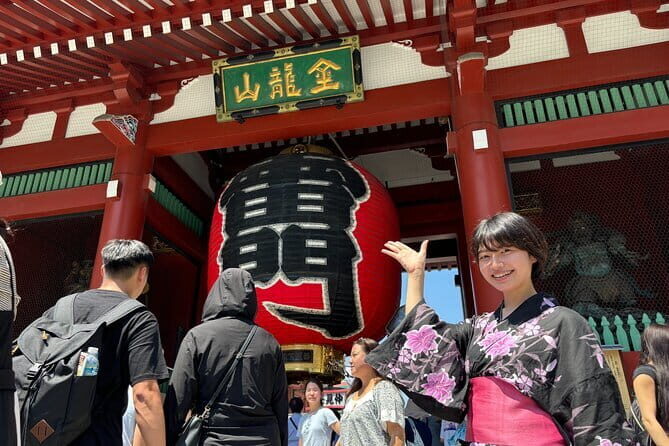
Then you head to Saiko Iyashi no Sato Nemba, a reconstructed Japanese village. This is a cultural stop, not just a photo stop, and it’s designed so you can explore village-style houses and get a sense of the area’s traditional look.
It’s timed at about 30 minutes in the itinerary, and admission is listed as not included. The same info notes you can rent traditional clothing, which is a fun way to turn the setting into something more interactive.
This stop works best when you’re in the mood for something calmer after the big view points. It also gives you a chance to take a break from long outdoor stretches.
Lake Kawaguchiko: calm water, cool air, and optional activities
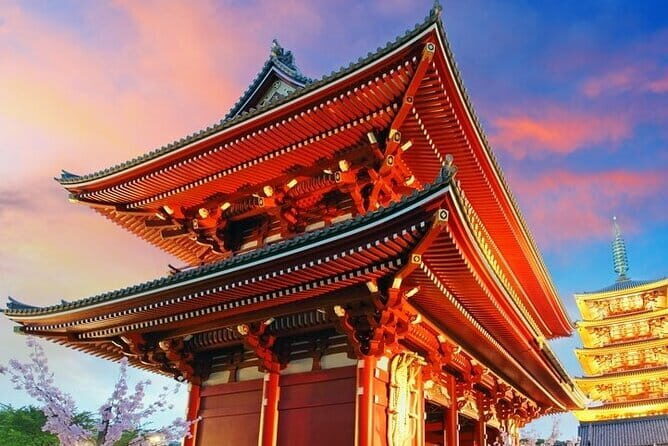
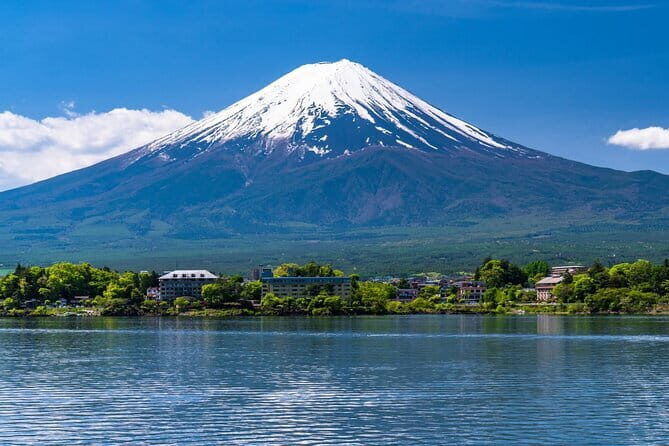
At Lake Kawaguchiko, you get classic Fuji-lake scenery. The lake sits at about 830 meters elevation, which helps explain why summers feel cooler and winters can be icy.
Your time budget here is about 45 minutes, with admission not included. The area also offers activities you might choose depending on the day—information mentions ship cruise or ropeway options—so you may be able to add one if your schedule allows.
One group in the feedback described doing both a boat ride and a gondola-style experience, paired with the day’s Fuji views. That matches the idea that Lake Kawaguchiko is not only about photos—it’s also about choosing one small “experience add-on” if you want.
Fugaku Wind Cave: lava tube views in a forest setting
Next is Fugaku Wind Cave, a lava tube at the northern foot of Mount Fuji. It’s part of the broader Aokigahara forest area and is described as the largest of several lava tubes in that region.
You’ll have about 30 minutes here, with admission not included. It’s a change of pace from the lake and shrine stops, and it’s a good reminder that Mt. Fuji isn’t only scenery—it’s geology too.
Practical note: caves can feel cooler and damp compared to outdoors, so if you’re wearing light layers earlier, you might want an extra thin layer for comfort.
Kitaguchi Hongu Fuji Sengen Jinja: a shrine stop that ties the story together
To close the set of cultural stops, the route includes Kitaguchi Hongu Fuji Sengen Jinja Shrine. This is one of roughly 1,300 Asama shrines, dedicated to volcano deities in general and Mount Fuji in particular.
You’ll spend about 30 minutes, and admission is free. It’s part of the larger Mt. Fuji UNESCO World Heritage framing mentioned in the description, so it adds meaning beyond sightseeing.
This kind of stop is worth it if you want the “why” behind the scenery. Even if you don’t read every sign, the guide can point out what makes the shrine style distinctive and how it connects to the mountain’s spiritual role.
English speaking chauffeur: how the guide makes the day better
This tour includes an in-person English guide, and the driver and guide work together for the flow of the day. That combination is what turns a list of stops into an actual itinerary.
In feedback, the guide Abdul stood out for being both funny and informative, and for actively taking photos throughout the day. That matches the included offer of free picture taking or video making assistance if needed. In other words, your guide isn’t just saying where to stand—they’re helping you get usable shots and not just tourist snaps.
If you like photography, ask for help with timing. If you’re more into sightseeing, ask what’s “worth it” if you hit time pressure. Either way, the private format makes the guidance feel personal.
Price and value: is $462.36 per group actually fair?
The price is $462.36 per group, up to 5 people. That pricing matters because it’s group-based, not per person, and your biggest costs on Mt. Fuji day trips usually come from transport.
Divide the cost by a full van load: for 5 people, you’re paying roughly under $95 per person for a private, chauffeured day with an English guide, bottled water, and vehicle comfort. For smaller groups, it can land higher per person, but you still benefit from not having to coordinate multiple tickets and transfers.
The included items are not just small extras. A/c vehicle plus bottled water plus guide support for photo and video turns a potentially stressful day into a calmer one. And because the tour is private, you get flexibility to shape your time instead of being locked into rigid group pacing.
Also, this tour is commonly booked well ahead (an average booking window of 106 days). That’s a signal it’s popular, and planning early reduces your chances of choosing a date with limited options if weather is unstable.
What’s included vs. what you’ll pay on the spot
Here’s the clean breakdown based on what’s listed as included and not included.
Included:
- Air-conditioned vehicle and private transportation
- Bottled water
- Fuel, parking, and tool charges
- Free picture taking or video making assistance if needed
- In-person English guide
Not included:
- Admission/entry fees for Saiko Iyashi no Sato Nemba
- Mt. Fuji 5th Station entry
- Fugaku Wind Cave entry
- Admission/entry at fujikawaguchiko machi (as listed)
- Any specific costs linked to the listed stops
So you should budget for some on-the-ground fees, especially at the more structured attractions.
Customizing your Mt. Fuji day without losing the plot
The tour is positioned as private, with the ability to customize your itinerary. That doesn’t mean the whole day changes into a random drive. It means your guide can shape the order, time spent, and focus.
The overview also notes that hiking options are best from July to September, when climbing trails open. If your plan includes a hike, it’s smart to align your date with that window, or at least ask your guide what’s realistic.
If your main goal is photos, customization can be even more useful. Fuji visibility can change fast, and having someone able to shift your focus from one viewpoint to another is the difference between a day that feels wasted and a day that feels well timed.
Who this tour suits best (and who should choose something else)
This tour is a great fit if you:
- Want private transport and don’t want to manage a stack of tickets
- Care about getting better photos, not just taking them
- Prefer a day plan with major hits around Fuji Five Lakes
- Travel with kids or family members who benefit from not rushing through transfers
It’s less ideal if you:
- Only want one thing, like Mt. Fuji 5th Station, and will be unhappy if weather blocks it
- Prefer ultra-slow travel without a structured stop rhythm
- Want zero paid attractions, since some entry fees are not included
Should you book this Mt. Fuji tour?
If you want a full, high-quality Fuji day with minimal logistics stress, I’d book it. The combination of private chauffeured transport, English guidance, and included photo/video help is a strong value play, especially for groups up to 5.
Book with a flexible mindset about 5th Station. When conditions allow, it’s a big add-on. When they don’t, this route still gives you meaningful viewpoints around Oishi Park, Lake Kawaguchiko, Oshino Hakkai, and the shrine stops that tie the day together.
FAQ
FAQ
How many people can this tour take, and what vehicle options are available?
This is a private tour for your group, with a choice of 6-seater or 10-seater vans depending on group size.
What is the typical duration of the Mt. Fuji day trip?
The tour runs about 8 to 10 hours.
Is pickup included, and do I get a mobile ticket?
Pickup is offered, and the tour includes a mobile ticket.
Do I need to pay entrance fees during the day?
Some stops have admission listed as not included, including Mt. Fuji 5th Station, Saiko Iyashi no Sato Nemba, and Fugaku Wind Cave. Other key viewpoints like Chureito Pagoda and Oshino Hakkai are listed as free.
Is bottled water included?
Yes. The tour includes complimentary bottled water.
Is Mt. Fuji 5th Station always accessible?
No. It may be inaccessible due to snow and weather conditions, and your guide may adjust the plan accordingly.
What is the cancellation policy?
You can cancel for a full refund if you cancel at least 24 hours before the experience starts. If you cancel less than 24 hours before, the amount paid is not refunded.
More 1-Day Tours in Tokyo
More Tour Reviews in Tokyo





The Fuji Shortlist: Other Days Out to the Mountain

Fresh reviews from around Tokyo






Mt Fuji Day Trips, compared.
 ★ 4.0Mt Fuji & Hakone Cruise, Drum Show Bullet Train 1 Day from TokyoFrom $1497,413 reviews
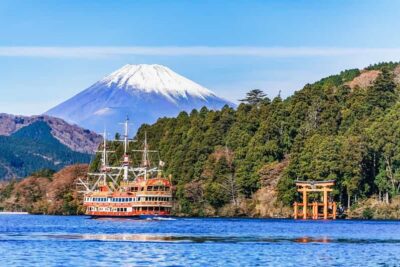 ★ 4.4Tokyo Mt Fuji 5th St & Hakone Cruise Bus Tour w/Bullet TrainFrom $1545,024 reviews
 ★ 4.5From Tokyo: Mount Fuji Full-Day Sightseeing TripFrom $684,970 reviews
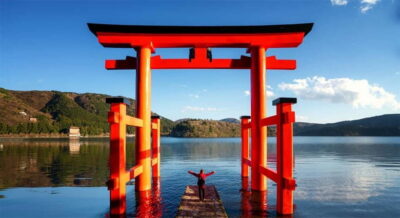 ★ 4.7Mt. Fuji Tour, Hakone Ropeway, Owakudani, Lake AshiFrom $544,002 reviews
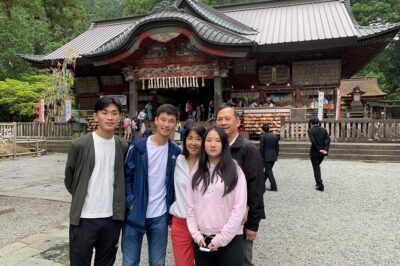 ★ 5.0Private Tour to Mt. Fuji and Hakone (Fully Licenced Operator)From $4971,910 reviews
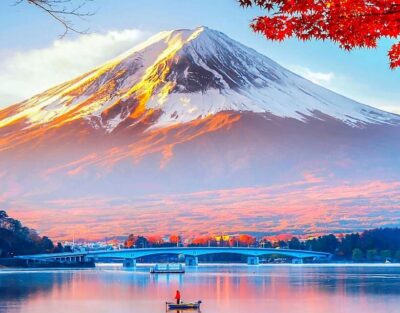 ★ 4.9Mount Fuji Full-Day Private Tour from Tokyo (Customizable)From $3931,470 reviews
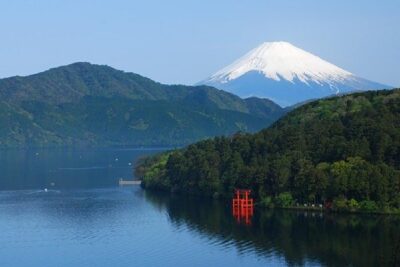 ★ 4.0Mt Fuji & Hakone Cruise, Drum Show Bus 1 Day from TokyoFrom $1221,287 reviews
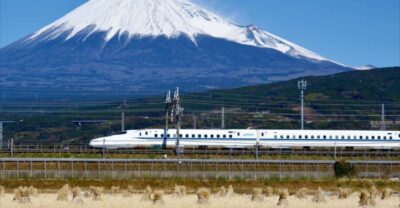 ★ 4.2From Tokyo: Mt. Fuji & Hakone Tour w/ Return by Bullet TrainFrom $1171,278 reviews
Browse the lists this tour appears in