
Reviewed · SAMURAI & NINJA EXPERIENCES
Samurai experience: art and soul of the sword
Tokyo has a softer side of samurai.
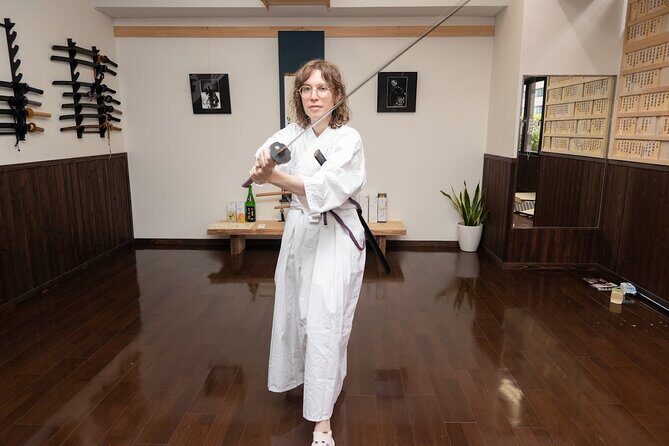
This Iaido experience is not a costume-and-photos thing. It’s about understanding the sword’s meaning—courtesy, restraint, and the idea that violence is a last resort. You’ll learn how samurai thinking shaped real technique, not just how to swing.
What I love most is how quickly the class turns to values and sword etiquette before any cutting happens. I also like the up-close solo demonstration, because you can actually see the control that makes Iaido feel calm and precise.
One consideration: if you want the optional real-sword tatami cut, you must be 18+ and sign a waiver, and you’ll need to follow the master’s instructions closely.
In This Review
- Quick hits: what makes this Tokyo Iaido class different
- Iaido in Tokyo: what you’re really training in 90 minutes
- Kuramae Station meeting point: getting there without stress
- From etiquette to bushido: why the class starts with restraint
- Dressing the part: samurai attire and handling the sword safely
- The cardboard cut: practicing Iaido control without rushing it
- Optional rolled tatami with a real sword: who can do it and why it matters
- Watching the master solo: seeing control up close
- Price and value in Tokyo: what $216.86 buys you here
- Who should book this Iaido and bushido experience?
- Should you book Samurai experience: art and soul of the sword?
- FAQ
- What is the duration of the Samurai experience in Tokyo?
- Where is the meeting point?
- What time does it start?
- What will I do during the class?
- Is there a real-sword option?
- What are the age requirements for the real sword cut?
- What if I do not choose the real-sword option?
- Is the group size limited?
- Do I receive anything at the end?
- Is free cancellation available?
Quick hits: what makes this Tokyo Iaido class different
- Bushido first: etiquette and discipline come before any blade practice
- Small group: up to 10 people, so it feels guided rather than rushed
- Hands-on cutting: you’ll cut a man-shaped cardboard target
- Optional real-sword test: rolled tatami cut is available for eligible participants
- Up-close master demo: you watch the technique solo right where you can see details
- Completion certificate: you leave with something tangible for your trip
More blades, bows and dojo hours
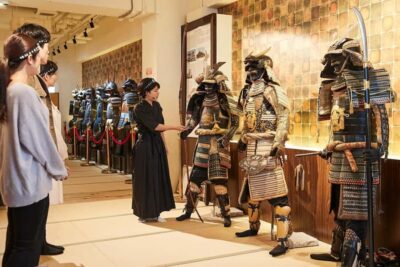
- Tokyo: Samurai Ninja Museum Guided tour and Experience★ 4.6 · 1,010 reviews
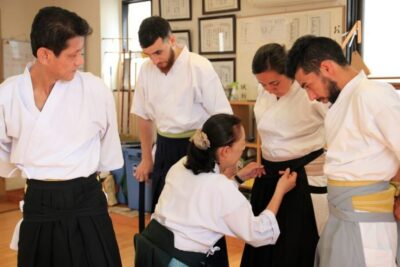
- Tokyo: Samurai Sword & Archery Class from Samurai Descendant★ 5.0 · 603 reviews
- Best Samurai Experience in Tokyo★ 5.0 · 458 reviews
Iaido in Tokyo: what you’re really training in 90 minutes
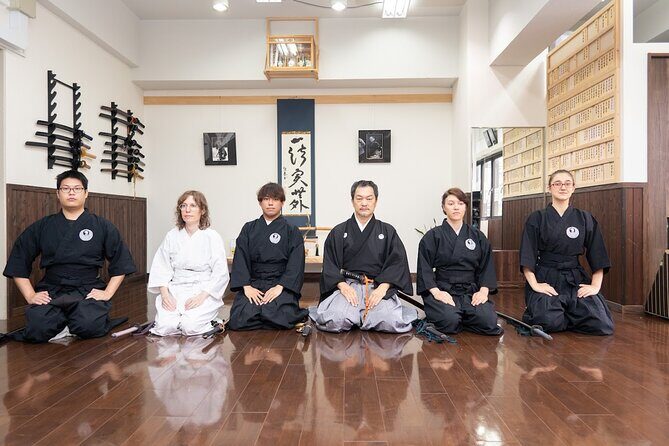
Iaido is sword practice with a very specific mindset. It’s not about chasing a fight or scoring big hits. The point is the flow: how you handle the sword, how you move with control, and how you keep the moment focused and deliberate.
You’ll start with the basics of bushido and sword etiquette, then you’ll practice the Iaido movements you’re taught in the dojo setting. The cutting comes after that mental setup. That order matters, because it changes how your body and attention work. Instead of thinking, What can I do with a sword, you’ll be thinking, How do I handle the sword properly and responsibly.
The experience also has a clear cultural angle. The samurai class is described as ruling Japan for about seven centuries and ending roughly 160 years ago, and this class treats that legacy seriously. You’re not just learning a move; you’re learning why the move existed.
Kuramae Station meeting point: getting there without stress
This experience starts at 9:00am near Kuramae Station (2-chōme-3-1 Kuramae, Taito City, Tokyo). It ends back at the meeting point, so plan your Tokyo day around an exact drop-off.
Because it’s a dojo-based activity, timing matters. I’d treat arrival like any hands-on class: get there a little early so you can check in and settle before you change into attire. The ticket is mobile, so you’ll want your phone charged and ready.
Also note the group size cap: 10 travelers maximum. That’s great for attention, but it means you don’t want to be late and start apologizing. You’ll be watching the master and learning from instructions, so being on time helps you get the most.
From etiquette to bushido: why the class starts with restraint
The biggest surprise here is that you don’t begin with how to attack. You begin with how to respect the sword. You’ll be taught proper etiquette and the fundamentals of bushido—things like courtesy, discipline, and the seriousness of how and when you act.
This is the part that turns the experience from entertainment into learning. People often picture samurai as fearless fighters. Here, the teaching makes the point that a strong samurai didn’t look for trouble. Drawing or attacking wasn’t the default. It was a last resort, and there was an expectation that issues could be handled through discussion first.
That mindset changes how you understand the movements. Iaido isn’t just physical control; it’s also mental control. Even when you’re practicing something as simple as a cut or a draw, you’re being guided to think with restraint and clarity.
Dressing the part: samurai attire and handling the sword safely
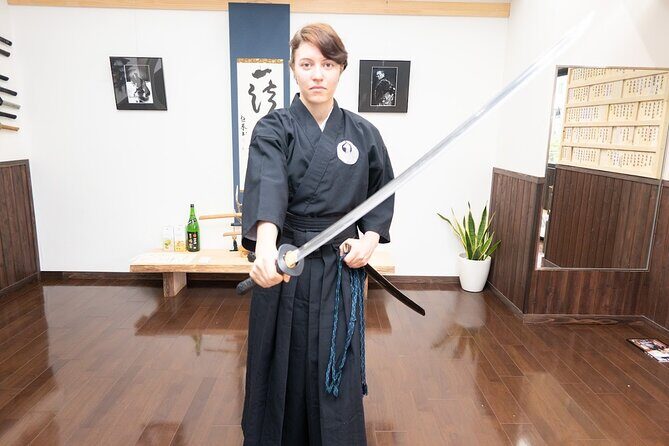
After arriving at the Iaido dojo, you’ll change into samurai attire with a sword. That moment is more than a photo-op. It helps you understand the practical reality of training in the samurai world: the clothing, the posture, and the way you move while holding the weapon.
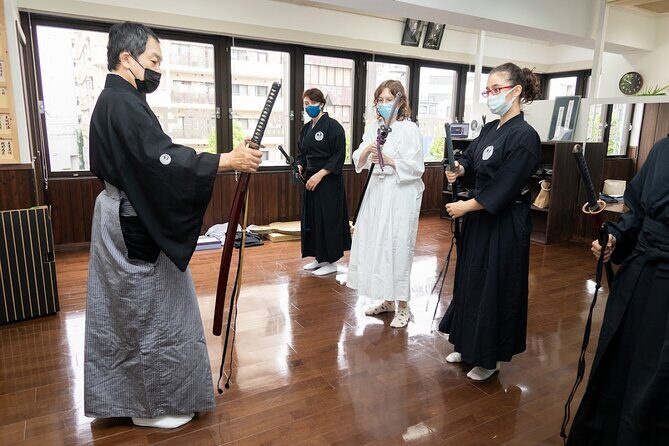
You’ll learn the flow of the session from the master and the teaching staff (often called a TA). They guide you through what comes next, then you practice what you’ve been shown.
You should expect a direct instruction style. The class is small and structured, and you’ll be asked to follow directions. That matters because this is not a casual demo. It’s a real training environment with rules.





The cardboard cut: practicing Iaido control without rushing it
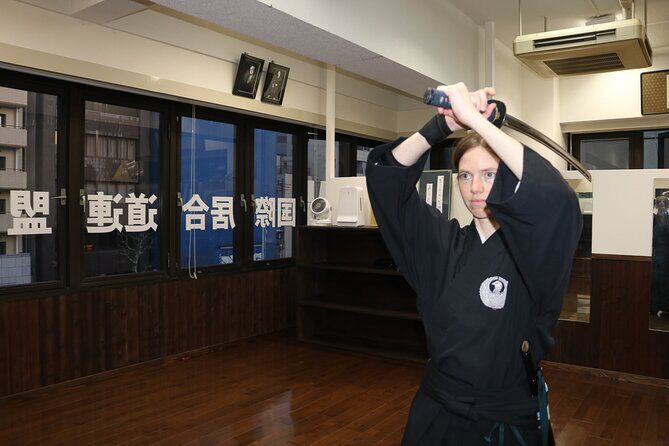
Your hands-on practice includes cutting a man-shaped cardboard target using a sword in the dojo setting. The target is there for a reason: it lets you focus on form and the action the class teaches—rather than trying to invent power or speed.
This is where you start to feel the logic of Iaido. A cut is not just a swing. It’s part of a sequence: setup, movement, and the discipline to stop where you’re supposed to stop. The class structure helps prevent the common beginner habit of treating the blade like a prop.
If you’re hoping for a moment that feels both satisfying and safe, the cardboard cut is that moment. You get the sensation of “this is real sword training,” without turning the session into a chaotic free-for-all.
Optional rolled tatami with a real sword: who can do it and why it matters
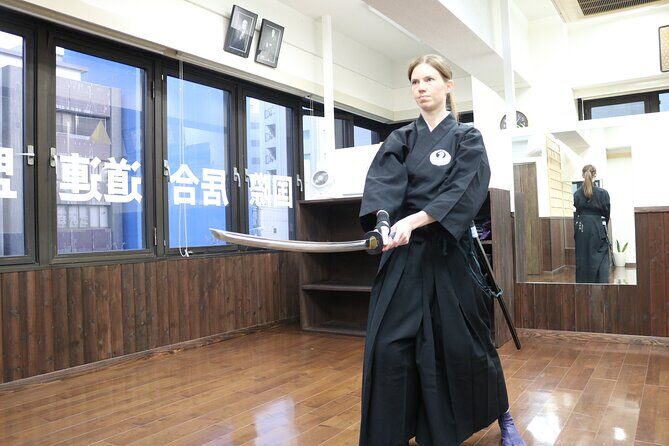
There’s an enhancement option: cutting a rolled tatami mat with a real sword. This is the part most people remember, because it’s a more serious test than cardboard.
But it comes with clear requirements:
- You must be 18 or older on the experience date.
- You need to sign a waiver.
- You must abide by the master’s instructions.
If you don’t choose the real-sword option, the minimum age for participation is 5. That makes this a flexible choice for families who want the etiquette and Iaido basics without the real-blade test.
Why does this option matter for value? Because it gives two levels of experience. You can come for the bushido and Iaido learning, or you can go for the more intense cutting test—only if you meet the rules and you’re ready to take instructions seriously.
If you’re an adult and you’re comfortable following safety direction, the real-sword option tends to feel like the “authentic edge” of the class. If you’re not eligible or not comfortable, the core lesson still delivers: etiquette, discipline, and the Iaido flow.
Watching the master solo: seeing control up close
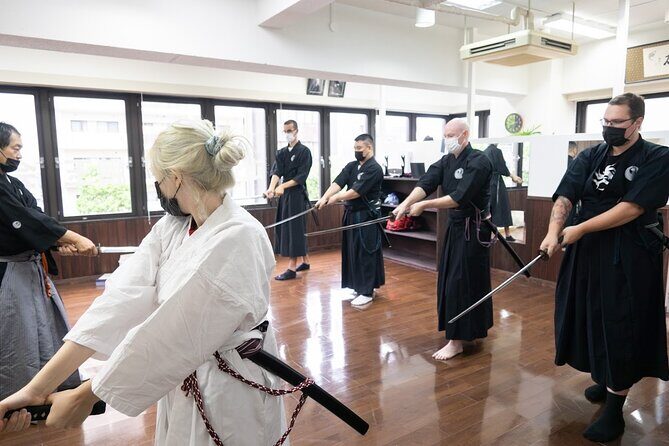
After you practice, you’ll observe the master’s solo demonstration close up. This is one of the most rewarding parts of the whole session, because the master’s performance is where Iaido’s calm precision becomes obvious.
When you watch from near enough to see detail, you notice things that don’t show up in videos: how little wasted motion there is, how deliberate the timing feels, and how the sword handling looks like it’s controlled from the mind outward. The solo demo also puts your own practice in context. You learn what the movement is supposed to look like when discipline is doing the heavy lifting.
It’s especially impressive after you’ve tried the motions yourself. Even if you’re not naturally coordinated, the demonstration makes it clear that Iaido is more about correctness and control than raw strength.
Price and value in Tokyo: what $216.86 buys you here
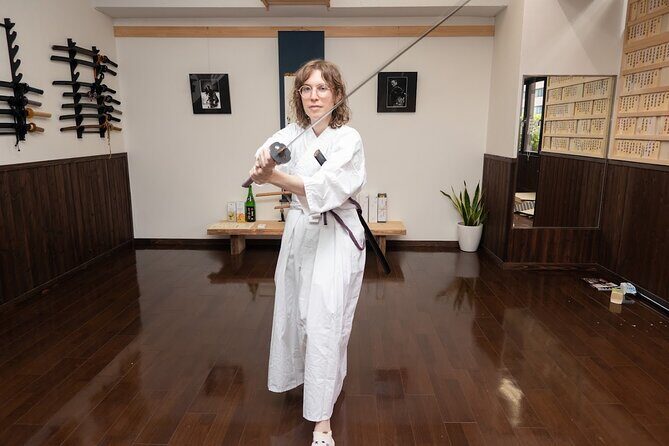
The price is $216.86 per person, and the experience runs about 1 hour 30 minutes. At first glance, it can sound steep compared to “sword experience” tours you’ll see around Tokyo.
Here’s the value logic I’d use to decide:
- You’re not just doing a photo stop. You’re learning etiquette, bushido fundamentals, and Iaido flow.
- The group size is capped at 10, which usually means more attention and less waiting.
- You get multiple layers: changing into attire, practicing a cutting sequence, watching a solo demo, and receiving a completion certificate.
- There’s an optional real-sword tatami cut for eligible adults, which is the kind of high-stakes practice many casual activities never offer.
If your goal is meaning and technique—respecting the sword and learning why samurai behavior mattered—this price starts to make more sense. If you only want dramatic sword-swinging for entertainment, you might feel the class is more structured and restrained than you expected.
Also worth noting: it’s typically booked about 23 days in advance on average. If you want a spot at a convenient time, don’t wait for inspiration. Reserve when your Tokyo schedule is real.
Who should book this Iaido and bushido experience?
This is best for you if you:
- enjoy structured cultural activities where discipline and etiquette come first
- want a hands-on activity that still respects the tradition
- like small-group instruction and close viewing
- are interested in the idea of samurai values, not just weapon handling
It’s also a good fit if you’re traveling with a family member who wants a dojo experience but may not be doing the real-sword cut. When the real blade is not selected, the minimum age is 5, and you can still take part in the core Iaido learning.
Where it may not fit as well:
- If you expect a long fight-training session or heavy fitness workout, the format is more focused and controlled.
- If you don’t like following instructions closely, you might find the waiver-and-precision style demanding—especially if you’re doing the real-sword tatami option.
Should you book Samurai experience: art and soul of the sword?
I think you should book this if you’re the type who likes your travel with context. This isn’t a careless sword performance. It’s a short, structured dojo session that teaches how restraint and courtesy connect to technique.
You’ll get value even without the real-sword option: cardboard cutting plus etiquette plus an up-close master demonstration is a strong package in 90 minutes. And if you’re eligible and curious about the real-sword tatami cut, that option can turn the class into a real milestone.
If your only goal is wild sword theatrics, you might feel the lesson is too disciplined. But if you want to understand the “why” behind Iaido—bushido as action, not just a word—you’ll likely leave with a calmer, more respectful view of the sword.
FAQ
What is the duration of the Samurai experience in Tokyo?
It runs for about 1 hour 30 minutes.
Where is the meeting point?
You meet near Kuramae Station at 2-chōme-3-1 Kuramae, Taito City, Tokyo 111-0051, Japan.
What time does it start?
The start time is 9:00am.
What will I do during the class?
You’ll learn Iaido, practice sword-related fundamentals taught by the master, cut a man-shaped cardboard target, and watch the master’s solo demonstration. If you choose the enhancement, you’ll also cut a rolled tatami mat with a real sword.
Is there a real-sword option?
Yes, there is an option to cut a rolled tatami mat with a real sword.
What are the age requirements for the real sword cut?
For the real-sword option, you must be 18 or older on the date of the experience and you must sign a waiver.
What if I do not choose the real-sword option?
If you don’t opt for the real sword, the minimum age to participate is 5.
Is the group size limited?
Yes. The experience has a maximum of 10 travelers.
Do I receive anything at the end?
Yes, you’ll receive a certificate of completion.
Is free cancellation available?
Yes. You can cancel for a full refund up to 24 hours in advance of the experience start time. Changes made less than 24 hours before the start time aren’t accepted.
More Tour Reviews in Tokyo



The Way of the Sword, Continued





Fresh reviews from around Tokyo






Samurai & Ninja Experiences, compared.
 ★ 4.6Samurai Ninja Museum Guided tour and ExperienceFrom $271,010 reviews
 ★ 5.0Samurai Sword & Archery Class from Samurai DescendantFrom $193603 reviews
 ★ 5.0Best Samurai Experience in TokyoFrom $65458 reviews
 ★ 5.0Ninja Experience (Family Friendly) at Samurai Ninja Museum TOKYOFrom $47441 reviews
 ★ 4.6Samurai Entertainment Night Show in Kanda ShrineFrom $41417 reviews
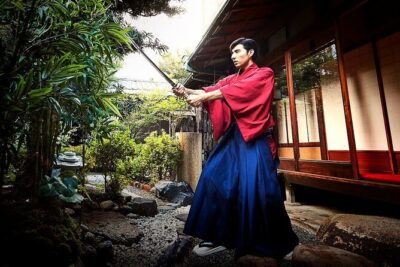 ★ 5.0Tokyo Sword Experience – includes Museum Ticket/Ninja ExperienceFrom $84314 reviews
 ★ 4.8Samurai Ninja Museum Asakusa: Samurai Sword Lesson & TourFrom $63306 reviews
 ★ 5.0Samurai Sword Experience (Family Friendly)at SAMURAI MUSEUM TOKYOFrom $65168 reviews
Browse the lists this tour appears in