
Reviewed · KAMAKURA DAY TRIPS
Private Tour Kamakura Yokohama Day Trip English speaking driver
Kamakura and Yokohama in one day, sorted. I like the private English-speaking driver setup, which means you can jump between major sights without wrestling trains. I also love how the route balances ancient temple stops with quick chances for shopping and photo breaks. One thing to consider: temple admission fees are not included, so you’ll want a little cash ready.
The best part is how smoothly the day flows. You start in Kamakura with the big-name spiritual sites, then pivot to Yokohama’s waterfront vibe through Chinatown and a classic Japanese garden at Sankei-en.
In the real world, guides like Sunny and Mr. Vicky get called out for clear communication and flexible pacing. If you like your day trip to feel controlled, not chaotic, this style of tour makes sense.
In This Review
- Key Things You’ll Appreciate Most
- How This Private Day Trip Makes Tokyo Feel Smaller
- What 10 Hours Really Means for Your Schedule
- Hokoku-ji Bamboo Temple: A Quiet Start With Big Atmosphere
- Hase-dera Temple: The Wooden Kannon You’ll Remember
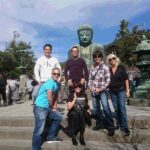
- Kotoku-in and the Great Buddha of Kamakura
- Tsurugaoka Hachimangu: Shrines, Festivals, and Two Clan Ponds
- Komachidori Street: Shopping and Snacks Without the Chaos
- Yuigahama Seaside Park: The Beach Stop That Makes the Day Feel Earned
- Yokohama Chinatown: Where the City Gets Loud
- Sankei-en Gardens: Traditional Grounds With a Silk Trader’s Touch
- Price and What You Actually Get for $399
- What This Tour Feels Like Day-to-Day
- Who Should Book This Private Kamakura and Yokohama Tour
- Should You Book This Private Kamakura and Yokohama Day Trip?
- FAQ
- How many people can join this private tour?
- How long is the Kamakura and Yokohama day trip?
- What’s included in the price?
- Are temple and garden entrance fees included?
- Which main stops are included?
- Is the driver English speaking?
- Is Chinatown and Sankei-en admission free?
- Can I cancel for a full refund?
Key Things You’ll Appreciate Most
- Private, air-conditioned car for 10 hours keeps transfers stress low.
- Kamakura’s top temple lineup hits bamboo, Kannon, and the Great Buddha in one run.
- Yokohama Chinatown + Sankei-en gives you two very different textures in the same day.
- Photo-friendly breaks like Yuigahama help you end with something fun, not just temples.
- Komachidori timing lets you shop and snack without rushing through everything.
- Good guide communication shows up in multiple guide names, including Sunny and Mr. Vicky.
More escapes to the Great Buddha and the coast
- Kamakura 8 hr Private Walking Tour with Licensed Guide from Tokyo★ 5.0 · 80 reviews
- Tokyo: Kamakura & Enoshima Day Tour with Pickup & Train Ride★ 4.1 · 61 reviews
- Kamakura Private & Customizable Tour – All-in-One Experience★ 5.0 · 49 reviews
How This Private Day Trip Makes Tokyo Feel Smaller
This is a 10-hour private Kamakura and Yokohama day trip with an English-speaking driver and pickup offered from the Tokyo area (the exact pickup point isn’t listed, but pickup is included). You’re in an air-conditioned vehicle, and the tour includes fuel, tolls, and taxes. That matters more than it sounds. When you’re trying to fit multiple major locations into one day, transport costs and time can quietly eat your energy.
The tour is priced at $399 per group for up to 6 people. That’s not “cheap,” but the value comes from the math: you’re paying for a car and a driver for a full day, not per person like some group tours. If you’re traveling as a small group (or with family), this can feel like the easiest way to do Kamakura + Yokohama without playing transit roulette.
One practical advantage: you get a mobile ticket, so you’re not stuck juggling paper. It’s a small detail, but it keeps the day from feeling complicated.
What 10 Hours Really Means for Your Schedule
The itinerary runs a full day, but the stops are designed to prevent that classic day-trip problem: arriving, rushing, and remembering nothing. Most of the sightseeing blocks are around one to two hours, with time built in for walking inside temple areas and taking photos at the main viewpoints.
Also, Kamakura and Yokohama can slow down with traffic and crowds near the most famous spots. A private driver helps you avoid wasted time by moving you when you’re ready to move.
Two timing notes to keep in mind:
- Temple admission isn’t included, and that can add a short wait at each stop if lines form.
- Yokohama Chinatown can be dense and busy, so your time there is best used for wandering and picking a snack you actually want, not trying to “see it all.”
If you want a relaxed day, plan your mindset around short but meaningful visits, not deep study of every detail.
Hokoku-ji Bamboo Temple: A Quiet Start With Big Atmosphere
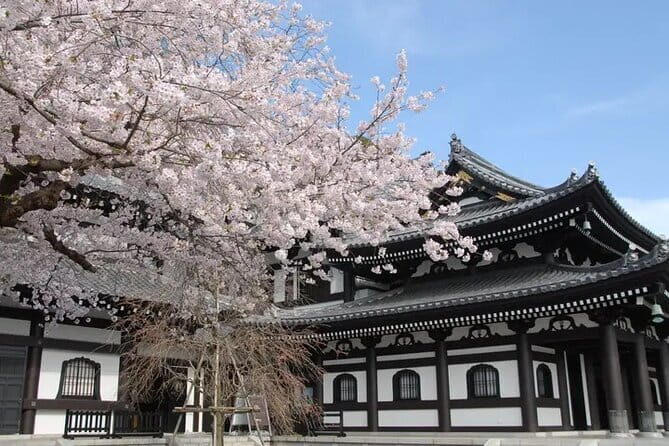
Your Kamakura day begins at Hōkoku-ji (Hokoku-ji / Bamboo Temple), in the Kenchō-ji school of Rinzai Zen Buddhism. The headline here is the bamboo garden. Even if you’re not a temple person, bamboo changes the whole feel of a place. It’s visually calm, and the ground-level walking paths make it feel intimate rather than touristy.
Hōkoku-ji is also known for its principal image: a statue of Gautama Buddha, called Shaka Nyorai. You’ll get an hour here, which is enough to walk the garden, find the main sacred hall area, and still leave time for photos without rushing.
Why this stop is a smart opener:
- It sets a slower rhythm for the day.
- It gives you something uniquely “Kamakura” before you hit the more famous crowd magnets like the Great Buddha.
Possible drawback: if you’re hoping for a long, sit-down meditation-style experience, the one-hour timeframe may feel short. But if you want “beautiful and efficient,” this is a great start.
Hase-dera Temple: The Wooden Kannon You’ll Remember
Next up is Hase-dera, often called Hase-kannon. This temple is famous for housing a massive wooden statue of Kannon (the bodhisattva of compassion). You get about two hours, which is a gift for this kind of place because you’ll likely want time to move through the grounds, pause at viewpoints, and see the statue area from the best angles.
Hase-dera’s background also makes it more than a photo stop: it originally belonged to the Tendai sect, and later became an independent temple of Jōdo-shū. You don’t need to memorize that for the visit to feel meaningful, but it does give the site a sense of layered identity.
What I like about this stop for your experience:
- The statue focus gives the visit a clear “center.”
- The extra time helps you avoid the trap of sprinting between gates.
Consideration: like other temple admissions, the entry fee isn’t included, so budget for on-site charges. Also, if you’re sensitive to crowds or steps, plan your pace. Temples often involve walking and elevation.
More of the harbour city next door


Kotoku-in and the Great Buddha of Kamakura
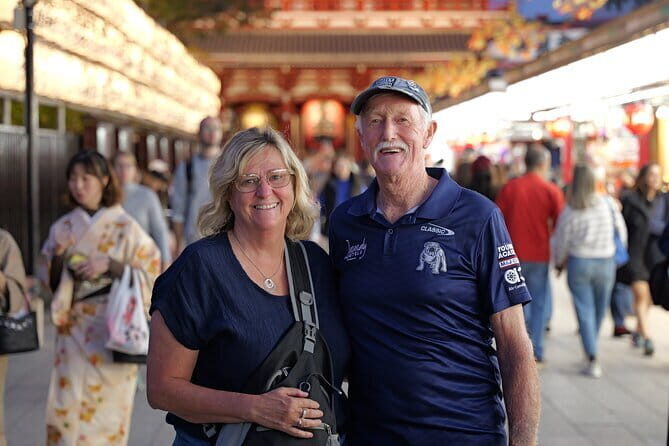
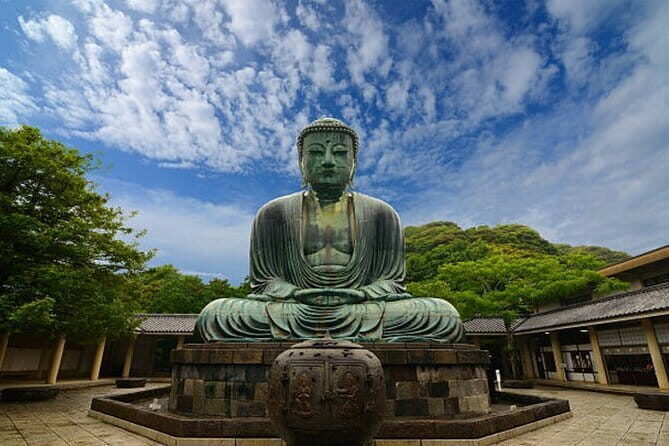
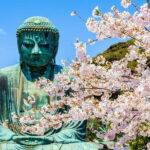
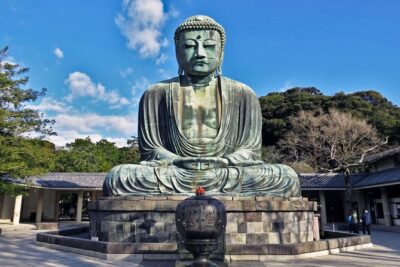
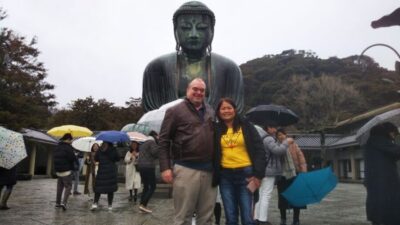
Then you reach the main showpiece: Kotoku-in, home to the Great Buddha of Kamakura. This temple is part of Jōdo-shū, with the mountain name Taiizan and the common temple name Shōjōsen-ji.
You’ll spend about one hour here. In that time, you can do the basics well: see the huge Buddha statue area, take your photos, and walk the temple grounds enough to appreciate scale. The Great Buddha is one of those sights where even if you’ve seen photos before, being there changes it. Scale is the whole point.
Why this stop fits into a private day trip:
- It’s iconic, so you don’t need long lectures.
- The parking/area access is typically smoother when you arrive by car, rather than trying to piece together transit plus walking.
Possible drawback: since it’s famous, it can get busy. With a private driver, you can still make it feel manageable by keeping your route flexible and not waiting too long to move.
Tsurugaoka Hachimangu: Shrines, Festivals, and Two Clan Ponds
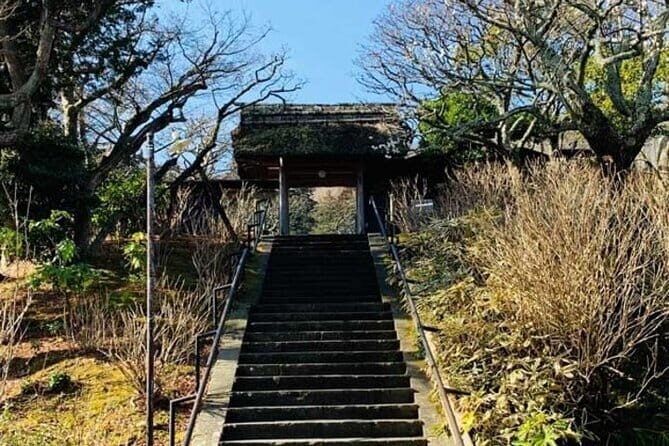
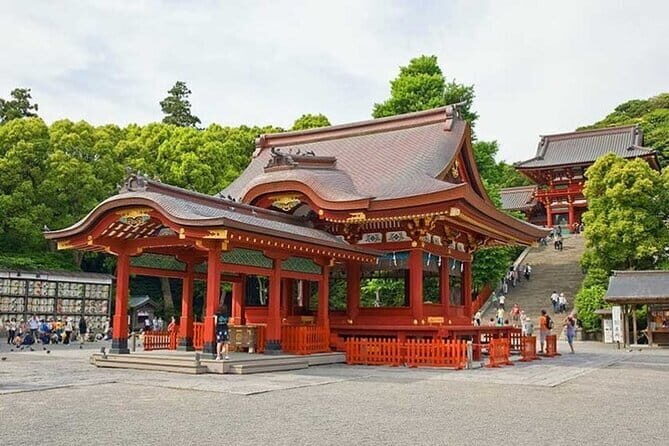
After the Great Buddha, you head to Tsurugaoka Hachimangu Shrine, a cultural center for Kamakura. It’s also the venue for many of the city’s most important festivals, so even if you’re there on an ordinary day, the space has that “event energy.”
You get about one hour. The two museums are mentioned, but museum entry details aren’t specified in what’s included or timed. So think of this stop as:
- Shrine atmosphere first
- Ponds and grounds second
- Optional quick museum time if you want it and the timing works
A key detail that makes Tsurugaoka Hachimangu worth your attention: two beautiful ponds that represent the Taira and Minamoto clans. It’s one of those symbolic features you can actually enjoy without needing a guidebook.
Why this stop works after Kotoku-in:
- You shift from Buddhist temple focus to Shinto shrine culture.
- The setting and layout feel different, so the day doesn’t blur together.
Komachidori Street: Shopping and Snacks Without the Chaos
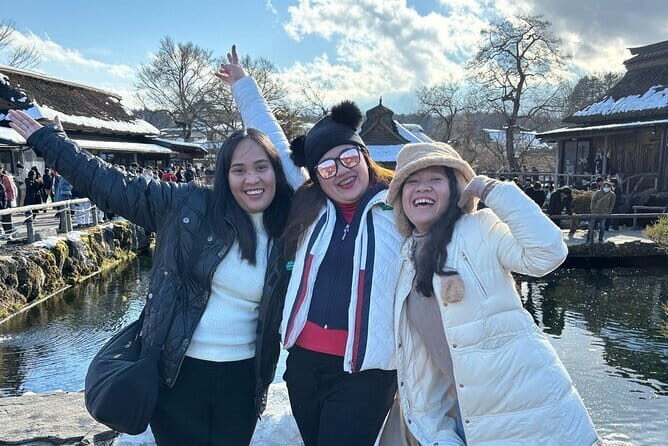
Next is Kamakura Komachidori, a busy pedestrian walkway lined with apparel, gifts, and souvenir stores, plus eateries and sweet shops. You’ll get about one hour here.
This stop is for a different kind of travel satisfaction. You’re not there for quiet contemplation; you’re there for the fun part: snack breaks, small gifts, and watching the street energy move. It’s also where you can take control of your meal timing. If you’ve got dietary needs, this is often your best chance to find something you’ll actually enjoy.
One real-world note from a vegetarian traveler: food can be tricky depending on what you order. The good news is you can solve it by looking for the right types of places nearby. If vegetarian food is important to you, don’t assume every shop will help. Use your time on Komachidori to scout options.
Yuigahama Seaside Park: The Beach Stop That Makes the Day Feel Earned
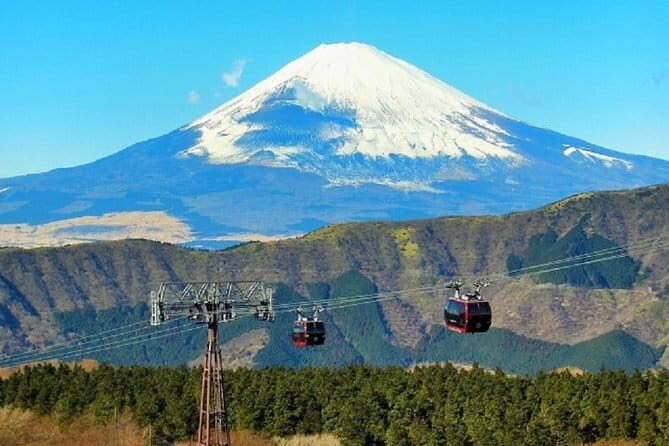
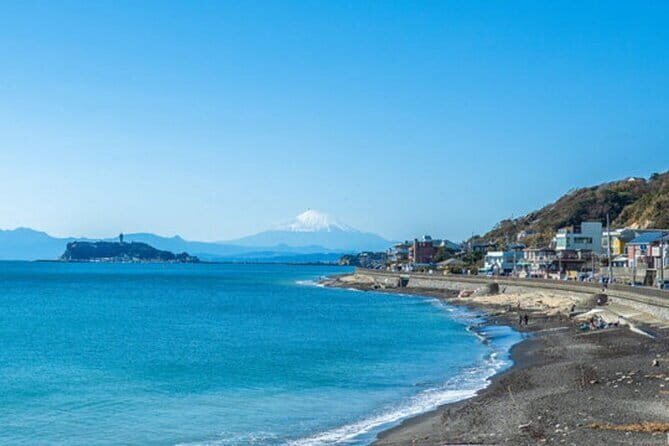
After the shopping street, the itinerary includes Kamakura Seaside Park (Yuigahama Area). This is a one-hour break with a big payoff: you can take photos of a beach view, and when conditions allow, you may see Mt. Fuji across the ocean.
This is more than a casual stroll. It’s how you “reset” your senses halfway through the day. Temples are about walking inside calm spaces and looking up at spiritual scale. The seaside is the opposite: wide views, light breeze, and an easy place to breathe.
If you’re the type who loves photos, this is where you’ll likely feel grateful you didn’t try to cram in extra stops. The timing is perfect for a walking break without eating up the schedule.
Yokohama Chinatown: Where the City Gets Loud
Now you shift to Yokohama, Japan’s second city. You’ll visit Yokohama Chinatown for about two hours.
Here’s what makes it interesting beyond food:
- It’s about 160 years old
- Its population is estimated around 3,000 to 4,000
- Today, only a few Chinese residents live there full-time; many people trace connections to Guangzhou
That tells you something useful: it’s not just a random theme area. It’s a historic neighborhood with real cultural layers, even as the local demographics evolve.
Use your time wisely in Chinatown:
- Don’t plan on sampling everything.
- Pick a few items you actually crave.
- Walk a loop and then settle somewhere rather than bouncing around constantly.
Admission for this stop is listed as free, so you can enjoy the area without feeling boxed in by ticket costs.
Sankei-en Gardens: Traditional Grounds With a Silk Trader’s Touch
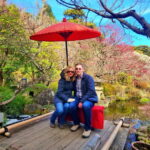
Finally, you’ll visit Sankei-en Gardens, a traditional Japanese-style garden in Yokohama’s Naka Ward. The garden opened in 1906 and was designed and built by Tomitaro Hara, known by the pseudonym Sankei Hara, who was a silk trader.
You’ll get about one hour here. This is the kind of place where the garden layout does the work for you. You don’t need to know every term for the scenery to make sense. You can just slow down and enjoy the pathways, views, and the way the space is arranged for seasonal mood.
Why I think this stop is valuable at the end:
- It contrasts with the street energy of Chinatown.
- It helps you close the day with something quiet, not just another crowd hotspot.
Admission isn’t included here either, so be ready to pay on-site.
Price and What You Actually Get for $399
Let’s talk value in plain terms. The tour costs $399 per group for up to 6, and it runs for about 10 hours with private transportation in an air-conditioned vehicle. It also includes fuel, tolls, and taxes, plus pickup offered and a mobile ticket.
What’s not included:
- Temple/shrine/garden admissions
- Estimated on-site admission fee: about 1,100 JPY per person
That means your total trip cost is the base price plus an on-site amount that’s relatively predictable. Since the major stops are temple and garden sites, it’s normal to see admission fees not bundled.
If you compare this to doing Kamakura and Yokohama independently, the main savings you’re buying is time and stress. Public transport is doable, but coordinating multiple transfers while also timing temple visits can be tiring. Here, you’re paying to remove that hassle.
Best part for value: private tours become more cost-effective as your group size grows, since the price is per group.
What This Tour Feels Like Day-to-Day
This is a tour that tries to keep you moving, but not frantic. Each stop has enough time for photos and walking, and the sequence gives you a clear arc:
- Kamakura starts with serene Zen and major Buddhist landmarks
- You transition to shrine culture and Kamakura street life
- Then you move into Yokohama for Chinatown and a classic garden
From the guide experience side, names like Sunny and Mr. Vicky show up with praise for being friendly, communicative, and flexible—the kind of traits that make private tours feel worth it. When a driver can adapt to your group’s pace, you spend less energy wondering what to do next.
Who Should Book This Private Kamakura and Yokohama Tour
This tour is a strong match if you:
- Want Kamakura’s top sights plus Yokohama in one day without transit stress
- Prefer a private setup over group buses or train schedules
- Travel with a small group up to 6 people, so the per-group pricing feels fair
- Like a mix of temples and cultural neighborhoods, not just one type of attraction
It’s also a good fit if you’re the planner type who wants structure. The day has a clear stop list and time blocks, so you’re not guessing what matters most.
If you hate walking or dislike crowds at famous sites, you’ll need to pace yourself at the big-ticket spots. A private driver helps, but it can’t change the fact that the Great Buddha area and popular streets can get busy.
Should You Book This Private Kamakura and Yokohama Day Trip?
I’d book it if you want a clean, efficient way to see Kamakura’s bamboo temple, Great Buddha, and shrine culture, then finish with Chinatown and Sankei-en. The private car removes the biggest friction in a long day trip: transfers, timing, and finding the right entrance points fast.
I’d pause before booking if:
- You’re trying to minimize on-site costs, since temple admissions aren’t included.
- You want a slow, deep, spend-the-afternoon type of temple experience at just one or two locations. This one is about getting a lot done well.
If you’re traveling with up to six people and you want your day shaped around smooth movement and clear highlights, this tour is a solid value play.
FAQ
How many people can join this private tour?
This is a private tour for your group, and the price is set per group for up to 6 people.
How long is the Kamakura and Yokohama day trip?
The duration is about 10 hours.
What’s included in the price?
The tour includes an air-conditioned vehicle, private transportation, pickup offered, fuel charges/tolls & taxes, and a mobile ticket.
Are temple and garden entrance fees included?
No. Entry/admission for Hokoku-ji, Hase-dera, Kotoku-in (Great Buddha), Tsurugaoka Hachimangu, and Sankei-en is not included. The estimated admission fee is about 1,100 JPY per person.
Which main stops are included?
You’ll visit Hokoku-ji, Hase-dera, Kotoku-in (Great Buddha), Tsurugaoka Hachimangu, Kamakura Komachidori, Yokohama Chinatown, Sankei-en, and Kamakura Seaside Park (Yuigahama area).
Is the driver English speaking?
Yes, the experience is described as an English-speaking driver service.
Is Chinatown and Sankei-en admission free?
Chinatown is listed as free. Sankei-en requires admission and is not included.
Can I cancel for a full refund?
Yes. You can cancel up to 24 hours in advance for a full refund.
Your Own Wheels: More Private Driver Days

Next Door in Yokohama
More Days by the Great Buddha
Fresh reviews from around Tokyo






Kamakura Day Trips, compared.
 ★ 4.5Kamakura & Enoshima Day Trip including Temple TicketsFrom $581,375 reviews
 ★ 4.5From Tokyo: Kamakura & Enoshima 1-Day Bus TourFrom $66189 reviews
 ★ 5.0Kamakura Historical Walking Tour with the Great BuddhaFrom $98129 reviews
Kamakura Private Tour: Temples, Nature, and the Great BuddhaFrom $98121 reviews
Kamakura Walking Tour – The City of ShogunFrom $35100 reviews
★ 5.0Kamakura Historical Walking Tour with the Great BuddhaFrom $98129 reviews
Kamakura Private Tour: Temples, Nature, and the Great BuddhaFrom $98121 reviews
Kamakura Walking Tour – The City of ShogunFrom $35100 reviews
 ★ 5.0Kamakura 8 hr Private Walking Tour with Licensed Guide from TokyoFrom $20180 reviews
 ★ 4.1Kamakura & Enoshima Day Tour with Pickup & Train RideFrom $1361 reviews
 ★ 4.8Kamakura: Private Guided Walking Tour with Local GuideFrom $10660 reviews
Browse the lists this tour appears in