
Reviewed · MT FUJI DAY TRIPS
Mt. Fuji & Hakone Private Day Tour with English-Speaking Driver
Fuji and Hakone in one day can be a lot.
This private tour is interesting because you get a dedicated car and an English-speaking driver who can shape the day around your priorities, from Fuji photo stops to Hakone’s steam-and-lake sights. I like the way the plan mixes big-name viewpoints with realistic timing, and I also like that the drive is set up to be less stressful than DIY.
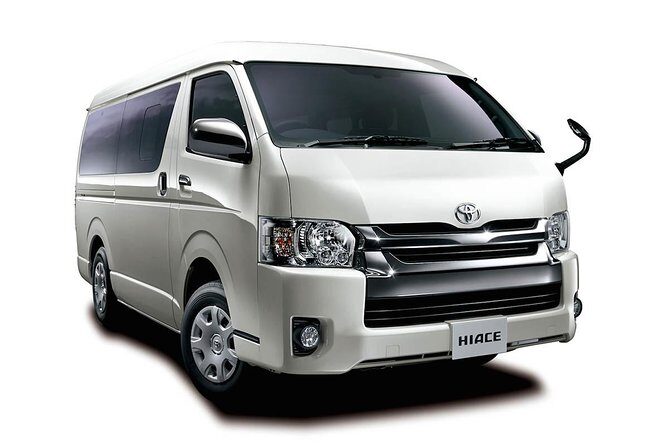
My favorite part is the flexibility. In real use, drivers like Alam, Zeb, and Akon were praised for tailoring the route, adjusting stop order, and working with changing weather so you still get meaningful time at places like Lake Ashi and Owakudani. The other win is comfort: you’re in a private air-conditioned vehicle with fuel and tolls handled, plus onboard Wi‑Fi is available if you want it.
The main drawback to plan for is simple: it’s a full day with real driving. If traffic goes sideways or roads close, you may spend more time on the road than you expected, and the tour is capped at 10 hours (extra time is paid as overtime).
In This Review
- Key Things I’d Focus On Before Booking
- Private Mt. Fuji and Hakone Day Tour: What You’re Really Paying For
- The 10-Hour Reality Check: How the Day Flows
- Pickup Comfort in Tokyo: It Starts the Minute You Leave the Hotel
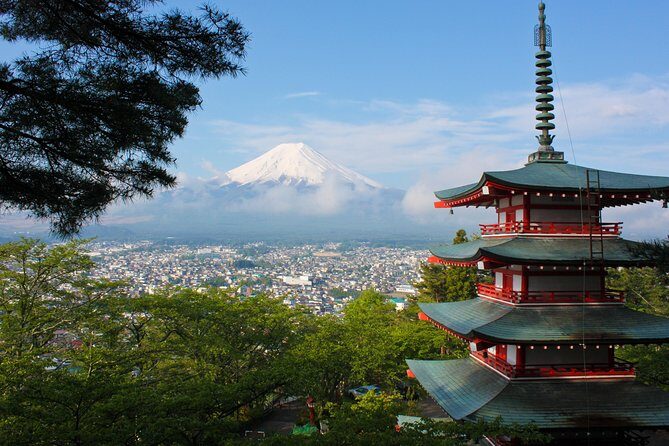
- Mt. Fuji Viewing Strategy: 5th Station, Lake Views, and Oshino Hakkai
- Mt. Fuji 5th Station (Optional, with seasonal access rules)
- Lake-area viewpoints (Kawaguchiko/Oshiino style stops)
- Oshino Hakkai and Kitaguchi Hongu Fuji Sengen Jinja: Small stops with big payoff
- Lake Yamanaka: A quiet Fuji reset
- Hakone’s Owakudani Valley: Steam, sulfur, and black eggs
- Hakone Ropeway: Views that connect the dots
- Lake Ashi Pirate Cruise: A calm ride with dramatic photo timing
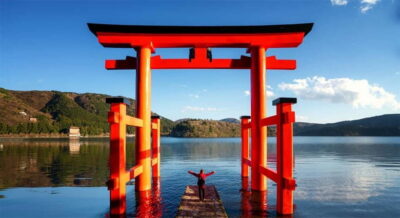
- Hakone Shrine: The classic red torii-in-the-lake moment
- The Optional Open-Air Museum: Art in nature, on a tight schedule
- Gotemba Premium Outlets: When shopping actually makes sense
- Price and Logistics: When This Tour Is Great Value and When It’s Not
- Who This Tour Fits Best
- A Few Small Tips That Make the Day Go Better
- Should You Book This Mt. Fuji & Hakone Private Day Tour?
- FAQ
- How many people are in a group for this private tour?
- Where can the tour start with pickup?
- How long is the day trip?
- Is there Wi‑Fi on the vehicle?
- Are tickets for the ropeway, cruise, and other attractions included?
- Is Mt. Fuji 5th Station included?
- Are there special rules for Mt. Fuji 5th Station access in summer?
- Does the tour run in rain?
- Can I cancel for free?
Key Things I’d Focus On Before Booking
- Private vehicle + English-speaking driver: You’re not waiting on public transit, and you can adjust the schedule as you go.
- Iconic Hakone set pieces: Ropeway + Lake Ashi pirate ship cruise are built for big views and easy planning.
- Owakudani’s geothermal drama: Steam vents and the famous black eggs make Hakone feel like a living science project.
- Mt. Fuji viewing depends on season and access: 5th Station can have private-car restrictions in summer, even on private tours.
- Tickets aren’t included: Ropeway, cruise, and related admissions are extra, so budget for them.
- 10 hours means trade-offs: Choosing Fuji vs Hakone time is part of the game, not a failure.
Other routes to the mountain, compared
- Mt Fuji & Hakone Cruise, Drum Show Bullet Train 1 Day from Tokyo★ 4.0 · 7,413 reviews
- Tokyo Mt Fuji 5th St & Hakone Cruise Bus Tour w/Bullet Train★ 4.4 · 5,024 reviews
- From Tokyo: Mount Fuji Full-Day Sightseeing Trip★ 4.5 · 4,970 reviews
Private Mt. Fuji and Hakone Day Tour: What You’re Really Paying For
At this price point, you’re not buying a cheap “see everything” bus loop. You’re buying logistics. Pickup from Tokyo (and sometimes the Fuji/Hakone area) means you don’t have to time trains, buses, and transfers while you’re also trying to catch the right weather window for Mt. Fuji.
A big practical benefit: the driver can manage the day with you inside the car. That matters in Japan, where delays can come from traffic, road rules, and seasonal access changes. In several experiences tied to this tour style, guides like Zeeshan and Sam were described as calm, flexible, and good at working with the day you actually get, not the day the brochure promises.
You’ll also appreciate the private size. This is up to 5 people per group, which is ideal if you’re a family or a small group who doesn’t want to split up at every viewpoint.
The 10-Hour Reality Check: How the Day Flows
The tour runs for about 10 hours, and that time is the backbone of every decision. You’ll likely start around 8:00 AM with hotel pickup in Tokyo. The schedule is structured for a full circuit: Fuji-area highlights, then Hakone’s geothermal and lake sights, and optional add-ons like shopping.
Here’s the pacing logic I’d use as you plan your expectations:
- Early hours matter for Fuji visibility, because weather can clear and then cloud up again.
- Hakone is spread out vertically and by transport modes (ropeway, cruise), so you want to keep transitions smooth.
- Optional stops (like outlets or an open-air museum) only work if you’re not spending too long waiting or detouring.
One more timing detail worth knowing: if you go beyond the 10 hours, there’s an overtime fee charged at 2,500 JPY per 30 minutes. That’s not huge, but it’s real money, so it’s worth deciding what matters most before you start.
Pickup Comfort in Tokyo: It Starts the Minute You Leave the Hotel
Pickup is offered from your hotel (and the data also notes pickup from the airport or port). That’s not just convenience. It reduces friction. You skip the “figuring it out” part and start your day ready to go, especially if you’re jet-lagged or traveling with kids.
The vehicle is private and air-conditioned, which is a big deal in summer heat and winter chill. You’ll also have onboard Wi‑Fi if you want to plan photo stops in real time. In many positive experiences, drivers stayed in contact via WhatsApp and kept the pickup timing smooth, which is a small thing that can make a day feel easy.
Mt. Fuji Viewing Strategy: 5th Station, Lake Views, and Oshino Hakkai
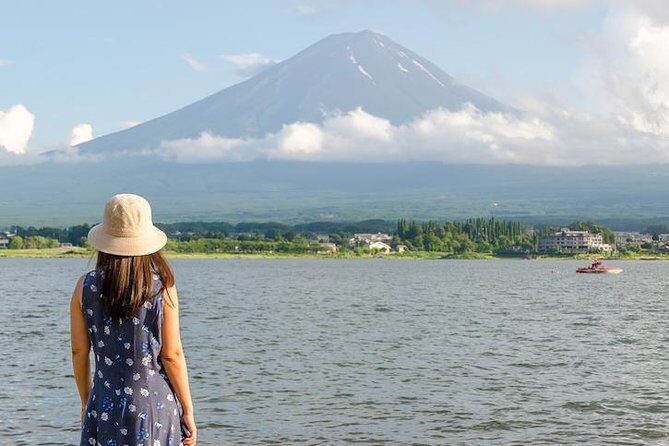
If Mt. Fuji is the headline, your day needs a plan for how to see it even when the summit is shy.
More Hakone loops, ropeways and lake crossings
Mt. Fuji 5th Station (Optional, with seasonal access rules)
You can include Mt. Fuji 5th Station, but it’s optional. There’s also a specific notice: from July 4 to September 10, 2025, access by private car is restricted. During that time, you’ll need a shuttle bus from the base (listed as 2,500 JPY per person round trip, plus parking 1,000 JPY which isn’t included).
Practical take: if you’re traveling in that summer window and Mt. Fuji 5th Station is your must-do, treat it like part of a different logistics plan. A shuttle means less control over timing, so it may reduce how much time you can spend in other stops.
Also keep an eye on physical effort. Even when you’re not doing long hikes, this area includes steep, uneven walking. One experience mentioned careful pacing for a fear of heights, including slow progress up many steps, so if you’re nervous on stairs or viewpoints, tell your driver early.
Lake-area viewpoints (Kawaguchiko/Oshiino style stops)
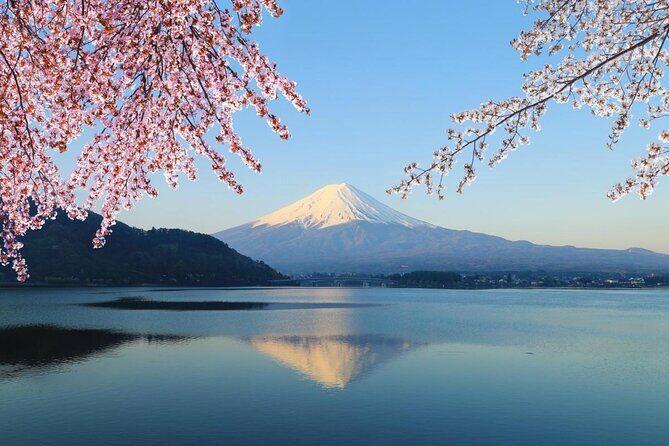
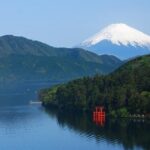
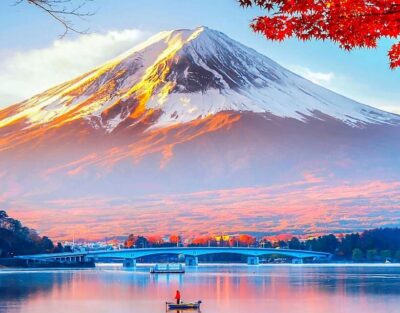
The tour is set up to include strong viewpoint time around the Fuji region. You’ll get chances to look at Mt. Fuji from areas like Lake Kawaguchiko and Oshino Hakkai village. Lake views are a nice way to get Fuji in-frame without dealing with summit conditions.
In Japan, weather can flip fast. That’s why having multiple Fuji-related stops matters. Even if the summit is clouded, you can still get a satisfying day with reflections and distant silhouettes.
Oshino Hakkai and Kitaguchi Hongu Fuji Sengen Jinja: Small stops with big payoff
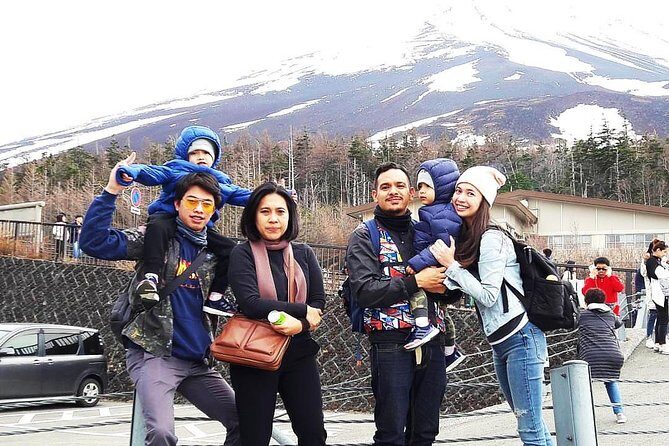
Beyond the big mountain views, this kind of tour often hits the spots that make Fuji feel real.
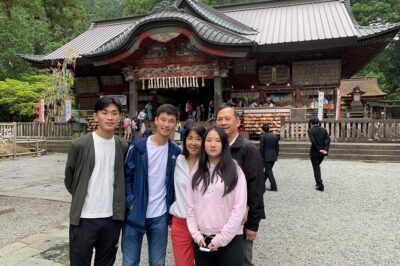
You may visit Kitaguchi Hongu Fuji Sengen Jinja Shrine before heading back toward Tokyo. Shrines in this region aren’t only scenic; they help explain why Mt. Fuji has long been treated as sacred. If you like connecting sights to meaning (even in short visits), shrine time gives your day more texture.
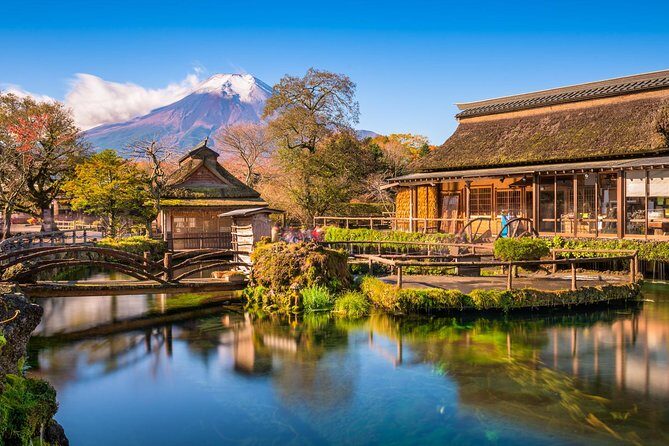
Oshino Hakkai is another stop type that works well with short time windows. It gives you a cultural “breather” between viewpoint hunts. Think of it as the moment your photos become stories instead of just images.
Lake Yamanaka: A quiet Fuji reset
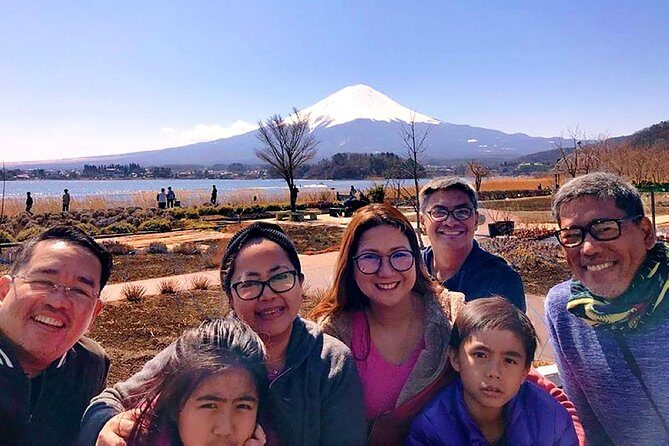
There’s a listed stop at Lake Yamanaka, described as serene with Mt. Fuji views. This kind of pause matters because it breaks up the day. If the morning clouds lift, you may get your cleanest Fuji sighting here. If they don’t, it’s still a calmer moment than bouncing between multiple crowded viewpoints.
Hakone’s Owakudani Valley: Steam, sulfur, and black eggs
Then you get to Hakone’s most dramatic mood shift: Owakudani Valley. This geothermal area is known for steaming vents, sulfurous fumes, and the black eggs people eat as a local tradition tied to long life.
The practical value here is that Owakudani makes Hakone feel unlike any other side trip. You’re not just looking at water and views—you’re watching the landscape work. Expect smells and heat, and plan on staying only as long as you personally enjoy that kind of atmosphere.
One timing note: this stop is listed at about 30 minutes in the standard flow. That can be enough for photos and walking, but if you’re the type who likes to linger at every vent, tell your driver. In flexible itineraries, drivers have been able to shift time around based on what you want most.
Hakone Ropeway: Views that connect the dots
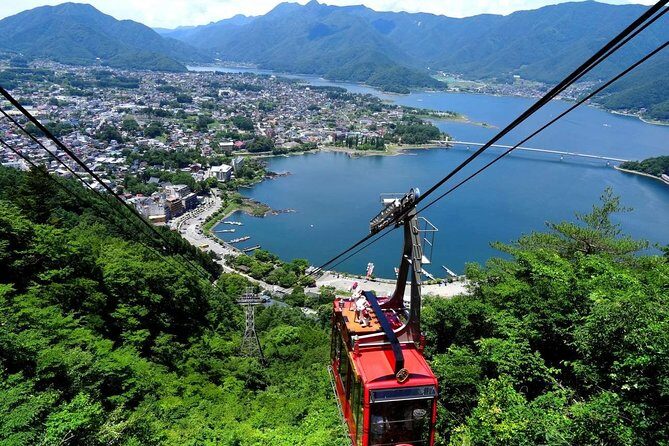
From Owakudani, the day typically moves to the Hakone Ropeway, a ride between Hakone and Gora with panoramic views of Mt. Fuji, Lake Ashi, and the volcanic surroundings.
Even if you don’t catch a clear Fuji summit, ropeway viewpoints can still feel like a “map of the area.” You see how the lake sits relative to the volcanic hills, which makes your later cruise on Lake Ashi make more sense.
Tickets for the ropeway aren’t included, so you’ll want to budget for that when you plan. But the experience itself is the kind that’s hard to replicate on your own if you’re short on time.
Lake Ashi Pirate Cruise: A calm ride with dramatic photo timing
Next comes Lake Ashi. You’ll ride the Hakone Lake Ashi pirate ship cruise for around 45 minutes. This is where the day often turns from rugged geology to postcard water.
The cruise is a strong value add because it buys you:
- a smooth way to see the shoreline from different angles
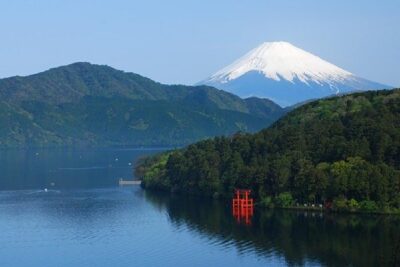
- a chance to photograph Mt. Fuji across the lake if weather cooperates
- a break from walking and queuing for short bursts
Since cruise tickets aren’t included, you’ll pay separately, but the time on the water is one of the most relaxing parts of the entire day.
Hakone Shrine: The classic red torii-in-the-lake moment
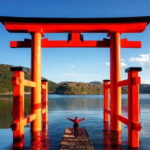
A visit to Hakone Shrine is also part of the standard plan, with time around 40 minutes. The iconic red torii gate standing on the lake is the headline image here, but the deeper value is how calm the area feels compared with the earlier steam vents.
If you’re traveling with someone who gets tired quickly, this shrine stop can be the “sit down and breathe” segment. If you’re traveling with hikers, it can also be a base for longer walks—some flexible days include added walking around the Komagatake area and extra shrine paths, depending on how your driver reads the clock.
The Optional Open-Air Museum: Art in nature, on a tight schedule
The Hakone Open-Air Museum is listed as optional (about 1 hour, and tickets aren’t included). This is a good fit if:
- you like outdoor sculpture
- you want a different kind of Hakone experience than just views and steam
- you still have energy after the lake cruise
Because it’s optional, I’d treat it like a “your pace” button. If Fuji weather is cooperating and you want extra photo time, you might skip it. If the sky is flat and you want something more indoor/outdoor structured, it’s a smart replacement.
Gotemba Premium Outlets: When shopping actually makes sense
Gotemba Premium Outlets can be an optional stop, listed for 2 hours. The driver can include it if your day has room, and it’s great if you want designer discounts without the stress of planning a shopping day separately.
One practical note from real-world advice: you’ll often find that many smaller shops and food carts may be cash-only. So I’d bring some yen even if you can pay by card elsewhere. That tip came up specifically for street food and local spots.
Price and Logistics: When This Tour Is Great Value and When It’s Not
Let’s talk about the cost in a way that helps you decide.
This tour is priced at $453.56 per group up to 5. For a private car day that includes pickup, a dedicated English-speaking driver, and a full circuit (Fuji area + Hakone ropeway + Lake Ashi cruise + multiple stops), it can be good value—especially if you’d otherwise pay for multiple taxis or struggle with timing.
But there are two cost things to keep in mind:
- Attraction tickets aren’t included. Ropeway, pirate cruise, and other admissions can add up. The data lists estimated costs around 5,000 to 8,000 JPY per person.
- Overtime costs real money. If you run long, overtime is 2,500 JPY per 30 minutes payable to the driver.
Also, if you request an actual guide service (separate from driver assistance), it can be ¥10,000 per booking. For most people, the English-speaking driver covers the basics and handles itinerary flow. But if your group really wants more deep explanations at each stop, it’s a lever to pull.
Finally, don’t ignore the seasonal Fuji 5th Station rule. In July 4 to September 10, private car access is restricted, and shuttle time becomes part of the math. If you’re booking mainly to reach the summit area by car, this matters a lot.
Who This Tour Fits Best
I’d strongly consider this tour if:
- you want a one-day Mt. Fuji + Hakone plan without transit headaches
- your group is small (up to 5) and values private comfort
- you want flexibility based on weather, especially for Fuji visibility
- you’re traveling with kids or anyone who doesn’t want long walks between far-flung sights
It might be less ideal if:
- you’re expecting a very fast “hit every single attraction” day with no trade-offs
- you dislike paying separately for ropeway/cruise tickets
- you’re on a tight budget and would rather DIY the route
A Few Small Tips That Make the Day Go Better
- Bring yen for cash-only spots. It came up in real experiences related to food carts and small stores.
- Wear layers. The day includes viewpoints, lake breezes, and geothermal heat.
- If you have height fears or mobility limits, tell your driver early. Some drivers are very good at adjusting pace and choosing safer-feeling approaches.
- Make a shortlist before pickup. If you love Fuji more than Hakone, say it on day one. Many drivers can re-balance the route if you guide them clearly.
Should You Book This Mt. Fuji & Hakone Private Day Tour?
If your top goal is seeing Mt. Fuji and Hakone with minimal stress, and you value private comfort plus an English-speaking driver who can adapt, I’d say yes. The best version of this day feels efficient, friendly, and photo-driven, and it’s the kind of plan that works especially well when weather is unpredictable.
I’d hesitate only if you’re hard on time expectations. A 10-hour cap plus ticket add-ons means you should go in knowing you’ll make trade-offs, not hit everything at once. If you can do that, this private format is one of the most sensible ways to connect Fuji viewpoints with Hakone’s ropeway and Lake Ashi cruise in a single day.
FAQ
How many people are in a group for this private tour?
The tour is for up to 5 people per group.
Where can the tour start with pickup?
Pickup is offered from Tokyo, either from your hotel, the airport, or the port. There are also notes about pickup timing if you’re in the Fuji/Hakone area.
How long is the day trip?
It runs for about 10 hours. Any time beyond 10 hours is charged as overtime at 2,500 JPY per 30 minutes.
Is there Wi‑Fi on the vehicle?
Yes. Onboard Wi‑Fi is available if you want to use it.
Are tickets for the ropeway, cruise, and other attractions included?
No. Attraction tickets are not included, and prices depend on the attraction. The data estimates around 5,000 to 8,000 JPY per person.
Is Mt. Fuji 5th Station included?
Mt. Fuji 5th Station is optional. You need to select a rate that includes the 5th station ticket if you want it in the itinerary.
Are there special rules for Mt. Fuji 5th Station access in summer?
Yes. From July 4 to September 10, 2025, private car access is restricted. Guests must take a shuttle bus from the base. The shuttle fee is listed as 2,500 JPY per person round trip (parking is listed as 1,000 JPY and is not included).
Does the tour run in rain?
Yes, it operates rain or shine. It will only be cancelled in unsafe weather conditions. If it’s cancelled due to poor weather, you’ll be offered a different date or a full refund.
Can I cancel for free?
Yes. Free cancellation is allowed up to 24 hours in advance for a full refund. If you cancel less than 24 hours before the start time, the amount paid is not refunded.
Your Own Wheels: More Private Driver Days

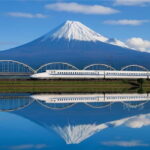
Hakone, Three More Ways


The Fuji Shortlist: Other Days Out to the Mountain

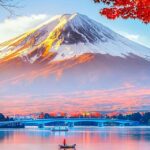
Fresh reviews from around Tokyo






Mt Fuji Day Trips, compared.
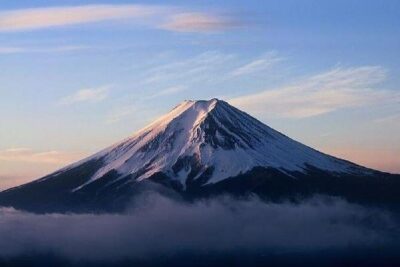 ★ 4.0Mt Fuji & Hakone Cruise, Drum Show Bullet Train 1 Day from TokyoFrom $1497,413 reviews
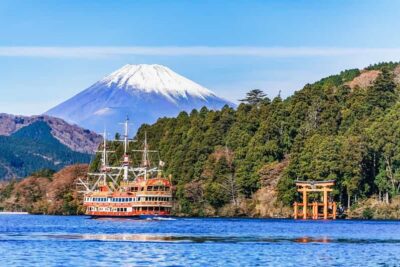 ★ 4.4Tokyo Mt Fuji 5th St & Hakone Cruise Bus Tour w/Bullet TrainFrom $1545,024 reviews
 ★ 4.5From Tokyo: Mount Fuji Full-Day Sightseeing TripFrom $684,970 reviews
 ★ 4.7Mt. Fuji Tour, Hakone Ropeway, Owakudani, Lake AshiFrom $544,002 reviews
 ★ 5.0Private Tour to Mt. Fuji and Hakone (Fully Licenced Operator)From $4971,910 reviews
 ★ 4.9Mount Fuji Full-Day Private Tour from Tokyo (Customizable)From $3931,470 reviews
 ★ 4.0Mt Fuji & Hakone Cruise, Drum Show Bus 1 Day from TokyoFrom $1221,287 reviews
 ★ 4.2From Tokyo: Mt. Fuji & Hakone Tour w/ Return by Bullet TrainFrom $1171,278 reviews
Browse the lists this tour appears in