
Reviewed · KAMAKURA DAY TRIPS
Private Full-Day Kamakura-Enoshima Tour with Bilingual Driver
Kamakura, streamlined and stress-free.
I like the door-to-door pickup that gets you out of Tokyo without wrestling trains, and you’ll also appreciate the bilingual driver who can smooth over timing and transitions. The only real drawback is that this is still a sightseeing day with walking and some stairs, plus you should budget an entry fee for the Great Buddha.
This tour works because it bundles the big-name stops and the little pauses that make a day feel human: Kotoku-in’s Great Buddha, Tsurugaoka Hachimangū, Hasedera’s Kannon halls, Komachi-dōri, and then Enoshima via the Benten Bridge and down to the beach. You’re also scheduled for Yokohama time, including a walk through Chinatown, so the day is more than just temples.
For your group, the value is in the private pace. It’s designed for up to six people in one vehicle, for about 10 hours, with an air-conditioned ride and bottled water. If you’re trying to see Kanagawa efficiently while staying comfortable, this setup makes a lot of sense.
In This Review
- Quick hits before you go
- Why a private Kamakura–Enoshima day beats public transit
- The real price question: $448.10 per group, up to 6
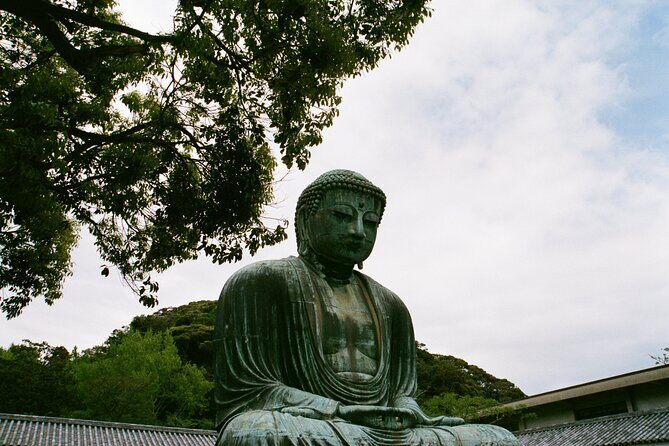
- Kotoku-in Great Buddha: the outdoor bronze moment
- Tsurugaoka Hachimangū and Komachi-dōri: shrine power and snack time
- Hasedera Temple: Kannon legends and temple steps
- Yokohama Chinatown time: food-street energy without logistics
- Enoshima Benten Bridge: the only link to the island
- Enoshima Beach: seaside breaks and the Mount Fuji possibility
- Timing and pacing in a 10-hour private day
- What this tour is best for (and who should skip it)
- Should you book this private Kamakura–Enoshima tour?
- FAQ
- How long is the Kamakura and Enoshima private tour?
- What’s included in the price?
- Is this tour private or shared?
- How many people can join?
- Do I need to pay any admission fees?
- Does the tour offer pickup from my address in Tokyo?
- Is the driver bilingual?
- When should I plan for this trip, and is weather a factor?
- Is free cancellation available?
Quick hits before you go
- Private car + round-trip pickup in Tokyo saves time and keeps you out of transfers
- Bilingual driver help makes navigation and timing easier when things get crowded
- Kamakura highlights in one run: Great Buddha, Tsurugaoka Hachimangū, and Hasedera
- Yokohama Chinatown walk adds food-and-street texture without planning
- Enoshima via Benten Bridge links the island to Katase Town, and you get beach time too
- Small entry fee to plan for (¥300 per person for the Great Buddha)
More escapes to the Great Buddha and the coast
- Kamakura 8 hr Private Walking Tour with Licensed Guide from Tokyo★ 5.0 · 80 reviews
- Tokyo: Kamakura & Enoshima Day Tour with Pickup & Train Ride★ 4.1 · 61 reviews
- Kamakura Private & Customizable Tour – All-in-One Experience★ 5.0 · 49 reviews
Why a private Kamakura–Enoshima day beats public transit

Public transport in Tokyo and around Kamakura is doable. But it’s also a lot of changing trains, coordinating timing, and trying to line up the exact bus or platform you need. This tour’s main advantage is simple: you get a driver, a vehicle, and a planned route that keeps the day moving.
You’re leaving Tokyo and spending the bulk of your time in Kanagawa Prefecture, which feels like a proper change of scene instead of a long commute. The vehicle is air-conditioned, and bottled water is provided, which matters on a full day when the walking adds up.
Also, the pace is private. That might sound like marketing fluff, but it shows in small ways: you’re not forced to match the speed of a large bus group. In the reviews you can see this flexibility reflected by drivers like Mukarram, who was described as obliging with the ability to take time at what you want to see.
The real price question: $448.10 per group, up to 6
The tour price is $448.10 per group (up to six people). For a private full-day trip, that’s not just a “convenience” fee. It’s also a way to control costs compared with piecing together taxis and admission tickets yourself across multiple cities.
Here’s the math that actually helps you decide:
- If you have one or two people, the per-person cost is high, because you’re paying for the whole private vehicle.
- If you have a group closer to six, the cost per person drops a lot, and suddenly the deal starts to look very fair for a 10-hour day with pickup and a bilingual driver.
Now the expenses you should plan for: the Great Buddha admission fee is ¥300 per person, and it’s not included. The good news is that other stops are listed as free for admission on the schedule (like Komachi-dōri, Enoshima Benten Bridge, and Enoshima Beach). So the day doesn’t turn into a surprise pile of ticket costs.
In short, this is best value when you’re traveling with others and want a smoother day than doing everything solo.
Kotoku-in Great Buddha: the outdoor bronze moment
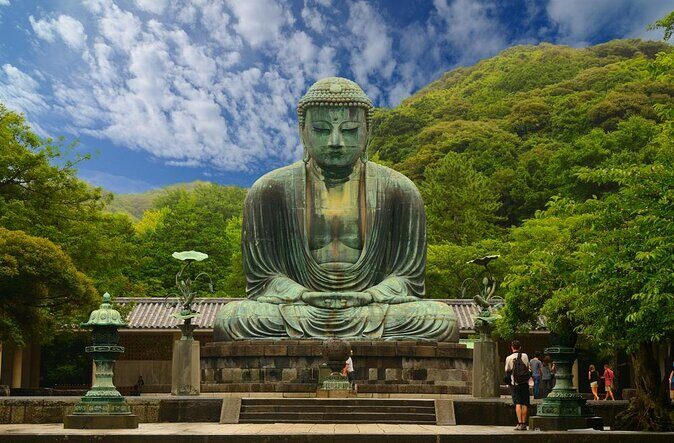
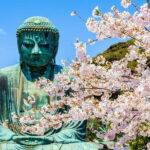
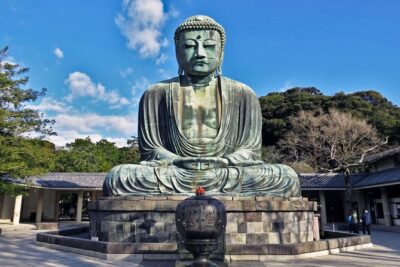
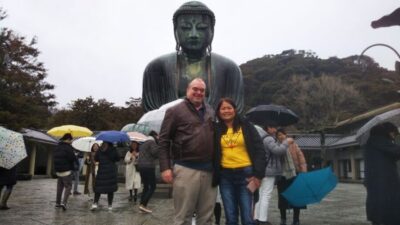
The morning starts at Kotoku-in, home to the Great Buddha of Kamakura (a monumental outdoor bronze statue of Amitābha). This is one of those sights that grabs you quickly because you’re not just looking at a statue behind glass. It’s a big open-air presence, and you feel it the moment you arrive.
A practical note: admission here is ¥300 per person and is not included in the tour price. So if you want to keep the day easy, keep some yen handy.
Why this stop is worth anchoring your day around it: it sets a clear theme. The rest of the tour follows Japanese religious and cultural landmarks, so seeing this first helps the day click. It’s also a good timing choice because morning light and fewer crowds can make the experience calmer than if you hit it later.
There’s also a physical factor to consider. Even though the Great Buddha area is straightforward, you’ll still be on your feet and moving between spots. Wear comfortable shoes and plan for some walking distance as the day adds up.
Tsurugaoka Hachimangū and Komachi-dōri: shrine power and snack time
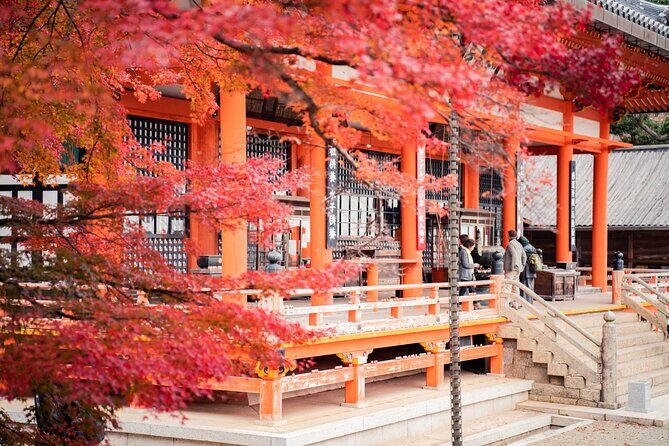
Next up is Tsurugaoka Hachimangū, described as the most important Shinto shrine in Kamakura. This stop is about more than sightseeing. It gives you that Kamakura “center” feeling, with the shrine placed in the city’s geographical and cultural heart.
You’re scheduled for about 2 hours, which is enough time to take in the main areas without feeling like you’re speed-running. The shrine setting also tends to reward slow movement. If you rush here, you lose the sense of place.
Then the tour transitions into Komachi-dōri, Kamakura’s famous shopping street (around 45 minutes). This is where your day gets less ceremonial and more human-scale. Expect crowds, food smells, and lots of quick purchases. Komachi-dōri is where you can grab an early snack, pick up small souvenirs, or just people-watch and plan your next move on the fly.
One small practical consideration: Komachi-dōri gets busy. If you’re sensitive to crowds, keep that in mind and treat this as a short wander rather than a deep browse.
More door-to-door days with your own driver

Hasedera Temple: Kannon legends and temple steps
Hasedera Temple is scheduled for about 1 hour, and it’s a great contrast to the larger shrine atmosphere. The big draw is the temple’s Kannon connection: two sculptors carved Kannon statues from a sacred tree about 1300 years ago, and one was enshrined here. It’s often called the Eleven-headed Kannon.
This stop is where you’ll likely feel the day physically. Hasedera is known for its temple layout, and that often means stairs and uphill sections as you move between viewpoints and halls. In the reviews, that stair element showed up as a real part of the experience, so don’t plan for a walk-only day.
If you want to get the most out of your time, I’d do two things:
- Give yourself a pace that doesn’t force you to rush the halls.
- Stop for a moment when the view opens up, because these temple grounds are designed for layered movement.
If you’re traveling with a driver who’s flexible, you’ll get more value. Abdul, for example, was described as a guide with knowledge and friendliness, which can make a short temple visit feel much longer in a good way.
Yokohama Chinatown time: food-street energy without logistics
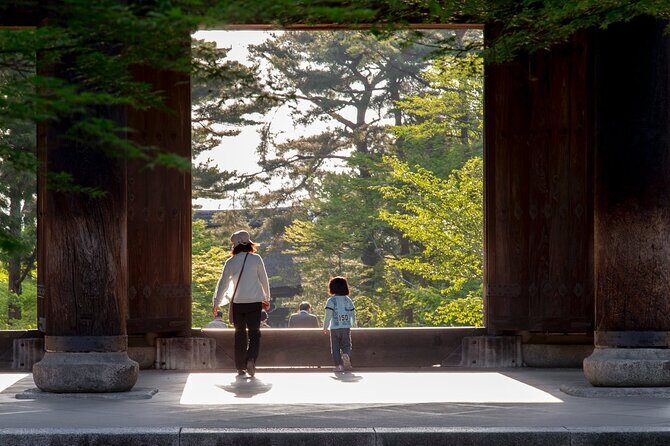
A key part of the day is Yokohama, including a walk through Chinatown. Even if you’re not trying to eat everything in sight, Chinatown gives you texture—signage, street life, and the sense of being in a different neighborhood than the temples and shrine lanes of Kamakura.
What makes this stop valuable in a structured day tour: you don’t have to plan how to get there, how long you’ll need, or what order makes sense. You just land, walk, and decide what you feel like doing during the time you have.
Keep your expectations realistic. This is a day tour, so Chinatown time is best treated as a stroll and sampling zone, not a full neighborhood exploration marathon.
Enoshima Benten Bridge: the only link to the island
After Kamakura, you head to Enoshima, starting with the Enoshima Benten Bridge. This bridge links Enoshima Island to Katase Town in Fujisawa City, and it’s the only way to get there. That makes the bridge more than a photo stop. It’s your threshold into a different mood.
Your schedule gives you about 30 minutes here, which is plenty to cross, orient yourself, and get your first island views. The bridge also helps you mentally switch gears: you’re leaving temple routes behind and moving into a seaside layout where the pace naturally slows.
This is a stop where good weather really matters. If it’s clear, you’ll have a stronger chance of seeing views from higher points later in the day.
Enoshima Beach: seaside breaks and the Mount Fuji possibility
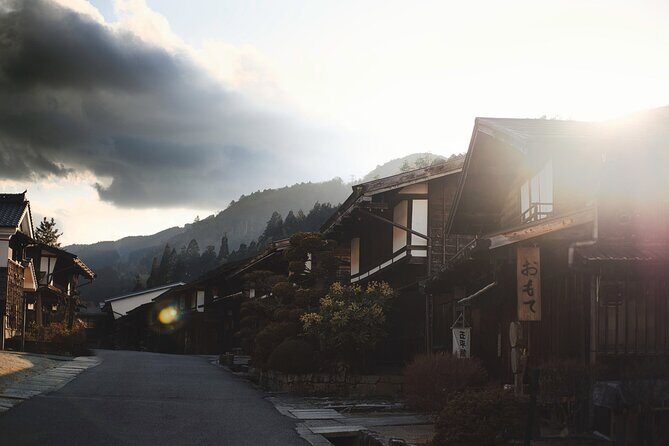
From the bridge, you go to Enoshima Beach for about 1 hour. Enoshima is a small island, about 4 km around, at the mouth of the Katase River into Sagami Bay. Even with just an hour, you can feel the coastal shift: salt air, sea views, and a break from historical walking.
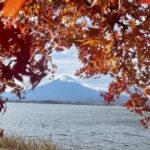
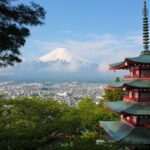
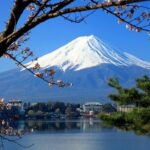
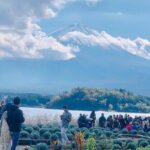
One of the most useful bits from the experience is the possibility of an unexpected Mount Fuji view from Enoshima, especially on clear days. It’s not guaranteed, and nothing in travel is truly guaranteed, but Enoshima is one of those places where the sky can reward you.
If you want to maximize your odds, keep your energy for the later part of the day. Don’t spend all your stamina on the early stops. This is the part of the itinerary that tends to make the day feel like a full vacation, not just sightseeing.
Timing and pacing in a 10-hour private day
A full-day plan like this always comes down to pacing. Here’s how I’d think about it so you don’t end the day tired and slightly cranky.
- Morning is for big icons: Great Buddha and Tsurugaoka Hachimangū need mental attention.
- Midday adds texture: Hasedera and then Komachi-dōri balance spirituality with everyday street life.
- Afternoon is for views and decompression: Benten Bridge and Enoshima Beach are your reset.
The tour also runs in an efficient loop designed for a private vehicle. But you should still remember that you’re combining multiple destinations, meaning some parts of the schedule will always feel compressed compared with a multi-day trip.
My practical advice: plan for rest. Drink the provided water, pause when you feel rushed, and don’t overcommit to shopping in Komachi-dōri if you’re saving energy for Enoshima.
What this tour is best for (and who should skip it)
This private Kamakura and Enoshima tour is a strong fit if you:
- Want major highlights without dealing with train transfers
- Prefer a slower, more flexible pace than a large group bus day
- Are traveling in a group of two to six and can share the vehicle cost
- Like mixing temples and shrines with street food energy and seaside views
It’s less ideal if you:
- Want complete freedom to explore without any schedule at all
- Are comfortable planning complex transport and managing multiple neighborhoods solo
- Have limited mobility and expect stair-heavy temple grounds (Hasedera is the main one to think about)
Should you book this private Kamakura–Enoshima tour?
I’d book it if your goal is a high-coverage, low-stress day that still feels authentic: big Buddha, meaningful shrines, an iconic temple, lively Chinatown, and an actual seaside finish. The private vehicle, the bilingual driver support, and the door-to-door pickup are the core reasons this works so well.
I’d hesitate only if you’re traveling solo or as a two-person group and you’re trying to keep costs as low as possible. In that case, the price per person goes up fast. But if you can fill the car with friends or family, the value becomes much easier to justify.
FAQ
How long is the Kamakura and Enoshima private tour?
It’s about 10 hours.
What’s included in the price?
The tour includes round-trip transportation (pickup and drop-off from your Tokyo address), a private air-conditioned vehicle, bottled water, and a mobile ticket.
Is this tour private or shared?
It’s private. Only your group participates.
How many people can join?
The group size is up to 6 people per tour.
Do I need to pay any admission fees?
Yes. The Great Buddha admission fee is ¥300 per person and is not included. Other listed stops are shown as free for admission.
Does the tour offer pickup from my address in Tokyo?
Yes, pickup is offered, and round-trip transfers from your address in Tokyo are included.
Is the driver bilingual?
Yes. The tour description specifies a bilingual driver.
When should I plan for this trip, and is weather a factor?
The experience requires good weather. If it’s canceled due to poor weather, you’ll be offered a different date or a full refund.
Is free cancellation available?
Yes. You can cancel up to 24 hours in advance for a full refund.
More Tour Reviews in Tokyo






Your Own Wheels: More Private Driver Days
More Days by the Great Buddha
Fresh reviews from around Tokyo






Kamakura Day Trips, compared.
 ★ 4.5Kamakura & Enoshima Day Trip including Temple TicketsFrom $581,375 reviews
 ★ 4.5From Tokyo: Kamakura & Enoshima 1-Day Bus TourFrom $66189 reviews
 ★ 5.0Kamakura Historical Walking Tour with the Great BuddhaFrom $98129 reviews
Kamakura Private Tour: Temples, Nature, and the Great BuddhaFrom $98121 reviews
Kamakura Walking Tour – The City of ShogunFrom $35100 reviews
★ 5.0Kamakura Historical Walking Tour with the Great BuddhaFrom $98129 reviews
Kamakura Private Tour: Temples, Nature, and the Great BuddhaFrom $98121 reviews
Kamakura Walking Tour – The City of ShogunFrom $35100 reviews
 ★ 5.0Kamakura 8 hr Private Walking Tour with Licensed Guide from TokyoFrom $20180 reviews
 ★ 4.1Kamakura & Enoshima Day Tour with Pickup & Train RideFrom $1361 reviews
 ★ 4.8Kamakura: Private Guided Walking Tour with Local GuideFrom $10660 reviews
Browse the lists this tour appears in