
Reviewed · TOKYO
Tokyo: Calligraphy Workshop Craft Your Own Art in Asakusa
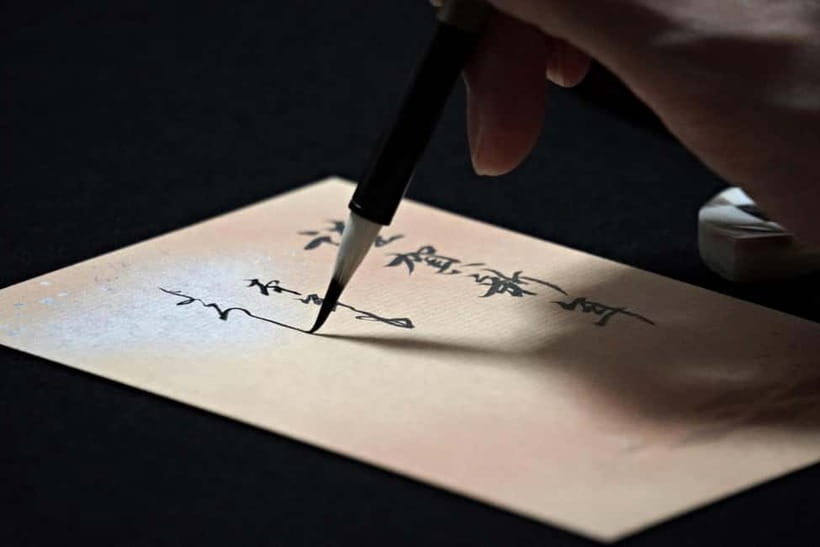
That first brush stroke changes the pace of Tokyo. This Asakusa calligraphy workshop puts you in hands-on shodo practice for about 90 minutes, guided in English by instructor Mei, with time to work on control, stroke order, and a final piece you keep. I particularly like the combination of classic tools and a modern fude pen for precision, plus the way Mei slows things down so beginners can actually improve. One drawback to plan for: you’re mostly indoors and focused on writing, so it’s not a sightseeing-heavy activity.
If you want a calm, skill-building break in the middle of a busy itinerary, this is an easy win. The small group size (up to 10) matters here because you get more feedback while you practice the motions that make Japanese calligraphy look effortless.
In This Review
- Key points you’ll care about
- Why Asakusa Is a Great Backdrop for Japanese Calligraphy
- What Happens in a 90-Minute Calligraphy Workshop
- Getting settled and learning the basics
- Brush control and stroke order practice
- Switching from practice to your chosen character(s)
- Finishing your artwork with the tools you’re given
- Wrap-up and taking your work home
- Traditional Brushes vs. a Modern Fude Pen: The Smart Tool Mix
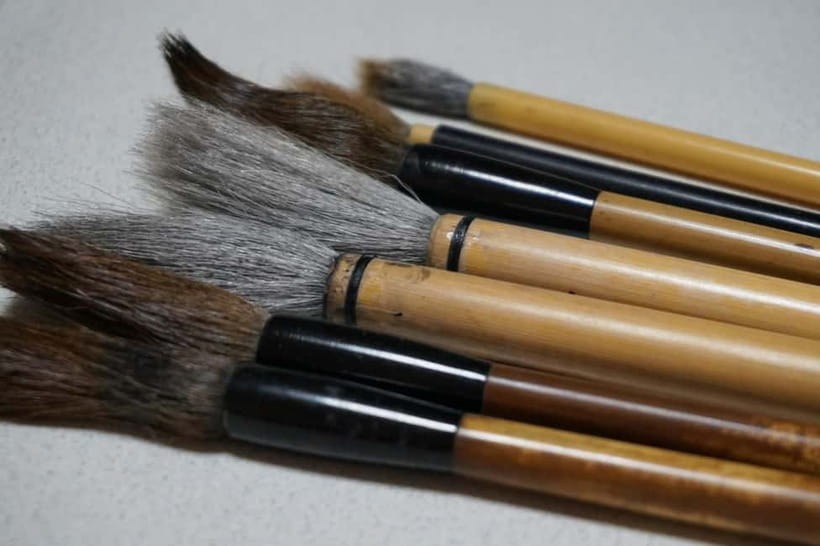
- Why the traditional brush matters
- Why the fude pen helps you succeed
- Mei’s Teaching Style, Templates, and the Calm Pace
- Feedback you can use
- A slower class feel in a fast city
- The Souvenir: What You Actually Take Home
- Price and Value: Is $38 a Good Deal for This Workshop?
- Getting There: Meeting Point and Timing Your Day
- Who Should Book This Calligraphy Class
- Who Might Skip It
- Should You Book This Tokyo Calligraphy Workshop in Asakusa?
- FAQ
- How long is the calligraphy workshop in Asakusa?
- Is prior calligraphy experience required?
- What language is the instruction in?
- Where is the meeting point?
- How large is the group?
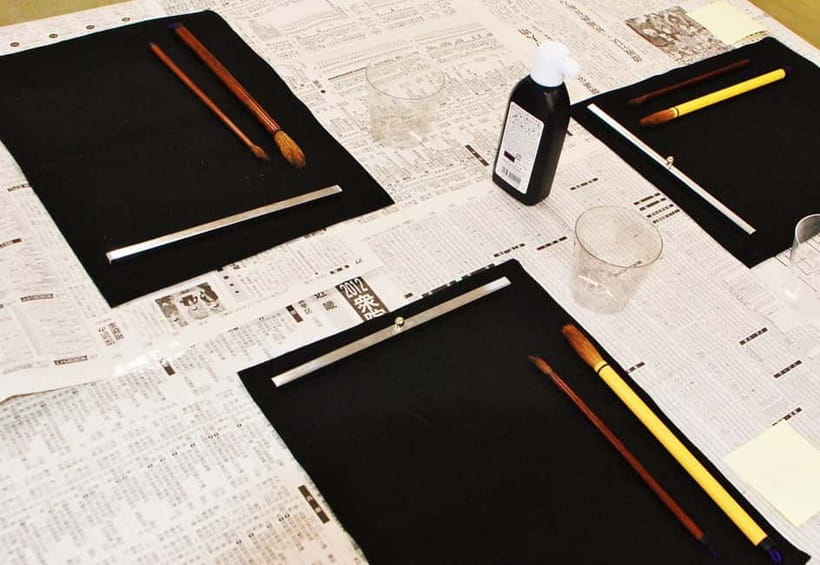
- What tools do I use during the workshop?
- Does the price include transportation?
Key points you’ll care about
- Asakusa setting: do calligraphy in one of Tokyo’s most historic-feeling districts
- English instruction by Mei: clear guidance with lots of encouragement
- Two tools, one goal: traditional brushes plus a modern fude pen to help you nail the strokes
- Practice first, then create: stroke drills and templates lead you to a finished souvenir
- Small group pace: limited to 10 participants for a more personal class feel
- Take-home artwork: you produce a piece you can display at home
Before you commit, see how this one stacks up against a few Tokyo favourites:
- Mt Fuji and Hakone 1-Day Bus Tour Return by Bullet Train★ 5.0 · 26,383 reviews
- 1-Day Tokyo Bus Tour★ 5.0 · 14,250 reviews
- Tokyo: teamLab Planets TOKYO Digital Art Museum Entry Ticket★ 4.6 · 9,779 reviews
Why Asakusa Is a Great Backdrop for Japanese Calligraphy
Asakusa already feels like a different Tokyo mood. Compared with the fast, glassy parts of the city, this area has a lived-in, old-city vibe that pairs well with an art form built on patience and control. You’re not just learning a skill—you’re doing it in a neighborhood where Japanese culture feels visible around you.
What also helps is that calligraphy is one of those activities where the atmosphere matters. The workshop keeps things steady and calm, and that makes it easier to focus on brush pressure, spacing, and rhythm. When you’re trying to get stroke order right, noise and rushing are not your friends.
Finally, Asakusa is a smart location for value. You get a compact, high-impact cultural activity without needing a long commute across the city. That means you can fit it into a day that includes temples and street food, without turning your schedule into a transport problem.
What Happens in a 90-Minute Calligraphy Workshop
This class is designed for beginners, but it still has real structure. Plan on about 90 minutes total (often described as 1 to 1.5 hours), and expect a flow from technique practice to producing your own artwork. The pacing is important: you get time to repeat strokes until your hand stops fighting the brush.
Here’s the practical rhythm of the experience:
Getting settled and learning the basics
You’ll start with a short introduction and setup in the studio. You’re using guided writing practice, not guesswork, which is a huge help if you’re starting from zero.
This is also where you’ll understand what the instructor expects from you: how to hold the brush, how to approach the first strokes, and how to think about line quality. In Japanese calligraphy, a line isn’t just a line—it reflects control.
Brush control and stroke order practice
Next comes the core training: brush control and stroke order. This part matters more than people expect. Once you understand the sequence of strokes and the direction changes, the characters stop looking like a random scribble.
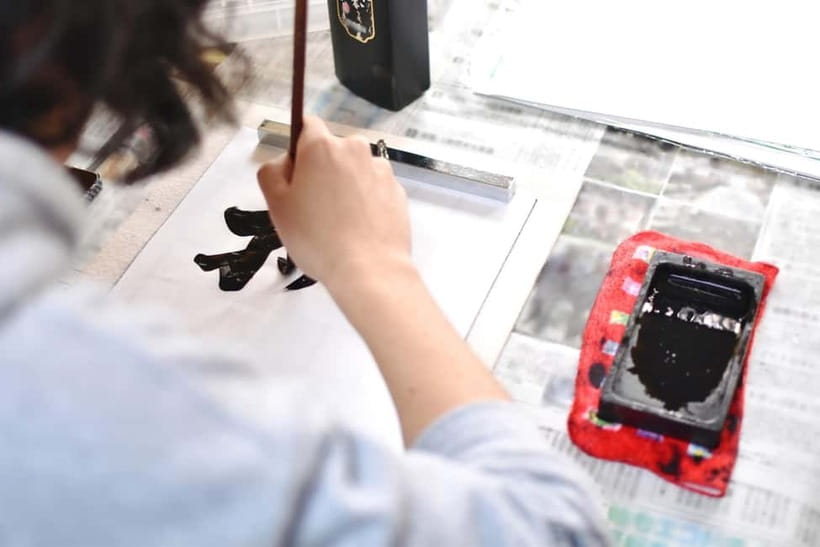
You’ll likely work with templates or guided practice sheets, which make the learning curve gentler. Multiple participants highlighted how helpful those templates were for getting the strokes right. You’ll also learn how to adjust pressure and angle so the line doesn’t get blobby or shaky.





Switching from practice to your chosen character(s)
After the warm-up, you move toward writing characters of your choice. This is where the workshop becomes personal. You’re still coached, but you’re now applying the technique to something meaningful to you.
The class approach also keeps expectations realistic. You’re encouraged to practice first, then finalize with enough time to get a result you feel good about. That’s one reason the final piece lands as a true souvenir, not just a rushed worksheet.
Finishing your artwork with the tools you’re given
At the end, you put it all together and create a final calligraphy artwork. Some participants specifically mention producing a piece on a scroll, fan, or a hard-backed square. Your exact format may depend on what the studio offers that day, but the takeaway is consistent: you leave with something you can display.
Wrap-up and taking your work home
The last step is finishing up so your piece is ready to take home. You’ll leave with your calligraphy and a better sense of what makes a line look right. Even if you don’t remember every technical term later, you’ll remember the physical feeling of better control.
Traditional Brushes vs. a Modern Fude Pen: The Smart Tool Mix
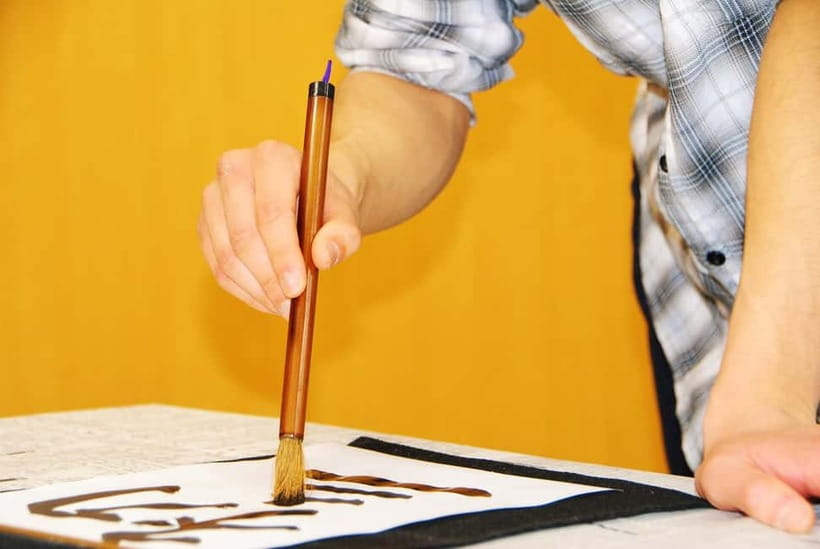
One of the nicest parts of this workshop is that you don’t have to choose between authenticity and practicality. You get both traditional brushes and a modern fude pen, and each has a job.
Why the traditional brush matters
The traditional brush teaches you the real fundamentals: line variation, pressure, and the way ink moves across paper. If you only used a pen, you’d miss much of what makes shodo look elegant.
This is also where stroke order becomes visible. Tiny mistakes show up quickly, and that’s good. It means the class can correct you fast.
Why the fude pen helps you succeed
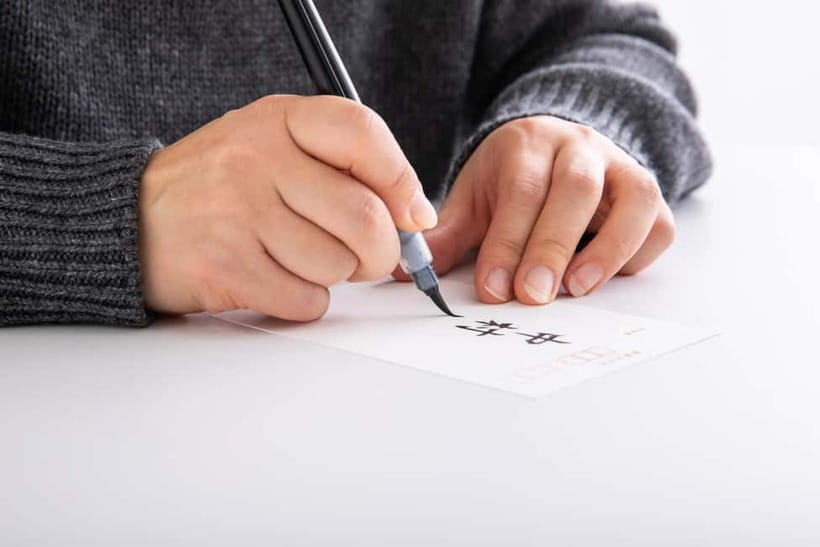
The fude pen is a confidence booster. It gives you more consistency, especially when you’re learning for the first time and your hand is still catching up. One of the highlights people mention is that it adds precision, letting you focus on the shape of the character instead of fighting the tool.
The combo is practical for travelers. You get the feel of classic brush calligraphy, plus the ability to produce a clean final result without needing weeks of practice.
Mei’s Teaching Style, Templates, and the Calm Pace
The instructor experience is the reason this workshop reads like a favorite, not just another activity. Mei is repeatedly described as patient, kind, and professional, with English that makes the class feel smooth and understandable.
Feedback you can use
This isn’t a sit-and-watch workshop. It’s hands-on, and the class adjusts to your level. Many people mention being guided through strokes until they felt they improved, not just being told what to do once.
Templates also play a big role. Participants highlight how helpful the writing templates were for learning strokes correctly. That matters because beginners need a visual map while their hands are learning muscle memory.
A slower class feel in a fast city
Tokyo can wear you out. What people value here is the mental shift: the calligraphy session feels quiet and centered. One review even frames it as patience and meditation-like focus, which makes sense when you’re staring at your brush tip and counting stroke sequences.
That calm tone is a real travel benefit. You come in with a busy day behind you, and you leave feeling more reset than you expected.
The Souvenir: What You Actually Take Home
The best part of many workshops is also the easiest to mess up: the “souvenir” can turn into something you don’t want. Here, you build a finished piece through practice and coaching, so it doesn’t feel generic.
Most importantly, you leave with your own calligraphy artwork—made during the session, not just a pre-made item. That means you’ll remember the process and the little corrections your instructor helped you make.
As for format, some participants mention options like a scroll, fan, or hard-backed square. Even if you don’t choose the final format yourself, you can expect a display-ready result. It’s the kind of keepsake that looks good on a wall, shelf, or gift-ready presentation.
Also, having a piece from your time in Tokyo is a nice antidote to the usual tourist shopping list. You get something personal, made with your own hand, using tools that belong to the tradition.
Price and Value: Is $38 a Good Deal for This Workshop?
At $38 per person, this is priced like a focused experience rather than a massive multi-hour tour. For that money, you’re getting a small group class, English instruction, guided practice, and the materials needed to create your final artwork using both brush and fude pen.
The value calculation is simple: you’re paying for teacher time plus an instructor-led skill activity, and you’re not leaving empty-handed. Many travelers pay similar amounts for classes where the takeaway is minor or where the skill instruction is limited to basic demonstrations. Here, the structure emphasizes repeated practice, which increases the odds that you improve during the session.
Two practical value tips:
- If you’re on a tighter schedule, the 90-minute length makes it easier to commit to without wrecking your day.
- If you care about doing something meaningful beyond photos, this is one of those activities where the “result” is a thing you can keep.
Transportation isn’t included, so you do need to budget time and transit costs to reach the meeting point. Still, once you factor in the included instruction and take-home artwork, the overall deal feels fair.
Getting There: Meeting Point and Timing Your Day
Your meeting point is Tokyo Tourist Lounge Asakusa, located on the 5th floor of the building. That’s specific enough that you can plan confidently, but it still helps to arrive a little early so you can find the exact entrance and get settled before class starts.
Because transportation to and from the workshop isn’t included, you should think of this as a “you handle your commute” activity. If you’re building a day around Asakusa, it’s easy to pair this with morning temple time or a late lunch nearby, then use the class as your calm reset.
A good travel habit here: don’t schedule another high-stakes activity immediately after. You’ll want a little buffer time to take your artwork home safely and to transition back into sightseeing mode without rushing.
If you’re traveling with kids or you want something that works on a rainy day, this is a solid indoor option. One review even calls it great for both adults and children, which lines up with the beginner-friendly format.
Who Should Book This Calligraphy Class
This workshop is especially good if you’re:
- A first-timer in Japanese arts and you want a hands-on introduction
- Traveling as a couple, friends, or solo and want a calm shared activity
- Someone who likes learning a craft with clear step-by-step guidance
- An art-minded traveler who enjoys making a tangible souvenir
It’s also a smart pick if you don’t want to spend your limited vacation time on complicated preparation. The class is suitable for beginners with no prior experience required, so you can show up without studying calligraphy charts at home.
One more group fit: people describe the studio environment as welcoming and the instruction style as supportive, so you’re less likely to feel self-conscious. When the pace is patient, beginners can actually enjoy the learning.
Who Might Skip It
This activity may not be your best match if you’re looking for a long guided tour of major sights. It’s a workshop: you’re there to practice writing and make your piece.
Also, if you hate anything that requires fine motor focus, you might find it frustrating. Calligraphy is detail work. The good news is you’ll be guided and you’ll have time to practice, but the mindset is still concentrated, not casual.
Should You Book This Tokyo Calligraphy Workshop in Asakusa?
Yes, if you want a high-value cultural experience you can feel in your hands. For $38, you get English instruction, brush technique practice, the option to work with a traditional brush and a fude pen, and a finished artwork you take home. That combination is hard to beat for both meaning and practicality.
Before you book, do one quick reality check: plan for an indoor, skill-focused session rather than a sightseeing sprint. If that matches your travel style, you’ll probably love it. If you’re craving adrenaline or lots of outdoor exploring, you may prefer a different kind of Tokyo tour.
FAQ
How long is the calligraphy workshop in Asakusa?
The duration is 90 minutes, described as about 1 to 1.5 hours.
Is prior calligraphy experience required?
No. The workshop is suitable for beginners, and no prior experience is required.
What language is the instruction in?
The instructor teaches in English.
Where is the meeting point?
The meeting point is Tokyo Tourist Lounge Asakusa, on the 5th floor of the building.
How large is the group?
It’s a small group with a limit of 10 participants.
What tools do I use during the workshop?
You use traditional brushes and also a modern fude pen for additional precision.
Does the price include transportation?
No. Transportation to and from the workshop is not included.
More Tour Reviews in Tokyo



Fresh reviews from around Tokyo






Tokyo, compared.
 ★ 5.0Mt Fuji and Hakone 1-Day Bus Tour Return by Bullet TrainFrom $16326,383 reviews
 ★ 5.01-Day Tokyo Bus TourFrom $12914,250 reviews
 ★ 4.6teamLab Planets TOKYO Digital Art Museum Entry TicketFrom $259,779 reviews
 ★ 4.0Mt Fuji & Hakone Cruise, Drum Show Bullet Train 1 Day from TokyoFrom $1497,413 reviews
 ★ 5.0Shinjuku Food Tour (13 Dishes at 4 Local Eateries)From $866,603 reviews
 ★ 4.4Tokyo Mt Fuji 5th St & Hakone Cruise Bus Tour w/Bullet TrainFrom $1545,024 reviews
 ★ 5.0Flagship 2-Hours Official Street Go-Kart Tour – Tokyo Bay ShopFrom $644,974 reviews
 ★ 4.5From Tokyo: Mount Fuji Full-Day Sightseeing TripFrom $684,970 reviews