
Reviewed · WORKSHOPS
Mochi Sweets Making Class in Tokyo
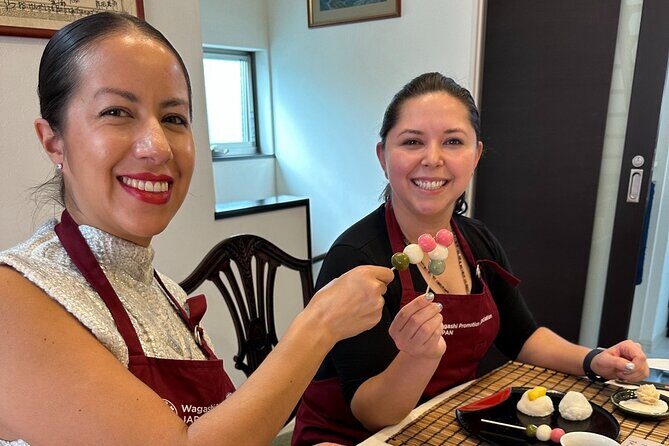
There’s something oddly soothing about kneading sticky rice dough. This mochi sweets making class in Tokyo is hands-on, step by step, and held in a cozy private residence where you can go at a relaxed pace while learning real Japanese sweets. I especially like that it goes beyond rolling dough with culture and technique woven in by Satoko at ankotopia WAGASHI School.
Two things I’d book for fast: you learn multiple styles—strawberry (or seasonal fruit) daifuku, dango, warabi-mochi, and isobe-mochi—and you get to taste what you make with Japanese tea (green tea or hojicha). One thing to consider: the home has two short-hair cats that stay in the bedroom during lessons, so if you have strong allergies, this may not be a good fit.
In This Review
- Key Highlights You’ll Care About
- A Tokyo Mochi Lesson in a Real Neighborhood Home
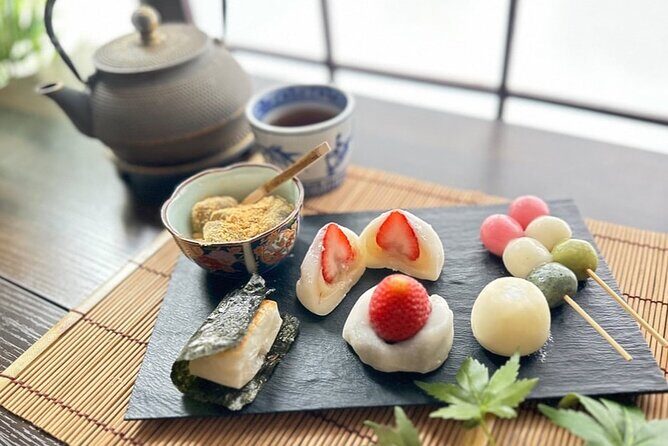
- What You’ll Make: Daifuku, Dango, Warabi-mochi, and Isobe-mochi
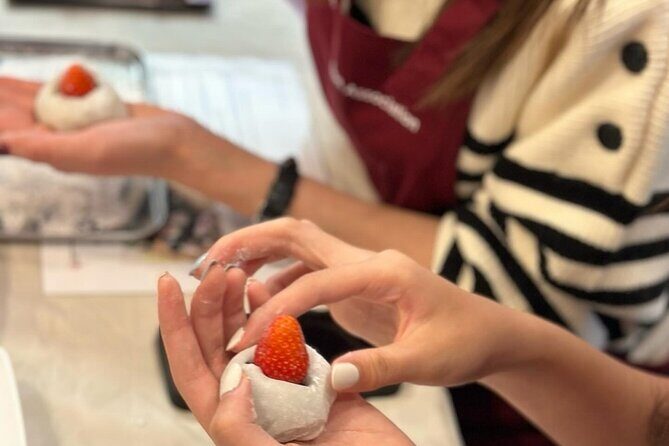
- Strawberry Daifuku (and the seasonal fruit swap)
- Several flavors of Dango on skewers
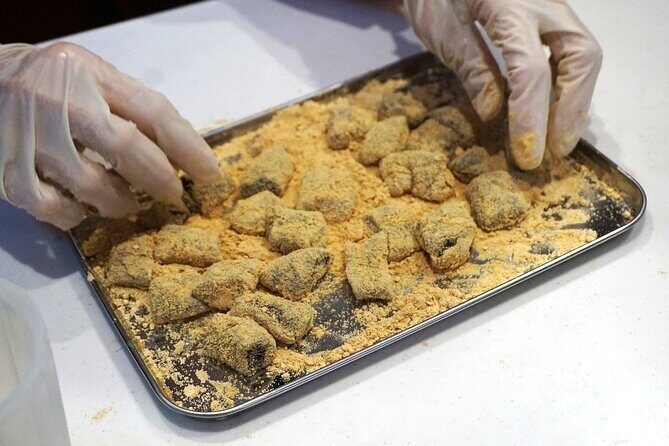
- Warabi-mochi
- Isobe-mochi
- Mochi-ice cream recipe (downloadable)
- Inside the Class: The Step-by-Step Flow and What You’ll Learn
- Taste time: green tea or hojicha
- Takeaway box (so you can share or snack later)
- Price and Value: Why $75.12 Can Be Worth It
- What to Do Before and After: Shops, Cafes, Shrines, and a Public Bath
- Photos, Videos, and the Souvenir Factor
- Who This Mochi Class Fits Best (and Who Might Skip)
- Should You Book Mochi Sweets Making in Tokyo?
- FAQ
- How long is the mochi sweets making class?
- What mochi sweets will I make?
- Do I need to bring ingredients or equipment?
- Is the class vegetarian or vegan friendly?
- Is there tasting during or after the class?
- Can I take sweets home?
- How do photos and videos work?
- Is it a private class?
Key Highlights You’ll Care About
- Hands-on mochi making with glutinous rice flour, plus multiple dessert styles
- Downloadable recipes, including a mochi-ice cream recipe you can try at home
- Tea pairing and tasting, plus a takeaway box if you want to bring sweets with you
- Vegetarian/vegan-friendly plant-based ingredients, with vegan options available
- English-friendly, step-by-step teaching from Satoko, in a quiet residential setting
- Photos and videos taken during the class so you leave with more than just treats
Worth weighing up alongside this Tokyo pick:
- Make Traditional Nerikiri Sweets & Matcha experience in Shibuya★ 5.0 · 130 reviews
- Private Mochi Sweets Making class near Shibuya area★ 5.0 · 93 reviews
- Japanese Traditional Sweets making and Tea Ceremony★ 4.7 · 50 reviews
A Tokyo Mochi Lesson in a Real Neighborhood Home
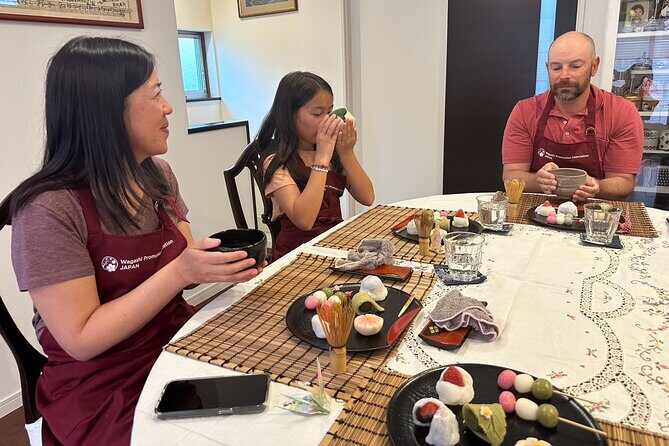
This experience isn’t in a warehouse classroom with tables bolted to the floor. It happens in a private residence in Ota City, about 15 minutes by train or car from central Tokyo. The setting matters because it makes the whole thing feel calmer. You’ll focus on the dough, the shapes, and the little cues that turn sticky rice flour into something that feels like Japanese comfort food.
In reviews, Satoko (you’ll meet her during the lesson) comes across as warm and genuinely excited about mochi. You can feel it in how the class is paced: no rushing, no vague instructions, and plenty of chances to ask questions. You’re not just watching someone make sweets—you’re making them.
Just remember the meeting point is in a residential area (20-15 Kitaminemachi, Ota City). You’ll want to plan a little extra time to get there smoothly, especially if you’re pairing this with other Tokyo plans before or after.
What You’ll Make: Daifuku, Dango, Warabi-mochi, and Isobe-mochi
The menu is built around a simple idea: learn mochi dough basics, then see how Japanese sweets branch out from the same ingredient.
Here’s what you can expect to make during the 1 hour 30 minute class:
Strawberry Daifuku (and the seasonal fruit swap)
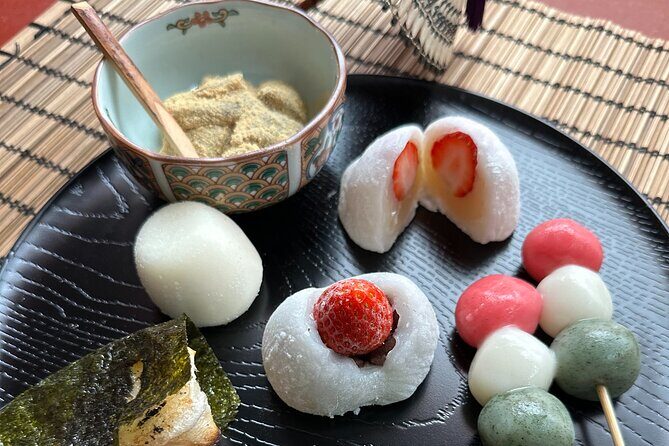
You’ll learn how to make strawberry daifuku. If strawberries aren’t in season, you’ll use other fruits such as pineapple or kiwi instead. That small detail is practical: you’ll see that Japanese sweets are flexible, guided by what’s fresh.
Daifuku is also a great first “confidence builder.” It shows how mochi can wrap filling cleanly, without turning into a sticky mess. You’ll learn the technique that makes it doable even if you’ve never made anything like this.
Several flavors of Dango on skewers
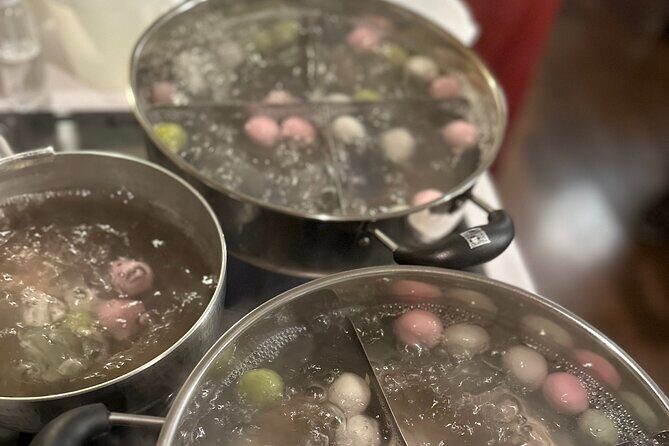
Dango are mochi-like dumplings that come with a chewy texture and a very “snackable” shape. In this class, you’ll make several flavored dango and form them on skewers. This is useful if you want a dessert you can remember and remake for family—skewers make it easier to portion and serve.
More things to make with your own hands



Warabi-mochi
Warabi-mochi is known for its springy, jelly-like feel. Learning it helps you understand that mochi sweets don’t all have the same texture. You’re seeing how Japanese confectionery can be both chewy and delicate, depending on the method and ingredients.
Isobe-mochi
Isobe-mochi is another traditional style, and making it helps round out the lesson beyond the most famous sweets. If you’re the type who likes to taste your way through a place, this portion gives you that “I get the variety” feeling instead of leaving you with only one dessert type.
Mochi-ice cream recipe (downloadable)
You’ll also get a downloadable recipe for mochi ice cream. That’s a big value add because it lets you take the class home and try a more advanced concept once you’re comfortable. Even if you don’t make it immediately, having the recipe makes the experience last longer than the one session.
Inside the Class: The Step-by-Step Flow and What You’ll Learn
This is structured as a private lesson for your group, and you’ll work at your pace. If your group is more than 3 people during off-peak season, it becomes a private lesson with no extra cost—so it’s especially worth considering if you’re traveling with friends or family.
During the lesson, you’ll:
- Learn how to make mochi using glutinous rice flour
- Make multiple sweets (daifuku, dango, warabi-mochi, isobe-mochi)
- Get instruction on ways to eat mochi, not just how to shape it
- Learn the tradition behind mochi—how it connects to Japanese celebrations and everyday customs
That last part is quietly important. A lot of cooking classes teach technique only. This one also gives you language and context—why mochi shows up when it does, and how people treat it. It turns what could be a “one-time dessert” into something you can talk about and appreciate later.
Taste time: green tea or hojicha
After you make everything, you’ll taste your creations, including mochi-ice cream. The class pairs your sweets with Japanese tea—either green tea or hojicha (roasted green tea).
This pairing is more than a nice touch. Tea cuts sweetness and helps you notice texture: chewy mochi behaves differently when the tea is slightly bitter or roasted. It’s the kind of detail that makes your tasting feel intentional instead of random.
Takeaway box (so you can share or snack later)
If you want to keep the sweets going after the lesson, you’ll pack them in a special box. That’s handy if you’re walking to lunch afterward, meeting someone later in the neighborhood, or simply want to share with your travel crew.
Price and Value: Why $75.12 Can Be Worth It
At $75.12 per person, this class isn’t a bargain snack workshop. But for what you’re getting, it can feel like good value—especially in Tokyo where hands-on cultural experiences often add up.
Here’s what’s included that you’d otherwise spend money on:
- Tools for wagashi making
- Apron and hand towel
- Special tools (so you’re not improvising with the wrong kitchen gear)
- A takeaway box
- Drinking water
- A guide who teaches the process and the traditions
- Portrait photos and videos taken during the class
- Recipes you can download (including mochi-ice-cream)
The vegetarian angle also matters. The lesson uses plant-based products that are easily available in your home country, and vegan options are available. That means you can enjoy it without worrying you’ll be shut out if you eat this way.
And because it’s step by step, it reduces the “I messed it up and wasted ingredients” feeling. When the class is small and the teacher stays attentive, you leave with results—not just attempts.
One practical note: private transportation isn’t included. If you’re relying on public transit, plan your timing so you aren’t arriving flustered. The meeting point is near public transportation, which helps.
What to Do Before and After: Shops, Cafes, Shrines, and a Public Bath
One smart reason to choose this class is the timing flexibility. You can explore the neighborhood before and after. You’re in a calmer part of Tokyo, so you get daily-life Japan instead of only high-speed sightseeing.
You might want to:
- Browse local shops and supermarkets
- Stop for a cafe drink nearby
- Visit a shrine in the area
- Fit in a famous public bath if you’d enjoy unwinding after cooking
Also, since the class is about 15 minutes from central Tokyo, it works well as a break from crowds. I like using experiences like this to reset. You’ll go from fast-moving city energy to something slower and more personal.
Photos, Videos, and the Souvenir Factor
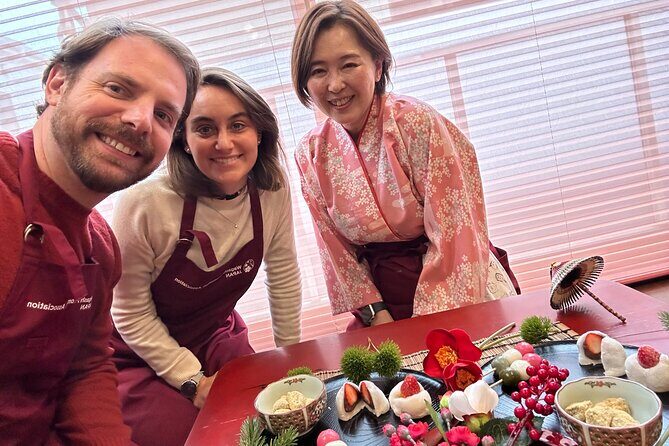
Most classes give you memories you have to piece together later. Here, you’ll get portrait photos and videos taken during the lesson. That’s a small thing that turns out big, especially for first-timers who don’t have a lot of “we did something together” photos.
You can also receive a Japanese gift as a souvenir. It’s not listed in detail, but it’s clearly part of the overall experience. In a city full of standard souvenirs, that extra touch helps the memory feel complete.
Who This Mochi Class Fits Best (and Who Might Skip)
This works well if:
- You love mochi and want to learn the real process (not just eat it)
- You want a family-friendly activity in Tokyo that doesn’t feel awkward for kids
- You appreciate when a teacher explains both technique and meaning
- You want recipes you can actually try again at home
- You need vegetarian-friendly food, with vegan options available
Based on what’s shared about the class, the pacing also suits beginners. You’ll be guided step by step, with English communication described as very easy to follow.
Who should consider skipping:
- Anyone with strong allergies to cats (the home has two short-hair cats that stay in the bedroom during lessons)
- If you strongly prefer large-group party-style activities (this is a private lesson setup, with a quieter home environment)
Should You Book Mochi Sweets Making in Tokyo?
I think you should book this class if you want a hands-on Tokyo moment that actually teaches you something. The combination of multiple mochi styles, tea pairing, and downloadable recipes makes it more than a single dessert stop. Add in the photos/videos and the tradition context from Satoko, and it becomes a story you can take home.
If you’re on the fence, decide based on two questions: Do you enjoy making food with your hands? And do you have any cat allergy concerns? If the answer is yes on making, and no on allergies, this is a very solid way to experience Tokyo through sweets—and through the gentle rhythm of local life.
FAQ
How long is the mochi sweets making class?
The class runs about 1 hour 30 minutes.
What mochi sweets will I make?
You’ll learn mochi using glutinous rice flour, and you’ll make strawberry daifuku (with a seasonal fruit swap when needed), dango on skewers with several flavors, warabi-mochi, and isobe-mochi. You also can get a downloadable mochi-ice cream recipe.
Do I need to bring ingredients or equipment?
No. You don’t need to bring anything. Everything is provided, including tools for wagashi making, an apron, hand towel, and drinking water.
Is the class vegetarian or vegan friendly?
The class uses plant-based products that are available in your home country, and it’s appropriate for vegetarians with vegan options available.
Is there tasting during or after the class?
Yes. After the lesson, you’ll taste what you made, including mochi-ice cream, with Japanese green tea or hojicha.
Can I take sweets home?
Yes. You’ll get a special box for takeaway so you can bring your creations with you.
How do photos and videos work?
Portrait photos and videos are taken during the class as part of your experience.
Is it a private class?
It’s set up as a private lesson for your group. Also, during off-peak season, if your booking group is more than 3 people, it becomes private with no extra cost.
Make Something to Take Home

More Dessert Tours in Tokyo





More Tour Reviews in Tokyo






Fresh reviews from around Tokyo






Workshops, compared.
 ★ 5.0Sushi Making Tokyo Roll and Authentic Japanese Sushi ClassFrom $593,971 reviews
 ★ 5.0Tokyo Shinjuku Chopsticks Making ClassFrom $201,763 reviews
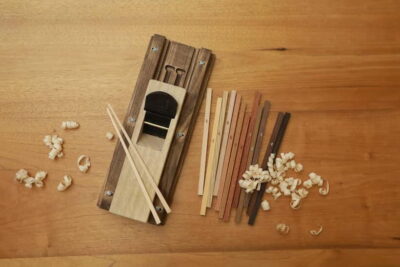 ★ 4.8Chopstick Making Workshop in GinzaFrom $251,366 reviews
 ★ 5.0Tokyo Sushi Making Class in Tsukiji with Professional ChefFrom $491,177 reviews
 ★ 5.0Ramen & Gyoza Cooking Class in Tokyo with Local Supermarket VisitFrom $122823 reviews
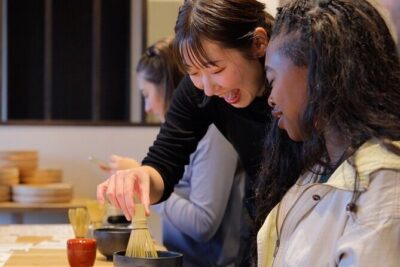 ★ 5.0Matcha Making Class in Tokyo with Authentic Japanese Sweets SetFrom $21744 reviews
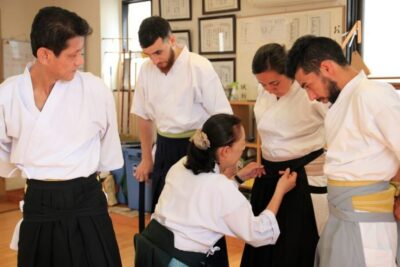 ★ 5.0Samurai Sword & Archery Class from Samurai DescendantFrom $193603 reviews
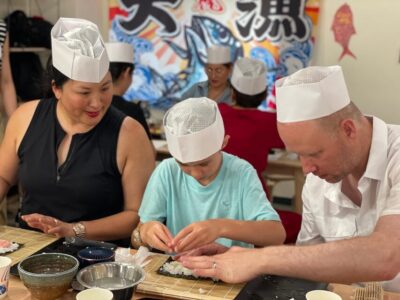 ★ 4.9Tsukiji Fish Market Sushi Making Class with Pro ChefFrom $63506 reviews
Browse the lists this tour appears in