
Reviewed · TOKYO
Make a temple stamp book with artist
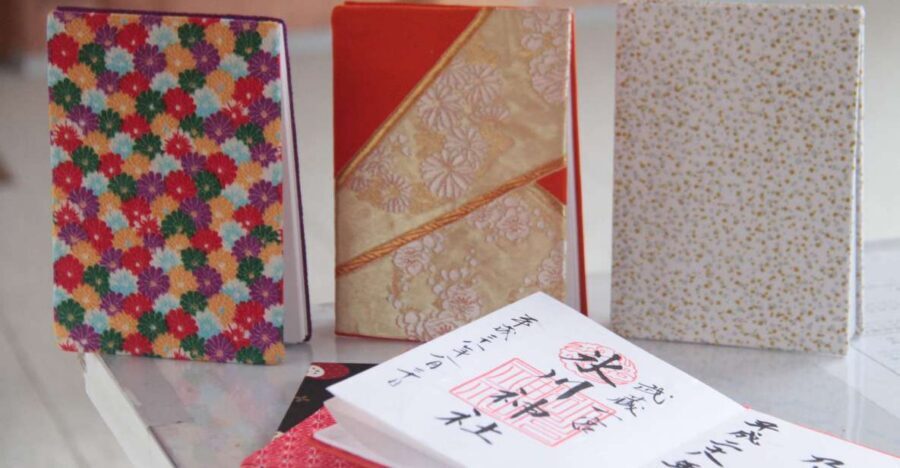
Goshuin can get addictive fast. This 2-hour workshop pairs hands-on craft with proper shrine etiquette, so you leave with a goshuin notebook and real know-how for your next stamp stops. I especially love two things here: picking from 100+ kimono fabrics for your book cover, and learning how to do your visit in a respectful, formal way instead of just following random body language. One heads-up: there’s a fair bit of walking between points and about 10 steps to reach the classroom and shrine, so it may feel tough if you have mobility limits.
I also like that the instructor, Chikako Oshiro, teaches in English in a small group capped at 8 people. You’re working closely enough to ask questions and get the kind of pacing that makes the craft part feel manageable. It runs rain or shine, and since it’s located near popular Shibuya sights, it’s easy to plug into a day that’s already sightseeing-heavy.
In This Review
- Key points to know before you go
- A goshuin notebook is the perfect souvenir for stamp lovers
- Picking from 100+ kimono fabrics with Chikako Oshiro
- How the notebook is built: folding, gluing, and stamp-ready pages
- Learning formal shrine steps before you go stamping
- Your local shrine stop near Shibuya: what your first stamp means
- Price, value, and what you pay separately at the shrine
- Who this 2-hour workshop fits best in your Japan plan
- Should you book this goshuin workshop?
- FAQ
- How long is the workshop?
- How much does it cost?
- What’s included in the price?
- Are shrine stamp fees included?
- Is the instructor available in English?
- How big is the group?
- Where do we meet?
- Does it run in bad weather?
- Is it suitable for everyone?
Key points to know before you go
- Choose your fabric cover from over 100 kimono fabric options, so your notebook looks like you built it for yourself
- Learn formal shrine behavior, not just how to hold your body while you stamp
- Build the notebook the right way with folding and gluing designed for goshuin stamps
- Your shrine visit is included, and you’ll do your first goshuin stamp in the same day
- Small group format (up to 8), which usually means more support while you work
Before you commit, see how this one stacks up against a few Tokyo favourites:
- Mt Fuji and Hakone 1-Day Bus Tour Return by Bullet Train★ 5.0 · 26,383 reviews
- 1-Day Tokyo Bus Tour★ 5.0 · 14,250 reviews
- Tokyo: teamLab Planets TOKYO Digital Art Museum Entry Ticket★ 4.6 · 9,779 reviews
A goshuin notebook is the perfect souvenir for stamp lovers
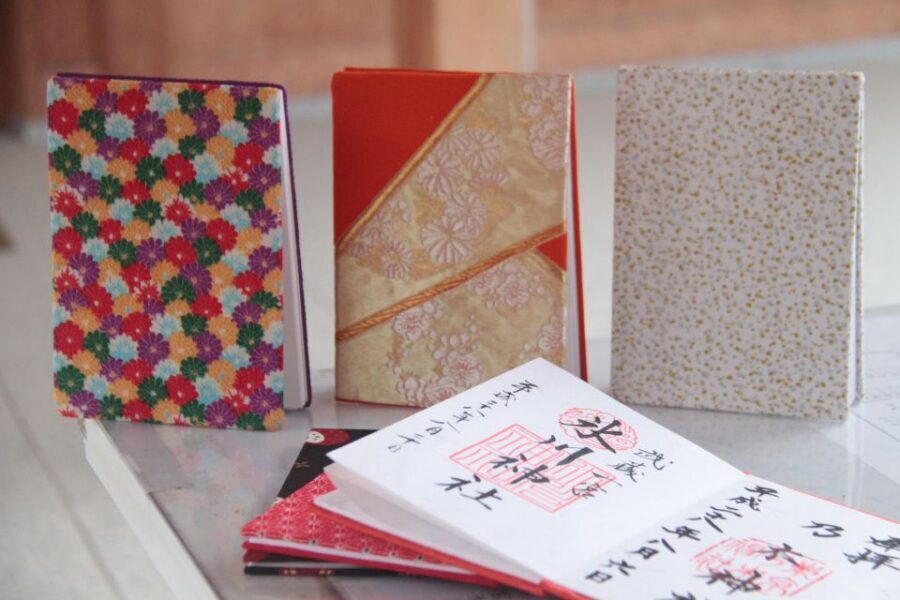
If you’ve ever bought a stamp keychain and later thought, I should have done the real thing, this is that fix. A goshuin notebook isn’t just a souvenir. It’s a format built for repeat visits. Each temple or shrine stamp becomes part of a story you can flip through later, and the notebook itself becomes part of the ritual.
The craft focus matters. You’re not just watching someone make something. You’re creating a stamp-ready book through folding and glueing, which means you’ll understand how goshuin spaces are meant to hold the stamp design. That hands-on build makes it easier to appreciate the care behind the whole system when you reach the shrine.
I also like that the workshop doesn’t treat the shrine visit as a bonus afterthought. The etiquette lessons come first, so when you step into the shrine space, you’re doing more than collecting. You’re participating in a cultural practice with intention.
Picking from 100+ kimono fabrics with Chikako Oshiro
This is where the workshop starts to feel personal. You’ll be shown a wide selection of kimono fabrics—over 100 choices—and you pick your favorites to create your original goshuin notebook. The practical win is obvious: you get a cover that matches your taste, whether you’re drawn to calm patterns or bold colors.
But there’s also a cultural layer. Kimono fabrics have their own visual language, and choosing one is a gentle way to connect your craft to Japan’s everyday elegance. When you later see your book at the shrine, it won’t feel generic. It’ll feel like your own version of the tradition.
Chikako Oshiro leads the experience in English, which helps a lot during the selection stage. If you’re unsure what to pick, you can ask questions about the fabrics and what makes them meaningful, rather than guessing and hoping it all works out. And since the group is limited to 8 participants, you’re not stuck waiting long periods while someone handles their materials.
How the notebook is built: folding, gluing, and stamp-ready pages
The workshop’s craft part is very direct. You’ll learn the proper way to make a goshuin notebook by folding and glueing papers together. That sounds simple, but it’s exactly the kind of step that determines whether your pages will lay flat, look neat, and handle the stamp process with less stress.
Here’s the practical benefit: you’ll understand the structure instead of just finishing a craft project. A goshuin notebook is designed to receive stamps, and the way the pages are assembled affects how the book functions when it’s filled over time. When you make the notebook yourself, you’re not left wondering what you should do next—you know the book is built to be used.
Also, don’t be surprised if you end up paying attention to small details like crease lines and alignment. The goal is clean results for a stamp that often includes text and seal marks. It’s a very satisfying skill-building moment because you can see progress as you go.
One extra note from the experience style: the instruction is supportive and clear, and there’s often helpful material guidance beyond the basics. Some people like that you may have extra glue on hand for the remainder of your stamping session, which is smart if you want your notebook to stay usable beyond the first stamp day.
Learning formal shrine steps before you go stamping
After the craft, you don’t rush out. You learn how to visit a shrine formally. That piece is easy to underestimate if you’re thinking only about the hands-on activity.
But in practice, etiquette changes your whole experience. When you know the basic rhythm—how to approach, how to behave in the space, and how to handle the act of stamping respectfully—you spend less time second-guessing and more time being present. You also avoid accidental disrespect that can happen when you copy a habit you picked up online.
This workshop treats the shrine visit as your first real goshuin moment. So the etiquette instruction is tied to the fact that you’ll use it immediately. You’ll learn how to prepare for your stamp, and how to do it in the correct spirit, not just how to take a photo.
And because the instructor is English-speaking, you can ask questions while the instructions are fresh. If you’ve ever struggled in Japan because you didn’t know what you were supposed to do, this is the kind of class that prevents that. You’ll walk in with a plan instead of luck.





Your local shrine stop near Shibuya: what your first stamp means
Then you head to a local shrine. This part is the heart of the day: you’ll get your very first goshuin stamp for the notebook you made. For many people, that’s the moment it becomes more than a craft workshop.
A goshuin stamp isn’t a random sticker. It’s a formal mark connected to that specific shrine or temple. When you collect your first one in person, it turns the notebook into something active. Suddenly you’re not just holding a pretty book—you’re starting a personal collection.
Also, doing it nearby popular Shibuya-area sights is a big practical plus. You can fit this into a day that already includes shopping, wandering, and transit connections. It doesn’t feel like you’re taking a half-day detour to a far-off location. You get the cultural experience without building your schedule around it.
Timing-wise, the experience runs for 2 hours total, so the shrine visit is intentional but not a long sit-stay. That’s good if you want a meaningful cultural moment without spending your whole morning standing around. You’ll get the experience of your first stamp and enough instruction to feel ready for the next one you plan on your own.
One more detail to plan for: the walk between classroom and shrine includes about 10 steps. Even if you’re fine with stairs, it helps to wear shoes that are comfortable and not slippery on worn stone paths.
Price, value, and what you pay separately at the shrine
The price is $38 per person for the workshop fee, and that includes the core experience: learning the craft and making your goshuin notebook from the provided materials, plus the guided visit where you put the technique into action.
What’s not included is the stamp fee at the shrine. That matters for budgeting, and it also changes how you plan your money. Think of $38 as the price of the workshop itself, then expect an additional amount when you’re doing the actual stamp.
Is it good value? In my book, yes—because you’re paying for three things at once:
- guided step-by-step instruction (in English),
- hands-on materials and the building process for your notebook,
- and a shrine visit where your notebook becomes functional immediately.
Also, with a small group size limited to 8, you’re not just paying for the materials. You’re paying for the personal coaching that reduces mistakes during folding and glueing. That kind of support saves frustration time.
And since it’s rain or shine, you’re less likely to lose value on a bad weather day. This is the type of activity that keeps your day from turning into a backup-plan scramble.
Who this 2-hour workshop fits best in your Japan plan
This workshop is ideal if you want a creative souvenir with cultural weight. If you like making things with your hands, you’ll likely enjoy the folding-and-gluing process. If you like structured experiences where someone explains what matters, the formal shrine etiquette lesson will feel especially useful.
It’s also a smart choice if you’re visiting Japan for the first time and want to avoid the most common trap: arriving at a shrine and copying actions without understanding. Here, you learn the framework first, then you apply it.
It’s less ideal if you’re traveling with very young kids, since it’s not suitable for children under 3. And it may not work well if you have mobility impairments, given the steps and the walk between points.
In terms of your schedule, it pairs well with a Shibuya day. You can do it in the morning and still have energy for nearby sights afterward. Just remember that you’ll spend time crafting before you arrive at the shrine, so don’t stack it with another hands-on activity right afterward unless you enjoy rushing.
One final practical tip: plan to bring a curious attitude and expect to slow down a bit. This is not a grab-and-go photo stop. You’ll do the work, ask questions, and use what you learn right away.
Should you book this goshuin workshop?
Book it if you want a souvenir you’ll actually use and keep. A goshuin notebook you build yourself carries more meaning than anything bought in a shop. The mix of fabric selection, guided construction, and a first stamp at a local shrine is a strong combo for learning and for getting something personal out of your trip.
Skip it only if you know you won’t enjoy craft tasks, or if stairs and short walking routes would be a problem for you. Otherwise, this is a great way to turn Shibuya-area sightseeing time into something hands-on, respectful, and repeatable.
If you value small-group instruction and an English-speaking guide, you’ll probably feel taken care of from start to finish.
FAQ
How long is the workshop?
The workshop lasts 2 hours.
How much does it cost?
It costs $38 per person.
What’s included in the price?
The workshop fee is included.
Are shrine stamp fees included?
No. The stamp fee at the shrine is not included.
Is the instructor available in English?
Yes. The instructor speaks English.
How big is the group?
It’s a small group limited to 8 participants.
Where do we meet?
Meet in front of the entrance located between a drug store and Cozy Corner (cake shop).
Does it run in bad weather?
Yes. It takes place rain or shine.
Is it suitable for everyone?
It’s not suitable for children under 3 years old, and it’s not suitable for people with mobility impairments. There are about 10 steps to reach the classroom and shrine.
More Tour Reviews in Tokyo



Fresh reviews from around Tokyo






Tokyo, compared.
 ★ 5.0Mt Fuji and Hakone 1-Day Bus Tour Return by Bullet TrainFrom $16326,383 reviews
 ★ 5.01-Day Tokyo Bus TourFrom $12914,250 reviews
 ★ 4.6teamLab Planets TOKYO Digital Art Museum Entry TicketFrom $259,779 reviews
 ★ 4.0Mt Fuji & Hakone Cruise, Drum Show Bullet Train 1 Day from TokyoFrom $1497,413 reviews
 ★ 5.0Shinjuku Food Tour (13 Dishes at 4 Local Eateries)From $866,603 reviews
 ★ 4.4Tokyo Mt Fuji 5th St & Hakone Cruise Bus Tour w/Bullet TrainFrom $1545,024 reviews
 ★ 5.0Flagship 2-Hours Official Street Go-Kart Tour – Tokyo Bay ShopFrom $644,974 reviews
 ★ 4.5From Tokyo: Mount Fuji Full-Day Sightseeing TripFrom $684,970 reviews