
Reviewed · NIKKO DAY TRIPS
Nikko World Heritage 1 Day Tour
Nikko is the kind of day trip that feels like a whole mini-vacation. This one connects Toshogu Shrine—famous for gold-leaf details and Tokugawa Ieyasu—with dramatic nature stops like Kegon Falls and Lake Chuzenji. It’s built for travelers who want the big sights without wrestling transfers.
I like how much you get in two hours at Toshogu, including admission, plus a clear focus on the stories behind what you see. I also love that the day is paced with short, scheduled breaks, and that guides can add real texture to the carvings and legends—one guide, Yumi, even made time for origami and photo help.
One thing to watch: this is not a sit-everywhere tour. You’ll be walking, and in bad weather the temple approach can turn slippery and muddy, with lots of steps and uneven footing.
In This Review
- What Makes This Nikko Day Tour Work So Well
- Price and Logistics: Is It Good Value From Tokyo?
- Starting in Shinjuku: The Meeting Point That Sets the Tone
- Stop 1: Entering Toshogu Shrine (National Treasure Details)
- Stop 2: Kegon Falls in 20 Minutes (The 100-Meter Payoff)
- Stop 3: Lake Chuzenji Break (Mt. Nantai Views and Shore Details)
- Lunch, Comfort, and What the Bus Day Really Feels Like
- Weather and Timing: How the Day Changes When Conditions Turn
- The Human Touch: Guides and Drivers Matter Here
- Who This Tour Fits Best (And Who Might Want a Different Plan)
- Quick Checklist Before You Go
- Should You Book This Nikko World Heritage 1 Day Tour?
What Makes This Nikko Day Tour Work So Well
- Toshogu Shrine time is generous: you’re given 2 hours there, enough to slow down and actually take in the details.
- The “wow” stops are short and clear: Kegon Falls (20 minutes) and Lake Chuzenji (20 minutes) are timed so you get key viewpoints without the day dragging.
- Guides add meaning, not just dates: I saw real examples of guides like Harry, Kaori, Cozumi, Toshio, and Hide using the drive and each stop to explain what matters.
- A mobile ticket keeps you flexible: you don’t need to hunt for paper vouchers.
- You avoid the fatigue of DIY planning: air-conditioned transport from Shinjuku and a set order of sights make the day feel organized.
- Max group size stays reasonable: the tour caps at 80, and when the group is small you may use a mini van.
The shrine road north: other Nikko trips
- Nikko: Kegon Falls, Lake Chuzenji & Toshogu Temple★ 4.6 · 1,577 reviews
- Tokyo: Nikko Toshogu Shrine and Kegon Waterfall Tour★ 4.5 · 1,266 reviews
- From Tokyo: Nikko World Heritage Site Private Full-Day Trip★ 4.9 · 243 reviews
Price and Logistics: Is It Good Value From Tokyo?
At $118.36 per person, this is priced like a true guided day trip—not a budget shuttle. The value comes from three things you’re paying for at once: long-distance round-trip transport from central Tokyo, a guided narration through multiple World Heritage–listed Nikko sites, and at least one paid admission bundled into the plan (Toshogu).
You also get structure. If you’ve tried to DIY Nikko before, you already know the tricky part isn’t getting there—it’s coordinating timing so you don’t end up with rushed shrine time or missing the best waterfall viewpoints. Here, you’re on a set schedule with a known order of stops, and the tour runs for about 10 hours 30 minutes including travel.
Two logistics details matter for your comfort:
- There’s no restroom on board, so you’ll rely on rest stops and your short windows at each sight.
- You’ll be using a meeting point in Shinjuku: the Robert Indiana LOVE sculpture area at 6-chōme-5-1 Nishishinjuku. The tour starts at 8:30 am, and being late won’t get you caught up.
If you want a day trip that feels smooth and mostly worry-free, this format usually wins. If you prefer total freedom to linger, skip, or change pacing, you might feel boxed in.
Starting in Shinjuku: The Meeting Point That Sets the Tone
Meeting at the Robert Indiana LOVE sculpture is both helpful and a little funny—in a good way. It’s a very specific landmark, so once you’re there, you’re unlikely to wonder if you’ve found the right group.
In at least one example, the bus ride to Nikko was about 2.5 hours each way, and the driver made it easier by stopping mid-route for roughly 15 minutes to use the restroom and grab snacks. That rhythm is a big deal because Nikko’s walking can add up faster than you expect.
A quick heads-up from the practical side:
- Wear shoes that handle steps and wet ground.
- Bring your own water, because one review noted that no water was provided.
Also, Japan’s rule is clear: you’ll need to use your seat belt on the bus.
Stop 1: Entering Toshogu Shrine (National Treasure Details)
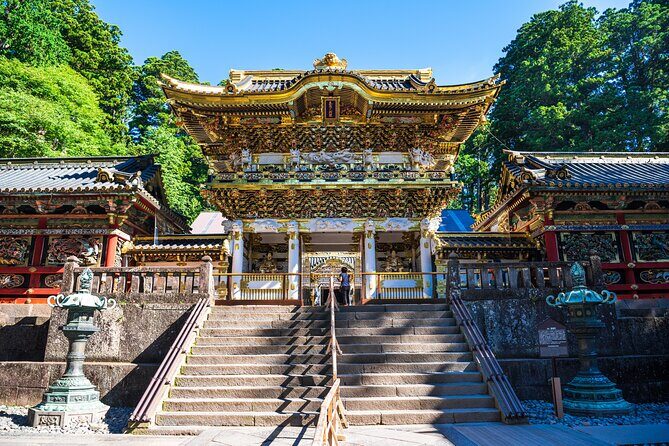
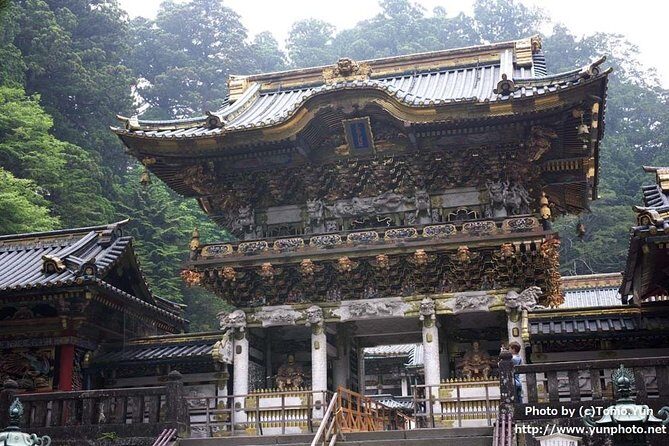
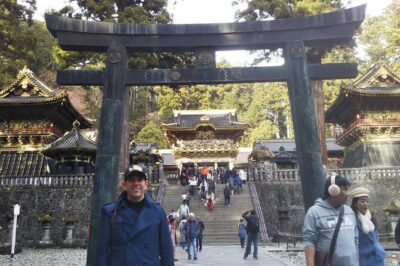
This is the heart of the trip. You get about 2 hours at Nikko Toshogu Shrine, and admission is included. If you’re the type who loves seeing the same famous spot through different lenses, this is where a guide really matters.
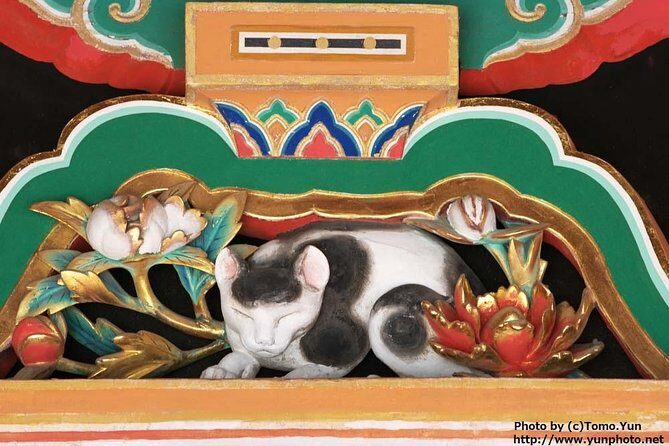
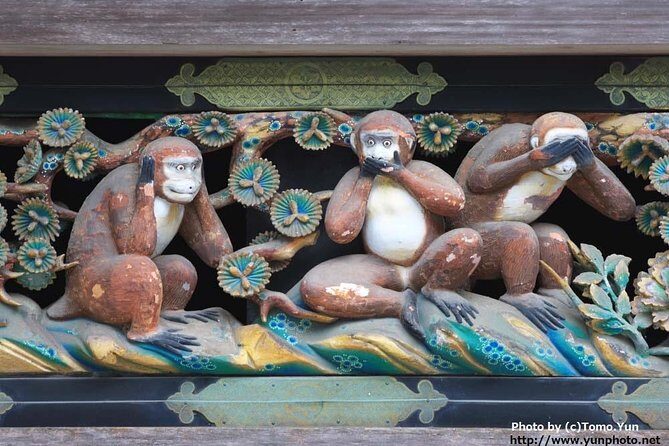
The highlights are not subtle. Toshogu is known for gold-leaf decorations, detailed carvings—possibly including animal figures—and the tomb of Tokugawa Ieyasu, one of Japan’s most important shoguns. You’ll also see the famous legend of the Three Wise Monkeys.
Why the 2-hour block is the right length: Toshogu is the kind of place where it’s tempting to rush to the “must-see” views and call it a day. But if you slow down, you’ll start noticing how the details repeat in patterns—animals, symbolism, and ornamentation that feels intentional rather than decorative.
What to consider before you go in:
- Expect lots of steps.
- If weather is wet, routes can get slick, and some areas may feel crowded with people using umbrellas.
In one chilly January experience, the day still worked because the sun helped keep the atmosphere crisp rather than gloomy. In the rain, the same steps can become the difference between a great photo day and a miserable walk day—so check conditions and dress for traction.
Stop 2: Kegon Falls in 20 Minutes (The 100-Meter Payoff)
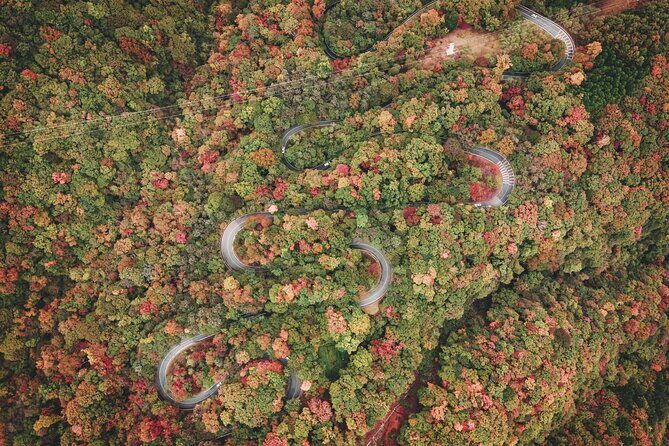
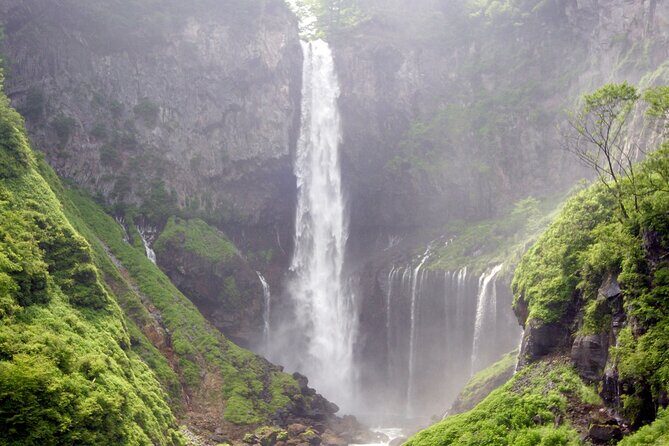
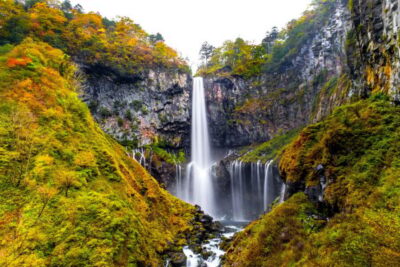
Then comes the natural “reset.” Kegon Falls is timed at 20 minutes, and admission is free. The main fact is the one you’ll remember: the falls drop about 100 meters, and people rate them among the top waterfalls in Japan.
Because the stop is short, you’ll want to move with purpose:
- Arrive ready to look up and find your best viewpoint quickly.
- If it’s raining, plan for wet surfaces and keep your camera secure.
- Keep your expectations realistic: 20 minutes isn’t for long hikes, it’s for views.
This is also where the tour’s structure helps. You don’t lose half your day negotiating timing for a second location—you get a clean burst of scenery, then move on to the lake.
In a rainy day scenario, the experience can be frustrating, especially when footpaths are muddy and crowded. But in good weather, Kegon Falls is the kind of visual that makes the drive feel totally worth it.
More paths into old Tokyo

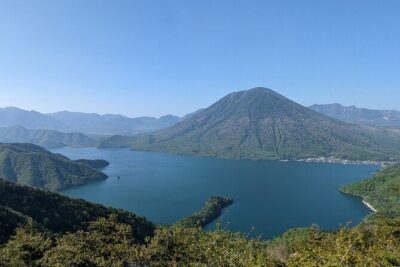
Stop 3: Lake Chuzenji Break (Mt. Nantai Views and Shore Details)
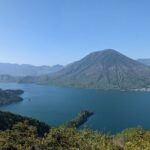
Lake Chuzenji is your “breather” before returning to Tokyo: 20 minutes, free admission, and a pause that’s mostly about views and atmosphere.
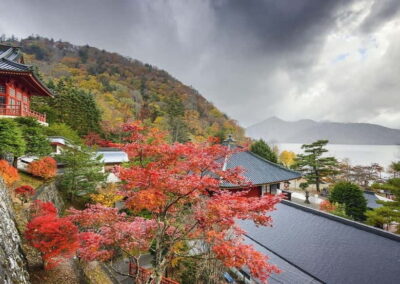
This lake sits at the foot of Mt. Nantai, described as an active volcano in the tour info. Along the shore, you’ll also find a temple and former embassies, which gives the area more than just postcard scenery.
A 20-minute window means you’ll likely do some quick walking—enough to get your bearings and enjoy the water-and-mountain perspective—rather than a full loop around the lake.
If you want the best use of your time:
- Pick one main viewpoint and commit to it.
- Don’t over-plan your steps. You may be tired from Toshogu, and the bus ride back is still coming.
If you’re a nature-lover, you’ll appreciate that this stop shifts the day from man-made detail to big outdoors scale. If you prefer history above all, Lake Chuzenji still gives you context for why this region became iconic.
Lunch, Comfort, and What the Bus Day Really Feels Like
Lunch depends on your option. The tour includes air-conditioned transport and offers a Japanese-style lunch if you select +Lunch. Since the lunch is optional by choice, you should treat it as part of your planning strategy, not an automatic assumption.
If you choose the lunch option, you’ll get a meal timed to keep you on schedule. If you skip it, you’ll need to handle your own food plan—something you can do in Japan, but it adds decision-making during a long day.
Bus comfort seems to score well in the experiences I saw. One person appreciated that in a smaller group of around 10 people, there was plenty of space. Another mentioned the overall comfort helped make the day feel relaxed even though it’s long.
Still, there are a few practical comfort considerations:
- No restroom on board means you should use the planned stops.
- Bring your own water and any snacks you like.
- On colder days, Nikko is colder than Tokyo, so bring a layer. One of the colder-season notes specifically suggests winter clothes for Nikko.
Also, there’s a note about hearing: one experience mentioned the guide was sometimes hard to hear. If you’re sensitive to audio, consider bringing earplugs for the bus ride so you can still enjoy the guidance when you want to.
Weather and Timing: How the Day Changes When Conditions Turn
This tour is designed to run through ordinary travel hiccups, but weather can genuinely change the feel of your day.
Two different realities exist in the details you should know:
- The tour may depart regardless of weather or traffic unless you’re notified otherwise by the operator.
- The cancellation approach says the experience requires good weather, and poor weather can trigger a different date or a full refund.
So what should you do? Assume you’ll still be outdoors, and pack like you mean it.
My practical checklist for Nikko day trips:
- Waterproof or water-resistant shoes with grip.
- A rain shell, not just an umbrella.
- A small towel or wipes.
- Warm layers even if Tokyo feels mild.
On timing, the tour can also shorten sightseeing windows if traffic hits. One note says time at each sightseeing spot may be reduced, and planned shopping time (if any) may also be cut. In other words: you’re not guaranteed exactly the originally advertised seconds, especially if the roads are slow.
That’s where guides earn their pay. When schedules compress, a good guide helps you still see the essentials rather than watch your whole day crumble.
The Human Touch: Guides and Drivers Matter Here
What makes this tour shine for me is the human part. Guides aren’t just reciting facts; they’re helping you understand the symbolism, the setting, and what to look for next.
You’ll likely hear stories and explanations from guides such as:
- Yumi, who helped with photos and even added origami as a fun break.
- Harry, known for being insightful throughout the day.
- Kaori, who kept things lively and moving.
- Cozumi, who connected background history to each stop.
- Toshio, who filled the day with facts and stories about the three sites.
- Hide, who helped keep the day enjoyable with clear narration.
Drivers also make a difference. One review gave a shout-out to Mr. Osada for safe driving. On a day that’s mostly bus time, careful driving reduces stress, and stress-free travel helps you enjoy the stops instead of arriving already tired.
Who This Tour Fits Best (And Who Might Want a Different Plan)
This Nikko day tour fits you if:
- You’re short on time and want the main Nikko icons in one day from Tokyo.
- You like guided interpretation—especially at Toshogu, where symbolism rewards attention.
- You want comfortable round-trip transport without planning station-to-station moves.
It may not fit as well if:
- You hate long walks, steps, and uneven or wet ground.
- You want to linger at each site at your own pace.
- You’re traveling during a season when rain or snow is likely and you’re not set up with traction-friendly shoes.
If you’re traveling with older folks or anyone with mobility limits, this is the part to think through carefully. Even with a guide, Toshogu’s physical demands are real.
Quick Checklist Before You Go
Pack for a day that’s part shrine, part waterfall, part mountain cold:
- Shoes for steps and slippery paths
- A waterproof outer layer
- A warm layer for Nikko weather
- Water (since you should not assume it’s provided)
- Your own restroom timing plan (no restroom on board)
Should You Book This Nikko World Heritage 1 Day Tour?
Book it if you want a guided, structured Nikko day with Toshogu Shrine as the anchor, plus two nature stops that keep the day varied. The price works best when you value guidance, included admissions, and the convenience of being transported with a set plan from central Tokyo.
Skip or rethink it if you’re traveling with limited mobility, hate step-heavy sightseeing, or you’re going during a period when heavy rain is very likely and you won’t be able to dress for wet, slippery ground. In those cases, you might spend more energy managing footing than enjoying the sights.
If you do book, go in with the right mindset: you’re not just ticking boxes. You’re doing a full-day mix of symbolism, scale, and mountain views—and that mix is exactly why this kind of day trip from Tokyo can feel so memorable.
More Tours in Tokyo






More Tour Reviews in Tokyo




North Again: More Nikko Trips
Fresh reviews from around Tokyo






Nikko Day Trips, compared.
 ★ 4.6Nikko: Kegon Falls, Lake Chuzenji & Toshogu TempleFrom $891,577 reviews
 ★ 4.5Nikko Toshogu Shrine and Kegon Waterfall TourFrom $841,266 reviews
 ★ 5.0Nikko Full-Day Private Tour with Government-Licensed GuideFrom $155259 reviews
 ★ 4.9From Tokyo: Nikko World Heritage Site Private Full-Day TripFrom $483243 reviews
 ★ 4.3Nikko: Edo Wonderland Edomura Cultural Theme Park TicketFrom $35205 reviews
From Tokyo: Nikko World Heritage Sight Full Day Private TourFrom $362127 reviews
★ 4.3Nikko: Edo Wonderland Edomura Cultural Theme Park TicketFrom $35205 reviews
From Tokyo: Nikko World Heritage Sight Full Day Private TourFrom $362127 reviews
 ★ 4.9Nikko – Beautiful Full-Day Personal and Private TourFrom $364119 reviews
 ★ 5.0Chartered Private Tour – Tokyo to Nikko, Toshogu, Edo WonderlandFrom $1,286105 reviews
Browse the lists this tour appears in