
Reviewed · TSUKIJI FISH MARKET TOURS
Tokyo Food Tour Taste Fresh Delights at Tsukiji Market
Tsukiji Outer Market feels like controlled chaos. The best part of this tour is that you get guided structure inside all that noise—so you don’t waste your time zigzagging or missing the stalls worth the wait. You’ll walk the Tsukiji Outer Market on a short schedule, with a guide who explains what you’re seeing (including the sushi connection and why this market matters).
I love how the tour keeps you moving, but not overwhelmed. You get around 5–8 food samples, so you can try multiple styles—like sushi and oysters—without committing to one long line on your own. I also like the small-group setup (max 12), which makes it easier to ask questions and get help when the market gets confusing.
The main drawback is simple: Tsukiji is crowded and mostly outdoors, and this experience needs good weather. If you don’t eat much seafood, or you get worn out by lots of walking and standing, you may want to pace yourself and choose your tastings carefully.
In This Review
- Key highlights to know before you go
- Tsukiji Outer Market: why you should join a guided food walk
- How the small-group setup changes everything (max 12)
- What 5–8 tastings feels like in real life
- Itinerary in plain English: how the stops work
- Stop 1: Tsukiji Outer Market food stalls and sushi context
- A possible add-on: Japanese knife shop, shrine, or other quick cultural moments
- Why the guide’s style matters more than you think
- Price: is $90 worth it for Tsukiji?
- What to expect on the ground: crowd control, standing, and timing
- Weather and comfort: the one thing you can’t change
- Shopping after the tour: don’t waste the second half
- Who this tour is best for
- Should you book this Tsukiji Outer Market food tour?
- FAQ
- Where does the tour start and end?
- How long is the tour?
- What’s included in the price?
- How much does it cost?
- Is there a mobile ticket?
- How big is the group?
- Is the tour mostly indoors or outdoors?
- Do I need to worry about admission fees?
- What happens if the weather is bad?
- What can I do after the tour ends?
Key highlights to know before you go
- Small group (up to 12): easier chatting, faster decisions, less wandering
- 5–8 included tastings: enough variety to feel like a real meal, not just snacks
- Guide-led market navigation: better odds you’ll find the good stalls
- Seafood focus with flexible picks: sushi, oysters, and other dishes that match what you like
- Stops that go beyond food: some guides may include a shrine visit and even a Japanese knife shop
- Ends where you can keep shopping: the tour finishes at the Outer Market so you can continue on your own
Still hungry? More Tsukiji breakfasts and market walks
- Tokyo Tsukiji Fish Market Food and Culture Walking Tour★ 5.0 · 3,184 reviews
- Tokyo: Tsukiji Fish Market Food and Walking tour★ 5.0 · 1,724 reviews
- Tokyo: Tsukiji Fish Market Guided Walking Tour★ 4.9 · 1,397 reviews
Tsukiji Outer Market: why you should join a guided food walk
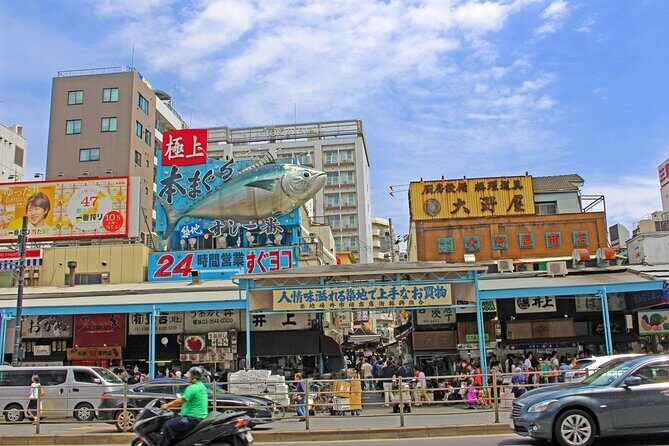
Tsukiji can look like one giant maze from the outside. Inside, you face a mix of tight aisles, standing crowds, and stalls competing for attention. If you’re going on your own, you’ll often end up choosing what’s closest or what has the shortest line—not what’s truly worth your time.
That’s where a guided food route matters. This tour is designed to help you get your bearings fast and then move through the market with a plan. The guide leads you around the Tsukiji Outer Market, hopping between food shops so you can sample more than you would on a self-guided walk. With a small group, it’s also less stressful to stop, ask questions, and keep everyone together.
And because the tour is about food and culture, you’re not just eating—you’re learning how the market world works. You’ll hear stories and context tied to sushi and the idea of Tsukiji as a world-famous fish market. That turns the walk from a scavenger hunt into something that actually makes sense.
How the small-group setup changes everything (max 12)
A max group size of 12 is one of those details that sounds small until you’re standing in a crush of people. In a group this size, you’re more likely to:
- get closer to the stalls you want to try
- stay on pace without feeling rushed
- have time to ask questions about what’s on your plate
One theme in the guide feedback is that Keiko (and sometimes Miyu) manages the flow well. People mention the guide is patient, explains stall significance clearly, and helps the group handle the market’s chaos. That kind of on-the-ground management is exactly what you want when your goal is food, not logistics.
What 5–8 tastings feels like in real life
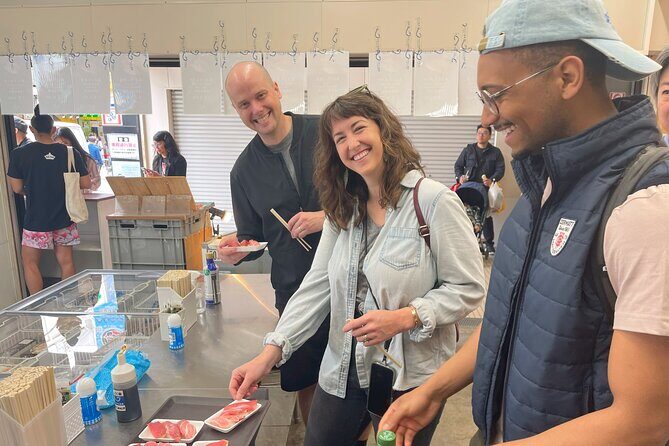
The tour includes brunch and around 5–8 food samples. In practice, that usually means you’re eating enough to feel properly fed by the end, not constantly hungry between stops.
This matters because the Outer Market is a place where you can easily overspend—or under-eat. With included tastings, you avoid the trap of buying random bites one by one. Instead, the guide helps you hit a range of flavors and textures, with options that fit what you like.
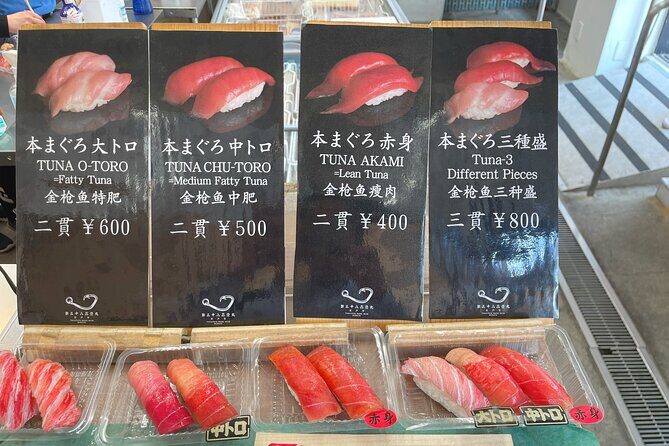
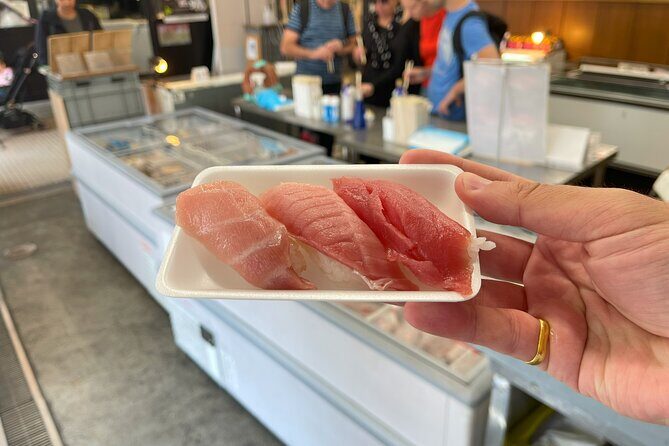
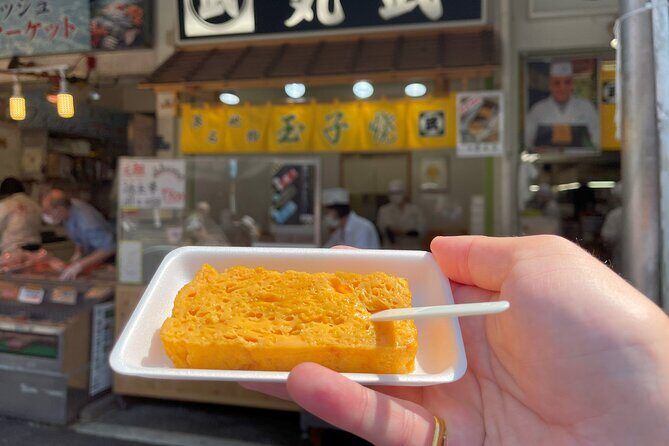
Expect the menu mix to lean seafood. People highlight dishes like sushi, oysters, miso cod, tamago, and even more unusual items such as puffer fish. There’s also mention of ice cream and black tea (described as tasting like vanilla). If that kind of variety sounds fun, this tour fits your style.
Itinerary in plain English: how the stops work
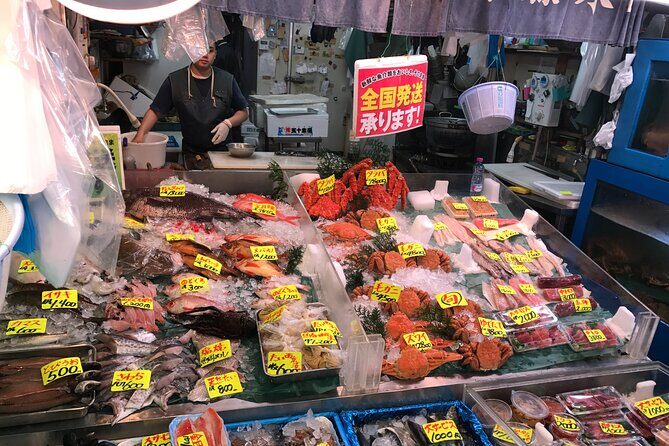
This is a short, focused tour—about 2 hours 30 minutes—and it’s built around one main area: the Tsukiji Outer Market. You start at a convenient meeting point and the walk ends at the Outer Market, so you can keep shopping after you eat.
Other plates worth crossing Tokyo for


Stop 1: Tsukiji Outer Market food stalls and sushi context
Your main time is spent walking the market and sampling at multiple shops. You’ll experience the histories connected to sushi and hear stories linked to why Tsukiji became known worldwide. Then you’ll eat as you go—so the market isn’t just something you watch. It becomes something you taste.
The practical advantage here is route planning. The guide’s job is to take you to places you might otherwise walk past. One strong point from guide feedback is that the guide doesn’t just point. They explain what you’re looking at and why it matters, including the stall experience and how vendors operate.
What you might find during the tastings (based on what people say they tried):
- sushi and other seafood bites
- oysters
- miso cod
- tamago
- puffer fish (for those who choose it)
- ice cream
- black tea
A small note for picky eaters: since the samples are included and the tour is seafood-forward, you’ll want to speak up early if you have preferences. The guide is reported to adapt based on likes and dislikes, which helps.
A possible add-on: Japanese knife shop, shrine, or other quick cultural moments
Some people mention a final stop that includes a Japanese knife store, and another review mentions a shrine visit. The tour’s core is definitely the Outer Market food route, but it sounds like your guide may work in extra stops that match the group.
If you love food and also like seeing how Japanese daily culture shows up in everyday craft (like knives), those add-ons are a bonus. Just keep in mind that details can vary depending on the flow of the market and your guide’s choices.
Why the guide’s style matters more than you think
This isn’t a “march and photo op” kind of tour. The market is chaotic, and the value is in guidance that improves your decision-making.
People consistently praise Keiko for being:
- patient while explaining stall meaning and market significance
- careful with pacing through crowded sections
- fluent in English and easy to understand
- able to customize tastings based on what the group likes
You’ll feel that in the small moments—when you’re deciding what to try, when the line is changing, or when you want to understand what something is before you eat it. In a market like Tsukiji, that kind of help is the difference between eating a nice meal and actually having a memorable one.
Price: is $90 worth it for Tsukiji?
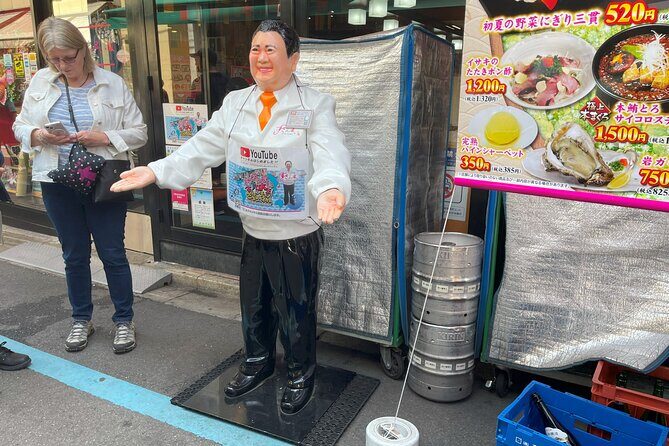
At $90 per person, you’re paying for more than food. You’re paying for:
- guided navigation through a confusing, crowded area
- multiple included tastings (around 5–8) plus brunch
- small-group attention (max 12)
- a guide who adds context so your visit feels purposeful
If you tried to copy this on your own, you’d likely spend time figuring out which stalls are worth the queue. You might also end up buying fewer items, because each purchase costs time and decision energy. Here, you get the structure and the variety built into the price.
The tour also notes that admission ticket is free for the market portion. That’s another small signal that the cost is mostly going into the guide and the food plan, which is what you want to see.
What to expect on the ground: crowd control, standing, and timing
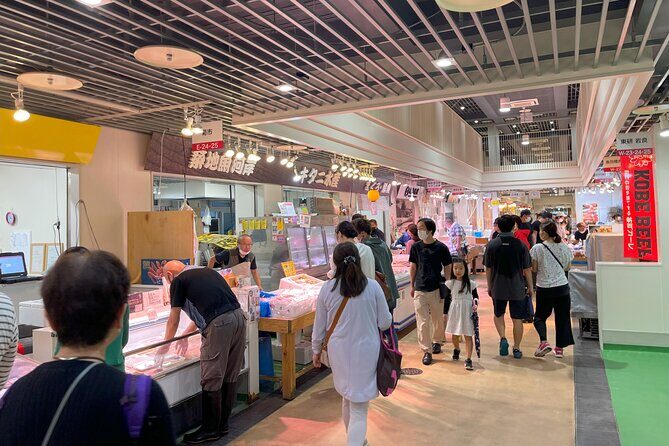
Tsukiji works on real-world market rhythms. Even if your guide tells you it’s not too busy, the area can still feel like motion everywhere—lines, signs, and people moving in every direction.
So be ready for:
- lots of walking
- standing near stalls during tastings
- quick transitions between shops
It helps that the group is small and the guide manages the flow. If you’re the type who hates rushing, I’d still expect pace changes as you move through the market. The tour is short on purpose, which makes it easier to fit into a busy Tokyo schedule.
Weather and comfort: the one thing you can’t change
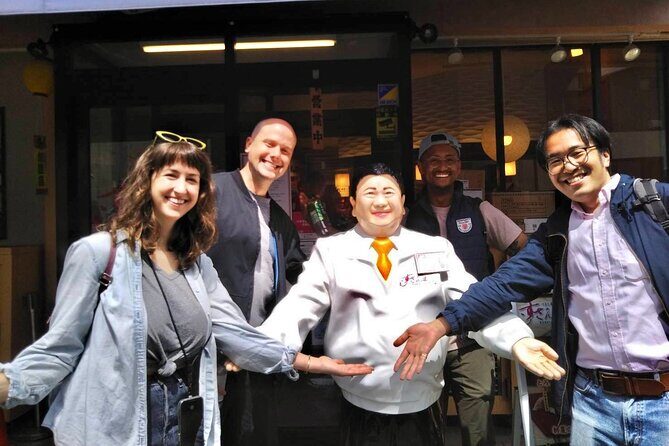
This experience requires good weather. That’s important because the Outer Market is partly outdoors, and the time is packed into about 2.5 hours. If rain hits, your comfort drops quickly.
So I recommend dressing for walking and changing conditions: comfortable shoes, and a light layer you can manage if you move from covered areas to open air.
Shopping after the tour: don’t waste the second half
One smart design choice: the tour ends at the Tsukiji Outer Market. That means you can immediately keep exploring the stalls that interested you most while the guide has just shown you how the market works.
This is also where you can make purchases based on what you already tasted. It’s a better shopping strategy than wandering first and shopping later, when you’ve forgotten what sounded good.
Who this tour is best for
This is a great fit if you:
- want a food-focused introduction to Tsukiji Outer Market
- like learning through what you eat (sushi context, stall significance, market stories)
- enjoy variety and don’t want to plan every meal decision
- appreciate small-group attention (max 12) and clear guidance
It may be less ideal if:
- you strongly dislike seafood (the tour is seafood-forward)
- you want a sit-down, slow-paced meal
- you get uncomfortable in crowded walking environments
Should you book this Tsukiji Outer Market food tour?
I’d book it if you want Tsukiji to feel organized, not overwhelming. The big value is that you get included tastings and guide-led navigation in a time box that fits a busy Tokyo itinerary. And with guides like Keiko (and Miyu), the market becomes easier to read—so you can spend your energy on tasting, not decoding.
If you’re flexible with food variety and you’re okay with a walk-heavy experience, this is one of the better ways to experience the Outer Market.
If you’re not sure, think about this: are you excited to try multiple seafood bites and learn what makes each stall special? If yes, you’ll likely enjoy this.
FAQ
Where does the tour start and end?
The tour starts at LAWSON Tsukiji 4 Chome Store (4-chōme-8-1 Tsukiji, Chuo City, Tokyo 104-0045). It ends at the Tsukiji Outer Market so you can continue shopping afterward.
How long is the tour?
The tour is about 2 hours 30 minutes.
What’s included in the price?
The tour includes brunch and around 5–8 food samples.
How much does it cost?
It costs $90.00 per person.
Is there a mobile ticket?
Yes, the tour includes a mobile ticket.
How big is the group?
The maximum group size is 12 travelers.
Is the tour mostly indoors or outdoors?
The exact mix isn’t specified, but the experience requires good weather, which suggests you’ll be outside part of the time.
Do I need to worry about admission fees?
Admission ticket is listed as free for the market portion.
What happens if the weather is bad?
If it’s canceled due to poor weather, you’ll be offered a different date or a full refund.
What can I do after the tour ends?
Since the tour ends at the Tsukiji Outer Market, you can keep shopping in the same area right after.
More Tours in Tokyo




More Tour Reviews in Tokyo




Back to the Market: More Tsukiji Tours


Fresh reviews from around Tokyo






Tsukiji Fish Market Tours, compared.
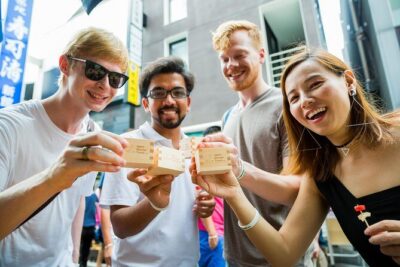 ★ 5.0Tokyo Tsukiji Fish Market Food and Culture Walking TourFrom $993,184 reviews
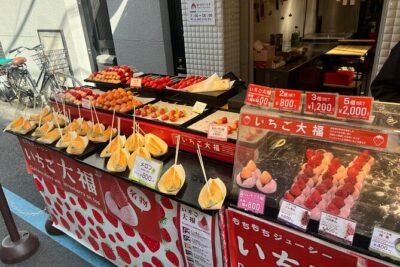 ★ 5.0Tsukiji Fish Market Food and Walking tourFrom $301,724 reviews
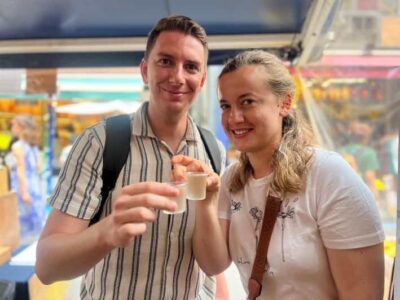 ★ 4.9Tsukiji Fish Market Guided Walking TourFrom $221,397 reviews
 ★ 5.0Tokyo Sushi Making Class in Tsukiji with Professional ChefFrom $491,177 reviews
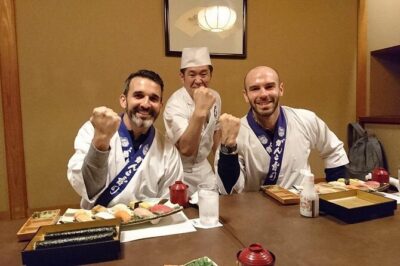 ★ 5.0Tsukiji Fish Market Guided Tour and Sushi Making with Pro ChefFrom $104775 reviews
★ 4.7Tsukiji Fish Market Food and Culture Walking TourFrom $96757 reviews
★ 5.0Tsukiji Fish Market Guided Tour and Sushi Making with Pro ChefFrom $104775 reviews
★ 4.7Tsukiji Fish Market Food and Culture Walking TourFrom $96757 reviews
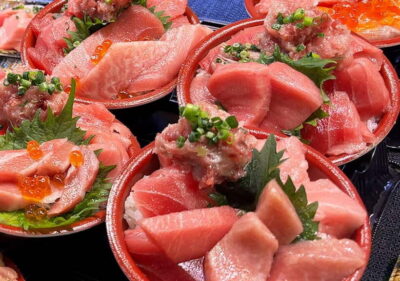 ★ 5.0Tsukiji Fish Market: Street Food & Culture Walking TourFrom $33669 reviews
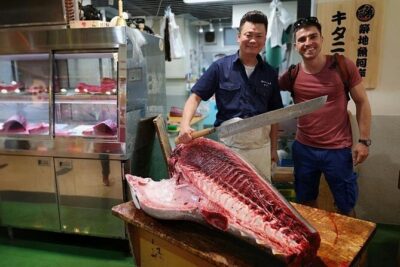 ★ 5.0Tsukiji Fish Market Small-Group Food Walking TourFrom $87621 reviews
Browse the lists this tour appears in