
Reviewed · TOKYO
Licensed Guide Tokyo Meguro Cherry Blossom Walking Tour
Meguro River in cherry blossom season is a treat. This 90-minute, licensed-guided walk strings together the Meguro River, Daienji Temple, and Hotel Gajoen Tokyo with context that’s hard to piece together by yourself. The vibe is relaxed, and you get the kind of street-level interpretation that makes the whole district click fast.
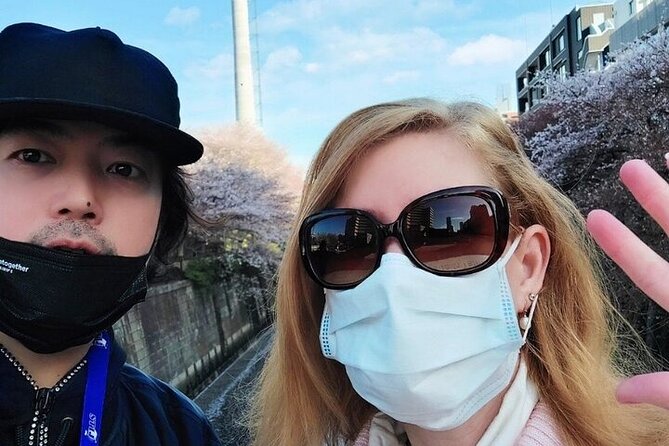
Two things I really like: you get undivided attention on a private tour, and the guide builds in easy photo stops so you’re not constantly “moving on” while trying to take a shot. One consideration: if you come late in cherry blossom timing, blossoms may be lighter than you hoped, so manage expectations and focus on the river walk and stories instead.
In This Review
- Quick hits before you go
- Why this Meguro cherry blossom walk beats DIY
- Price and timing: what you’re really paying for
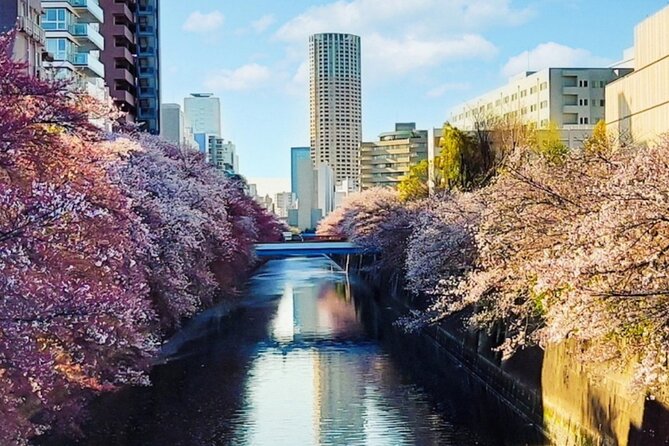
- Stop 1: Meguro River, where the walk becomes the attraction
- Stop 2: Daienji Temple and the Edo-era story you’ll remember
- Stop 3: Hotel Gajoen Tokyo, from 1931 restaurant to wedding hall
- Your guide and the private-tour feel that changes everything
- Cherry blossom reality check: what to expect if the timing is off
- Best for families, first-timers, and photo-focused days
- Should you book this Meguro cherry blossom walking tour?
- FAQ
- How long is the Tokyo Meguro cherry blossom walking tour?
- What does the tour cost per person?
- Is this a private tour?
- Where do we meet for the tour?
- When does the tour start?
- Where does the tour end?
- Are there admission fees for the stops?
- Do we get a mobile ticket?
- What if the cherry blossoms are not in bloom?
- What is the cancellation policy?
Quick hits before you go
- A private, licensed-guided walk: your group has the guide’s full focus, not a rotating crowd.
- Photo-friendly pacing along the river: you can stop for pictures without feeling like you’re holding everyone up.
- Meguro River first: the walk starts where the scenery and the cafe-and-shop energy are.
- Daienji Temple adds real context: a fire-and-rebuilding story tied to Edo-era history.
- Hotel Gajoen Tokyo is a surprisingly specific stop: it connects food, wedding culture, and a 1931 origin story.
Before you commit, see how this one stacks up against a few Tokyo favourites:
- Mt Fuji and Hakone 1-Day Bus Tour Return by Bullet Train★ 5.0 · 26,383 reviews
- 1-Day Tokyo Bus Tour★ 5.0 · 14,250 reviews
- Tokyo: teamLab Planets TOKYO Digital Art Museum Entry Ticket★ 4.6 · 9,779 reviews
Why this Meguro cherry blossom walk beats DIY
If you’ve ever walked a Tokyo neighborhood thinking you’ll figure it out as you go, you’ll know the problem: there’s too much to notice, and you only remember half of it. This tour fixes that. A good guide doesn’t just point out pretty spots. They explain what you’re looking at and why it matters, including the way nature and culture overlap in Japan.
I also like the simple structure: river, temple, landmark hotel. That makes it feel like a focused day plan instead of a wandering mission. And because it’s private, you can keep a comfortable pace. You’re not speed-marching with strangers while trying to read small signs or line up photos.
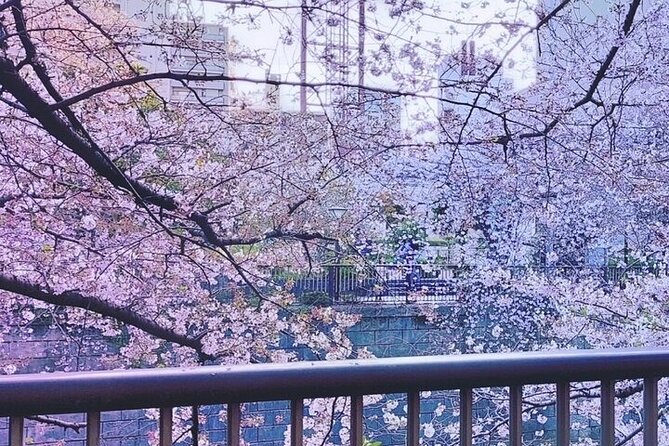
The best part is how the Meguro River experience is framed. You’re not just seeing blossoms or water. You’re getting the “this is what you’re supposed to notice” version of the walk, which helps you enjoy it even if the sky is gray or blossoms aren’t at peak density.
Price and timing: what you’re really paying for
At $22.86 per person for about 1 hour 30 minutes, you’re paying for two things: a licensed guide’s time and a route that’s efficient but not rushed. The admissions here are free at each stop, so the value isn’t about ticket costs. It’s about interpretation, pacing, and not having to do the mental math of what to see next.
The tour starts at 3:30 pm and ends at Hotel Gajoen Tokyo, near JR Meguro Station. That late-afternoon timing can be great for photos and walking comfort. Tokyo in spring also has a habit of shifting quickly from bright to cloud cover, so having a route you can enjoy in changing light helps.
Logistically, the start point is very concrete: Starbucks Coffee – Naka-Meguro Tsutaya Books, 1-chōme-22-10 Kamimeguro, Meguro City. If you like arriving early and settling your phone maps before you meet, this kind of meeting spot is a gift. You’re not hunting for an obscure corner near a tiny side street.
Stop 1: Meguro River, where the walk becomes the attraction
You’ll begin at the river area and spend about 40 minutes here. This is the heart of the tour, and it makes sense. The Meguro River is the corridor that turns the whole neighborhood into a photo parade without needing to squeeze into a viewpoint queue.
What you should expect during this stretch:
- A stroll that stays scenic without feeling like you’re walking in circles
- Plenty of opportunities to pause for pictures at a natural rhythm
- Guide context that helps you notice more than just pink petals and water
One small detail that matters: the tour builds in time for stopping. That’s huge in Japan, where people generally respect walking flow. A good guide helps you take photos without creating friction for others and without making your own trip stressful.
Even if cherry blossoms are finishing or only partly open, you can still have a good time. You get a sense of how the neighborhood looks during that seasonal shift, plus the river’s atmosphere is still the main character.
Stop 2: Daienji Temple and the Edo-era story you’ll remember
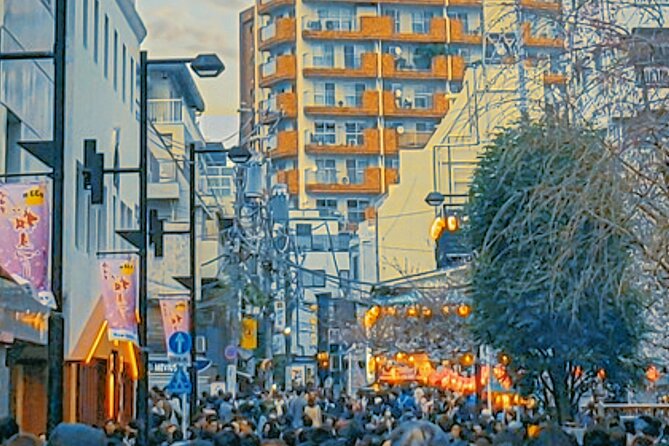
After the river, you’ll move on for about 20 minutes at Daienji Temple, with the temple itself listed as free to access.
This stop is worth it because the guide isn’t treating it like a quick photo wall. The story attached to Daienji is specific: in the middle of the 18th century, fire broke out from this temple, and Edo became a sea of fire. After that, rebuilding wasn’t permitted until the end of Edo. The temple was later rebuilt as a condolence for those losses.
Why this matters for you while sightseeing:
- It turns a temple visit from scenery into understanding
- It adds emotional weight to what you see
- It gives you a clearer sense of how past disasters shaped physical places
Even if you’re not a hardcore history person, this kind of story helps you slow down just enough to actually look. You’ll notice how temples often sit inside layers of time, with their architecture and locations carrying “why” you can’t get from a postcard.





Stop 3: Hotel Gajoen Tokyo, from 1931 restaurant to wedding hall
Your final stop is Hotel Gajoen Tokyo, again about 20 minutes, and also listed as free to view.
Here’s the interesting part: in 1931, Meguro Gajoen opened as a restaurant named in Meguro, and it’s described as the first general wedding hall in Japan. Even with modern Tokyo around it, the connection between food, ceremony, and place lingers.
What you can get out of this stop:
- A sense of how “special occasions” became formalized in Japan over time
- A look at how a famous venue fits into the everyday fabric of the area
- A final landmark moment that makes the walk feel complete rather than ending abruptly
It’s also a smart landing spot for practical reasons. The end location is very close to JR Meguro Station, so you can continue your day without needing a long hop across town.
Your guide and the private-tour feel that changes everything
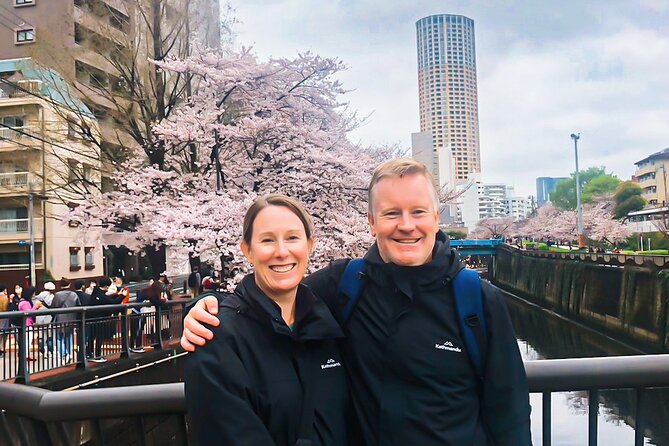
The tour is labeled as private, meaning only your group participates. That one word can make a big difference in Japan, where group tours often work best when everyone moves the same way at the same speed.
What I like in how this kind of private walk tends to work:
- The guide can adjust pace if you want more time at a certain spot
- You can ask follow-up questions without waiting for the group to catch up
- You can take photos without feeling like you’re slowing down strangers
English support also comes up in guidance. Guides such as Terry, Nao, and Micky have been described as personable, entertaining, and good with English. Even when the cherry blossom season isn’t perfect, this is the kind of tour where a guide’s humor and clarity can keep the experience fun and moving.
And yes, sometimes blossoms aren’t in bloom on schedule. That’s not a failure of the route. It’s nature. The value is that the guide can still guide you through the important locations and stories instead of just pointing at a few missing petals.
Cherry blossom reality check: what to expect if the timing is off

Cherry blossoms are seasonal drama. Some years they arrive like clockwork. Other years they lag, and you get a tail-end look instead of peak bloom.
One important consideration here: if blossoms aren’t ready at the time you go, you may see fewer blossoms than you hoped. The tour still has plenty to offer because you’re not only doing a single “stand and stare” stop. You’re walking the river, then shifting to temple context, then ending at a landmark hotel. That means your afternoon still has structure even if the petals aren’t at their maximum.
My practical advice: plan to enjoy the scenery and stories together, not just cherry blossoms alone. If you’re the type who wants peak bloom no matter what, you’ll still want to check current local bloom reports before booking.
Best for families, first-timers, and photo-focused days
This tour is described as suitable for most travelers, and it’s a good fit when you want Tokyo in a smaller slice. It’s also especially workable if you’re traveling with someone who wants both scenery and an explanation.
It suits:
- First-time Tokyo visitors who want a guided “where am I and why is it special” introduction
- People who like walking but don’t want to manage route planning
- Anyone who cares about getting photos without turning the trip into a juggling act
If you hate wandering with no plan, this is calmer than it sounds. You follow a clear path: Meguro River → Daienji Temple → Hotel Gajoen Tokyo.
If you love long museum-style stops, it might feel short. But the goal is a focused district walk that keeps moving while giving you enough time at each highlight.
Should you book this Meguro cherry blossom walking tour?
Book it if you want a guided, photo-friendly walk through Meguro that includes both scenery and meaningful stops. The price is reasonable for a licensed guide and a private route, and the free-access stops help keep the experience from turning into a ticketing maze.
Skip it or rethink timing if cherry blossoms are the only thing you care about and you can’t handle the idea of seeing lighter bloom. Nature sets the schedule here, and even the best guide can’t force spring to behave.
If you’re excited by river scenery, want a temple story that connects to Edo-era events, and like ending at a famous venue near a major station, this is a strong choice for an afternoon in Tokyo.
FAQ
How long is the Tokyo Meguro cherry blossom walking tour?
The tour runs for about 1 hour 30 minutes (approximately).
What does the tour cost per person?
The price is $22.86 per person.
Is this a private tour?
Yes. It’s private, so only your group will participate.
Where do we meet for the tour?
Meet at Starbucks Coffee – Naka-Meguro Tsutaya Books, 1-chōme-22-10 Kamimeguro, Meguro City, Tokyo 153-0051, Japan.
When does the tour start?
The start time is 3:30 pm.
Where does the tour end?
It ends at Hotel Gajoen Tokyo, 1-chōme-8-1 Shimomeguro, Meguro City, Tokyo 153-0064, Japan. It’s very close to JR Meguro station.
Are there admission fees for the stops?
Admission is listed as free for the stops included in the tour.
Do we get a mobile ticket?
Yes. The tour uses a mobile ticket.
What if the cherry blossoms are not in bloom?
The tour focuses on multiple stops, so even if blossoms are not at peak, you can still enjoy the river walk and the guided context at the temple and the final landmark.
What is the cancellation policy?
You can cancel for a full refund up to 24 hours before the experience starts. If you cancel less than 24 hours in advance, the amount paid is not refunded.
More Tour Reviews in Tokyo



Fresh reviews from around Tokyo






Tokyo, compared.
 ★ 5.0Mt Fuji and Hakone 1-Day Bus Tour Return by Bullet TrainFrom $16326,383 reviews
 ★ 5.01-Day Tokyo Bus TourFrom $12914,250 reviews
 ★ 4.6teamLab Planets TOKYO Digital Art Museum Entry TicketFrom $259,779 reviews
 ★ 4.0Mt Fuji & Hakone Cruise, Drum Show Bullet Train 1 Day from TokyoFrom $1497,413 reviews
 ★ 5.0Shinjuku Food Tour (13 Dishes at 4 Local Eateries)From $866,603 reviews
 ★ 4.4Tokyo Mt Fuji 5th St & Hakone Cruise Bus Tour w/Bullet TrainFrom $1545,024 reviews
 ★ 5.0Flagship 2-Hours Official Street Go-Kart Tour – Tokyo Bay ShopFrom $644,974 reviews
 ★ 4.5From Tokyo: Mount Fuji Full-Day Sightseeing TripFrom $684,970 reviews