
Reviewed · YOKOHAMA TOURS
Tokyo 8hr Private Tour with Licensed Guide from Yokohama
Tokyo clicks into focus with a local guide. This private 8-hour day runs from your Yokohama base into central Tokyo with a licensed English-speaking guide, then back again—so you get big-city highlights without reorganizing your whole trip. What makes it fun is the flexible format: you choose the kind of Tokyo you want (shrines, gardens, classic neighborhoods, neon corners), and the guide builds a walk-and-transit route around it.
I especially like two things. First, you’re not trapped in a rigid checklist; the guide will plan a day that matches what you care about, and many guides are known for listening closely and adjusting on the fly. Second, the route is built for Tokyo efficiency: trains and subways cut through congestion, and you get a real feel for how the city moves.
One thing to keep in mind: it’s a walking-heavy day. You should expect lots of steps, plus some paid admissions (like major gardens) may be on your list for extra tickets.
In This Review
- Key Things to Love About This Yokohama-to-Tokyo Private Tour
- A Private Tokyo Day That Actually Fits Your Yokohama Base
- Licensed Guide + Choose-Your-Sights Planning
- Price and What You’re Paying For (and What You’re Not)
- The 8 Hours Reality Check: Walking, Transfers, and Pace
- Stop-by-Stop: How the Tokyo Route Feels on the Ground
- Yokohama to Tokyo by Train: Start With Momentum
- Imperial Palace Area: Gardens and Walls, Not Inside Access
- Shinjuku Gyoen National Garden: Ticketed, Worth It if You Like Gardens
- Shibuya Scramble Crossing: The Human Traffic Light
- Asakusa: Senso-ji Temple and the Old Tokyo Shopping Street Feel
- Meiji Jingu Shrine: A Calm Reset Near Harajuku
- Akihabara: Electronics Street and the Anime-Era Energy
- Garden Time: How to Choose Between Shinjuku Gyoen, Koishikawa, Rikugien, and Hama Rikyu
- Tsukiji Fish Market and Takeshita Street: Food Energy Meets Fashion Mayhem
- Nezu, Shibamata, and Golden Gai: The Side Streets That Make Tokyo Feel Lived-In
- Odaiba: A Tokyo Bay Day Built for Shops and Views
- Practical Tips That Make This Tour Work Better
- Should You Book This Yokohama to Tokyo Private Tour?
- FAQ
- Is the Imperial Palace inside included?
- How many attractions can I choose?
- Are entrance fees included?
- What about lunch?
- Do I need to pay for transportation?
- Where do we meet the guide?
- Is this tour private?
- Is the tour very walking-heavy?
- Can I cancel and get a refund?
Key Things to Love About This Yokohama-to-Tokyo Private Tour
- Licensed guide in English who plans the day around your interests, not a generic circuit
- Start in Yokohama (port or a meeting point), with a train return at the end
- Pick from temples, shrines, gardens, and districts—your mix decides the vibe of the day
- Public-transit navigation included, which saves you from fighting transfers and crowd flow
- Garden admissions can be extra for places like Shinjuku Gyoen and some other grounds
- Meet up and drop off on foot, since this is a walking tour
A Private Tokyo Day That Actually Fits Your Yokohama Base
Staying in Yokohama is smart. It’s a calmer base, and this tour keeps your day simple by starting and ending in Yokohama instead of making you check into a Tokyo hotel. You’ll meet your guide within a designated area on foot (and sometimes at the port in Yokohama), then head into Tokyo by train.
The big payoff is convenience. You get to see the parts of Tokyo that usually feel spread out—imperial grounds, major shrines, shopping streets, and even more local-feeling neighborhoods—without spending your travel day on logistics.
And because it’s private, you control the pace. If your group wants more walking time for atmosphere, the guide can shape the day that way; if you want quicker hops between areas, you can do that too.
Licensed Guide + Choose-Your-Sights Planning
This is a private tour exclusively for your party, led by a licensed local English-speaking guide. That matters because Tokyo is equal parts beautiful and confusing—especially the first time you hit major hubs like Shinjuku or Harajuku. A good guide does more than point at famous sights; they route you through the city in the way locals do.
The tour is designed around picking attractions from a menu: temples, shrines, parks, gardens, and neon neighborhoods. Some stops are listed with free admission, while other gardens have ticket requirements. The guide stitches it all together so you’re not running between places that fight you on time.
It also helps that the guides rotate, so you can end up with a style that matches your group. For example, names that have led tours with this operator include Yoshi, An, Izumi, Koba, Kumi, Taku, and Seiji—each noted for strong communication, solid planning, and handling train/subway transfers.
Price and What You’re Paying For (and What You’re Not)
The price is $201.51 per person for the 8-hour private experience. Here’s how I think about the value.
You’re paying for:
- a licensed English-speaking guide for a full day
- a custom walking-and-transit route built around your interests
- guidance for using public transportation so you don’t spend your energy on transfers
You’re not paying for:
- transportation fees on your own (the guide will still take you by transit, but transit costs aren’t included)
- entrance fees and lunch
- a private vehicle
So the real “win” is that this tour buys you time and brainpower. In a city like Tokyo, navigation can cost real effort. If you’d otherwise spend hours reading routes, figuring out train changes, and trying to keep everyone on the same plan, the guide cost starts to make sense fast.
The 8 Hours Reality Check: Walking, Transfers, and Pace
This tour is built as a walking tour, with pickup and drop-off on foot as part of the day. Most stops listed are short (15–30 minutes), which means your day will move. That works well if you’re comfortable walking and staying alert for transfers.
You should plan for:
- lots of foot time between stations and sights
- train/subway navigation as the main method of getting around
- quick stops where you get the main view, then move on
If your group has mobility limits, it can still work—some guides have shown flexibility with walkers and slower pacing—but you should be honest about stamina before you book. This is not a sit-and-ride highlights tour.
Stop-by-Stop: How the Tokyo Route Feels on the Ground
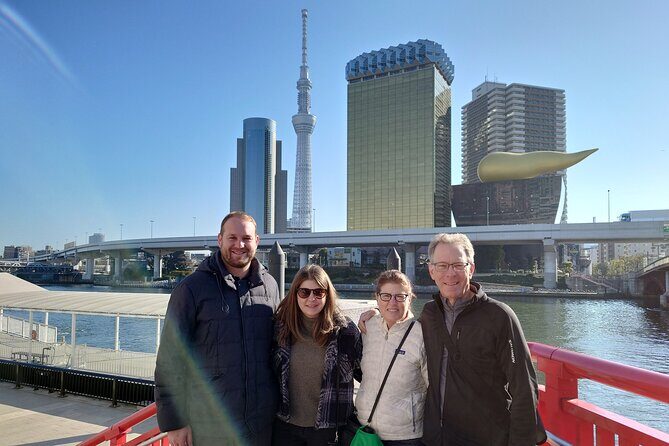
Yokohama to Tokyo by Train: Start With Momentum
You’ll meet your guide in Yokohama (meeting area on foot, and port is an option). Then you head into Tokyo on public transit. This first leg is more than just travel—it’s the warm-up. You get to see how Tokyo works right away, which makes the sightseeing feel easier.
If you’re arriving by cruise or planning a single-day push, that rail connection is a practical way to compress Tokyo into your schedule.
Imperial Palace Area: Gardens and Walls, Not Inside Access
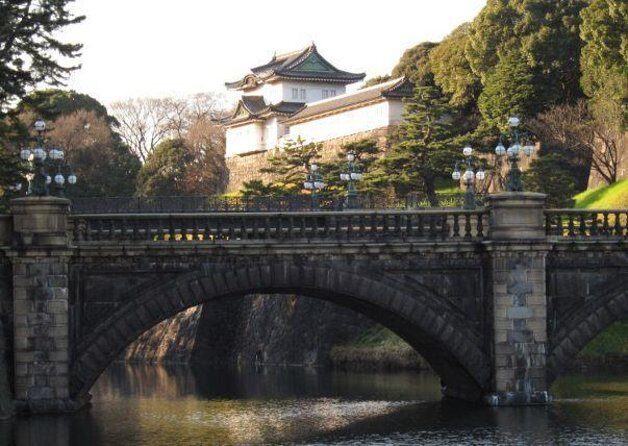
The Imperial Palace stop is timed so you can enjoy the public garden areas and outer walls. Importantly, the tour does not include access to the inside of the Imperial Palace.
Why it’s still worth it: even without the interior, you get a sense of scale and the official, ordered atmosphere around the palace grounds—plus great photo angles and a calmer pause between busier districts.
Shinjuku Gyoen National Garden: Ticketed, Worth It if You Like Gardens
Shinjuku Gyoen is the kind of place that can change how your whole day feels. In spring, it’s famous for cherry blossoms, and it’s a large garden space inside Tokyo.
The admission ticket is not included. Pricing listed for adults includes a group discount (adults show ¥500, group discount ¥400), and seniors have a different listed rate with ID required. If you want this garden, it’s worth planning for the extra ticket cost.
Practical note: because you’re in and out during a fixed 8-hour window, you’ll want to choose whether you want a quick walk through the grounds or a slower wander.
Shibuya Scramble Crossing: The Human Traffic Light
A short stop at one of the busiest crossings in the world gives you an instant Tokyo snapshot. You’re not here to “see” one building; you’re here to witness the choreography—how pedestrians move in waves and how quickly the city changes direction.
It’s a useful contrast after quieter areas like palace grounds and gardens.
Asakusa: Senso-ji Temple and the Old Tokyo Shopping Street Feel
Asakusa is one of the most approachable areas for first-timers. You’ll get time around Senso-ji Temple and the surrounding shopping street, which has that older, street-market texture Tokyo does so well.
The stop includes Senso-ji with free admission. Even if your time there is limited, it’s one of those places where the sensory mix does half the work for you: lanterns, snacks, and that “I’m in a different Tokyo” feeling.
Meiji Jingu Shrine: A Calm Reset Near Harajuku
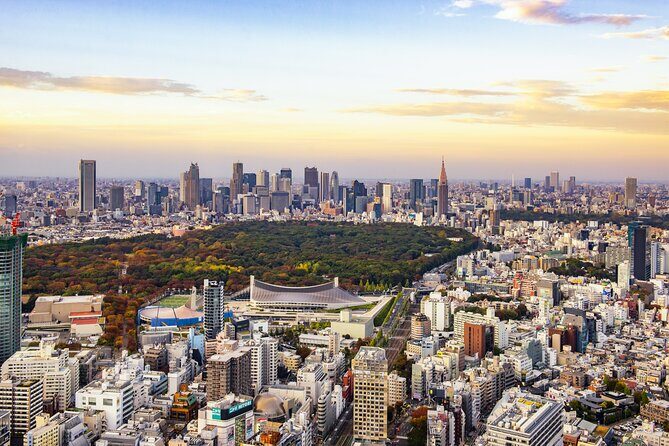
Meiji Jingu sits right beside Harajuku Station, but once you step in, it feels like a pause button. It’s dedicated to Emperor Meiji and Empress Shoken, and the location next to the busy rail line is part of what makes it satisfying—you can go from high-energy street life to a forested shrine walk fast.
This is a free-admission stop, typically short (15 minutes listed). Don’t expect a long, slow meditation here unless your custom itinerary adds time.
Akihabara: Electronics Street and the Anime-Era Energy
Akihabara is the electronics district, now also known as the center for pop-culture fandoms. A short stop is enough to browse stores and soak in the quirky mix of tech and character-themed culture.
Since this is typically a brief visit, treat it like a scan-and-sample stop. If you want deeper shopping time, you’ll want to build it into your sight choices.
Garden Time: How to Choose Between Shinjuku Gyoen, Koishikawa, Rikugien, and Hama Rikyu
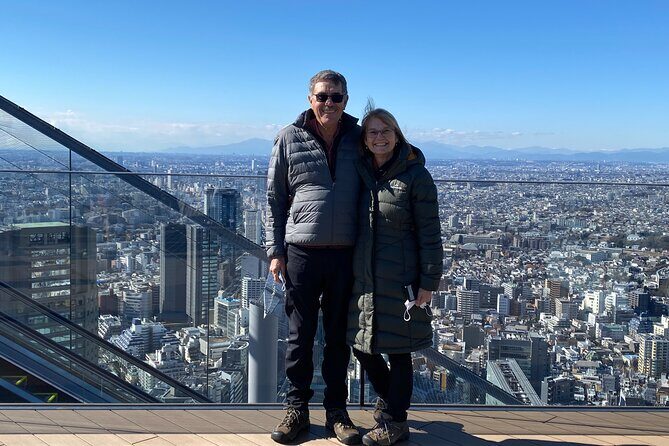
If you love gardens, you’ll likely feel pulled in four directions. The tour lists major garden options with different vibes and different ticket rules.
Shinjuku Gyoen National Garden
Larger, famous, and ticketed. If cherry blossom timing matches your trip, it’s the big draw.
Koishikawa Korakuen Garden
One of Tokyo’s oldest Japanese gardens, built in the early Edo period. Admission is not included for this stop.
Rikugien Garden
Often considered one of Tokyo’s best Japanese landscape gardens. Admission is not included here either.
Hama Rikyu Gardens
A different mood: seawater ponds that change level with the tides, plus a teahouse setting. Free admission is listed for this stop.
Here’s how I’d decide:
- If you want the most “classic Tokyo garden” experience in one place, pick Shinjuku Gyoen.
- If you want older Edo-period flavor, choose Koishikawa Korakuen or Rikugien.
- If you want something coastal-feeling and atmospheric, Hama Rikyu is a strong pick.
Because your time is limited, don’t try to do all of them. Pick one garden as the main event and let the others stay on your future Tokyo wishlist.
Tsukiji Fish Market and Takeshita Street: Food Energy Meets Fashion Mayhem
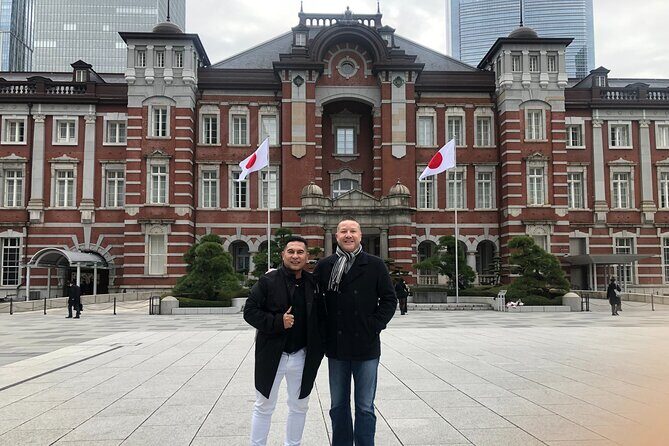
Two stops that pair well on the same day are Tsukiji and Harajuku.
Tsukiji Fish Market
You explore the old market area with free admission listed and about a 30-minute stop. Even if you’re not buying anything, it’s a visual jolt—fish stalls, quick-moving workers, and a market rhythm that feels very Tokyo.
Lunch isn’t included on the tour, but guides often help you plan around where you’ll eat while you’re in that area.
Takeshita Street (Harajuku)
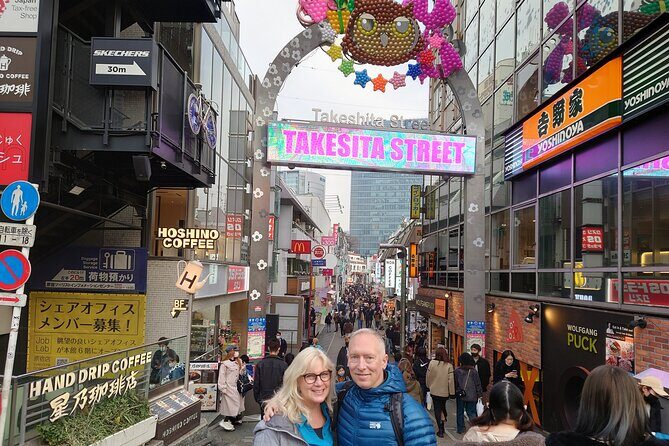
This is where teenage fashion culture shows up at full volume. The street can be crowded, so your guide’s timing and routing help a lot. Free admission is listed for the stop, with around 30 minutes included.
Nezu, Shibamata, and Golden Gai: The Side Streets That Make Tokyo Feel Lived-In
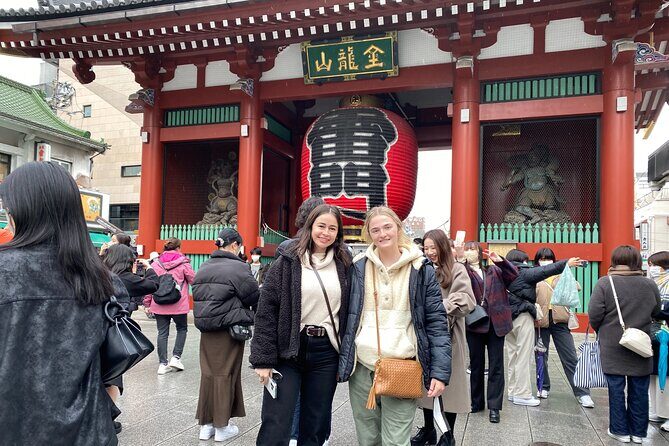
Not every Tokyo day has to be all temples and neon. The tour also lists neighborhoods that show another Tokyo angle.
Nezu
Linked to Yanaka and the old-downtown feel of shitamachi. The area is noted for surviving major damage from wars and natural disasters, which is why it still carries a last-century texture.
Shibamata
A more old-school neighborhood on Tokyo’s eastern edge. It keeps charm and a calmer pace compared to the big central hubs.
Shinjuku Golden Gai
Tiny alleys packed with small drinking spots. The point isn’t to “cover” every bar—it’s to feel how Tokyo nightlife can be both compact and distinctive.
These stops are short on the schedule, which is good. You get a taste without turning your whole day into a crawl.
Odaiba: A Tokyo Bay Day Built for Shops and Views
Odaiba is listed as a popular shopping and entertainment district on a man-made island in Tokyo Bay. It’s a different setting than shrine streets or market alleys, with a more modern feel and bay-area atmosphere.
The stop is short (about 15 minutes listed), so treat it as a quick shift in mood rather than the centerpiece.
Practical Tips That Make This Tour Work Better
A few small choices make a big difference on a day like this.
- Wear shoes you can walk in for hours. This tour’s structure is designed around foot time plus train/subway changes.
- Bring an umbrella if rain is in the forecast. Tokyo weather can turn fast, and you’ll be outside between stops.
- Decide your “main event” categories before you go. If you want a garden, pick one garden as the priority. If you want culture, prioritize Asakusa and Meiji Jingu. If you want pop-culture, give Akihabara more attention.
- Use your guide for transit problem-solving. Many guides are noted for helping with train/subway navigation and ticketing, which is exactly what you need when you’re trying not to waste time.
Should You Book This Yokohama to Tokyo Private Tour?
I’d book this if you want:
- a private, licensed guide
- a Tokyo highlights day that stays flexible
- a plan that starts from Yokohama and uses rail to save time
- a mix of classic sights (imperial area, shrines, Asakusa) plus districts like Shibuya and Akihabara
I’d think twice if:
- you hate walking and transfers
- you’re trying to fit in too many paid gardens and want everything included (some admissions are not included)
- your group needs a slow, sit-down pace all day
If you want Tokyo in one day without the usual confusion, this is a strong match. The best part is simple: you’re not just visiting sights—you’re letting a guide do the hard part so your day feels readable and manageable.
FAQ
Is the Imperial Palace inside included?
No. This tour does not include access to the inside of the Imperial Palace. You can enjoy the garden areas and outer walls that are open to the public.
How many attractions can I choose?
The tour is customizable. The overview describes choosing 4–6 attractions, and the included description refers to a customizable walking tour of 3–4 sites from the options list.
Are entrance fees included?
Not all of them. Some stops are listed as admission free, while others have admission tickets that are not included (for example, Shinjuku Gyoen and some gardens).
What about lunch?
Lunch is not included.
Do I need to pay for transportation?
Transportation fees are not included. The guide will still take you around using public transit, but transit costs are on you.
Where do we meet the guide?
You’ll meet your guide in Yokohama within a designated meeting area on foot. The port in Yokohama is also listed as an option.
Is this tour private?
Yes. It’s a private tour/activity, and only your group participates.
Is the tour very walking-heavy?
Yes. This is a walking tour with meet up and drop off on foot, and most stops involve walking time in busy areas.
Can I cancel and get a refund?
Free cancellation is available up to 24 hours in advance of the experience’s start time for a full refund. If you cancel less than 24 hours before, the amount paid is not refunded.
More Tours in Yokohama


More Tour Reviews in Yokohama


Next Door in Yokohama
Yokohama Tours, compared.
 ★ 4.9EVO, WRX, Skyline – JDM Night Run to Daikoku Car MeetFrom $125478 reviews
Best Price Daikoku Parking Area JDM Car MeetFrom $76192 reviews
★ 4.9EVO, WRX, Skyline – JDM Night Run to Daikoku Car MeetFrom $125478 reviews
Best Price Daikoku Parking Area JDM Car MeetFrom $76192 reviews
 ★ 4.9Daikoku & Tokyo Private JDM Tour by 700HP R34 GT-RFrom $586101 reviews
 ★ 5.0【Tokyo】JDM Daikoku Parking Area & Nissan Facility TourFrom $5587 reviews
 ★ 4.5Narita Airport: One Way Private Transfer to Tokyo|Yokohama HotelsFrom $7769 reviews
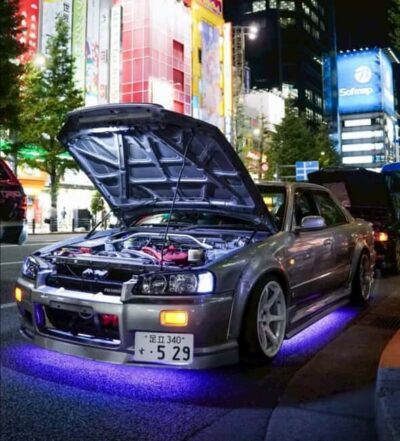 ★ 5.0R34Skyline Daikoku PA Fast & Furious Private ExperienceFrom $10963 reviews
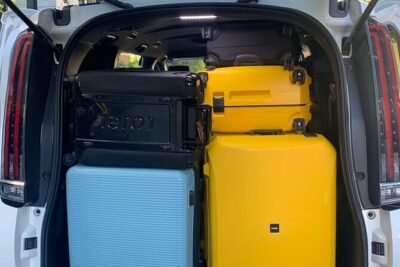 ★ 5.0Shuttle Van Transfer, Yokohama(Port)⇒Tokyo, Narita, Haneda, TDRFrom $12263 reviews
 ★ 5.0Yokohama Ramen Adventure From a Local Noodle Factory to HomeFrom $16560 reviews
Browse the lists this tour appears in