
Reviewed · DESSERT TOURS
Japanese Traditional Sweets making
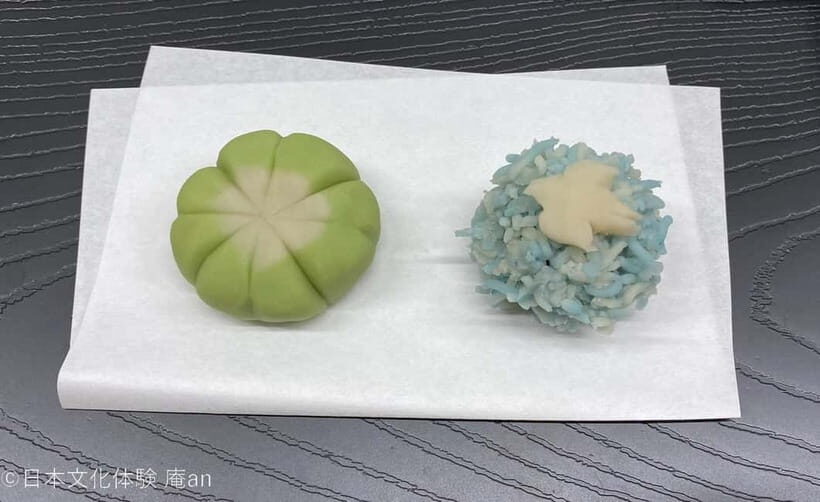
Nerikiri feels like edible origami. This hands-on Japanese Traditional Sweets class uses Kyoto white/red bean paste and guides you step-by-step to form two seasonal sweets, including a flower shape and a Kinton Nerikiri. It’s less about watching and more about doing.
I especially like that you don’t just learn the motions—you get to make two sweets and then eat them on the spot. A potential drawback: the class can feel tight on time, and if you’re seated far back in the room, it may be harder to see the finer steps.
In This Review
- Key things to know before you go
- What makes this Nerikiri workshop fun (and not just a show)
- Your two sweets: flower-shaped Nerikiri and Kinton Nerikiri
- How the workshop works step-by-step in 65 minutes
- The ingredient edge: Kyoto long-established bean paste
- Timing and room reality: a fast class you can still enjoy
- Eating time: what you can do with your finished Nerikiri
- Price and value: $11 for two crafted sweets
- Where and how to meet: AN TOKYO Japanese Culture Experience
- Who should book this class
- Should you book the Nerikiri workshop in Tokyo?
- FAQ
- What sweets will I make during the class?
- How long is the experience, and do I get to eat the sweets?
- What ingredients are used?
- Is there English support during the workshop?
- What extra costs might I have?
- Can I cancel and get a full refund?
Key things to know before you go
- Kyoto bean paste, white and red: you shape with real, ready-to-use paste from long-established Kyoto shops
- Two seasonal Nerikiri: you make a flower-shaped sweet plus a Kinton Nerikiri
- Short, focused workshop (65 minutes): a structured flow from explanation to shaping to eating
- Photo time built in: you’ll have a moment to take pictures before you finish up
- Fast pace in a classroom setup: plan to sit where you can see hands and tools clearly
- Optional extras: take-out box is extra (100 JPY) and certificates cost extra (300 JPY)
Worth weighing up alongside this Tokyo pick:
- Make Traditional Nerikiri Sweets & Matcha experience in Shibuya★ 5.0 · 130 reviews
- Private Mochi Sweets Making class near Shibuya area★ 5.0 · 93 reviews
- Japanese Traditional Sweets making and Tea Ceremony★ 4.7 · 50 reviews
What makes this Nerikiri workshop fun (and not just a show)
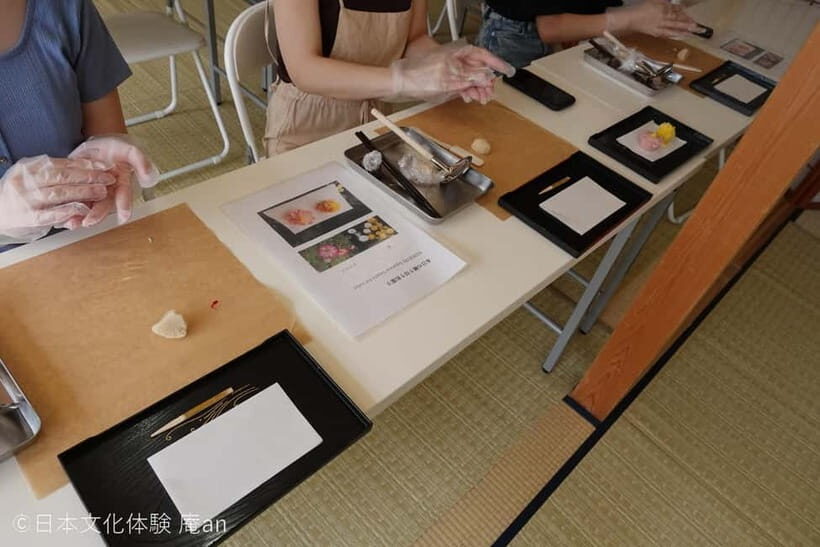
This is one of those Tokyo activities where the value is simple: you go from ingredient to finished dessert in about an hour. You’ll work with real bean paste (white and red), not powdered kits. And you’re not just copying a design in the abstract—you’re shaping a sweet that matches the season.
That seasonal angle matters more than it sounds. Japanese sweets often change by time of year, and that’s part of why they feel like part of everyday culture instead of a one-off novelty. In this class, you’re making two seasonal sweets, so you get a little variety without extending the session.
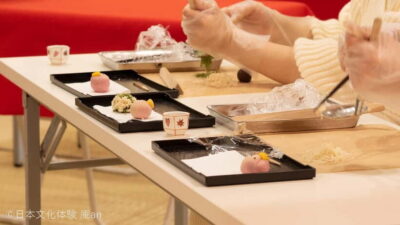
What I like most is the “art + eat” balance. You put your creations on a plate, you get that satisfying finished look, then you’re allowed to taste what you made. The class is designed to end with eating, not just handing you a wrapped mystery and sending you on your way.
One thing to keep in mind: the room setup can be like a classroom, and the instruction moves quickly. That can be great if you like momentum. If you prefer slow, repeatable steps, you may wish you had more time with the details.
Your two sweets: flower-shaped Nerikiri and Kinton Nerikiri
You’ll make two sweets in total, each with a distinct look and feel.
First up is a flower-shaped Nerikiri. This one is all about shaping and refinement. The goal is a clean, petal-like form that looks intentional when placed on a plate. It’s the kind of sweet where your hands matter—if you go too fast or squeeze inconsistently, the shape can look lopsided. But that’s also why it’s fun. It feels like learning a craft skill, not doing a single cookie-cutter step.
Second is the Kinton Nerikiri. The name is part of the fun here. It signals a specific style, and your instructor guides you through making that version after the flower stage. If you’re the type who likes a “first one is practice, second one is the real deal,” this setup hits that sweet spot. Two different sweets means two chances to get comfortable with the paste.
By the end, you should have two finished pieces that you can admire, photograph, and eat. This is one of those experiences where the final moment—seeing both sweets together on the plate—feels like your work paid off.
How the workshop works step-by-step in 65 minutes
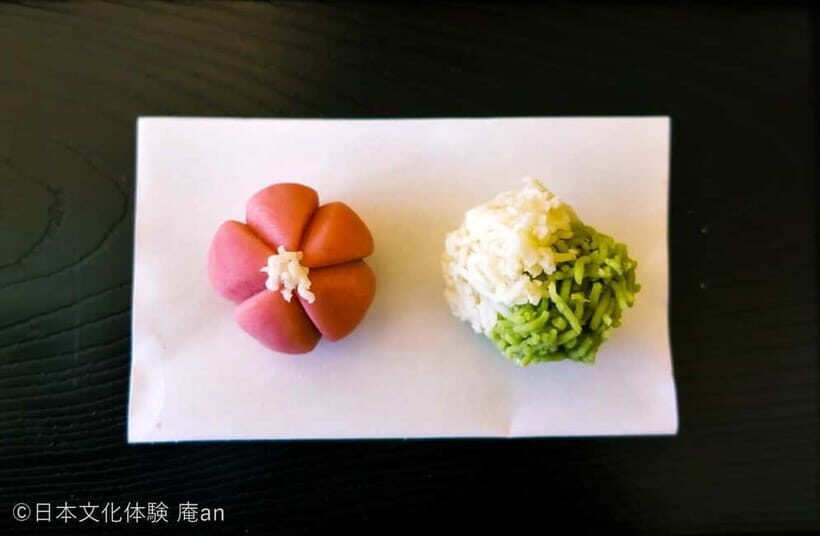
The session is tightly structured. It starts with a short intro, then you move through shaping stages, then you eat. The whole experience lasts 65 minutes, and the flow is designed to keep you moving.
Here’s how it generally plays out:
- You start with an introduction to Japanese traditional sweets. You’ll get the basic context so you’re not just following hand movements.
- Then you create the flower-shaped Nerikiri. This is where you’ll likely learn how to handle the paste, shape it, and get it into the right look.
- After that, you make the Kinton Nerikiri stage. This is your second major shaping round.
- You’ll have picture time, which is a nice touch because the sweets are art before they’re dessert.
- You finish around the 55-minute mark, then you get eating time, and you leave by about 65 minutes.
Because the class is short, you shouldn’t count on redoing steps from scratch. You’ll want to listen closely, watch the instructor’s hands, and keep your pace steady. If you’re the kind of person who likes to take notes and slow down for perfection, you might find the timing a bit intense.
Still, that speed is part of why this feels like good value. You’re paying for a guided craft experience that ends with real food you made yourself.
The ingredient edge: Kyoto long-established bean paste
This workshop stands on a key detail: you use bean paste produced by Kyoto’s long-established shops. You’ll work with white and red bean paste, and the class is built around those ingredients.
Why does that matter for you? Because paste quality affects everything:
- how smoothly it shapes,
- how it holds its form,
- and how it tastes once you eat it.
Even if you’re not a sweets nerd, you can usually tell when the base ingredient is good. And since you’re not taking the paste home, the taste you get at the end is part of the payoff. This class explicitly includes eating your sweets on site, so the flavor matters.
This also means the workshop isn’t just cosplay or a craft session. It’s closer to a mini lesson in traditional Japanese dessert making, using ingredients tied to a real region known for food craft.





Timing and room reality: a fast class you can still enjoy
The schedule moves. There’s a strong chance the instructor will keep things moving stage to stage without a lot of extra pause time. That’s not automatically bad. It can actually help you stay focused and finish with two sweets instead of leaving partway through.
But there are a couple practical considerations:
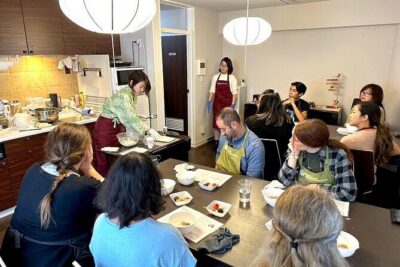
- The room can fit a fairly large class (one report described a room that could house about 30 people).
- If you sit far back, you might struggle to see the fine steps, especially when the instructor moves between stages.
- There may not be much convenient space for coats or bags, so plan to travel light.
If you’re going to book, pick a seat early and aim for a front or side view where you can watch the instructor’s hands. It’s the fastest way to get value out of a short workshop.
Also note: the class runs on operation hours from 10:00 to 17:00, and reservations after 17:00 get processed next day. English translation is provided as much as possible, but the language is Japanese, so having a few basic polite phrases or being comfortable with guided instructions helps.
One more timing note that matters: delays may not be accommodated. Arrive early so you can settle in before the first explanation.
Eating time: what you can do with your finished Nerikiri
One of the best parts here is that you’re not just making sweets and leaving. You’ll get time to eat on the spot after the shaping stages wrap up.
That matters because Nerikiri is all about texture and freshness. The experience is designed so you taste what you make while the session’s energy is still running. You also get to compare your two sweets side by side, which is a satisfying way to see how different shapes and styles can come out.
If you want something to take home, there’s an option: a take-out box costs 100 JPY. So plan on eating immediately unless you specifically want a carry-out.
You can also add a completion certificate for 300 JPY. If you want a certificate with your name, you’ll need to provide the names in advance; otherwise it’s left blank.
And yes, there’s picture time. Don’t skip it. If you like photography, this is one of the rare experiences where the final product is genuinely photogenic before it turns into something you eat.
Price and value: $11 for two crafted sweets
At $11 per person for a 65-minute class, the math is pretty simple: you’re paying for hands-on instruction plus ingredients plus the time to produce and eat two sweets.
This isn’t a “watch someone else do it” experience. You’re shaping two seasonal Nerikiri yourself. And the ingredient detail—Kyoto bean paste—adds weight to the value. In many food activities, the base ingredients feel generic. Here, they’re specifically tied to long-established Kyoto suppliers.
Where value can vary is in pacing. If you love fast instruction and enjoy moving quickly to a finished result, this class fits nicely. If you prefer slow, detailed practice, you might feel you could have benefited from extra time.
But the overall setup is budget-friendly for Tokyo: short duration, included eating, and a finished product you can eat right away.
Where and how to meet: AN TOKYO Japanese Culture Experience
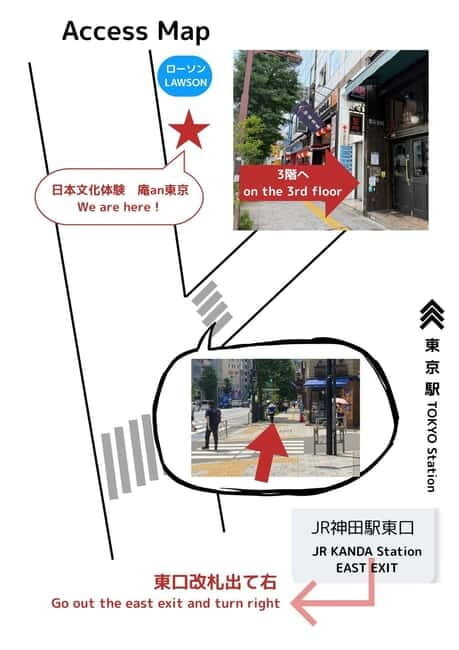
You’ll meet at AN TOKYO Japanese Culture Experience at the coordinates 35.6916541, 139.7715022.
Since it’s a short class, give yourself a little extra buffer time. There’s no mention of the venue holding the event for delays, so arriving early lets you get seated comfortably and focused before instructions start.
Also, the workshop is language-led. The activity is listed as Japanese, with English translation provided as much as possible. If you speak limited Japanese, don’t panic. The activity still runs through a hands-on process where you can follow along visually.
Who should book this class
This workshop is a great fit if you want a practical food craft experience. I’d especially recommend it for:
- Solo visitors who like meeting people in a shared activity. The structure and shared stations make it easier to socialize without forced small talk.
- Anyone who wants a taste of Japanese sweets culture without committing to a full-day food tour.
- Food lovers who enjoy making something by hand, then eating it while it’s still fresh from the process.
If you’re traveling with friends or family, it’s also fun because you can compare your flower-shaped and Kinton results at the end. Just remember the session is fairly tight, so very young kids might need extra patience.
Should you book the Nerikiri workshop in Tokyo?
If you want an experience that mixes Japanese traditional sweets, real Kyoto bean paste, and a hands-on finish in 65 minutes, I think it’s worth booking. You’ll make two seasonal sweets, get photo time, and you can eat what you make on the spot. For the price, that’s strong value.
I’d only hesitate if you need an unhurried class with lots of repetition. This one can feel rushed, and the room setup may challenge visibility from the back. If that sounds like you, aim for an earlier seat and go in with a calm, focused mindset.
FAQ
What sweets will I make during the class?
You’ll make two seasonal Japanese traditional sweets called Nerikiri. The class includes a flower-shaped Nerikiri and a Kinton Nerikiri.
How long is the experience, and do I get to eat the sweets?
The experience lasts about 65 minutes. After the making stages, there is eating time so you can eat your sweets on the spot.
What ingredients are used?
You’ll use white and red bean paste produced by Kyoto’s long-established shops.
Is there English support during the workshop?
English translation is provided as much as possible, but the listed language is Japanese.
What extra costs might I have?
A sweets take-out box is 100 JPY. An experience completion certificate costs 300 JPY, and if you want it personalized you’ll need to provide names in advance.
Can I cancel and get a full refund?
You can cancel up to 24 hours in advance for a full refund.
More Dessert Tours in Tokyo



More Tour Reviews in Tokyo



Fresh reviews from around Tokyo






Dessert Tours, compared.
 ★ 5.0Matcha Making Class in Tokyo with Authentic Japanese Sweets SetFrom $21744 reviews
 ★ 5.0Make Traditional Nerikiri Sweets & Matcha experience in ShibuyaFrom $60130 reviews
 ★ 5.0Private Mochi Sweets Making class near Shibuya areaFrom $7993 reviews
 ★ 4.7Japanese Traditional Sweets making and Tea CeremonyFrom $1850 reviews
 ★ 5.0Tokyo Local Food Tour: Noodles, Skewers, Dumplings, SweetsFrom $7448 reviews
 ★ 5.0Mochi Matcha Gluten Free Japanese Sweets Class near Shibuya areaFrom $11226 reviews
 ★ 4.6Two Types of Japanese Sweets Making and Tea CeremonyFrom $2826 reviews
 ★ 5.0Japanese Sweets (Mochi & Nerikiri) making at a Private studioFrom $9122 reviews
Browse the lists this tour appears in