
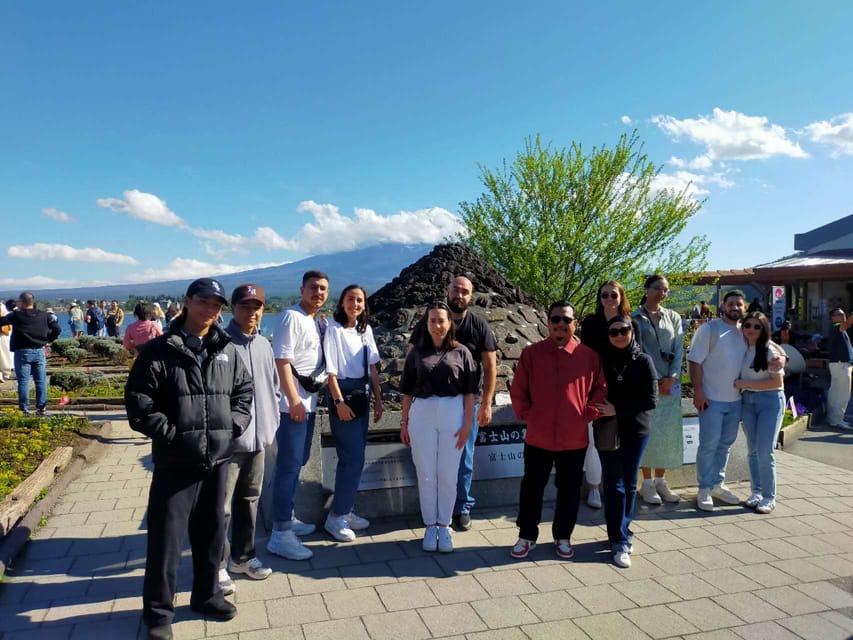
Reviewed · TOKYO
Tokyo: Mt Fuji Lake Kawaguchiko Tour & Arakuyama Sengen Park
Fuji day dreams usually start with a single view.
This tour strings together several of the most famous Mt. Fuji photo angles without forcing you to plan a thing. I like that you get multiple Fuji viewpoints in one outing, and I also like the guided, timed flow that keeps the day from turning into guesswork. One watch-out: the stops are timed tightly, so you’ll walk, climb steps, and move on even if you spot the perfect cloud break.
The schedule is built around the idea that Fuji photography is mostly about timing, not wishful thinking. You’ll start from Tokyo Station early, then head out while the morning light is still doing its best work. If the weather cooperates, you’ll feel like the day was designed for your camera.
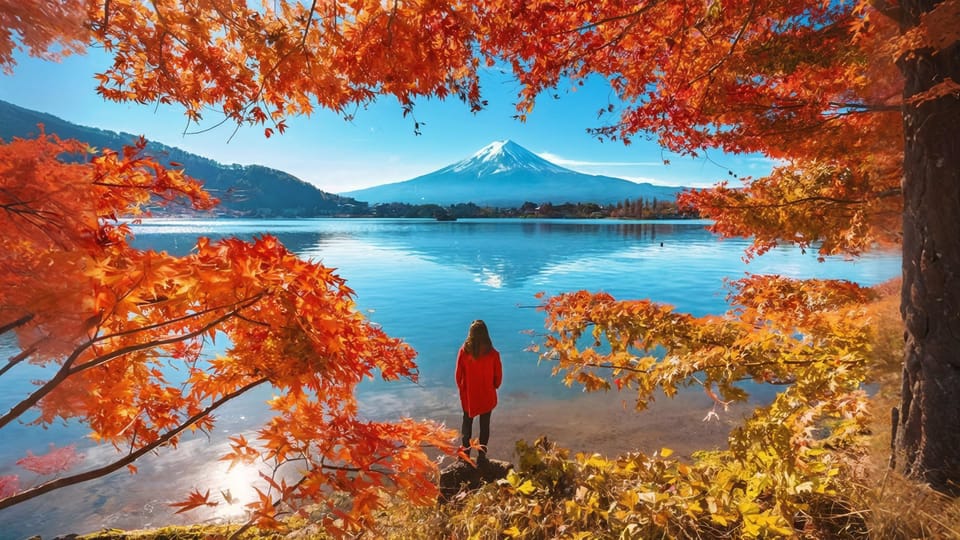
The biggest value for me is the seasonal flexibility. You can catch classic sakura-era Fuji framing in spring, and in fall the tour swaps to the Kawaguchiko Maple Corridor during the autumn window described by the operator. The day still stays the same length, but what you see changes with the calendar.
In This Review
- Key moments that make this tour worth your day
- Meeting at Tokyo Station Marunouchi North Exit at 7:50
- Arakurayama Sengen Park and Chureito Pagoda: classic Fuji, step by step
- Hidakaya Clock Street: Fuji framed at the end of a lane
- Oshino Hakkai: the UNESCO ponds that make Fuji feel peaceful
- The Lawson Kawaguchiko Station stop: a funny photo break with real snack value
- Lake Kawaguchiko: Oishi Park or Maple Corridor depending on dates
- How the day’s timing helps (and limits) your photos
- Value check: what $58 buys you in a Fuji day trip
- Small-group or coach: comfort, attention, and the kind of day you get
- Who should book this Mt. Fuji and Kawaguchiko tour
- Should you book this Fuji day from Tokyo?
- FAQ
- Where do I meet for the Tokyo Station Mt. Fuji day trip?
- What time does the tour depart and when do we return?
- How long is the tour?
- How big is the group and what languages are available?
- What’s included in the price, and what’s not?
- Is there a luggage limit, and can you eat on the bus?
- Does the Lake Kawaguchiko stop change in autumn?
Key moments that make this tour worth your day
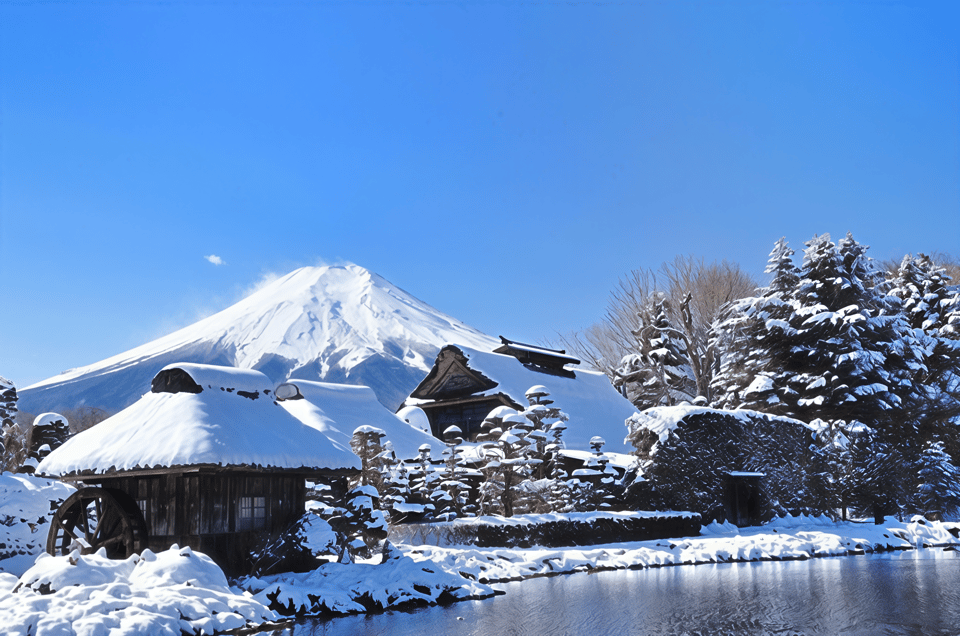
- Arakurayama Sengen Park and Chureito Pagoda: that iconic pagoda-with-Fuji composition from famous steps
- Oshino Hakkai UNESCO ponds: calm water reflections and a slower-feeling stop
- Hidakaya Clock Street: a short, very photogenic lane with Fuji as the backdrop
- Seasonal Lake Kawaguchiko views: Oishi Park in many months, or Maple Corridor in late autumn
- Small-group or bus format: up to 13 guests for a more personal feel, or a larger coach for roomier logistics
Before you commit, see how this one stacks up against a few Tokyo favourites:
- Mt Fuji and Hakone 1-Day Bus Tour Return by Bullet Train★ 5.0 · 26,383 reviews
- 1-Day Tokyo Bus Tour★ 5.0 · 14,250 reviews
- Tokyo: teamLab Planets TOKYO Digital Art Museum Entry Ticket★ 4.6 · 9,779 reviews
Meeting at Tokyo Station Marunouchi North Exit at 7:50
Your day starts at Tokyo Station, Marunouchi North Exit, listed as 1-chōme-9-1 Marunouchi, Chiyoda City. You meet at 7:50 and depart at 8:00, with your guide holding a blue flag for easy recognition. The operator sends your guide details (including a phone number, vehicle license plate number, and a meeting-point photo) the night before, around 7:00–8:00 PM, so check your inbox and spam folder.
This is one of those logistics that matters more than it sounds. If you show up late, you risk being the reason the whole day runs slightly behind. If you show up on time, you get a smoother start and you can focus on what you came for: Fuji.
Group size depends on the departure: it’s either a small group up to 13 guests or a coach that can take 14–45. Either way, you’ll have a professional guide and driver, plus fuel, tolls, and parking fees included.
Arakurayama Sengen Park and Chureito Pagoda: classic Fuji, step by step
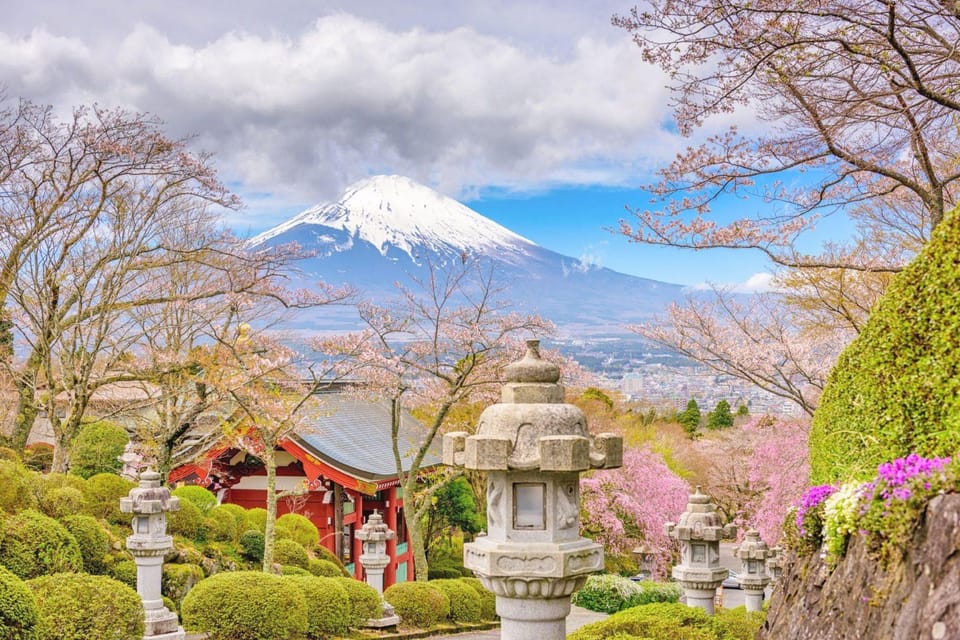
Your first major stop is Arakurayama Sengen Park, with about 1 hour of photo stop, sightseeing, and free time (around 10:30–11:30). This is where Mt. Fuji is framed by the famous Chureito Pagoda area. You’ll get the chance to climb the steps and line up your photos near the pagoda viewpoint.
After Arakurayama, you’ll get a dedicated Chureito Pagoda photo stop (roughly 30 minutes, depending on the flow that day). That extra time is helpful because this is the kind of view people don’t just shoot once. You’ll want a few angles, and you’ll likely watch for clearer sightlines.
The big advantage here is variety by season. The tour is explicitly designed so the same spot feels different depending on the time of year—think spring cherry blossoms, autumn leaves, or a crisp winter look. If you love the idea of photographing Fuji across different moods, this stop is your anchor.
The main drawback is effort. You’re going up steps and walking outside, so comfortable shoes help, and you’ll want to move at a pace that doesn’t gas you before Oshino Hakkai.
Hidakaya Clock Street: Fuji framed at the end of a lane
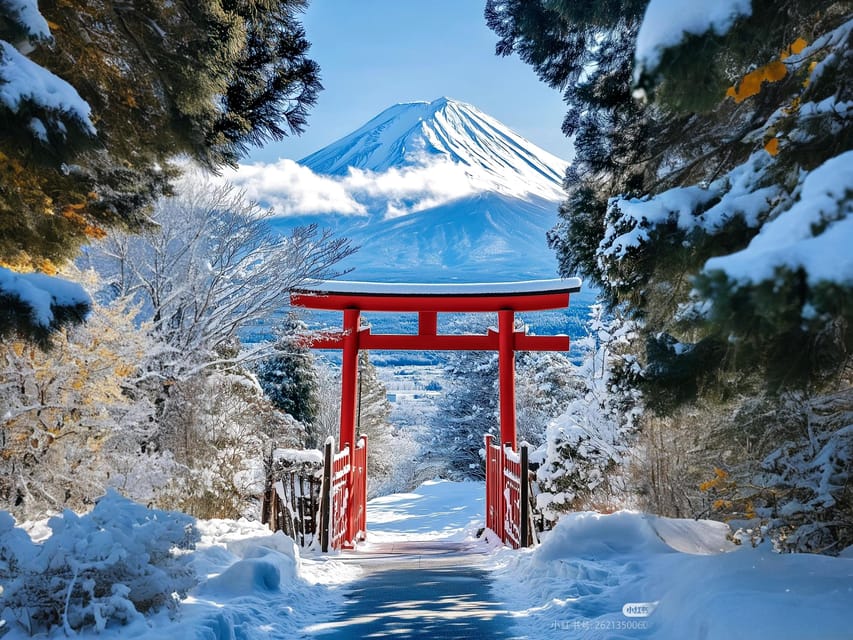
Next comes a quick, satisfying change of pace: Hidakaya Clock Street (about 11:45–12:05). This is a short stop, but it’s set up for photography and an easy wander. The lane has a traditional look, and the Mt. Fuji view lines up at the far end, which is exactly what makes it feel special.
Because the time is limited, treat it like a short walk-through. Take your pictures, enjoy a stroll, and then keep moving. It’s the kind of place where you’ll feel like you found a quiet pocket near a famous landmark, without losing the rest of your day.
If you’re picky about photos, this is also a good stop to practice quick decision-making: Fuji views can shift fast with wind, cloud cover, and crowds. That’s not something the guide can control, but good timing turns a brief stop into a keeper.
Oshino Hakkai: the UNESCO ponds that make Fuji feel peaceful
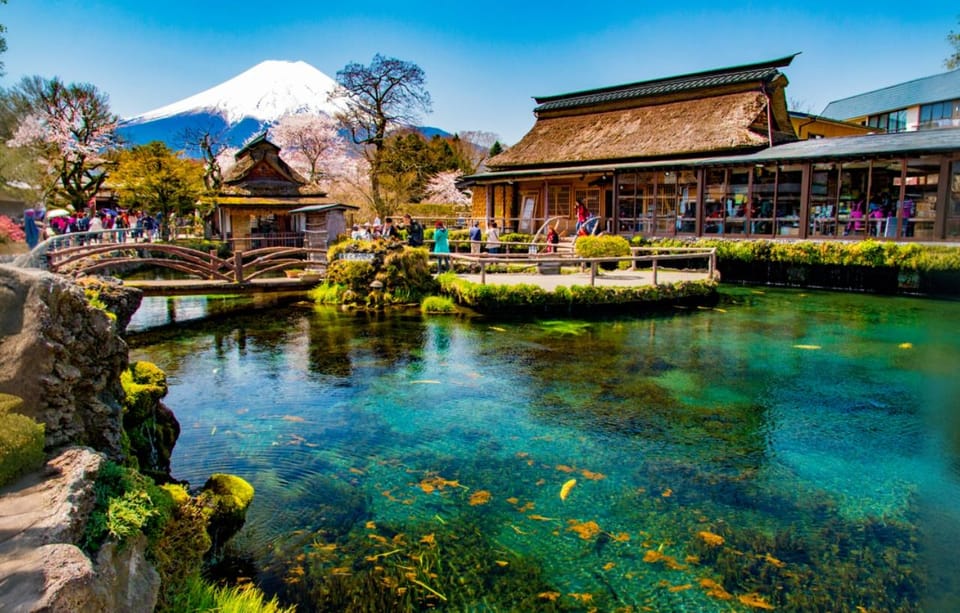
The heart of the calmer side of this day is Oshino Hakkai, where the tour includes about 80 minutes (around 12:30–13:50). This area is listed as a UNESCO World Heritage site, and the point is the ponds and their reflections. Clear water + Fuji views = photos that look like postcards, but also a place that feels more relaxed than the step-and-stare spots.
What you’ll get here is time to slow down. You can wander, stop for photos, and take in the atmosphere without feeling rushed every minute. It’s also a good contrast to earlier viewpoints: instead of chasing pagoda angles, you’re photographing Fuji as it appears in water.
A practical consideration: since this is a signature stop, you should expect people. The trick is to shoot from a spot that works in both directions—composition-wise, you’ll often find a better reflection if you give yourself a few minutes to reposition.





The Lawson Kawaguchiko Station stop: a funny photo break with real snack value
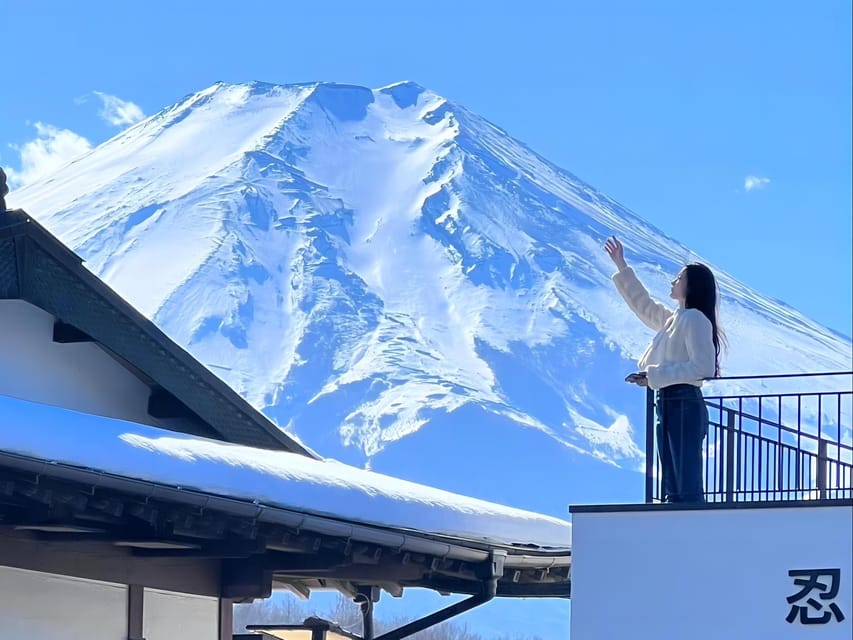
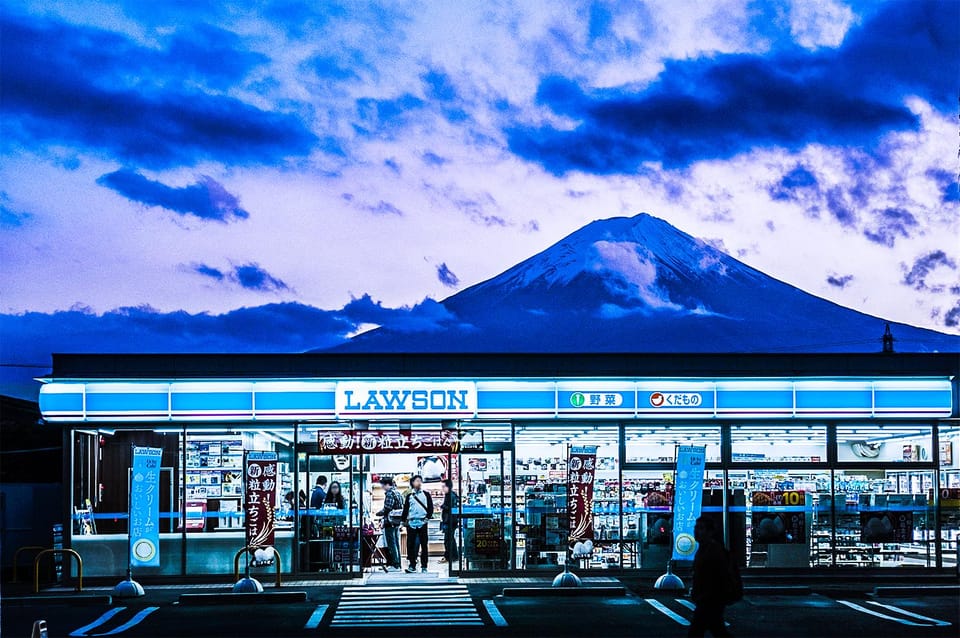
Yes, there’s a Lawson stop built into the day, around 14:30–14:50. It’s short, but it’s for two reasons: a quick break and a quirky street-meets-Fuji photo opportunity at the Kawaguchiko station area.
This is one of those “why is this here?” stops that actually helps. The tour is not providing meals, so having a reliable place to pick up something quick keeps energy up for the afternoon walking and viewpoints. You’ll have a moment for shopping and local snacks, plus time for photos.
If you’re trying to maximize value, this is a smart moment to buy water too. The tour includes transportation and guide time; it doesn’t include meals or beverages. A small snack during the day can make the difference between enjoying the last viewpoint and simply rushing through it.
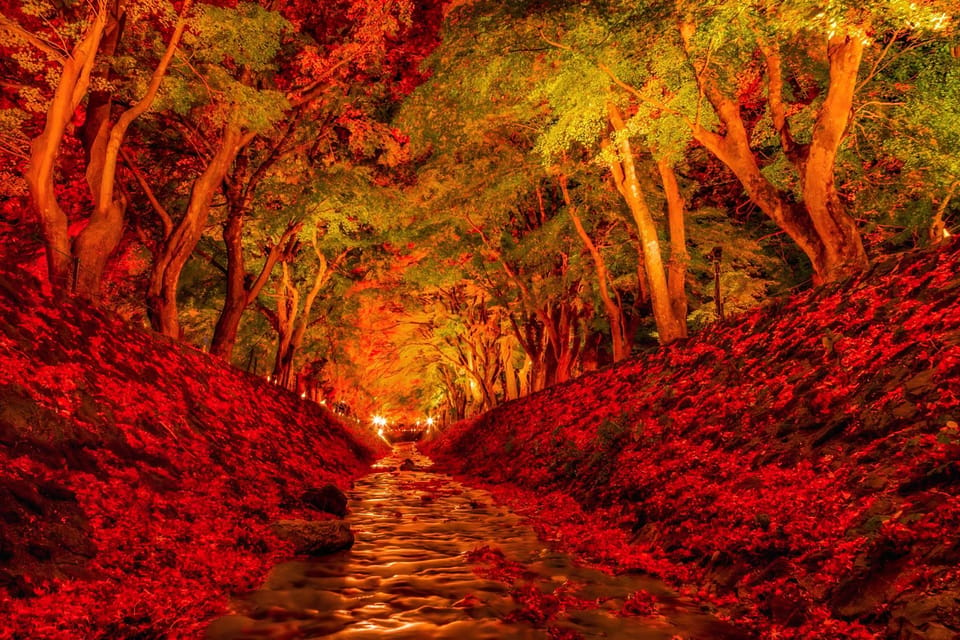
Lake Kawaguchiko: Oishi Park or Maple Corridor depending on dates
After the Lawson break, you’ll head to Lake Kawaguchi with about 50 minutes (around 15:20–16:10) at the seasonal choice point.
In many months, the stop is described as Oishi Park / Maple Corridor (seasonal), with the key change being how autumn is handled. Specifically:
- From approximately 10/30 to 11/20, the tour visits the Kawaguchiko Maple Corridor instead of Oishi Park to show the best autumn colors.
- The autumn highlight window is noted as 10/20–11/20 for Maple Corridor.
- In spring, the itinerary is tailored for cherry blossom timing, with a listed range of 03/30–04/14.
In plain terms: you’re going for Fuji with seasonal color around it. In spring, you’re chasing sakura-era pink. In autumn, you’re chasing red-and-gold framing. In other seasons, you’re still getting the Fuji backdrop idea, just without the same seasonal signature that comes in spring and fall.
This is also your last big chance for photos before returning to Tokyo. If you’re serious about getting your “final shot,” use the first few minutes to pick your spot early—then you’ll have room to adjust as the sky and crowds shift.
How the day’s timing helps (and limits) your photos
This is a 10-hour day with substantial ride time. The bus travel is listed as 105 minutes each way, so the day is built around the idea that you’ll spend your energy in a few timed windows rather than moving slowly from place to place.
That rhythm can be great for photography. You’re not stuck in one spot all day, and you’re not forced to make complex transfers. You get a “morning viewpoint,” a “midday UNESCO,” and then a “late-afternoon Fuji + seasonal color” finish.
The limitation is also clear: you don’t have unlimited time at each stop. The best use of your time is to treat every free-time window as a focused sprint:
- arrive ready to shoot,
- take a first set quickly,
- then slow down if conditions improve.
Weather is the wild card with Mt. Fuji. Your guide can’t change clouds, fog, or wind, but a good itinerary gives you enough angles that one good break can still pay off across multiple stops.
Value check: what $58 buys you in a Fuji day trip
At $58 per person, the main value isn’t just the transportation. It’s the combination of comfortable transport, a professional guide, and a schedule designed around major Fuji photo areas. Fuel, tolls, and parking fees are included, which matters because those costs add up fast when you’re doing this as private transport.
What’s not included is equally important. The tour does not include meals, beverages, or snacks, and it also notes that entrance fees to optional attractions are not included. In practice, the Lawson stop helps you handle snacks mid-day, but you still need to plan for lunch on your own.
So the value equation is simple:
- If you want the structure and logistics handled, the price is a bargain for a full day out of Tokyo.
- If you prefer a totally flexible, stop-anywhere style day, you may find the fixed schedule a bit limiting.
Small-group or coach: comfort, attention, and the kind of day you get
Because group size varies, your experience can feel different depending on the departure. With up to 13 guests, you’re more likely to get faster attention from the guide and an easier time coordinating meeting points. On a larger coach, the logistics are still handled, but you might feel less personal attention.
The guide and driver are professional, and the tour is offered in English, Chinese, and Japanese. That’s a big deal for a day where you want clear directions for drop-off and pick-up points. One of the strengths of this format is that the guide explains where to be and when you need to return, so you’re not wandering around with a phone trying to interpret street signs.
One small heads-up based on what’s been learned in the field: communication timing can make a difference. Your guide details are sent the night before around 7:00–8:00 PM, and you’ll meet at a specific time. Don’t count on last-minute confirmations. Read the message early and save the key details so you can find the correct vehicle.
Who should book this Mt. Fuji and Kawaguchiko tour
This tour fits best if you want classic Fuji views in a single day and you value the convenience of someone else handling transport and timing. It’s ideal for first-timers doing Tokyo-to-Fuji without renting a car.
It’s also a good match if you like seasonal photography. The itinerary is explicitly tailored for spring sakura timing and for autumn maple timing via the Maple Corridor swap.
It’s not listed as suitable for pregnant women or wheelchair users, and it also follows basic in-vehicle rules: no smoking and no food in the vehicle. If you’re traveling with kids, the tour notes child-friendly options, including free entry for children under 2 who don’t occupy a seat.
Should you book this Fuji day from Tokyo?
If your goal is to get several iconic Mt. Fuji angles—pagoda view, UNESCO pond reflections, plus seasonal color at Lake Kawaguchiko—this tour is a strong choice. The guide-led structure and included transportation reduce the hassle that normally comes with planning a day trip from Tokyo.
I’d book it if you:
- want an easy, guided logistics day,
- care about Fuji photos from multiple viewpoints,
- are traveling in a season when the sakura or maple timing lines up.
I’d think twice if you:
- hate walking stairs or you want a slow, sit-and-stay pace,
- prefer long unstructured time in one place,
- need a lunch included in the price.
FAQ
Where do I meet for the Tokyo Station Mt. Fuji day trip?
You meet at Tokyo Station, Marunouchi North Exit, listed as 1-chōme-9-1 Marunouchi, Chiyoda City. Your guide will be holding a blue flag, and the operator sends your guide’s phone number, meeting photo, and vehicle license plate details the night before.
What time does the tour depart and when do we return?
You meet at 7:50 and depart at 8:00. The tour returns to Tokyo Station with an arrival time listed as 6:50.
How long is the tour?
The tour duration is listed as 10 hours total.
How big is the group and what languages are available?
Group size is either a small group up to 13 guests or a larger coach with 14–45 guests. The live guide offers English, Chinese, and Japanese.
What’s included in the price, and what’s not?
Included: comfortable transportation, professional guide & driver, and coverage for fuel, tolls, and parking fees. Not included: meals, beverages, and snacks, plus any optional attraction entrance fees.
Is there a luggage limit, and can you eat on the bus?
One piece of luggage per person is allowed. Excess items may incur an additional fee (oversized/additional luggage should be disclosed in advance). Smoking is not allowed and food is not allowed in the vehicle.
Does the Lake Kawaguchiko stop change in autumn?
Yes. From approximately 10/30 to 11/20, the tour visits the Kawaguchiko Maple Corridor instead of Oishi Park to show the best autumn colors.
If you want, tell me your travel month and whether you care more about photos or a relaxed pace, and I’ll help you pick the best season logic for this route.
More Tour Reviews in Tokyo



Fresh reviews from around Tokyo






Tokyo, compared.
 ★ 5.0Mt Fuji and Hakone 1-Day Bus Tour Return by Bullet TrainFrom $16326,383 reviews
 ★ 5.01-Day Tokyo Bus TourFrom $12914,250 reviews
 ★ 4.6teamLab Planets TOKYO Digital Art Museum Entry TicketFrom $259,779 reviews
 ★ 4.0Mt Fuji & Hakone Cruise, Drum Show Bullet Train 1 Day from TokyoFrom $1497,413 reviews
 ★ 5.0Shinjuku Food Tour (13 Dishes at 4 Local Eateries)From $866,603 reviews
 ★ 4.4Tokyo Mt Fuji 5th St & Hakone Cruise Bus Tour w/Bullet TrainFrom $1545,024 reviews
 ★ 5.0Flagship 2-Hours Official Street Go-Kart Tour – Tokyo Bay ShopFrom $644,974 reviews
 ★ 4.5From Tokyo: Mount Fuji Full-Day Sightseeing TripFrom $684,970 reviews