
Reviewed · PRIVATE
Tokyo Top 10 Highlights & Hidden Gems Private Tour with a Local
Tokyo feels big until someone shows you the shortcuts.
This private day tour is built for that moment. You’ll meet in Asakusa, then spend about 8 hours mixing major sights with quieter streets, all while your host steers based on your interests. I like that it’s truly personal: you’ll fill out a pre-trip questionnaire, then your guide reaches out to shape the plan. Guides like Hirotake, Kento, and Martin are specifically praised for strong English and for keeping the day practical, not just checklist tourism.
Two other things I like a lot: the itinerary flow is designed for real Tokyo rhythms (temples, markets, neighborhoods, then a breather in the gardens), and you get local advice you can use after the tour. One thing to consider: this is mostly walking. It’s a full day on your feet, and one family described logging 25,000+ steps. If you’re planning lots of walking in Tokyo anyway, great. If you’re sore easily, plan breaks and comfy shoes from day one.
In This Review
- Key points before you go
- Asakusa meet-up and how the day gets tailored
- Senso-ji and Asakusa’s Thunder Gate: the classic start (done right)
- Street market time: how to shop and snack without guessing
- Akihabara with a story: electronics, anime, and the why behind it
- Seafood market bites: seeing and tasting Tokyo’s food energy
- Imperial gardens break: a calm reset inside the city
- Walking pace, public transit gaps, and why footwear matters
- Value for the money: what you’re really paying for
- Who should book this private Tokyo day (and who might skip it)
- Should you book this Tokyo Top 10 Highlights and Hidden Streets tour?
- FAQ
- How long is the Tokyo private tour?
- Where does the tour start and end?
- Is pickup included?
- Is the tour mostly walking?
- Are attraction tickets included?
- Are meals included?
- Can the itinerary be customized?
- Is this a private tour?
- Are service animals allowed?
- Can I get a full refund if I cancel?
Key points before you go
- Pre-tour questionnaire: you set the tone before you ever meet your host
- Private pacing: you can move slower or speed up without fighting a group
- Top sights plus side streets: the day balances major landmarks with everyday backstreets
- Akihabara storytelling: tech and pop culture with context, not just store hopping
- Food is optional, not included: you control where you eat and what you spend
- Mostly walking: public transport may be used between sites, sometimes with extra cost
More private options with your own guide
- Tokyo 6hr Private Tour with Government-Licensed Guide★ 5.0 · 3,902 reviews
- Private Tour to Mt. Fuji and Hakone (Fully Licenced Operator)★ 5.0 · 1,910 reviews
- Tokyo Customized Private Tour (Must See Places in 1 Day)★ 5.0 · 1,499 reviews
Asakusa meet-up and how the day gets tailored
The day starts at the Asakusa Culture Tourist Information Center in Taito City (Kaminarimon area). That’s a smart choice: you begin in a neighborhood with a classic Tokyo feel and easy access to the rest of your route.
What makes this tour work is the tailoring. Beforehand, you send a short questionnaire about what you care about—history, food, shopping, pop culture, photography, or just seeing the city through local eyes. Then you message your host directly to shape the order and timing. In past experiences, guides like Hirotake and Kento have handled very specific requests, like helping someone hunt down Kirby figures. That’s a good sign: if you have a theme, the host will often try to bend the day around it.
Also note the flexibility: you can choose your preferred start time, and the duration can stretch close to the full 8 hours depending on your pace. If you want a long day with plenty of stops, you usually can have it. If you want a gentler pace, your host can often adjust, though you’ll still be walking.
One more practical thing: your guide can sometimes meet you at a central-city hotel. If that matters to you, ask early so you don’t lose time on transit at the start.
Senso-ji and Asakusa’s Thunder Gate: the classic start (done right)
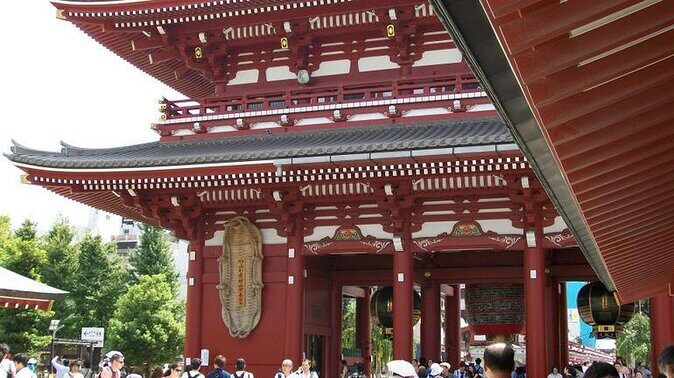
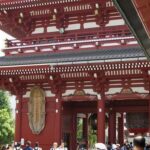
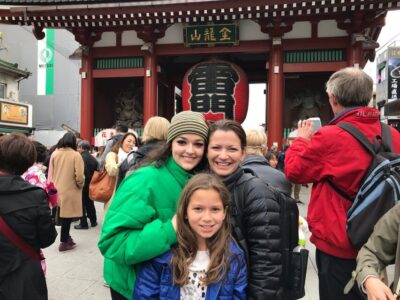
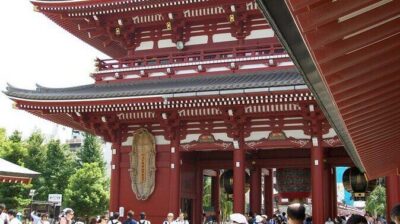
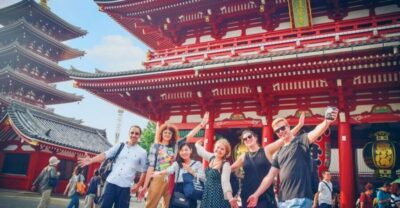
Asakusa is a perfect first chapter, and the tour doesn’t waste it. You’ll visit Senso-ji, Tokyo’s oldest and best-known Buddhist temple, including the famous Thunder Gate with its giant red lantern.
Here’s what this stop adds beyond photos. Your host can explain what you’re looking at as you move through the area—why certain spaces feel ceremonial, why people behave the way they do, and how this temple fits into daily Tokyo life. This is also where you’ll get a feel for old-meets-now Japan. The streets around Senso-ji aren’t just scenery; they’re a living neighborhood.
After the temple, you shift into street-market mode. The plan includes time in a market area with fresh produce, street food, and bargain shops. This is where you can slow down for browsing. You’ll often see more local routines here than at larger, more formal tourist hubs.
A possible drawback: Asakusa can be crowded, especially at peak times. If you’re sensitive to crowds, tell your guide up front. A good host will adjust your route order and timing so you’re not stuck in the densest areas for too long.
Street market time: how to shop and snack without guessing
The market stop is one of the most valuable parts of this day because it’s flexible. Food and drinks aren’t included, so you choose your level of spending. Your guide helps you pick places that feel right—both for what you want to try and what fits your budget.
This is also where you learn practical buying skills. Tokyo is famous for bargains, and it’s easy to overspend just because everything looks cool. A local host can point you to places that are actually worth your time, instead of sending you down a “tourist-only” loop.
If your group likes small souvenirs, this is often the moment to start. In one example day with Hirotake, the route included a stop for cheap second-hand kimonos. That kind of find is hard to plan on your own, especially if you don’t read Japanese well. With a host, you get guidance on what’s a good price, what’s good quality, and how to handle the basics.
One more tip: decide your snack plan early. If you’re going to try street food, you don’t need to eat a full meal right afterward. Your host will likely help you time it so you don’t feel stuffed during the next neighborhood.
Akihabara with a story: electronics, anime, and the why behind it
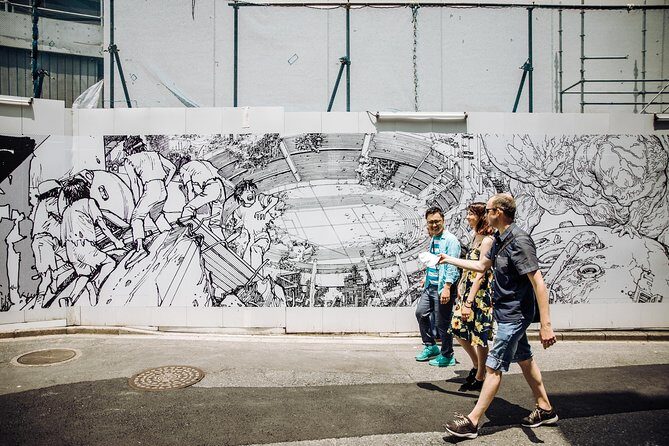
Then the day turns into Tokyo’s pop-culture engine: Akihabara. You’ll spend time in the area known for electronics stores, anime shops, and gaming arcades.
What elevates this stop is context. Your host can explain how Akihabara became what it is—why certain shop types clustered here and how the neighborhood evolved into a tech and otaku paradise. That kind of background makes the shopping feel purposeful instead of random.
You’ll likely see more than store fronts too. Hosts can help you read the space like a local: what to look for, what price ranges to expect, and where it makes sense to spend time versus walk through quickly. If you’re chasing a specific product category (games, model figures, gadgets, or anime merch), this stop is one of the best places in Tokyo to do it—especially when you’re not doing it alone.
In a recent kind of day guided by Kento, the tour included a very personal interest stop to find Kirby figures. That’s the power here. If your kid collects something, or you have a wish list, ask early. Your host can often weave in a targeted detour without breaking the whole day.
This is also a good place to buy small items you can carry comfortably. Since the tour is mostly walking, you’ll be happier if you buy lighter souvenirs instead of heavier stuff. Your guide can help you plan purchases so you don’t regret the weight later.





Seafood market bites: seeing and tasting Tokyo’s food energy
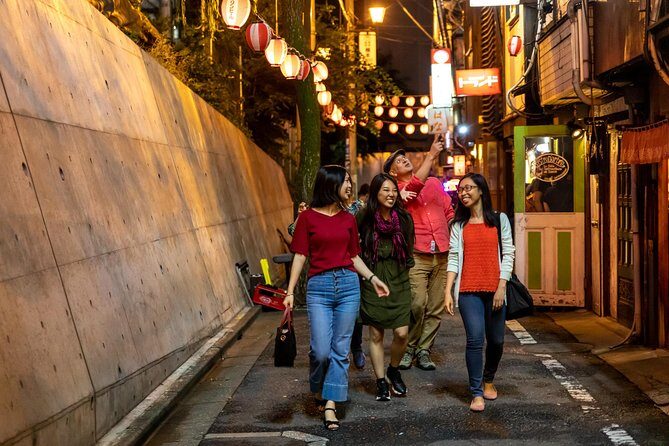
Next up is Tokyo’s seafood scene—another high-impact stop. You’ll visit a lively market where you can enjoy fresh bites while taking in the sights, sounds, and aromas of a major culinary landmark.
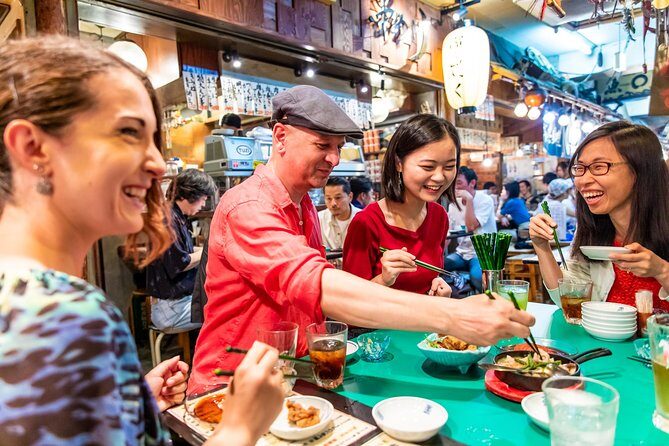
Food here is a big part of the value, even though meals aren’t included. Your host can help you choose what’s worth trying and when to stop eating so you still enjoy the rest of the day. Markets can overwhelm your senses, and it’s easy to accidentally pick a place that’s fine but not great.
What I like about this stop for first-timers is that it’s not just about eating. It’s about learning how Tokyo food culture feels in real life: how people move through the area, how you pick what to order, and how vendors operate at speed.
One practical note: since entry and transport tickets cost extra, you should also expect that some food prices can add up quickly. But that’s in your control. If you plan a budget—say, one snack plus one sit-down bite—you can keep the day enjoyable without turning it into a money stress test.
Imperial gardens break: a calm reset inside the city
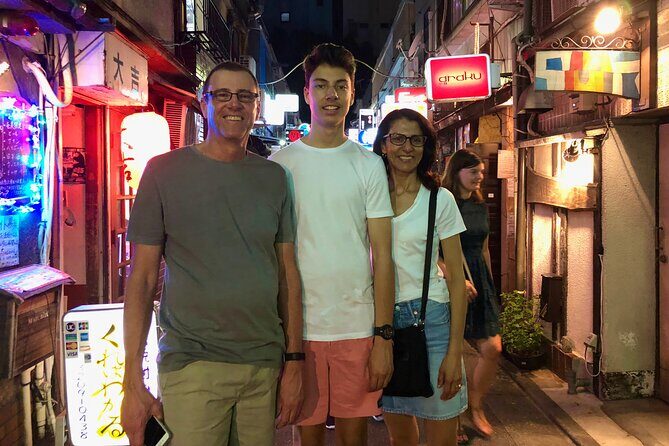
After the energy of markets, you get a breather: beautiful landscaped gardens with tranquil green space and historic ruins. The plan includes time to learn about Japan’s imperial heritage while enjoying a quieter pause in the middle of Tokyo.
This stop matters more than it sounds. Tokyo days can get nonstop fast. A garden break resets your eyes and your feet. It also gives you a chance to slow down after lots of walking and crowded shopping streets.
The ruins part adds depth, too. Instead of only seeing gardens as pretty pictures, your host can connect what you’re seeing to the larger story of Japan’s imperial past. Even if you’re not a history person, it helps to have someone point out the details you’d otherwise miss.
If you’re photographing, this is also where you can get calmer images. Markets and temple streets are busy. Gardens let you focus on composition and light.
Walking pace, public transit gaps, and why footwear matters
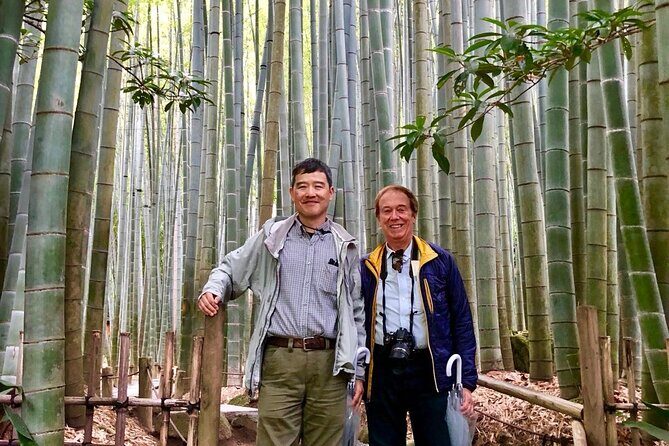
This is a private tour, but it’s not a car tour. It’s primarily walking, and a private vehicle isn’t included. Public transportation or local taxis may be used to transfer between sites, and exact transportation costs can be discussed with your host after you book.
That means two things for your planning:
- Wear comfortable shoes you already trust. This day can easily hit a lot of steps.
- Bring a small plan for water and rest. Since food and drinks aren’t included, you’ll want your own strategy for staying comfortable.
One more thought on tickets: entry and transport tickets aren’t included. So you should budget a bit beyond the tour price depending on what you choose to enter. Your host’s job is to guide you and plan efficient movement, but you still control your own admissions and meals.
For the best experience, I’d treat this as a day of guided navigation. You’re buying the ability to move through Tokyo with less guesswork: where to go next, how to understand what you’re seeing, and how to avoid dead ends.
Value for the money: what you’re really paying for
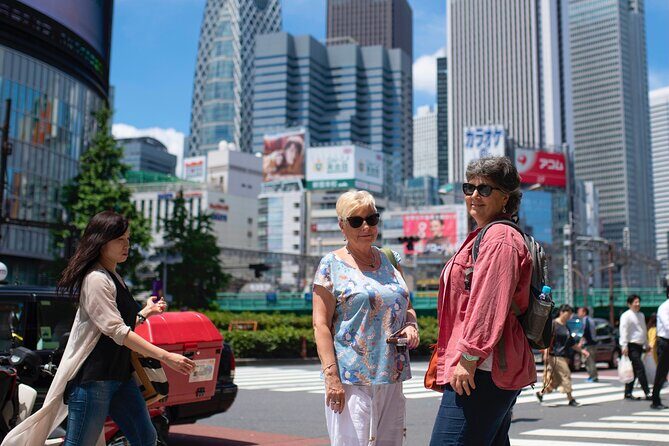
At $231.13 per person for about 8 hours, the headline might look simple. But the real value is in what this format buys you:
- A local voice for the entire day. Not just a history lecture. You get practical advice and recommendations for the rest of your trip.
- A private route that can flex. You’re not stuck doing the same pace as strangers.
- A smart start in the right neighborhood. Meeting in Asakusa sets you up for a logical route.
Can you do Tokyo solo for less? Sure. But you’ll pay in time and confusion. This tour helps you save energy by putting the hard decisions in someone else’s hands—where to spend time, how to sequence stops, and how to focus on what you actually care about.
Also, the tour is booked about 53 days in advance on average. That suggests people plan ahead for a reason: once you’re in Tokyo, your schedule can get crowded fast. If you want a specific start time or you’re traveling during a busy season, booking earlier helps.
Who should book this private Tokyo day (and who might skip it)
This tour is a great fit if you want:
- A first trip to Tokyo where you still want major sights plus local texture
- A day that adapts to your group, including kids or specific interests
- Someone to recommend where to eat without you guessing your way through a market
It may be less ideal if:
- You want a mostly indoor, low-walking day
- You hate paying extra for entry or transit during the tour
- You want fully guided museum-style stops only
If you’re the type who likes to ask questions—about how neighborhoods work, why people do certain things at temples, or what to buy in Akihabara—you’ll get a lot out of having a guide right next to you.
Should you book this Tokyo Top 10 Highlights and Hidden Streets tour?
I’d book it if you want a structured Tokyo day but still want choices. The private format and pre-trip questionnaire are the difference between a generic sightseeing loop and a route that matches your day.
If you’re on the fence, do this quick check:
- Are you comfortable walking a long day with occasional transit?
- Do you care about pop culture context at Akihabara, not just shopping there?
- Do you want a guide’s recommendations for the rest of your trip?
If you said yes to two or three of those, this is a strong match. If not, you might prefer a shorter, more targeted tour (or a self-guided temple + market day with just a transit plan).
FAQ
How long is the Tokyo private tour?
It runs for about 8 hours.
Where does the tour start and end?
It starts at the Asakusa Culture Tourist Information Center in Taito City and ends back at the same meeting point.
Is pickup included?
Pickup is offered, including a hotel meet-up option for central-city hotels. If that matters to you, confirm it when you arrange your plan.
Is the tour mostly walking?
Yes. It’s primarily a walking experience, and public transportation or local taxis may be used to transfer between sites.
Are attraction tickets included?
No. Entry and transport tickets cost extra.
Are meals included?
No. Food and drinks are not included, and you’ll pay on your own.
Can the itinerary be customized?
Yes. You fill out a pre-tour questionnaire, and your host personally reaches out to tailor the day to your preferences and must-sees.
Is this a private tour?
Yes. It’s private, so only your group participates.
Are service animals allowed?
Yes, service animals are allowed.
Can I get a full refund if I cancel?
Free cancellation is available up to 24 hours in advance for a full refund. If you cancel less than 24 hours before the start time, the amount paid is not refunded.
Just Your Group: Private Options


More Tours in Tokyo

More Tour Reviews in Tokyo



Fresh reviews from around Tokyo






Private, compared.
 ★ 5.0Tokyo 6hr Private Tour with Government-Licensed GuideFrom $1553,902 reviews
 ★ 5.0Private Tour to Mt. Fuji and Hakone (Fully Licenced Operator)From $4971,910 reviews
 ★ 5.0Tokyo Customized Private Tour (Must See Places in 1 Day)From $1451,499 reviews
 ★ 4.9Mount Fuji Full-Day Private Tour from Tokyo (Customizable)From $3931,470 reviews
 ★ 4.8Private City Highlights Tour with Local GuideFrom $1061,433 reviews
 ★ 5.0Private Custom Tour: Tokyo in a DayFrom $1591,432 reviews
 ★ 5.0Tokyo 4hr Private Tour with Government-Licensed GuideFrom $1091,394 reviews
 ★ 5.0Tokyo Customized Private Tour: See Top Attractions in 1 DayFrom $1451,351 reviews